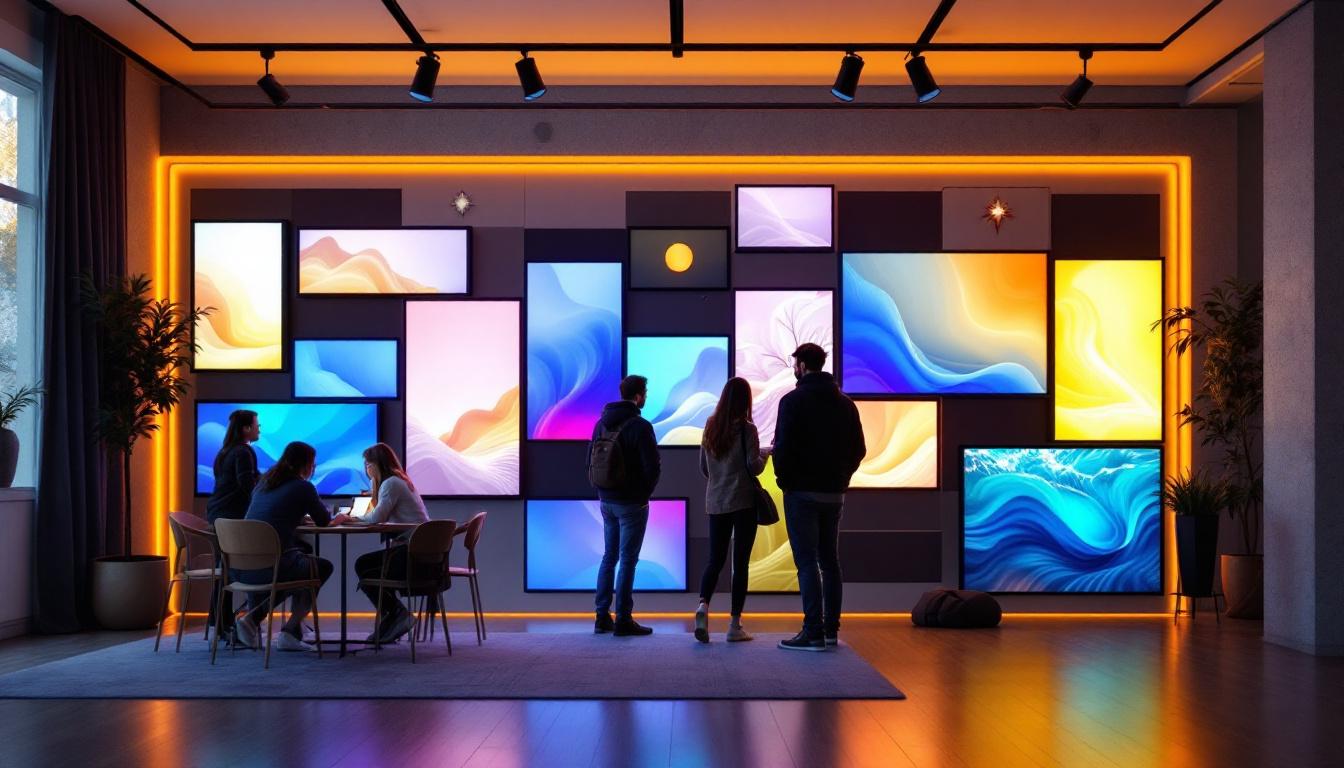
In the rapidly evolving world of event production, retail design, and architectural innovation, modular temporary wall blocks have become a cornerstone for creating flexible, visually striking spaces. Coupled with the integration of LED displays, these modular systems offer unparalleled versatility and engagement. However, understanding the pricing dynamics of modular temporary wall blocks—especially when enhanced with LED technology—can be complex. This article delves into the factors influencing the cost, the benefits of LED integration, and how to make informed decisions when investing in these cutting-edge solutions.
Understanding Modular Temporary Wall Blocks
What Are Modular Temporary Wall Blocks?
Modular temporary wall blocks are prefabricated, often lightweight panels designed to assemble quickly into walls or partitions. Their modular nature allows for easy customization, reconfiguration, and transport, making them ideal for temporary setups in exhibitions, trade shows, pop-up retail environments, and even office spaces. Unlike traditional construction, these blocks require minimal tools and labor, significantly reducing setup time.
Materials commonly used include high-density foam, aluminum frames, and composite panels, which balance durability and portability. The modular design means that walls can be built to various heights and lengths, and accessories like doors, windows, or display mounts can be integrated seamlessly. This versatility not only enhances aesthetic appeal but also allows for creative designs that can reflect a brand’s identity or theme, making them a popular choice for businesses looking to make a strong visual impact.
Furthermore, the ease of assembly and disassembly means that these wall blocks can be reused multiple times in different configurations, making them a sustainable option for businesses that frequently change their layouts or locations. This adaptability is particularly beneficial in industries where trends shift rapidly, allowing companies to stay relevant and responsive to consumer demands.
Why Choose Modular Walls Over Traditional Walls?
Temporary modular walls offer several advantages over conventional construction. They provide flexibility in design and layout, enabling businesses to adapt spaces quickly to changing needs. For example, a retailer can transform a large store into smaller boutique areas without permanent renovations. Additionally, modular walls are reusable, making them a cost-effective investment over time.
Environmental considerations also favor modular solutions. Many manufacturers use recyclable materials and design for disassembly, reducing waste. Moreover, the reduced construction time means less disruption and lower labor costs, which are crucial in fast-paced industries. As businesses increasingly prioritize sustainability, opting for modular walls can enhance their eco-friendly initiatives, appealing to a growing demographic of environmentally conscious consumers.
Moreover, modular walls can also be equipped with advanced technology, such as integrated lighting and sound systems, enhancing the functionality of temporary spaces. This capability allows for immersive experiences in exhibitions or events, where ambiance plays a crucial role in engaging audiences. The ability to incorporate tech seamlessly into these structures not only elevates the aesthetic but also provides practical benefits, such as improved acoustics and lighting control, further solidifying the appeal of modular temporary wall blocks in various applications.
The Role of LED Displays in Modular Wall Systems
Integrating LED Displays: Enhancing Functionality and Appeal
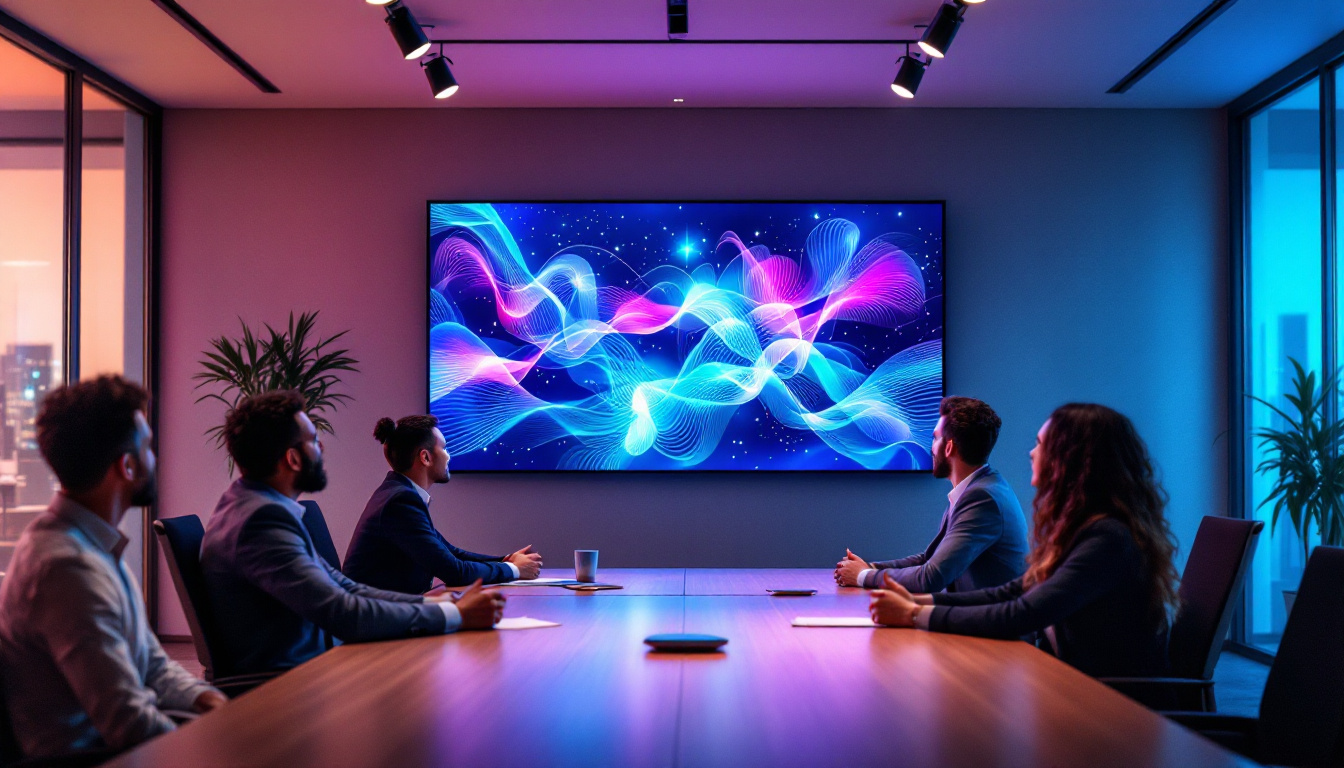
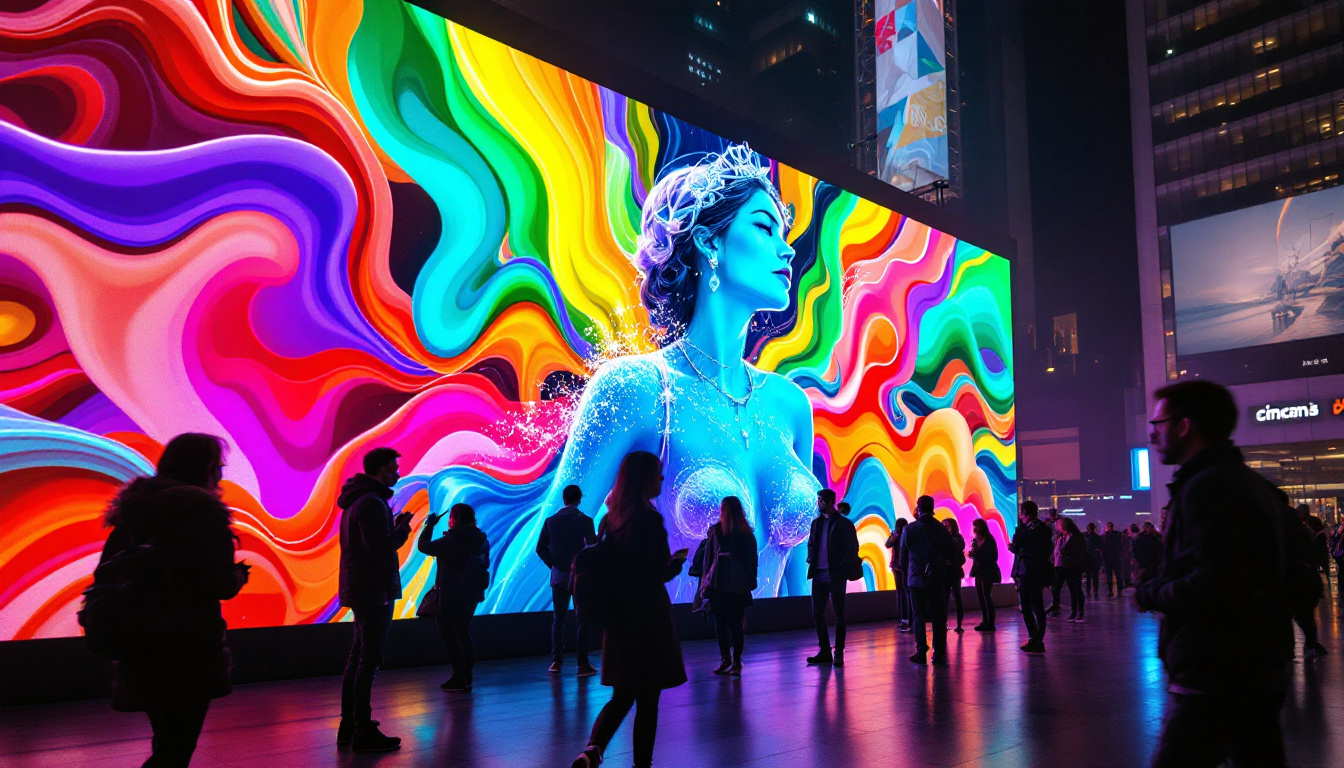
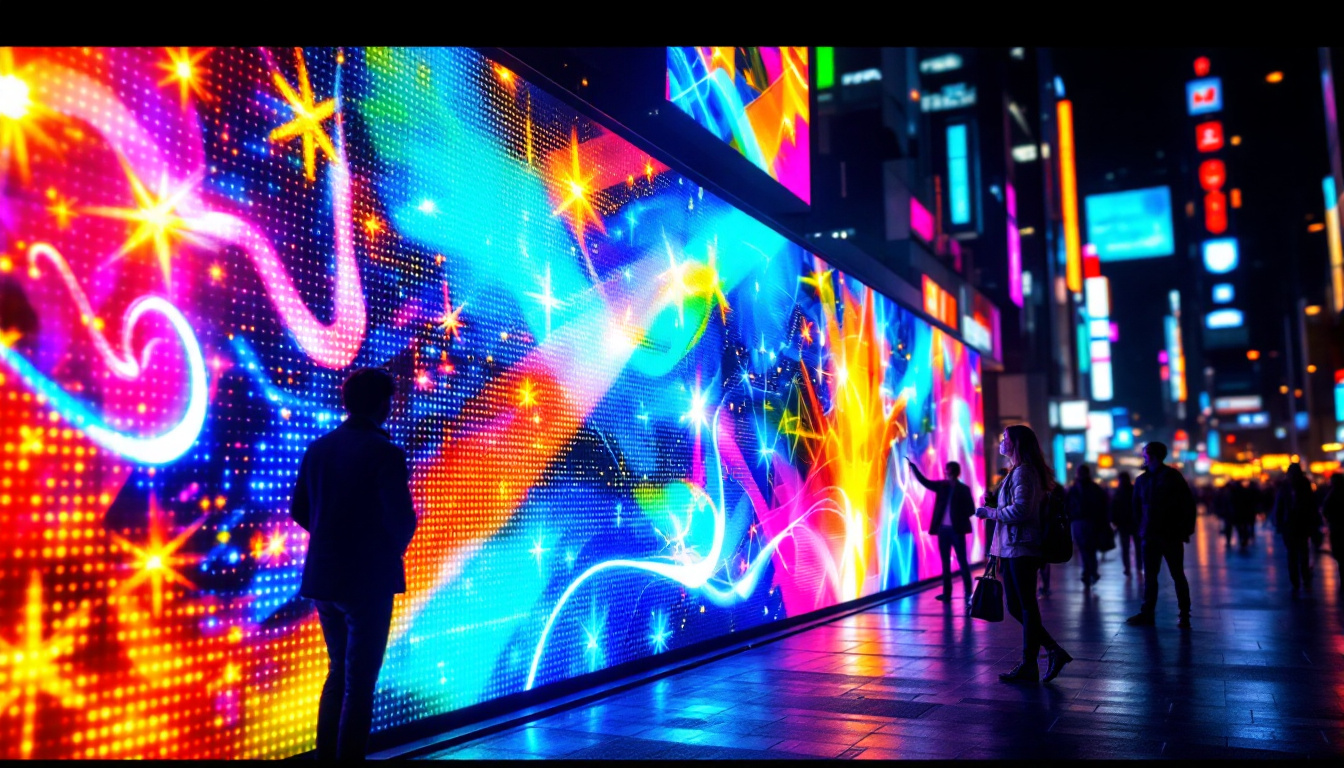
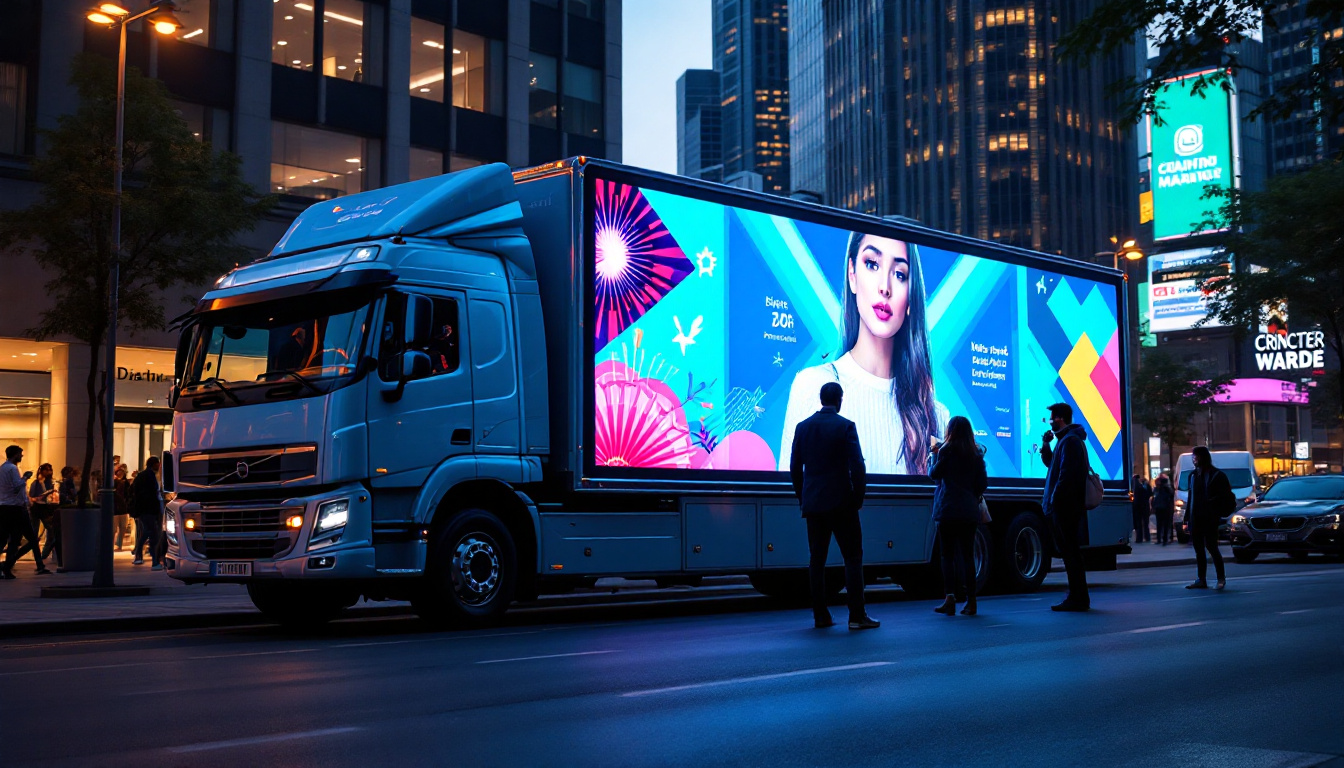
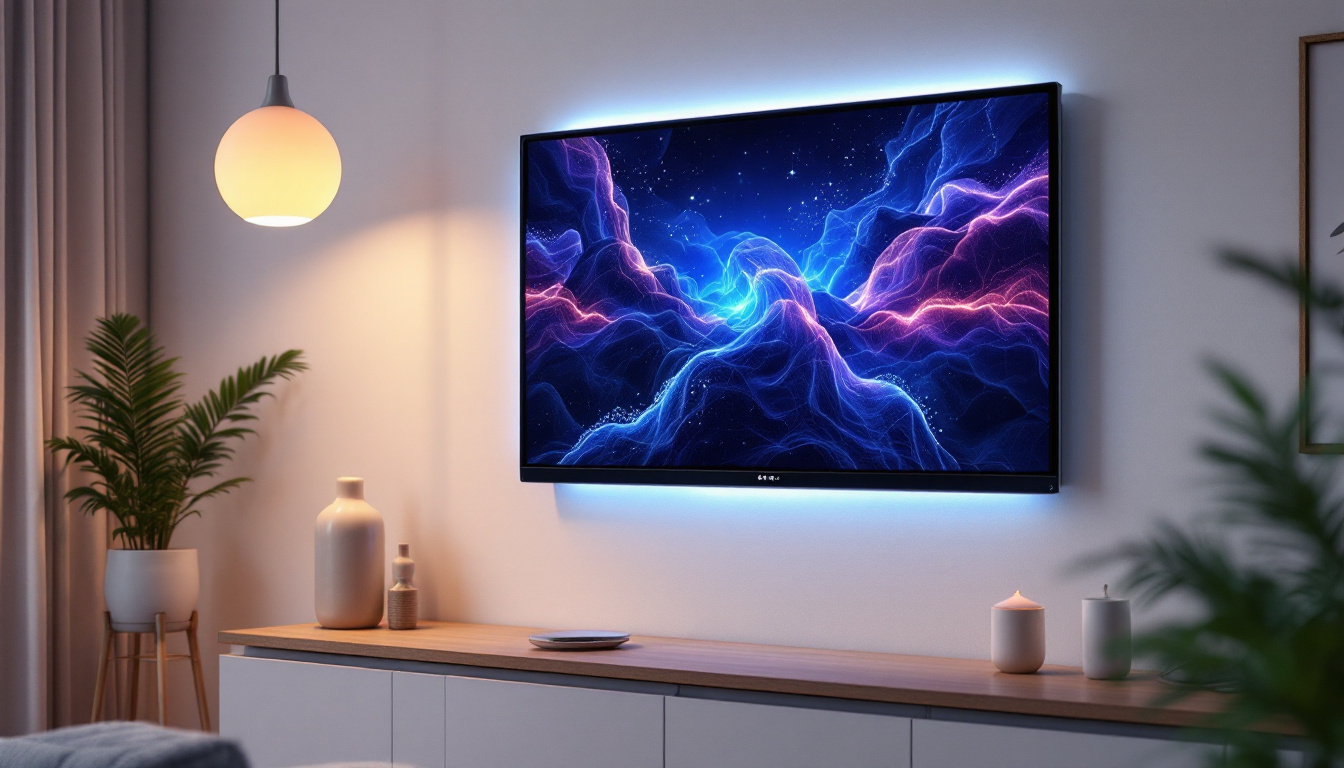
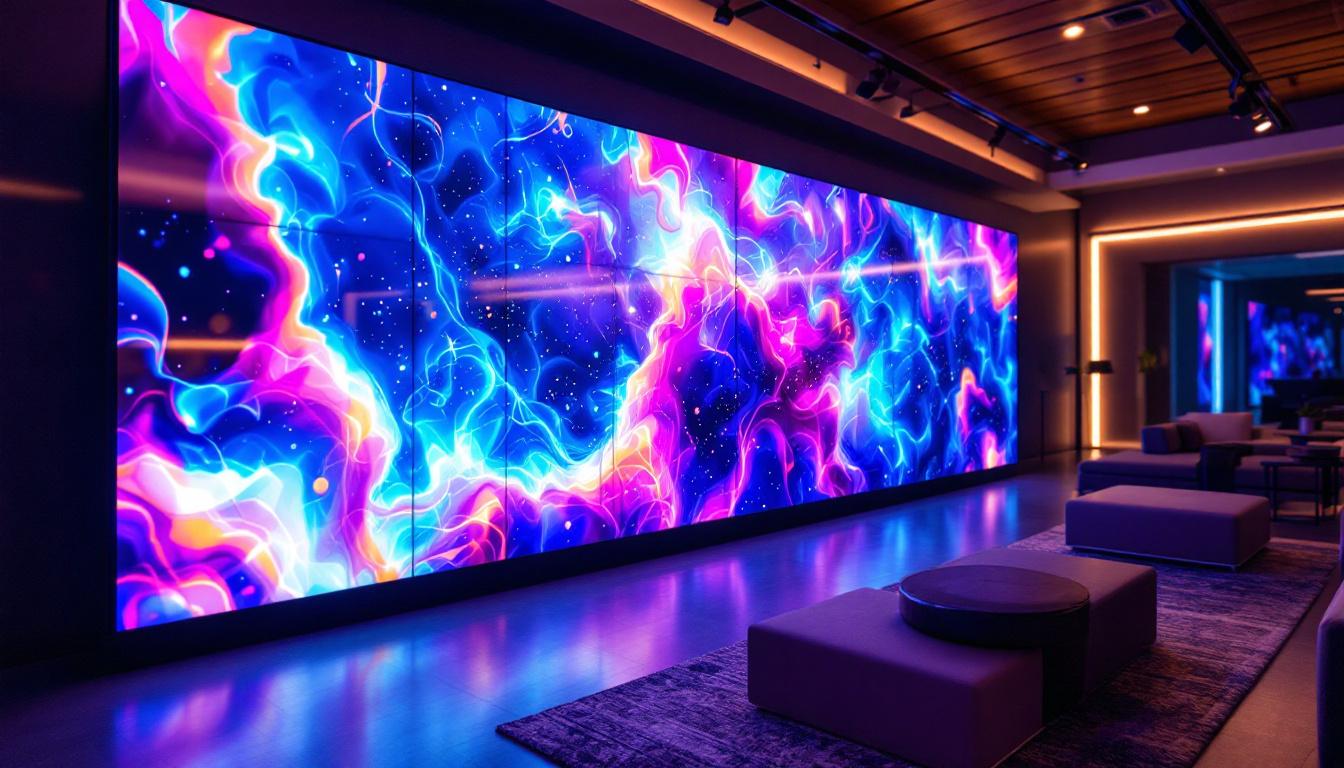
LED displays have revolutionized the way spaces communicate with their audience. When integrated into modular temporary walls, they transform static partitions into dynamic, interactive canvases. This integration is particularly popular in retail, exhibitions, and corporate environments where visual impact and engagement are paramount.
LED panels embedded within or mounted onto modular walls can display high-resolution images, videos, animations, and real-time data. This capability allows brands to showcase products, promotions, or information in an eye-catching manner. The combination of modular walls and LED technology creates a multifunctional solution that serves both spatial and digital communication needs.
Types of LED Displays Suitable for Modular Walls
Several LED display types are compatible with modular wall systems, each with distinct characteristics:
- Indoor LED Panels: Designed for close viewing distances, these panels offer high pixel density and brightness levels suitable for indoor environments.
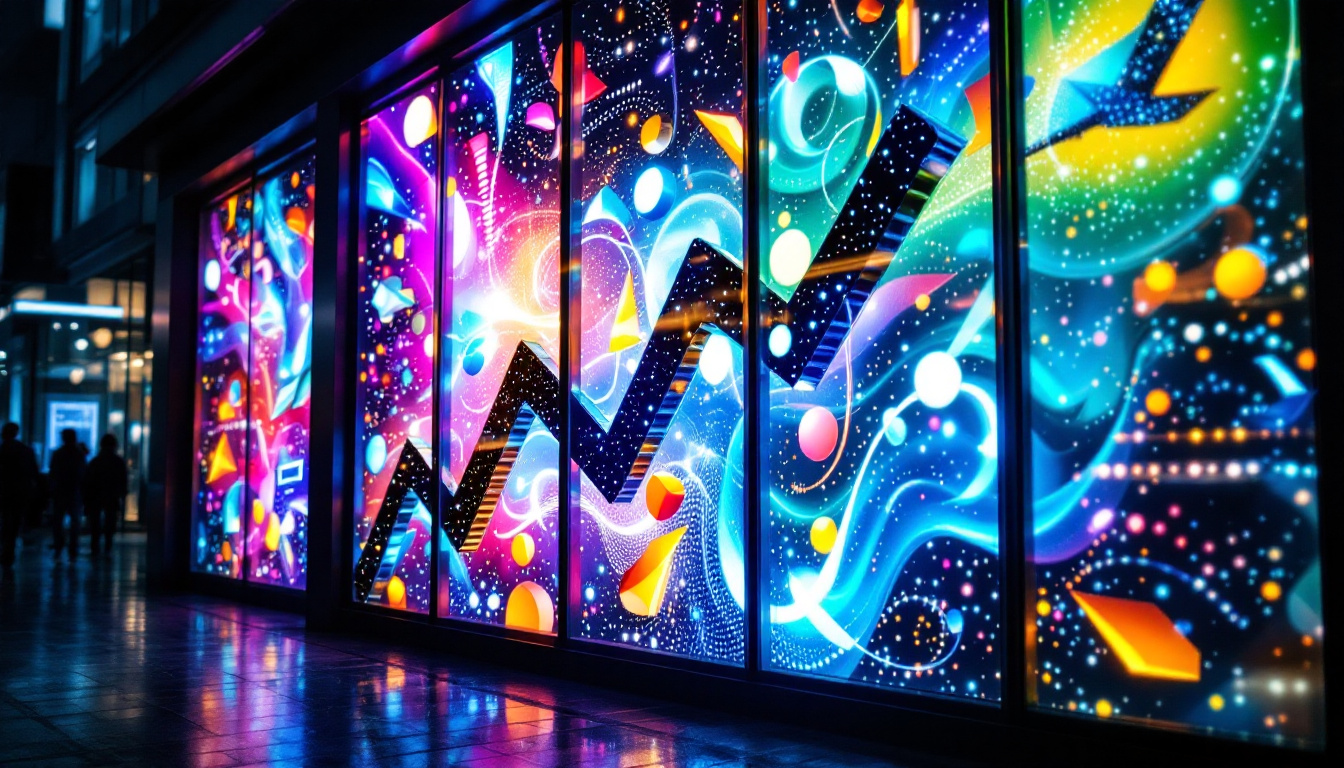
- Transparent LED Screens: These allow light to pass through, maintaining visibility while displaying content, ideal for storefronts or partition walls.
- Flexible LED Displays: These can curve or bend, enabling creative wall shapes and designs.
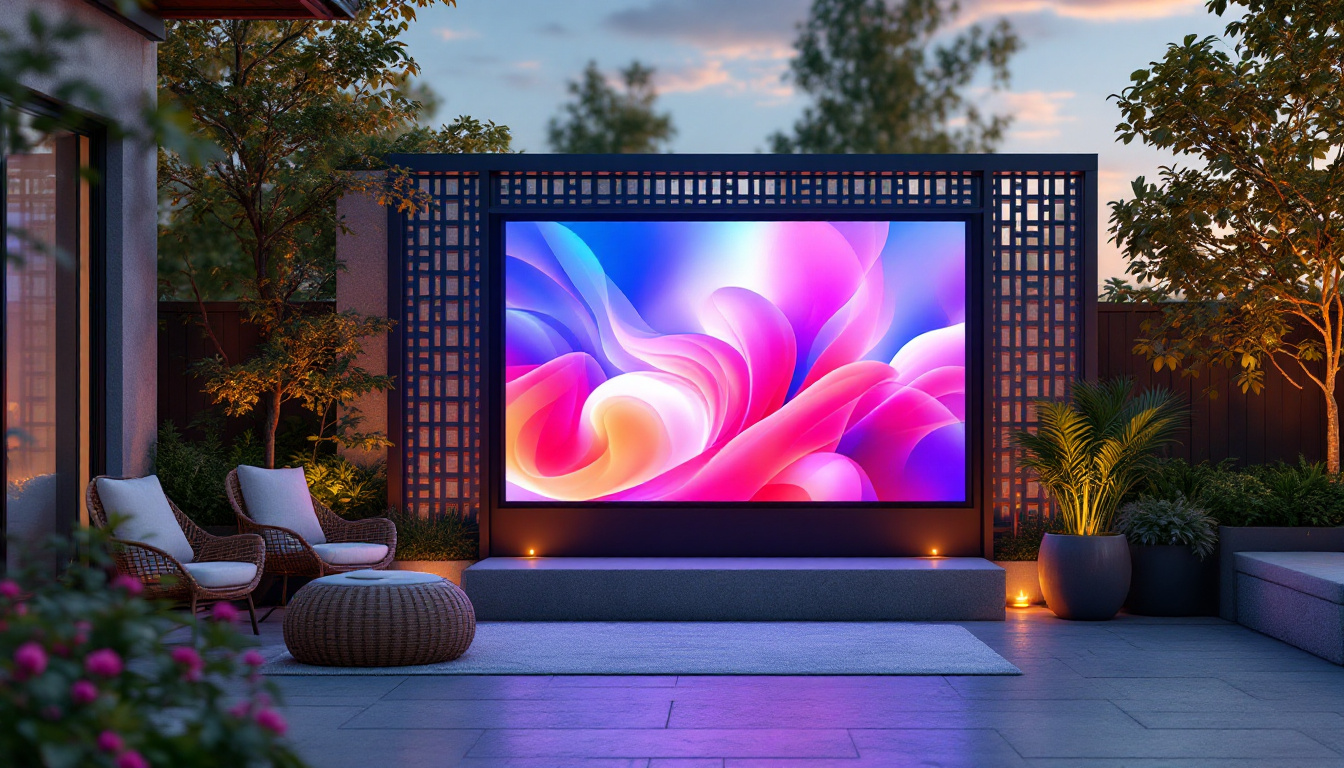
- Outdoor LED Panels: Though less common in temporary indoor setups, these are weather-resistant and used in semi-permanent installations.
The choice depends on the application, viewing distance, ambient lighting, and budget considerations.
Factors Influencing the Price of Modular Temporary Wall Blocks with LED Displays
Material Quality and Construction
The base price of modular temporary wall blocks varies significantly based on the materials used. High-density foam panels with aluminum frames tend to be more expensive but offer superior durability and ease of handling. Cheaper alternatives may use lower-grade materials that compromise longevity and aesthetics.
When LED displays are incorporated, the structural integrity of the wall must support the additional weight and wiring. This often necessitates reinforced frames or specialized mounting systems, which add to the cost.
LED Display Specifications
LED display pricing is influenced by several technical factors:
- Pixel Pitch: The distance between LED pixels determines resolution and clarity. Smaller pixel pitches (e.g., 1.5mm to 2.5mm) offer sharper images but are more expensive.
- Panel Size and Configuration: Larger displays or custom shapes increase costs due to more LED modules and complex assembly.
- Brightness and Color Accuracy: Higher brightness is essential for well-lit environments but comes at a premium.
- Refresh Rate and Processing: Advanced controllers and processors that enable smooth video playback and interactive features add to the investment.
Understanding these specifications helps buyers align their needs with budget constraints.
Installation and Maintenance Costs
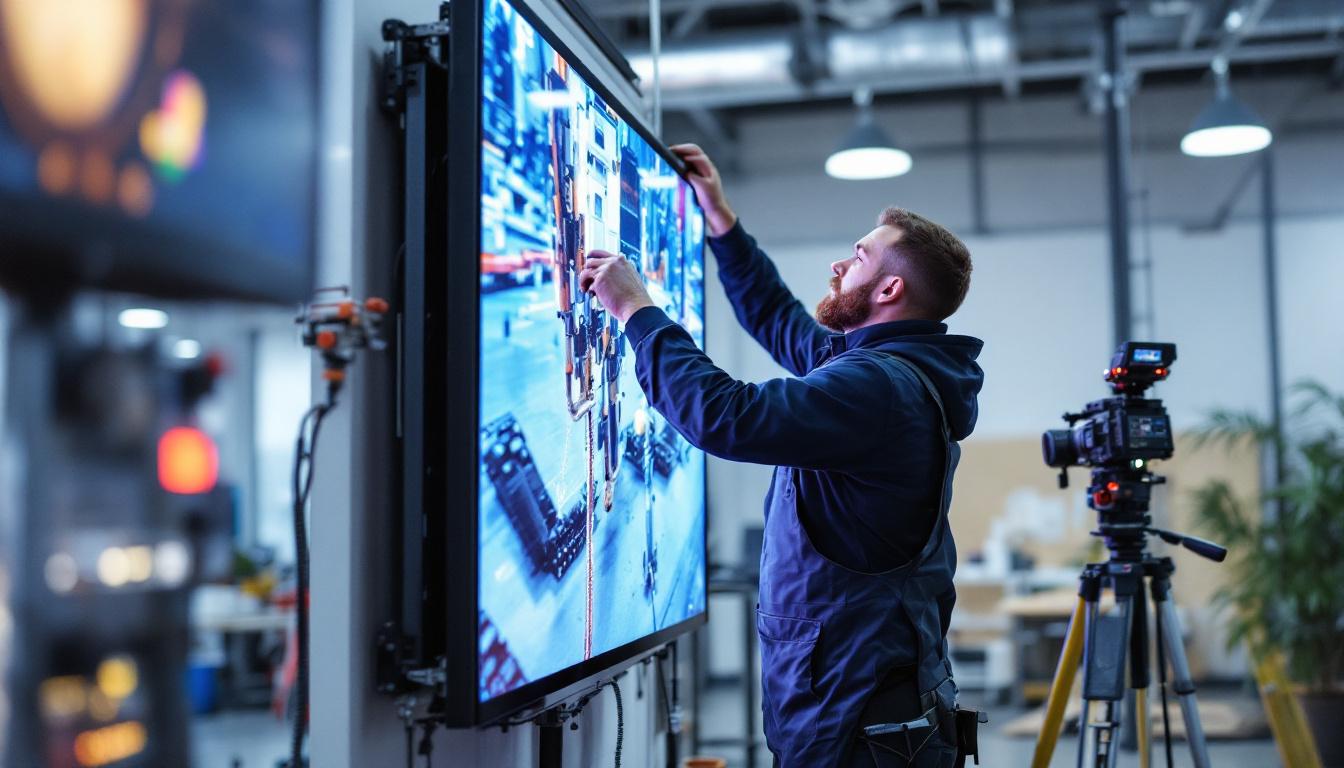
While modular walls are designed for easy assembly, integrating LED displays requires skilled technicians for proper installation, calibration, and wiring. This can increase upfront costs. Additionally, ongoing maintenance—such as replacing faulty LED modules or managing software updates—should be factored into the total cost of ownership.
Some providers offer turnkey solutions, including installation and maintenance packages, which may be more cost-effective in the long run.
Customization and Additional Features
Custom colors, finishes, and branding elements on the wall blocks can raise prices. Similarly, adding interactive touchscreens, sensors, or smart lighting integrated with LED displays enhances functionality but adds complexity and cost.
Moreover, rental options for short-term use may have different pricing models compared to purchasing, often including delivery, setup, and dismantling fees.
Current Market Pricing Trends and Examples
Average Costs of Modular Temporary Wall Blocks
As of 2024, the price for basic modular temporary wall blocks typically ranges from $50 to $150 per square foot, depending on material quality and design complexity. High-end systems with premium finishes or custom configurations can exceed this range.
For example, a standard 8-foot-high by 10-foot-wide wall panel made from aluminum-framed composite materials might cost around $1,000 to $1,500, excluding installation.
LED Display Pricing Overview
LED display costs vary widely based on specifications. Indoor LED panels with a pixel pitch of 2.5mm generally cost between $1,000 and $3,000 per square meter. Smaller pixel pitches or specialized displays can push prices higher.
For a modular wall incorporating a 10-square-meter LED display, the LED component alone could range from $10,000 to $30,000, excluding installation and control systems.
Case Study: Trade Show Booth with Modular Walls and LED Displays
A mid-sized trade show booth measuring 20 feet by 20 feet utilized modular temporary wall blocks with integrated LED displays to maximize brand visibility. The modular walls cost approximately $20,000, while the LED displays added another $35,000. Installation and maintenance services contributed an additional $5,000.
The investment resulted in a highly flexible booth that could be reconfigured for future events, with dynamic digital content attracting significant visitor engagement, ultimately boosting lead generation and sales.
Benefits of Investing in Modular Walls with LED Displays
Flexibility and Reusability
One of the primary advantages is the ability to adapt spaces quickly. Modular walls can be dismantled and reassembled in different configurations, while LED displays can be updated with new content instantly. This flexibility supports evolving marketing strategies and operational needs.
Enhanced Visual Communication
LED displays enable vibrant, dynamic messaging that captures attention far more effectively than static graphics. This is crucial in competitive environments like retail or exhibitions where first impressions matter.
Cost Efficiency Over Time
Although the initial investment may be significant, the reusability and reduced labor costs associated with modular walls and LED displays often result in lower total expenses compared to traditional construction and static signage over multiple uses.
Tips for Making an Informed Purchase Decision
Assess Your Specific Needs
Evaluate the intended use, frequency of reconfiguration, viewing distances, and ambient lighting conditions. This assessment will guide the selection of appropriate wall materials and LED display specifications.
Request Detailed Quotes and Compare Providers
Obtain comprehensive quotes that include materials, LED specifications, installation, and maintenance. Comparing multiple providers ensures competitive pricing and service quality.
Consider Long-Term Support and Warranty
Choose manufacturers or suppliers that offer robust warranties and responsive customer support, especially for LED components, which can be sensitive and expensive to repair.
Plan for Integration and Compatibility
Ensure that the modular wall system and LED displays are compatible with existing infrastructure or technology platforms to avoid costly retrofits.
Conclusion
Modular temporary wall blocks combined with LED displays represent a powerful solution for creating adaptable, visually compelling environments. While the pricing can vary widely based on materials, LED specifications, and additional features, understanding these factors enables businesses to make strategic investments that maximize impact and return on investment.
As technology advances and demand for flexible, immersive spaces grows, the integration of modular walls and LED displays is poised to become an industry standard across events, retail, and corporate sectors. Careful planning, thorough research, and collaboration with experienced providers will ensure that the chosen solution meets both budgetary and functional requirements.
Discover LumenMatrix LED Display Innovations
Ready to elevate your space with the dynamic versatility of modular temporary wall blocks and the captivating allure of LED displays? Look no further than LumenMatrix, your partner in creating immersive environments that resonate with your audience. With our extensive range of LED display solutions, from Indoor and Outdoor LED Wall Displays to Custom and Transparent LED Displays, we are committed to transforming your visual communication strategy. Don’t miss the opportunity to revolutionize your brand’s presence. Check out LumenMatrix LED Display Solutions today and step into the future of engaging, flexible, and impactful displays.