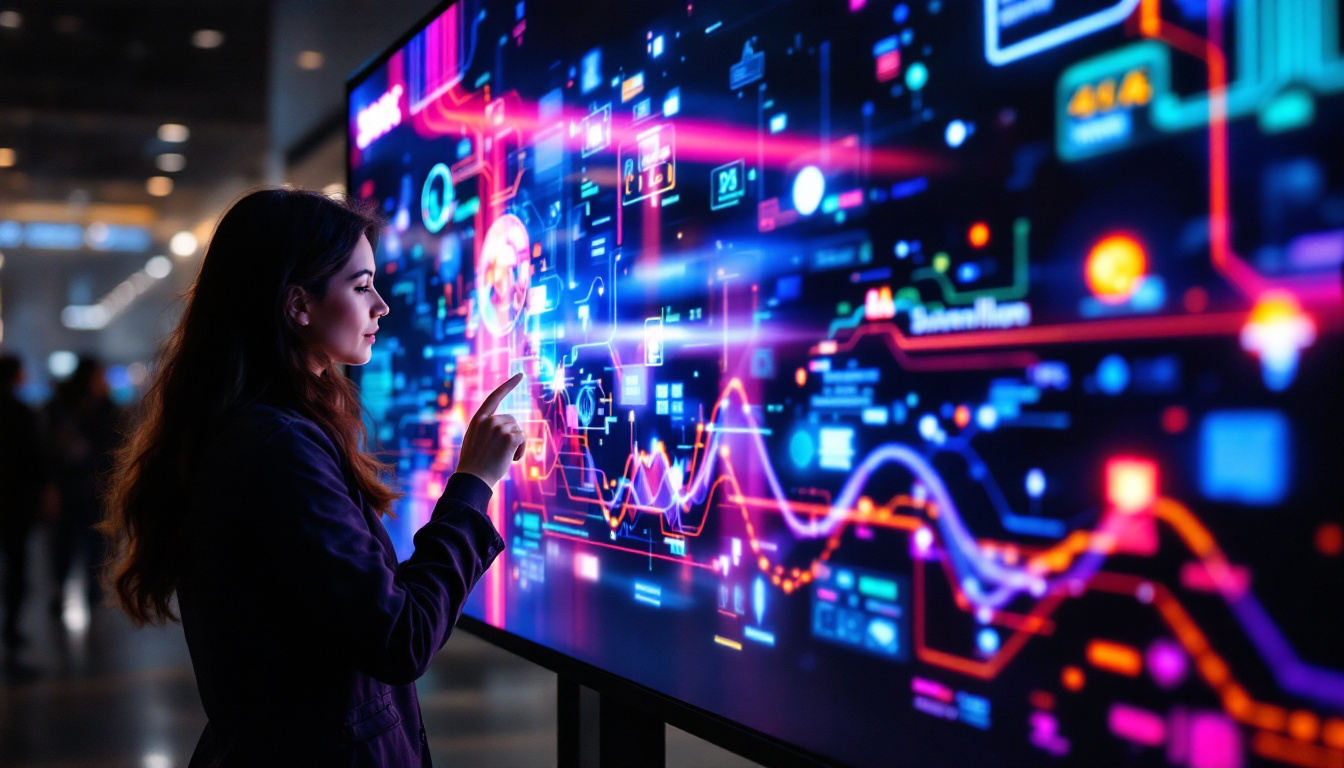
In today’s fast-paced digital environment, the way we display information has evolved dramatically. LED displays have become a cornerstone in various industries, from retail and advertising to corporate environments and control rooms. However, the effectiveness of an LED display is not just about the screen itself—how it is mounted and positioned plays a critical role in visibility, durability, and user experience. This is where monitor brackets come into play.
This article delves into the world of monitor brackets specifically designed for LED displays. It explores their types, benefits, installation considerations, and how they enhance the overall performance of LED screens. Whether you are a business owner, IT professional, or AV integrator, understanding these components can help you make informed decisions that optimize your display setups.
Understanding LED Displays and Their Mounting Needs
What Are LED Displays?
LED (Light Emitting Diode) displays use an array of light-emitting diodes to produce images and videos. They are favored for their brightness, energy efficiency, and long lifespan compared to traditional LCD or plasma screens. LED technology is highly versatile, supporting everything from small indoor monitors to massive outdoor billboards.
One of the key advantages of LED displays is their ability to deliver vivid colors and high contrast ratios even in bright environments. This makes them ideal for applications such as digital signage, video walls, and interactive kiosks.
Why Mounting Matters for LED Displays
While LED displays are robust, their performance and longevity depend heavily on proper installation. Mounting solutions, including monitor brackets, ensure that the display is securely positioned, optimally angled, and protected from physical damage.
Improper mounting can lead to issues such as glare, poor viewing angles, and even damage to the display panel. In commercial settings, where displays often operate 24/7, stability and ease of maintenance are paramount. Therefore, choosing the right bracket is not just a matter of convenience but a strategic decision that impacts the display’s effectiveness and lifespan.
Types of Monitor Brackets for LED Displays
Fixed Wall Mounts
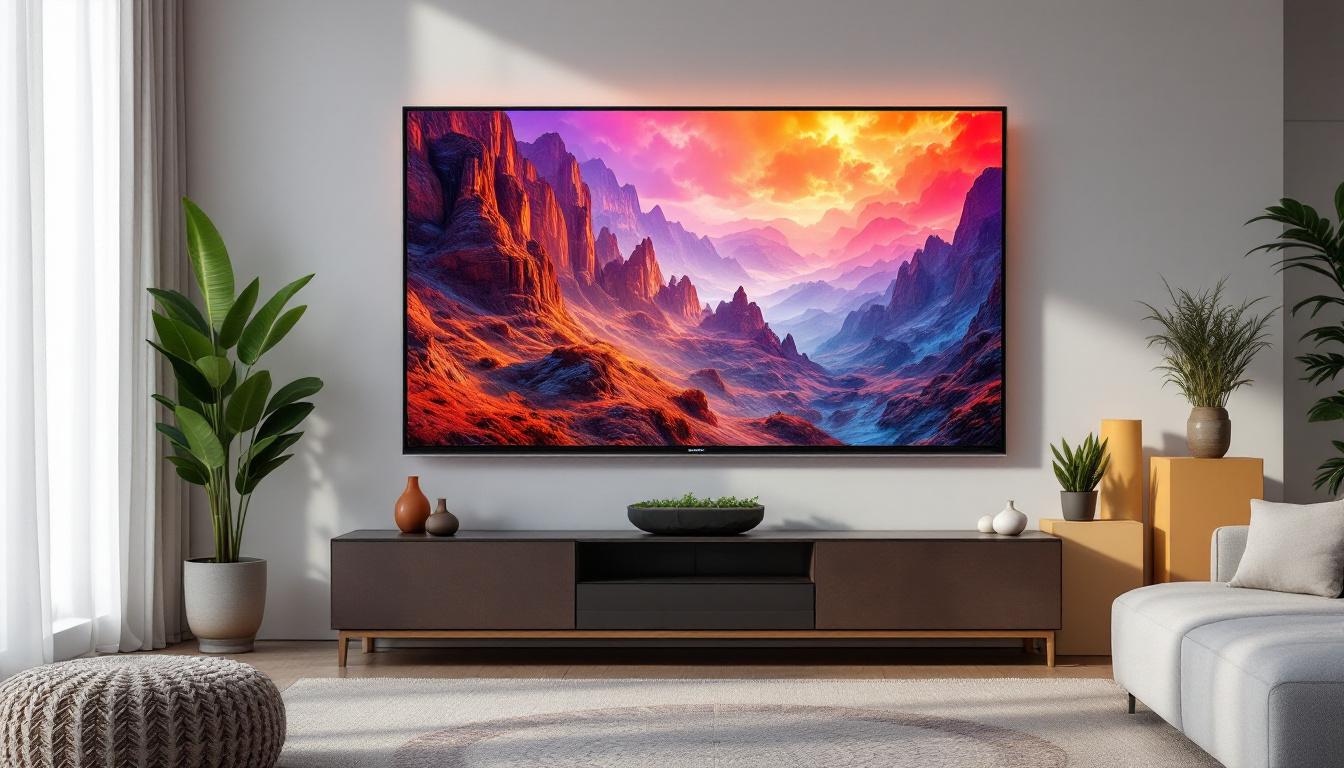
Fixed wall mounts are the simplest type of monitor bracket. They hold the LED display flat against the wall without any tilt or swivel capabilities. This type is ideal for environments where the viewing angle is consistent and does not require adjustment, such as digital signage in corridors or waiting areas.
Fixed mounts are generally more affordable and easier to install. They also provide a clean, low-profile look, which is often preferred in minimalist or professional settings.
Tilting and Swiveling Brackets
Tilting brackets allow the LED display to be angled up or down, while swiveling brackets enable side-to-side rotation. These features are essential in environments where the audience moves or where the display needs to be adjusted to reduce glare and optimize viewing comfort.
For example, in conference rooms or control centers, the ability to tilt and swivel the screen can enhance visibility for multiple viewers. These brackets often come with locking mechanisms to secure the display in the desired position.
Articulating and Full-Motion Mounts
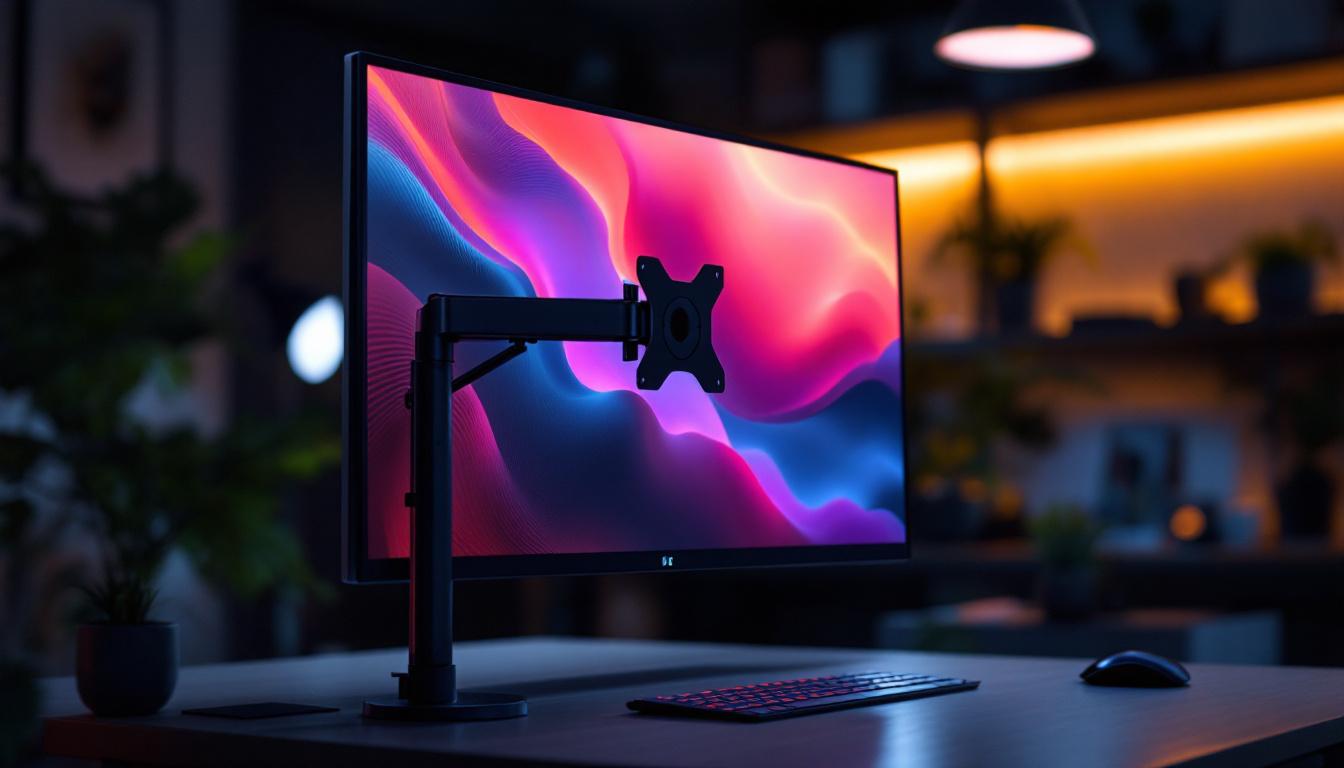
Articulating mounts provide the highest level of flexibility. They allow the LED display to extend away from the wall, swivel, tilt, and sometimes even rotate. This makes them perfect for dynamic environments such as retail stores, exhibition halls, or home entertainment setups where the display position needs frequent adjustment.
Though more expensive, full-motion mounts improve ergonomics and user experience by enabling optimal positioning regardless of room layout or lighting conditions.
Ceiling and Pole Mounts
In certain scenarios, wall mounting is not feasible or desirable. Ceiling and pole mounts offer alternative solutions, especially for large LED displays in open spaces like airports, stadiums, or shopping malls.
These mounts require careful engineering to ensure safety and stability, given the weight and size of LED screens. They also often incorporate cable management systems to maintain a clean appearance and prevent damage to wiring.
Key Considerations When Choosing Monitor Brackets for LED Displays
Weight and Size Compatibility
One of the most critical factors is ensuring that the bracket can support the weight and dimensions of the LED display. LED screens vary widely in size—from compact 24-inch panels to massive video walls exceeding 100 inches.
Manufacturers typically specify the maximum weight and screen size their brackets can accommodate. Exceeding these limits can compromise safety and cause damage to both the display and the mounting surface.
VESA Standards
The Video Electronics Standards Association (VESA) has established standardized mounting hole patterns for displays. Most LED monitors adhere to these standards, which simplifies the selection of compatible brackets.
Common VESA patterns include 75×75 mm, 100×100 mm, and larger sizes for bigger displays. Verifying that the bracket matches the VESA pattern of your LED display is essential for a secure fit.
Viewing Angle and Ergonomics
Consider the typical viewing distance and angle when selecting a bracket. For example, in a retail environment, displays might need to be visible from multiple directions, requiring swiveling or articulating mounts.
Ergonomics is especially important in workspaces where employees interact with LED monitors for extended periods. Adjustable brackets help reduce neck and eye strain by enabling optimal screen positioning.
Installation Environment
The mounting surface and environmental conditions also influence bracket choice. Concrete walls, drywall, glass, or metal surfaces each require different mounting hardware and techniques.
Outdoor installations demand brackets made of corrosion-resistant materials such as stainless steel or powder-coated aluminum to withstand weather elements. Additionally, some environments might require tamper-proof or lockable mounts for security.
Cable Management
LED displays often require multiple cables for power, data, and control signals. Brackets with integrated cable management channels help organize and conceal wiring, reducing clutter and minimizing the risk of cable damage.
Neat cable management also enhances the overall aesthetic, which is important in customer-facing applications like retail or hospitality.
Benefits of Using Monitor Brackets for LED Displays
Improved Viewing Experience
Properly mounted LED displays ensure optimal viewing angles, brightness, and contrast. Adjustable brackets allow users to tailor the screen position to ambient lighting and audience location, enhancing readability and engagement.
Studies show that displays positioned at eye level and within a comfortable viewing distance can increase viewer retention and reduce fatigue, which is crucial for advertising effectiveness and workplace productivity.
Space Optimization
Monitor brackets help save valuable floor and desk space by securely mounting displays on walls or ceilings. This is particularly beneficial in compact environments such as small offices, retail counters, or public kiosks.
Wall-mounted displays also contribute to a cleaner, more organized look, which can positively influence customer perception and employee morale.
Enhanced Safety and Security
Secure mounting reduces the risk of accidental damage from falls or knocks. This is especially important in high-traffic areas or environments with children and pets.
Some brackets offer locking mechanisms or anti-theft features, which are vital in public spaces to prevent tampering or theft of expensive LED displays.
Ease of Maintenance and Upgrades
Many modern monitor brackets are designed for easy installation and removal, facilitating routine maintenance and upgrades. Quick-release mechanisms allow technicians to service the display without dismantling the entire setup.
This reduces downtime and labor costs, ensuring that LED displays remain operational and up-to-date with minimal disruption.
Installation Best Practices for Monitor Brackets and LED Displays
Pre-Installation Planning
Before mounting, conduct a thorough site survey to assess wall strength, available space, and viewing requirements. Use a stud finder or wall scanner to locate secure anchoring points, especially in drywall installations.
Consider the cable routing paths and power source locations to avoid unsightly or hazardous wiring runs.
Use Appropriate Tools and Hardware
Follow manufacturer instructions carefully, using the recommended screws, anchors, and tools. For heavy or large LED displays, enlist professional installers to ensure safety and compliance with building codes.
Double-check that the bracket is level and firmly secured before attaching the display.
Test Viewing Angles and Adjustments
Once installed, test the display from multiple vantage points to confirm optimal visibility. Adjust tilt, swivel, or extension features as needed to minimize glare and maximize comfort.
Solicit feedback from end-users or customers to ensure the display meets their needs.
Regular Maintenance Checks
Periodically inspect the mounting hardware for signs of wear, loosening, or corrosion. Tighten screws and clean brackets to maintain stability and appearance.
Address any issues promptly to prevent accidents or damage to the LED display.
Emerging Trends in Monitor Brackets for LED Displays
Smart Mounting Solutions
Advancements in IoT and smart building technologies are influencing monitor bracket design. Some new models incorporate sensors that monitor display orientation and alert maintenance teams if adjustments are needed.
Others integrate motorized adjustments controlled remotely, enabling dynamic repositioning based on real-time environmental data or user preferences.
Eco-Friendly Materials
As sustainability becomes a priority, manufacturers are exploring eco-friendly materials and finishes for brackets. Recycled metals, low-VOC coatings, and modular designs that facilitate recycling are gaining traction.
These innovations align with corporate social responsibility goals and appeal to environmentally conscious consumers.
Customization and Modular Systems
Modular mounting systems allow businesses to customize configurations for unique spaces and multi-display setups. This flexibility supports creative installations such as curved video walls or mixed-media displays.
Custom brackets tailored to specific LED models or architectural requirements are also becoming more accessible, enhancing integration and aesthetics.
Conclusion
Monitor brackets are a critical yet often overlooked component in the deployment of LED displays. Their role extends beyond mere support—they influence viewing quality, safety, space utilization, and maintenance efficiency. Selecting the right bracket involves understanding the display’s specifications, installation environment, and user needs.
As LED technology continues to evolve, so too will the mounting solutions that support it. Staying informed about the latest trends and best practices ensures that businesses and professionals can maximize the impact and longevity of their LED display investments.
Whether outfitting a retail store, corporate office, or public venue, investing in quality monitor brackets tailored for LED displays is a strategic choice that delivers tangible benefits across the board.
Explore Cutting-Edge LED Display Solutions with LumenMatrix
Ready to elevate your visual communication with the latest in LED display technology? LumenMatrix is at the forefront of innovation, offering a wide range of LED display solutions that transform any space into a dynamic visual experience. From captivating Indoor LED Wall Displays to vibrant Outdoor LED Wall Displays, and from mobile Vehicle LED Displays to interactive Floor LED Displays, our products are designed to make your brand stand out. Discover how LumenMatrix can help you create engaging environments and share your message with unparalleled clarity. Check out LumenMatrix LED Display Solutions today and see the difference cutting-edge technology can make.