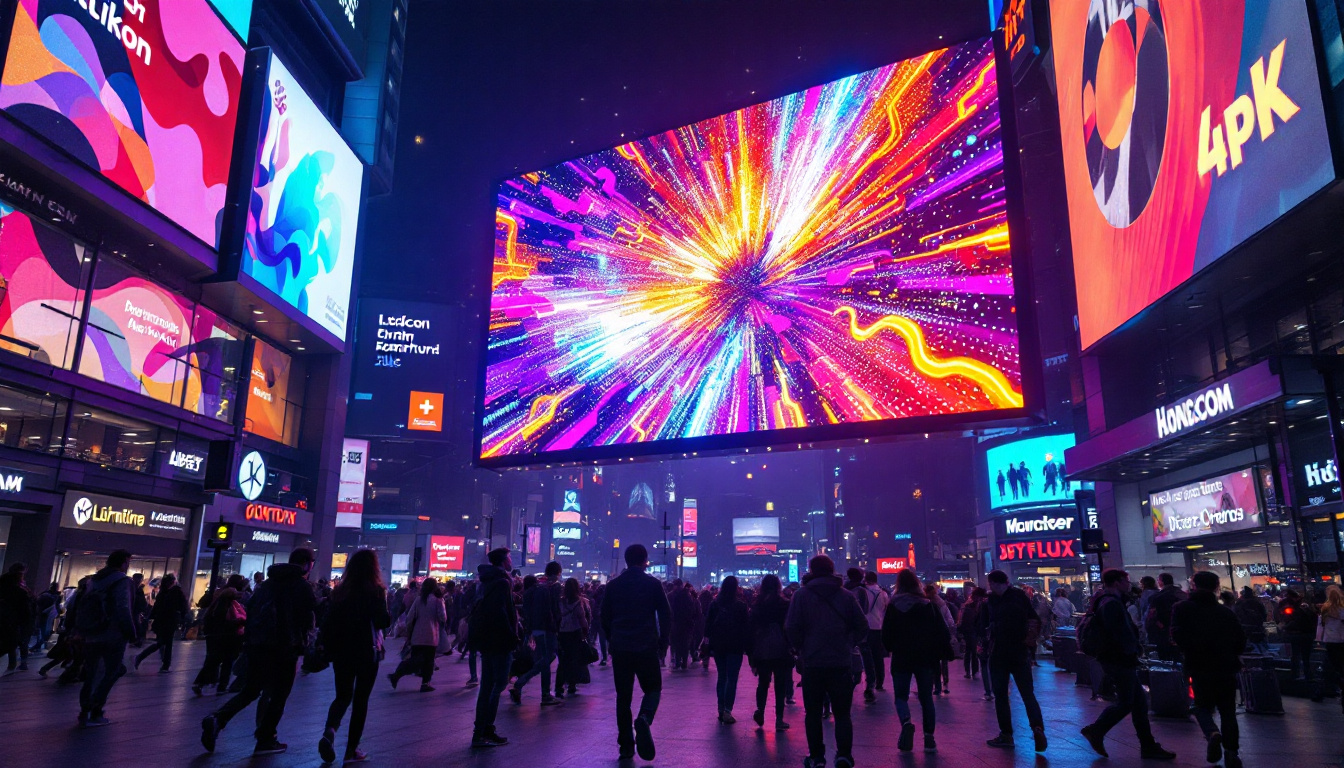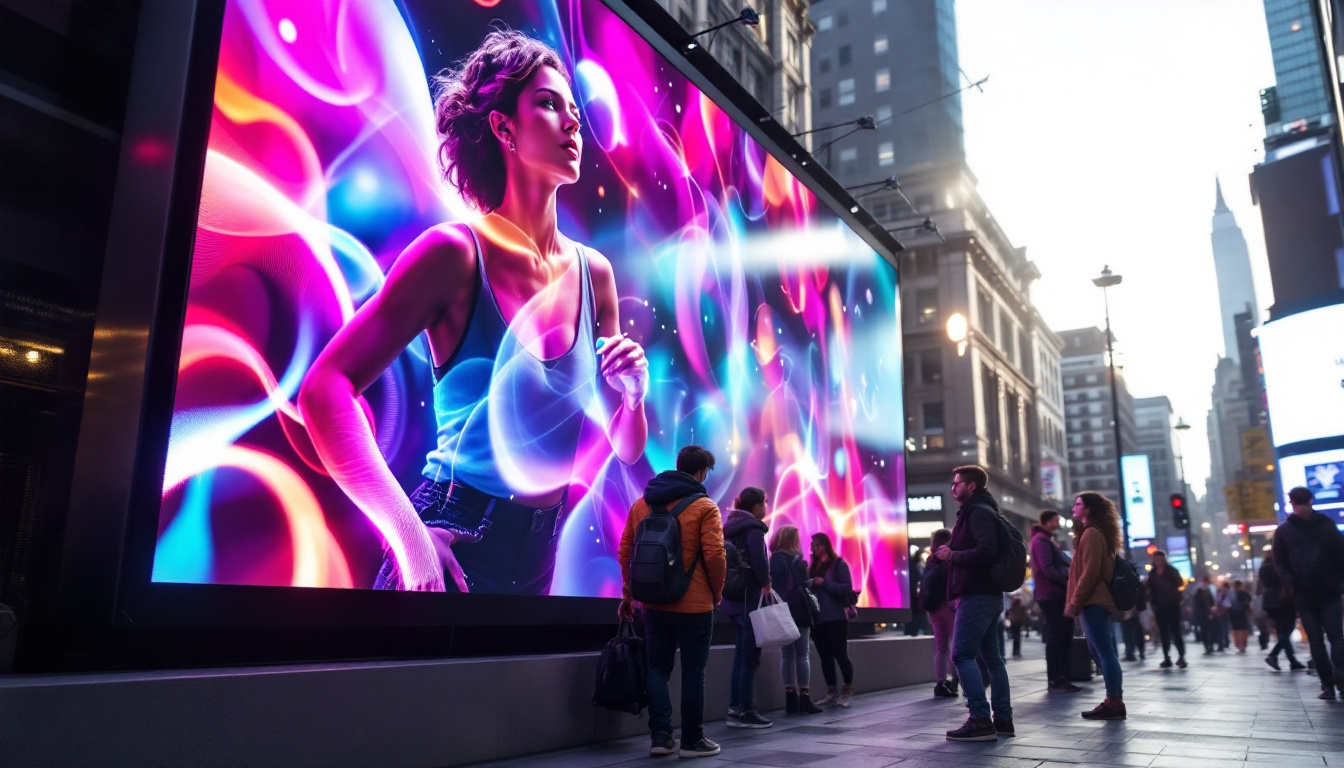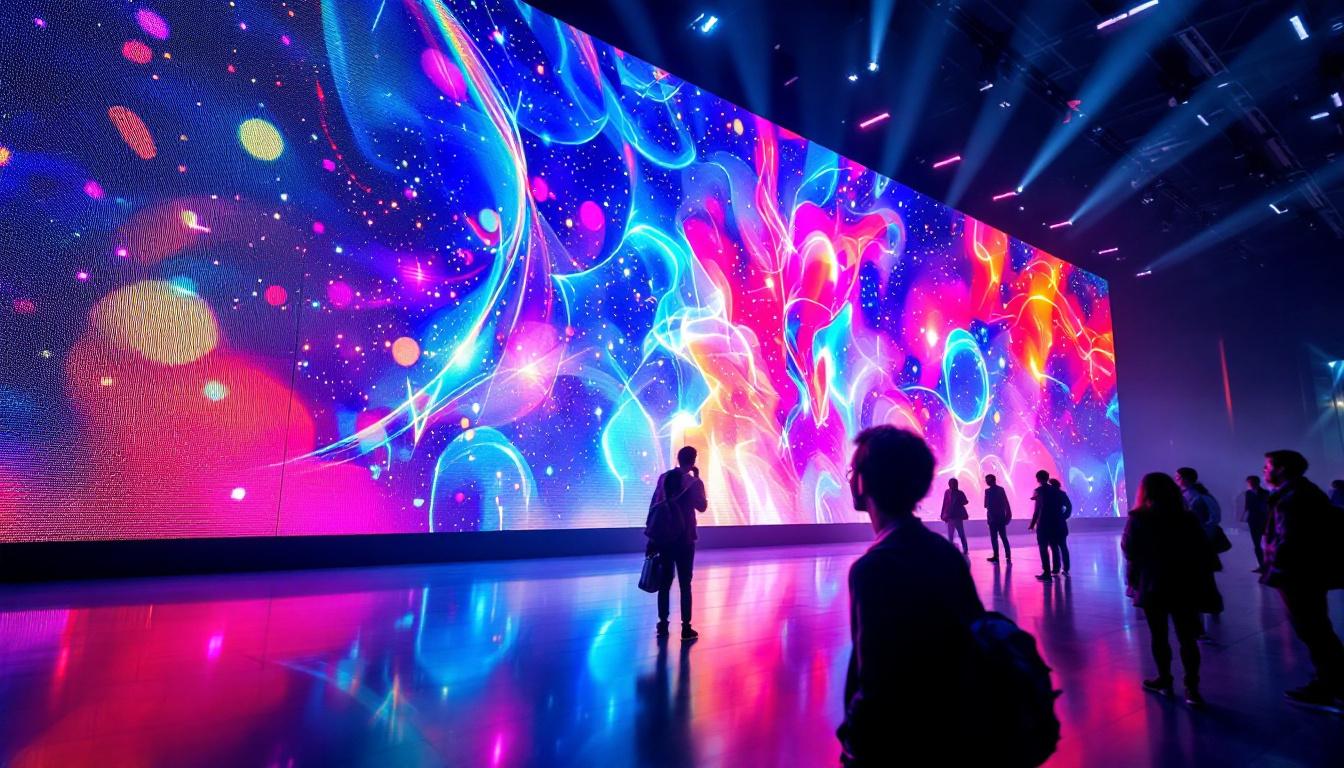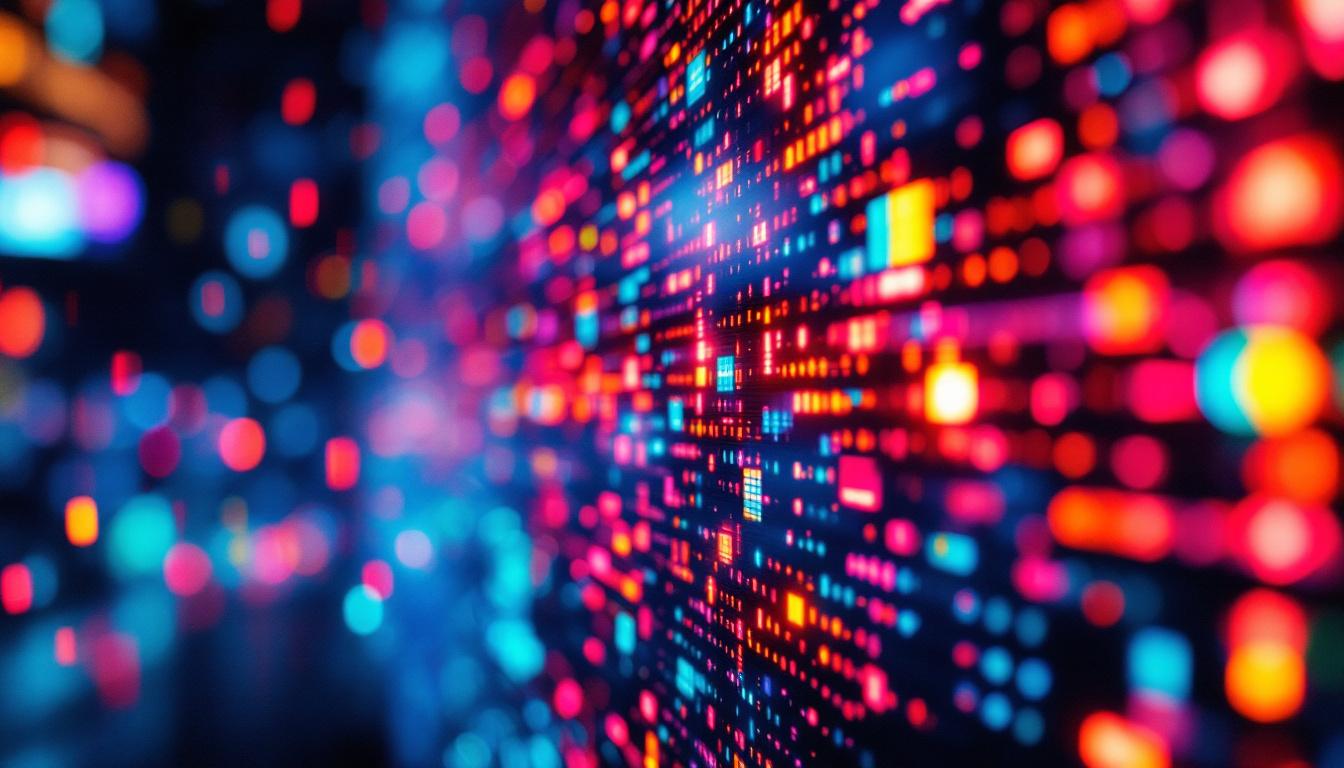
In the world of cinema and large-scale visual presentations, the quality and technology behind the screen are as crucial as the content itself. LED displays have revolutionized how movies and visuals are presented, offering unparalleled brightness, color accuracy, and flexibility. This article delves into the intricacies of LED display technology, particularly focusing on its application in movie theaters and large venues, explaining how pixels work, why LED is favored over traditional screens, and what the future holds for this vibrant technology.
Understanding LED Display Technology
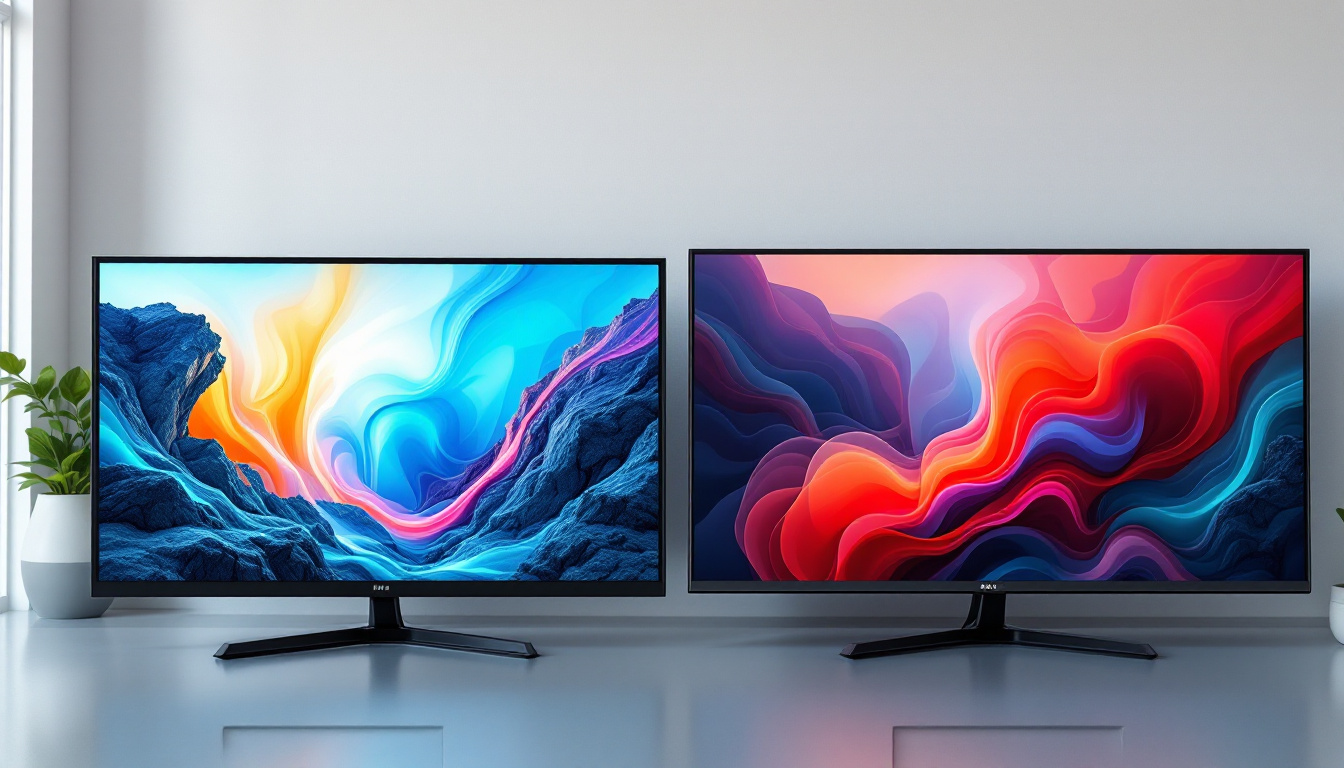
LED, which stands for Light Emitting Diode, is a semiconductor device that emits light when an electric current passes through it. Unlike traditional projection systems that rely on light bulbs and lenses to cast images onto a screen, LED displays consist of thousands or even millions of tiny LEDs arranged in a grid to form pixels. Each pixel can emit its own light, allowing for incredibly bright and vivid images.
The fundamental unit of an LED display is the pixel, which is typically made up of three subpixels: red, green, and blue (RGB). By varying the intensity of these three colors, the display can produce a full spectrum of colors. This RGB model is the cornerstone of digital color representation and is essential for creating lifelike images on screens.
How Pixels Work in LED Displays
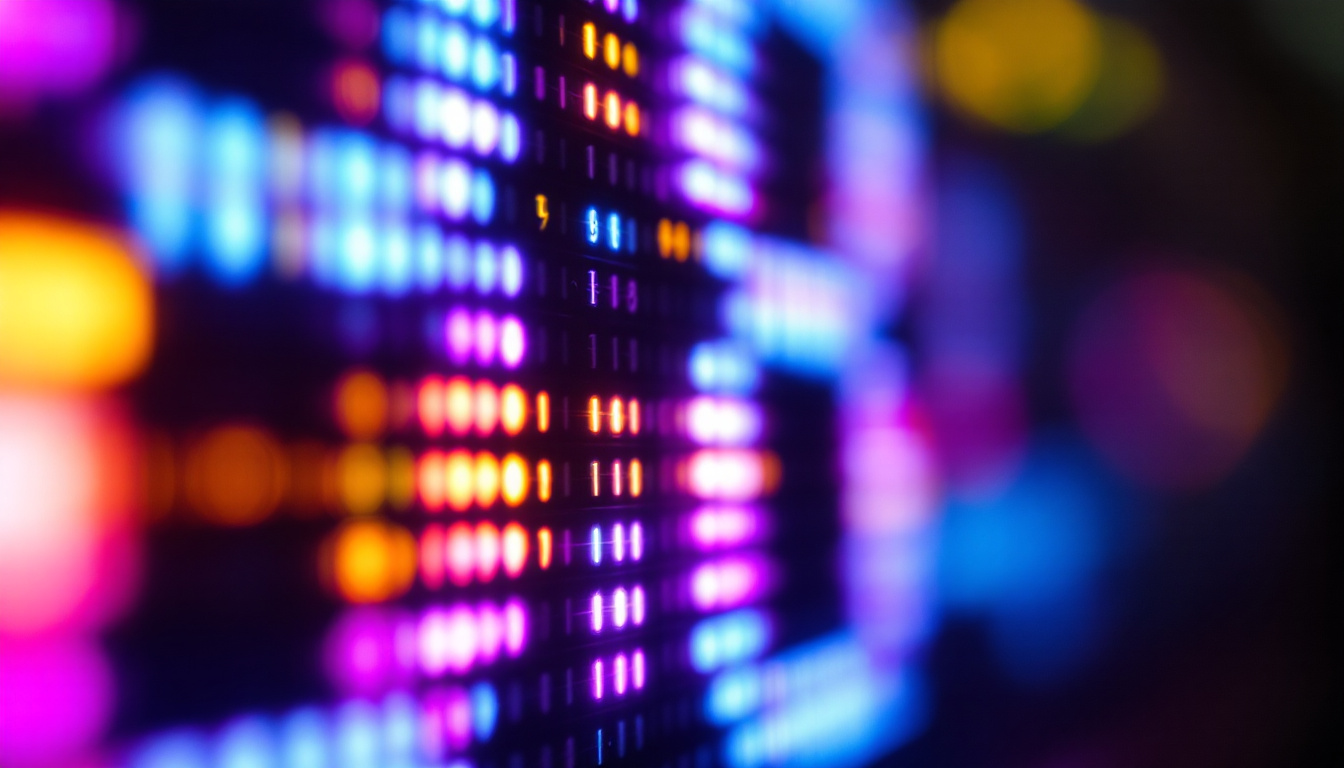
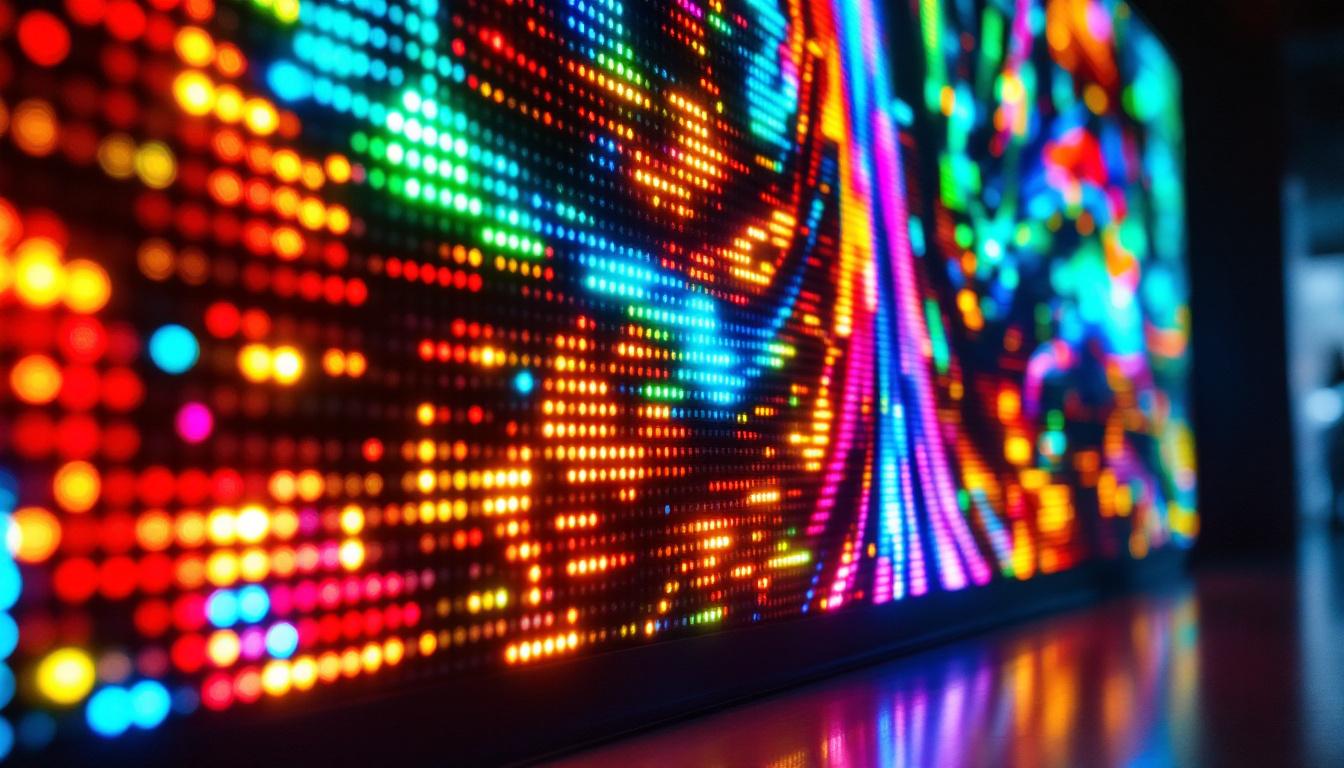
Pixels in LED displays are composed of clusters of LEDs, each responsible for one of the primary colors. When combined, these LEDs create the perception of a single color pixel to the human eye. The precision with which these LEDs can be controlled determines the display’s resolution and image quality.
Pixel pitch, measured in millimeters, defines the distance between the centers of two adjacent pixels. A smaller pixel pitch means more pixels per unit area, resulting in higher resolution and sharper images. For movie theaters, pixel pitch is critical because it affects how detailed and immersive the viewing experience is, especially on large screens.
Comparison with Traditional Projection Screens
Traditional movie theaters have relied on projection systems using lamps and screens for decades. While these systems have improved over time, they face inherent limitations such as lower brightness, susceptibility to ambient light interference, and degradation of image quality over time.
LED displays, by contrast, produce their own light, which means they can achieve much higher brightness levels and maintain consistent image quality regardless of ambient lighting conditions. This makes them ideal for venues where lighting cannot be fully controlled or for outdoor movie events.
The Advantages of LED Displays in Movie Theaters
LED technology has become increasingly popular in cinema environments due to its numerous benefits over traditional projection. These advantages contribute not only to the visual experience but also to operational efficiency and long-term cost savings.
Superior Brightness and Contrast
One of the most significant advantages of LED displays is their ability to deliver exceptional brightness and contrast. LED screens can reach brightness levels upwards of 1,000 nits or more, compared to traditional projector screens that typically max out around 50 to 60 nits. This high brightness allows for vivid images even in well-lit environments.
Moreover, because each pixel emits its own light, LED displays can achieve true blacks by turning off individual pixels completely. This results in an infinite contrast ratio, enhancing the depth and realism of the image. Such contrast is difficult to replicate with projection systems, which rely on reflected light and often struggle with black levels.
Color Accuracy and Wide Color Gamut
Color reproduction is critical for delivering the filmmaker’s intended visual experience. LED displays can cover a wider color gamut than traditional screens, often exceeding the DCI-P3 standard used in digital cinema. This means LED screens can display more vibrant and accurate colors, making scenes more lifelike and immersive.
Recent advancements in LED technology have also improved color uniformity and calibration, ensuring that colors remain consistent across the entire screen surface, an essential factor for large-format cinema screens.
Durability and Maintenance
LED displays are known for their durability and low maintenance requirements. Unlike projection lamps that need frequent replacement and calibration, LED panels have a longer lifespan, often exceeding 100,000 hours of use. This longevity reduces downtime and maintenance costs for theater operators.
Additionally, LED screens are less susceptible to environmental factors such as dust and temperature fluctuations, which can affect projector performance. This robustness makes LED displays a practical choice for both indoor and outdoor cinema applications.
Applications of LED Displays in Cinematic Experiences
Beyond traditional movie theaters, LED displays are transforming how audiences experience films and visual content in various settings. Their versatility allows for creative implementations that enhance storytelling and audience engagement.
LED Walls in Multiplexes and Premium Theaters
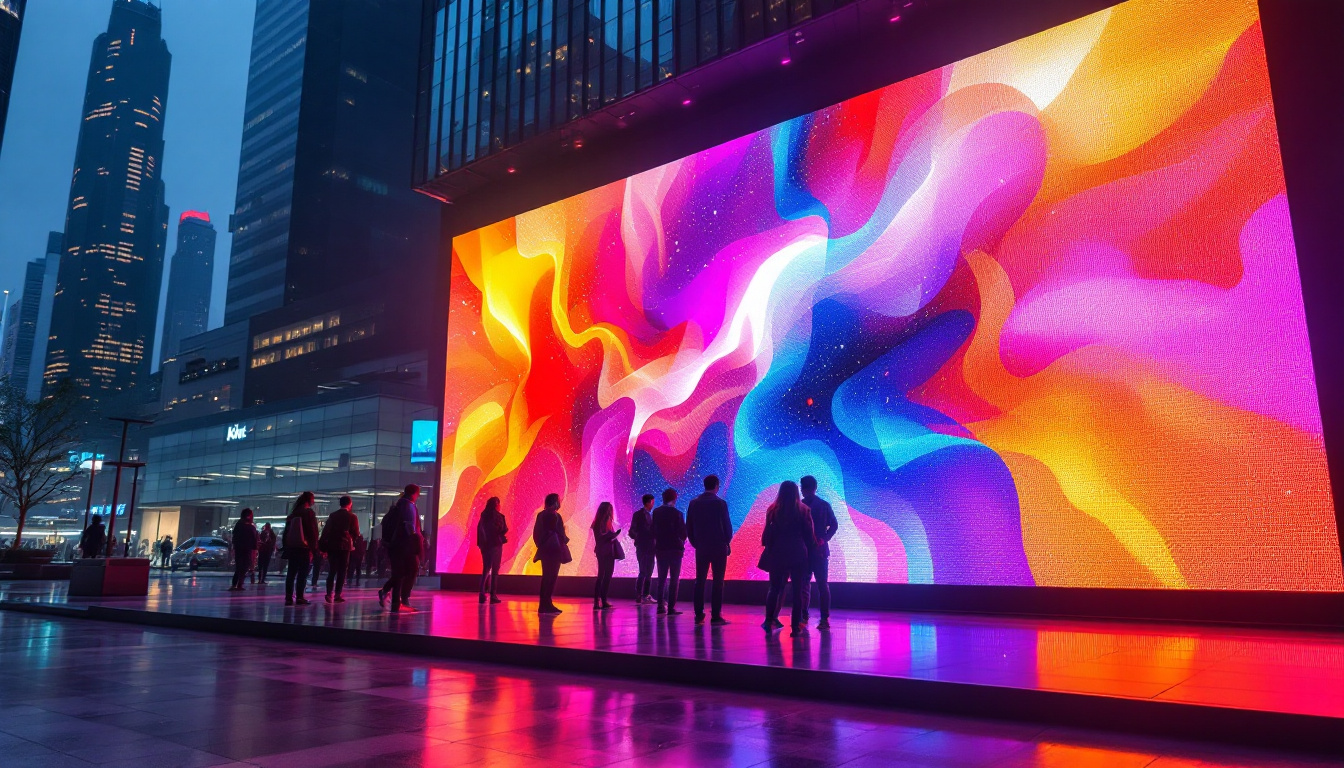
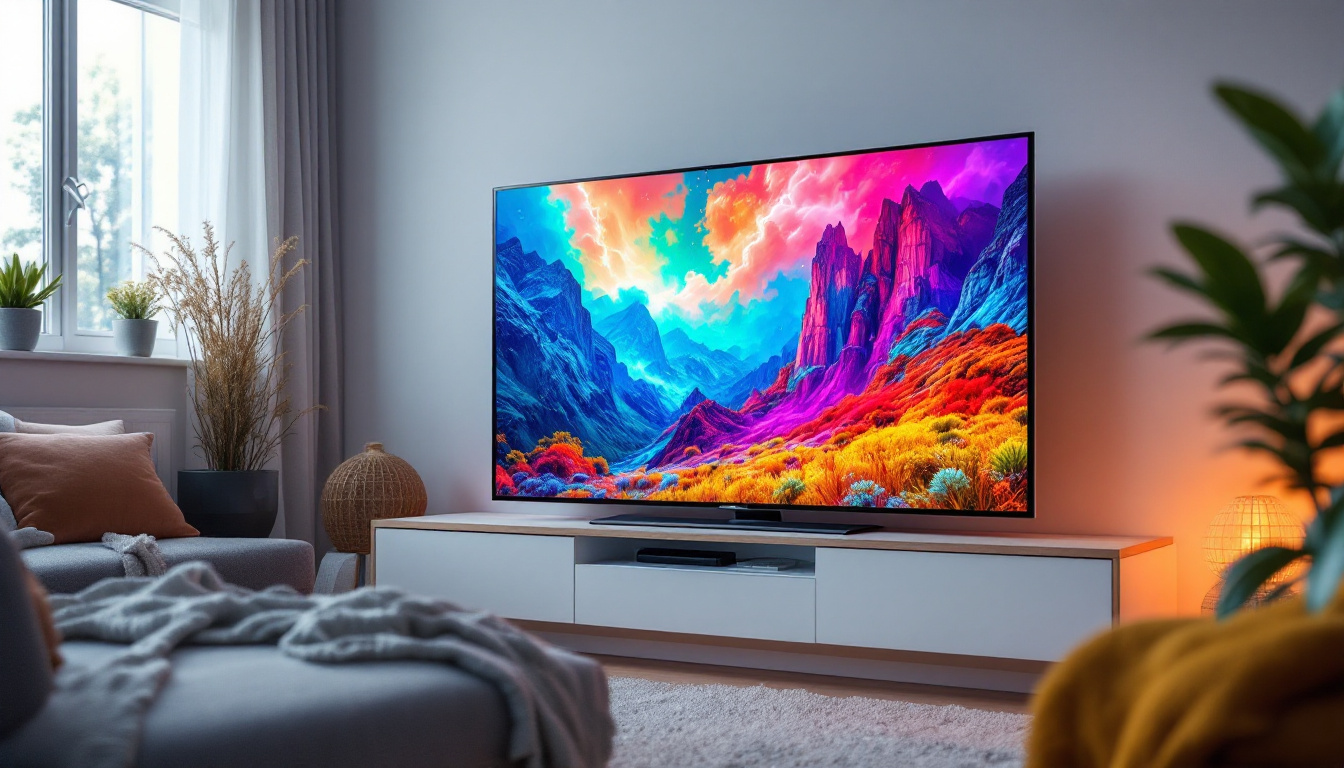
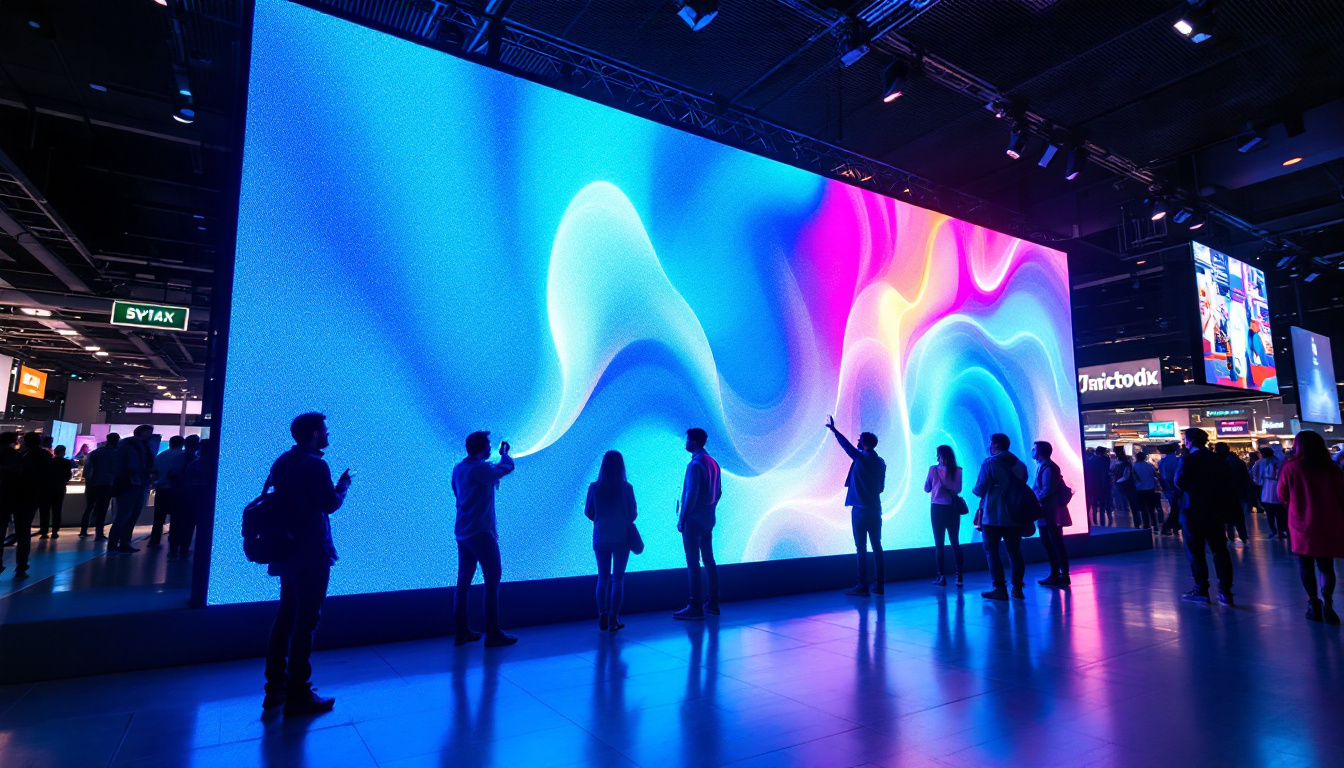
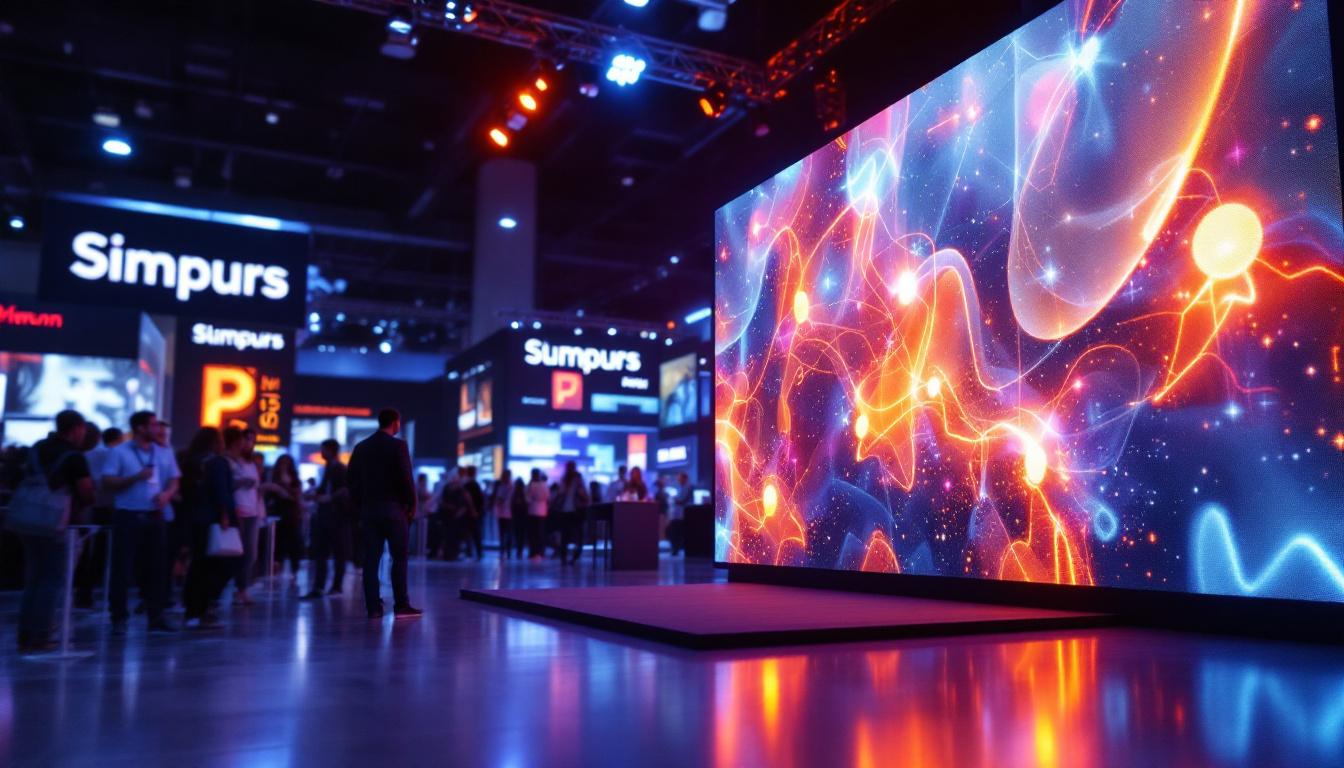
Many modern multiplexes and premium theaters have started incorporating LED walls as their primary screens. These screens offer a seamless viewing experience with no visible bezels or distortions, even on ultra-large formats exceeding 20 meters in width.
For example, Samsung’s Onyx cinema LED screens have been installed in several high-profile theaters worldwide, delivering crystal-clear images with vibrant colors and deep blacks. These installations have received positive reviews for elevating the cinematic experience beyond what traditional projection can offer.
Outdoor and Drive-In Cinemas
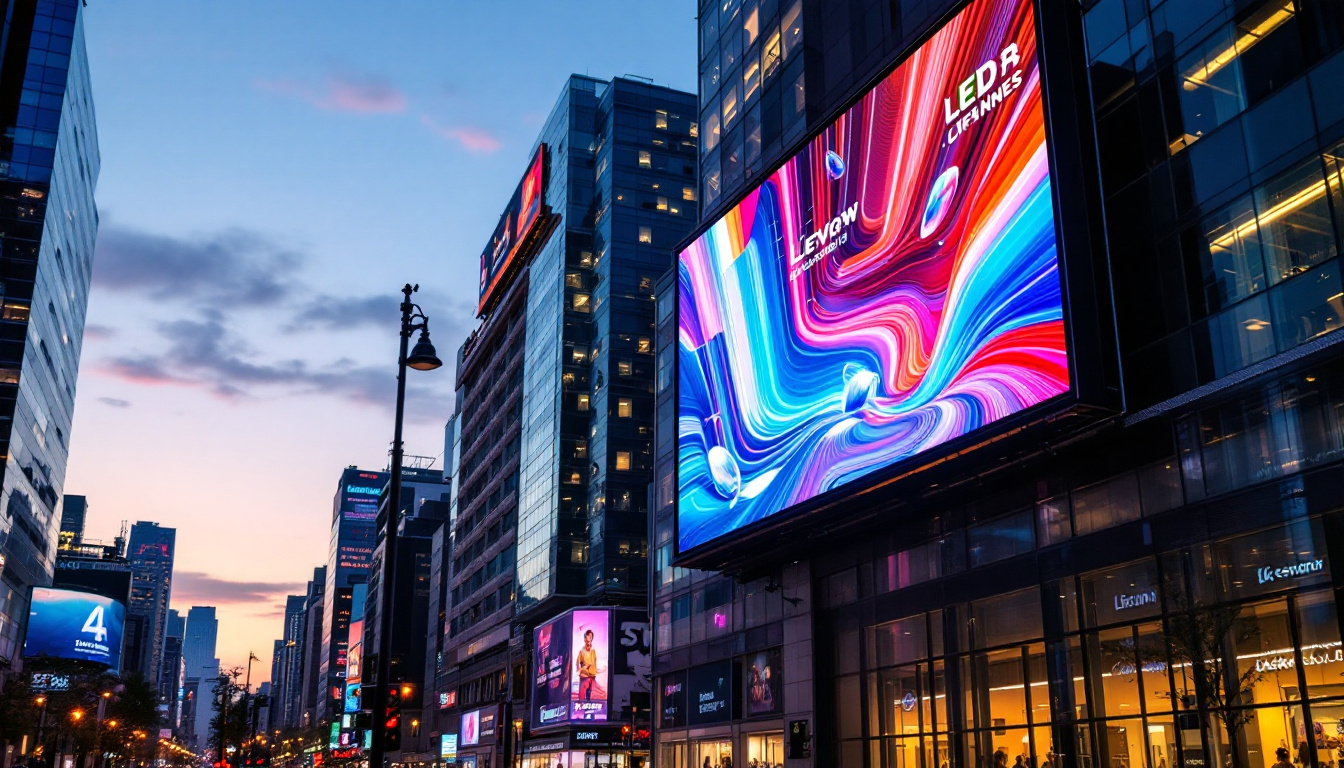
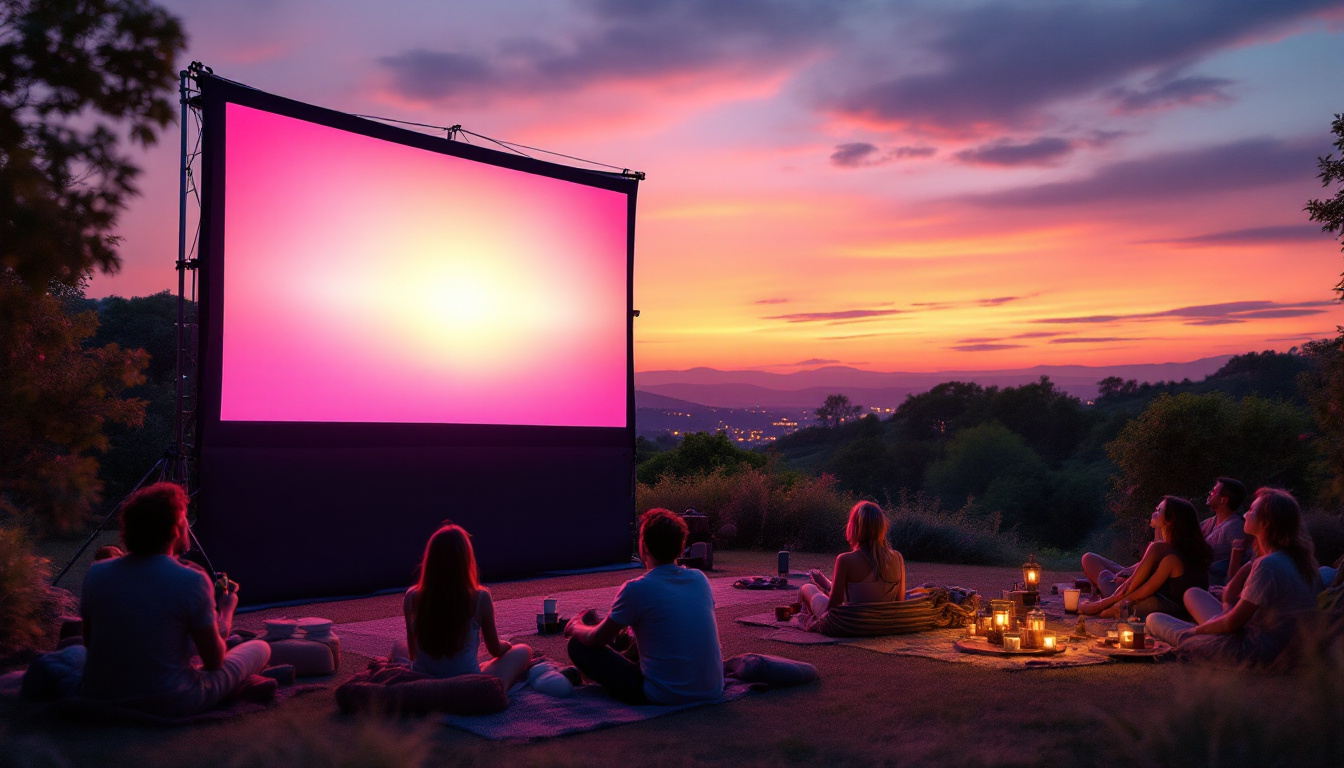
Outdoor and drive-in cinemas benefit immensely from LED technology. Traditional projection systems struggle with ambient light pollution and weather conditions, but LED displays maintain image quality regardless of these challenges.
LED screens used in outdoor settings are designed to be weather-resistant and bright enough to counteract daylight, enabling daytime screenings and extended event hours. This adaptability has led to a resurgence of drive-in theaters and open-air movie events, especially in regions with favorable climates.
Virtual Production and LED Volume Stages
In the realm of film production, LED displays are increasingly used as dynamic backgrounds in virtual production studios. Known as LED volumes, these large, curved LED walls provide realistic, interactive environments for actors and filmmakers, replacing traditional green screens.
This technology was famously employed in the production of “The Mandalorian,” where LED walls displayed real-time rendered backgrounds, allowing for natural lighting and reflections on set. This innovation not only enhances visual fidelity but also streamlines post-production workflows.
Technical Considerations When Choosing LED Displays for Movies
Selecting the right LED display for cinematic use involves balancing several technical factors to ensure optimal performance and viewer satisfaction.
Resolution and Pixel Pitch
High resolution is paramount for large movie screens to avoid pixelation and maintain image clarity. A pixel pitch of 1.2 mm or less is generally preferred for indoor cinema applications, as it provides sufficient detail even at close viewing distances.
For outdoor or larger venues where viewers are farther away, a larger pixel pitch can be acceptable without compromising perceived image quality. However, the trend is toward finer pitches as LED manufacturing advances, enabling even sharper images on massive screens.
Refresh Rate and Motion Handling
Movies often contain fast-moving scenes, so the display’s refresh rate and motion handling capabilities are critical. LED displays used in cinemas typically support refresh rates of 120 Hz or higher to reduce motion blur and flicker, ensuring smooth and comfortable viewing experiences.
High refresh rates also minimize eye strain, which is especially important during longer films or extended viewing sessions.
Calibration and Color Management
Accurate color calibration is essential to meet industry standards such as DCI (Digital Cinema Initiatives) specifications. Professional calibration tools and software are used to fine-tune LED displays, ensuring consistent color reproduction and brightness across the entire screen.
Regular calibration helps maintain image quality over time, compensating for any changes in LED performance due to aging or environmental factors.
The Future of LED Displays in Cinema
As LED technology continues to evolve, its role in cinema and entertainment is expected to expand, driven by innovations that enhance visual quality, reduce costs, and offer new creative possibilities.
MicroLED and Beyond
MicroLED technology, which uses microscopic LEDs to create pixels, promises even higher resolution, brightness, and energy efficiency compared to conventional LED panels. MicroLED displays could soon become the standard for cinema screens, offering unparalleled image quality and durability.
While still in the development and early adoption stages, MicroLED is poised to address some of the current limitations of LED displays, such as manufacturing complexity and cost, making it a promising future technology.
Integration with Augmented and Virtual Reality
LED displays are also expected to play a significant role in augmented reality (AR) and virtual reality (VR) experiences related to cinema. Large LED walls can create immersive environments that blend physical and digital worlds, enhancing storytelling and audience interaction.
These hybrid experiences could redefine how movies are consumed, shifting from passive viewing to active participation.
Environmental and Energy Considerations
With growing emphasis on sustainability, LED displays offer advantages in energy efficiency compared to traditional projection systems. Advances in LED driver technology and materials are further reducing power consumption, making LED cinema screens more environmentally friendly.
The industry is also exploring recycling and end-of-life management for LED panels to minimize ecological impact, aligning cinema technology with broader green initiatives.
Conclusion
LED display technology has transformed the cinematic landscape, offering superior brightness, color accuracy, and versatility compared to traditional projection systems. From multiplex theaters to outdoor venues and virtual production stages, LED screens are enhancing how movies are presented and experienced.
Understanding the technical aspects of LED pixels, resolution, and calibration is essential for cinema operators and content creators aiming to deliver the best possible visual experience. As innovations like MicroLED and immersive AR/VR integrations emerge, the future of movie pixels looks brighter and more vibrant than ever.
For audiences worldwide, this means more immersive, colorful, and engaging cinematic experiences that bring stories to life with unprecedented clarity and realism.
Discover the Future of Cinematic Visuals with LumenMatrix
Ready to experience the next level of cinematic brilliance? LumenMatrix is at the forefront of LED display innovation, offering a diverse range of solutions that bring the vibrancy and clarity of LED technology to any setting. From Indoor and Outdoor LED Wall Displays to specialized options like Vehicle, Sports, and Floor LED Displays, our products are designed to captivate and engage. Embrace the future of visual storytelling with our Custom, All-in-One, and Transparent LED Displays. Check out LumenMatrix LED Display Solutions and see how we can transform your visual communication into an unforgettable experience.