In today’s fast-paced digital environment, the demand for dynamic visual presentations has never been higher. Whether in corporate boardrooms, retail environments, control centers, or entertainment venues, multi-display setups are becoming the norm. Central to these configurations is the LED display technology, which offers vibrant visuals, scalability, and flexibility. This article delves into the world of multi-display mounts and LED displays, explaining their components, benefits, and how to optimize their use for various applications.
Understanding Multi Display Mounts
Multi display mounts are specialized hardware solutions designed to hold and arrange multiple screens in a cohesive and ergonomic manner. These mounts enable users to create expansive video walls or multi-monitor setups that enhance productivity, engagement, and visual impact. By utilizing these mounts, businesses and individuals can transform their workspaces into dynamic environments that foster collaboration and creativity, making them essential tools in today’s tech-driven world.
Types of Multi Display Mounts
There are several types of multi display mounts, each catering to different needs and environments:
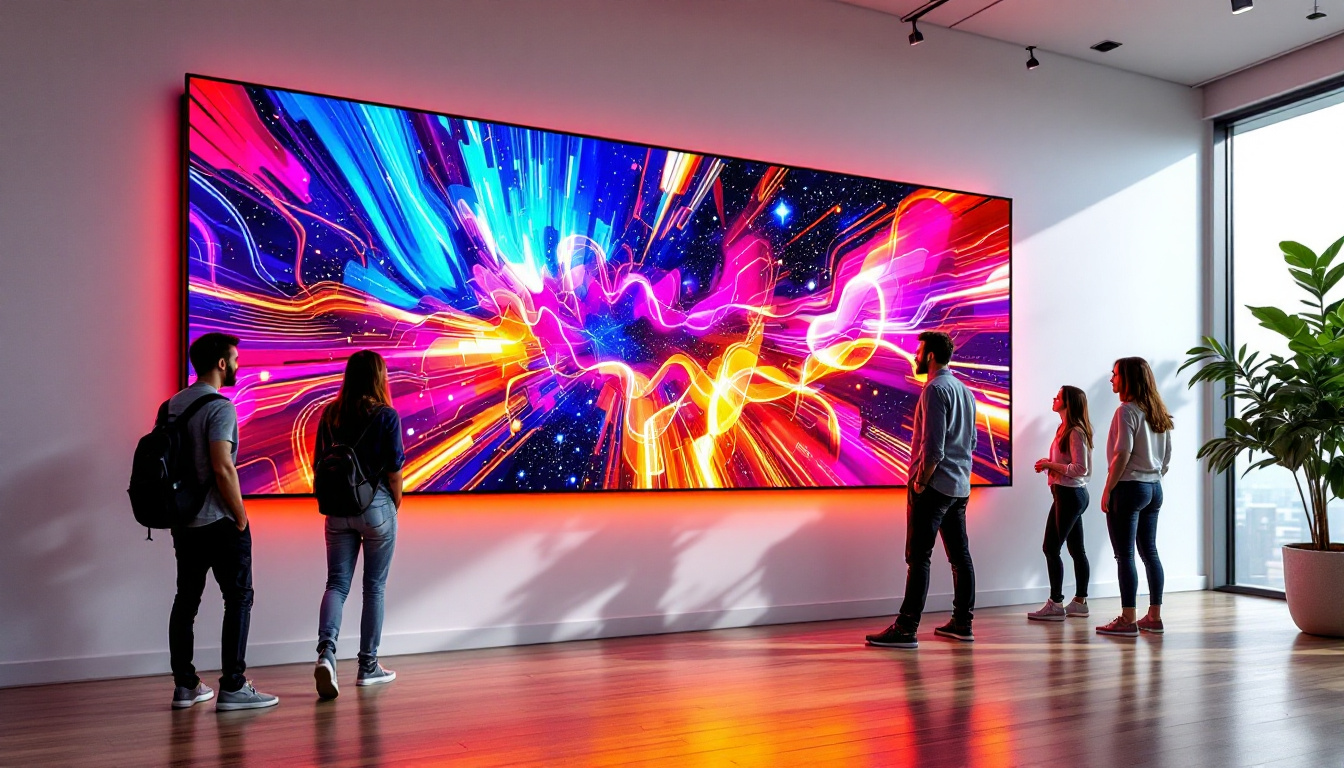
- Wall Mounts: These mounts attach multiple displays directly to a wall, creating a sleek and space-saving video wall. They are ideal for public spaces, retail stores, and control rooms. Wall mounts can be configured in various arrangements, including grid patterns or staggered layouts, allowing for creative display solutions that draw attention and convey information effectively.
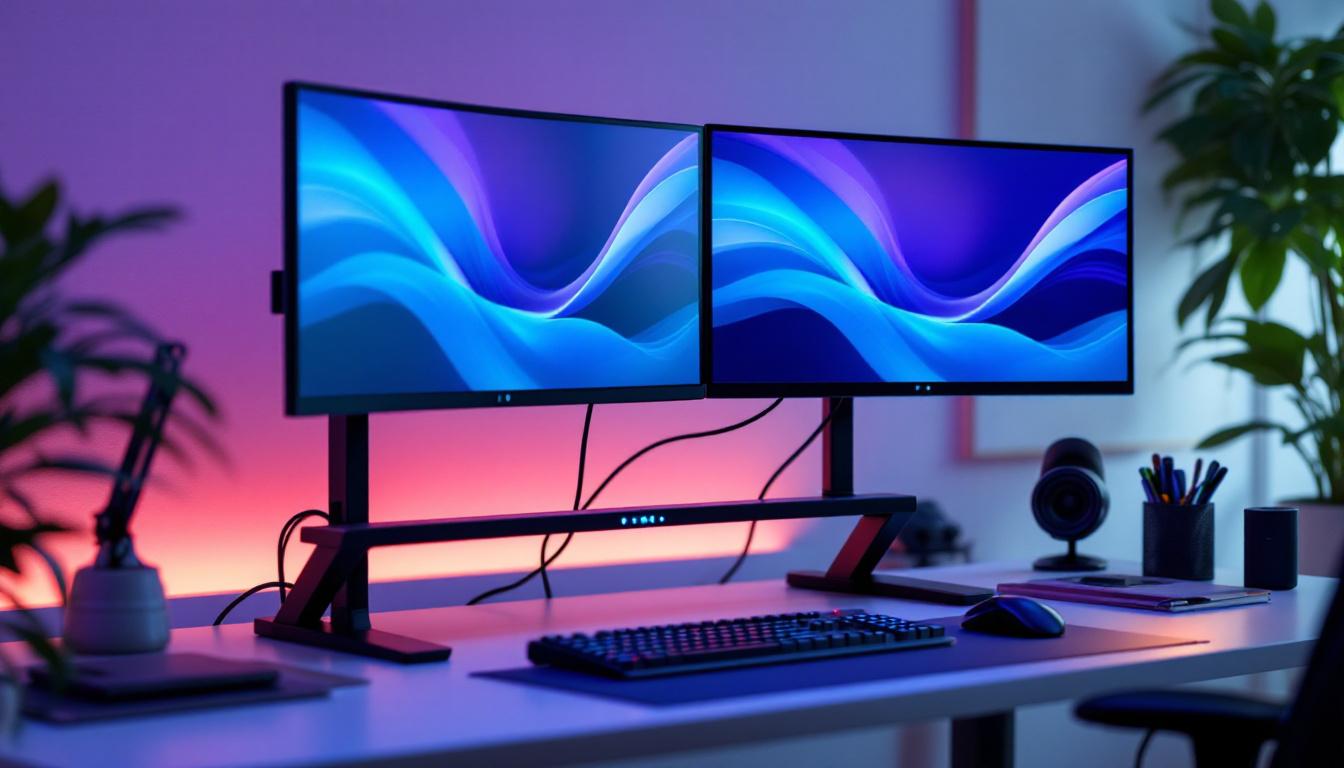
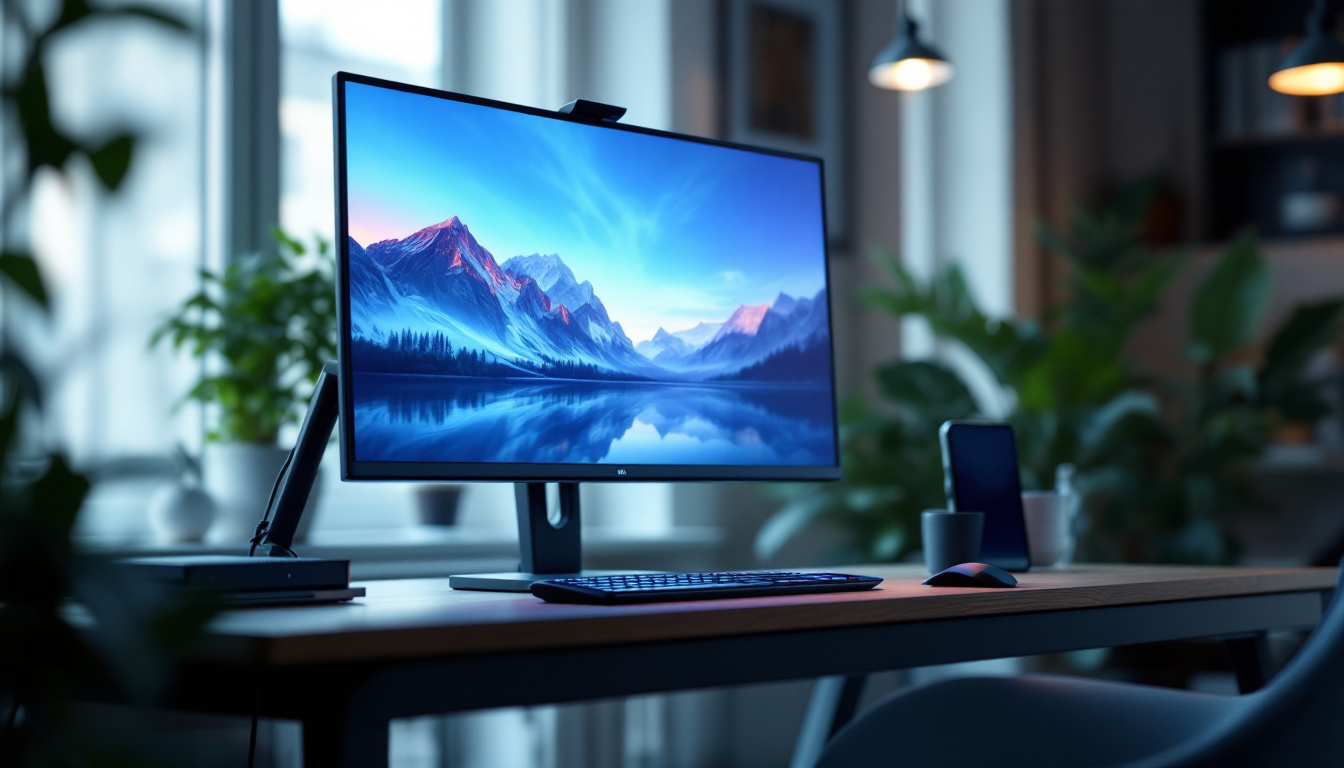
- Desk Mounts: Designed for office environments, these mounts hold multiple monitors on a desk, improving ergonomics and workflow efficiency. Desk mounts often feature gas spring arms that allow users to easily reposition their screens, reducing neck and eye strain while promoting a more organized workspace.
- Ceiling Mounts: Suspended from the ceiling, these mounts are common in airports, shopping malls, and exhibition centers where floor space is limited. Ceiling mounts provide a unique way to display information or advertisements at eye level, ensuring visibility from a distance and enhancing the overall aesthetic of the space.
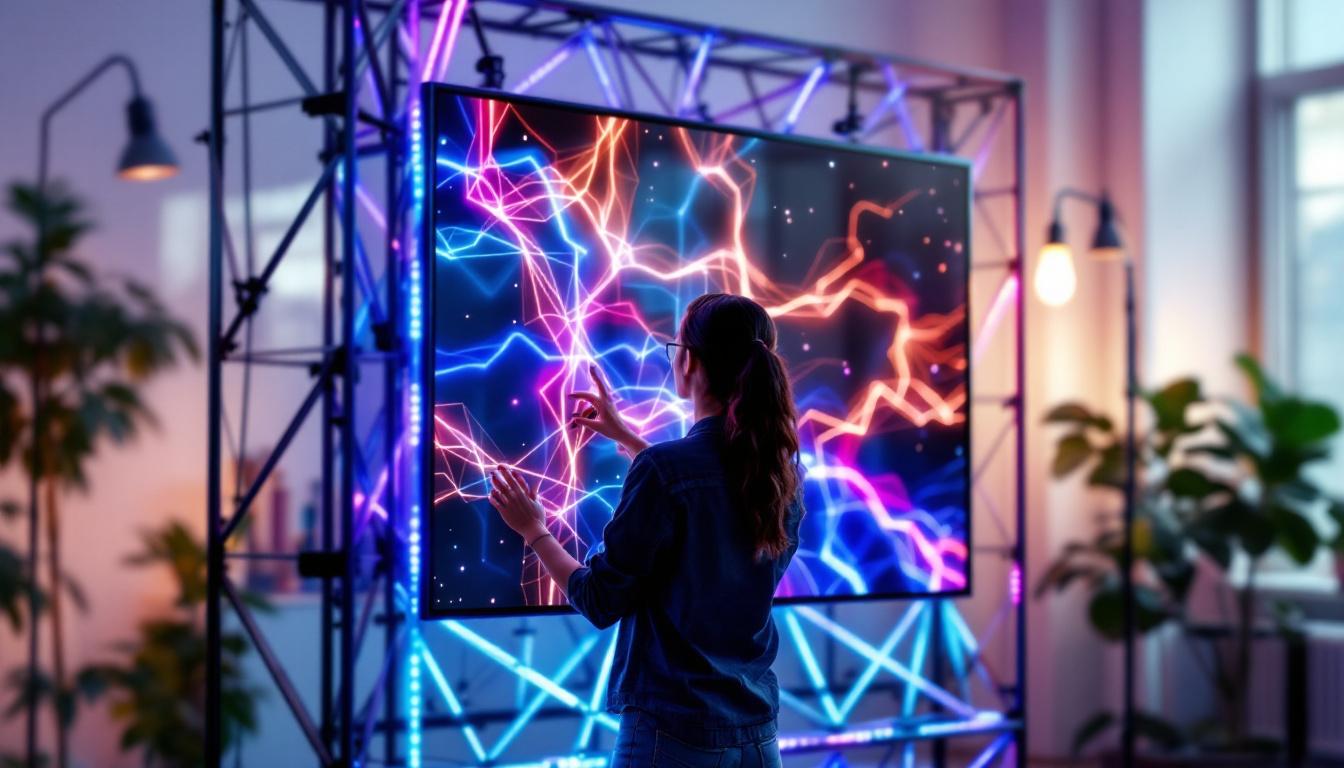
- Freestanding Mounts: These are portable or stationary stands that support multiple displays without requiring wall or ceiling attachment, offering flexibility in layout and relocation. Freestanding mounts are particularly useful for trade shows or events, where quick setup and takedown are essential.
Key Features to Consider
When selecting a multi display mount, several factors must be considered to ensure compatibility and functionality:
- Weight Capacity: The mount must support the combined weight of all displays securely. It’s important to check the specifications of both the mount and the displays to avoid any potential hazards.
- Adjustability: Features such as tilt, swivel, and height adjustment allow for optimal viewing angles and ergonomic comfort. This adjustability is particularly beneficial in collaborative environments where multiple users may need to view the screens from different positions.
- VESA Compatibility: Ensuring the mount supports the VESA mounting pattern of the displays is crucial for a secure fit. Most modern monitors adhere to standard VESA measurements, but it’s always wise to double-check before making a purchase.
- Modularity: Some mounts allow for expansion, enabling users to add more displays as needed. This feature is especially valuable for growing businesses or evolving projects that may require additional screens in the future.
- Cable Management: Integrated channels or clips help organize cables, maintaining a clean and professional appearance. Good cable management not only improves aesthetics but also reduces the risk of tangling and damage to cables over time.
In addition to these features, it’s also essential to consider the installation process of the mount. Some mounts come with user-friendly instructions and all necessary hardware, making installation a straightforward task, while others may require professional assistance. Furthermore, the material and build quality of the mount can greatly influence its durability and longevity, especially in high-traffic areas where wear and tear are more likely to occur. Investing in a high-quality mount can lead to significant long-term benefits, ensuring that your displays remain secure and functional for years to come.
The Role of LED Displays in Multi Display Setups
LED (Light Emitting Diode) displays have revolutionized the way visual content is presented across multiple screens. Their brightness, color accuracy, and energy efficiency make them ideal for multi-display environments. This technology has transformed various sectors, from retail to corporate environments, where dynamic visual presentations are crucial for engagement and communication. As businesses increasingly rely on visual storytelling, LED displays provide the versatility and impact needed to capture attention and convey messages effectively.
How LED Displays Work
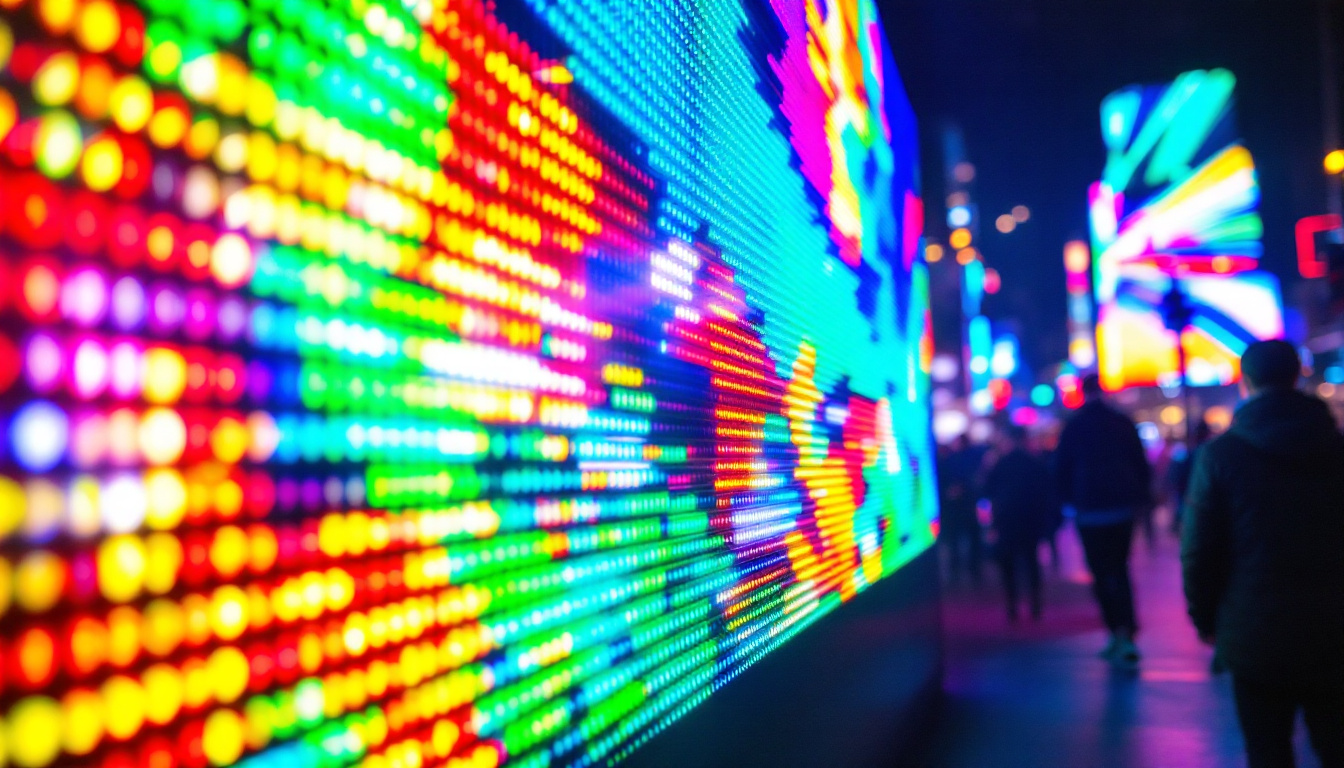
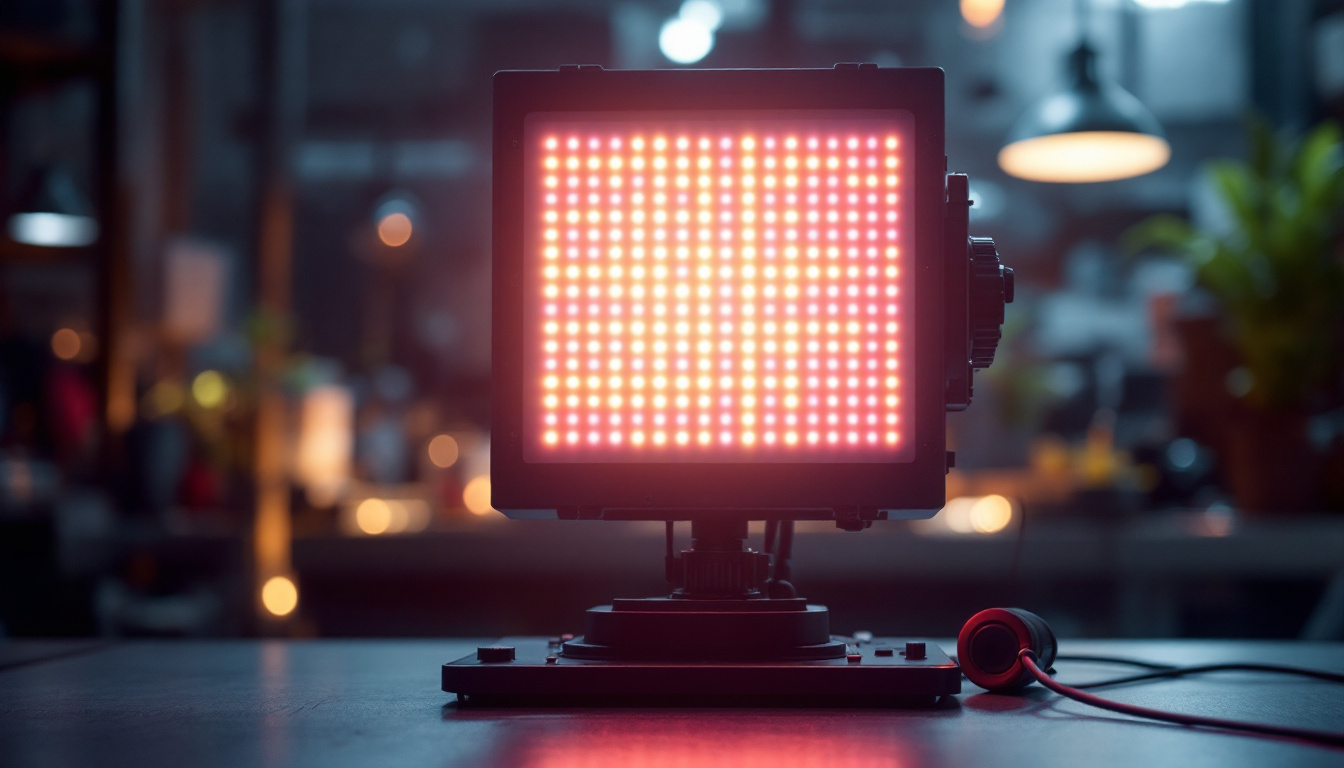
LED displays consist of tiny light-emitting diodes arranged in a grid. Each diode emits light when electrically charged, producing images with high brightness and contrast. Unlike traditional LCDs that rely on backlighting, LEDs offer more vivid colors and deeper blacks due to their ability to turn off individual diodes completely. This capability not only enhances the visual experience but also allows for more complex images and animations, making them ideal for advertising and entertainment applications. Additionally, advancements in technology have led to improved control systems that can manage the brightness and color output of individual diodes, resulting in even more refined displays.
Types of LED Displays
Understanding the different types of LED displays is important when planning a multi-display setup:
- Direct View LED (DVLED): These displays use LEDs as the actual pixels, offering exceptional brightness and color uniformity. They are commonly used for large video walls and outdoor signage. Their modular nature allows for customization in size and shape, making them suitable for unique architectural designs.
- LED-backlit LCD: These are traditional LCD panels illuminated by LED backlights. They are more affordable and widely used in desktop monitors and televisions. While they may not match the performance of DVLED displays, they still provide a good balance of quality and cost for everyday use.
- MicroLED: An emerging technology that combines the benefits of DVLED with higher resolution and energy efficiency, MicroLED is expected to become more prevalent in the coming years. Its ability to create ultra-thin displays with incredible detail opens up new possibilities for applications in both consumer electronics and professional settings.
Advantages of LED Displays in Multi Display Mounts
LED displays bring several benefits that make them the preferred choice for multi-display configurations:
- High Brightness: LEDs can achieve brightness levels exceeding 1,000 nits, ensuring visibility even in well-lit environments. This feature is particularly advantageous for outdoor advertising, where sunlight can wash out traditional displays.
- Wide Viewing Angles: LED displays maintain color accuracy and clarity from various angles, essential for multi-display walls viewed by multiple people. This characteristic makes them ideal for conference rooms and public spaces where audiences are spread out.
- Energy Efficiency: LEDs consume less power compared to traditional display technologies, reducing operational costs. This energy efficiency not only benefits the environment but also contributes to lower electricity bills for businesses.
- Durability: LED displays have longer lifespans and are less prone to burn-in, making them suitable for continuous use. Their robust construction allows them to withstand the rigors of high-traffic areas, ensuring reliable performance over time.
- Seamless Integration: Narrow bezels and modular designs allow for near-seamless video walls, enhancing the immersive experience. This seamless integration is crucial for creating captivating visual narratives that draw in viewers and keep them engaged.
Moreover, the adaptability of LED displays allows for easy scaling and reconfiguration, which is particularly beneficial for businesses that may need to change their display setups frequently. Whether for a temporary event or a permanent installation, the flexibility of LED technology ensures that organizations can meet their evolving visual communication needs. Additionally, advancements in software and connectivity options have made it easier than ever to manage content across multiple displays, enabling synchronized presentations and dynamic content updates in real-time.
Applications of Multi Display Mounts with LED Displays
The combination of multi display mounts and LED displays has transformed numerous industries by enabling dynamic and scalable visual solutions.
Corporate and Office Environments
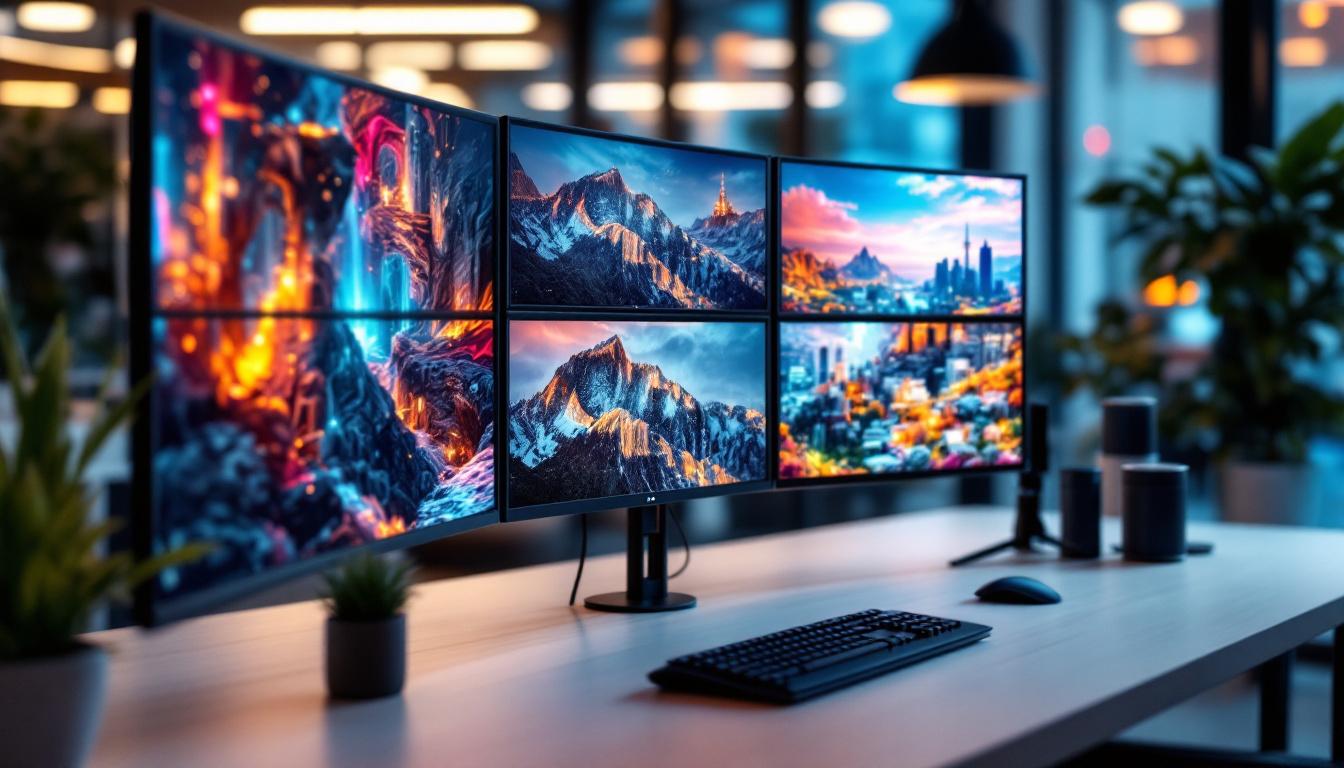
In corporate settings, multi-monitor setups mounted on desks or walls improve productivity by allowing simultaneous access to multiple applications, data streams, or video conferencing platforms. LED-backlit LCD monitors are commonly used here for their clarity and energy efficiency.
Control Rooms and Command Centers
Control rooms in sectors such as transportation, utilities, and emergency services rely on large LED video walls mounted on walls or ceilings. These displays provide real-time data visualization, enhancing situational awareness and decision-making capabilities.
Retail and Advertising
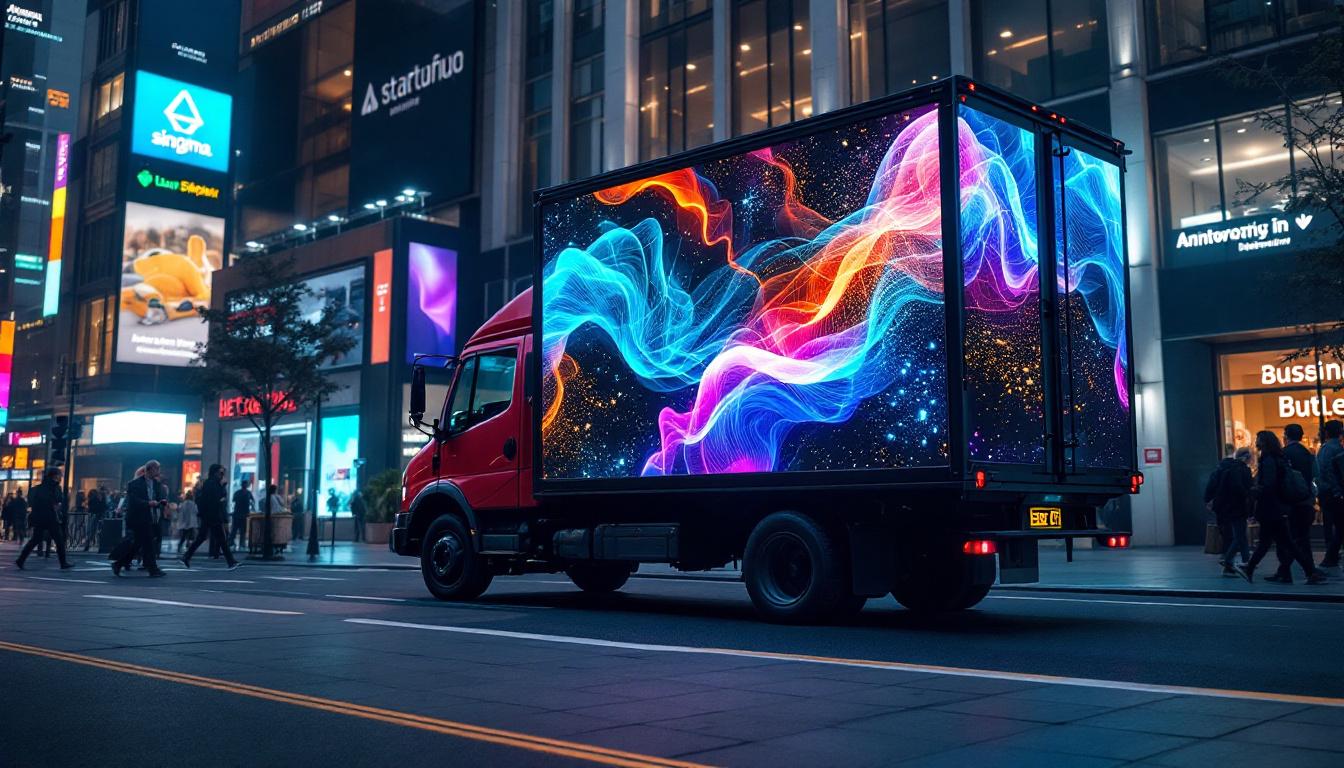
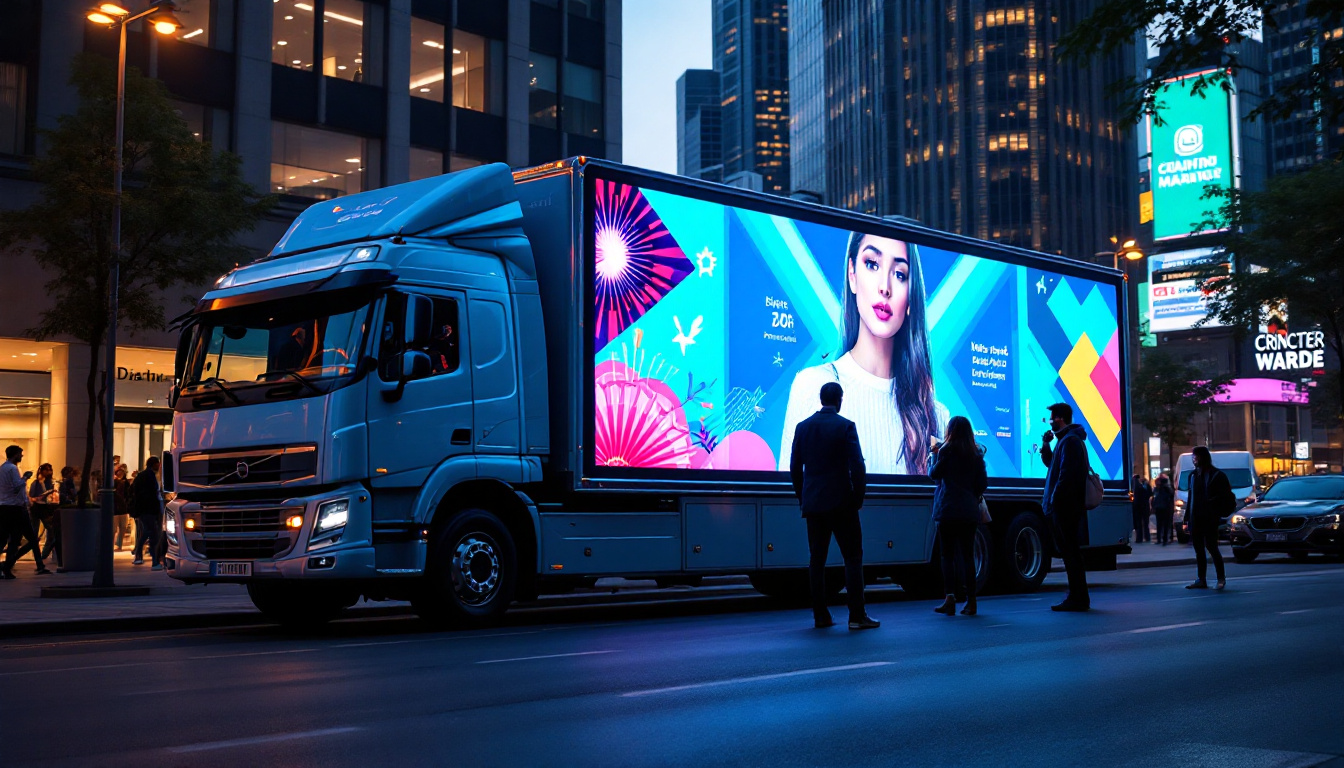
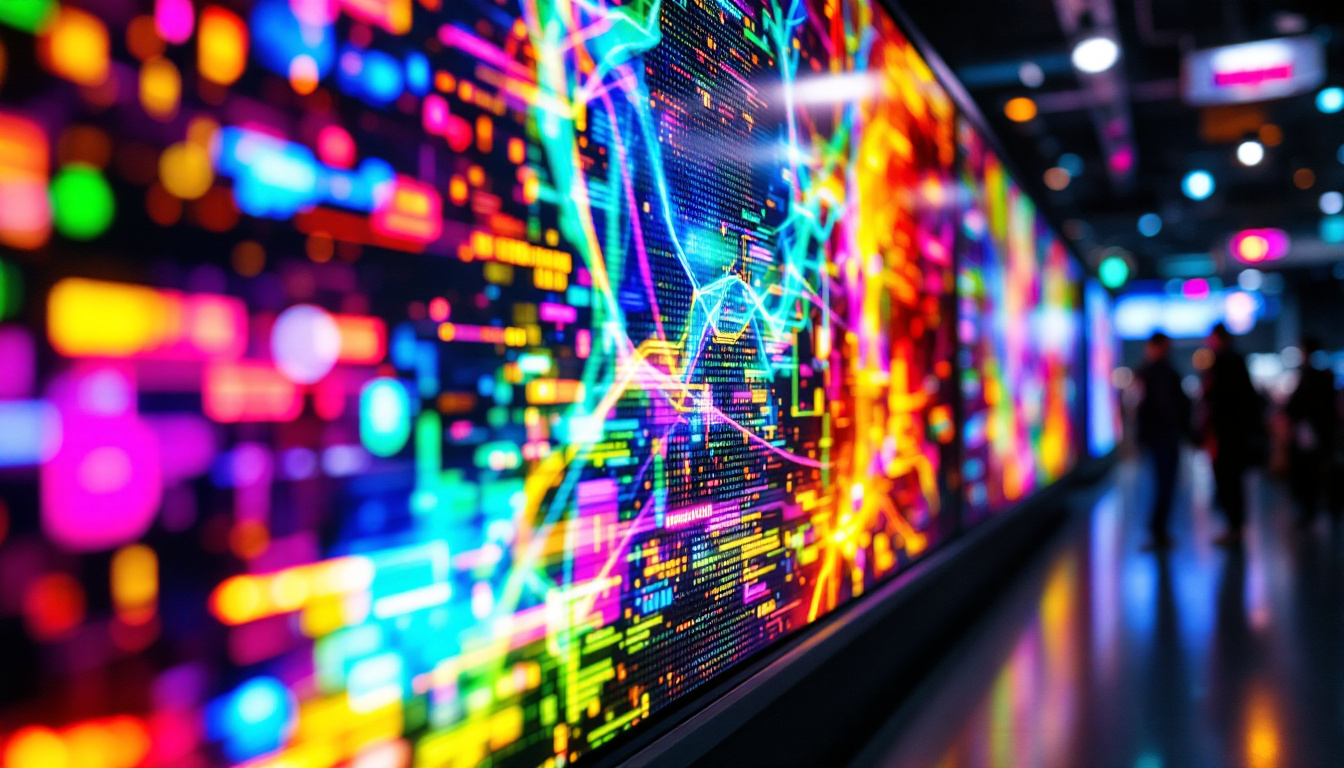
Retail stores and advertising agencies utilize LED video walls to capture customer attention with vibrant, dynamic content. Multi display mounts enable creative configurations that fit various architectural spaces, from storefront windows to large atriums.
Entertainment and Events
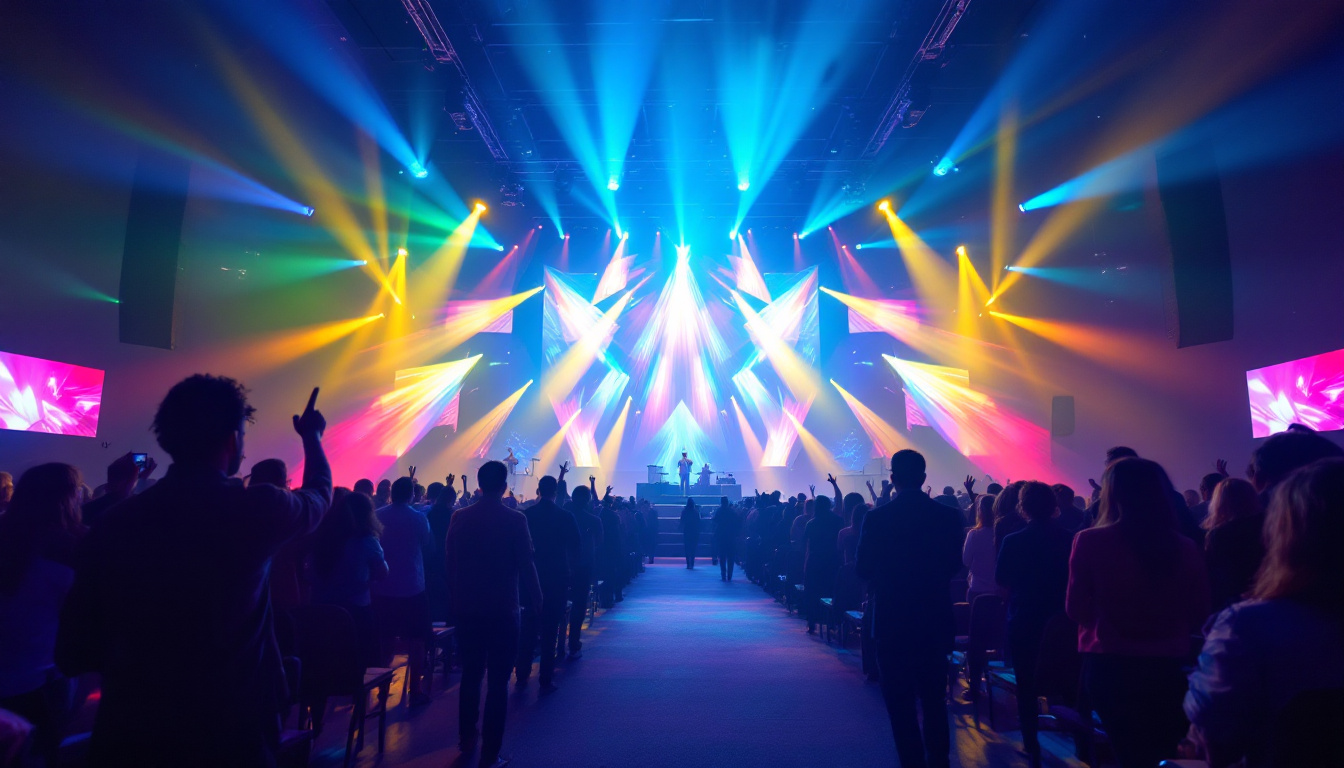
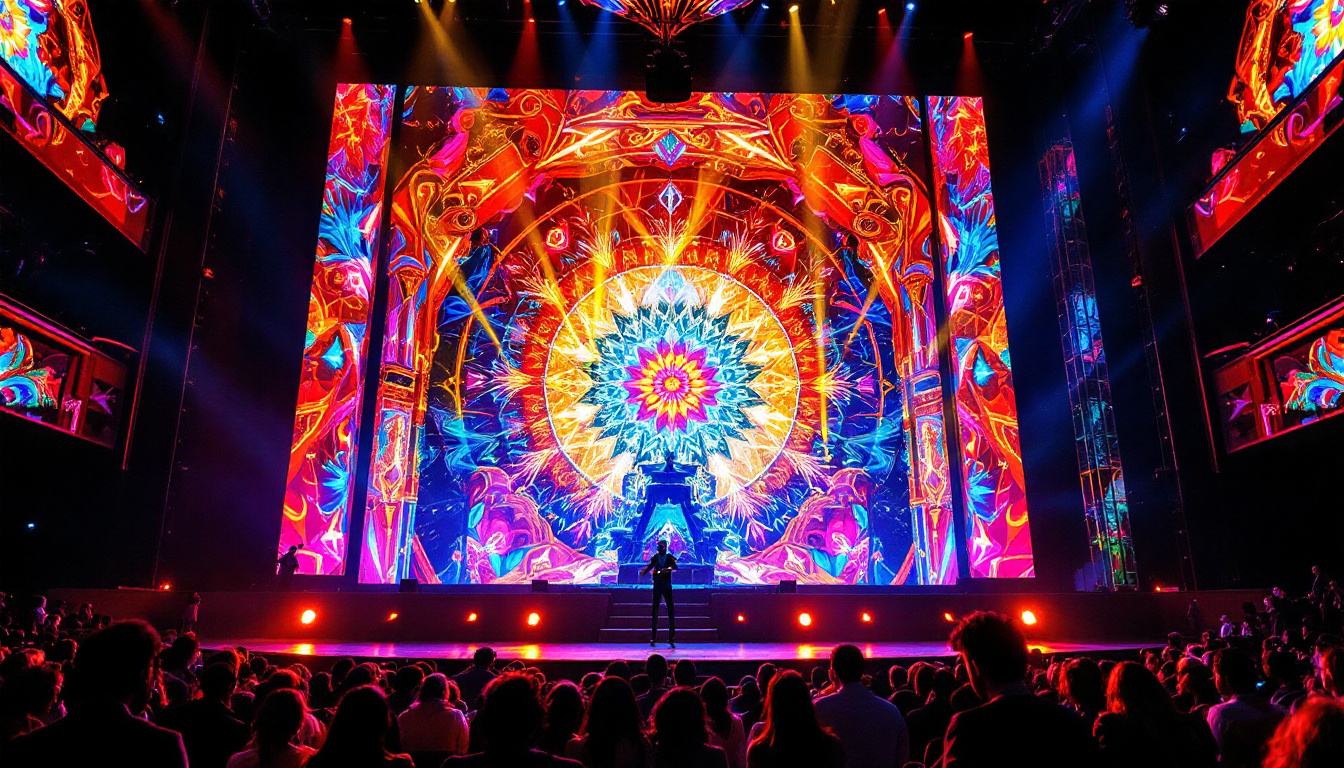
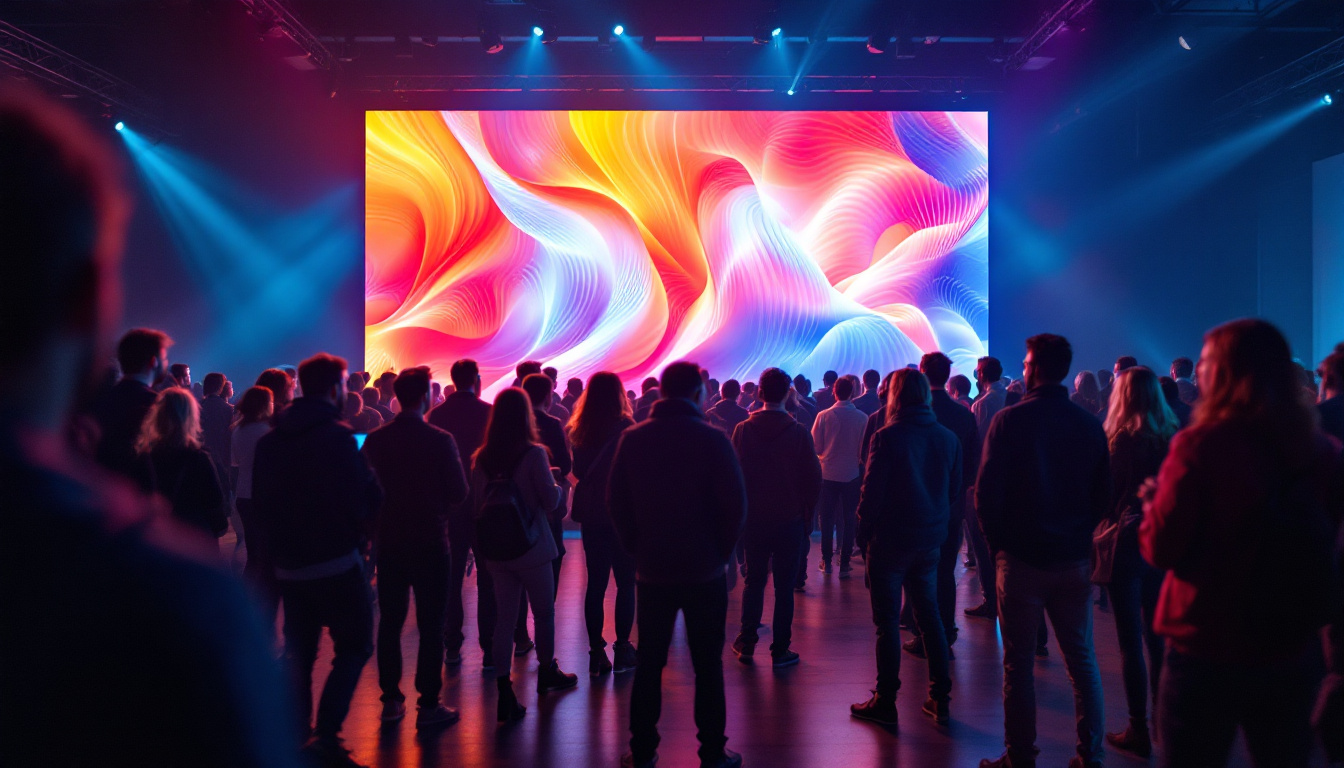
Concerts, sports arenas, and exhibition centers use large-scale LED video walls mounted on trusses or freestanding mounts to deliver immersive experiences to audiences. The high brightness and color fidelity of LED displays ensure visibility even in challenging lighting conditions.
Optimizing Multi Display Mounts and LED Displays
To maximize the benefits of multi display mounts and LED displays, careful planning and implementation are essential.
Ensuring Proper Calibration and Alignment
For video walls, uniform color calibration and precise alignment of displays are critical to avoid visible seams and color discrepancies. Professional calibration tools and software can help achieve consistent image quality across all screens.
Managing Heat and Ventilation
LED displays generate heat during operation, especially in dense video wall configurations. Adequate ventilation and cooling systems must be incorporated into the mounting design to prevent overheating and extend display lifespan.
Integrating Control Systems
Advanced control systems allow centralized management of content across multiple displays. Features such as synchronized playback, remote monitoring, and automated scheduling enhance operational efficiency and content delivery.
Considering Accessibility and Maintenance
Mount designs should facilitate easy access for maintenance, repairs, and upgrades. Modular mounts that allow individual displays to be removed without dismantling the entire setup save time and reduce downtime.
Future Trends in Multi Display Mounts and LED Technology
The evolution of display technology and mounting solutions continues to open new possibilities for visual communication.
Increasing Adoption of MicroLED and Flexible Displays
MicroLED technology promises even higher resolution and energy efficiency, while flexible LED panels enable curved and unconventional display shapes. These innovations will expand design options for multi-display installations.
Smart Mounts with IoT Integration
Emerging smart mounts equipped with sensors and IoT connectivity can monitor environmental conditions, usage patterns, and system health, enabling predictive maintenance and enhanced user interaction.
Augmented Reality (AR) and Interactive Displays
Combining LED video walls with AR and interactive technologies will create immersive environments for education, training, and entertainment, pushing the boundaries of multi-display applications.
Conclusion
Multi display mounts paired with LED displays offer powerful solutions for delivering impactful visual experiences across various industries. Understanding the types of mounts, the advantages of LED technology, and best practices for installation and maintenance is crucial for maximizing their potential. As technology advances, these systems will become even more versatile, efficient, and engaging, shaping the future of digital communication and visualization.
Discover LumenMatrix LED Display Solutions
Ready to elevate your visual presentation to the next level? LumenMatrix is at the forefront of LED display innovation, offering a wide range of customizable solutions that bring your content to life. From Indoor and Outdoor LED Wall Displays to specialized options like Vehicle, Sports, and Floor LED Displays, our technology is designed to captivate and engage your audience. Experience the future of visual communication with our cutting-edge LED display modules. Check out LumenMatrix LED Display Solutions today and transform your space into a dynamic visual experience.