In today’s digital landscape, interactive displays have become an integral part of various industries, from education and retail to corporate environments and creative studios. Among these technologies, multi touch monitors with LED displays stand out for their responsiveness, clarity, and versatility. This article delves into the technology behind multi touch LED monitors, exploring how they work, their advantages, and their applications in modern settings.
Understanding Multi Touch Technology
What is Multi Touch?
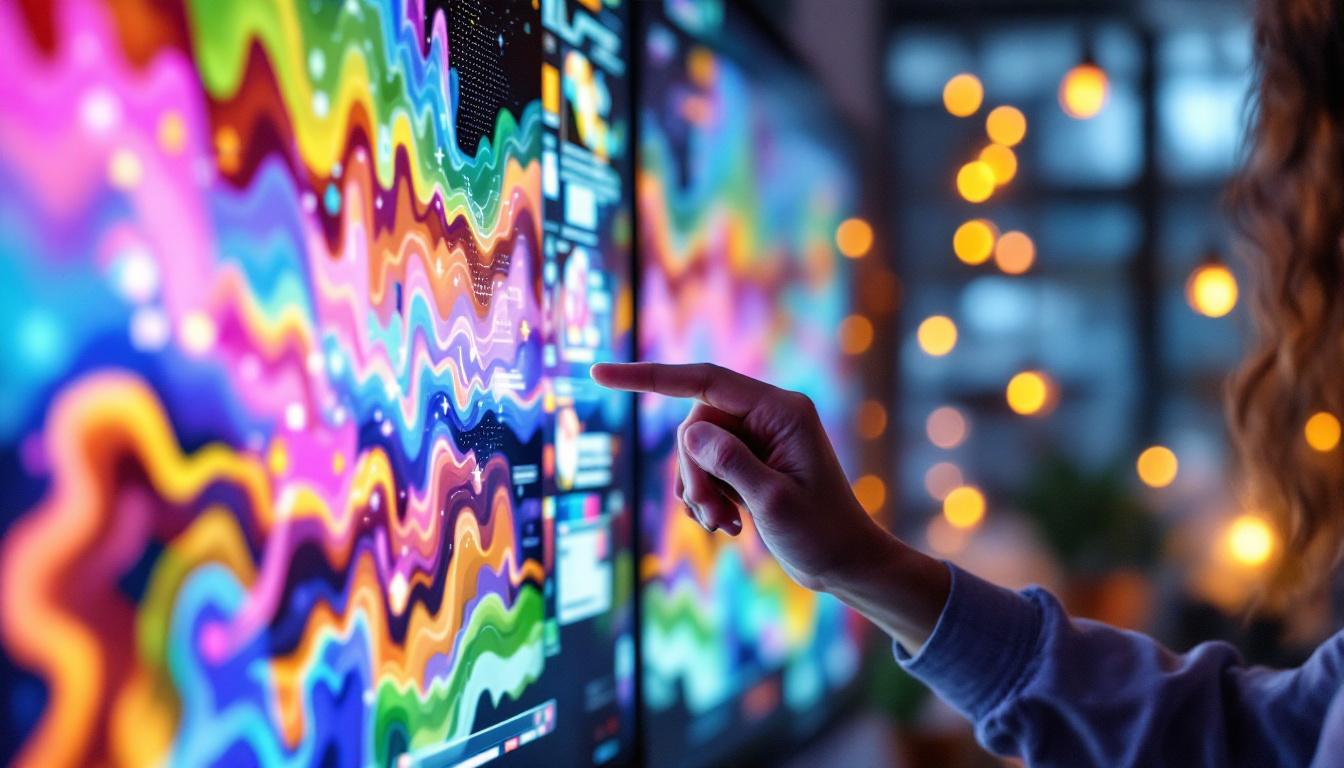
Multi touch technology enables a screen to recognize and respond to multiple points of contact simultaneously. Unlike traditional single-touch screens that only detect one touch input at a time, multi touch monitors can interpret complex gestures involving two or more fingers. This capability allows users to perform intuitive actions such as pinching to zoom, rotating objects, or using multiple fingers for navigation and control.
The technology behind multi touch screens involves a combination of hardware and software components that detect touch points and translate them into commands. This interaction model has revolutionized the way users engage with digital content, making interfaces more natural and efficient. As a result, applications ranging from mobile devices to interactive kiosks and large-scale displays have been enhanced, providing users with a seamless experience that feels both responsive and engaging. The rise of multi touch technology has also paved the way for innovative applications in fields such as education, gaming, and design, where collaboration and interactivity are paramount.
Types of Multi Touch Technologies
There are several methods used to implement multi touch functionality, each with its own strengths and limitations:
- Capacitive Touch: The most common technology in modern multi touch monitors. It works by detecting changes in the electrical field caused by the conductive properties of the human skin. Capacitive touchscreens offer high sensitivity and accuracy, supporting multiple simultaneous touch points. This technology is particularly favored in smartphones and tablets due to its responsiveness and ability to support complex gestures, making it ideal for applications that require quick and precise interactions.
- Infrared (IR) Touch: Uses an array of IR LEDs and sensors around the screen edges to detect touch by interruption of infrared light beams. IR touchscreens work well with any input type, including gloved fingers or styluses, but can be affected by ambient light interference. This versatility makes IR technology suitable for various environments, including industrial settings and outdoor displays, where users may not always have bare hands available for interaction.
- Optical Imaging: Employs cameras or optical sensors to detect touch points on the screen surface. This method is scalable for large displays and supports multi touch but can be more expensive and complex to implement. Optical imaging is often used in interactive whiteboards and large digital signage, allowing multiple users to interact with the content simultaneously, fostering collaboration and engagement in educational and corporate environments.
- Resistive Touch: Though less common for multi touch due to its mechanical nature, some advanced resistive screens can support limited multi touch functionality by detecting pressure points. This technology is often found in older devices and specialized applications, such as medical equipment, where durability and reliability are prioritized over advanced gesture recognition.
As multi touch technology continues to evolve, the integration of advanced features such as haptic feedback and gesture recognition is becoming more prevalent. Haptic feedback provides users with tactile responses, enhancing the experience by allowing them to “feel” the actions they are performing on the screen. This sensory feedback can significantly improve user satisfaction and engagement, making interactions more immersive. Furthermore, the development of machine learning algorithms is enabling touchscreens to better understand user behavior and preferences, leading to more personalized and efficient interactions. The future of multi touch technology holds exciting possibilities, as it becomes an integral part of our daily interactions with digital devices, transforming how we communicate, learn, and entertain ourselves.
LED Display Technology in Multi Touch Monitors
What is an LED Display?
LED (Light Emitting Diode) displays are a type of flat-panel display that use LEDs as the primary light source. In the context of monitors, LED displays typically refer to LCD screens that utilize LED backlighting instead of older fluorescent backlights. This technology offers several benefits including improved brightness, better color accuracy, energy efficiency, and thinner screen profiles.
True LED displays, such as OLED or microLED, use LEDs as individual pixels, but most multi touch monitors employ LED-backlit LCD panels due to cost-effectiveness and mature manufacturing processes.
Advantages of LED Displays in Multi Touch Monitors
Integrating LED display technology with multi touch capability enhances the overall user experience. Key advantages include:
- Superior Brightness and Contrast: LED backlighting provides brighter images and deeper blacks, which improves visibility in various lighting conditions, including bright office environments or retail spaces.
- Energy Efficiency: LED displays consume less power compared to traditional CCFL-backlit LCDs, reducing operational costs and environmental impact.
- Thin and Lightweight Design: LED technology enables slimmer monitors that are easier to mount and integrate into different setups, from kiosks to conference rooms.
- Enhanced Color Reproduction: High-quality LED displays support wide color gamuts and better color accuracy, critical for applications in design, media, and education.
- Longer Lifespan: LEDs typically last longer than other backlighting technologies, ensuring durability and reducing maintenance needs.
How Multi Touch LED Monitors Work Together
Integration of Touch Sensors and LED Displays
In a multi touch LED monitor, the touch sensor layer is integrated with the LED-backlit LCD panel. The touch sensor detects the location and movement of fingers or styluses on the screen surface, while the LED display renders the visual content. The combination must be seamless to provide a responsive and accurate touch experience without compromising display quality.
Manufacturers often use advanced bonding techniques to attach the touch sensor directly to the display panel, minimizing parallax (the visual offset between the touch point and the image) and enhancing optical clarity. This integration also improves durability and reduces reflections.
Processing Touch Inputs
When a user interacts with the screen, the touch controller processes the signals from the sensor array to determine the precise coordinates of each touch point. This data is then sent to the device’s operating system, which interprets the gestures and triggers corresponding actions.
Modern multi touch monitors support gestures such as:
- Tap and double tap
- Swipe and scroll
- Pinch to zoom
- Rotate
- Multi-finger gestures for shortcuts and commands
These capabilities enable more natural and efficient interaction, especially in collaborative environments where multiple users may interact with the screen simultaneously.
Applications of Multi Touch LED Monitors
Education and Training
Interactive whiteboards and multi touch monitors have transformed classrooms and training centers. They allow educators to present dynamic content, annotate in real time, and engage students with interactive lessons. The bright and clear LED displays ensure visibility from all angles, while multi touch enables multiple students to participate simultaneously.
Studies have shown that interactive learning environments can improve student engagement and retention. For example, a 2022 report by the Education Technology Association found that classrooms equipped with multi touch displays saw a 30% increase in student participation compared to traditional setups.
Retail and Hospitality
In retail, multi touch LED monitors serve as interactive kiosks, digital signage, and point-of-sale terminals. Customers can browse products, customize orders, or access information through intuitive touch interfaces. The vibrant LED displays attract attention and enhance brand presentation.
Similarly, in hospitality, these monitors facilitate self-service check-ins, menu browsing, and interactive concierge services, improving customer experience and operational efficiency.
Corporate and Collaboration Spaces
Multi touch LED monitors are increasingly common in meeting rooms and collaborative workspaces. They support video conferencing, brainstorming sessions, and real-time document editing. The ability for multiple participants to interact with the screen simultaneously fosters creativity and teamwork.
According to a 2023 survey by the Workplace Innovation Forum, companies using interactive multi touch displays reported a 25% improvement in meeting productivity and decision-making speed.
Creative Industries
Graphic designers, architects, and digital artists benefit from the precision and responsiveness of multi touch LED monitors. These displays support detailed work with accurate color representation and multi touch gestures, allowing for natural drawing, sculpting, and editing workflows.
Choosing the Right Multi Touch LED Monitor
Key Features to Consider
Selecting the appropriate multi touch LED monitor depends on the intended use case. Important factors include:
- Screen Size and Resolution: Larger screens with higher resolutions provide more workspace and sharper images, essential for detailed tasks and group use.
- Touch Points Supported: The number of simultaneous touch points can vary; for collaborative environments, monitors supporting 10 or more touch points are preferable.
- Durability and Build Quality: Monitors designed for public or industrial use should have reinforced glass and robust construction.
- Connectivity Options: Compatibility with various devices and operating systems via HDMI, USB, DisplayPort, or wireless connections is crucial.
- Software Compatibility: Ensure the monitor supports the software applications and operating systems used in your environment.
Emerging Trends
Recent advancements in multi touch LED monitors include:
- Higher Refresh Rates and Lower Latency: Enhancing responsiveness for gaming and professional applications.
- Integration with AI and Gesture Recognition: Allowing for more sophisticated interaction methods beyond touch.
- Flexible and Curved Displays: Providing immersive user experiences and ergonomic benefits.
- Improved Anti-Glare and Anti-Fingerprint Coatings: Maintaining screen clarity and cleanliness in high-use environments.
Conclusion
Multi touch monitors with LED displays represent a powerful combination of interactive technology and vibrant visual performance. Their ability to detect multiple touch points simultaneously, coupled with the brightness and clarity of LED backlighting, makes them ideal for a wide range of applications—from education and retail to corporate collaboration and creative work.
As technology continues to evolve, these monitors are becoming more sophisticated, accessible, and integral to modern digital experiences. Understanding the underlying technologies and features can help organizations and individuals make informed decisions when integrating multi touch LED monitors into their workflows and environments.
With their growing adoption and continuous innovation, multi touch LED monitors are poised to remain at the forefront of interactive display technology for years to come.
Discover LumenMatrix’s Advanced LED Display Solutions
Ready to elevate your interactive experiences with the latest in multi touch LED monitor technology? Look no further than LumenMatrix, a pioneer in crafting LED displays that bring your content to life. Whether you’re enhancing educational environments, boosting retail engagement, or fostering collaboration in corporate settings, LumenMatrix offers a comprehensive range of solutions including Indoor and Outdoor LED Wall Displays, Vehicle LED Displays, and more. Embrace the future of visual communication with our cutting-edge displays designed for maximum impact. Check out LumenMatrix LED Display Solutions today and see the difference for yourself.