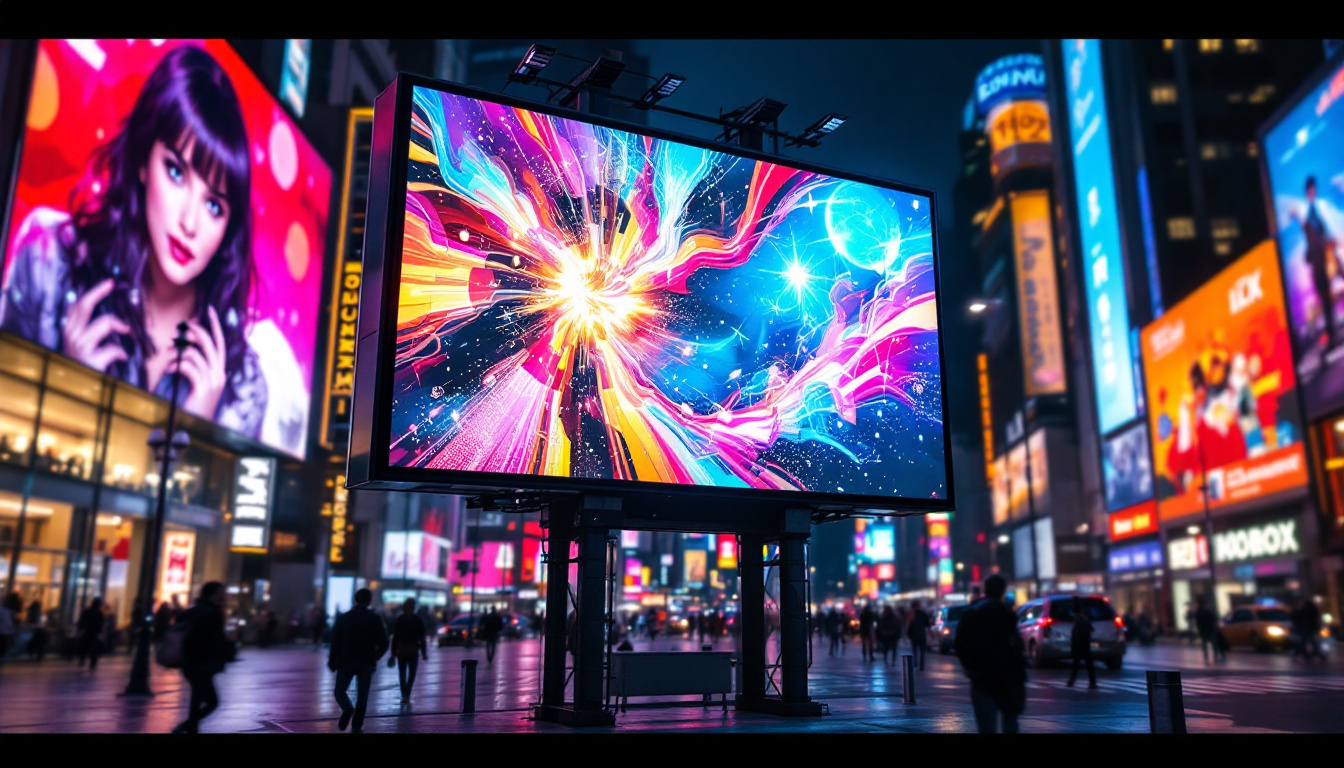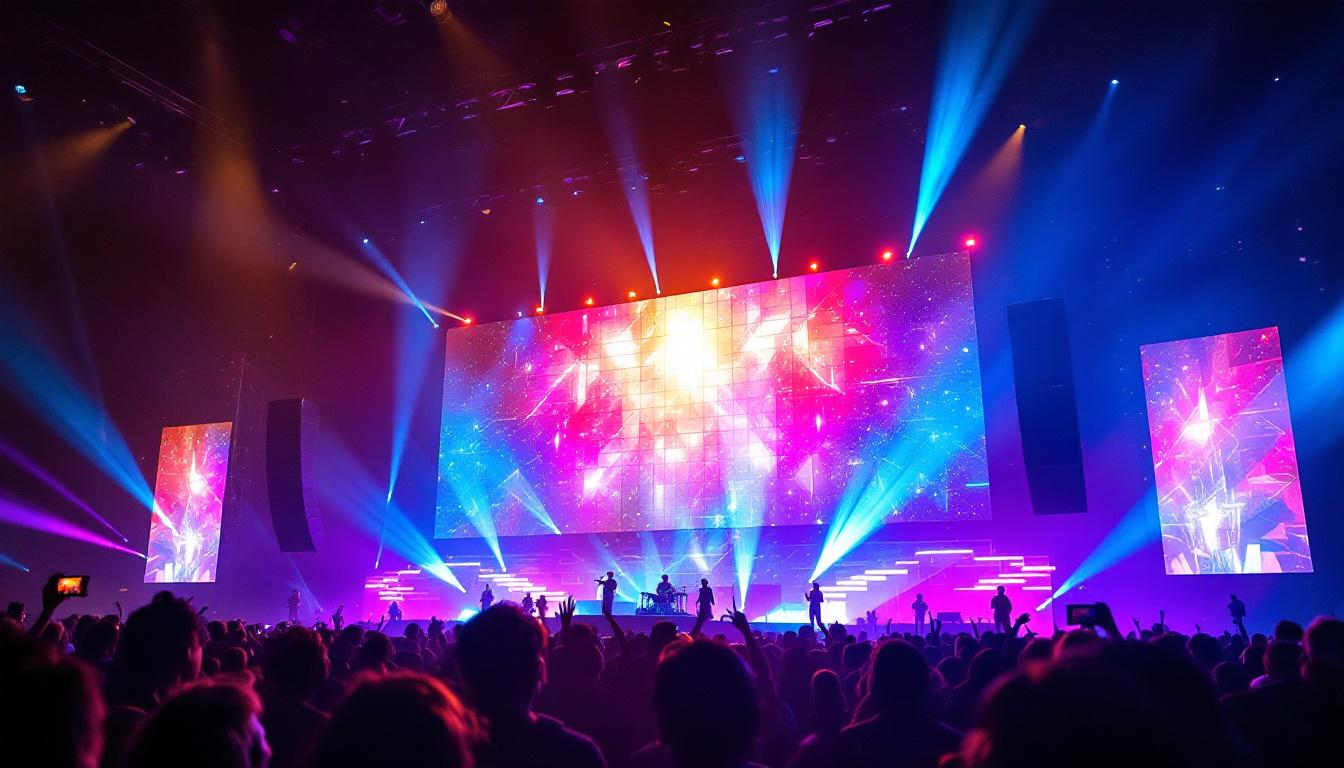
In the rapidly evolving world of live events, broadcasting, and digital production, the term “Wall Stage” has become increasingly prominent. Central to this concept is the LED display technology that transforms traditional stages into immersive, dynamic environments. This article explores the fundamentals of Wall Stage LED displays, their technology, applications, and why they are reshaping the future of visual storytelling.
What Is a Wall Stage?
A Wall Stage refers to a performance or production space where one or more walls are covered with large-scale LED displays. These LED walls serve as versatile backdrops that can display high-resolution video, graphics, and interactive content in real-time. Unlike conventional static sets or green screens, Wall Stages provide a visually rich environment that enhances the realism and creativity of any production.
Typically, these LED walls are modular, allowing for custom configurations that fit the spatial and creative needs of the project. The displays can wrap around multiple walls, creating a 180-degree or even 360-degree immersive experience. This capability has made Wall Stages a popular choice for film studios, live concerts, corporate events, and virtual productions.
Historical Context and Evolution
The concept of using LED walls in production is relatively new but has roots in earlier video projection and screen technologies. Traditional green screen techniques dominated visual effects for decades, requiring extensive post-production to composite backgrounds. The introduction of LED walls allowed for real-time background rendering, reducing post-production time and improving on-set interaction.
One landmark moment was the release of the Disney+ series The Mandalorian, which utilized LED volume stages to create immersive virtual environments. This innovation showcased the potential of Wall Stages to revolutionize filmmaking by blending physical and digital worlds seamlessly.
As Wall Stage technology continues to advance, the integration of augmented reality (AR) and virtual reality (VR) elements is becoming increasingly common. This evolution allows for even more dynamic storytelling, where actors can interact with digital elements in real-time, enhancing the viewer’s experience. The ability to manipulate environments on-the-fly not only streamlines the production process but also opens up new creative avenues for directors and cinematographers, enabling them to craft visually stunning narratives that were once thought impossible.
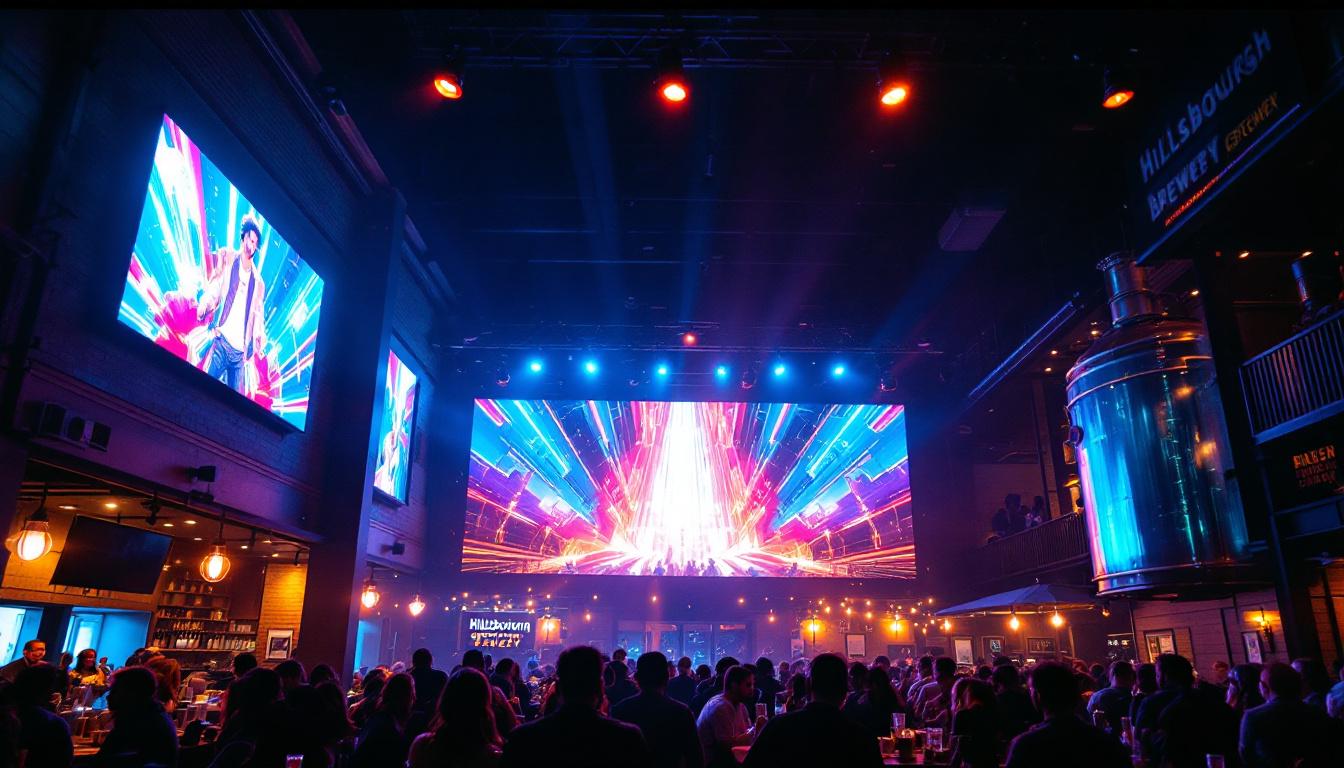
Moreover, the applications of Wall Stages extend beyond film and television. In the realm of live events, these stages can transform concerts and corporate presentations into interactive experiences that captivate audiences. For instance, during live performances, artists can utilize the LED walls to create synchronized visuals that respond to their music, effectively merging sound and sight in a way that amplifies the emotional impact of the performance. This synergy between technology and artistry is paving the way for a new era of entertainment, where the boundaries of creativity are continuously pushed and redefined.
Understanding LED Display Technology
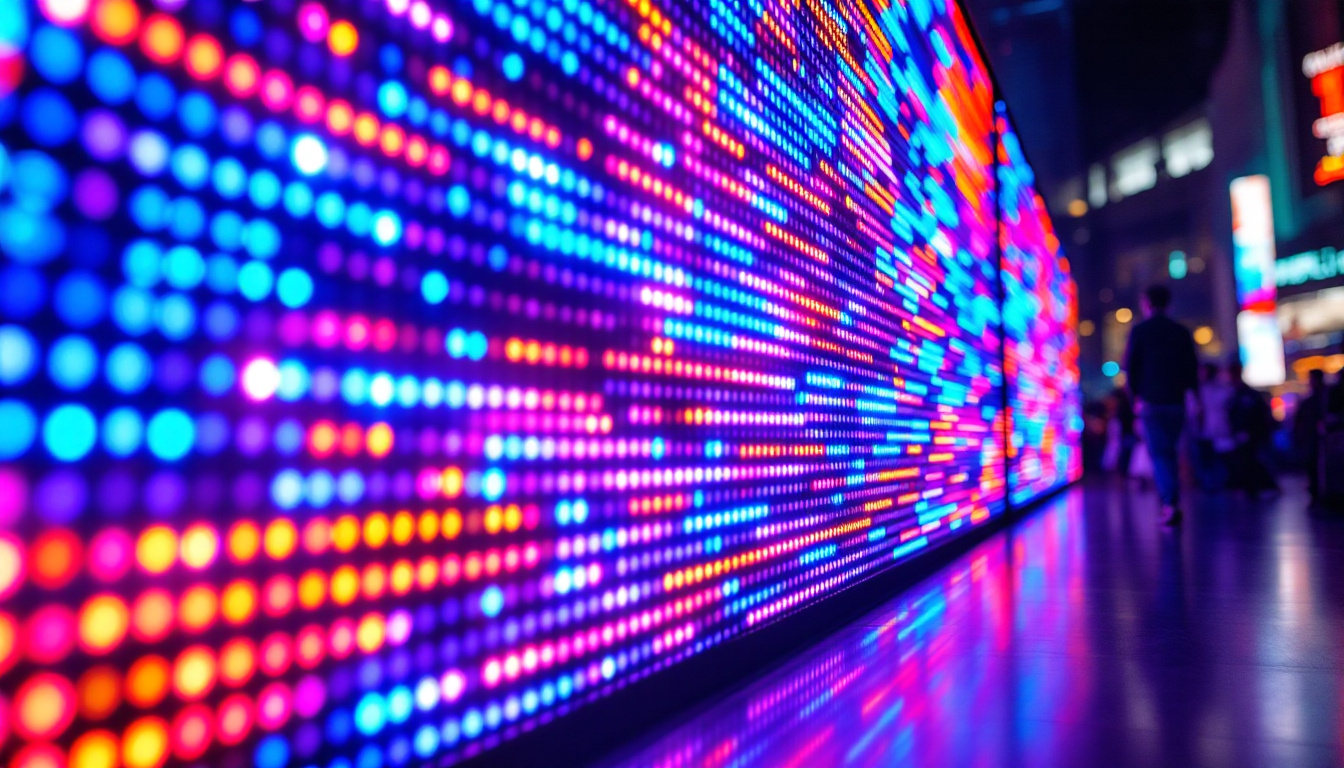
At the heart of any Wall Stage is the LED display technology. LEDs, or Light Emitting Diodes, are semiconductor devices that emit light when an electric current passes through them. For large-scale displays, thousands or millions of these tiny LEDs are arranged into panels that form a seamless screen. This technology has revolutionized the way visual content is presented, allowing for dynamic and immersive experiences that captivate audiences in various settings, from concerts to corporate events.
LED displays not only provide stunning visuals but also offer versatility in design and application. Their lightweight nature and modular construction enable easy installation and reconfiguration, making them ideal for temporary setups or permanent installations. Furthermore, advancements in LED technology have led to improvements in energy efficiency, allowing for lower operational costs while maintaining high-quality output. As a result, LED displays are becoming increasingly popular in various industries, including advertising, entertainment, and sports.
Key Components of LED Displays
LED displays consist of several critical components:
- LED Modules: These are the building blocks of the display, containing clusters of red, green, and blue LEDs. The combination of these colors produces the full spectrum of visible color. Each module is designed to work in harmony with others to create a cohesive image, and the quality of these modules can significantly impact the overall performance of the display.
- Pixel Pitch: This refers to the distance between the centers of two adjacent pixels. Smaller pixel pitches mean higher resolution and sharper images, especially important for close viewing distances common in Wall Stages. The choice of pixel pitch can affect not only the visual clarity but also the cost and complexity of the installation.
- Control System: This manages the input signals and synchronizes the display output, ensuring smooth and accurate rendering of content. A robust control system is essential for handling real-time data, especially during live events where timing and precision are critical.
- Power Supply and Cooling: LED walls require robust power management and efficient cooling systems to maintain performance and longevity. Effective cooling solutions are particularly important, as overheating can lead to reduced brightness and color accuracy over time, ultimately affecting the viewer’s experience.
Types of LED Displays Used in Wall Stages
There are primarily two types of LED display technologies employed in Wall Stages:
- Direct View LED (DVLED): This is the most common technology for Wall Stages. It offers vibrant colors, high brightness, and excellent contrast ratios. DVLED panels are self-emissive, meaning each pixel emits its own light, which allows for deep blacks and vivid visuals. This technology is particularly advantageous in outdoor settings where sunlight can wash out other display types, ensuring that content remains visible and impactful.
- MicroLED: An emerging technology that promises even higher resolution, better energy efficiency, and longer lifespan. While still in early adoption stages, MicroLED could become the future standard for Wall Stage displays. Its modular nature allows for seamless scaling, enabling designers to create custom shapes and sizes that fit unique venue requirements.
As the demand for high-quality visual experiences continues to grow, the development of LED technology is expected to advance rapidly. Innovations such as flexible LED screens and transparent displays are on the horizon, which could further enhance the versatility and aesthetic appeal of Wall Stages. These advancements not only promise to improve the quality of visual presentations but also open up new creative possibilities for artists and event organizers, allowing them to push the boundaries of traditional display formats.
Advantages of Using LED Walls in Stages
LED walls offer numerous benefits over traditional stage backdrops and green screens, making them an attractive choice for various industries.
Real-Time Visuals and Interaction
One of the most significant advantages is the ability to display real-time content that can be adjusted instantly. Directors and performers can see the environment as it will appear in the final product, enhancing performance and creative decision-making. This immediacy reduces the need for costly and time-consuming post-production compositing.
Enhanced Immersion and Visual Quality
LED walls provide high brightness and contrast, making visuals pop even under strong studio lighting. Unlike projections, LED displays maintain consistent image quality without shadows or distortion. This creates a more immersive experience for both live audiences and camera viewers.
Flexibility and Customization
Modular LED panels can be configured in various shapes and sizes, from flat walls to curved or angled surfaces. This flexibility allows creative teams to design unique environments tailored to the narrative or event theme.
Cost and Time Efficiency
Although the initial investment in LED walls can be substantial, the reduction in physical set construction, location shooting, and post-production costs often results in overall savings. Productions can shoot multiple scenes with different backgrounds in a single location, streamlining schedules and budgets.
Applications of Wall Stage LED Displays
The versatility of Wall Stage LED displays has led to their adoption across a wide range of sectors, each leveraging the technology to meet specific needs.
Film and Television Production
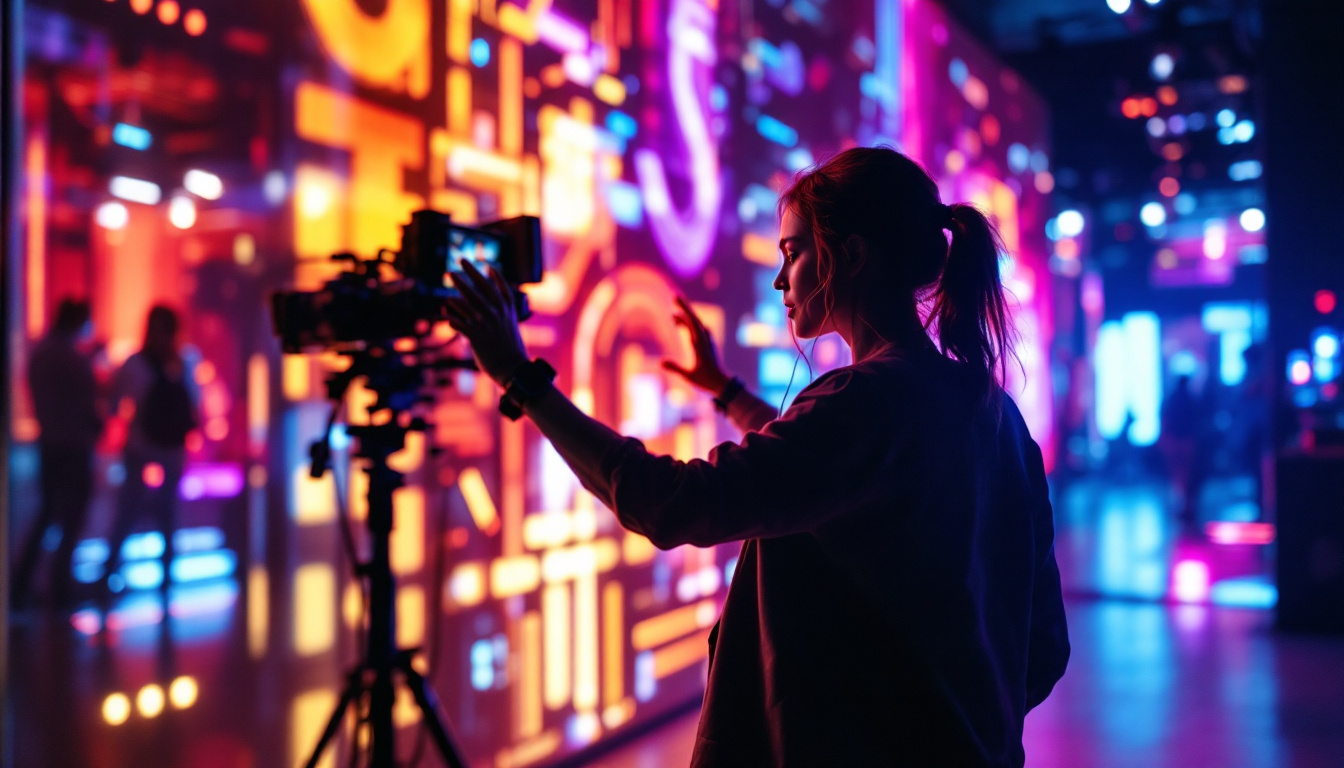
Virtual production studios use LED walls to create dynamic backgrounds that respond to camera movement, providing parallax effects that enhance realism. This technology allows filmmakers to shoot complex scenes without traveling to remote locations, reducing logistical challenges and environmental impact.
Live Events and Concerts
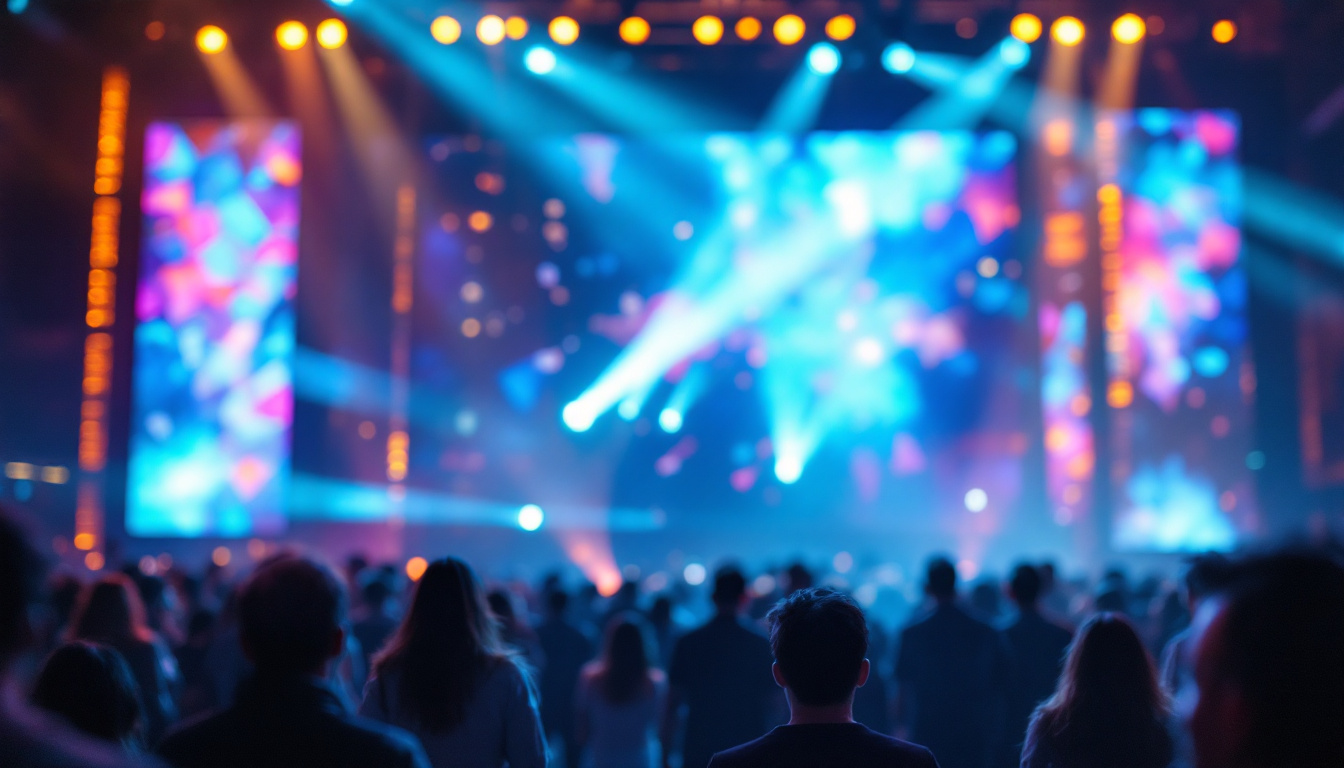
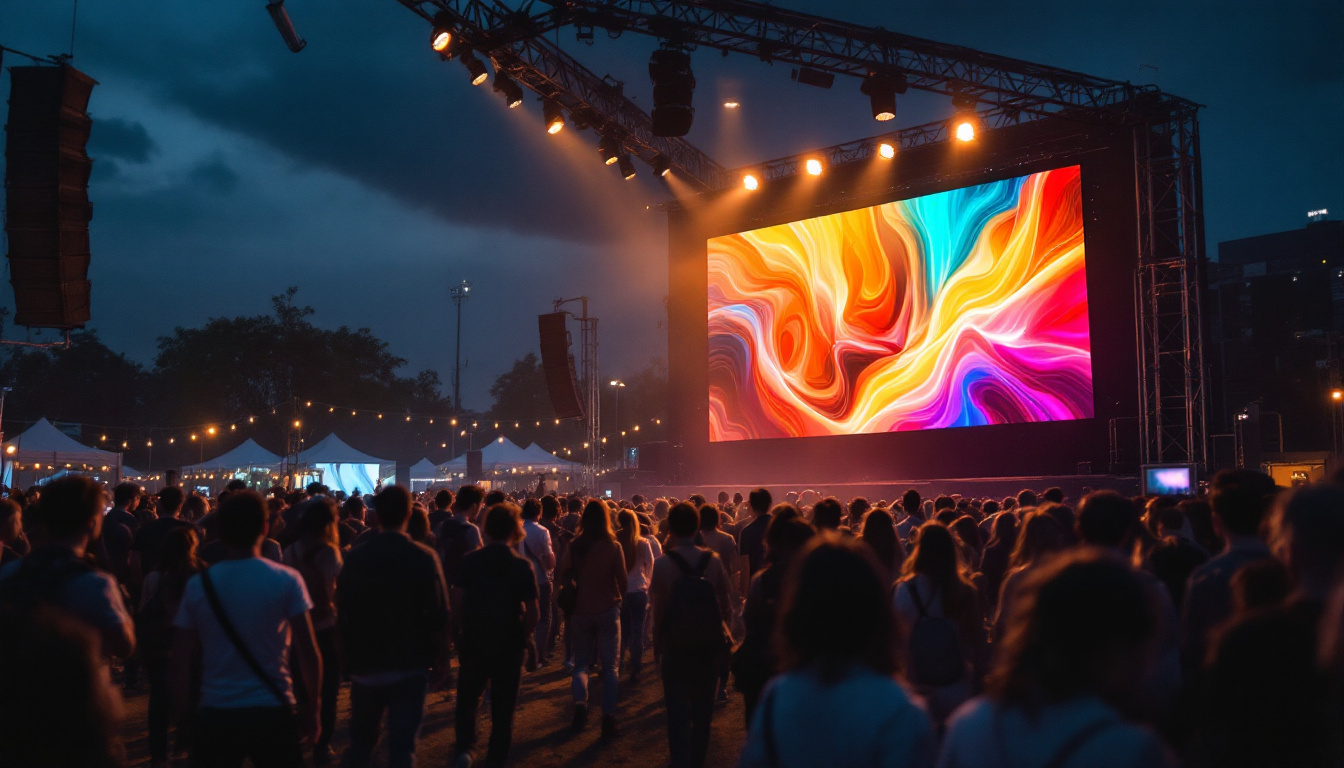
Concerts and live shows utilize LED walls to deliver captivating visual experiences that synchronize with music and performance. The ability to change visuals instantly keeps audiences engaged and allows for creative storytelling through light and imagery.
Corporate Events and Conferences
Businesses use Wall Stage LED displays for product launches, keynote presentations, and trade shows. The technology enables immersive branding opportunities and interactive content that can adapt to audience feedback in real-time.
Broadcast Studios and Newsrooms
LED walls provide dynamic backdrops that can be updated instantly to reflect breaking news, data visualizations, or thematic elements. This enhances the visual appeal of broadcasts and allows for greater flexibility in set design.
Technical Considerations for Implementing LED Walls
Deploying a Wall Stage LED display requires careful planning and technical expertise to ensure optimal performance and reliability.
Resolution and Pixel Pitch Selection
The choice of pixel pitch depends on the viewing distance and the level of detail required. For Wall Stages where cameras and performers are close to the screen, a smaller pixel pitch (e.g., 1.2mm to 2.5mm) is preferred to avoid visible pixelation.
Brightness and Color Calibration
LED walls must be calibrated to maintain consistent brightness and accurate color reproduction across all panels. This is crucial to avoid visual discrepancies that can distract viewers or complicate post-production.
Synchronization and Content Management
Advanced control systems are necessary to synchronize content across multiple panels and integrate with camera tracking systems. This ensures that on-screen visuals align perfectly with camera angles and movements, creating a seamless experience.
Physical Installation and Maintenance
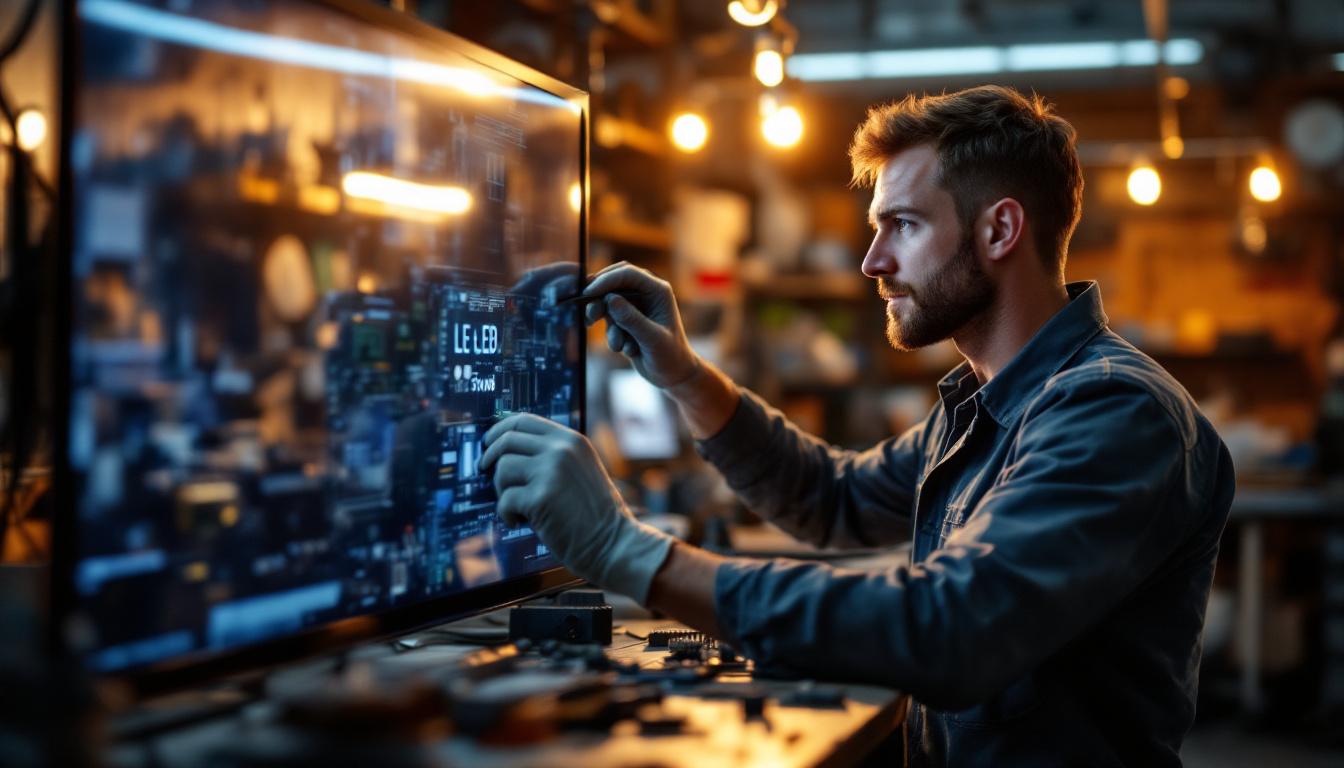
LED walls require sturdy mounting structures, adequate ventilation, and easy access for maintenance. Regular servicing is essential to replace faulty modules and maintain image quality over time.
Future Trends in Wall Stage LED Technology
The Wall Stage LED display market is poised for significant growth and innovation, driven by advancements in technology and increasing demand for immersive experiences.
Higher Resolution and Smaller Pixel Pitch
As manufacturing processes improve, LED panels with even smaller pixel pitches will become more affordable, allowing for ultra-high-definition displays suitable for close-up shots and detailed visuals.
Integration with Augmented Reality (AR) and Artificial Intelligence (AI)
Future Wall Stages may incorporate AR elements that interact with LED content, enhancing storytelling possibilities. AI-driven content management systems could automate adjustments based on real-time data and audience reactions.
Energy Efficiency and Sustainability
New LED technologies, such as MicroLED, promise lower power consumption and longer lifespans, addressing environmental concerns and reducing operational costs.
Expanded Use in Remote and Hybrid Productions
The rise of remote and hybrid event formats will drive demand for Wall Stage setups that can be controlled and customized remotely, enabling seamless integration across multiple locations.
Conclusion
Wall Stage LED displays represent a transformative leap in the way visual environments are created and experienced across entertainment, corporate, and broadcast industries. By combining cutting-edge LED technology with innovative production techniques, Wall Stages enable immersive storytelling that was once impossible or prohibitively expensive.
As the technology continues to evolve, it will unlock new creative possibilities and efficiencies, making LED walls an indispensable tool for future productions. Understanding the technical aspects, benefits, and applications of Wall Stage LED displays is essential for professionals seeking to stay at the forefront of digital production and event innovation.
Explore the Future of Visual Storytelling with LumenMatrix
Ready to elevate your production or event with the latest in LED display technology? LumenMatrix is at the forefront of creating immersive environments that captivate and engage. From Indoor and Outdoor LED Wall Displays to innovative solutions like Vehicle, Poster, Sports, Floor, and Custom LED Displays, we have the tools to bring your vision to life. Experience the pinnacle of visual communication with our All-in-One and Transparent LED Displays. Don’t just tell your story; immerse your audience in it. Check out LumenMatrix LED Display Solutions and transform your space into a dynamic canvas for unforgettable experiences.