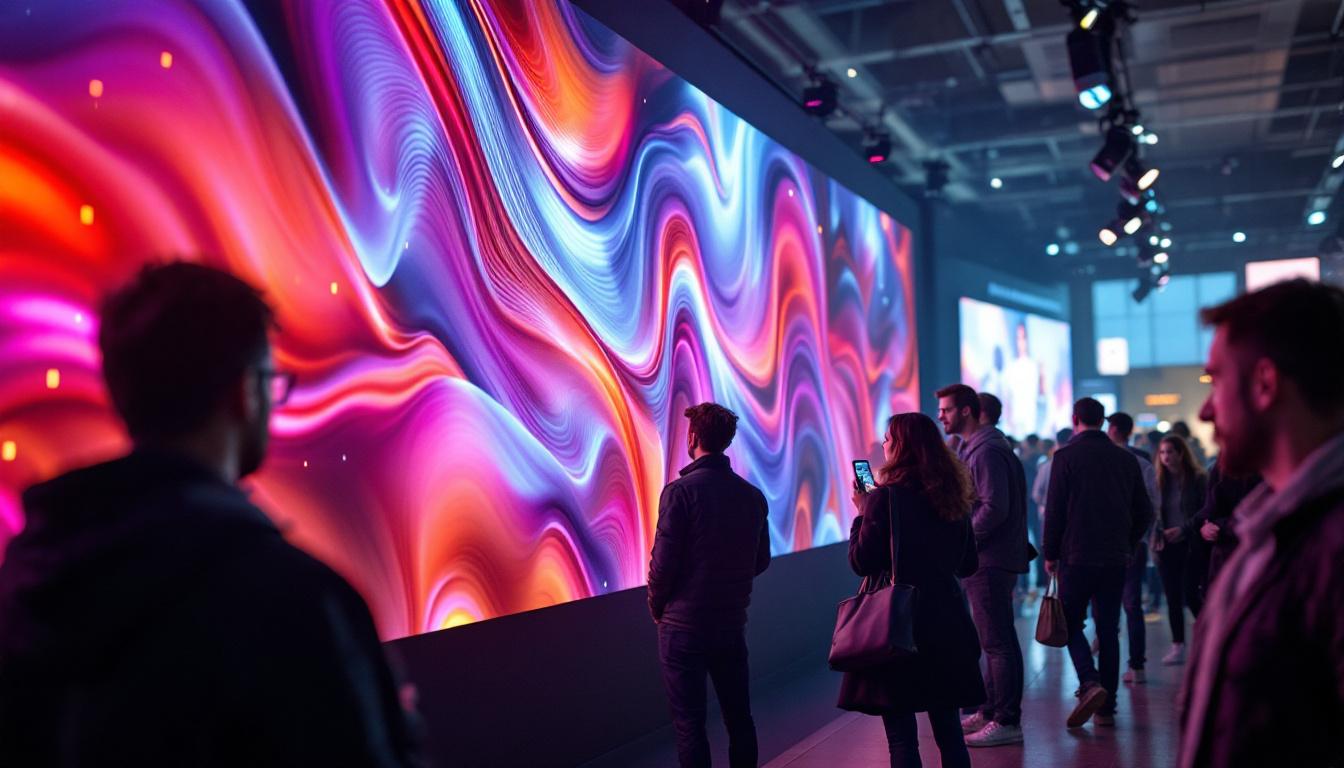
The National Association of Broadcasters (NAB) Show remains one of the most significant events in the media, entertainment, and technology industries. As the 2024 edition approaches, one of the most talked-about technologies on the floor is LED display technology. From massive outdoor screens to compact indoor panels, LED displays have transformed how content is delivered and experienced. This article delves into the latest advancements in LED display technology showcased at NAB 2024, explaining their principles, applications, and why they are crucial for broadcasters, event organizers, and digital signage professionals.
Understanding LED Display Technology
What Is an LED Display?
LED stands for Light Emitting Diode, a semiconductor device that emits light when an electric current passes through it. LED displays are composed of thousands to millions of these tiny diodes arranged in a matrix to form images, videos, and text. Unlike traditional LCD or projection displays, LED screens produce their own light, resulting in brighter, more vibrant visuals with better contrast ratios.
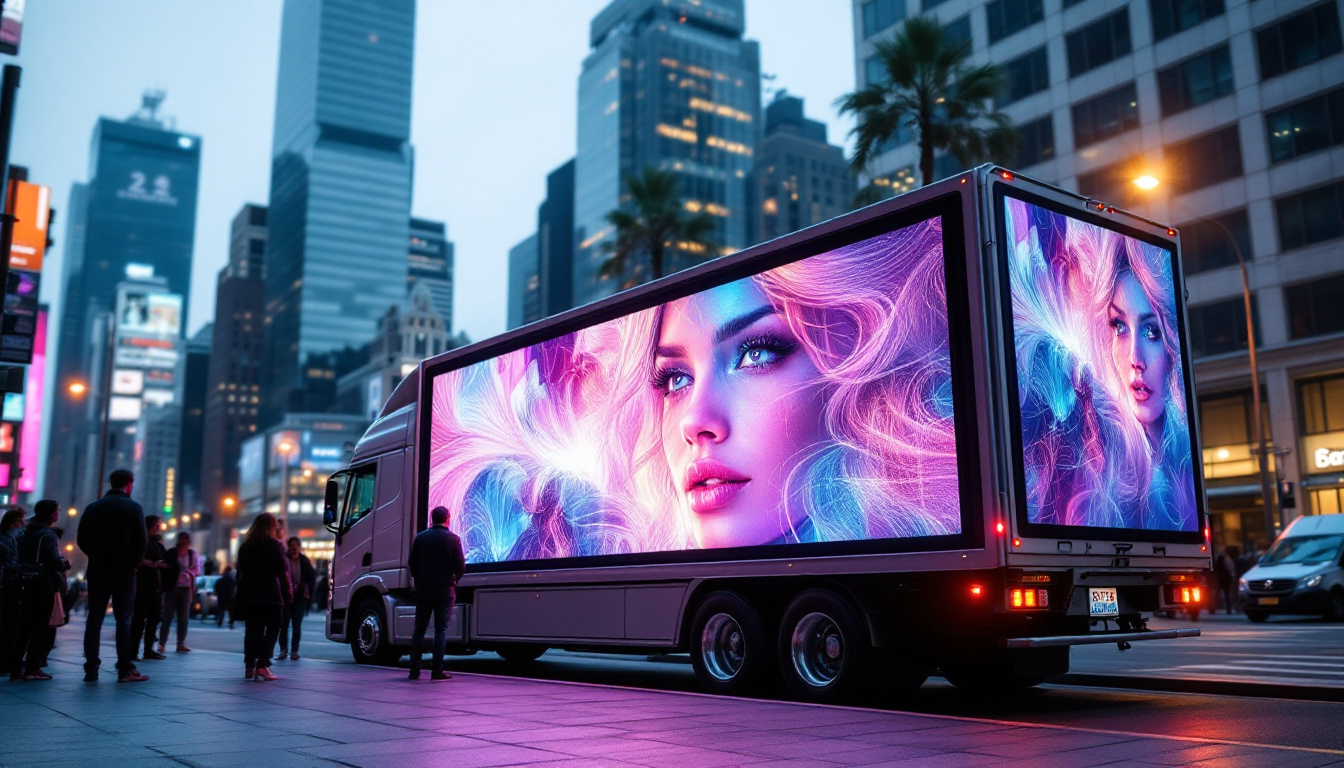
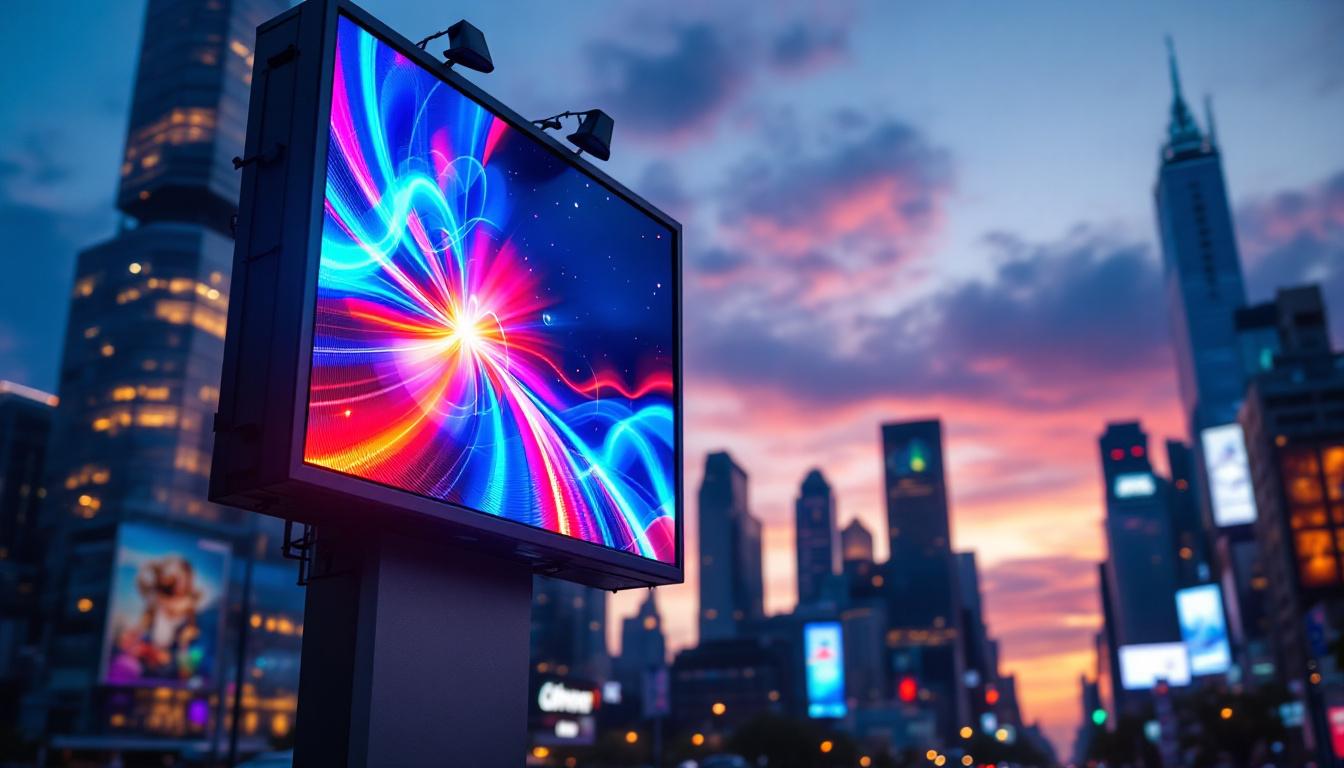
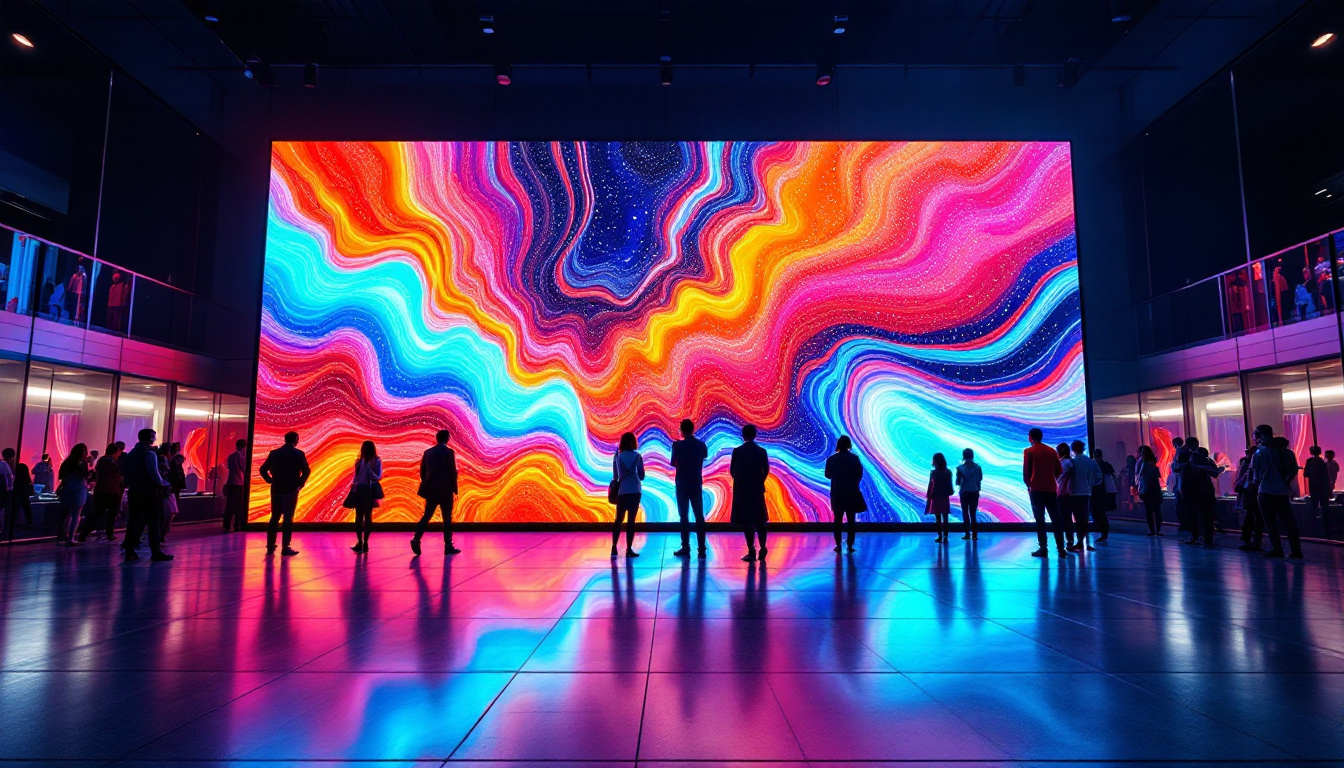
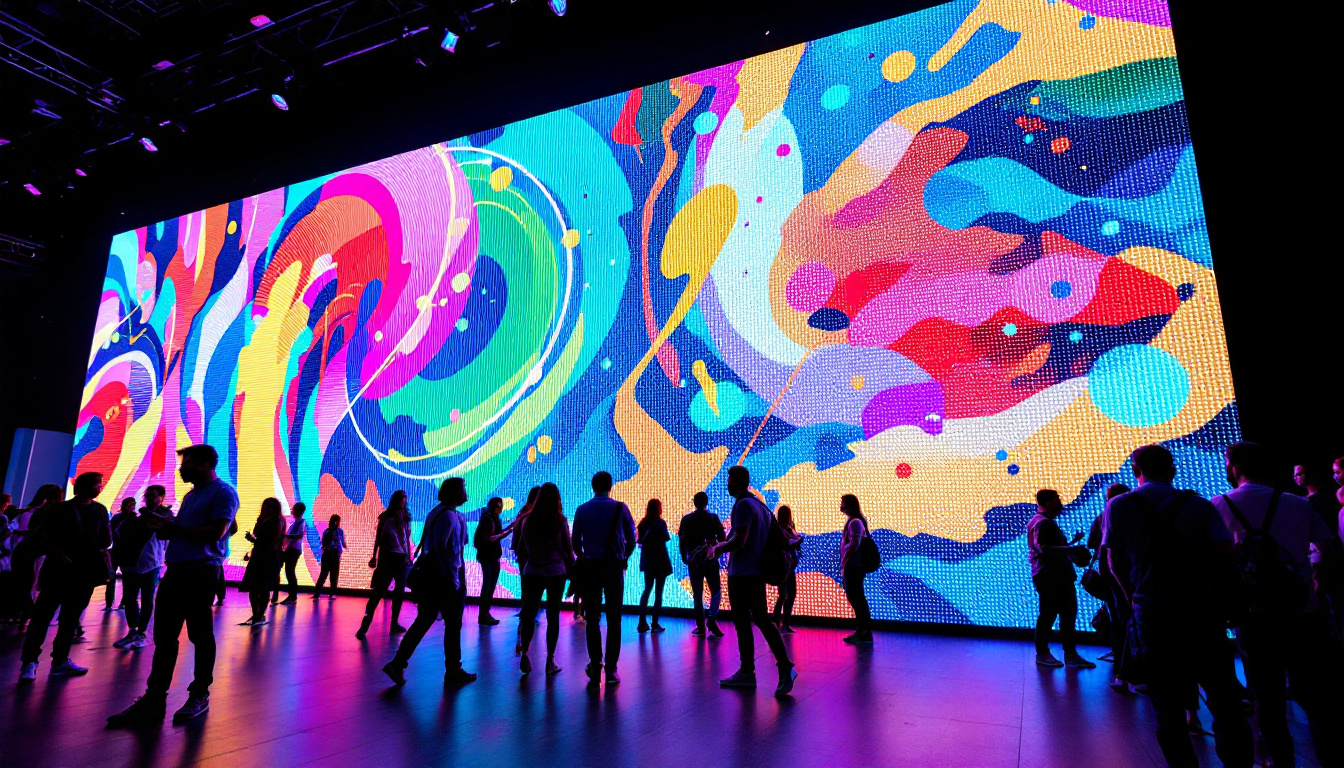
The structure of an LED display can vary, but the most common types include direct-view LED panels and LED-backlit LCDs. Direct-view LED displays are typically used for large-format applications such as stadium screens, digital billboards, and stage backdrops, where high brightness and wide viewing angles are essential. These displays are modular, allowing for flexible sizes and shapes. Their adaptability makes them suitable for various environments, from outdoor advertising to indoor installations in shopping malls and airports, where capturing attention is crucial.
Key Components and How They Work
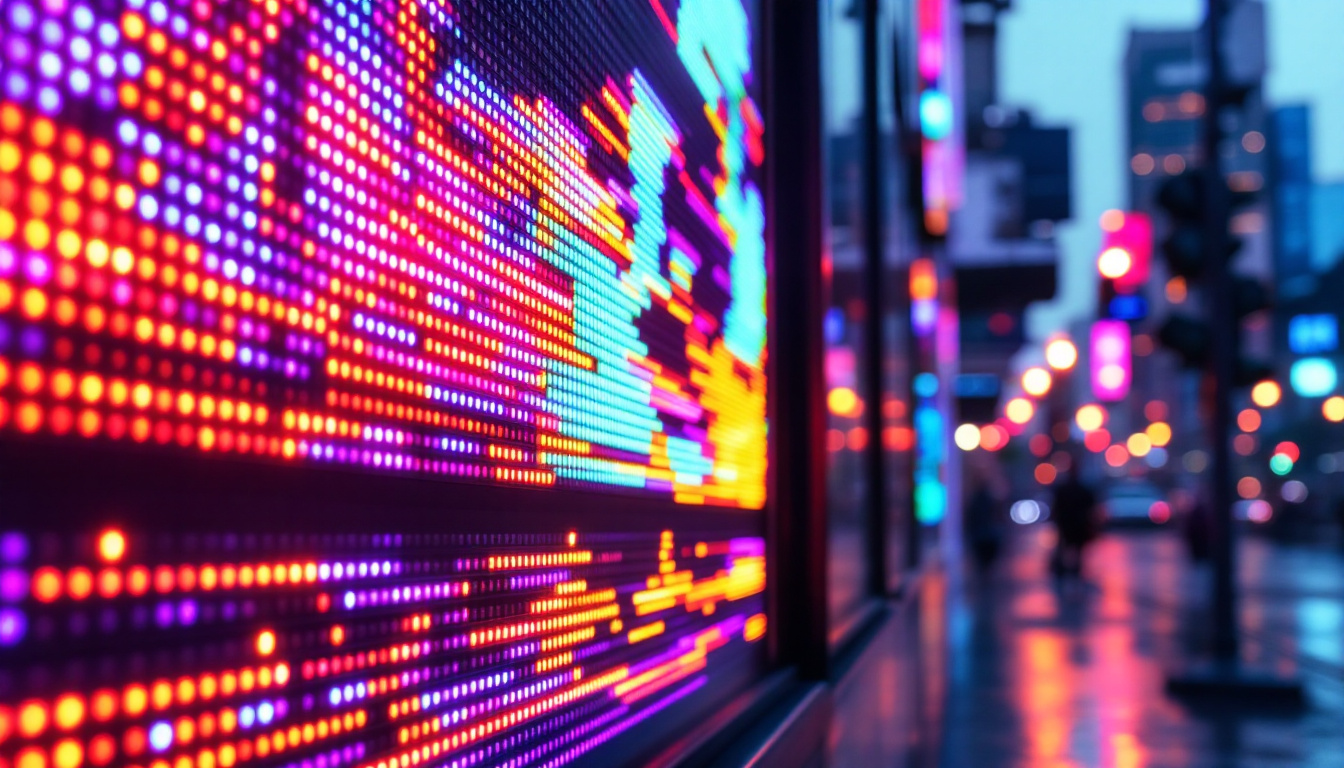
At the core of an LED display are the individual LEDs, which can be monochrome or full-color. Full-color LEDs combine red, green, and blue diodes to create a broad color spectrum through color mixing. The density of these LEDs, measured in pixels per inch (PPI) or pixel pitch (the distance between the centers of two adjacent LEDs), determines the resolution and clarity of the display. Displays with lower pixel pitch provide higher resolution images, making them ideal for close viewing distances, such as in retail environments or control rooms.
Modern LED displays use advanced driver ICs (integrated circuits) to control the brightness and color of each LED with high precision. These ICs are managed by sophisticated video processing units that handle input signals, scaling, and color calibration. This technology ensures smooth motion rendering and accurate color reproduction, which are critical for professional broadcasting and live event environments. Additionally, the integration of smart technology into LED displays has paved the way for features such as remote monitoring and control, enabling operators to adjust settings in real-time for optimal performance, regardless of the display’s location.
Moreover, the energy efficiency of LED displays is a significant advantage over traditional lighting technologies. LED technology consumes significantly less power, resulting in lower operational costs and a reduced carbon footprint. This makes LED displays not only a practical choice for businesses looking to save on energy bills but also an environmentally friendly option. As sustainability continues to be a priority for many organizations, the shift towards LED technology aligns perfectly with global efforts to reduce energy consumption and promote greener practices in advertising and entertainment.
Innovations Highlighted at NAB 2024
MicroLED and MiniLED: The Next Generation
One of the most exciting trends at NAB 2024 is the rise of MicroLED and MiniLED technologies. MicroLEDs are tiny LEDs, often less than 100 micrometers in size, that allow for incredibly high pixel densities, rivaling OLED displays but with superior brightness and longevity. This makes them ideal for applications requiring ultra-high resolution and outdoor visibility.
MiniLED technology, on the other hand, uses smaller LEDs than traditional ones but larger than MicroLEDs, primarily as backlighting for LCD panels. This approach enhances contrast ratios and color accuracy, offering a cost-effective upgrade path for broadcasters and content creators who need better image quality without the full investment in MicroLED.
Flexible and Transparent LED Displays
Another breakthrough featured at NAB 2024 is the development of flexible and transparent LED displays. Flexible LED panels can be curved or bent to fit unconventional surfaces, opening new possibilities for immersive stage designs and architectural installations. Transparent LED displays allow light to pass through them, making them perfect for storefronts and glass facades where visibility from both sides is desired.
These innovations are particularly relevant for live event producers and broadcasters who seek to create visually stunning environments that captivate audiences while maintaining practical considerations such as natural lighting and space utilization.
Improved Energy Efficiency and Sustainability
With growing environmental concerns, LED display manufacturers are focusing on energy efficiency and sustainability. NAB 2024 showcased displays that consume up to 30% less power than previous generations, thanks to advancements in LED chip design and power management systems. Additionally, many companies are adopting recyclable materials and modular designs that simplify maintenance and reduce electronic waste.
For broadcasters and event organizers, these improvements translate into lower operating costs and a smaller carbon footprint, aligning with broader industry goals for sustainable production practices.
Applications of LED Displays in Broadcasting and Media
Live Event Production and Virtual Sets
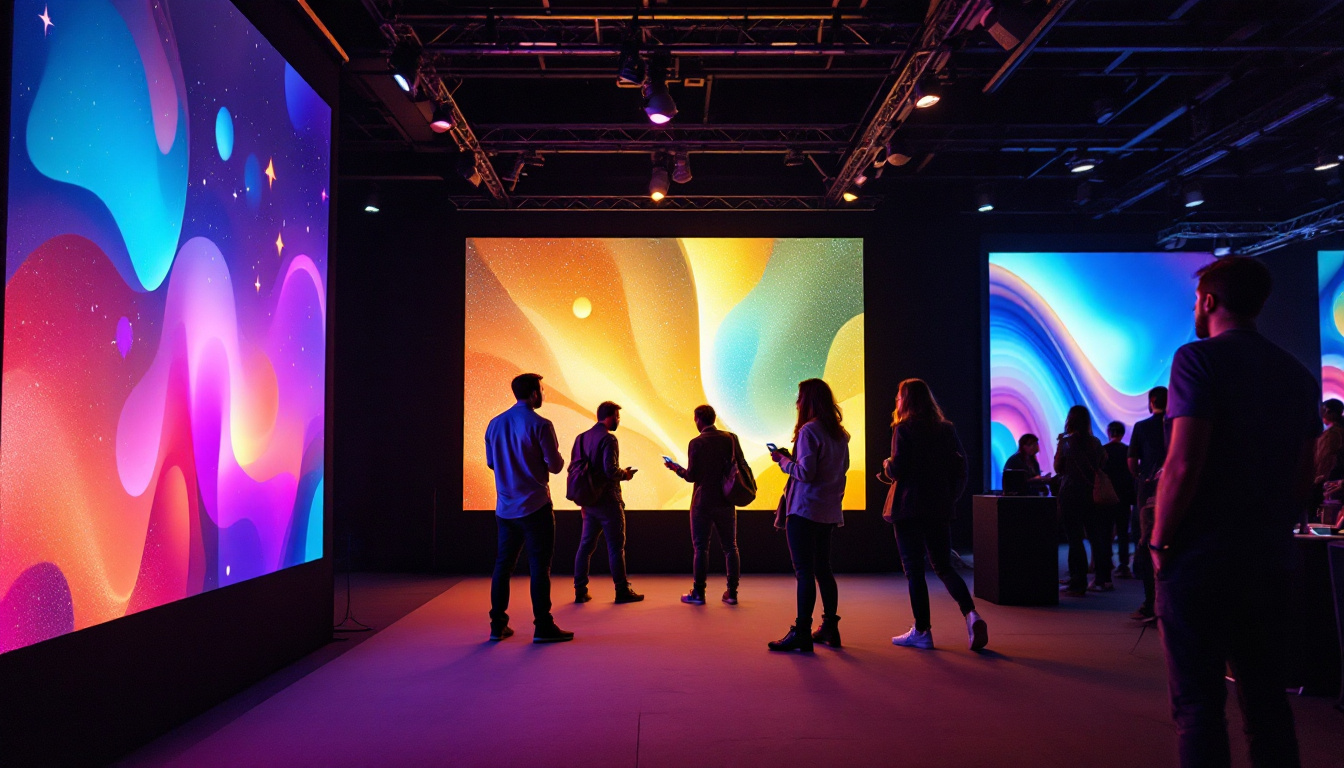
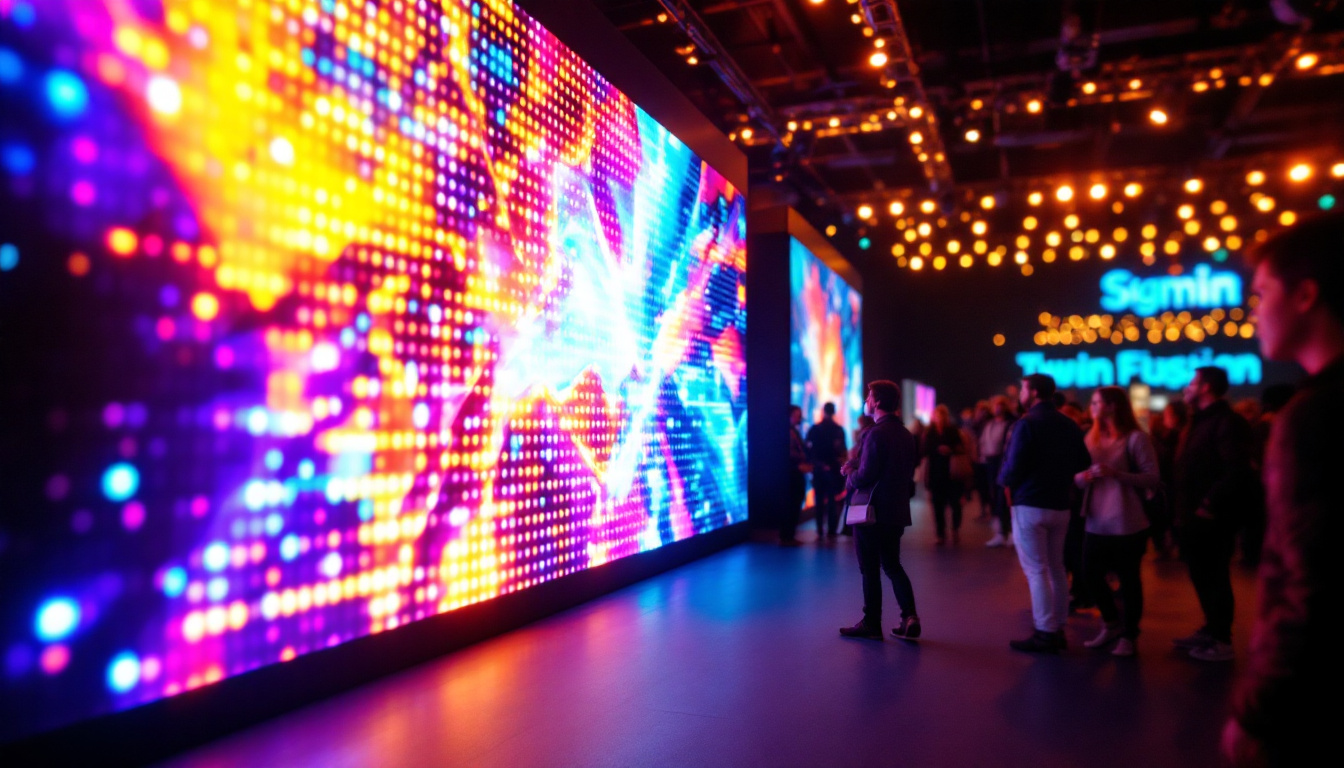
LED displays have become indispensable in live event production, offering dynamic backdrops that can be changed instantly to suit different scenes or moods. At NAB 2024, several demonstrations highlighted how LED walls are integrated with real-time graphics engines and camera tracking systems to create virtual sets and augmented reality environments.
This technology allows broadcasters to reduce physical set construction costs and enhance storytelling with immersive visuals. For example, sports broadcasts now often use LED screens to display live statistics, replays, and interactive content around the arena, enriching the viewer experience both on-site and at home.
Digital Signage and Advertising
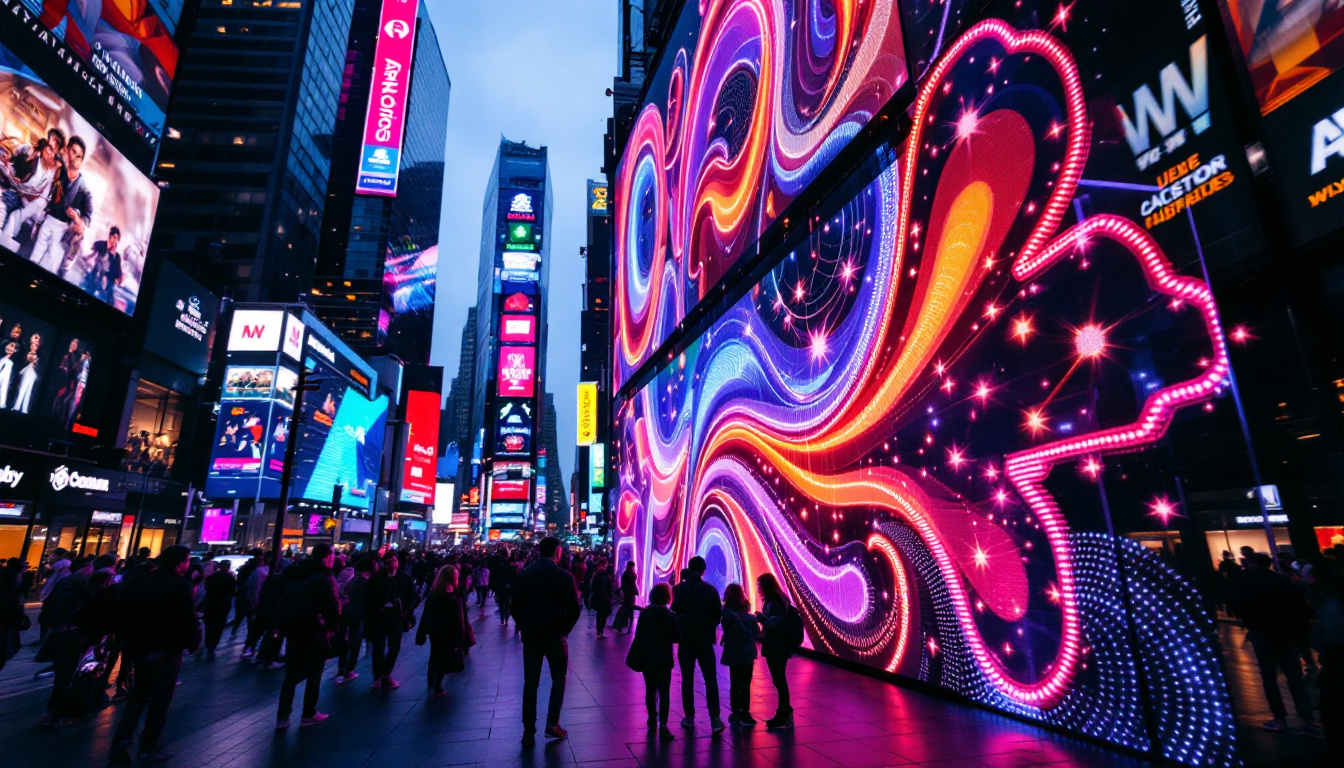
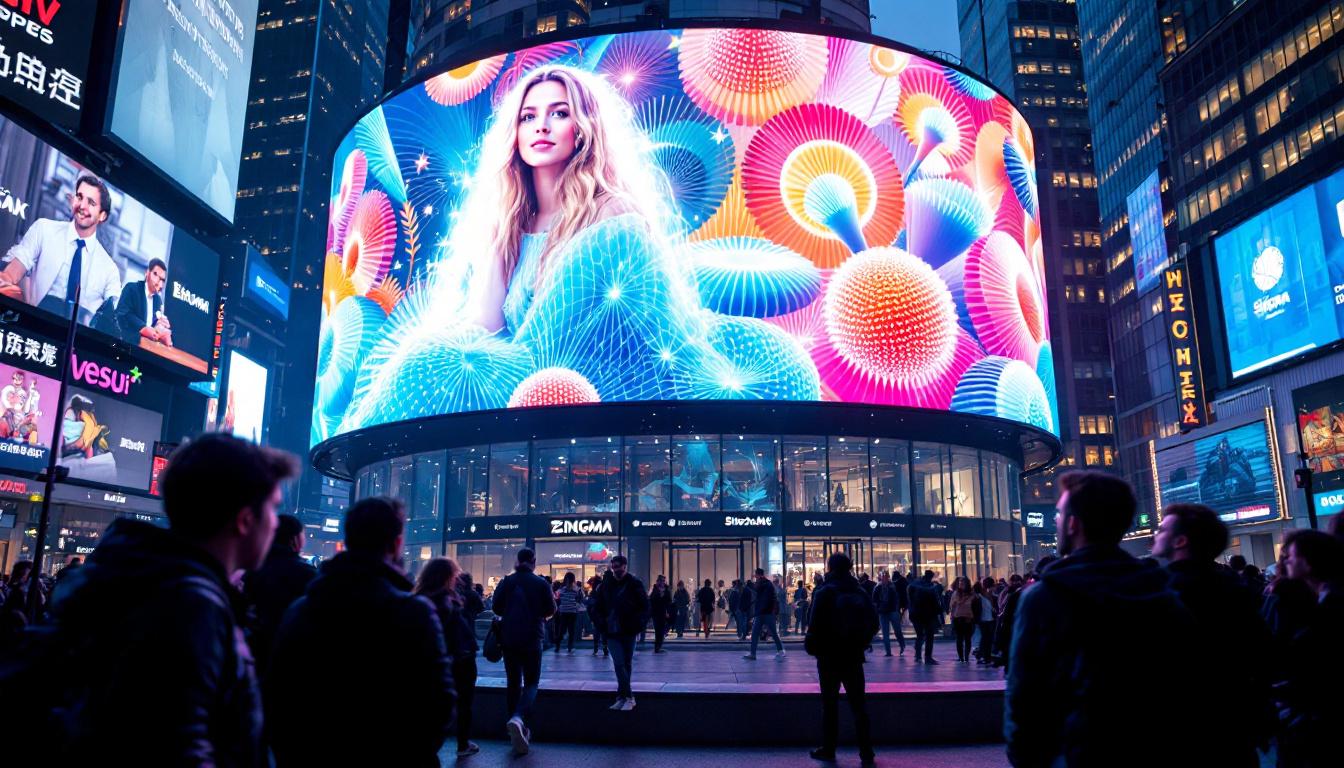
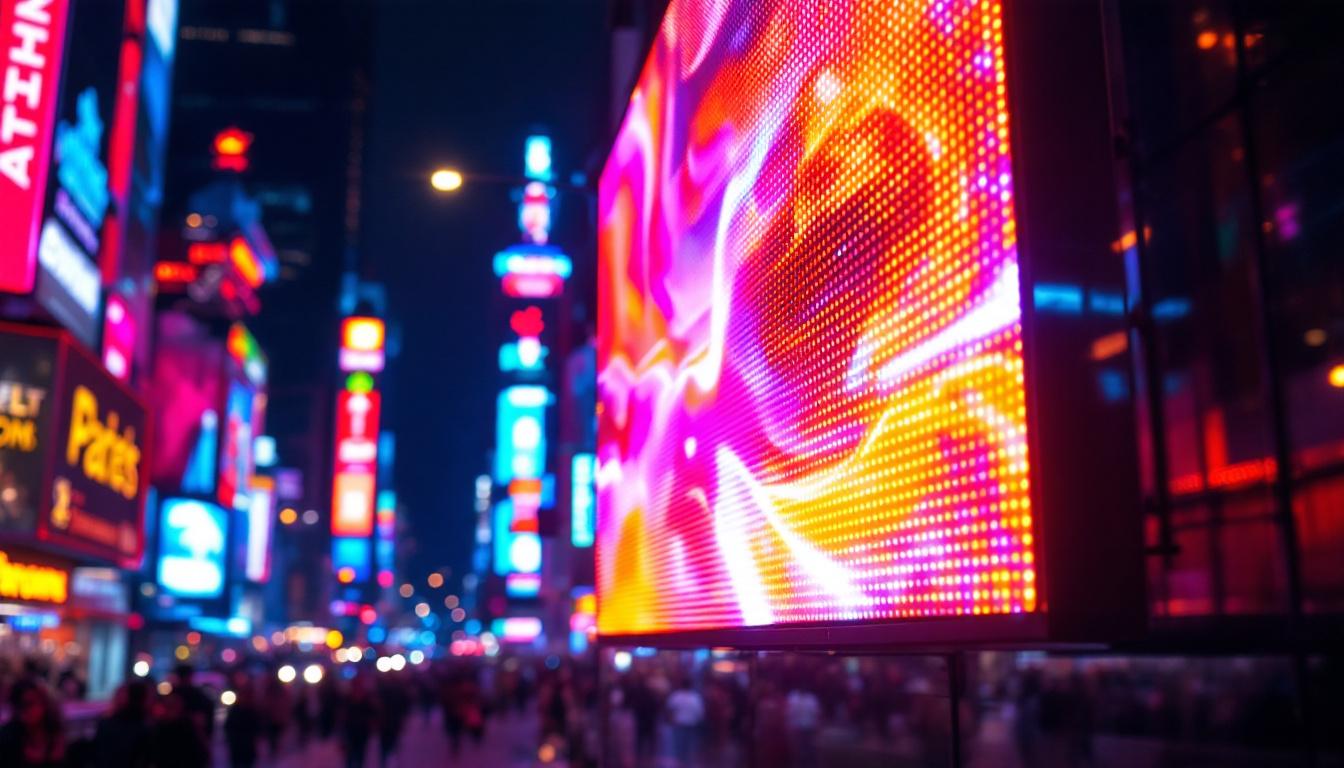
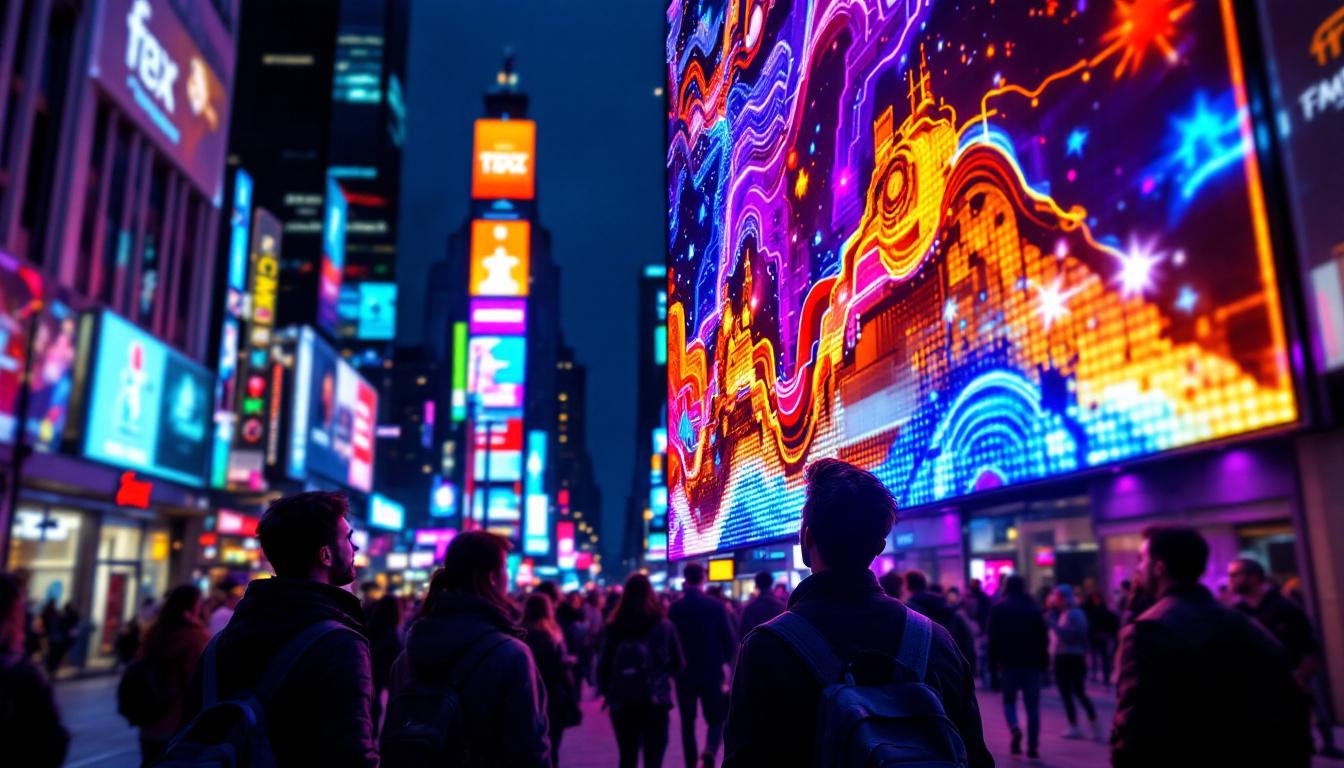
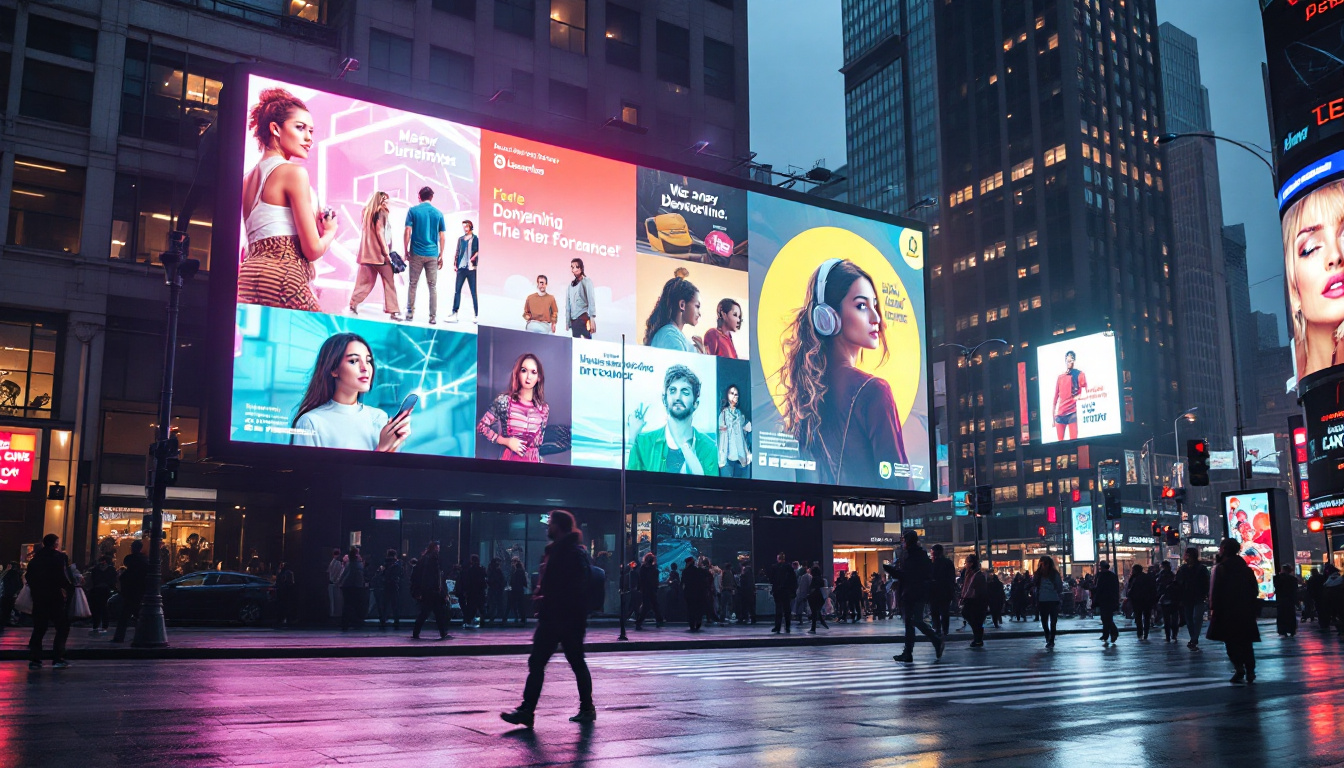
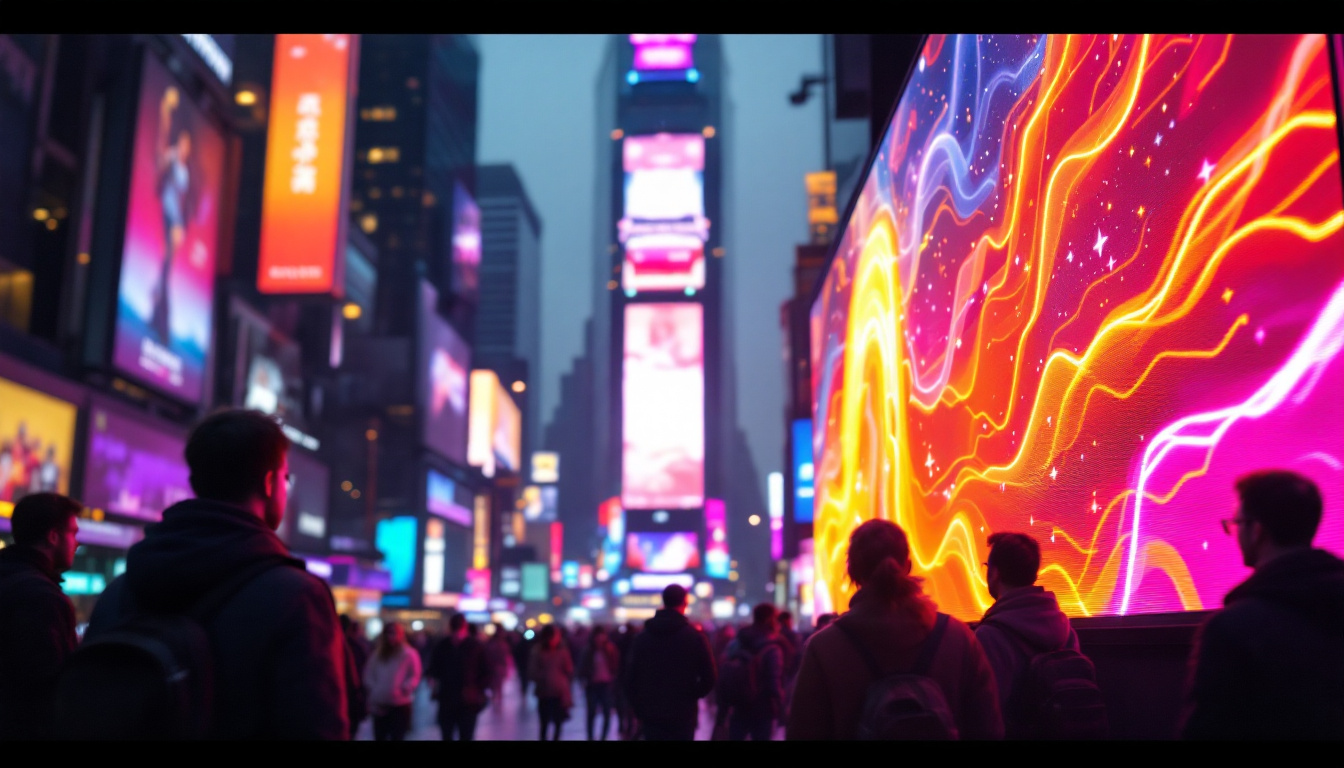
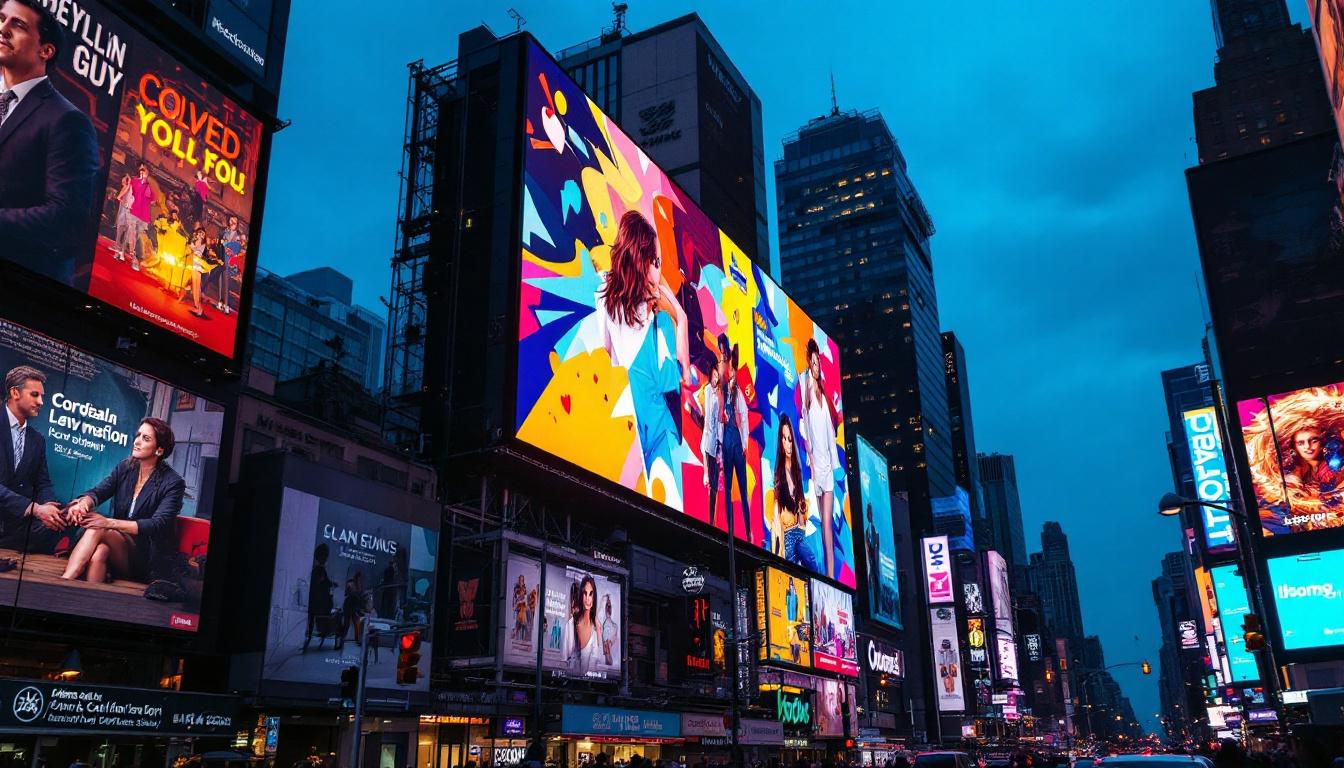
LED displays dominate the digital signage market due to their brightness, durability, and scalability. From Times Square billboards to retail store windows, LED screens deliver high-impact advertising that can be updated remotely and in real-time. NAB 2024 emphasized the integration of AI-driven content management systems that optimize ad delivery based on audience demographics and environmental conditions.
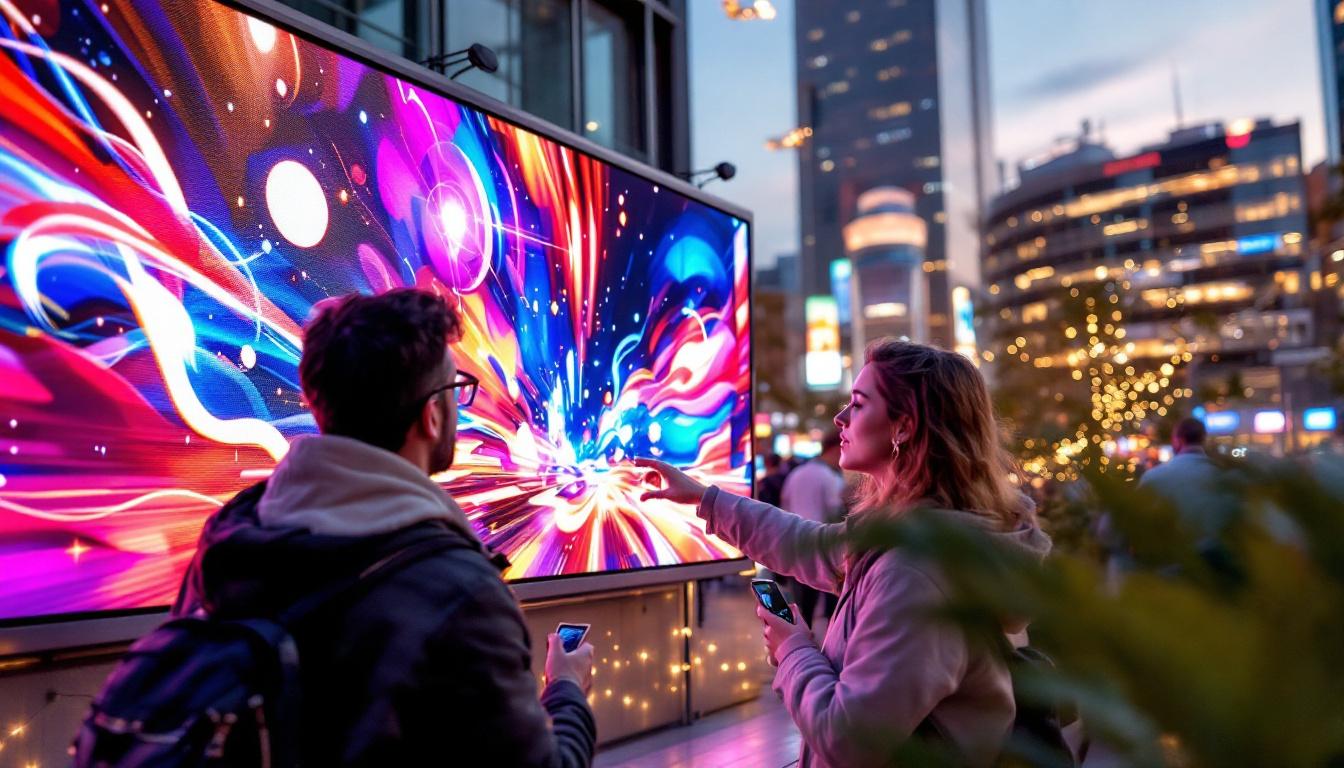
For media companies and advertisers, this means more targeted campaigns and improved return on investment. The ability to tailor content dynamically also supports interactive experiences, such as touch-enabled LED kiosks and gamified promotions.
Broadcast Studios and Control Rooms
In broadcast studios, LED video walls serve as versatile backgrounds and information displays. Their high resolution and color fidelity ensure that on-air talent appears vibrant and natural. Control rooms benefit from large LED displays for monitoring multiple video feeds simultaneously, enhancing situational awareness and decision-making.
The modular nature of LED panels allows studios to customize their setups according to specific production needs, whether for news, entertainment, or sports. As content resolutions continue to increase, LED technology provides the scalability required to keep pace with evolving broadcast standards.
Choosing the Right LED Display for Your Needs
Factors to Consider
Selecting an LED display involves evaluating several factors to ensure it meets the intended application. Key considerations include pixel pitch, brightness, refresh rate, viewing angle, and environmental durability. For example, outdoor displays require higher brightness levels (often exceeding 5,000 nits) and weatherproofing, while indoor displays prioritize resolution and color accuracy.
Additionally, installation logistics such as weight, size, and mounting options play a crucial role, especially for temporary setups like trade shows or touring concerts. Integration capabilities with existing broadcast equipment and software also influence the decision-making process.
Cost vs. Performance
While LED displays have become more affordable, high-end models with cutting-edge features can still represent a significant investment. It is essential to balance cost with performance requirements. For instance, a small studio may not need a 4K resolution LED wall, whereas a large arena broadcast might demand the highest pixel density available.
Leasing options and rental services showcased at NAB 2024 provide flexible alternatives for companies that require LED displays for short-term projects, reducing upfront costs and allowing access to the latest technology without long-term commitments.
The Future of LED Displays Beyond NAB 2024
Integration with AI and IoT
The future of LED displays is closely tied to advancements in artificial intelligence (AI) and the Internet of Things (IoT). Smart LED displays capable of adjusting brightness based on ambient light, analyzing audience engagement, and delivering personalized content are becoming more prevalent. These features enhance user experience and operational efficiency.
At NAB 2024, several companies demonstrated LED systems integrated with AI-powered analytics platforms that provide real-time feedback on viewer behavior, enabling data-driven content strategies. IoT connectivity also allows for predictive maintenance, reducing downtime and extending the lifespan of displays.
Higher Resolutions and New Form Factors
As 8K and even 16K content become more common, LED display manufacturers are pushing the limits of resolution and pixel density. MicroLED technology will play a pivotal role in achieving these ultra-high resolutions while maintaining brightness and energy efficiency.
Moreover, novel form factors such as rollable, foldable, and transparent displays will continue to expand the possibilities for creative content delivery in broadcasting, advertising, and entertainment.
Conclusion
LED display technology showcased at NAB 2024 represents the cutting edge of visual communication, offering unparalleled brightness, flexibility, and image quality. Whether for live event production, digital signage, or broadcast studios, LED displays enable immersive and dynamic content experiences that captivate audiences worldwide.
Understanding the different types of LED technology, their applications, and how to select the right display is crucial for media professionals looking to stay ahead in a rapidly evolving industry. With continuous innovations in MicroLED, flexible designs, and AI integration, the future of LED displays promises even greater opportunities for creativity and engagement.
For anyone involved in broadcasting, event production, or digital media, keeping an eye on LED developments at NAB and beyond is essential to harnessing the full potential of this transformative technology.
Discover LumenMatrix LED Display Solutions
As you consider the future of LED technology and its impact on your media or broadcasting projects, LumenMatrix stands at the forefront of this evolution. Our commitment to innovation ensures that you have access to a diverse range of LED display modules, from Indoor and Outdoor LED Wall Displays to specialized solutions like Vehicle LED Displays, LED Sports Displays, and even Custom LED configurations. Embrace the power of visual storytelling with our All-in-One and Transparent LED Displays, designed to captivate your audience and amplify your message. Check out LumenMatrix LED Display Solutions today and join the revolution in digital signage and visual communication.