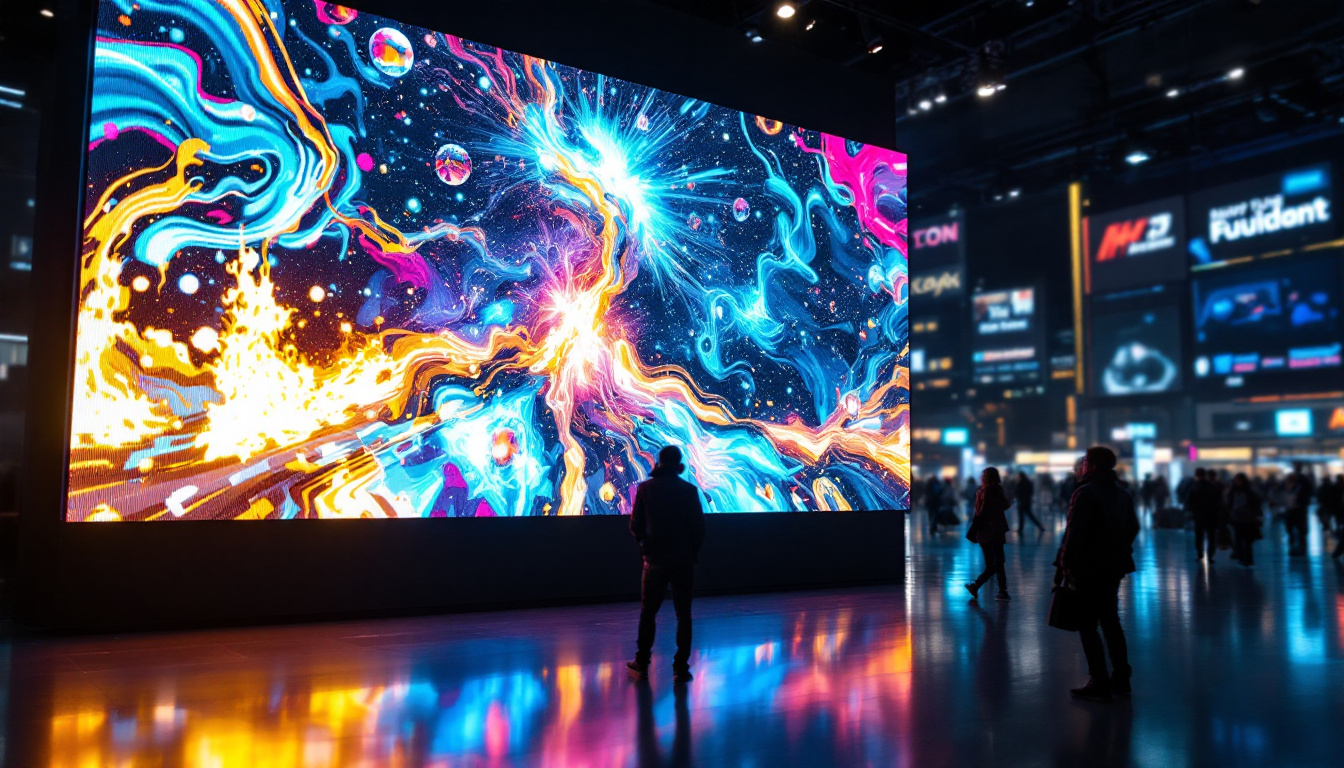
In the bustling urban landscape of New York City, billboards are more than just advertising tools—they are iconic fixtures shaping the city’s visual culture. Among the various types of billboards, LED displays have emerged as a dominant force, revolutionizing how brands communicate with audiences. This article delves into the world of LED billboards in New York, explaining their technology, benefits, challenges, and the future of digital outdoor advertising.
Understanding LED Billboard Technology
What is an LED Billboard?
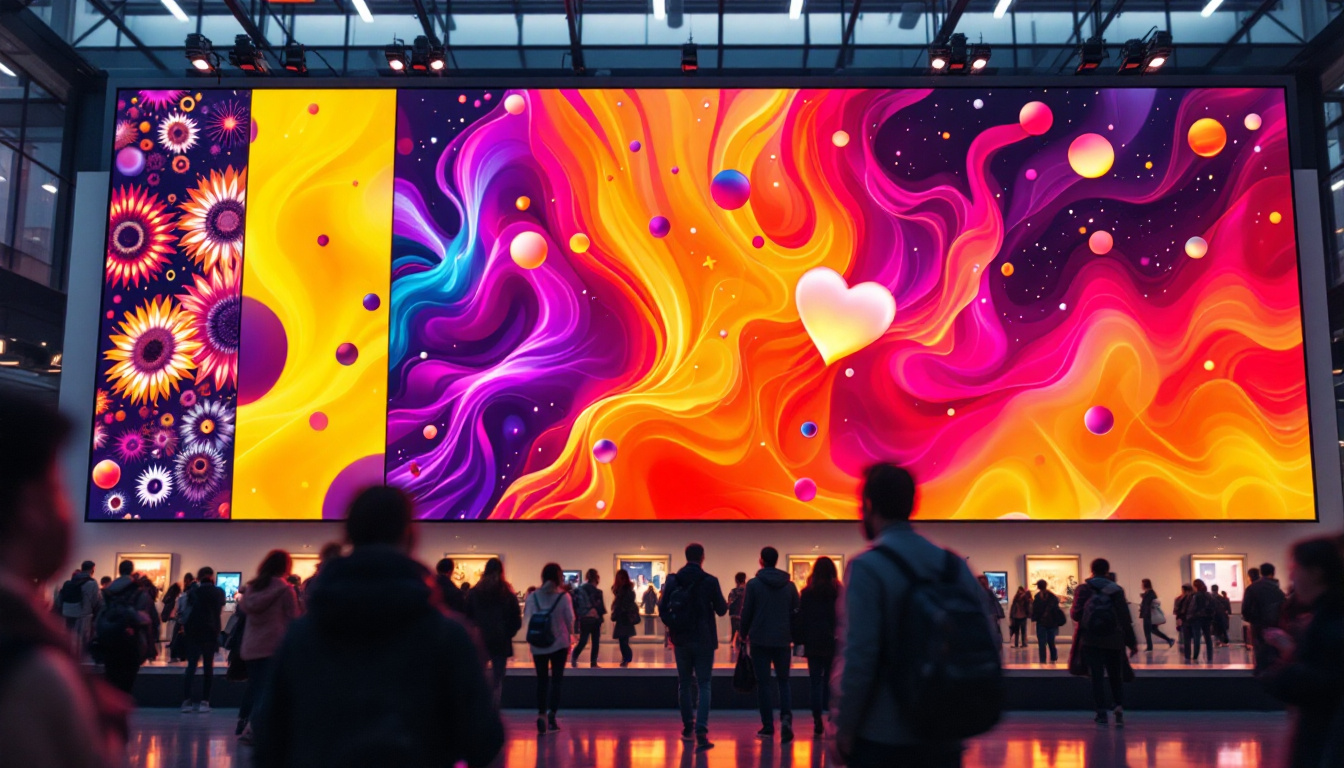
LED (Light Emitting Diode) billboards are digital display screens composed of thousands of tiny LED lights that create vibrant, high-resolution images and videos. Unlike traditional static billboards, LED billboards can display dynamic content that changes in real-time, offering advertisers the flexibility to tailor messages based on time, audience, or events.
These billboards are typically large-scale, designed to capture the attention of pedestrians, motorists, and commuters. The LEDs used are energy-efficient and capable of producing bright, vivid colors visible even in direct sunlight, making them ideal for outdoor advertising in a city as bright and busy as New York. In addition to their visual appeal, LED billboards also contribute to sustainability efforts, as they consume significantly less power than conventional lighting systems while providing greater luminosity.
Furthermore, the versatility of LED billboards extends beyond mere advertising. They can serve multiple purposes, such as displaying public service announcements, promoting local events, or even providing real-time updates on traffic conditions. This multifunctionality allows cities to utilize these digital canvases for community engagement, enhancing the overall urban experience.
How Do LED Billboards Work?
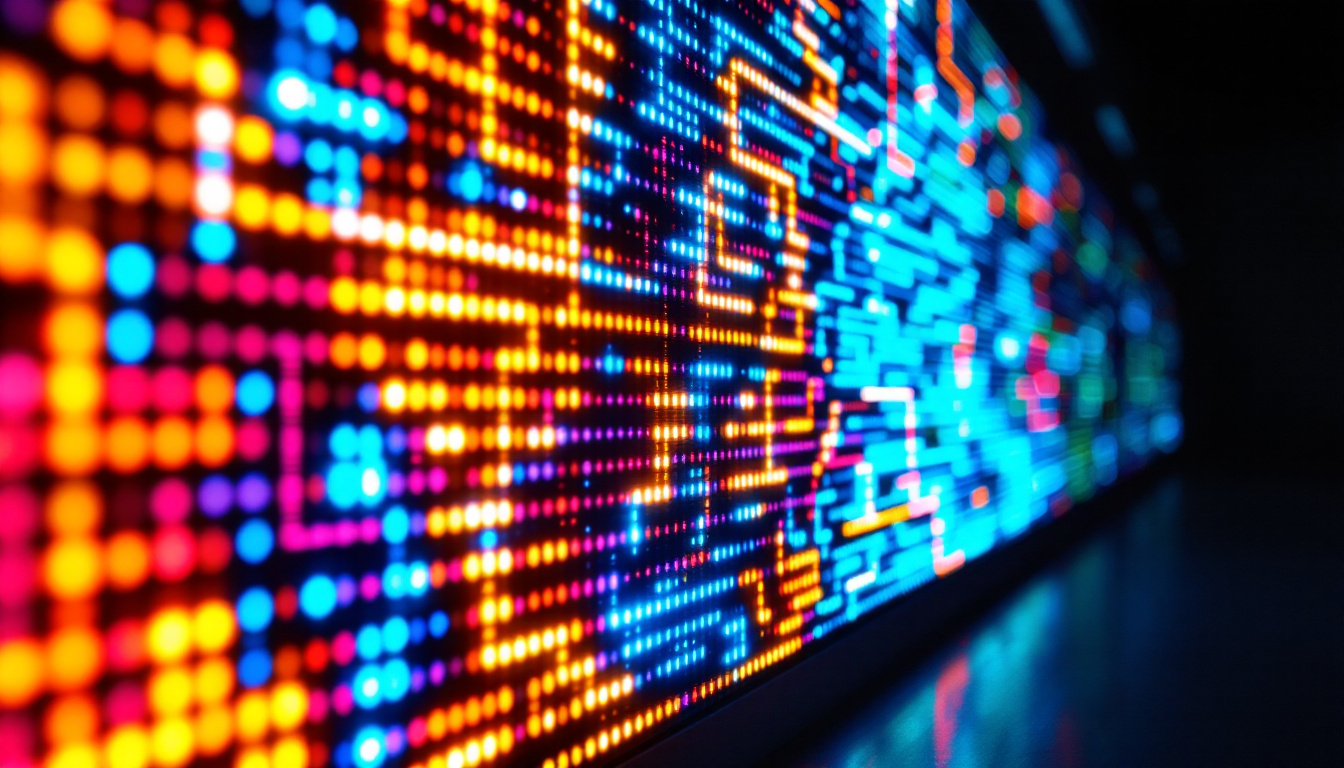
The core of an LED billboard is its pixel matrix, where each pixel consists of red, green, and blue LEDs. By adjusting the intensity of each color, the billboard can produce a full spectrum of colors. The display is controlled by a computer system that manages the content and timing of the visuals.
Modern LED billboards often use advanced software platforms that allow advertisers to schedule different ads, integrate live feeds, and even respond to environmental factors such as weather or traffic conditions. This interactivity and adaptability make LED billboards highly effective for targeted advertising campaigns. For instance, during a rainstorm, a billboard could promote nearby indoor activities or restaurants, ensuring that the content remains relevant and engaging for passersby.
Moreover, the technology behind LED billboards is continually evolving. Innovations such as 3D displays and augmented reality features are beginning to emerge, creating even more immersive experiences for viewers. These advancements not only enhance the visual impact but also open new avenues for storytelling and brand engagement, allowing advertisers to captivate their audience in ways that were previously unimaginable. As the technology matures, we can anticipate even more creative applications that will redefine the landscape of outdoor advertising.
The Rise of LED Billboards in New York City
Historical Context and Growth
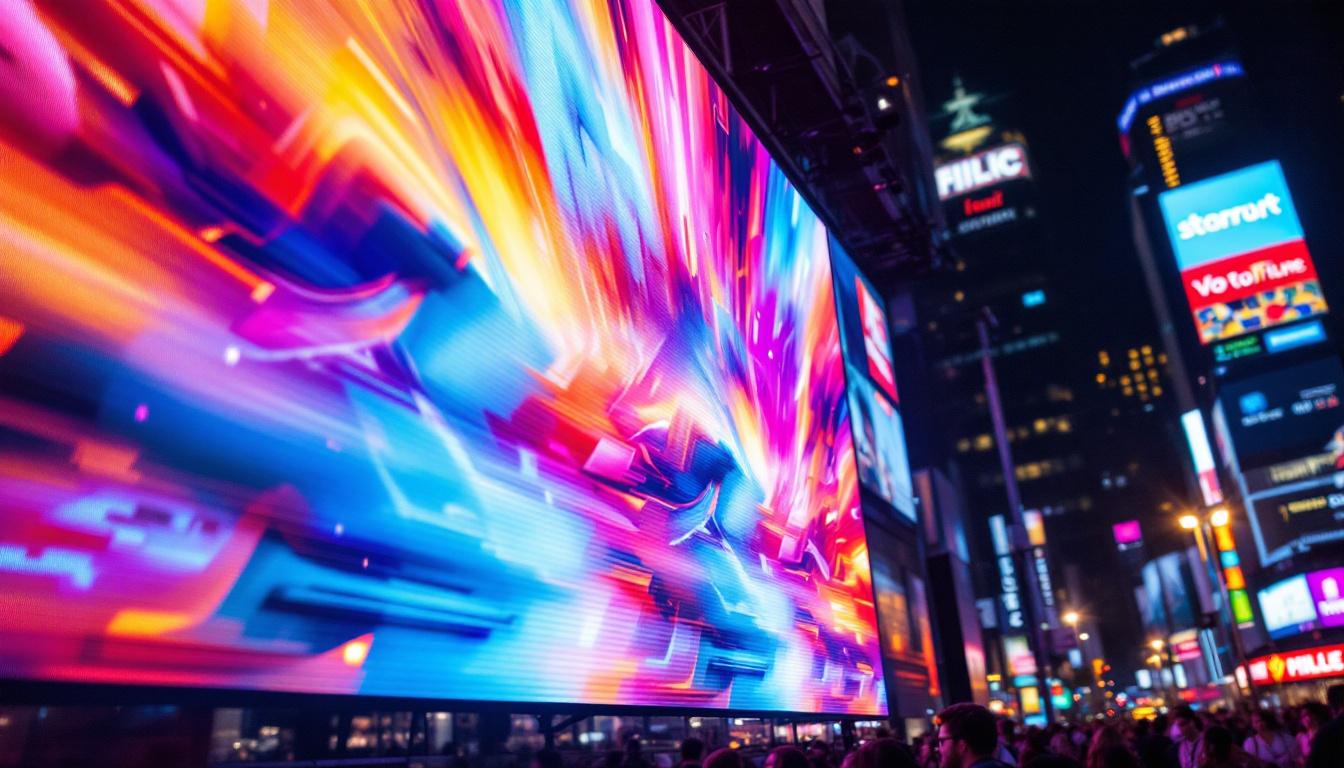
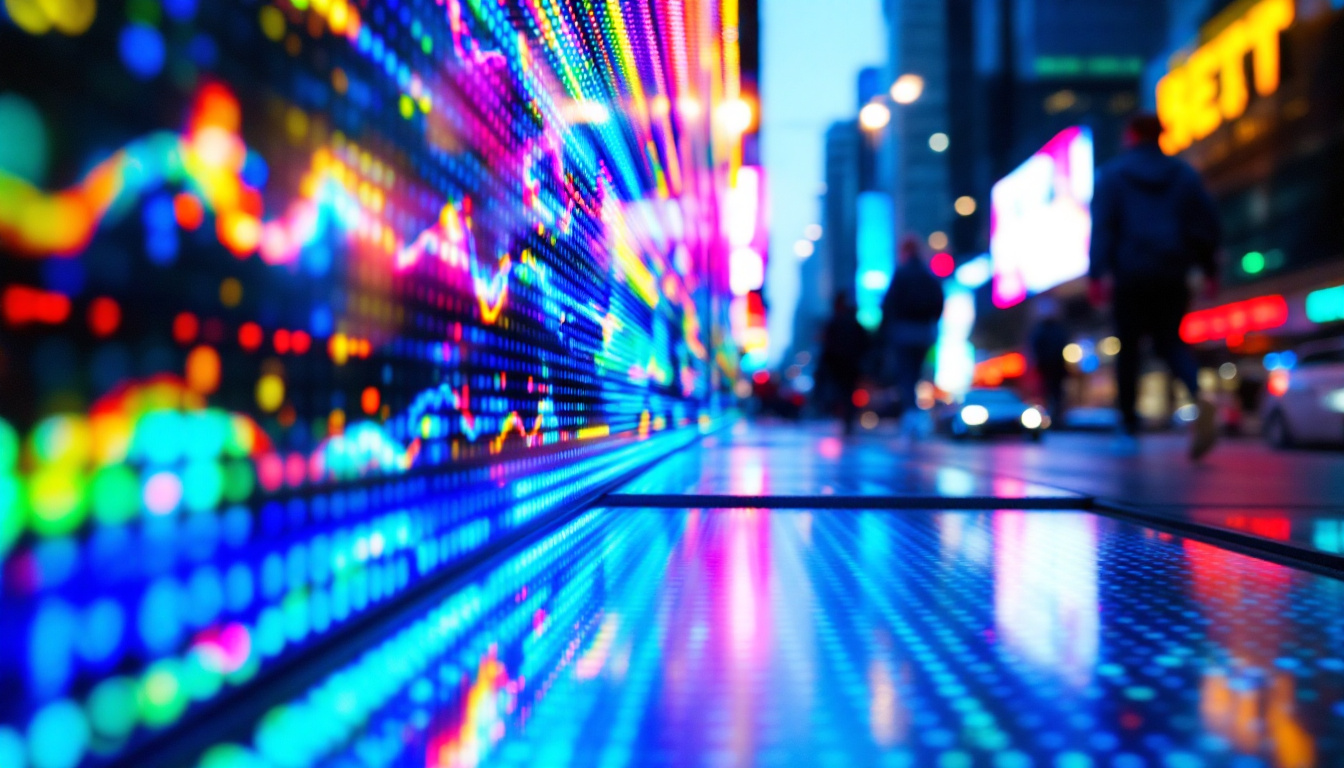
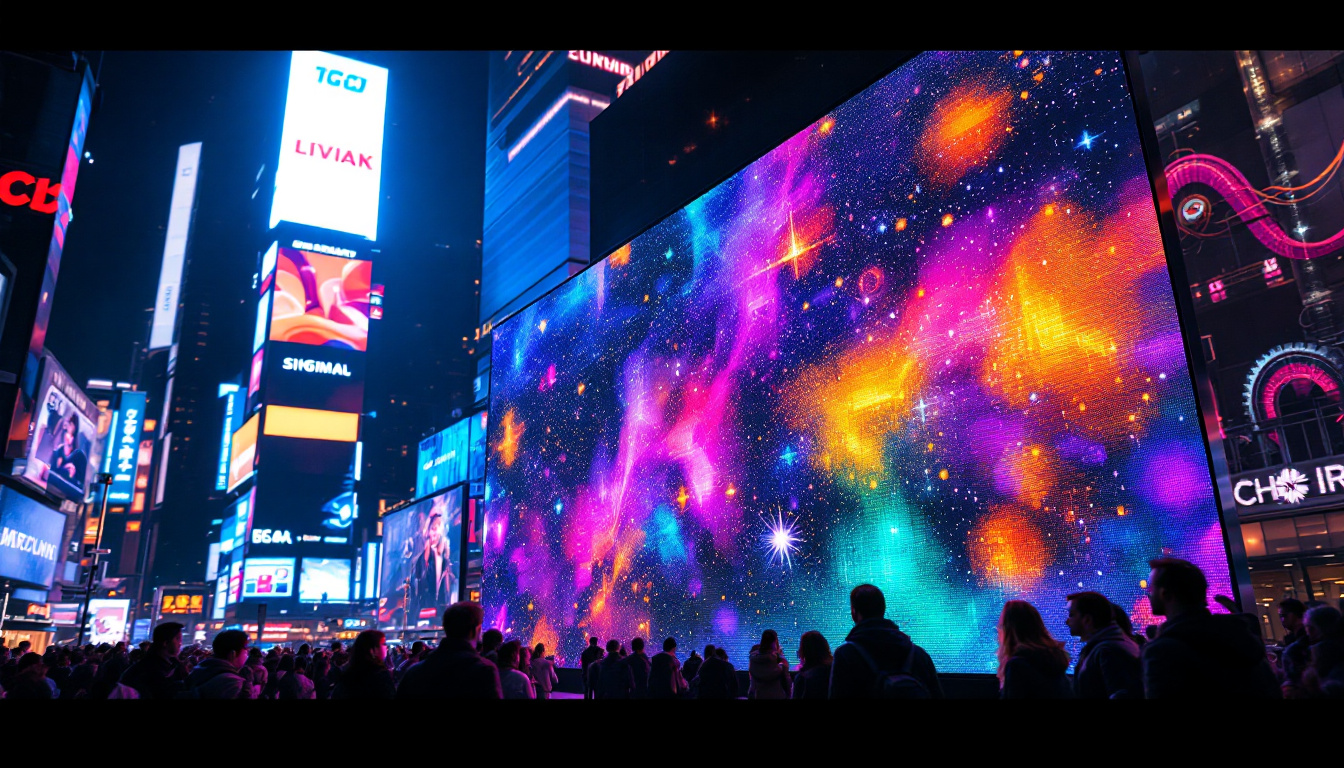
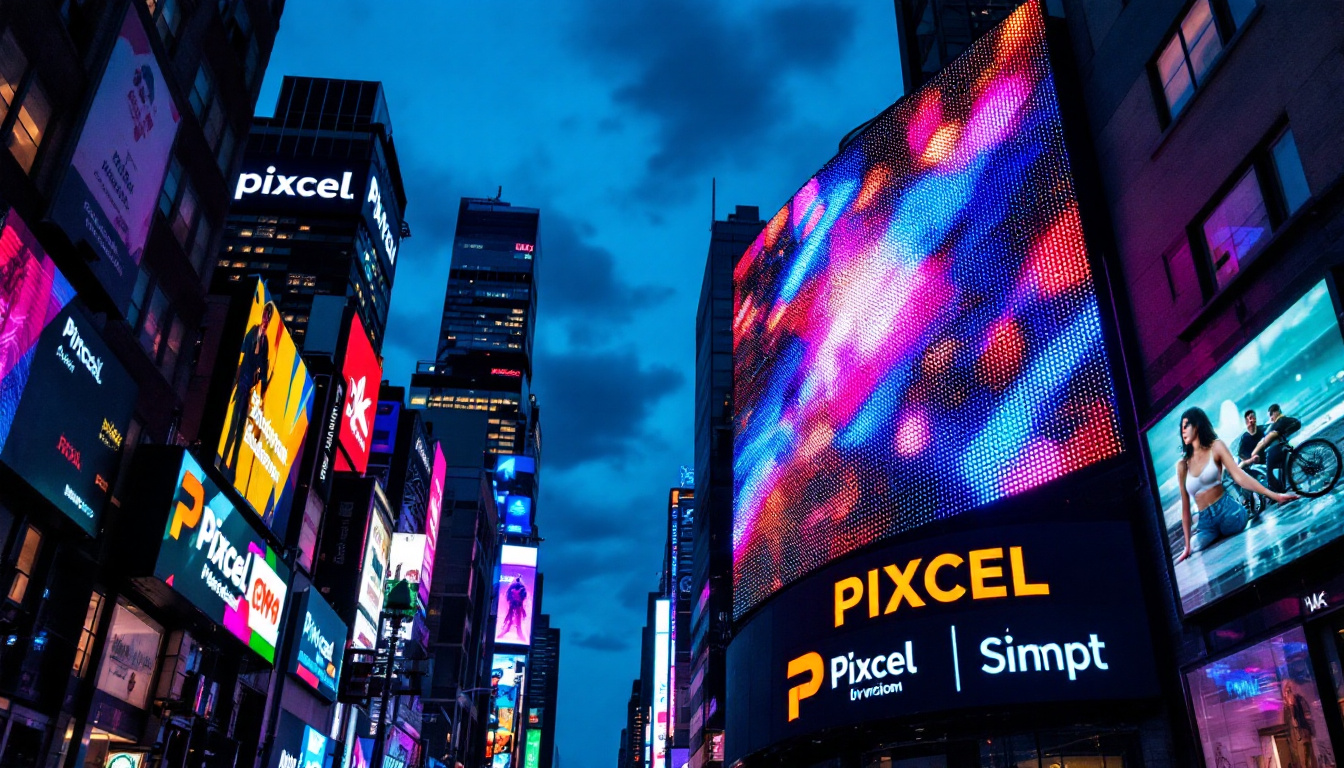
New York City has long been a hub for outdoor advertising, with Times Square famously dubbed “The Crossroads of the World” due to its dazzling array of billboards and neon signs. The transition from static to digital billboards began in the early 2000s, but it was the advancement of LED technology that truly accelerated the shift. The introduction of LED billboards not only transformed the visual landscape of the city but also revolutionized how brands engage with their audiences. The vibrant colors and high-definition displays have made it possible for advertisers to convey their messages in a more impactful way, captivating the attention of passersby in a city that never sleeps.
According to a report by the Outdoor Advertising Association of America (OAAA), digital billboard revenue in major metropolitan areas like New York grew by over 15% annually between 2015 and 2022. This growth reflects both the increasing demand for dynamic advertising and the city’s embrace of cutting-edge display technology. As more businesses recognize the effectiveness of LED billboards, the competition for prime advertising space has intensified, leading to innovative campaigns that push the boundaries of creativity. From interactive displays that engage viewers to immersive experiences that blend digital art with advertising, the evolution of LED billboards has become a testament to the city’s relentless pursuit of innovation.
Why LED Billboards Are Popular in NYC
Several factors contribute to the popularity of LED billboards in New York:
- High Foot and Vehicle Traffic: NYC’s dense population and constant flow of tourists create a vast audience for advertisers.
- Visual Impact: LED billboards’ brightness and motion capture attention more effectively than static signs.
- Flexibility: Advertisers can rotate multiple ads on a single billboard, maximizing revenue and exposure.
- Regulatory Support: The city has updated zoning and signage laws to accommodate digital billboards while addressing concerns about light pollution and safety.
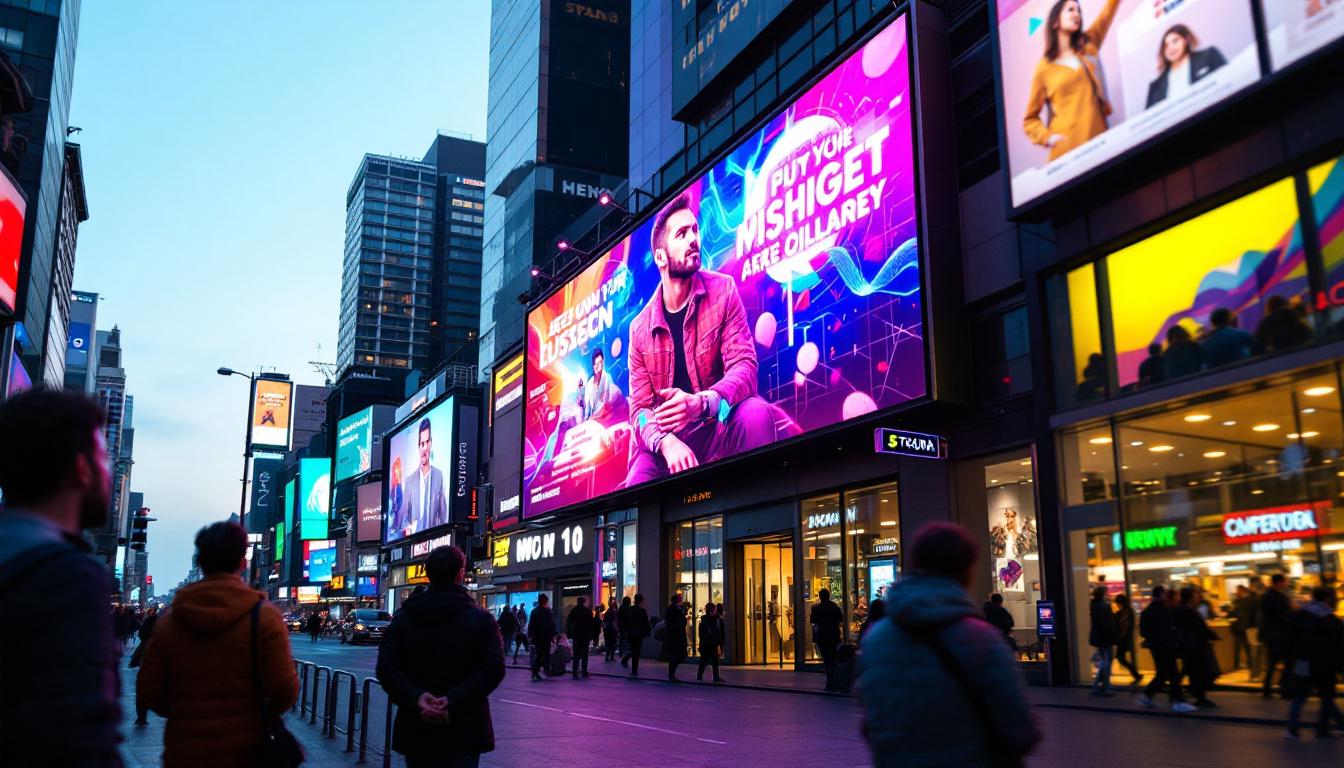
Moreover, the strategic placement of LED billboards in high-traffic areas ensures that they reach a diverse demographic, from local commuters to international tourists. This wide-ranging exposure is particularly appealing to brands looking to make a significant impact. Additionally, the ability to tailor content in real-time allows advertisers to respond to current events or trends, making their campaigns more relevant and engaging. For instance, during major events like the New York Fashion Week or the Super Bowl, brands can quickly adjust their messaging to align with the excitement and energy of the moment, further enhancing their visibility and connection with the audience.
Another compelling aspect of LED billboards is their environmental efficiency compared to traditional lighting methods. Many LED displays are designed with energy-saving technologies that reduce power consumption while maintaining brightness and clarity. This not only lowers operational costs for advertisers but also aligns with the growing emphasis on sustainability in urban environments. As cities like New York continue to grapple with climate change and environmental concerns, the adoption of energy-efficient advertising solutions like LED billboards represents a forward-thinking approach that benefits both businesses and the community at large.
Benefits of LED Billboards for Advertisers
Enhanced Engagement and Reach
LED billboards enable advertisers to create eye-catching, dynamic content that stands out in the crowded urban environment. Motion and changing visuals naturally draw more attention than static images, increasing the likelihood that passersby will notice and remember the message.
Moreover, the ability to schedule ads based on time of day or audience demographics allows brands to optimize their campaigns. For example, a coffee brand might advertise morning specials during rush hour, while a theater production could promote evening shows later in the day.
Cost Efficiency and ROI
While the initial investment in LED billboard advertising can be higher than traditional billboards, the overall return on investment (ROI) is often greater. Dynamic content means multiple advertisers can share the same physical space, reducing costs per ad slot.
Additionally, the ability to update content instantly eliminates printing and installation costs associated with static billboards. This flexibility also allows advertisers to react quickly to market trends, promotions, or breaking news, maximizing campaign effectiveness.
Environmental Advantages
LED technology is significantly more energy-efficient than older lighting methods such as neon or incandescent bulbs. LEDs consume less power, have longer lifespans, and produce less heat, contributing to a smaller carbon footprint for outdoor advertising.
In a city focused on sustainability, such as New York, these environmental benefits align with broader municipal goals to reduce energy consumption and promote green technologies.
Challenges and Considerations for LED Billboards in NYC
Regulatory and Safety Concerns
Despite their advantages, LED billboards face regulatory scrutiny in New York City. The city’s Department of Transportation and the Mayor’s Office of Sustainability impose strict guidelines to balance advertising innovation with public safety and quality of life.
One major concern is light pollution and driver distraction. Excessive brightness or rapidly changing images can impair visibility and contribute to accidents. To address this, NYC enforces brightness limits and restricts animation speed on digital billboards near roadways.
Installation and Maintenance Costs
Installing an LED billboard requires significant upfront investment, including permits, structural support, and electrical infrastructure. Maintenance is also crucial to ensure consistent performance, as individual LEDs or modules may fail over time and require replacement.
Advertisers and billboard operators must factor these costs into their budgets, balancing them against the potential benefits of dynamic advertising. Choosing reputable manufacturers and service providers can mitigate some risks associated with technical failures.
Visual Clutter and Community Impact
In a cityscape already dense with signage, some critics argue that LED billboards contribute to visual clutter, detracting from architectural aesthetics and neighborhood character. Community boards and local residents sometimes push back against new digital billboard installations, especially in historic or residential areas.
To address these concerns, New York City has implemented zoning restrictions limiting the placement of LED billboards and encouraging designs that complement the urban environment rather than overwhelm it.
The Future of LED Billboards in New York
Technological Innovations on the Horizon
As LED technology continues to evolve, new features are emerging that promise to enhance the effectiveness and sustainability of digital billboards. For example, ultra-high-definition (UHD) LED displays offer sharper images and more vibrant colors, improving viewer engagement.
Interactive billboards equipped with sensors and cameras can tailor content based on audience demographics or behavior, creating personalized advertising experiences. Integration with augmented reality (AR) and mobile devices is also becoming more common, bridging the gap between physical and digital marketing.
Smart City Integration
New York City’s push towards becoming a “smart city” includes leveraging digital infrastructure for multiple purposes. LED billboards are increasingly being integrated into broader urban systems, such as real-time traffic updates, emergency alerts, and public service announcements.
This multifunctional use not only enhances public safety and information dissemination but also increases the value proposition for billboard operators and advertisers by embedding their displays into essential city functions.
Sustainability and Energy Efficiency
Future LED billboards will likely incorporate renewable energy sources, such as solar panels, to further reduce environmental impact. Advances in LED efficiency and smart brightness controls will minimize energy consumption without compromising visibility.
These developments align with New York City’s ambitious climate goals, ensuring that outdoor advertising contributes positively to the city’s sustainability agenda.
Conclusion
LED billboards have transformed New York City’s advertising landscape, offering dynamic, engaging, and flexible platforms for brands to connect with diverse audiences. While challenges related to regulation, cost, and community impact remain, ongoing technological advancements and thoughtful urban planning continue to shape the future of digital outdoor advertising.
For advertisers, understanding the capabilities and limitations of LED billboards is essential to crafting effective campaigns that resonate in one of the world’s most vibrant and competitive markets. As the city evolves, LED displays will undoubtedly remain a key component of New York’s visual identity, illuminating its streets with innovation and creativity.
Illuminate Your Brand with LumenMatrix
As New York City’s advertising landscape continues to evolve with LED technology, LumenMatrix stands at the forefront, offering unparalleled LED display solutions that bring your brand to life. Embrace the future of visual communication with our diverse range of products, from Indoor and Outdoor LED Wall Displays to innovative LED Transparent Displays. Whether you’re looking to captivate pedestrians in Times Square or engage fans at a sports event, LumenMatrix is your partner in creating immersive and memorable visual experiences. Check out LumenMatrix LED Display Solutions and see how we can help you shine in the city that never sleeps.