In the rapidly evolving world of digital communication, LED displays have become a cornerstone for businesses, public spaces, and event organizers aiming to capture attention with vibrant, dynamic content. Coupled with open source digital signage software, these displays offer unparalleled flexibility, cost efficiency, and customization. This article delves into the fundamentals of LED displays, explores the benefits of open source digital signage solutions, and highlights how combining these technologies can revolutionize visual communication strategies.
Understanding LED Displays: The Technology Behind the Glow
What is an LED Display?
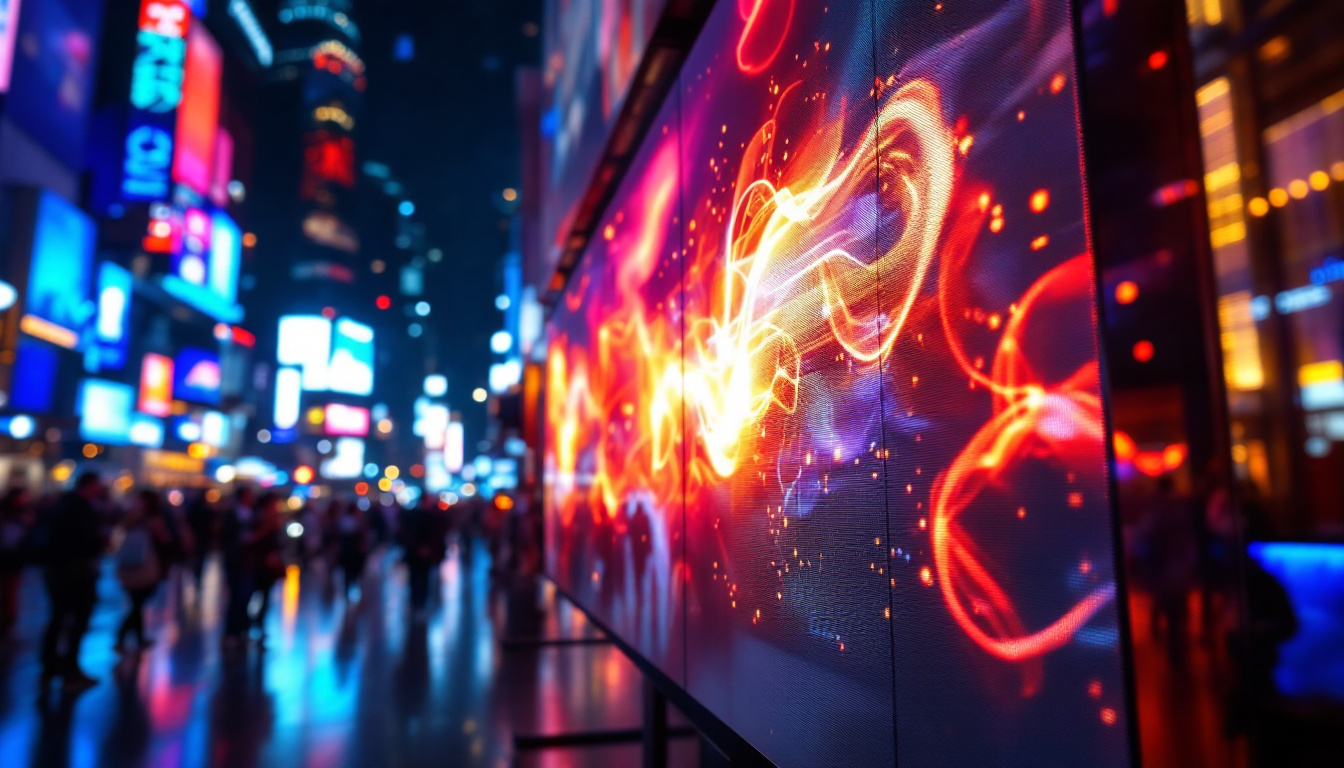
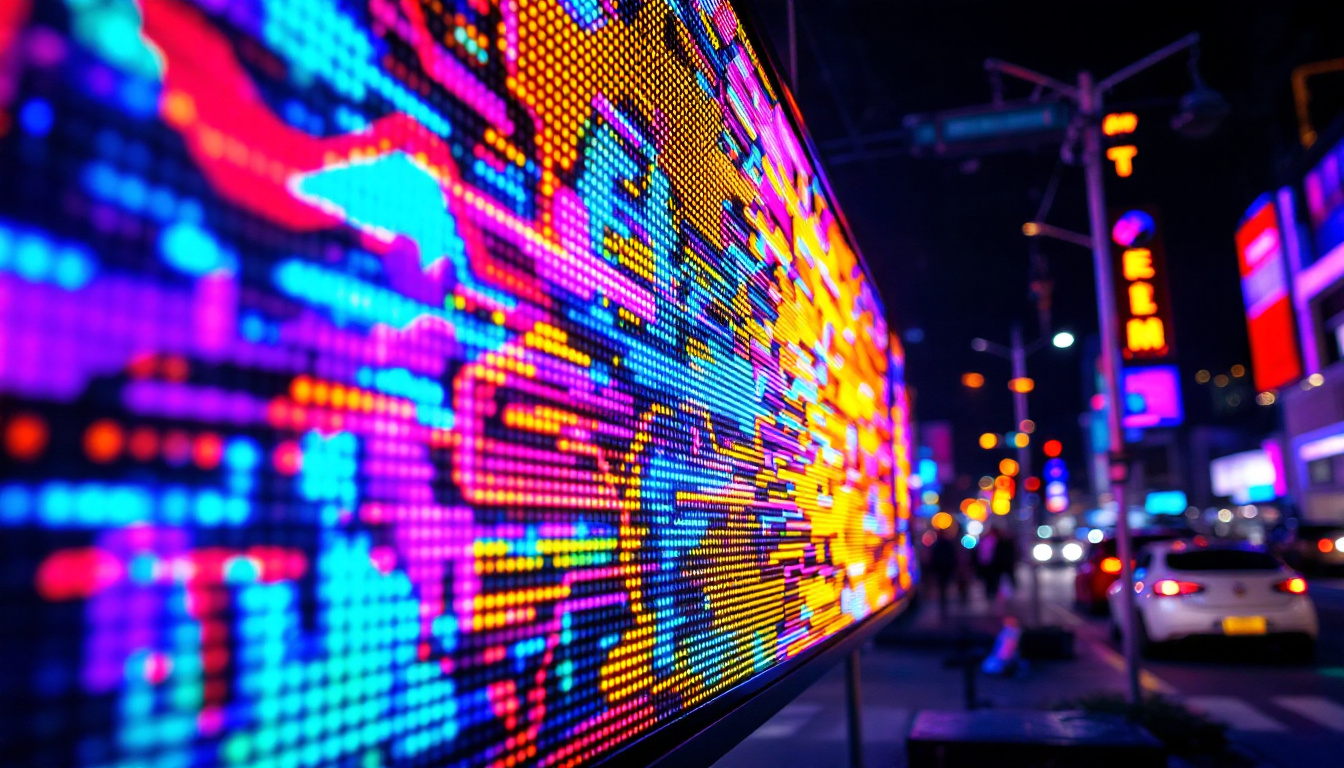
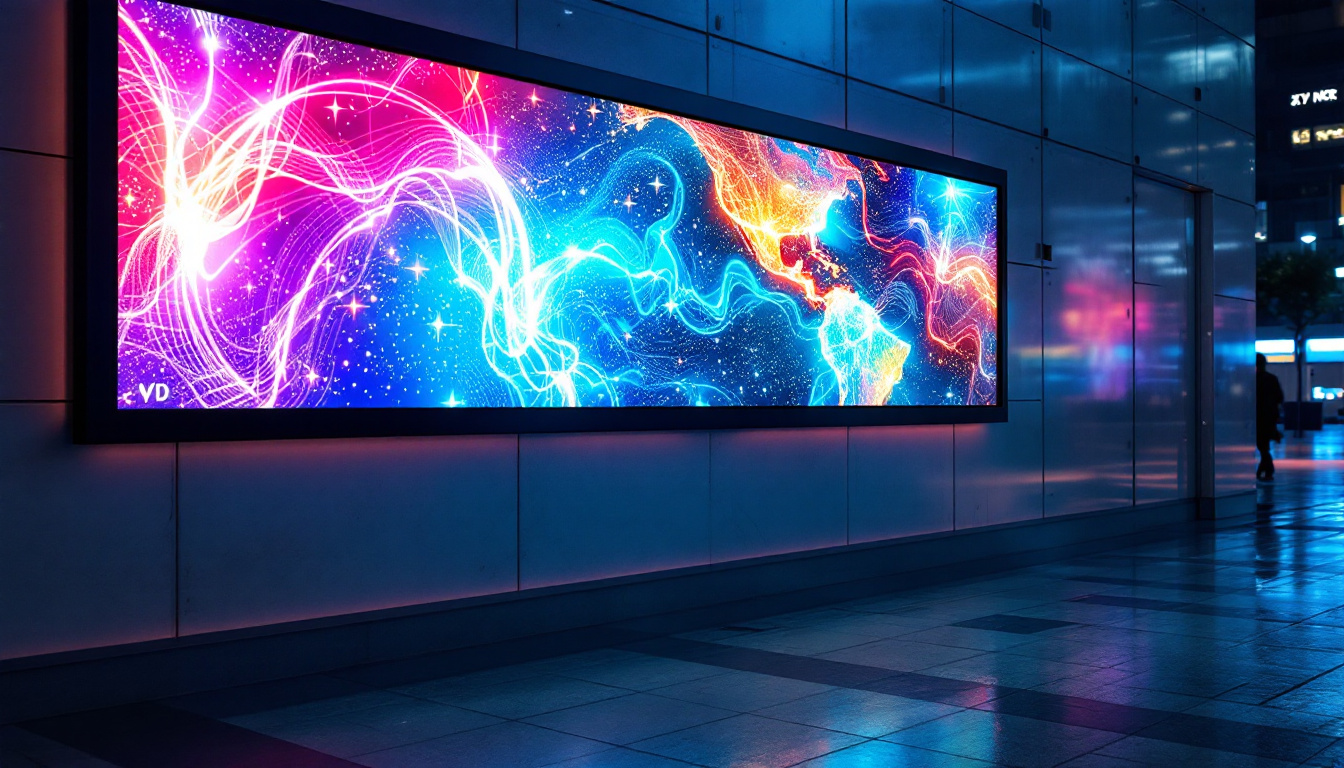
LED, or Light Emitting Diode, displays are screens that use tiny light-emitting diodes as pixels to produce images and videos. Unlike traditional LCD or plasma screens, LED displays emit their own light, resulting in brighter images, higher contrast ratios, and more vibrant colors. This self-illumination capability makes LED displays highly visible even in bright outdoor environments, a critical factor for digital signage applications. The technology has evolved significantly over the years, leading to innovations that enhance image quality and energy efficiency, making LED displays a popular choice across various industries.
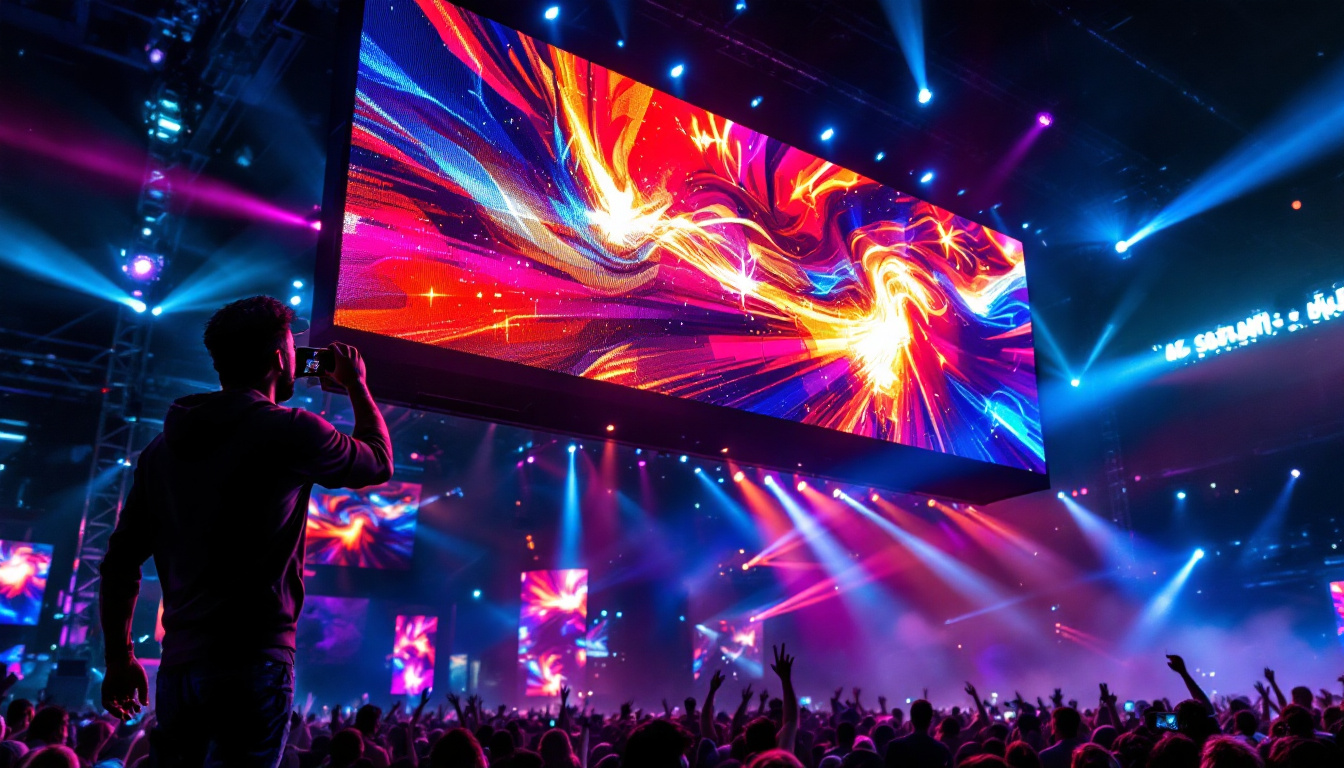
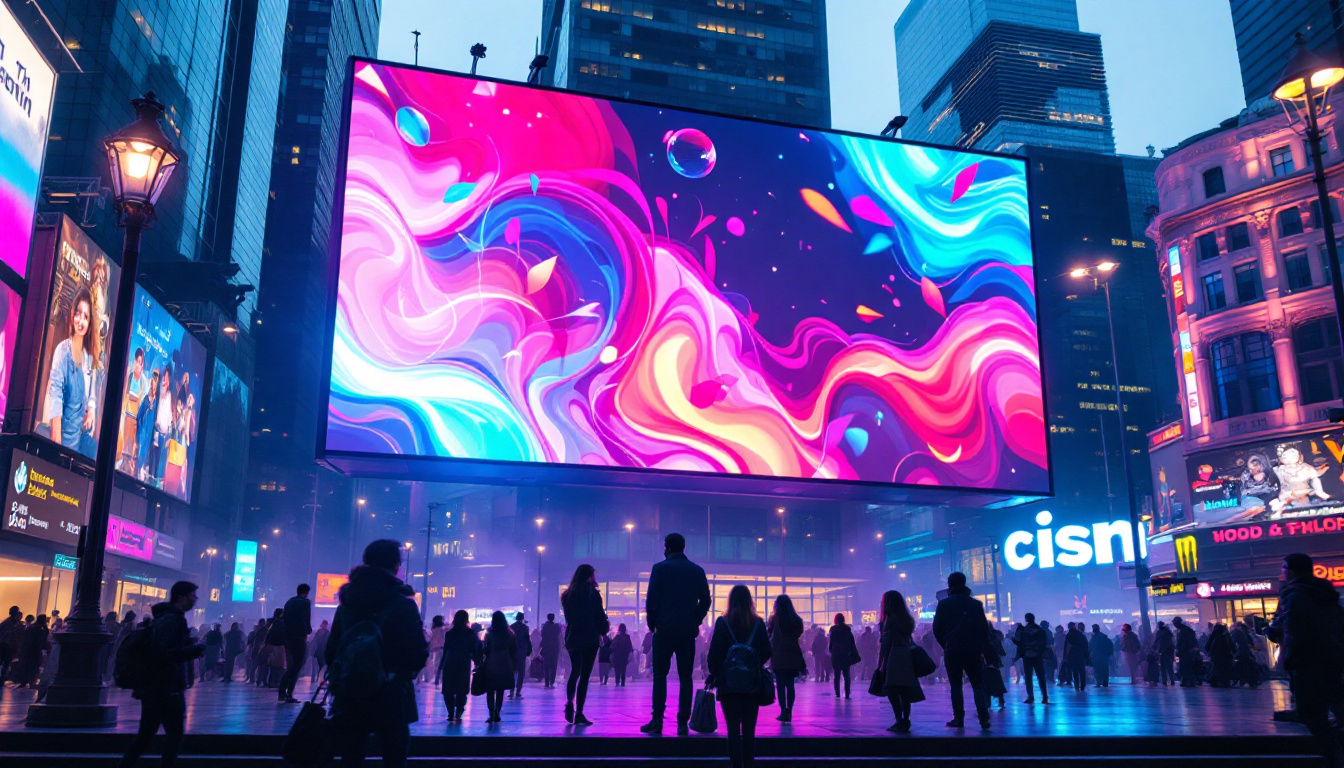
LED displays come in various forms, including indoor and outdoor panels, flexible strips, and large-scale video walls. Their modular design allows for scalable installations, from small retail displays to massive stadium screens. Additionally, advancements in manufacturing processes have led to more affordable options, enabling businesses of all sizes to leverage this technology for marketing and communication purposes. The versatility of LED displays has also opened up new avenues for creative expression in advertising, art installations, and entertainment, pushing the boundaries of how visual content can be presented.
Key Features of LED Displays
Several characteristics set LED displays apart from other digital signage technologies:
- Brightness and Visibility: LED displays can reach brightness levels exceeding 5,000 nits, making them easily viewable in direct sunlight. This feature is particularly advantageous for outdoor advertising, where visibility can significantly impact engagement and sales.
- Durability: Designed to withstand harsh weather conditions, outdoor LED panels often come with IP65 or higher ratings for water and dust resistance. This durability ensures that the displays remain operational in various environments, from scorching heat to heavy rain, making them a reliable choice for long-term installations.
- Energy Efficiency: LEDs consume less power compared to traditional lighting and display technologies, reducing operational costs. This energy efficiency not only lowers electricity bills but also contributes to a smaller carbon footprint, aligning with the growing emphasis on sustainability in technology.
- Color Accuracy and Refresh Rates: High refresh rates minimize flicker, and advanced color calibration ensures vivid, true-to-life images. This level of precision is crucial for applications such as broadcasting and live events, where the quality of the visual experience can directly influence audience engagement.
Types of LED Displays Used in Digital Signage
Choosing the right LED display depends on the intended application and environment. Common types include:
- Indoor LED Displays: These have higher pixel density and are optimized for close viewing distances, offering crisp images and smooth video playback. They are often used in retail environments, conference rooms, and entertainment venues where clarity and detail are paramount.
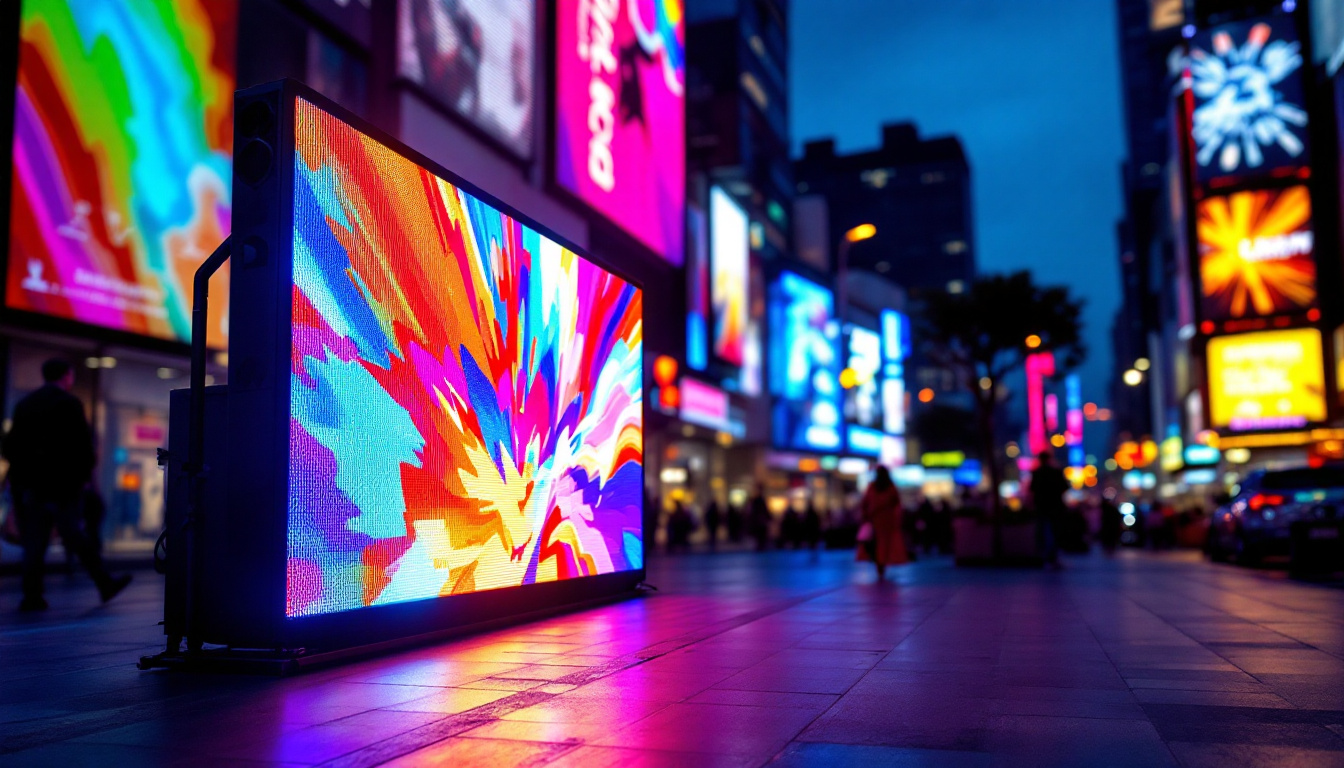
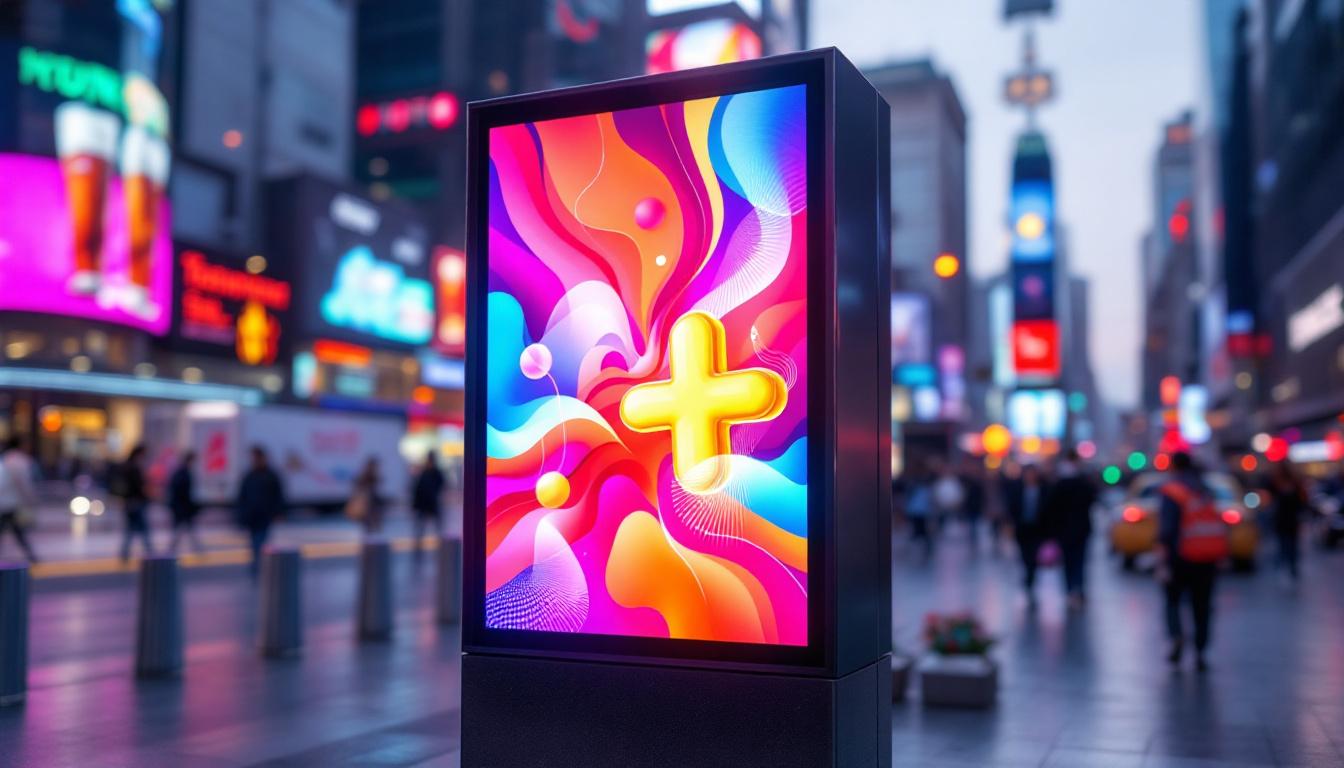
- Outdoor LED Displays: Built with weatherproof materials and higher brightness, these displays are suitable for billboards, transit stops, and stadiums. Their robust construction ensures they can withstand the elements while delivering eye-catching content that attracts passersby.
- Transparent LED Displays: Allowing light and visibility through the screen, these are ideal for storefront windows and architectural installations. They provide a unique way to showcase products while maintaining the aesthetic of the surrounding environment, creating a seamless blend of digital and physical spaces.
- Flexible and Curved LED Displays: Designed for creative installations, these displays can wrap around surfaces or create immersive environments. Their adaptability makes them perfect for artistic applications, exhibitions, and innovative advertising campaigns that require a non-traditional approach to display technology.
In addition to these types, advancements in LED technology have also led to the development of high-definition and 4K displays, which offer even greater resolution and clarity. This evolution has made LED displays a preferred choice for high-end applications such as cinema screens and large-scale events, where the quality of the visual experience is critical. Furthermore, the integration of smart technology into LED displays is paving the way for interactive and dynamic content, allowing advertisers to engage audiences in more meaningful ways. As the technology continues to evolve, we can expect to see even more innovative applications and enhancements that will further solidify the role of LED displays in modern communication and entertainment.
The Rise of Open Source Digital Signage
What is Open Source Digital Signage?
Open source digital signage refers to software platforms that manage and deliver content to digital displays, with source code freely available for modification and distribution. Unlike proprietary solutions, open source platforms empower users to tailor their digital signage systems to specific needs without being locked into vendor ecosystems or costly licensing fees.
This approach fosters innovation, community collaboration, and transparency, making it an attractive option for businesses, educational institutions, and municipalities seeking customizable and scalable signage solutions. By leveraging open source technology, organizations can not only reduce costs but also enhance their ability to adapt to changing requirements and trends in digital communication. The collaborative nature of open source projects often leads to rapid advancements and the incorporation of cutting-edge features that might take longer to appear in proprietary systems.
Benefits of Open Source Digital Signage
Adopting open source software for digital signage offers several compelling advantages:
- Cost Savings: Eliminating licensing fees significantly reduces upfront and ongoing expenses.
- Flexibility and Customization: Users can modify the software to integrate with existing systems, add unique features, or optimize performance.
- Community Support: Active developer communities provide continuous improvements, security updates, and peer assistance.
- Interoperability: Open standards and APIs facilitate integration with various hardware and third-party services.
Furthermore, the open source model encourages a culture of sharing and learning. Users can access a wealth of resources, including documentation, tutorials, and forums, which can significantly shorten the learning curve associated with deploying and managing digital signage solutions. This community-driven support not only enhances user experience but also fosters a sense of belonging among users who contribute to and benefit from the collective knowledge base.
Popular Open Source Digital Signage Platforms
Several open source platforms have gained traction due to their robustness and ease of use:
- Screenly OSE: Designed for Raspberry Pi devices, ideal for small to medium deployments with straightforward content management.
- Concerto: A web-based platform that supports multiple users and dynamic content scheduling.
- Xibo: Offers a comprehensive content management system with support for various media types and flexible layout options.
- InfoBeamer: Known for high-performance video playback and advanced scripting capabilities.
Each of these platforms brings unique strengths to the table. For instance, Screenly OSE is particularly favored by small businesses and educational institutions due to its affordability and ease of setup, making it a go-to choice for those just starting with digital signage. On the other hand, Xibo’s extensive feature set and support for various media types make it suitable for larger organizations that require a more sophisticated approach to content management. As the landscape of digital signage continues to evolve, these platforms are likely to expand their functionalities, further solidifying their place in the market.
Integrating LED Displays with Open Source Digital Signage
Why Combine LED Displays with Open Source Software?
LED displays provide the hardware canvas, while open source digital signage software acts as the creative brush. This synergy allows organizations to deploy visually striking signage solutions that are both cost-effective and highly adaptable.
By leveraging open source software, users can harness the full potential of LED technology without the constraints of proprietary platforms. This is particularly valuable for large-scale or custom installations where unique content scheduling, remote management, or integration with IoT devices is required.
Key Considerations for Integration
Successful integration of LED displays with open source signage software involves several factors:
- Hardware Compatibility: Ensuring the LED display controller supports the chosen software or can interface via standard protocols.
- Content Optimization: Designing content that maximizes the display’s resolution, brightness, and color capabilities.
- Network Infrastructure: Reliable connectivity is essential for remote content updates and real-time monitoring.
- Scalability: Planning for future expansion by selecting modular hardware and flexible software architectures.
Case Study: Retail Chain Enhances Customer Engagement
A multinational retail chain recently implemented open source digital signage across hundreds of stores using high-brightness indoor LED displays. By customizing the software to integrate with their inventory management system, the retailer dynamically updated promotions based on stock levels and local preferences.
The result was a 25% increase in customer engagement metrics and a significant reduction in content management costs. This example underscores how open source solutions combined with LED technology can deliver measurable business value.
Future Trends in Open Source LED Digital Signage
Advancements in LED Technology
Emerging innovations such as MicroLED and MiniLED promise even greater brightness, energy efficiency, and pixel density. These advancements will enable ultra-high-definition displays with seamless scalability, further enhancing the impact of digital signage.
Additionally, flexible and transparent LED panels are opening new possibilities for creative installations in retail, transportation, and entertainment sectors.
Integration with AI and IoT
Artificial intelligence is increasingly being integrated into digital signage to deliver personalized content, analyze audience behavior, and optimize scheduling. Open source platforms are well-positioned to incorporate AI-driven features due to their extensibility.
Moreover, IoT connectivity allows LED displays to interact with sensors, mobile devices, and other smart infrastructure, creating interactive and context-aware signage experiences.
Community-Driven Innovation
The open source community continues to drive rapid development in digital signage software, with contributions ranging from improved user interfaces to enhanced security protocols. This collaborative environment ensures that solutions remain cutting-edge and responsive to evolving market needs.
Conclusion: Unlocking the Potential of Open Source LED Digital Signage
LED displays have transformed the landscape of digital signage by offering vibrant, durable, and energy-efficient hardware capable of captivating audiences in any environment. When paired with open source digital signage software, they provide a powerful combination that empowers organizations to create customized, scalable, and cost-effective communication solutions.
As technology advances and the demand for dynamic visual content grows, embracing open source LED digital signage is a strategic move that delivers flexibility, innovation, and measurable impact. Whether for retail, transportation, education, or public information, this approach unlocks new opportunities to engage audiences and elevate brand presence.
Explore Cutting-Edge LED Solutions with LumenMatrix
Ready to take your digital signage to the next level? Discover LumenMatrix’s innovative LED display technology, designed to elevate your visual communication and audience engagement. From Indoor and Outdoor LED Wall Displays to specialized solutions like Vehicle, Sports, and Floor LED Displays, LumenMatrix offers a wide range of products to meet your unique needs. Experience the power of Custom, All-in-One, and Transparent LED Displays and see how our commitment to quality and innovation can transform your brand’s presence. Check out LumenMatrix LED Display Solutions today and start creating unforgettable visual experiences.