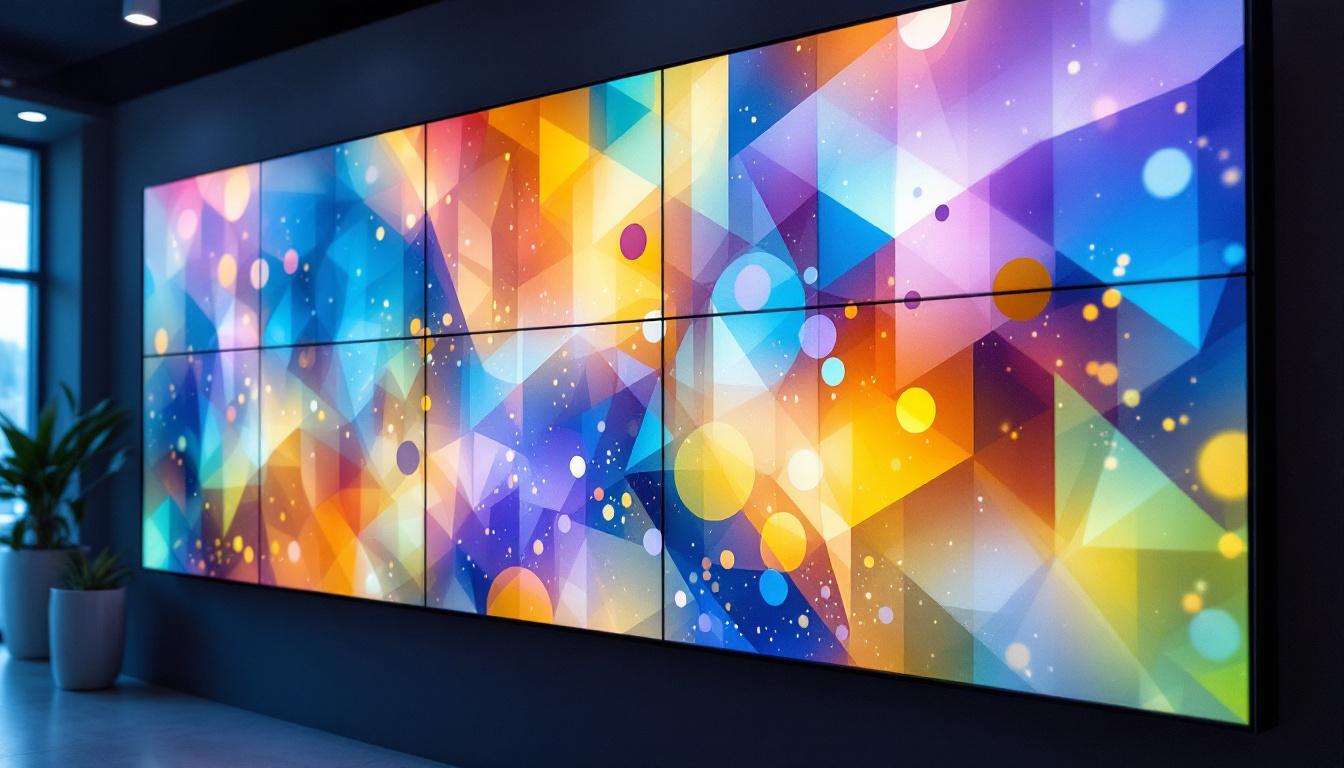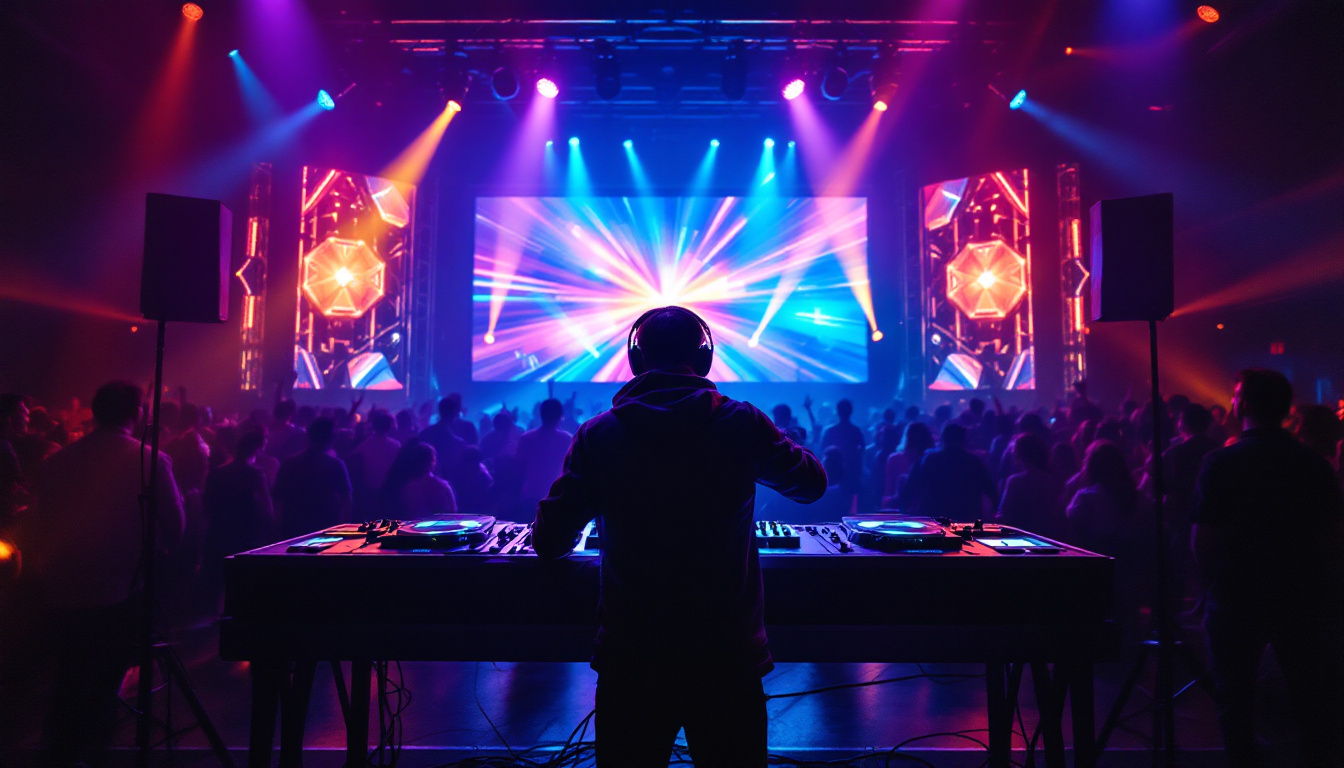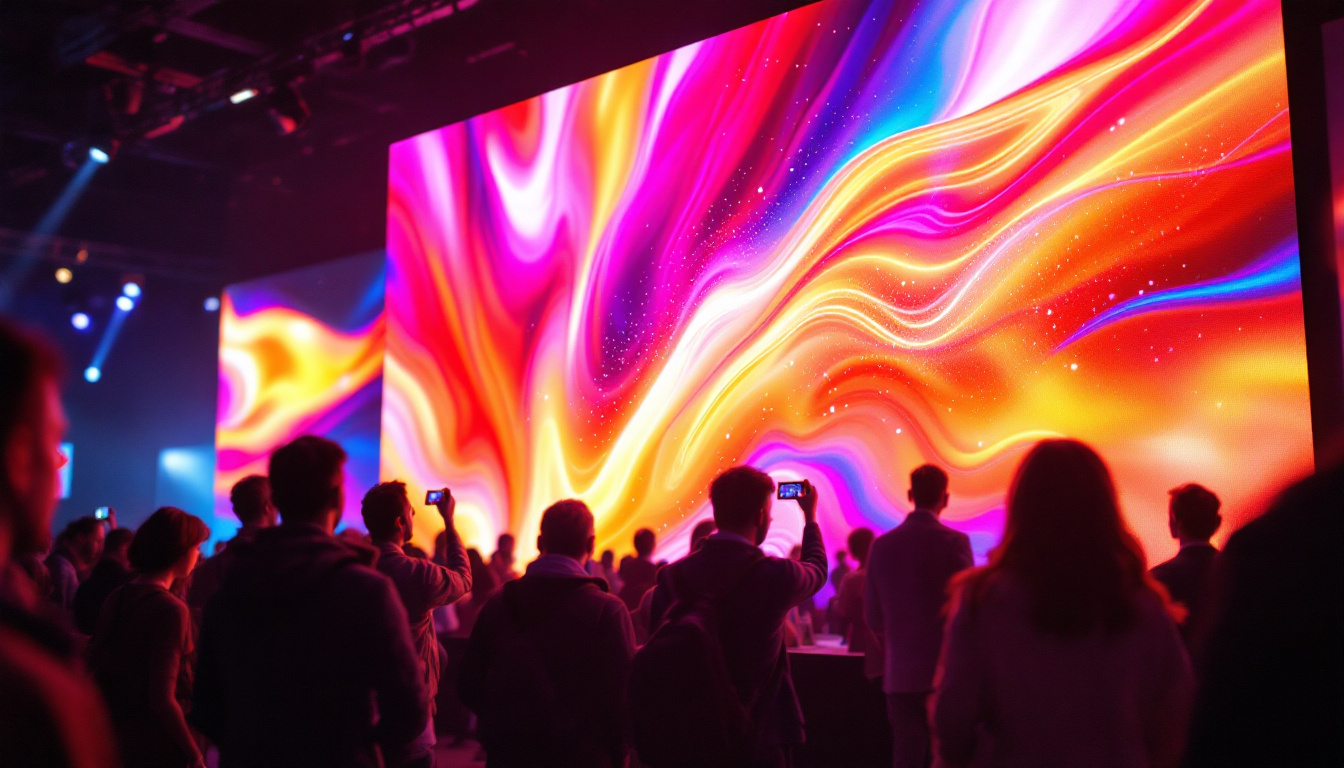
In the rapidly evolving world of digital visualization, LED displays have emerged as a dominant technology for delivering vibrant, dynamic content across a variety of industries. Optitracker, a leading name in precision tracking and display solutions, has integrated advanced LED display technologies into its product offerings to enhance visual performance and user experience. This article delves into the core aspects of Optitracker’s LED display technology, exploring its design, functionality, applications, and the benefits it brings to modern digital environments.
Understanding LED Display Technology
Light Emitting Diode (LED) displays are composed of numerous tiny LEDs that emit light when an electric current passes through them. Unlike traditional display technologies such as LCDs, LEDs produce their own light, which results in brighter images, higher contrast ratios, and better energy efficiency. The technology has evolved significantly over the past decade, enabling larger, more flexible, and higher-resolution displays. This evolution has been driven by advancements in semiconductor technology, allowing for smaller, more efficient LEDs that can be packed closely together to create stunning visuals.
Optitracker’s LED displays leverage these advancements to deliver sharp, clear visuals that are essential for applications requiring precise tracking and real-time feedback. The displays are designed to work seamlessly with Optitracker’s motion capture systems, providing users with immediate visual confirmation of tracking data and system status. This integration not only enhances user experience but also streamlines workflows in environments such as film production, gaming, and live events, where every second counts and accuracy is paramount.
Key Features of Optitracker LED Displays
One of the standout features of Optitracker’s LED displays is their modular design. This allows for scalable configurations, from small, portable units to large-scale video walls. The modularity ensures easy maintenance and upgrades, which is critical in professional environments where downtime can be costly. Furthermore, the lightweight construction of these displays makes them easy to transport and set up, catering to the needs of mobile production teams and event organizers who require flexibility and efficiency in their setups.
Additionally, these displays offer high refresh rates and low latency, which are crucial for applications such as virtual reality (VR), augmented reality (AR), and motion capture. The ability to render visuals in real-time without lag enhances the immersive experience and accuracy of tracking data visualization. Moreover, Optitracker’s LED displays support a wide color gamut and high dynamic range (HDR), ensuring that colors are vibrant and details are preserved even in the brightest highlights and darkest shadows. This capability is particularly beneficial for creative professionals who rely on precise color reproduction for their projects, making these displays an invaluable tool in the realms of design, animation, and visual effects.
Applications of Optitracker LED Displays
Optitracker’s LED display technology finds applications across a diverse range of sectors, each benefiting from the precision and clarity the displays provide.
Motion Capture and Virtual Production
In film and game development, motion capture is a cornerstone technology for creating realistic animations and effects. Optitracker’s LED displays are integrated into virtual production stages, where actors perform in front of LED walls that display dynamic backgrounds and interactive elements. This setup replaces traditional green screens, allowing for real-time visualization of the final scene and improving the creative process.
The high resolution and color accuracy of the LED displays ensure that virtual environments blend seamlessly with live-action footage, reducing post-production time and costs. Moreover, the synchronization between motion capture data and LED visuals enhances the director’s ability to make immediate adjustments during filming.
Sports and Biomechanics Analysis
In sports science, precise tracking of athlete movements is essential for performance optimization and injury prevention. Optitracker’s LED displays provide real-time feedback by visually representing motion data during training sessions. Coaches and athletes can monitor posture, speed, and range of motion on the spot, enabling immediate corrections.
For example, in sprint training, the LED display can show split times and stride metrics instantaneously, allowing for data-driven coaching decisions. This integration of tracking and display technology accelerates the feedback loop and enhances athletic performance.
Industrial and Robotics Applications
In industrial automation and robotics, LED displays serve as intuitive interfaces for monitoring system status and diagnostics. Optitracker’s displays are often used in conjunction with robotic arms and automated guided vehicles (AGVs) to provide operators with clear visual cues about operational parameters and alerts.
The durability and brightness of LED displays make them suitable for factory environments where lighting conditions can vary significantly. Their ability to display complex data in an easily interpretable format improves safety and efficiency on the production floor.
Technical Specifications and Performance Metrics
Understanding the technical specifications of Optitracker’s LED displays is essential for evaluating their suitability for specific applications. These displays are engineered to meet the demanding needs of professional users, balancing performance with reliability.
Resolution and Pixel Pitch
Resolution is a critical factor in LED display quality, determined by the pixel pitch—the distance between individual LEDs. Optitracker offers displays with pixel pitches ranging from 1.2 mm to 3.9 mm, catering to both close-up viewing and large-scale installations. A smaller pixel pitch results in higher resolution and finer image detail, which is vital for applications like motion capture visualization where clarity is paramount.
Brightness and Contrast Ratio
Optitracker’s LED displays boast brightness levels exceeding 1,000 nits, ensuring visibility even in brightly lit environments. High contrast ratios contribute to vivid image reproduction, enhancing the depth and realism of displayed content. This is particularly important in virtual production and sports analysis, where accurate color representation can impact decision-making and immersion.
Refresh Rate and Latency
With refresh rates up to 240 Hz and latency as low as a few milliseconds, Optitracker’s LED displays are optimized for real-time applications. High refresh rates reduce motion blur and flicker, providing smooth visuals that are essential for tracking fast movements. Low latency ensures that the displayed information corresponds closely with the actual tracked data, maintaining synchronization between physical and virtual elements.
Integration with Optitracker Motion Capture Systems
The synergy between Optitracker’s LED displays and its motion capture systems is a defining characteristic of the brand’s ecosystem. This integration enhances workflow efficiency and user experience across various industries.
Real-Time Data Visualization
One of the primary advantages of integrating LED displays with motion capture technology is the ability to visualize tracking data in real time. This immediate feedback loop allows technicians, performers, and analysts to observe and adjust movements on the fly, reducing errors and improving accuracy.
For instance, during a motion capture session, the LED display can show skeletal overlays or positional markers directly on the stage, enabling actors to interact naturally with virtual elements. This capability bridges the gap between physical performance and digital interpretation.
Customizable Display Interfaces
Optitracker provides customizable software interfaces that allow users to tailor the LED display output according to their specific needs. Whether it’s displaying numerical data, graphical overlays, or video feeds, the flexibility of the system supports a wide range of use cases.
Customizability is particularly beneficial in research and development settings, where unique visualization requirements often arise. Users can design interfaces that highlight key metrics and streamline data interpretation, enhancing the overall utility of the system.
Benefits of Optitracker LED Displays for Professionals
Choosing Optitracker’s LED display solutions offers numerous advantages that contribute to improved outcomes in professional environments.
Enhanced Visual Clarity and Accuracy
The superior image quality delivered by Optitracker’s LED displays ensures that visual data is both clear and precise. This clarity is essential for tasks that demand exact spatial awareness, such as motion capture calibration and biomechanical analysis.
Improved Workflow Efficiency
By providing real-time visual feedback and integrating smoothly with tracking systems, these LED displays help reduce setup times and minimize errors. The ability to see immediate results accelerates decision-making and enhances productivity across projects.
Scalability and Flexibility
The modular nature of Optitracker’s LED displays allows organizations to scale their setups as needed. Whether expanding a motion capture studio or upgrading an industrial monitoring station, the displays can adapt to changing requirements without significant reinvestment.
Future Trends and Innovations in LED Display Technology
The LED display industry continues to innovate rapidly, with emerging technologies promising to further enhance the capabilities of systems like those offered by Optitracker.
MicroLED and MiniLED Advancements
MicroLED and MiniLED technologies are gaining traction due to their potential for even higher brightness, contrast, and energy efficiency. These advancements could lead to thinner, lighter displays with improved durability, benefiting mobile and wearable applications within motion capture and AR/VR domains.
AI-Driven Display Optimization
Artificial intelligence is beginning to play a role in optimizing display performance by dynamically adjusting brightness, color calibration, and content rendering based on environmental conditions and user behavior. Integrating AI with Optitracker’s LED displays could enhance visual fidelity and user comfort.
Expanded Use of Transparent and Flexible Displays
Transparent and flexible LED displays are opening new possibilities for creative installations and interactive environments. These innovations could enable more immersive virtual production stages and novel sports training setups, aligning well with Optitracker’s commitment to cutting-edge visualization solutions.
Conclusion
Optitracker’s LED display technology represents a significant advancement in the visualization of motion capture and tracking data. By combining high-resolution, low-latency displays with modular design and seamless system integration, Optitracker delivers solutions that meet the demanding needs of industries ranging from entertainment to sports science and industrial automation.
As LED technology continues to evolve, Optitracker is well-positioned to incorporate emerging innovations that will further enhance the clarity, responsiveness, and versatility of its displays. For professionals seeking reliable, high-performance visualization tools, Optitracker’s LED displays offer a compelling blend of quality, flexibility, and future-readiness.
Discover the Future of LED Displays with LumenMatrix
Ready to elevate your visual experience with the latest in LED display technology? LumenMatrix is at the forefront of innovation, offering a wide array of LED display solutions tailored to your needs. From immersive Indoor and Outdoor LED Wall Displays to dynamic Vehicle and Sports LED Displays, our products are designed to captivate your audience and amplify your message. Experience the revolution in visual communication with LumenMatrix’s cutting-edge digital signage and LED displays. Check out LumenMatrix LED Display Solutions today and transform the way you connect with your audience.