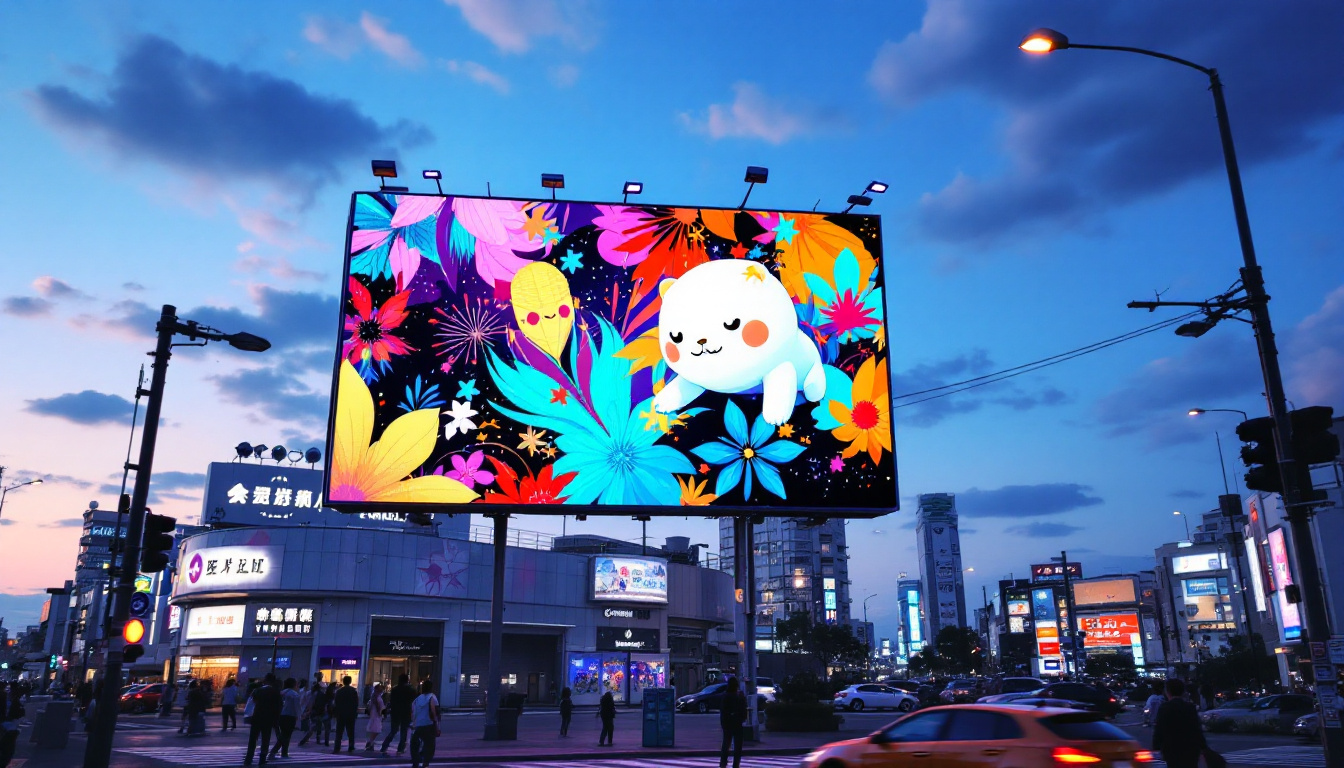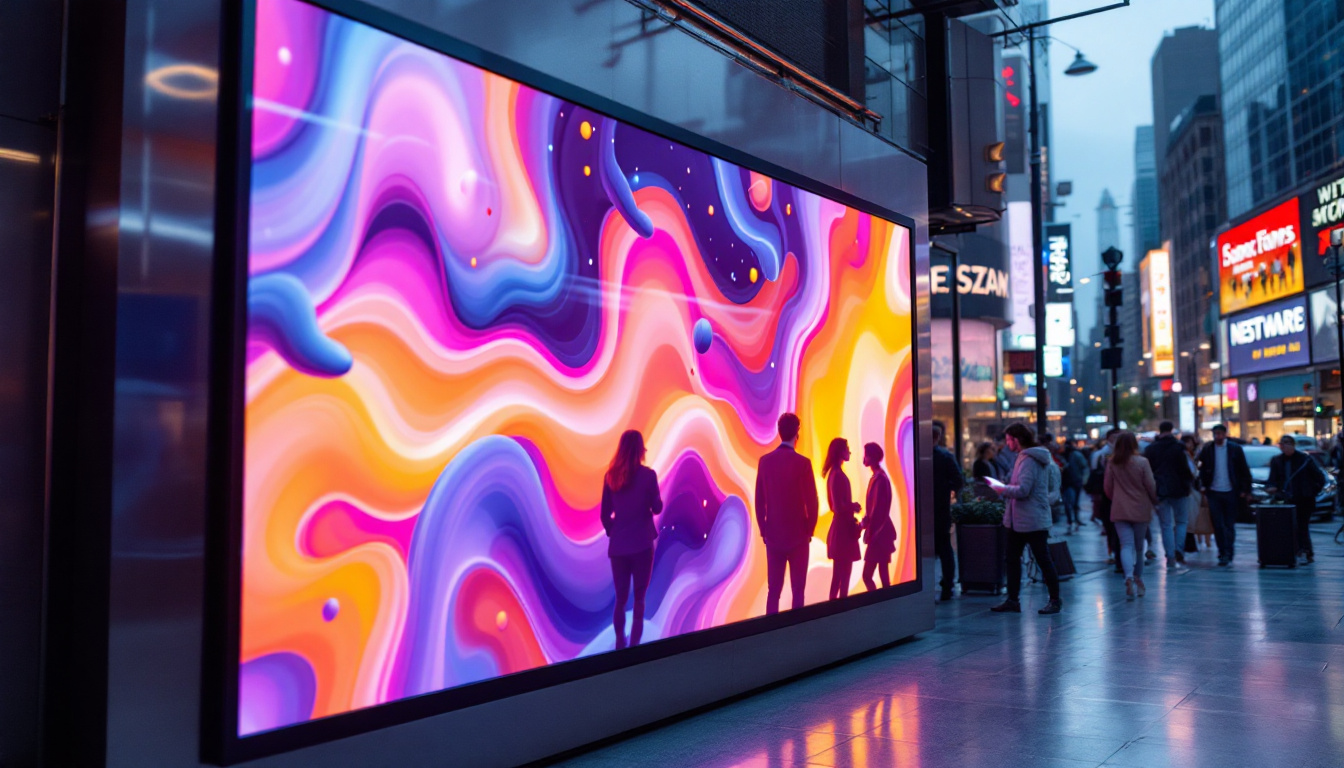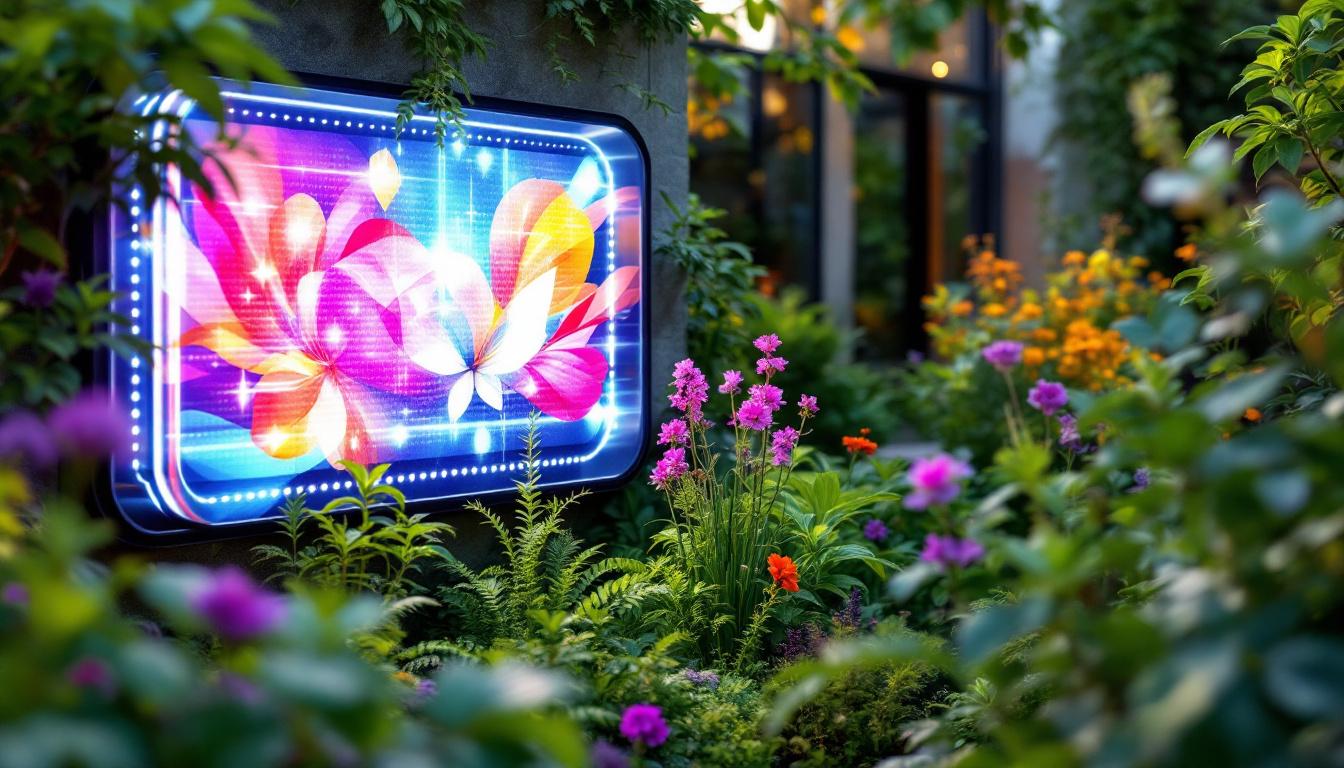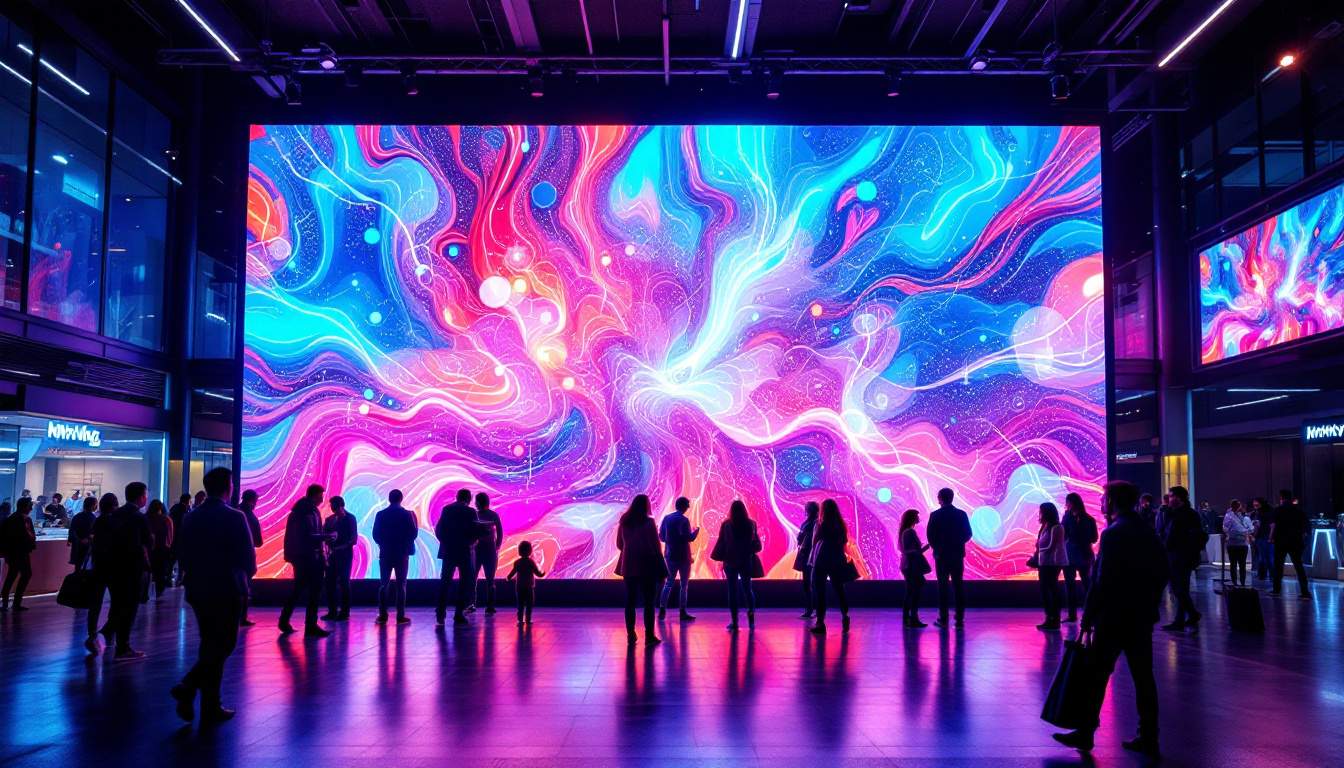
In today’s fast-paced world, outdoor advertising and information dissemination have evolved dramatically. One of the most dynamic and effective tools in this space is the outdoor LED display board. These vibrant, high-tech screens have transformed how businesses, municipalities, and event organizers communicate with the public. This article delves into the essentials of outdoor LED display boards, exploring their technology, benefits, applications, and considerations for choosing the right solution.
Understanding Outdoor LED Display Technology
At the core of outdoor LED boards lies the Light Emitting Diode (LED) technology. Unlike traditional lighting, LEDs are semiconductor devices that emit light when an electric current passes through them. This fundamental property enables the creation of bright, colorful displays that are visible even in direct sunlight. The evolution of LED technology has transformed how we communicate visually in public spaces, making it an integral part of modern advertising, entertainment, and information dissemination.
How LED Displays Work
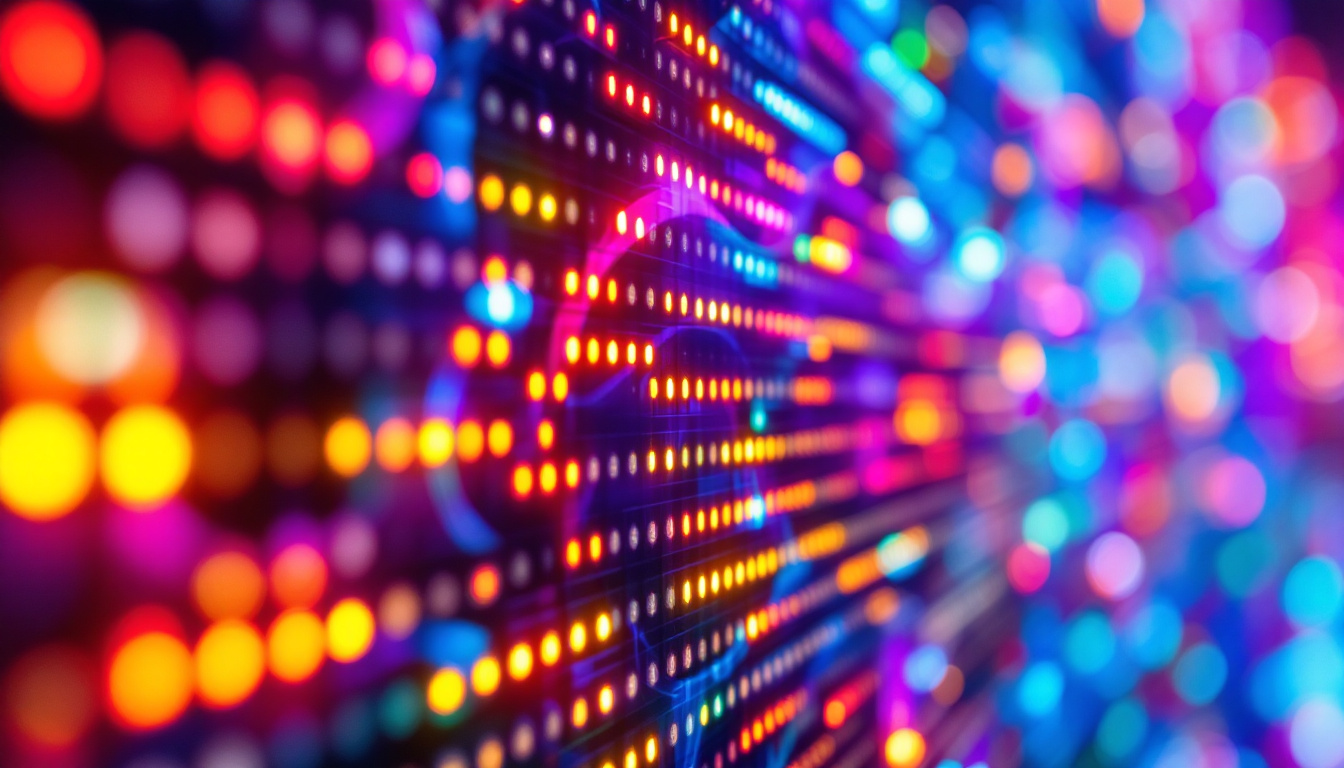
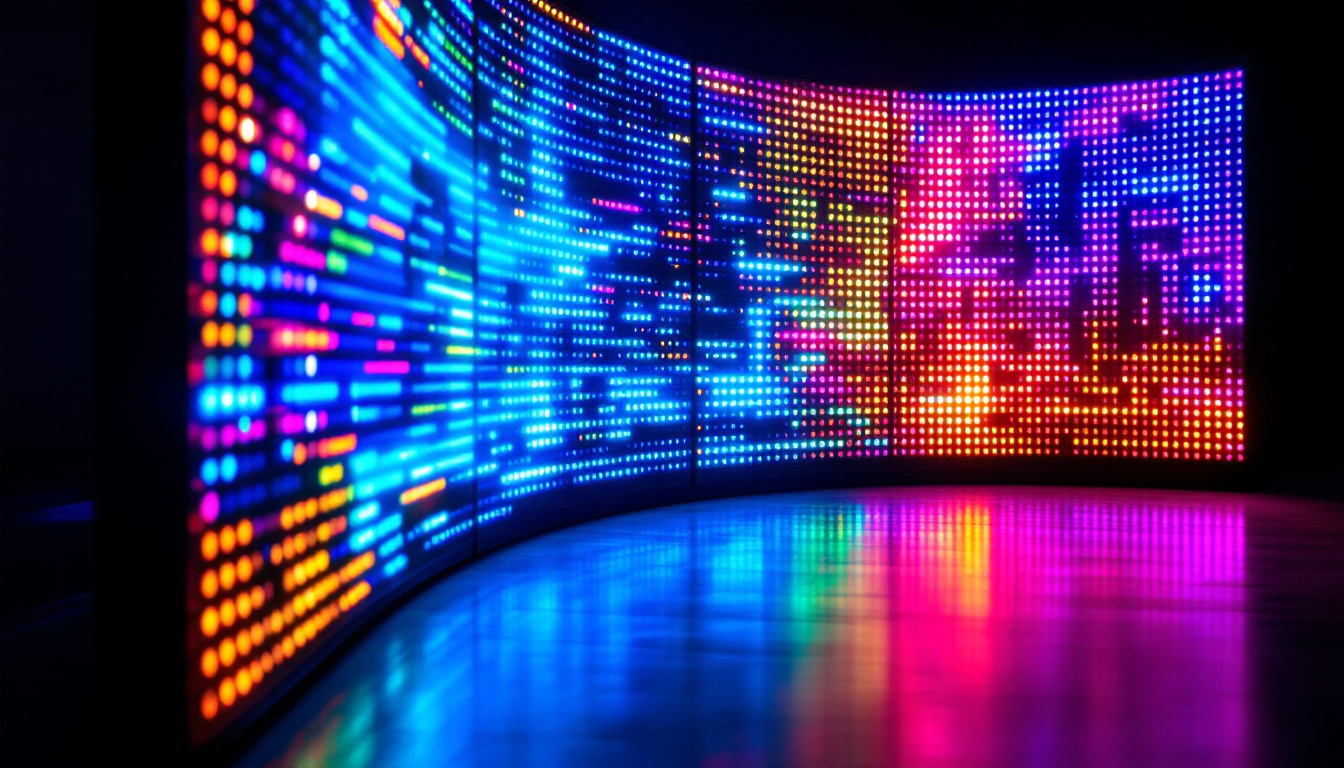
Outdoor LED displays consist of thousands to millions of tiny LEDs arranged in a grid. Each LED acts as a pixel, and by varying the intensity and color of individual LEDs, the display can render images, text, and videos. The LEDs are typically grouped into clusters called pixels, which combine red, green, and blue diodes to produce a full spectrum of colors. This RGB configuration allows for the creation of vibrant and dynamic visuals that can capture the attention of passersby, making them ideal for advertising and event promotion.
These pixels are controlled by sophisticated drivers and processors that manage the timing and brightness, ensuring smooth transitions and vibrant visuals. Modern outdoor LED boards often use surface-mount technology (SMT) LEDs, which offer higher brightness and better energy efficiency compared to older through-hole LEDs. Additionally, advancements in software and control systems allow for real-time content updates, enabling businesses to adapt their messaging quickly based on audience engagement or changing events.
Key Technical Specifications
Several technical factors define the quality and suitability of an outdoor LED display:
- Pixel Pitch: This is the distance between the centers of two adjacent pixels, measured in millimeters. A smaller pixel pitch means higher resolution and sharper images. Outdoor boards typically have pixel pitches ranging from 4mm to 20mm, balancing visibility and cost. Displays with smaller pixel pitches are particularly beneficial in urban environments where viewers may be closer to the screen.
- Brightness: Outdoor LED displays need to be extremely bright to combat sunlight glare. Typical brightness levels range from 5,000 to 10,000 nits, with some specialized boards exceeding these values for exceptional visibility. This high brightness not only enhances visibility but also ensures that the colors remain vibrant and true to life, even in challenging lighting conditions.
- Refresh Rate: The refresh rate, measured in Hertz (Hz), indicates how often the display updates per second. Higher refresh rates (above 1,920 Hz) reduce flickering, essential for clear video playback and camera compatibility. This is particularly important for events that are being broadcast live or recorded, as it ensures a smooth viewing experience for audiences both on-site and at home.
- Viewing Angle: Outdoor boards are designed with wide viewing angles, often 120° horizontally and vertically, to ensure visibility from various positions. This feature allows for effective communication with a diverse audience, whether they are directly in front of the display or viewing it from an angle.
- Ingress Protection (IP) Rating: Since these boards are exposed to weather, they require high IP ratings (IP65 or higher) to resist dust and water ingress. This durability is crucial for maintaining performance and longevity, particularly in regions with extreme weather conditions, ensuring that the displays remain operational year-round.
Furthermore, the integration of smart technology into outdoor LED displays has opened up new possibilities for interactivity and audience engagement. Many modern displays can connect to the internet, allowing for real-time data integration, such as live social media feeds, weather updates, or news tickers. This capability not only enhances the content being displayed but also allows for targeted advertising based on audience demographics and behavior, making outdoor LED displays a powerful tool for marketers and event organizers alike.
Benefits of Outdoor LED Display Boards
Outdoor LED boards offer numerous advantages over traditional signage and other digital display technologies. Their versatility and impact make them a preferred choice for a wide range of applications.
High Visibility and Impact
One of the most compelling benefits of LED displays is their brightness and clarity. Unlike printed billboards or LCD screens, LED boards maintain vivid colors and sharp images even under direct sunlight. This ensures that messages are seen clearly at all times, maximizing audience engagement.
Dynamic and Flexible Content
Unlike static signs, LED displays can show dynamic content including videos, animations, real-time updates, and interactive elements. This flexibility allows advertisers and communicators to tailor their messages according to time of day, audience demographics, or special events. For example, a sports venue can switch from promotional ads to live game scores instantly.
Energy Efficiency and Longevity
Modern LED technology is highly energy-efficient compared to older lighting methods like incandescent or fluorescent bulbs. LEDs consume less power, reducing operating costs significantly over time. Additionally, high-quality outdoor LED boards are designed to last 50,000 to 100,000 hours, equating to many years of reliable service with minimal maintenance.
Weather Resistance and Durability
Outdoor LED boards are built to withstand harsh environmental conditions including rain, snow, dust, and extreme temperatures. Their robust construction ensures continuous operation regardless of weather, making them suitable for diverse climates worldwide.
Common Applications of Outdoor LED Displays
Outdoor LED boards have become ubiquitous across multiple sectors due to their versatility and effectiveness. Here are some of the most common use cases:
Advertising and Marketing
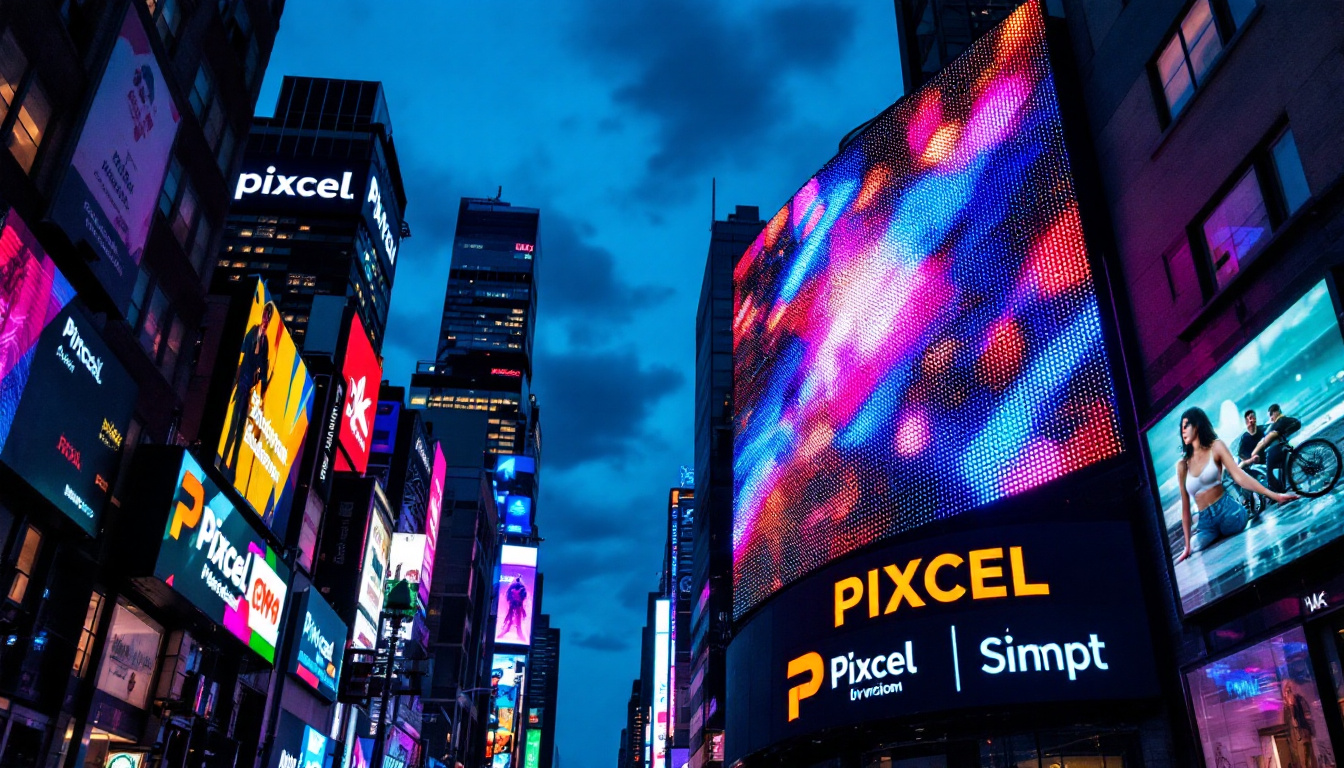
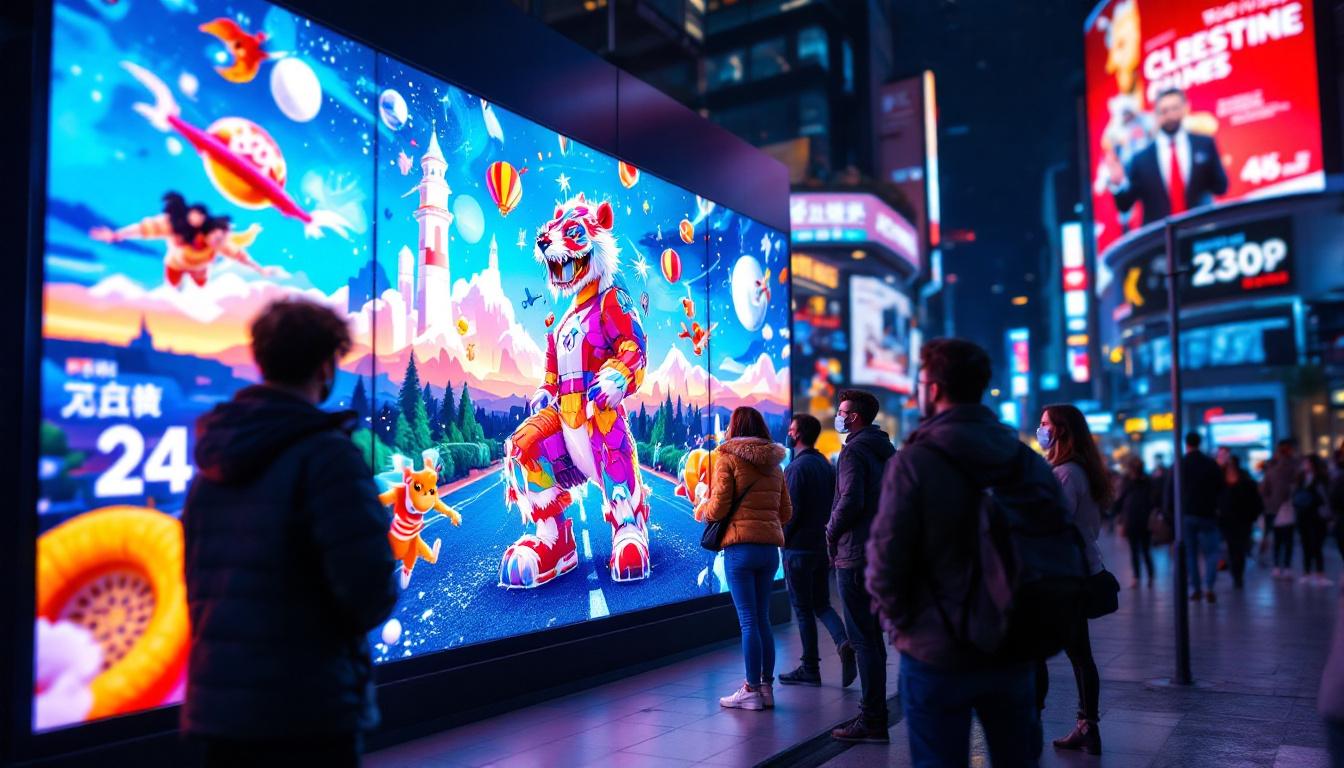
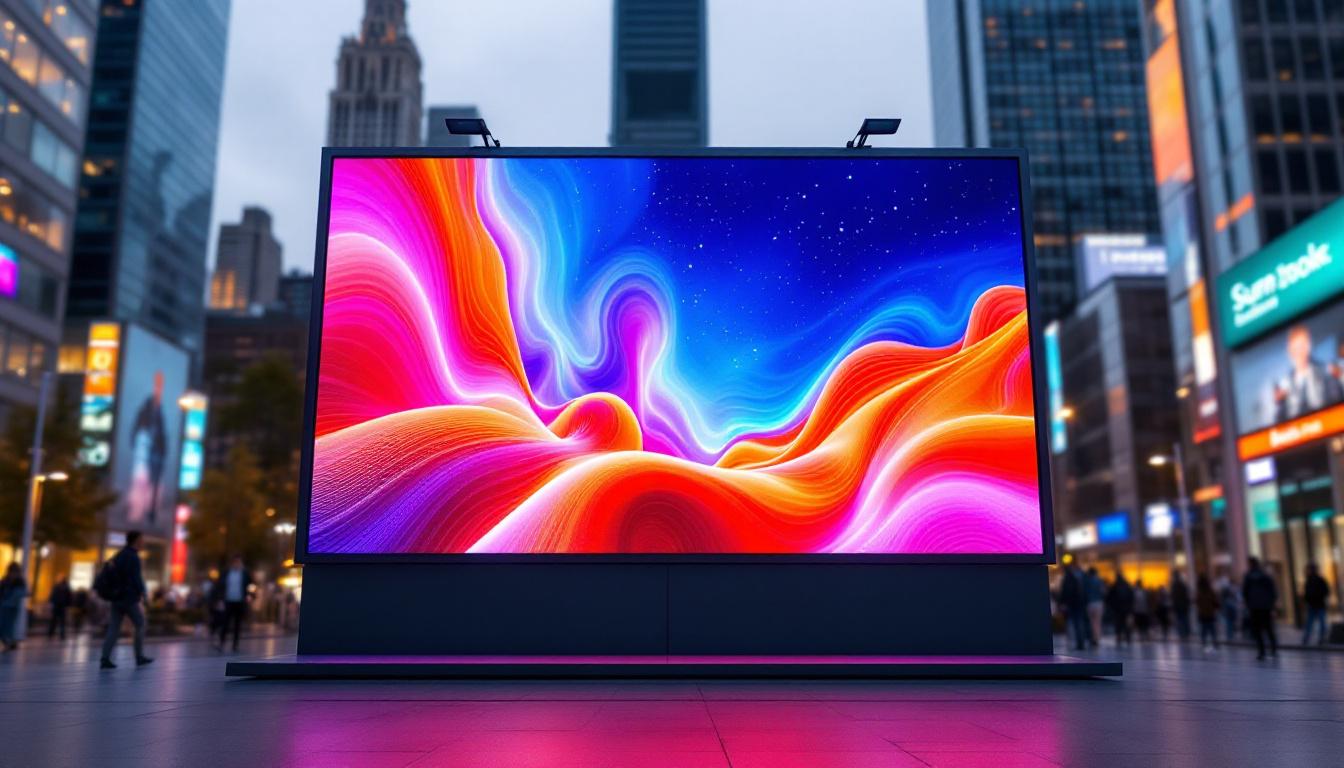
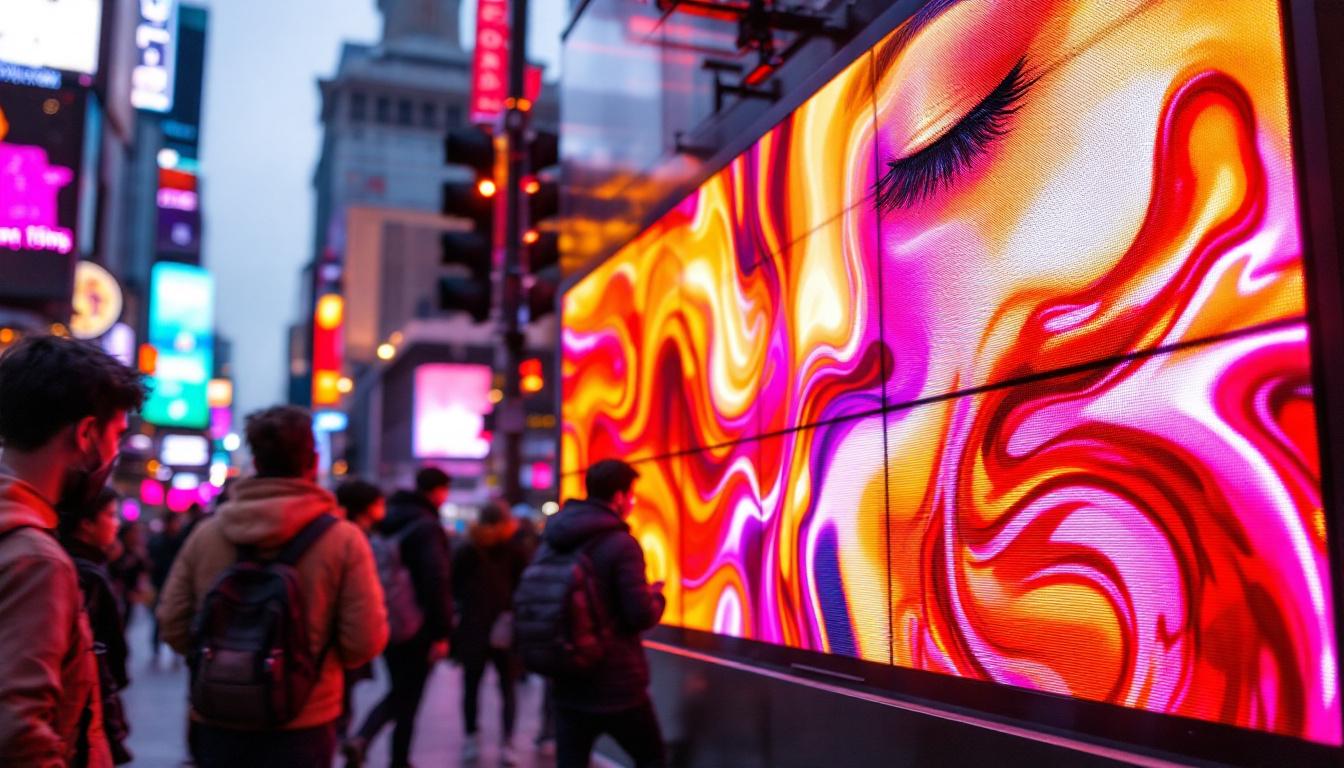
Outdoor advertising is one of the largest markets for LED displays. Retailers, brands, and agencies use these boards to capture attention in high-traffic areas such as highways, city centers, and shopping malls. Their ability to display eye-catching animations and videos helps increase brand visibility and drive consumer action.
Public Information and Safety
Municipalities and governments deploy outdoor LED boards to share critical information such as traffic updates, weather alerts, emergency notifications, and public service announcements. The real-time update capability ensures that citizens receive timely and relevant information, enhancing community safety.
Sports and Entertainment Venues
Stadiums, concert halls, and event spaces utilize LED displays for scoreboards, live video feeds, advertisements, and interactive fan experiences. These boards enhance the atmosphere and engagement, providing spectators with immersive and informative content.
Transportation Hubs
Airports, train stations, and bus terminals employ outdoor LED boards for schedule displays, directional signage, and promotional content. Their brightness and clarity ensure passengers can easily access important information even in crowded or outdoor environments.
Corporate and Educational Campuses
Many businesses and universities use outdoor LED displays to communicate announcements, event schedules, and branding messages. These boards help foster community engagement and improve internal communications.
Choosing the Right Outdoor LED Display Board
Selecting the ideal LED board requires careful consideration of several factors to ensure it meets the specific needs of the application.
Assessing Location and Viewing Distance
The physical location and typical viewing distance are critical in determining the appropriate pixel pitch and screen size. For instance, a billboard visible from a highway may require a larger pixel pitch (e.g., 16mm) because viewers are farther away, while a display in a pedestrian plaza might need a finer pitch (e.g., 6mm) for close-up clarity.
Content Type and Resolution Requirements
The nature of the content—whether static images, text, or full-motion video—impacts the resolution and refresh rate needed. Video content demands higher refresh rates and finer pixel pitches to avoid flicker and maintain smooth playback.
Environmental Conditions
Consider the local climate and environmental challenges. High humidity, salt air near coastal areas, or extreme temperatures require boards with appropriate IP ratings and materials to ensure longevity and performance.
Power and Connectivity
Outdoor LED boards require reliable power sources and data connections. Some installations use wired Ethernet or fiber optics, while others employ wireless solutions. Energy consumption and backup power options should also be evaluated to maintain continuous operation.
Budget and Maintenance
While LED boards can be a significant investment, their long-term benefits often justify the cost. It’s important to factor in installation, maintenance, and potential upgrade expenses. Partnering with reputable manufacturers and service providers can help minimize downtime and extend the display’s lifespan.
Future Trends in Outdoor LED Displays
The outdoor LED display market continues to innovate, driven by advances in technology and evolving user needs.
Higher Resolution and Miniaturization
Emerging microLED technology promises even smaller pixel pitches and higher resolutions, enabling ultra-crisp images on outdoor boards. This advancement will open new possibilities for detailed graphics and immersive experiences.
Integration with Smart Technologies
Smart LED displays integrated with IoT (Internet of Things) sensors and AI analytics can adapt content dynamically based on environmental conditions, audience behavior, and real-time data. For example, displays might adjust brightness automatically or show personalized ads based on demographic insights.
Energy Harvesting and Sustainability
Solar-powered LED boards and energy-efficient designs are becoming more prevalent, aligning with global sustainability goals. These innovations reduce carbon footprints and operational costs, making outdoor LED displays more eco-friendly.
Interactive and Augmented Reality Features
Some outdoor LED boards are incorporating touch and gesture controls, as well as augmented reality overlays, to engage audiences in novel ways. These interactive displays enhance user experience and provide valuable data for marketers and event organizers.
Conclusion
Outdoor LED display boards have revolutionized how messages are conveyed in public spaces. Their brightness, flexibility, durability, and dynamic content capabilities make them indispensable tools for advertising, public communication, entertainment, and more. Understanding the technology behind these displays and carefully considering application-specific requirements can help organizations maximize their impact and return on investment. As innovations continue to emerge, outdoor LED boards will only become more powerful and versatile, shaping the future of outdoor communication.
Illuminate Your Message with LumenMatrix
Ready to elevate your outdoor communication with unparalleled brightness, flexibility, and durability? LumenMatrix is at the forefront of LED display innovation, offering a comprehensive range of solutions tailored to your needs. From captivating Outdoor LED Wall Displays to dynamic Vehicle LED Displays and beyond, our technology is designed to make your brand stand out and engage audiences like never before. Discover how LumenMatrix can transform your visual storytelling and bring your messages to life. Check out LumenMatrix LED Display Solutions today and step into the future of digital signage.