In recent years, the demand for vibrant, durable, and energy-efficient display technologies has skyrocketed, particularly for outdoor applications. Among the most popular solutions is the outdoor LED projector, a device that combines the power of LED technology with projection capabilities to deliver stunning visuals in diverse environments. This article delves into the world of outdoor LED projectors and LED displays, explaining their technology, benefits, applications, and what to consider when choosing the right system for your needs.
Understanding LED Technology in Outdoor Projection
Light Emitting Diodes (LEDs) have revolutionized the way images and videos are displayed, especially in outdoor settings. Unlike traditional projection lamps that rely on halogen or metal halide bulbs, LED projectors use LEDs as their light source, which offers several advantages.
LEDs are semiconductor devices that emit light when an electric current passes through them. They are highly efficient, generate less heat, and have a significantly longer lifespan compared to conventional bulbs. This makes LED projectors ideal for outdoor use where maintenance can be challenging and environmental conditions are unpredictable.
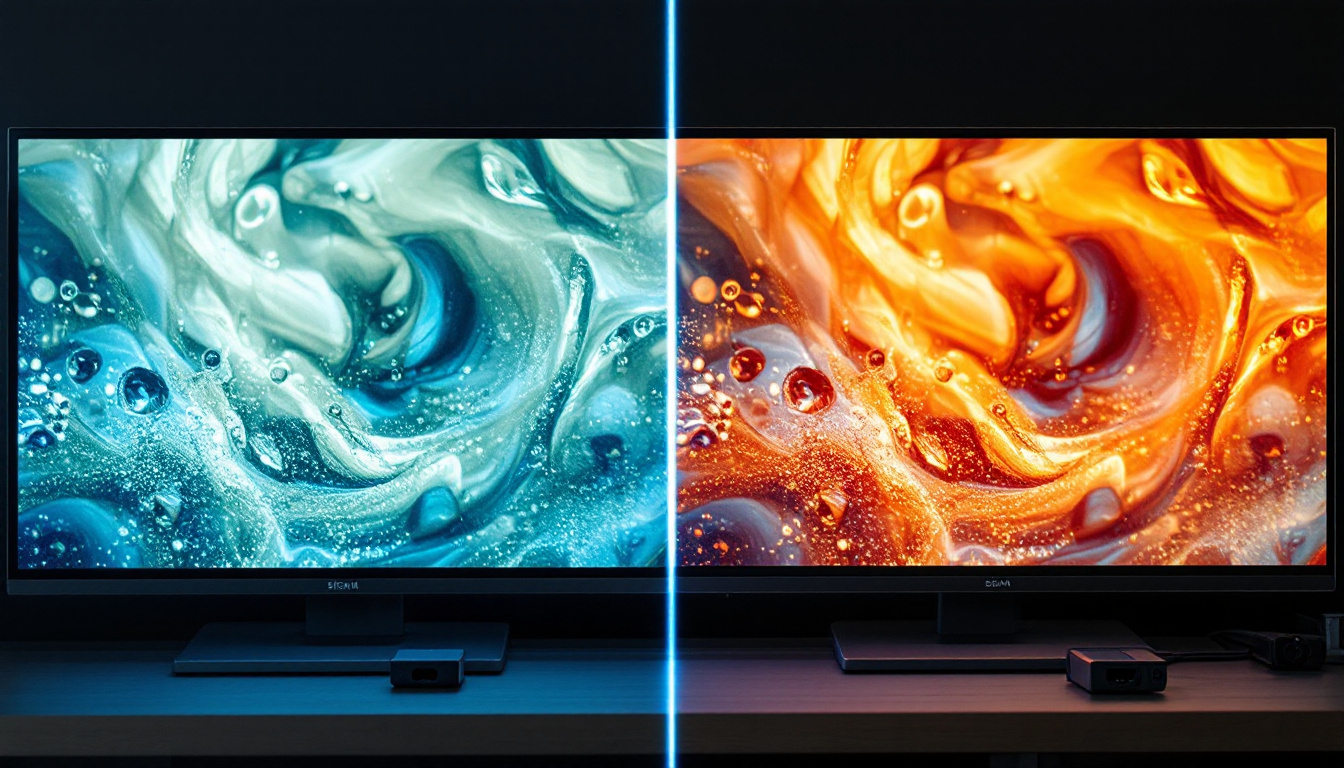
Moreover, LED projectors provide superior color accuracy and brightness control. The ability to produce vivid colors and high contrast ratios ensures that images remain clear and engaging even under direct sunlight or in large open spaces. This capability is particularly beneficial for outdoor events such as film screenings, concerts, and sporting events, where visual impact is paramount and audience engagement is crucial.
Furthermore, the durability of LED technology means that these projectors can withstand the rigors of outdoor environments, including exposure to dust, moisture, and temperature fluctuations. Many models are designed with weather-resistant housing, allowing them to perform reliably in various conditions, from summer festivals to winter holiday displays. This resilience not only enhances their usability but also contributes to a lower total cost of ownership over time, as fewer replacements and repairs are needed.
How Outdoor LED Projectors Differ from Traditional Projectors
Traditional projectors often use lamps that require frequent replacement and consume more power. In contrast, outdoor LED projectors leverage solid-state lighting, which is more robust and energy-efficient. This difference is crucial for outdoor applications where reliability and operational cost are major considerations.
Additionally, LED projectors typically have faster start-up times and can be dimmed without affecting color quality, offering flexibility in various lighting conditions. Their compact size and lower heat output also facilitate easier installation and longer continuous operation. This is particularly advantageous for temporary setups, such as pop-up cinemas or outdoor art installations, where quick assembly and disassembly are essential.
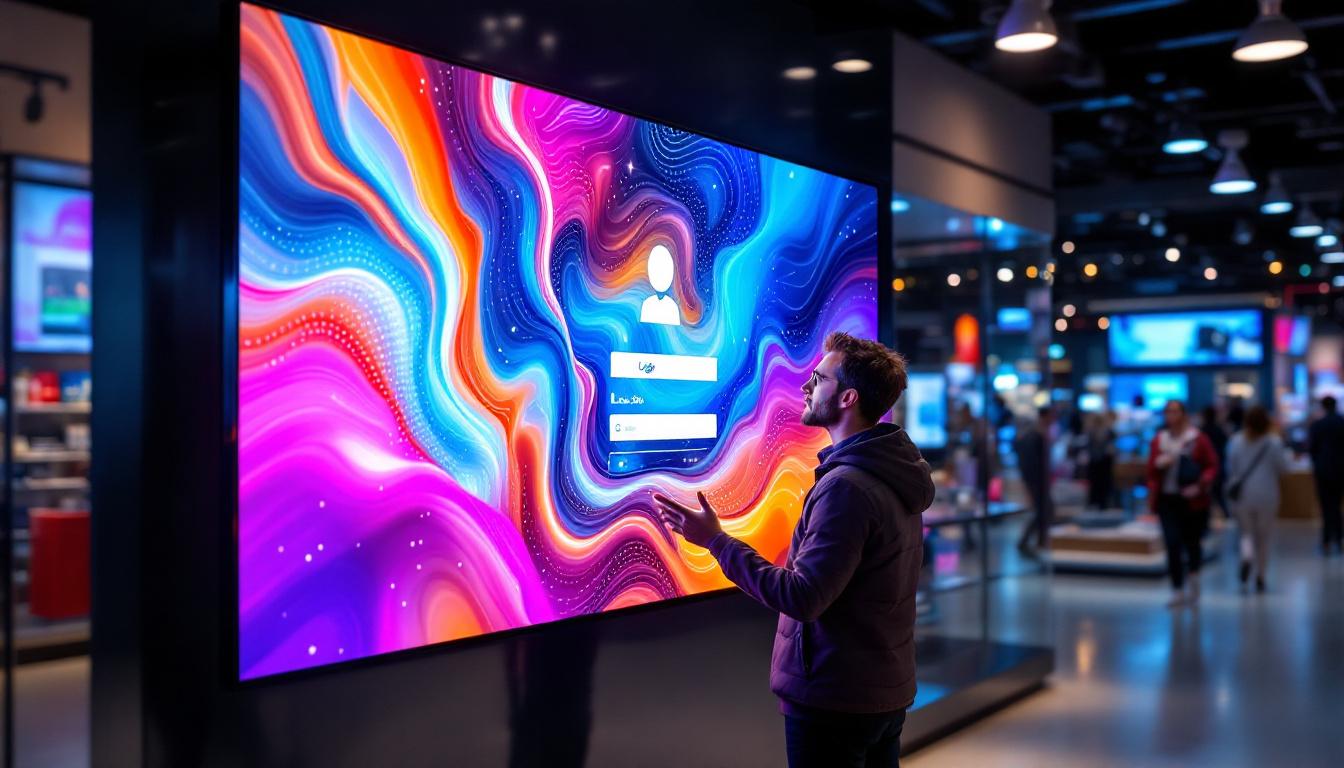
Another notable feature of many outdoor LED projectors is their connectivity options. Many models come equipped with wireless capabilities, allowing for seamless streaming from smartphones, tablets, or laptops without the need for cumbersome cables. This wireless functionality not only simplifies the setup process but also opens up a world of creative possibilities for presentations and performances, enabling users to interactively engage with their audience in real-time.
Exploring LED Displays: The Backbone of Outdoor Visuals
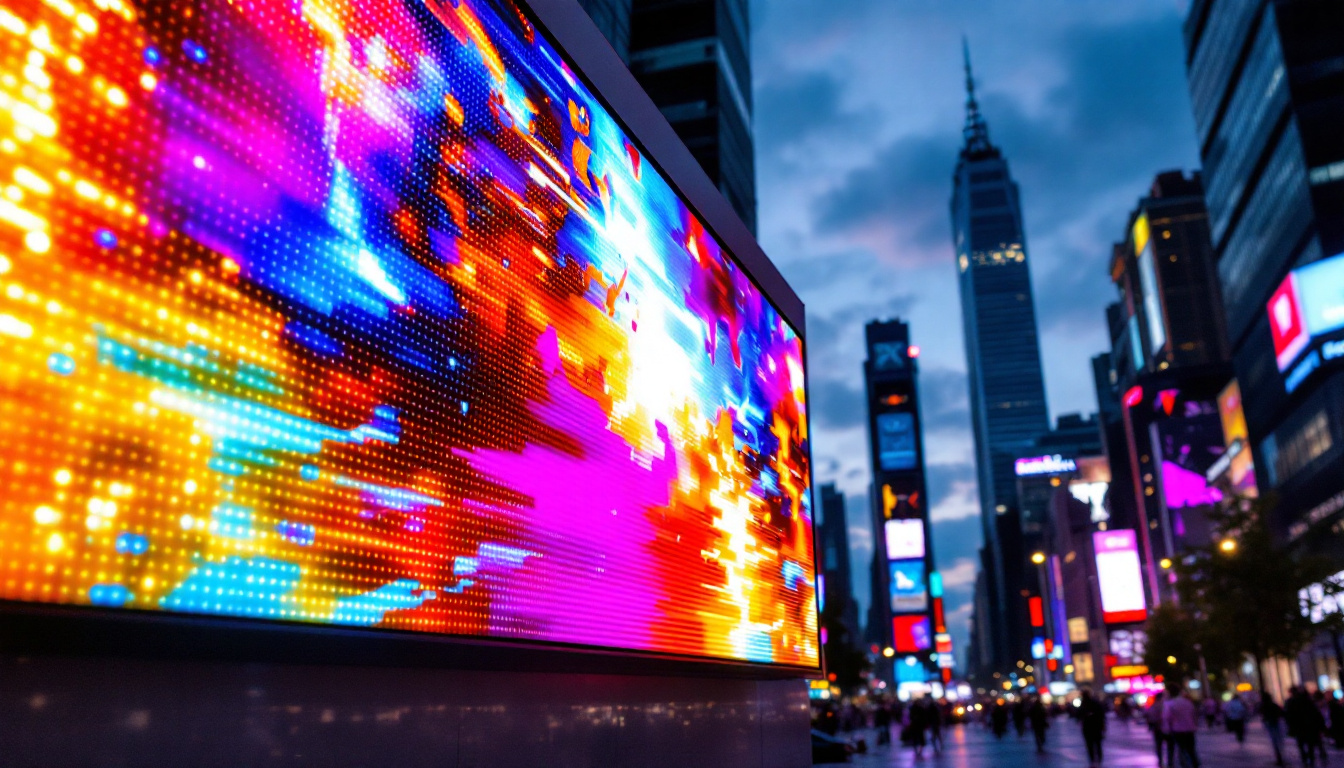
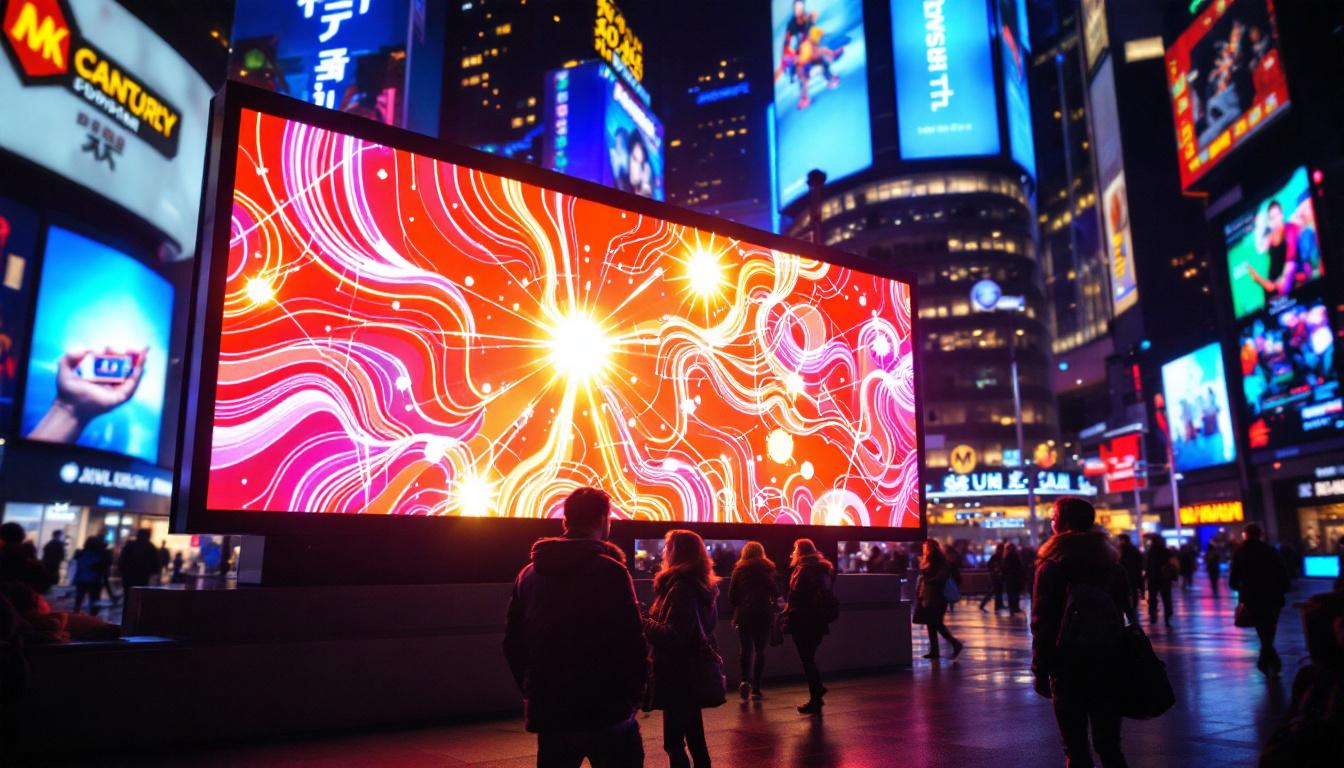
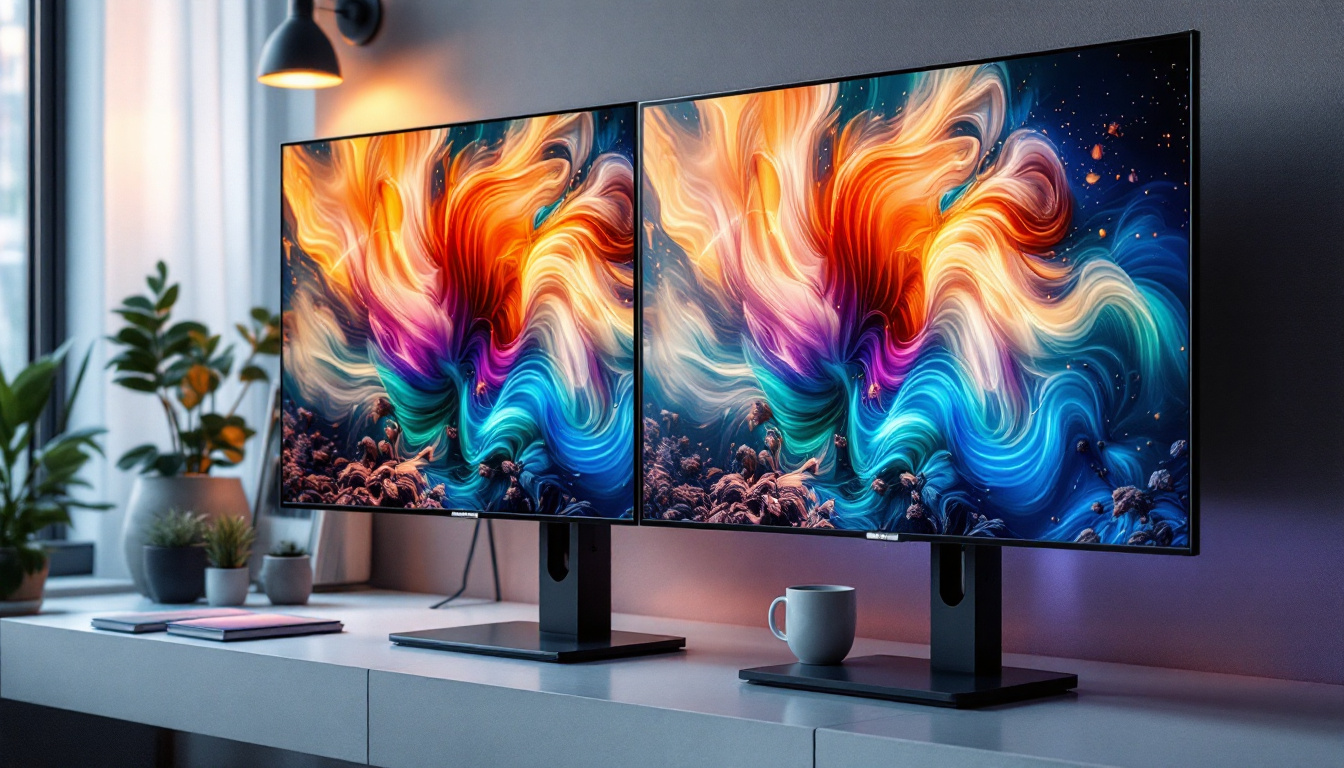
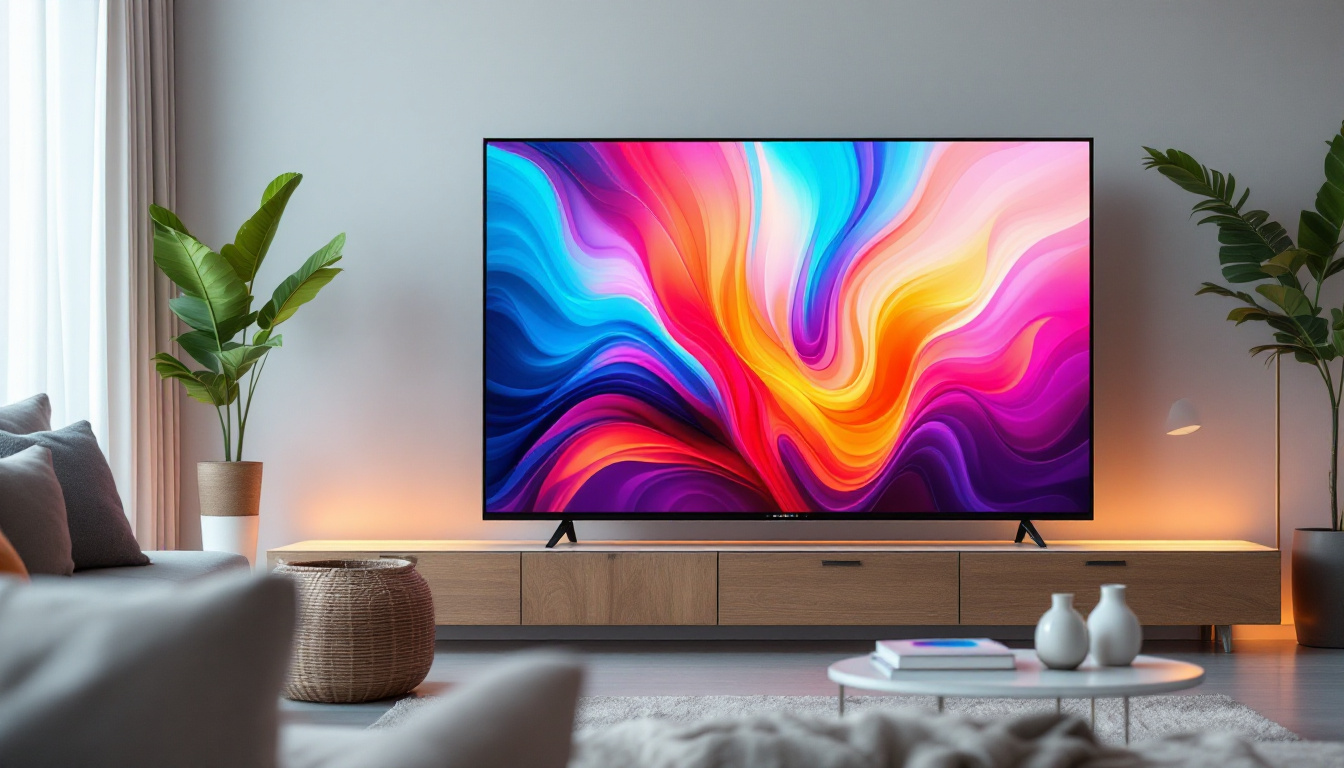
While LED projectors are a popular choice for projecting images onto surfaces, LED displays themselves are another critical component in outdoor visual technology. These displays consist of arrays of LEDs arranged in panels, capable of producing bright, high-resolution images directly without the need for a projection surface. The technology behind LED displays has advanced significantly over the years, allowing for more vibrant colors and improved energy efficiency. This evolution has made them a preferred choice for advertisers, event organizers, and municipalities looking to engage audiences in public spaces.
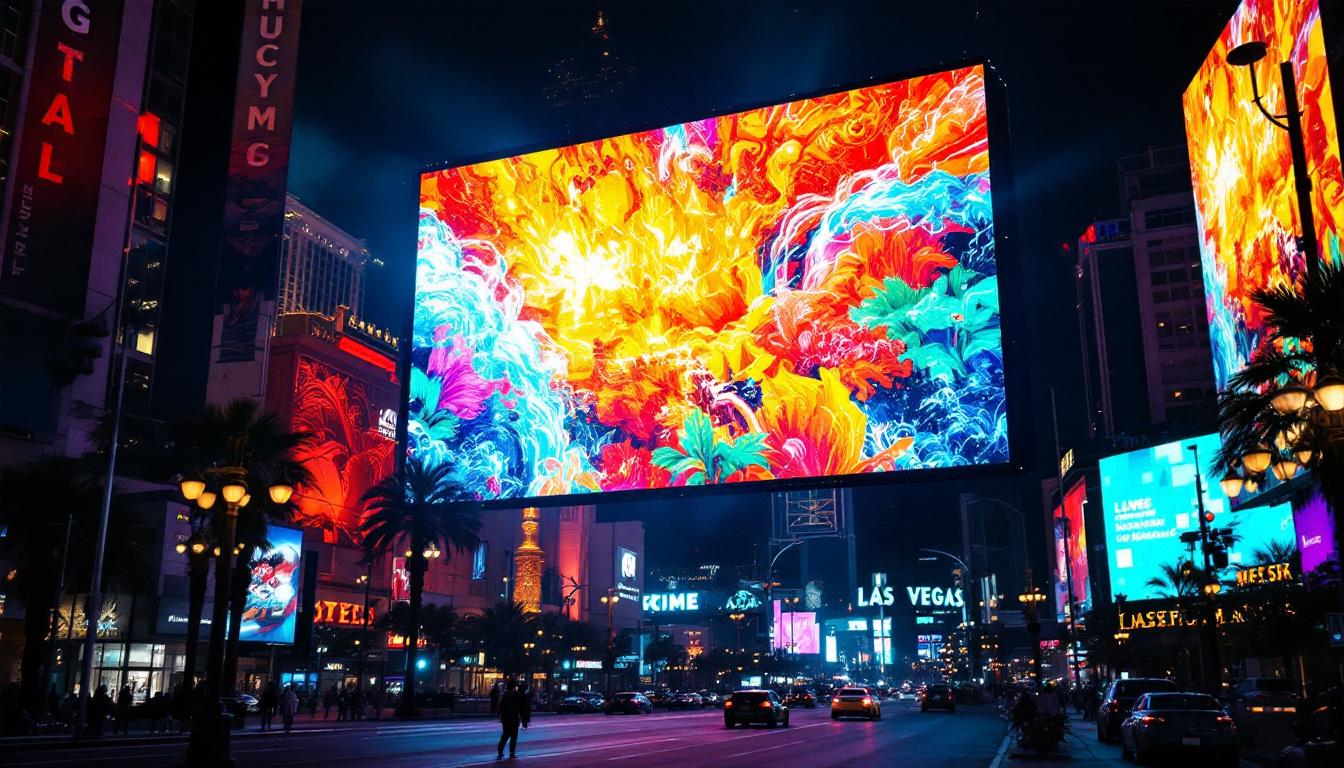
Outdoor LED displays are designed to withstand harsh weather conditions, including rain, dust, and extreme temperatures. Their modular construction allows for scalable sizes, from small digital signage to massive stadium screens, making them versatile for numerous applications. Additionally, many outdoor LED displays come equipped with advanced cooling systems and protective coatings that enhance their durability and longevity, ensuring that they remain operational even in the most challenging environments. This resilience not only extends the lifespan of the displays but also reduces maintenance costs, making them a smart investment for businesses and organizations.
Pixel Pitch and Resolution: What They Mean for Outdoor Use
One of the key technical specifications for LED displays is the pixel pitch, which refers to the distance between the centers of two adjacent pixels. A smaller pixel pitch means higher resolution and sharper images, which is ideal for close viewing distances. However, for large outdoor displays viewed from afar, a larger pixel pitch can be sufficient and more cost-effective. The choice of pixel pitch also impacts the overall brightness and clarity of the display, which is crucial for visibility in direct sunlight.
Choosing the right pixel pitch is essential to balance image quality, cost, and viewing distance. For example, a pixel pitch of 10mm or more is common for billboards and large outdoor screens, while smaller pitches are used for interactive kiosks or displays where viewers are closer. Furthermore, advancements in LED technology have led to the development of fine pitch displays, which can achieve resolutions previously thought impossible for outdoor use. These high-resolution displays are increasingly being utilized in high-profile events, concerts, and sports arenas, where every detail matters and the audience expects an immersive visual experience. The ability to deliver stunning visuals in real-time has transformed how brands communicate with their audiences, making LED displays an indispensable tool in modern advertising and entertainment.
Key Benefits of Outdoor LED Projectors and Displays
Outdoor LED projectors and displays offer numerous advantages that make them the preferred choice for many businesses, event organizers, and municipalities.
1. High Brightness and Visibility
Outdoor environments often expose displays to direct sunlight and varying ambient light conditions. LED technology provides high brightness levels, sometimes exceeding 5,000 nits, ensuring that images remain visible and vibrant throughout the day.
2. Durability and Weather Resistance
LED projectors and displays designed for outdoor use are built to withstand elements such as rain, wind, dust, and temperature fluctuations. Many come with IP65 or higher ratings, indicating their ability to resist water and dust ingress, which extends their lifespan and reduces maintenance costs.
3. Energy Efficiency and Longevity
Compared to traditional projection systems and display technologies, LED-based solutions consume less power and have longer operational lifespans—often exceeding 50,000 hours. This translates to lower energy bills and less frequent replacements, a significant advantage for large-scale installations.
4. Flexibility and Scalability
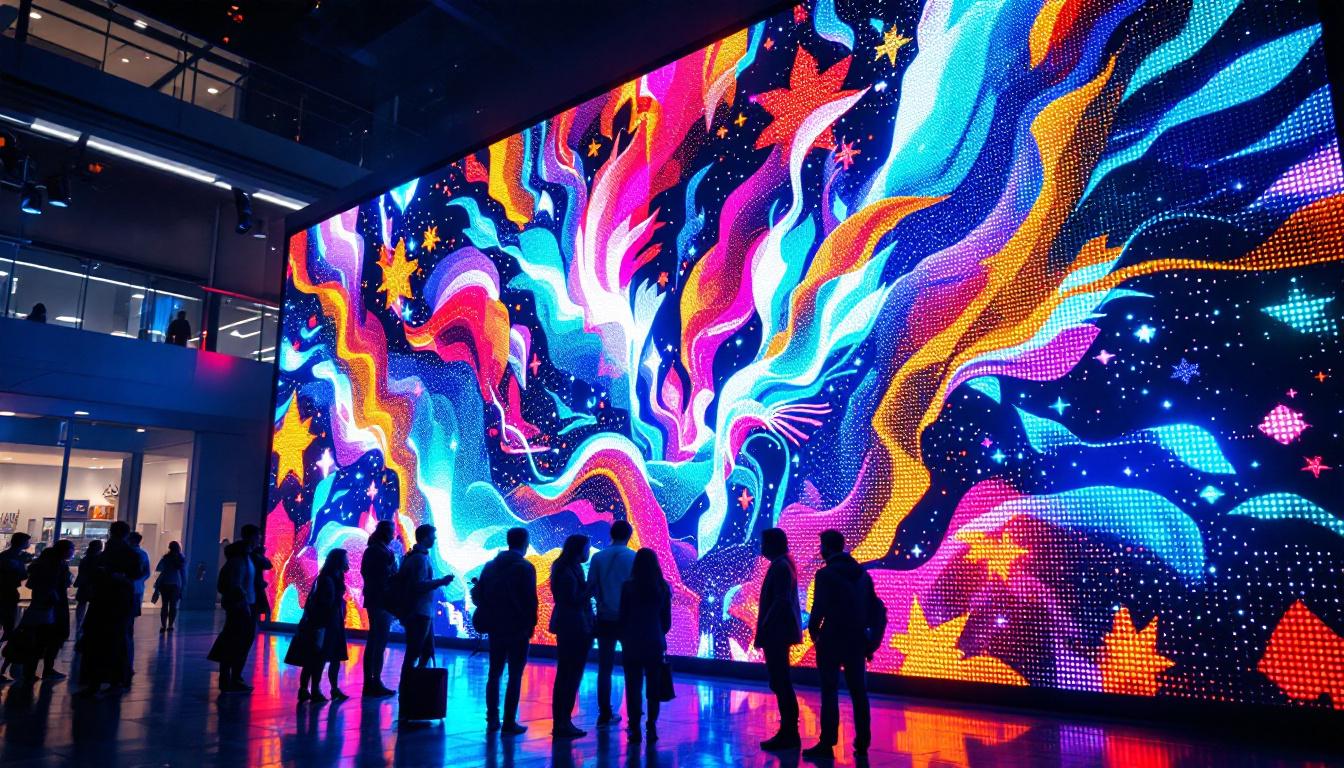
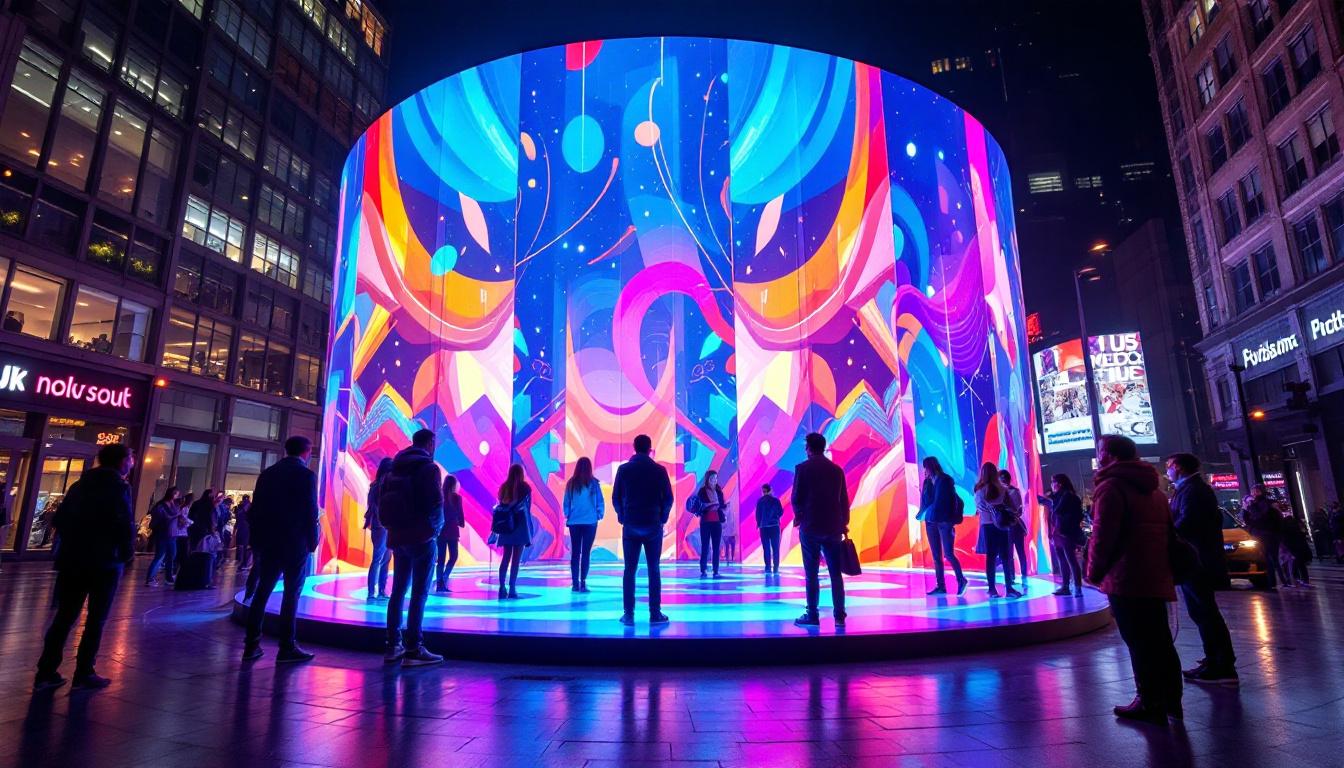
Modular LED displays can be customized to fit various shapes and sizes, from curved surfaces to massive video walls. Outdoor LED projectors can also adapt to different projection surfaces, including buildings, screens, and natural landscapes, offering creative freedom for advertisers and event planners.
Applications of Outdoor LED Projectors and Displays
The versatility of outdoor LED technology has led to its adoption across multiple sectors, each benefiting from its unique features.
Advertising and Digital Signage
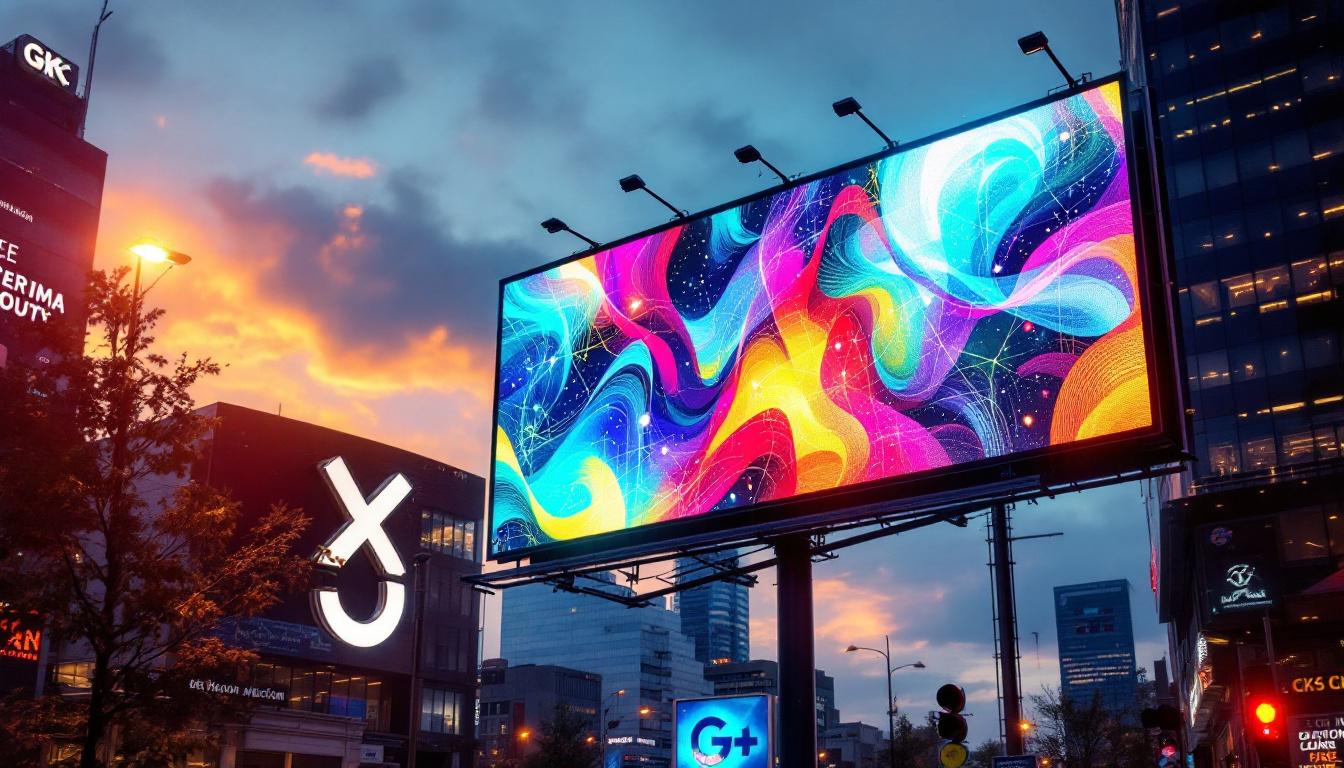
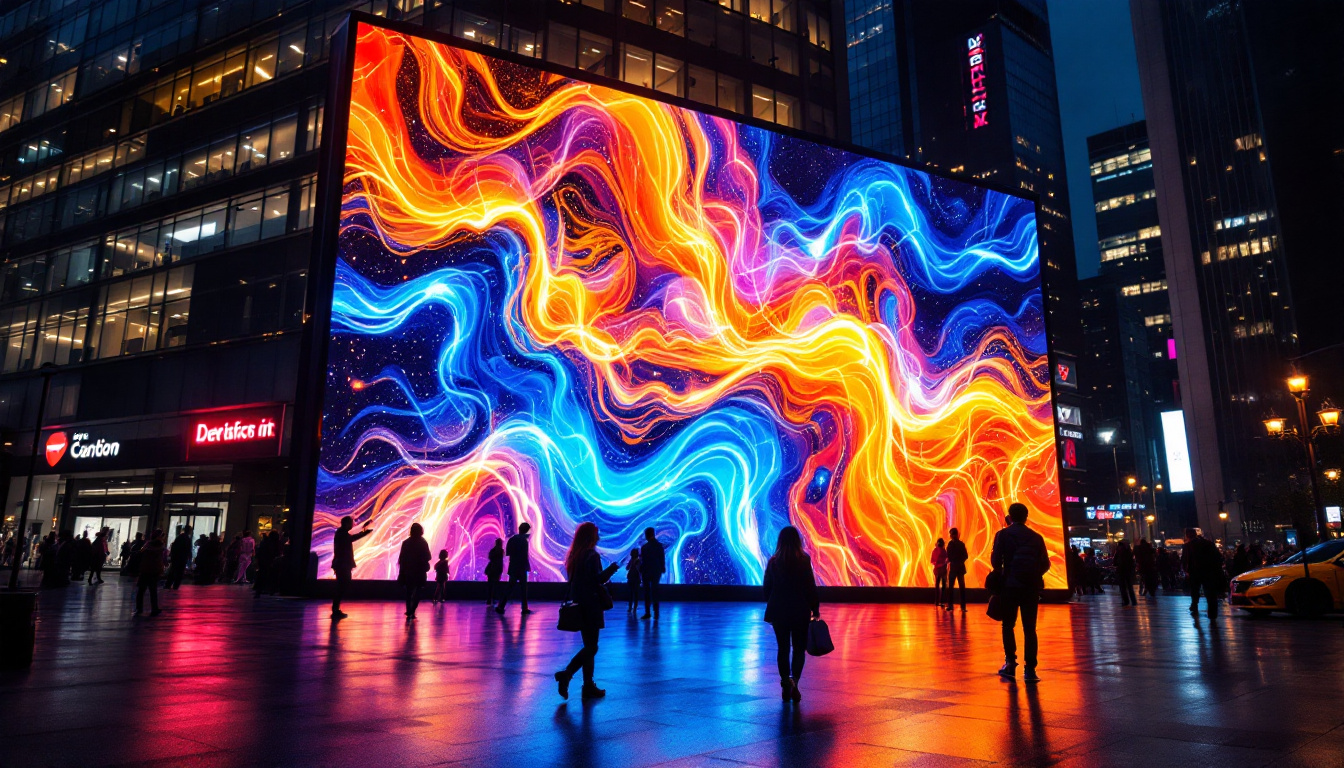
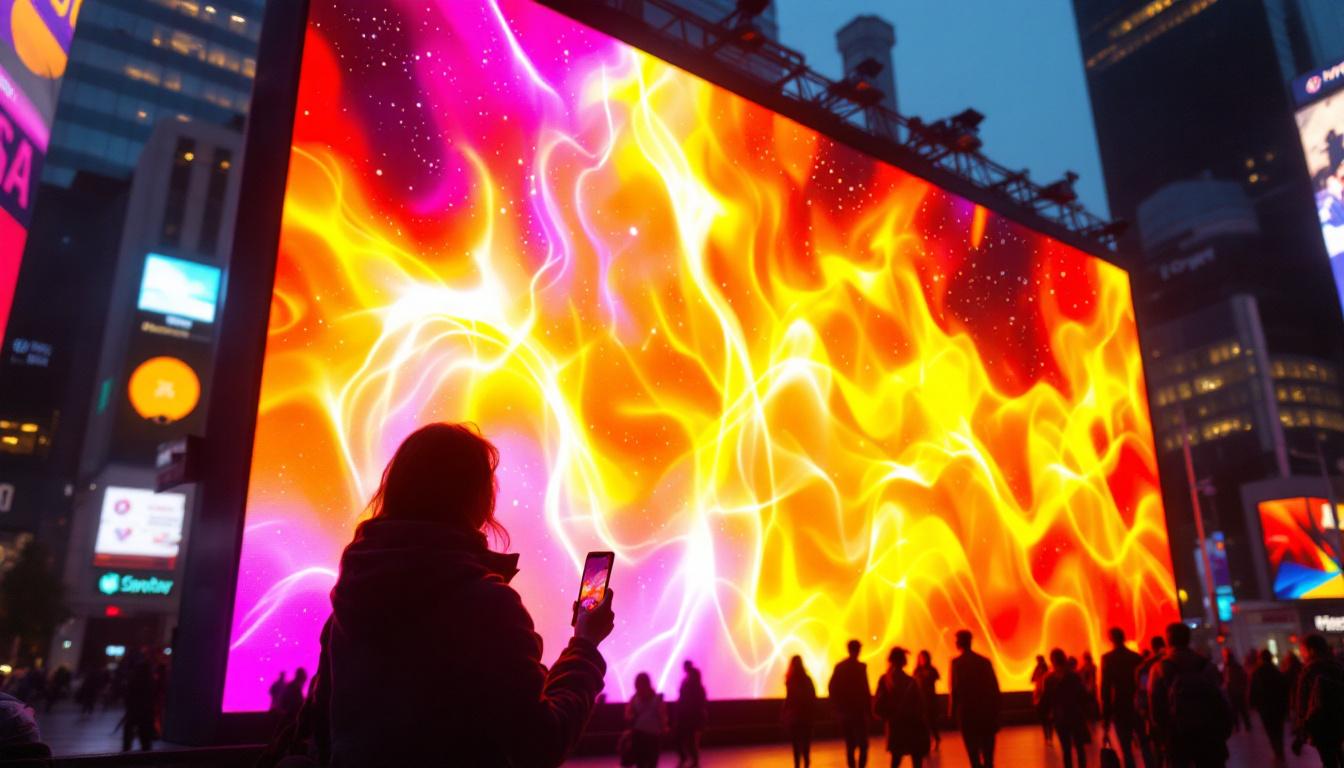
Outdoor LED displays are widely used for advertising in urban environments, shopping centers, and transit hubs. Their brightness and clarity attract attention, making them effective for brand promotion and public announcements. LED projectors, meanwhile, can transform building facades into dynamic canvases for immersive advertising campaigns.
Sports and Entertainment Venues
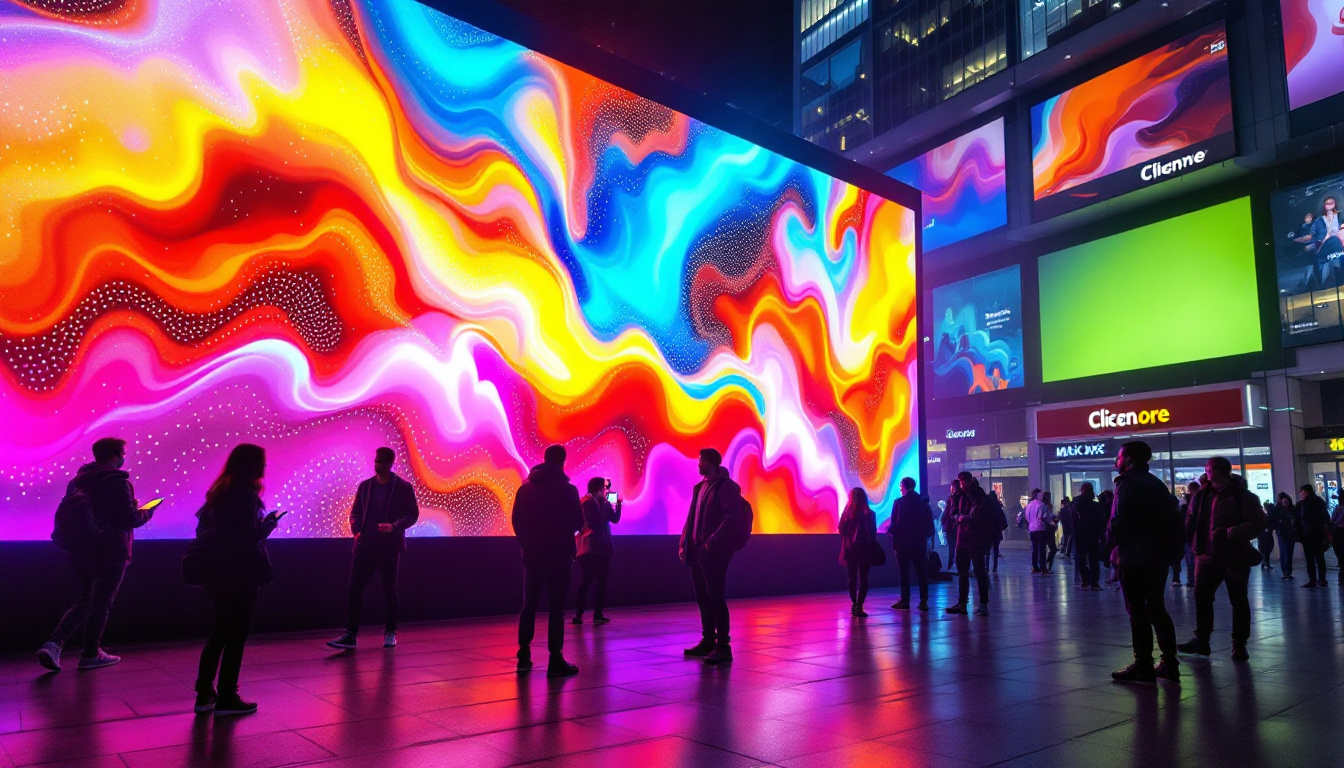
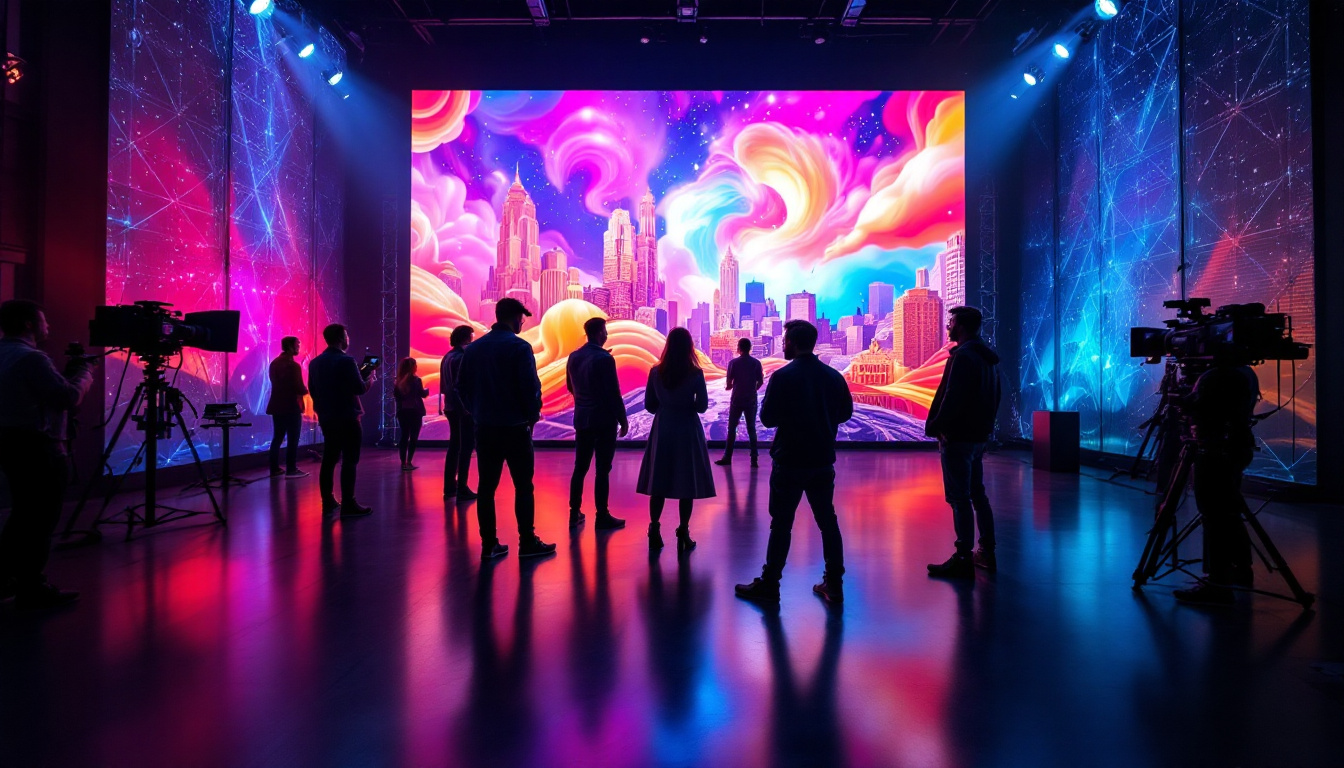
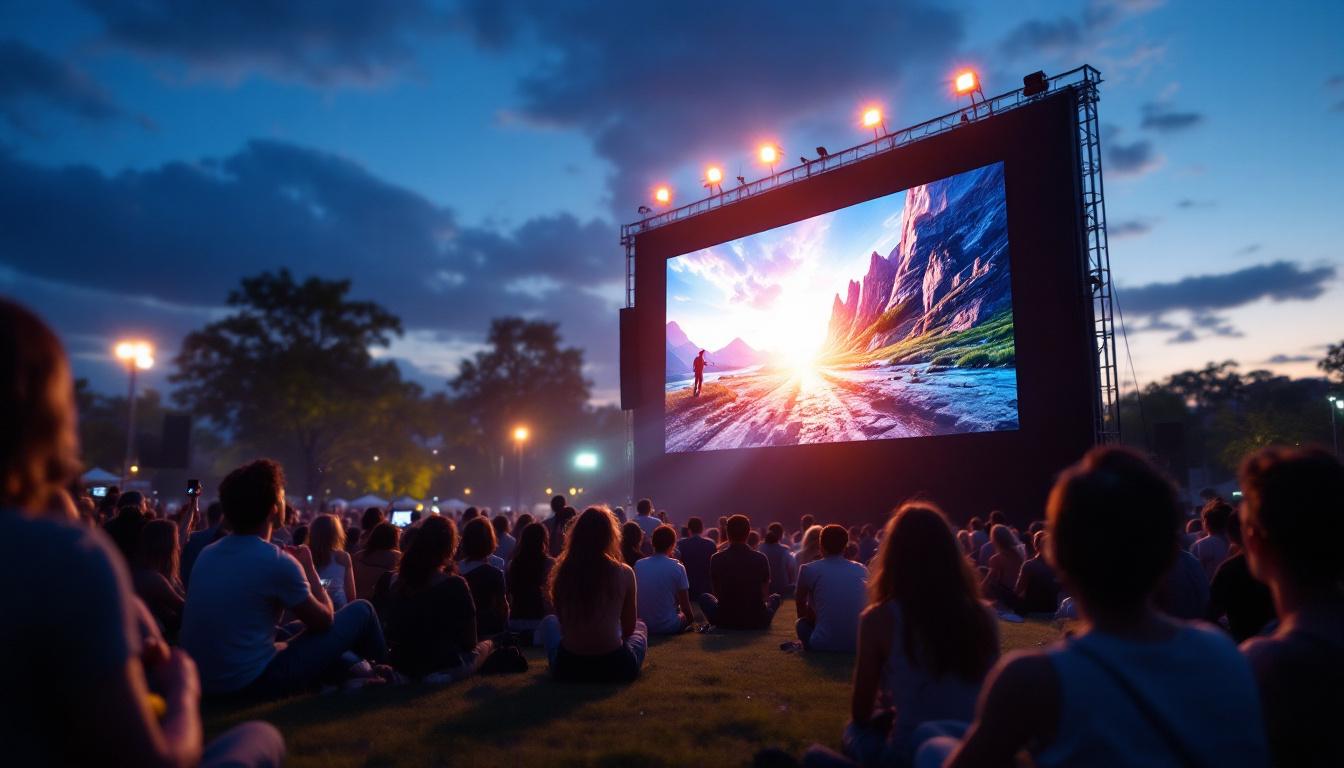
Stadiums and concert venues utilize large LED screens to enhance the spectator experience by displaying live footage, replays, and interactive content. Outdoor LED projectors are also used for drive-in theaters, open-air cinemas, and festivals, providing high-quality visuals that engage audiences.
Public Safety and Information Displays
Municipalities employ outdoor LED displays to communicate important information such as traffic updates, weather alerts, and emergency messages. Their reliability and visibility ensure that critical information reaches the public effectively.
Architectural and Artistic Installations
LED projectors enable creative lighting and projection mapping on buildings and landmarks, turning urban spaces into dynamic art installations. This technology allows artists and designers to create immersive experiences that captivate viewers and enhance cultural events.
Choosing the Right Outdoor LED Projector or Display
Selecting the appropriate outdoor LED technology requires careful consideration of several factors to ensure optimal performance and return on investment.
Brightness and Contrast Requirements
Assess the ambient lighting conditions where the display or projector will be used. Higher brightness levels are necessary for sunny environments, while lower brightness may suffice for shaded or nighttime use. Contrast ratios also impact image clarity and should be matched to the intended application.
Resolution and Pixel Pitch
Determine the typical viewing distance and desired image sharpness. For closer viewing, opt for displays with smaller pixel pitches and higher resolutions. For large-scale displays viewed from a distance, prioritize size and brightness over ultra-fine resolution.
Durability and Weatherproofing
Ensure that the equipment has adequate IP ratings and is constructed with materials suitable for the local climate. Consider additional protective features such as anti-glare coatings and temperature control systems if necessary.
Installation and Maintenance
Evaluate the ease of installation and accessibility for maintenance. Modular designs facilitate repairs and upgrades, while energy-efficient systems reduce operational costs over time.
Budget and Total Cost of Ownership
While initial costs can vary widely, factor in energy consumption, maintenance, and lifespan to estimate the total cost of ownership. Investing in higher-quality LED technology often results in better long-term value.
Future Trends in Outdoor LED Projection and Display Technology
The outdoor LED market continues to evolve rapidly, driven by advancements in materials, electronics, and software integration.
Mini-LED and Micro-LED Innovations
Emerging technologies like Mini-LED and Micro-LED promise even higher brightness, better color accuracy, and thinner, more flexible displays. These developments will expand the possibilities for outdoor installations, enabling more intricate designs and improved energy efficiency.
Integration with Smart Technologies
Smart LED displays equipped with sensors and connectivity can adapt content based on environmental conditions, audience demographics, or real-time data. This interactivity enhances user engagement and allows for dynamic advertising strategies.
Enhanced Projection Mapping Techniques
Advances in projection mapping software and hardware enable more precise and complex visual effects on irregular surfaces. This trend is transforming public art, marketing, and entertainment by creating immersive and interactive experiences.
Conclusion
Outdoor LED projectors and LED displays represent a powerful combination of technology, durability, and visual impact. Their ability to deliver bright, clear, and colorful images in challenging environments makes them indispensable tools across industries ranging from advertising to public safety and entertainment.
Understanding the underlying LED technology, key specifications, and practical considerations is essential for selecting the right solution tailored to specific needs. As innovations continue to emerge, the future of outdoor LED projection and display technology looks brighter than ever, promising more engaging and sustainable visual experiences worldwide.
Illuminate Your Space with LumenMatrix
Ready to elevate your outdoor visual experience? Look no further than LumenMatrix, a pioneer in LED display technology. Our comprehensive range of solutions, from dynamic Outdoor LED Wall Displays to immersive LED Sports Displays and beyond, is designed to captivate your audience and amplify your message. Embrace the future of visual communication with our innovative LED display modules. Check out LumenMatrix LED Display Solutions today and transform your space into a vibrant canvas of light and color.