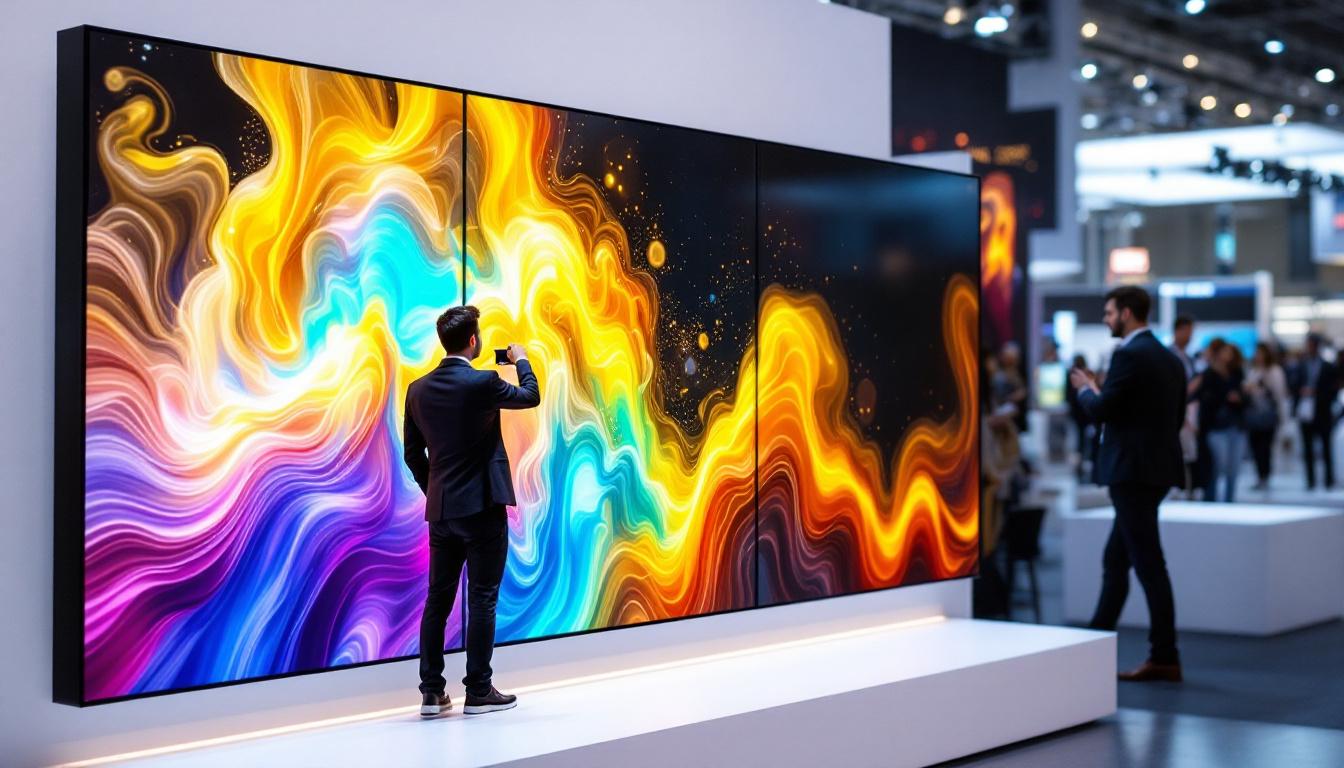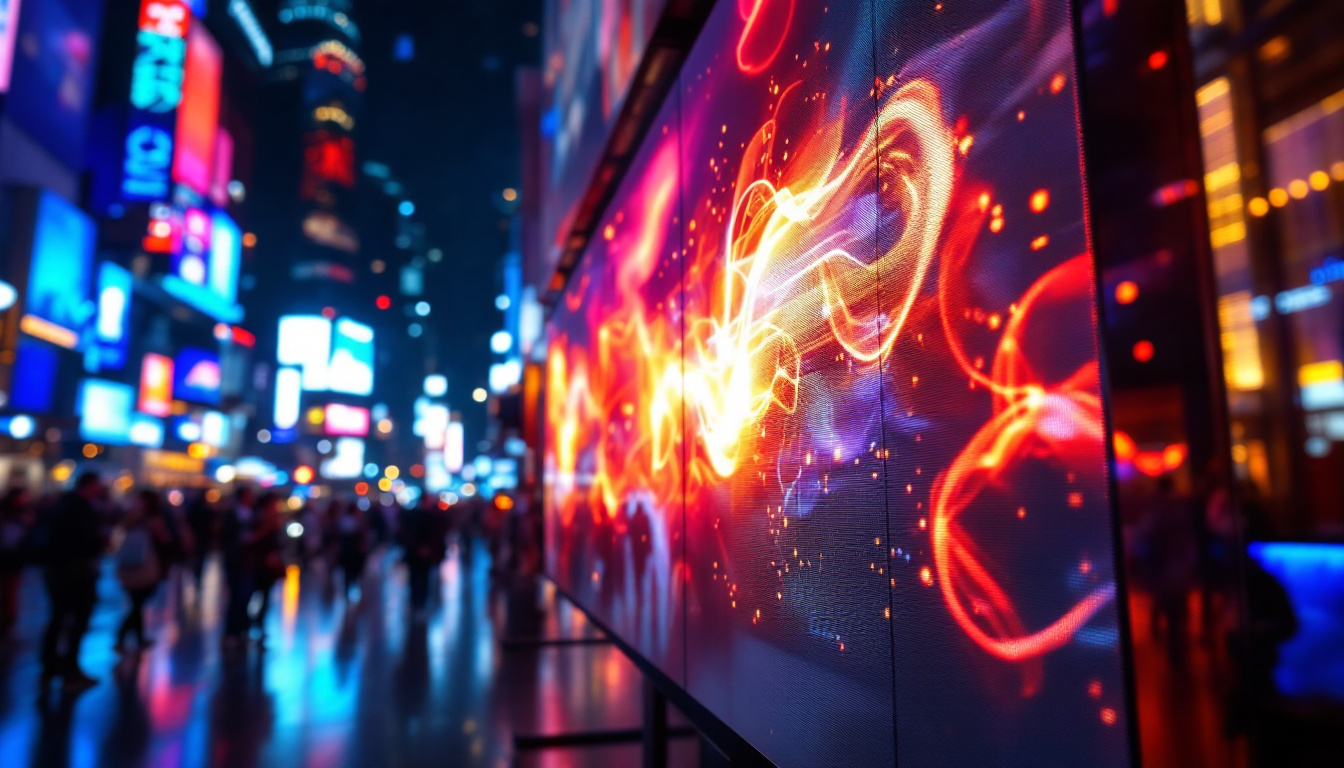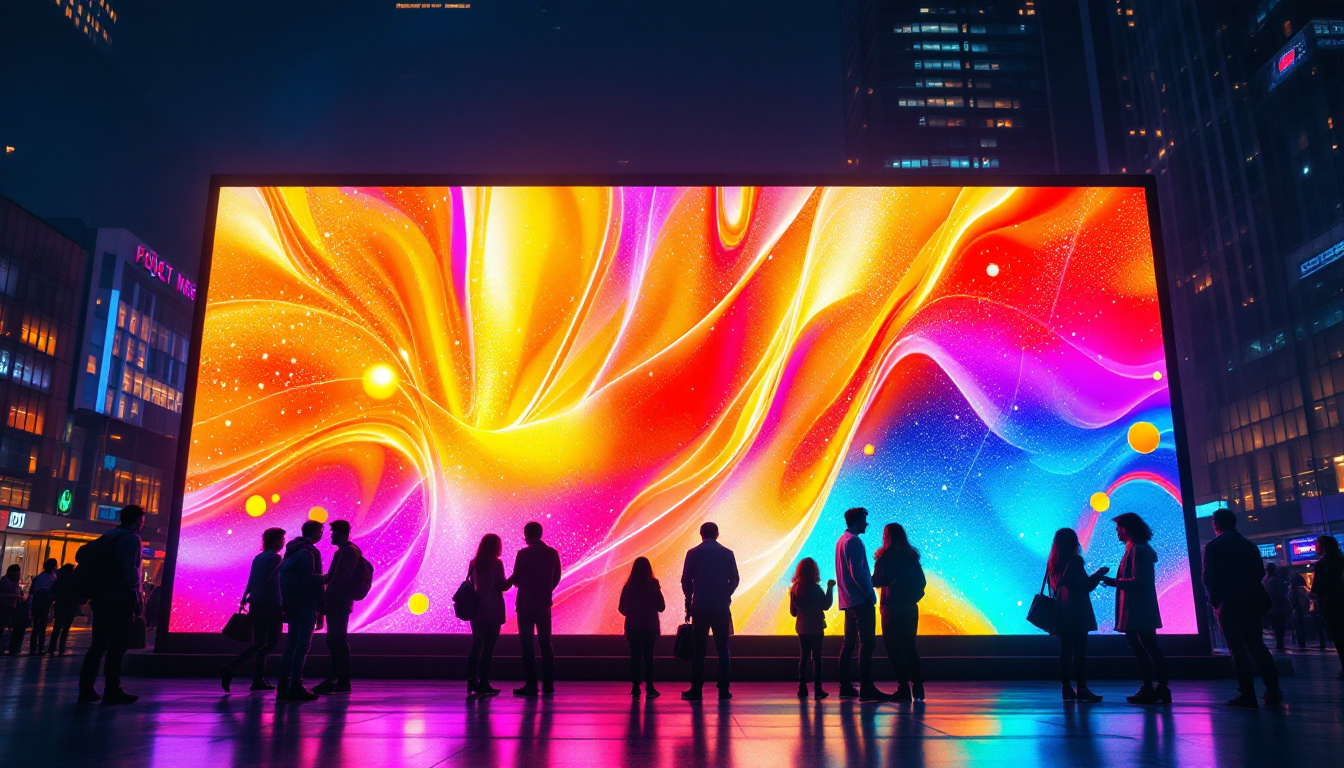
In an era where visual communication dominates the marketing landscape, outdoor LED signage has emerged as a powerful tool for businesses, public institutions, and advertisers alike. These vibrant, dynamic displays capture attention in ways traditional signage cannot, offering flexibility, brightness, and interactivity that transform the way messages are conveyed in outdoor environments. This article delves into the world of outdoor LED signage, explaining its technology, applications, benefits, and considerations for deployment.
Understanding Outdoor LED Signage Technology
What is an LED Display?
LED stands for Light Emitting Diode, a semiconductor device that emits light when an electric current passes through it. Outdoor LED signage consists of thousands of these tiny diodes arranged in a matrix to form pixels, which together create images, text, and videos. Unlike traditional static signs, LED displays can change content dynamically, allowing for real-time updates and engaging visual effects. This adaptability makes them ideal for a variety of applications, from advertising to public service announcements, as they can be programmed to display different messages at different times of the day or in response to specific events.
Outdoor LED displays are designed specifically to withstand environmental factors such as sunlight, rain, wind, and temperature fluctuations. They incorporate weatherproof casings, high-brightness LEDs, and cooling systems to ensure durability and consistent performance in varying conditions. Additionally, many modern LED displays are equipped with sensors that adjust brightness levels based on ambient light, ensuring optimal visibility while conserving energy. This not only enhances the display’s functionality but also contributes to sustainability efforts by reducing power consumption during low-light conditions.
Types of Outdoor LED Displays
Outdoor LED signage comes in several forms, each suited to different applications:
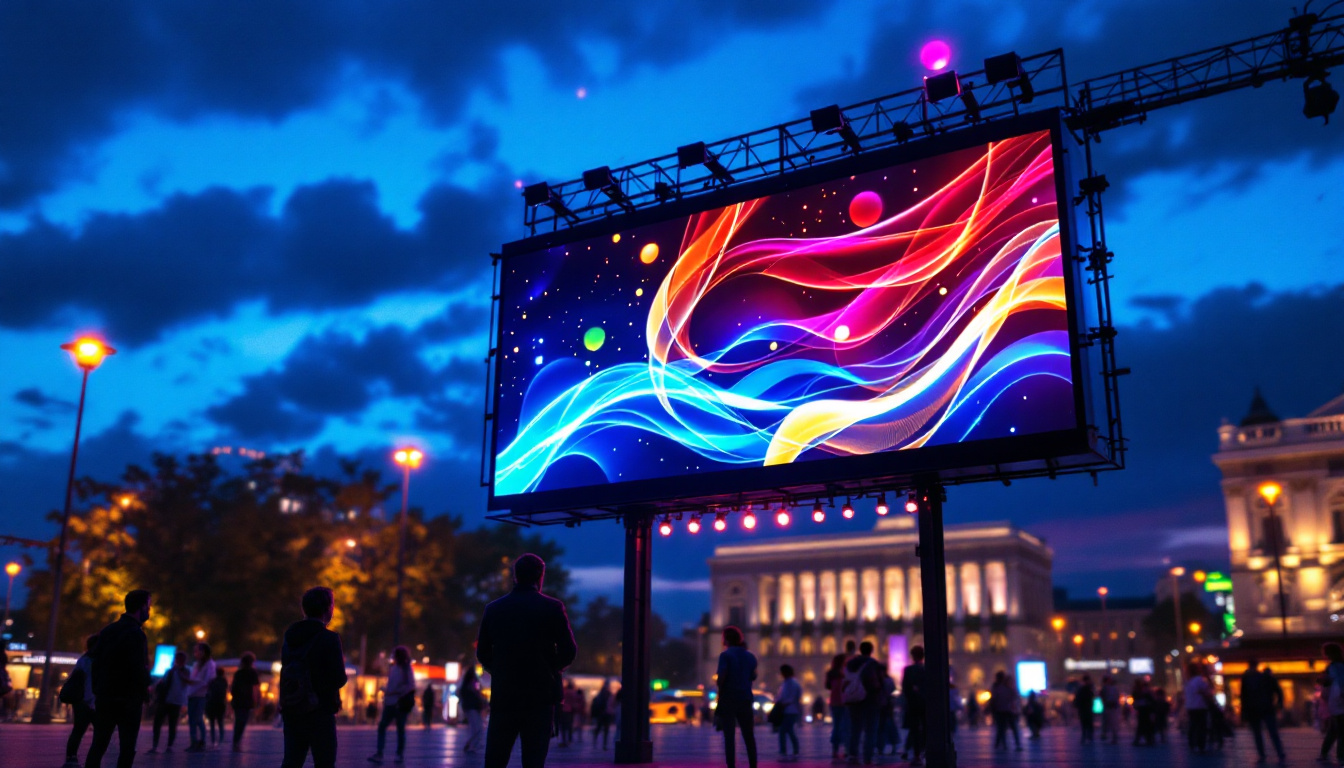
- Fixed LED Displays: These are permanently installed on building facades, billboards, or public spaces. They offer high resolution and brightness for long-term advertising or information dissemination. Fixed displays are often used in high-traffic areas, where their consistent visibility can capture the attention of passersby at all hours.
- Mobile LED Displays: Mounted on vehicles or trailers, these provide flexible advertising solutions for events, promotions, or mobile campaigns. Their portability allows businesses to reach diverse audiences across different locations, making them particularly effective for festivals, sports events, or community gatherings.
- Interactive LED Displays: Incorporating touch or motion sensors, these displays engage audiences directly, often used in retail or public installations. By allowing users to interact with the content, such displays can create memorable experiences, encourage customer participation, and even gather valuable data on consumer behavior.
Key Technical Specifications
When evaluating outdoor LED signage, several technical factors are critical:
- Pixel Pitch: The distance between the centers of two adjacent pixels, typically measured in millimeters. A smaller pixel pitch means higher resolution and sharper images, essential for close viewing distances. This is particularly important in urban environments where viewers may be closer to the display, ensuring clarity and detail in the visuals presented.
- Brightness: Outdoor LED displays require high brightness levels, often exceeding 5,000 nits, to remain visible under direct sunlight. This capability allows them to stand out in bright environments, making them effective tools for advertising and information sharing in busy public spaces.
- Refresh Rate: The number of times per second the display updates its image. Higher refresh rates reduce flicker and improve video quality, especially for camera recording or live broadcasts. This feature is crucial for applications such as live sports events or concerts, where dynamic content is displayed.
- Viewing Angle: The horizontal and vertical angles at which the display remains clearly visible. Wider viewing angles ensure the message reaches a broader audience. This is particularly beneficial in crowded areas, where viewers may be approaching from various directions.
Moreover, the integration of advanced technologies such as artificial intelligence and machine learning into outdoor LED signage is revolutionizing the way content is delivered. These technologies can analyze foot traffic patterns and demographic data to tailor messages that resonate with specific audiences at particular times. This level of customization not only enhances the effectiveness of advertising campaigns but also fosters a deeper connection between brands and consumers, ultimately driving engagement and sales.
As the demand for innovative advertising solutions continues to grow, outdoor LED signage is evolving to include features like augmented reality (AR) capabilities. By blending digital content with the physical world, AR-enhanced displays can create immersive experiences that captivate viewers and encourage interaction. This trend is particularly appealing to marketers looking to differentiate their campaigns in a crowded marketplace, as it allows for unique storytelling opportunities that can leave a lasting impression on audiences.
Applications of Outdoor LED Signage
Advertising and Marketing
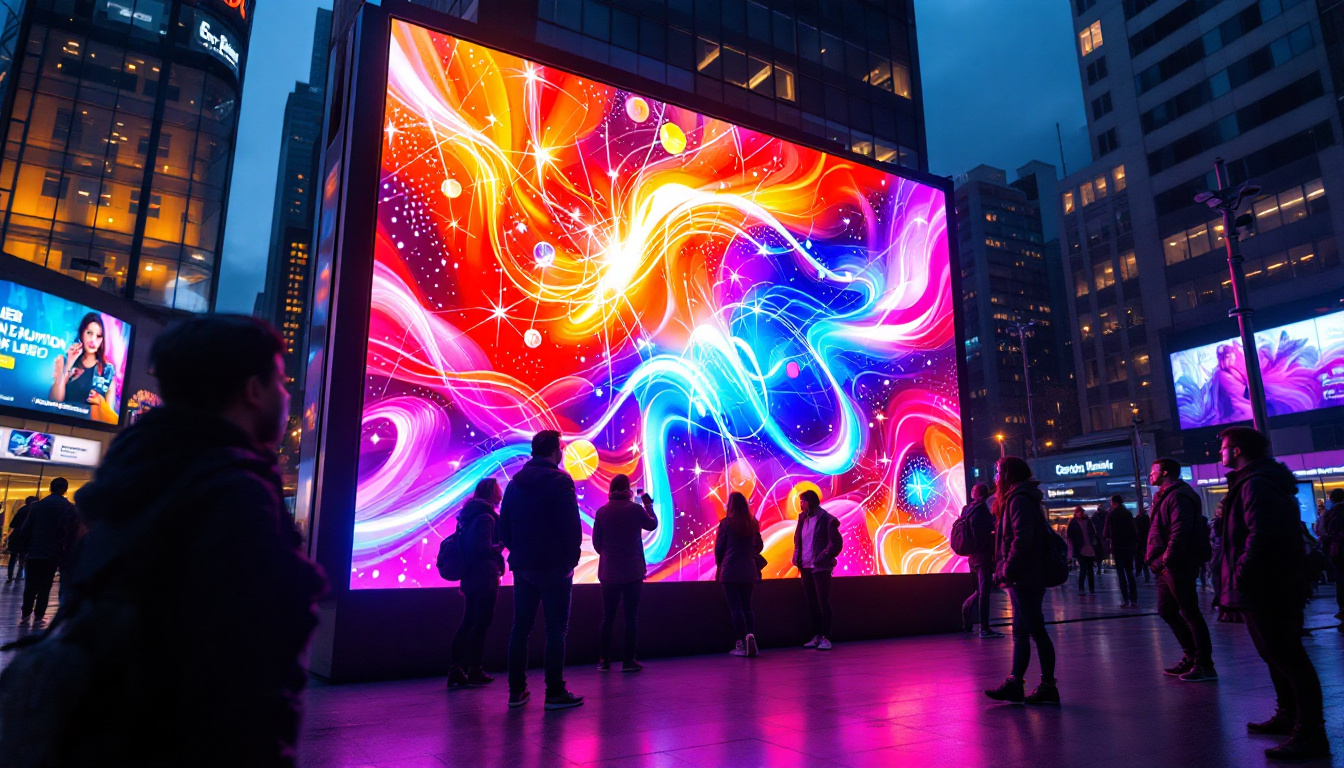
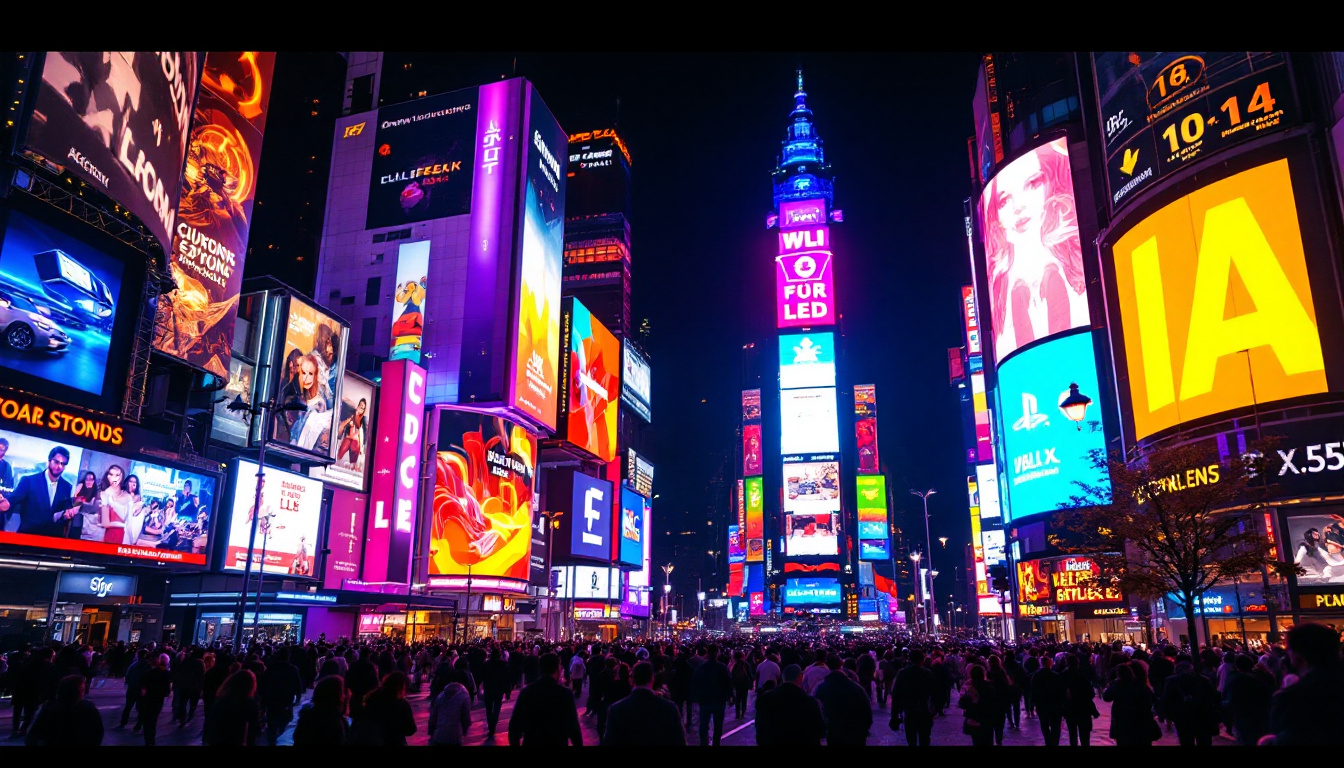
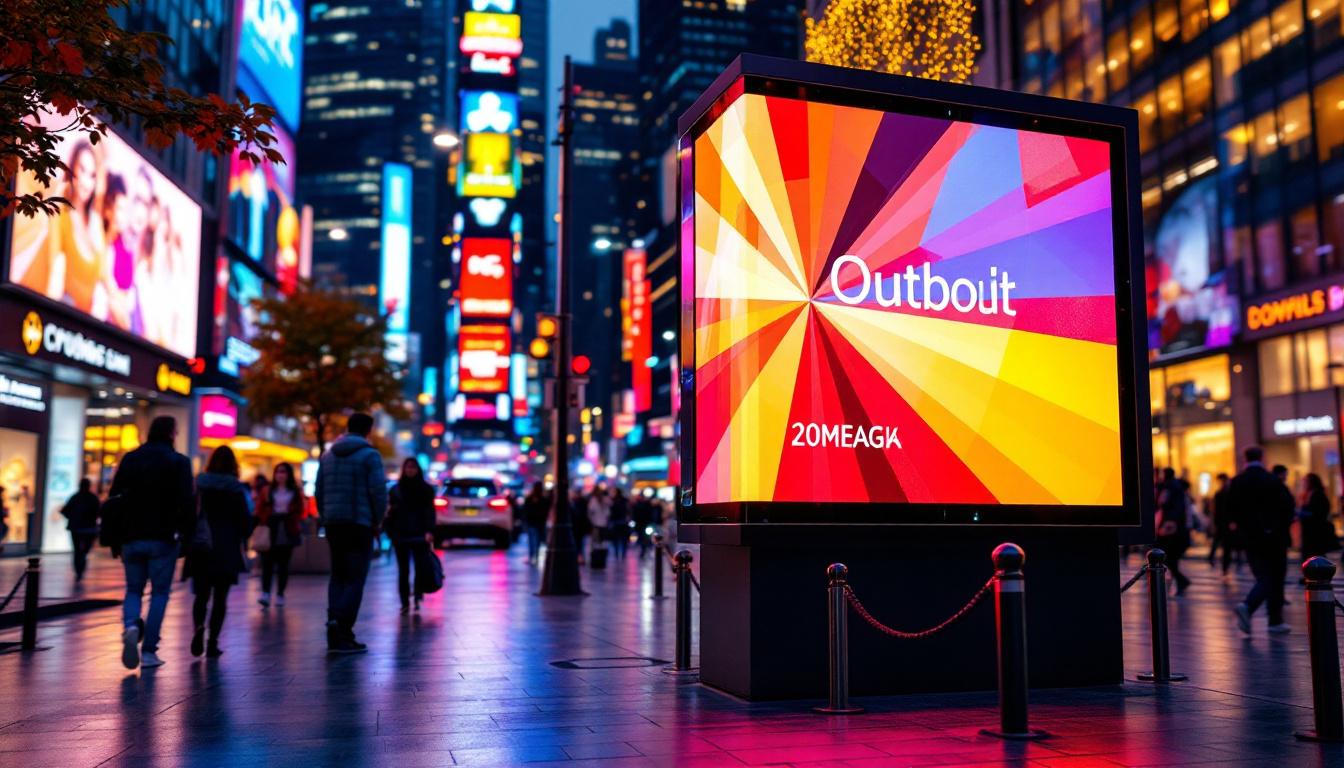
Outdoor LED signage is revolutionizing advertising by enabling brands to deliver eye-catching, dynamic content in high-traffic areas. From Times Square in New York to Shibuya Crossing in Tokyo, LED billboards dominate urban landscapes, showcasing everything from product launches to event promotions.
According to a report by Grand View Research, the global digital signage market is expected to reach $31.71 billion by 2028, growing at a compound annual growth rate (CAGR) of 7.5%. Outdoor LED signage plays a significant role in this growth, driven by its effectiveness in capturing consumer attention and delivering targeted messaging. The versatility of LED displays allows for the integration of real-time data, such as social media feeds or live news updates, making advertisements not just static images but dynamic interactions that resonate with viewers. This adaptability is particularly beneficial for brands looking to engage younger audiences who are increasingly drawn to interactive and visually stimulating content.
Public Information and Safety
Governments and municipalities use outdoor LED displays to communicate critical information such as traffic updates, weather alerts, and emergency notifications. The ability to update content instantly ensures timely dissemination of important messages, enhancing public safety and awareness. In addition to routine updates, these displays can also serve as vital communication tools during crises, such as natural disasters or public health emergencies, providing real-time guidance and instructions to the public. For instance, during severe weather events, LED signage can direct citizens to safe zones or provide evacuation routes, showcasing the technology’s potential to save lives.
Events and Entertainment
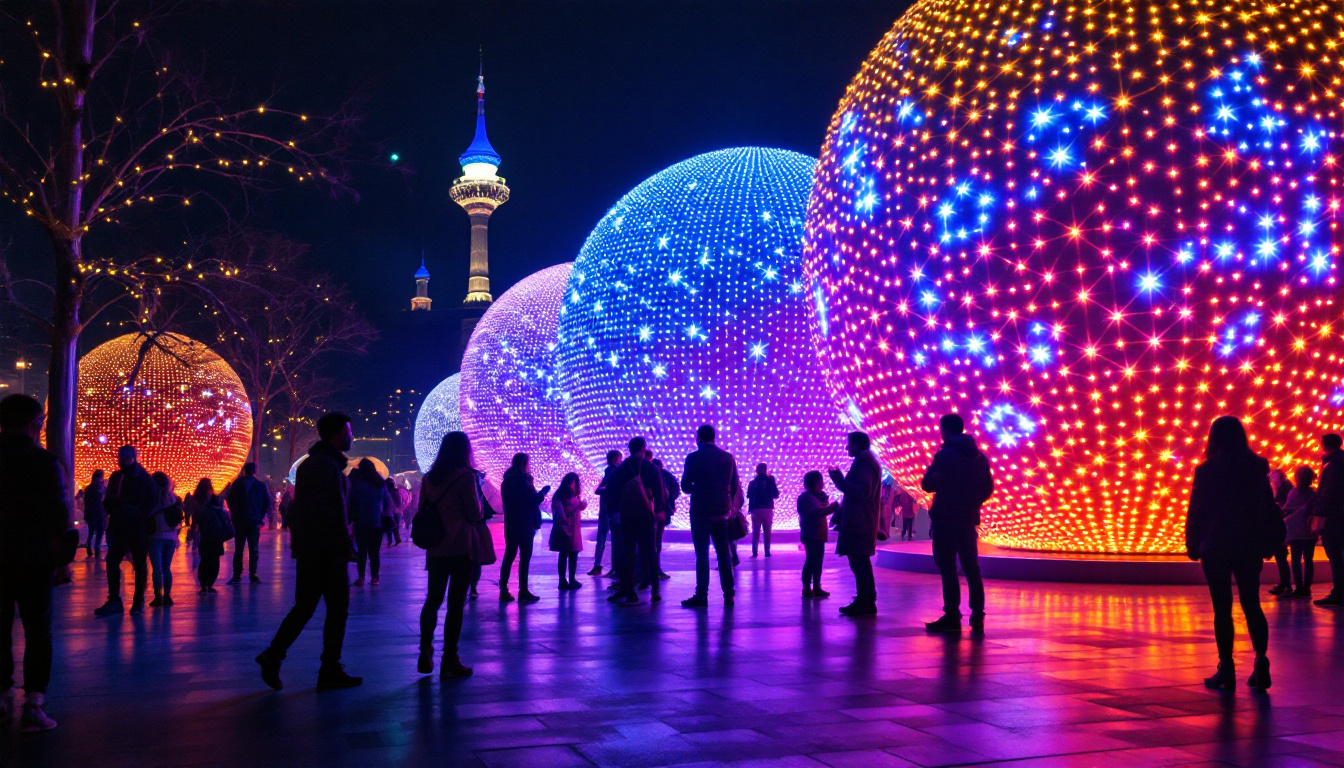
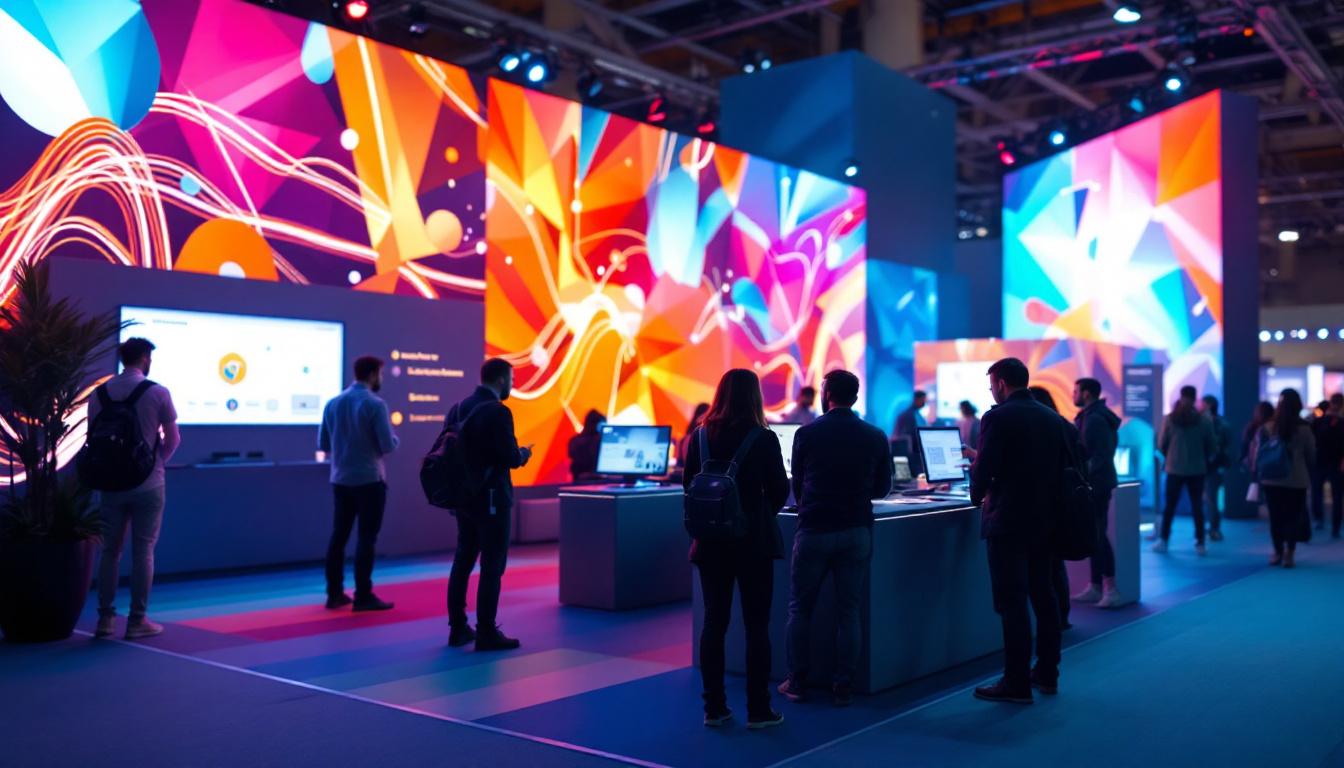
Concerts, sports arenas, festivals, and exhibitions increasingly rely on outdoor LED signage for live video feeds, schedules, and interactive experiences. These displays enhance audience engagement and create immersive environments that elevate event experiences. Beyond mere information dissemination, LED screens can facilitate audience participation through live polling or social media interactions, creating a sense of community among attendees. For example, at large music festivals, LED screens can display fan-generated content, such as tweets or Instagram posts, in real-time, fostering a vibrant atmosphere where attendees feel connected not only to the event but also to each other. Moreover, the use of high-definition visuals allows for stunning graphics and animations that can transform a mundane event into a spectacular visual feast, leaving lasting impressions on all who attend.
Benefits of Outdoor LED Signage
High Visibility and Impact
One of the most significant advantages of outdoor LED signage is its superior visibility. High brightness levels ensure that messages remain clear and vibrant even in direct sunlight, while vivid colors and motion attract attention more effectively than static signs.
Flexibility and Real-Time Updates
Unlike traditional signage, LED displays allow for instant content changes without the need for physical replacements. This flexibility enables businesses to tailor messages based on time of day, audience demographics, or current promotions, maximizing marketing effectiveness.
Energy Efficiency and Longevity
Modern LED technology is energy-efficient compared to older lighting methods such as neon or incandescent bulbs. LEDs consume less power and have longer lifespans, reducing operational costs and environmental impact over time.
Cost-Effectiveness Over Time
While the initial investment for outdoor LED signage can be higher than traditional signs, the ability to update content digitally, combined with lower maintenance costs, often results in a better return on investment (ROI) in the long run.
Considerations When Choosing Outdoor LED Signage
Location and Viewing Distance
The intended location and typical viewing distance are crucial factors in selecting the right LED display. For example, a billboard viewed from a highway requires a larger pixel pitch and higher brightness than a sign intended for pedestrian traffic.
Weather and Environmental Conditions
Outdoor LED signage must be rated for specific environmental conditions. IP (Ingress Protection) ratings indicate the level of protection against dust and water. For outdoor use, an IP65 rating or higher is generally recommended to ensure durability.
Content Management Systems (CMS)
A robust CMS allows users to schedule, update, and monitor content remotely. When selecting an LED display, consider the ease of use, compatibility with various media formats, and support for real-time data integration.
Regulatory Compliance
Many municipalities have regulations governing the brightness, size, and placement of outdoor digital signage to prevent light pollution and distractions to drivers. It’s essential to consult local laws and obtain necessary permits before installation.
Future Trends in Outdoor LED Signage
Integration with Smart Technologies
Emerging trends include integrating LED signage with IoT (Internet of Things) devices and AI-driven analytics. This allows for personalized advertising based on real-time data such as weather, traffic flow, or audience demographics, enhancing engagement and effectiveness.
Advancements in LED Materials
Research into micro-LED and mini-LED technologies promises even higher resolution, improved energy efficiency, and thinner, more flexible displays. These innovations will expand the possibilities for outdoor signage design and application.
Sustainability and Eco-Friendly Solutions
As environmental concerns grow, manufacturers are focusing on recyclable materials, reduced energy consumption, and longer-lasting components to minimize the ecological footprint of outdoor LED signage.
Conclusion
Outdoor LED signage represents a dynamic fusion of technology, creativity, and communication. Its ability to deliver bright, engaging, and flexible content in challenging outdoor environments makes it an indispensable tool for modern marketing, public information, and entertainment. By understanding the technology, applications, and key considerations, businesses and organizations can leverage LED displays to maximize impact and connect more effectively with their audiences.
As the technology continues to evolve, outdoor LED signage will become even more versatile, intelligent, and sustainable, shaping the future of visual communication in public spaces worldwide.
Illuminate Your Message with LumenMatrix
Ready to elevate your outdoor advertising and captivate your audience like never before? Discover LumenMatrix’s innovative LED display solutions, where cutting-edge technology meets creative design. From bustling city centers to action-packed sports arenas, our range of Indoor and Outdoor LED Wall Displays, Vehicle LED Displays, and more, are tailored to make your brand shine. Embrace the future of visual communication with displays that not only grab attention but create immersive experiences. Check out LumenMatrix LED Display Solutions today and transform your message into a visual spectacle.