Outdoor TV Display: LED Display Explained
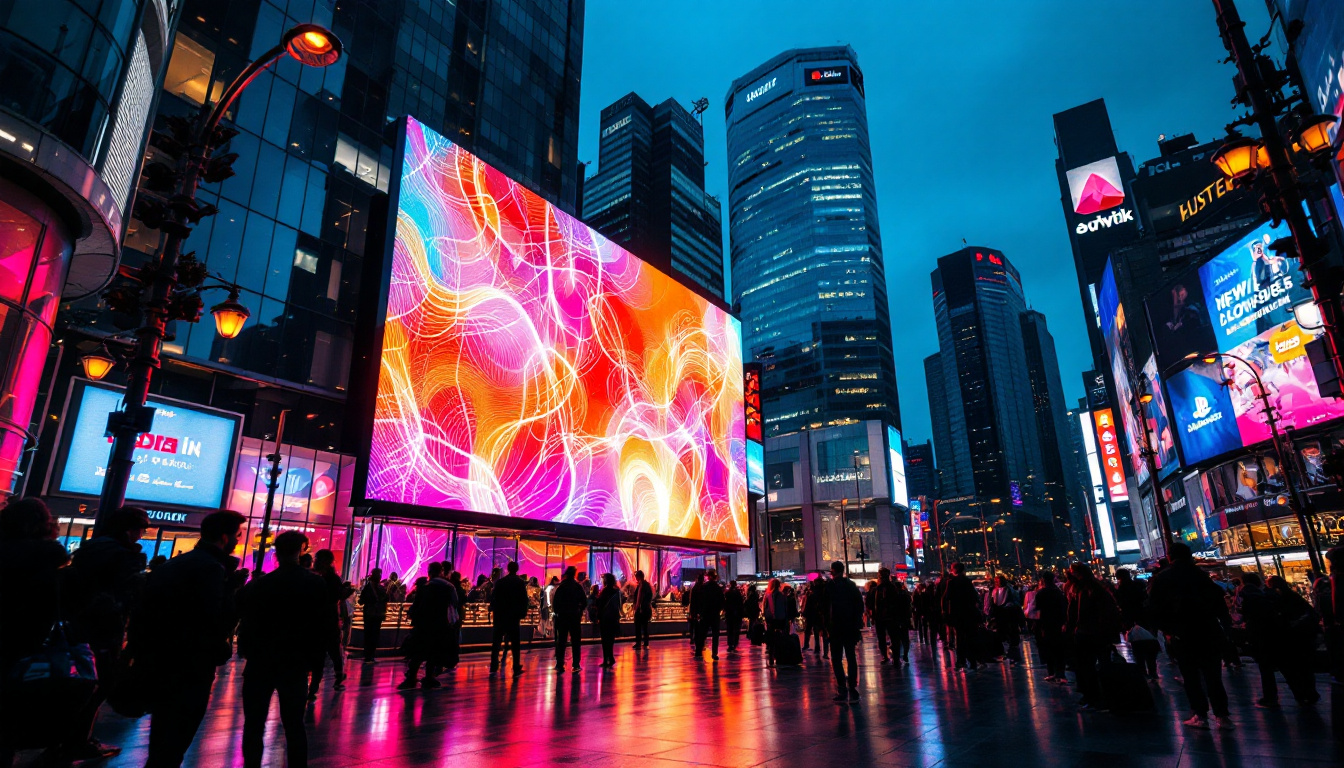
In the world of digital signage and outdoor entertainment, LED displays have revolutionized how information and media are presented in open-air environments. From bustling city squares to sports arenas and commercial billboards, outdoor LED displays offer vibrant visuals that captivate audiences regardless of the weather or lighting conditions. This article provides a comprehensive explanation of outdoor TV displays with a focus on LED technology, exploring their design, advantages, applications, and considerations for choosing the right display.
Understanding Outdoor LED Displays
What Is an Outdoor LED Display?
Outdoor LED displays are large-format screens composed of light-emitting diodes (LEDs) designed to operate in external environments. Unlike traditional LCD or plasma screens, LED displays use individual diodes as pixels, which can emit their own light. This self-illumination enables these screens to produce bright, high-contrast images that remain visible even in direct sunlight.
These displays are engineered to withstand environmental challenges such as rain, dust, extreme temperatures, and UV exposure. Their robust construction and weatherproofing make them ideal for outdoor use, where durability and consistent performance are critical. Additionally, many outdoor LED displays incorporate advanced thermal management systems to dissipate heat effectively, ensuring optimal performance even during hot summer days. This resilience not only extends the lifespan of the displays but also reduces maintenance costs, making them a cost-effective solution for businesses and organizations.
How Do LED Displays Work?
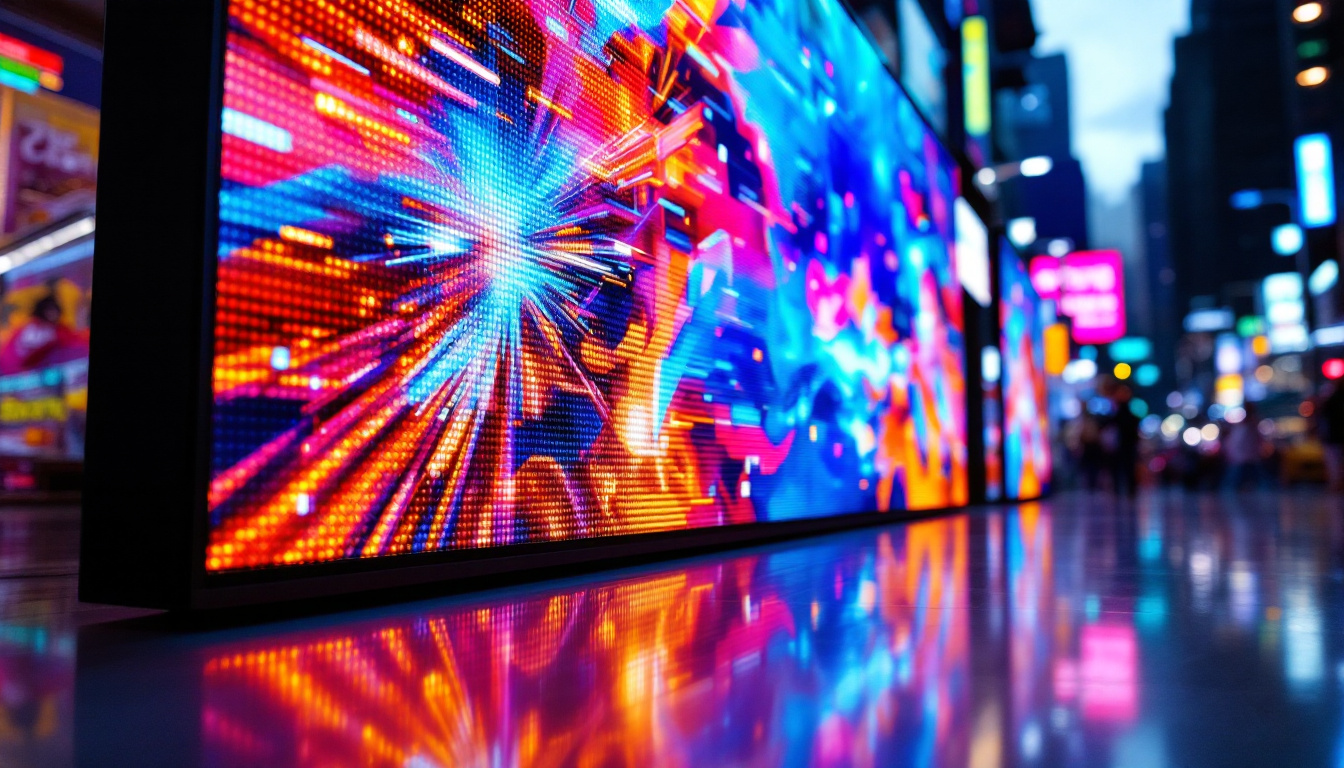
Each LED pixel in the display consists of red, green, and blue diodes that combine to create a full spectrum of colors. By adjusting the brightness of each diode, the display can render images, videos, and text with remarkable clarity and vibrancy. This capability allows for dynamic content that can be updated in real-time, making outdoor LED displays a powerful tool for advertising, information dissemination, and entertainment.
The resolution and image quality depend on the pixel pitch—the distance between the centers of adjacent pixels. Outdoor LED displays typically have larger pixel pitches than indoor displays, allowing for greater visibility from longer distances. For example, a pixel pitch of 10mm means the pixels are spaced 10 millimeters apart, which is suitable for viewing from several meters away. The choice of pixel pitch is crucial; a smaller pitch provides higher resolution and detail, ideal for closer viewing, while a larger pitch is more effective for signage viewed from afar. Furthermore, advancements in technology have led to the development of high-definition outdoor displays, which combine smaller pixel pitches with enhanced brightness and color accuracy, making them increasingly popular in urban environments and at large events.
Key Advantages of Outdoor LED Displays
Brightness and Visibility
One of the most significant advantages of LED displays is their superior brightness. Outdoor LED screens can achieve brightness levels exceeding 5,000 nits, making them easily visible in direct sunlight. This contrasts sharply with LCD screens, which often struggle with glare and washed-out images outdoors.
High brightness ensures that content remains clear and engaging throughout the day, regardless of the sun’s position or weather conditions. This feature is crucial for advertising, public information, and live event broadcasting where visibility directly impacts effectiveness. Moreover, the ability to adjust brightness settings dynamically allows for optimal viewing experiences during both day and night, ensuring that the display can adapt to changing lighting conditions and maintain its impact at all times.
Furthermore, the vibrant colors produced by LED technology enhance the visual appeal of the content displayed. This capability is particularly beneficial for businesses aiming to attract attention in crowded environments, as the vivid imagery can captivate passersby and draw them in. The combination of brightness and color fidelity makes outdoor LED displays a powerful tool for marketing and communication strategies.
Durability and Weather Resistance
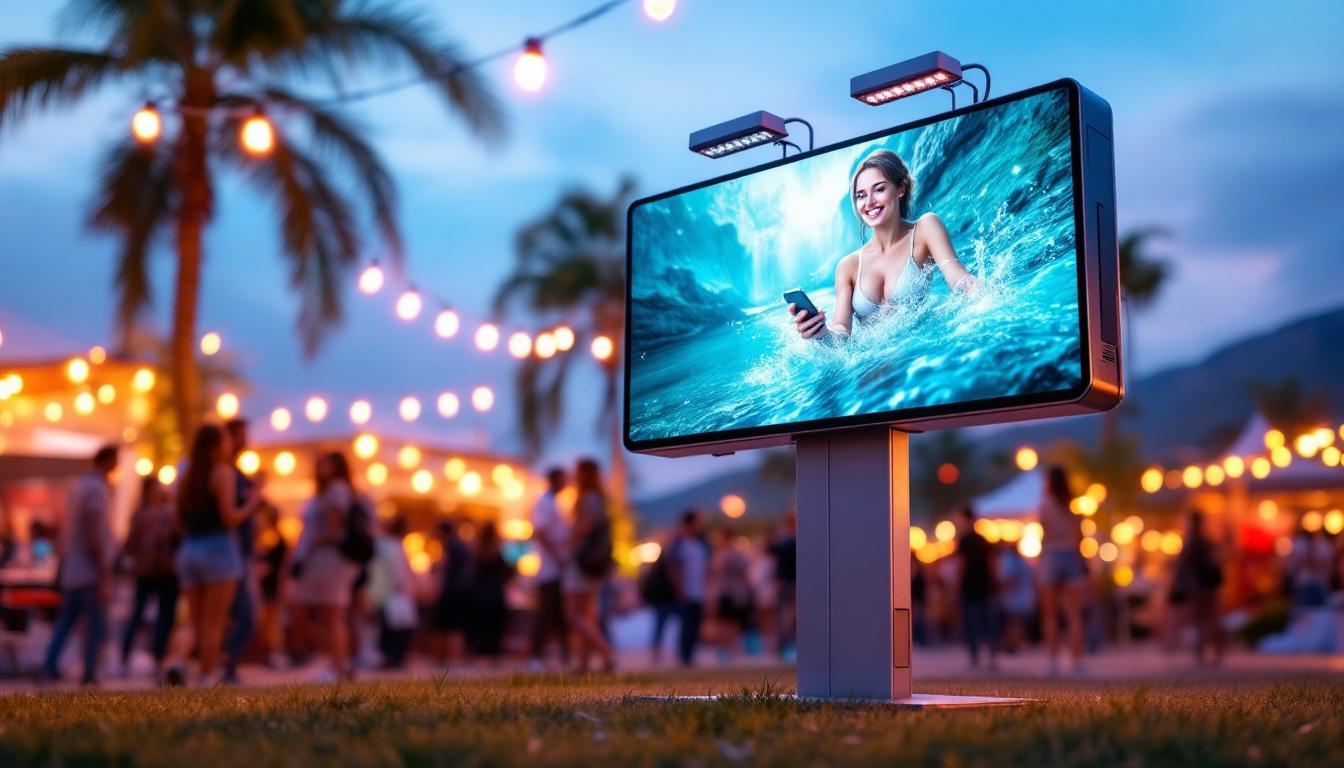
Outdoor LED displays are constructed with materials and designs that protect against moisture, dust, and temperature fluctuations. Many displays come with an IP65 or higher rating, indicating they are dust-tight and protected against water jets.
Additionally, LED modules are often equipped with temperature control systems such as fans or heat sinks to maintain optimal operating conditions. This durability means that outdoor LED displays can function reliably for years with minimal maintenance. The robust construction also allows these displays to withstand harsh weather conditions, including heavy rain, snow, and extreme heat, ensuring continuous operation without significant downtime.
Moreover, many manufacturers incorporate anti-vandalism features into their designs, such as shatterproof glass and reinforced frames. This added layer of protection is essential for displays installed in high-traffic areas or locations prone to vandalism, ensuring that the investment remains secure and functional over time. With such resilience, outdoor LED displays not only serve their purpose effectively but also stand as a testament to modern engineering and design.
Energy Efficiency and Longevity
Compared to other display technologies, LEDs consume less power while delivering brighter images. This energy efficiency translates into lower operating costs, especially for large-scale installations that run continuously.
LEDs also have a long lifespan, often rated between 50,000 to 100,000 hours of operation. This longevity reduces the need for frequent replacements, making LED displays a cost-effective solution over time. Additionally, many outdoor LED displays are designed with energy-saving features, such as automatic brightness adjustment based on ambient light, further enhancing their efficiency.
As sustainability becomes increasingly important in today’s world, the energy-efficient nature of LED technology aligns well with eco-friendly initiatives. Businesses can promote their commitment to sustainability by opting for LED displays, which not only lower energy consumption but also contribute to reduced carbon footprints. This aspect makes outdoor LED displays not only a smart financial choice but also a responsible one, appealing to environmentally conscious consumers and organizations alike.
Applications of Outdoor LED Displays
Advertising and Digital Billboards
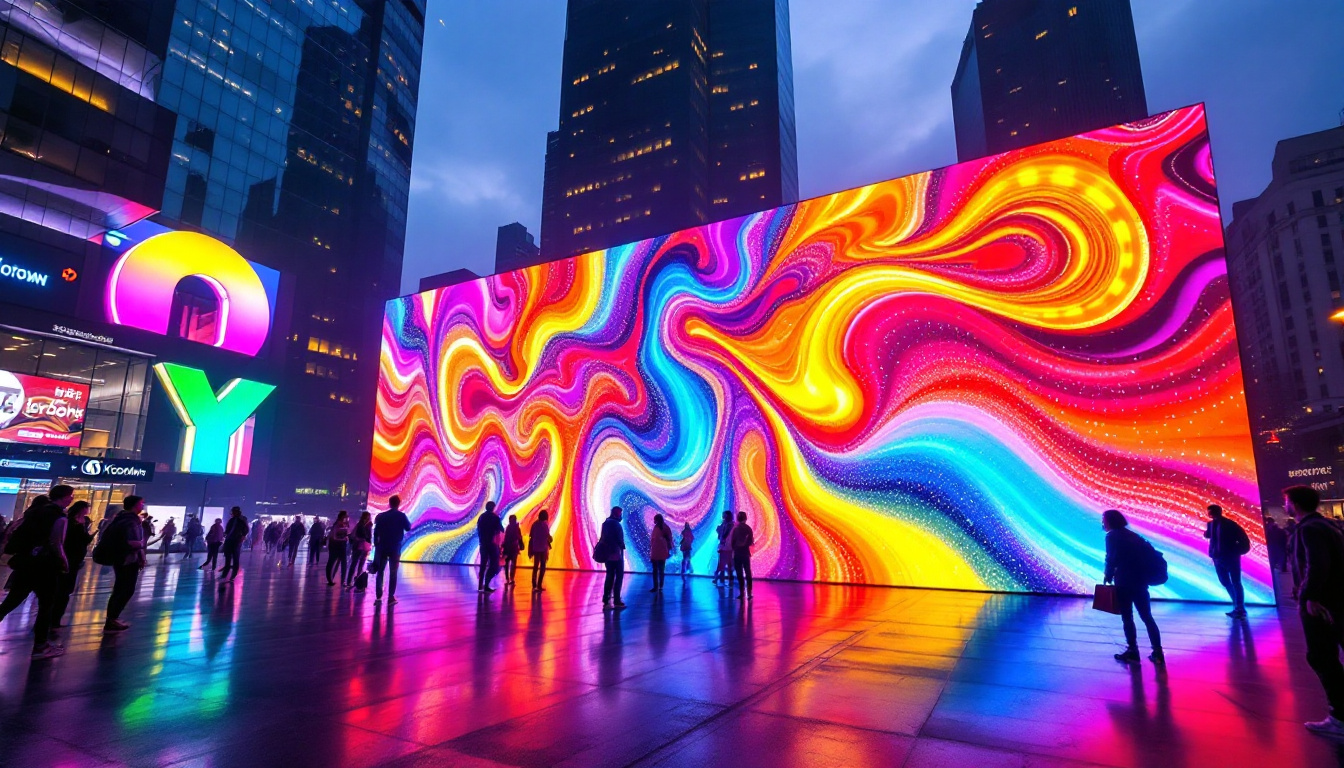
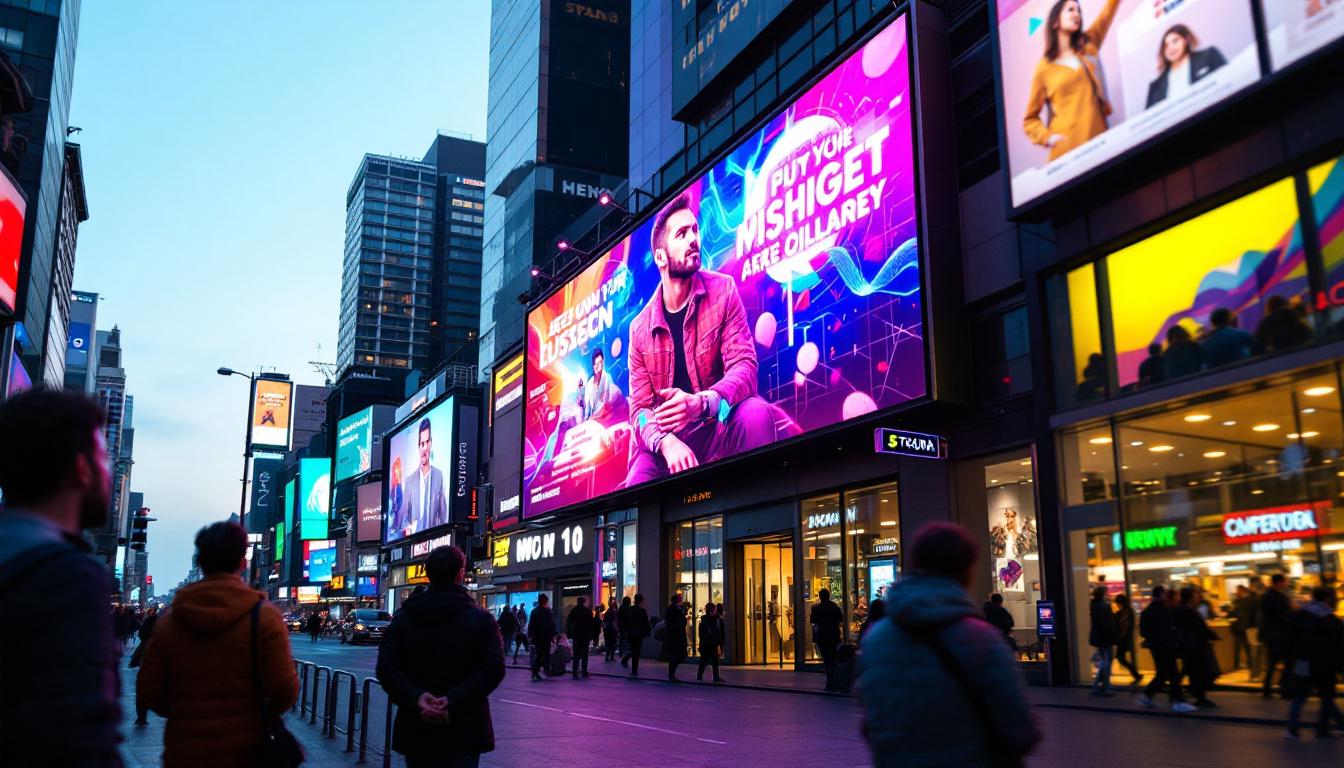
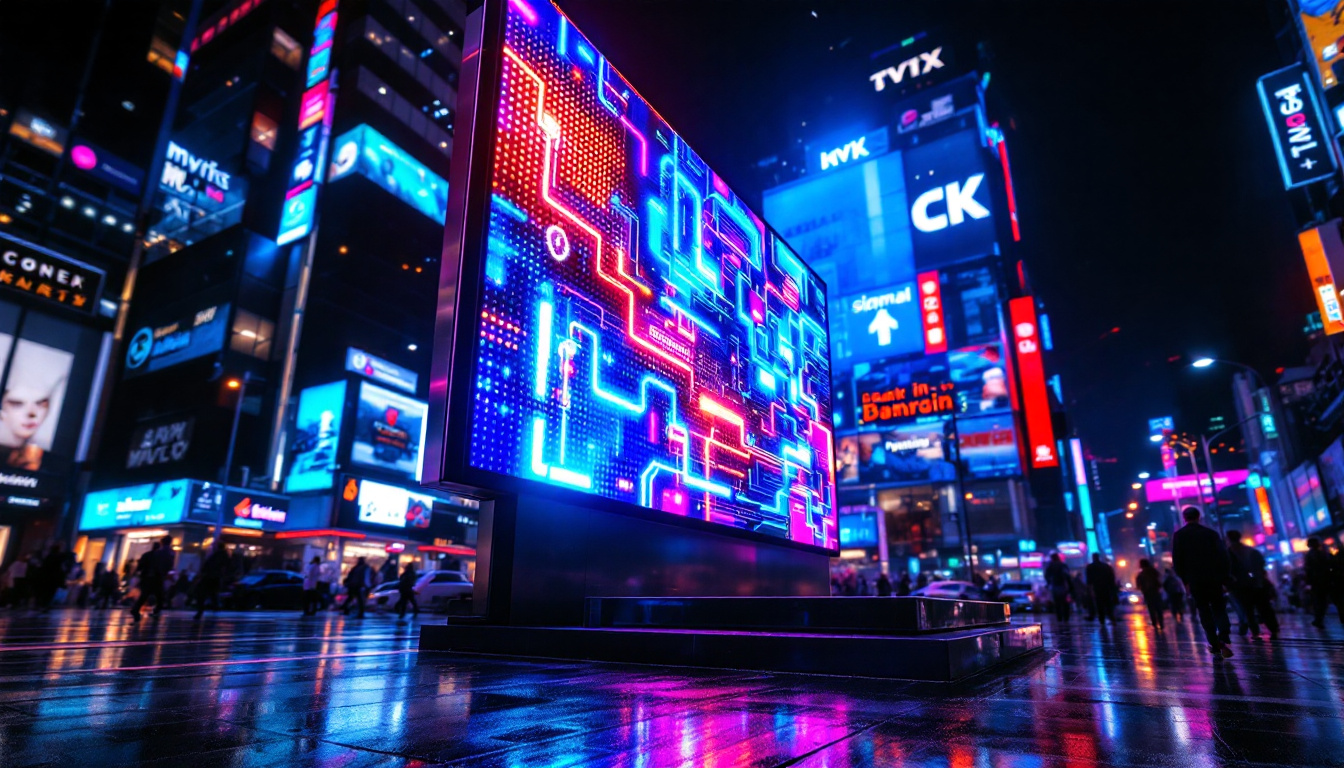
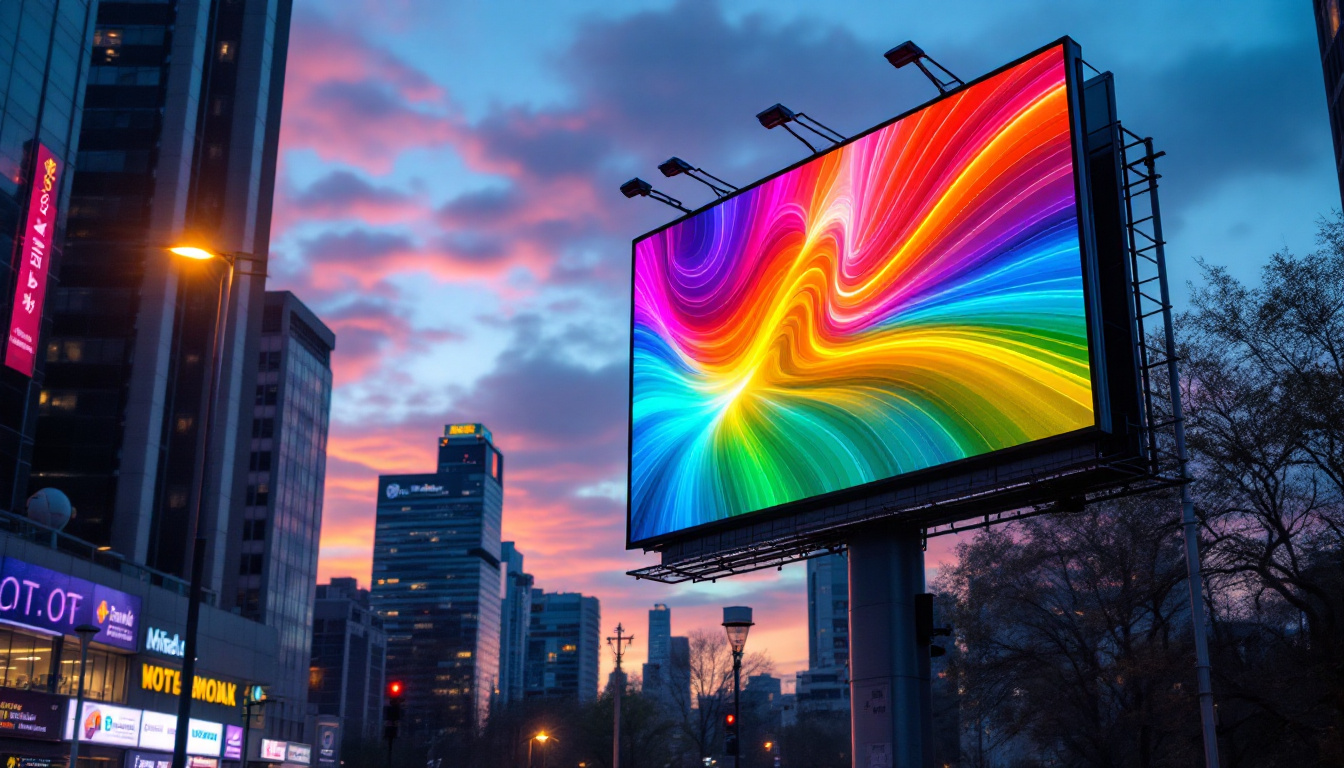
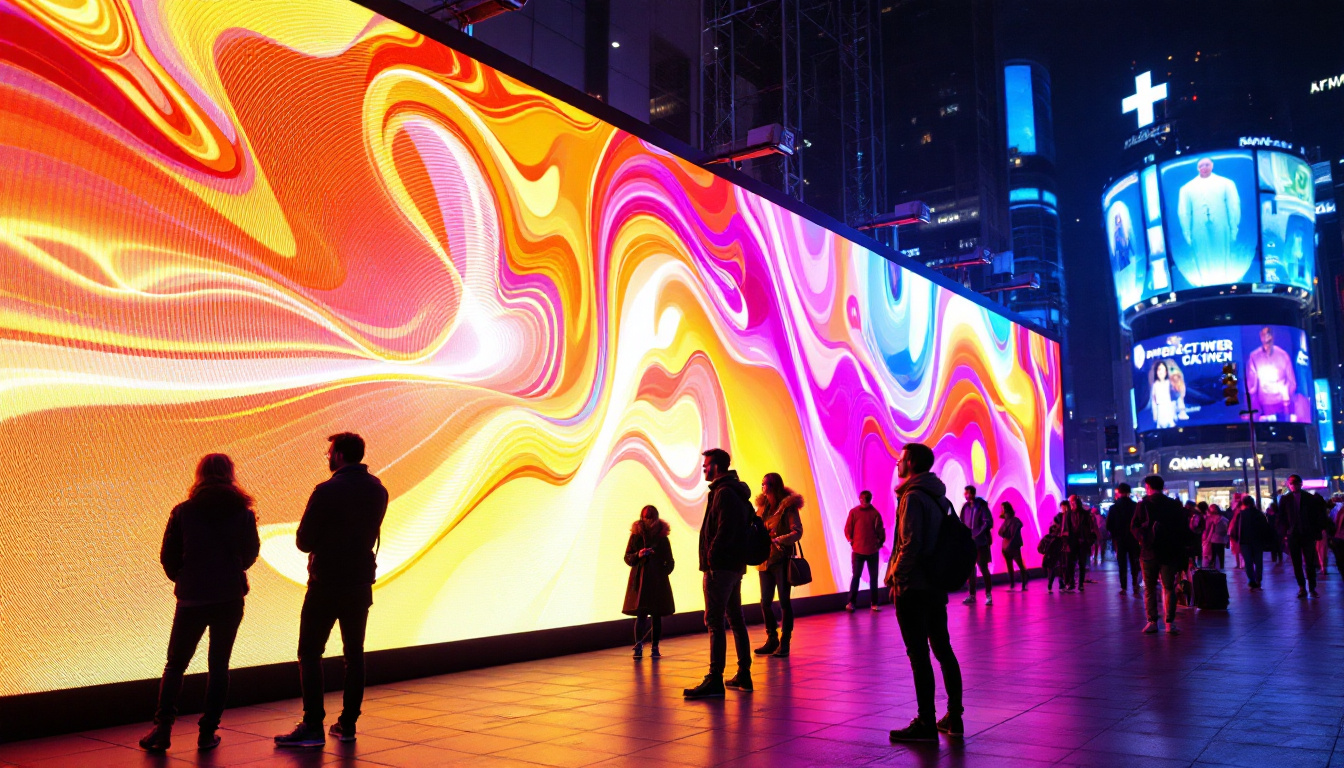
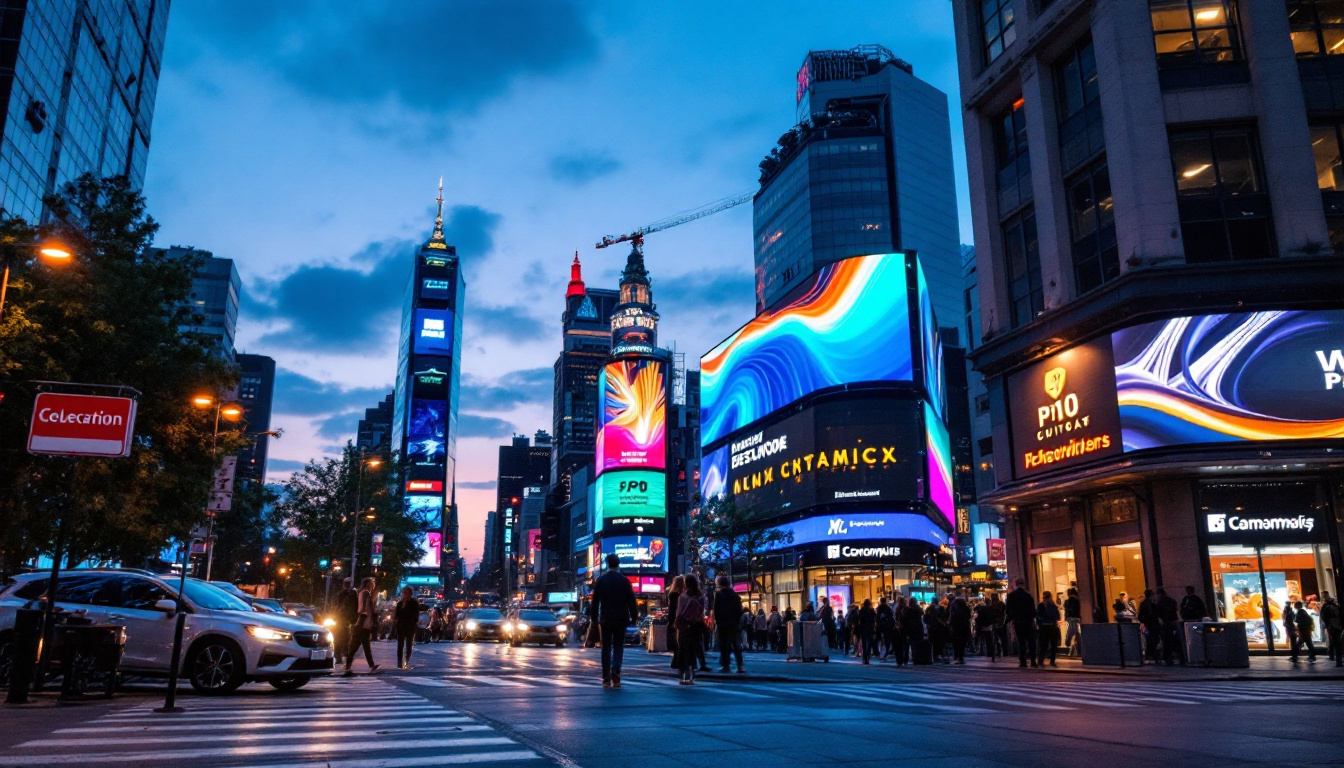
Outdoor LED displays have become the backbone of modern advertising. Digital billboards leverage LED technology to deliver dynamic, eye-catching advertisements that can be updated remotely in real-time. This flexibility allows businesses to tailor messages based on time of day, audience demographics, or special events.
According to recent industry reports, digital out-of-home advertising using LED displays has grown by over 15% annually, reflecting the increasing demand for engaging and adaptable marketing platforms.
Sports and Entertainment Venues
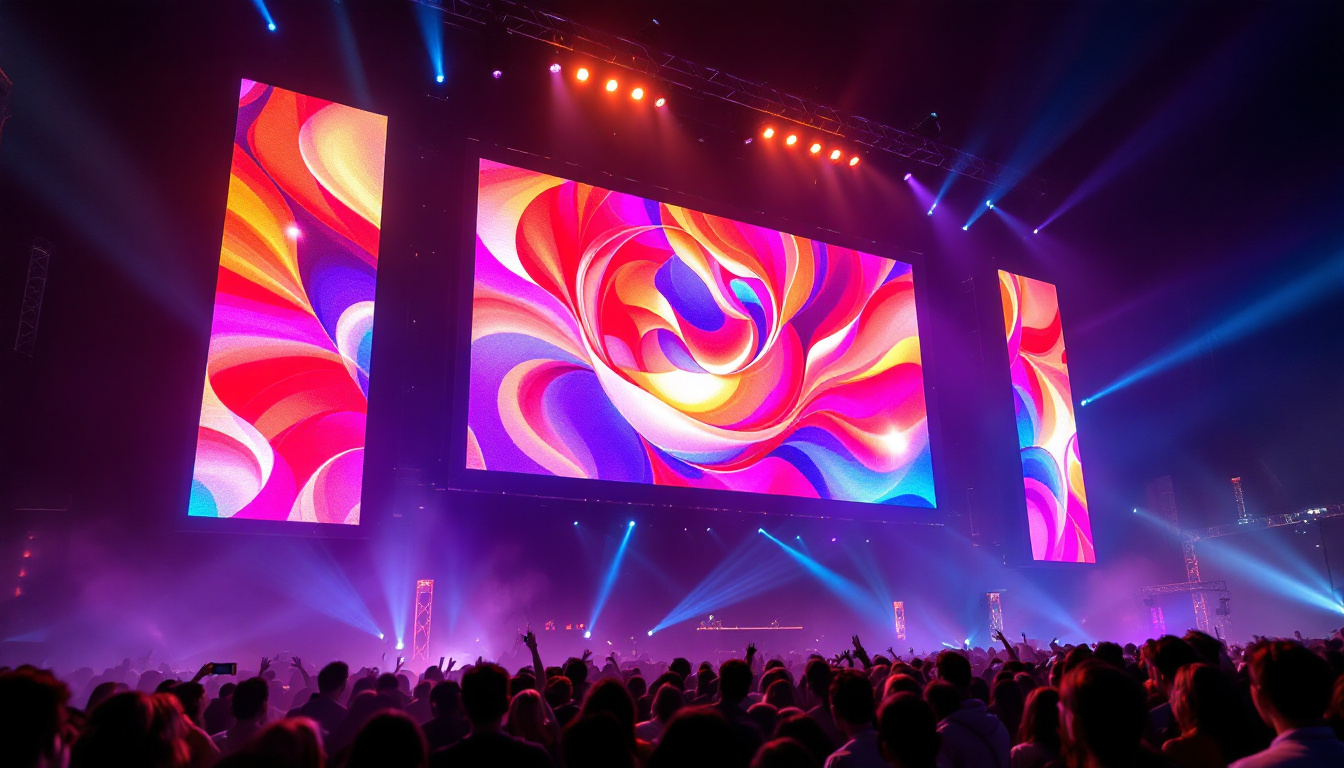
Stadiums and arenas utilize large outdoor LED screens to enhance the spectator experience. These displays show live game footage, replays, scores, and interactive content, ensuring fans stay connected with the action regardless of their seating location.
For example, the AT&T Stadium in Texas features a massive center-hung LED display measuring 160 feet wide and 72 feet tall, providing an immersive viewing experience for tens of thousands of attendees.
Public Information and Transportation
Many cities employ outdoor LED displays for public messaging, including traffic updates, emergency alerts, and event announcements. Transit hubs such as bus stops and train stations use these screens to provide schedules and real-time updates, improving commuter convenience and safety.
Choosing the Right Outdoor LED Display
Pixel Pitch and Viewing Distance
Determining the appropriate pixel pitch is essential for ensuring clear visibility at the intended viewing distance. Smaller pixel pitches offer higher resolution but come at a higher cost and are typically used for closer viewing distances.
For example, a pixel pitch of 6mm to 10mm is common for pedestrian areas, while 16mm to 20mm or higher is suitable for highway billboards viewed from hundreds of meters away.
Brightness and Contrast Ratio
Brightness should be selected based on the ambient lighting conditions. In regions with intense sunlight, displays with brightness levels above 6,000 nits are recommended to maintain image clarity.
Contrast ratio also plays a role in image quality, affecting how well the display can differentiate between light and dark areas. High contrast ratios enhance image depth and color richness, improving overall visual impact.
Weatherproofing and Durability Standards
Ensure that the LED display meets or exceeds industry standards for outdoor use, such as IP65 or IP67 ratings. These certifications guarantee protection against dust ingress and water exposure, critical for longevity and performance.
Additionally, consider the operating temperature range to ensure the display can function reliably in the local climate, whether it involves freezing winters or scorching summers.
Installation and Maintenance Considerations
Outdoor LED displays require professional installation to ensure structural safety and optimal performance. Factors such as mounting method, power supply, and data connectivity must be planned carefully.
Maintenance access is also important. Modular designs that allow for easy replacement of individual LED panels can reduce downtime and service costs.
Emerging Trends in Outdoor LED Displays
Higher Resolution and Pixel Density
Advancements in LED technology continue to push the boundaries of resolution and pixel density for outdoor displays. Ultra-fine pitch LED screens with pixel pitches as low as 1.5mm are becoming more accessible, enabling near-retina quality visuals even in outdoor settings.
Integration with Smart Technologies
Smart LED displays equipped with sensors and connectivity options are enabling interactive and adaptive content. For instance, displays can adjust brightness automatically based on ambient light or change content dynamically based on audience demographics detected through AI-powered cameras.
Energy-Saving Innovations
New developments in LED efficiency and power management are helping reduce the environmental impact of large outdoor displays. Solar-powered LED screens and advanced dimming technologies contribute to greener digital signage solutions.
Conclusion
Outdoor LED displays represent a powerful medium for communication, entertainment, and advertising in open-air environments. Their brightness, durability, and energy efficiency make them well-suited for a wide range of applications, from commercial billboards to live event screens and public information systems.
Choosing the right outdoor LED display involves understanding key factors such as pixel pitch, brightness, weatherproofing, and installation requirements. As technology advances, these displays continue to evolve, offering higher resolutions, smarter features, and more sustainable operation.
For businesses and organizations looking to maximize their outdoor visual impact, investing in high-quality LED display technology is a strategic move that combines innovation with proven performance.
Explore Cutting-Edge LED Display Solutions
Ready to elevate your outdoor visual presence? Discover LumenMatrix’s innovative LED display technologies, crafted to bring your brand to life in the great outdoors. With a diverse range of products from Outdoor LED Wall Displays to Custom LED Solutions, LumenMatrix is committed to transforming your visual communication strategies. Check out LumenMatrix LED Display Solutions today and experience the power of high-quality, engaging, and energy-efficient displays that are designed to captivate and impress.