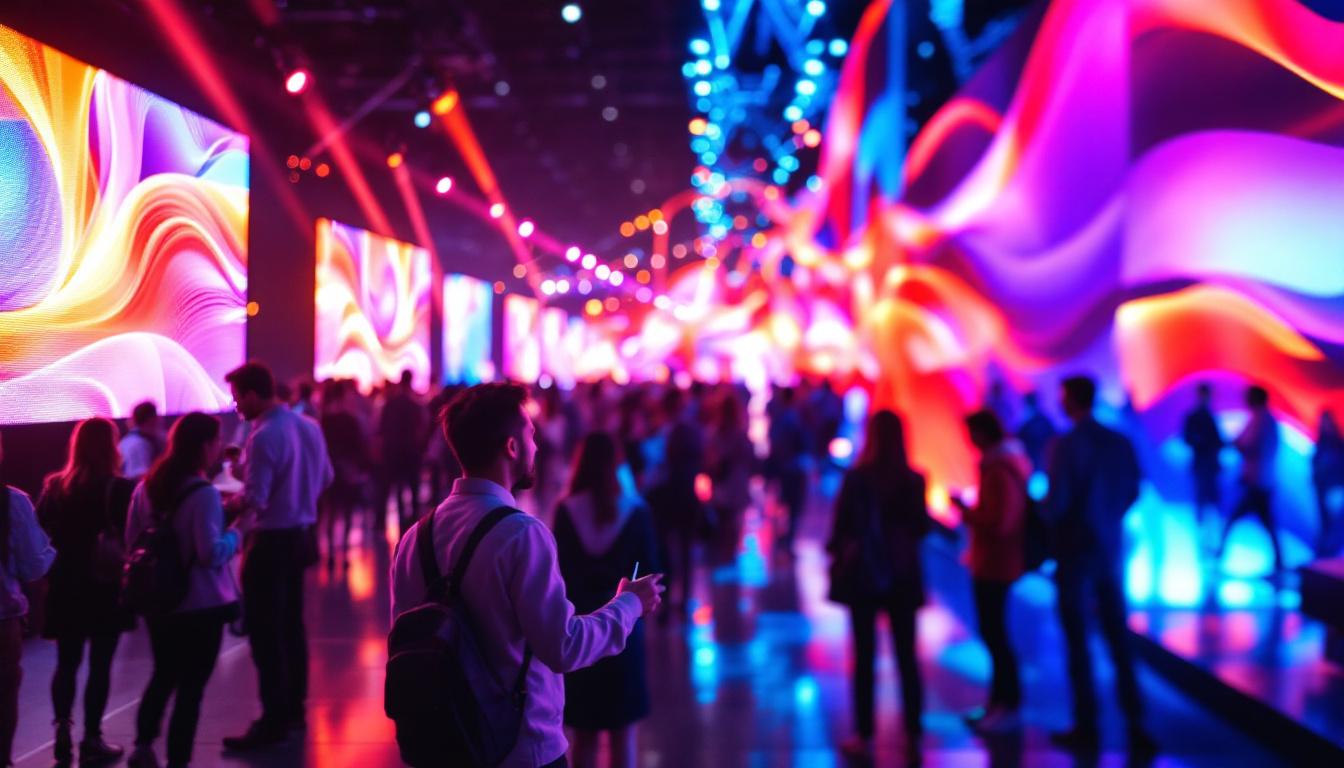
In today’s fast-paced world, visual communication plays a pivotal role in capturing attention and conveying messages effectively. Whether it’s a corporate event, concert, sports game, or outdoor advertising campaign, LED displays have become an indispensable tool for delivering vibrant, dynamic content to audiences of all sizes. For many organizations and event planners, hiring LED displays rather than purchasing them outright offers flexibility, cost-efficiency, and access to the latest technology.
This comprehensive guide explores the fundamentals of LED displays, their benefits, and why LED display hire is an increasingly popular choice across industries. From understanding the technology behind LEDs to practical considerations when renting, this article aims to equip readers with the knowledge needed to make informed decisions about LED display solutions.
Understanding LED Display Technology
What is an LED Display?
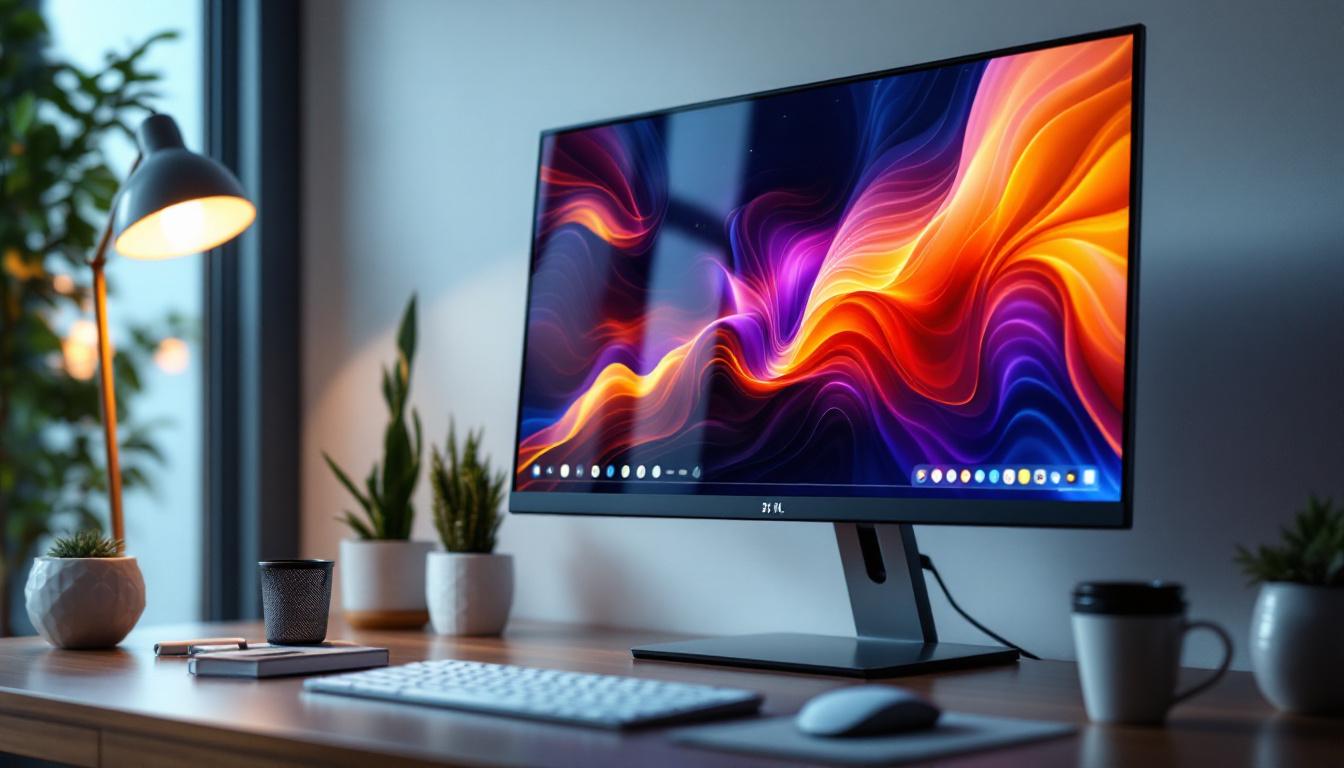
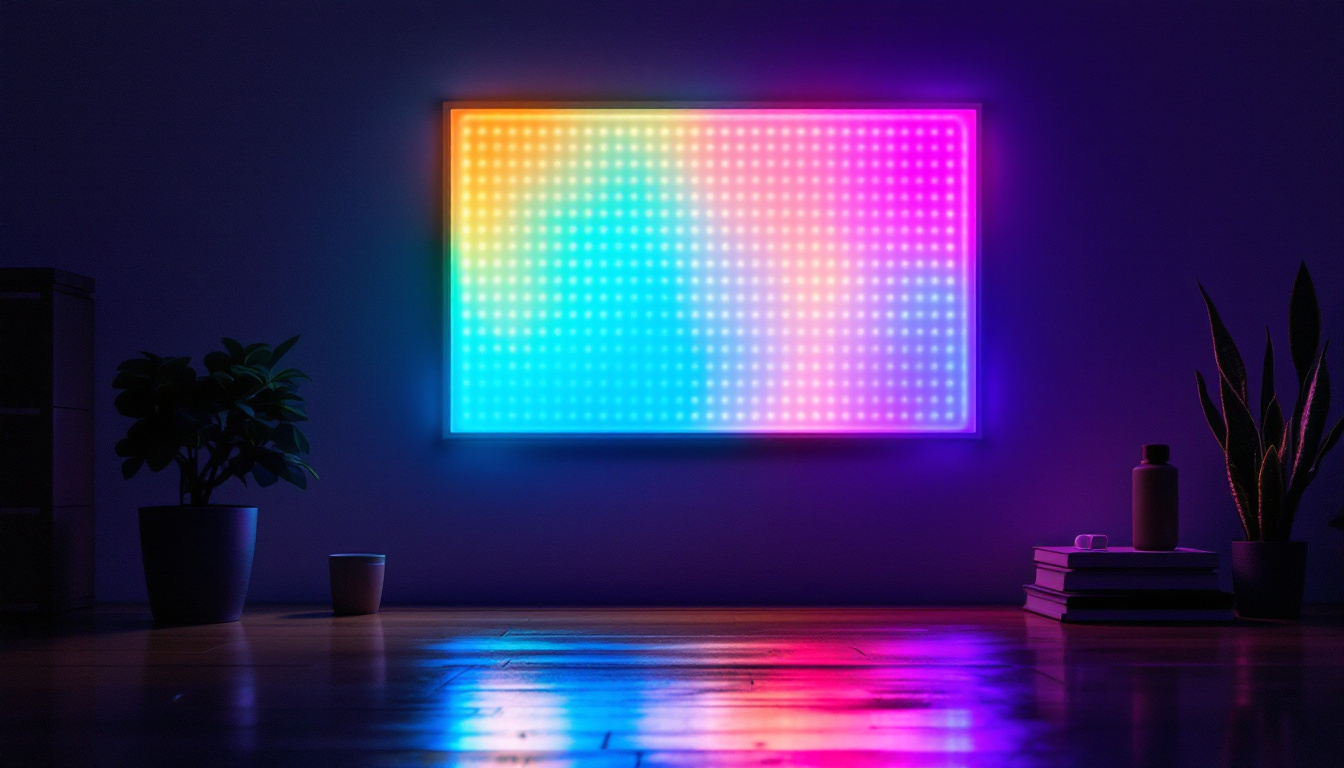
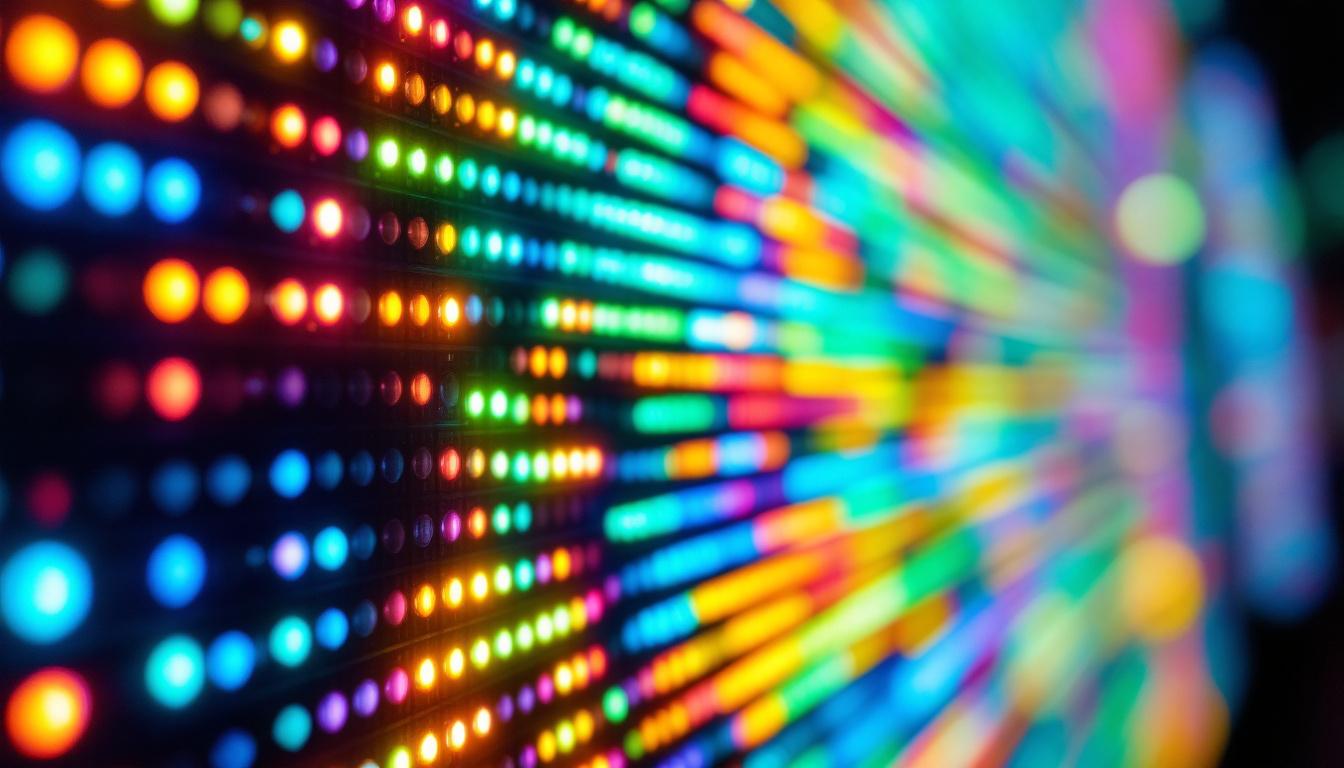
LED stands for Light Emitting Diode, a semiconductor device that emits light when an electric current passes through it. LED displays use thousands, sometimes millions, of these tiny diodes arranged in a grid to create images, videos, and text. Unlike traditional LCD or projection screens, LED displays are self-illuminating, meaning each diode emits its own light, resulting in brighter and more vivid visuals.
The modular nature of LED panels allows them to be assembled into various sizes and shapes, making them highly versatile. Whether it’s a small indoor screen or a massive outdoor billboard, LED displays can be customized to fit the specific requirements of an event or installation. This adaptability not only enhances aesthetic appeal but also enables businesses to convey their messages more effectively, whether in retail environments, at concerts, or in public spaces. The integration of advanced technologies, such as smart capabilities and connectivity options, further enhances their functionality, allowing for real-time content updates and interactive features.
Types of LED Displays
LED displays come in several types, each suited to different applications:
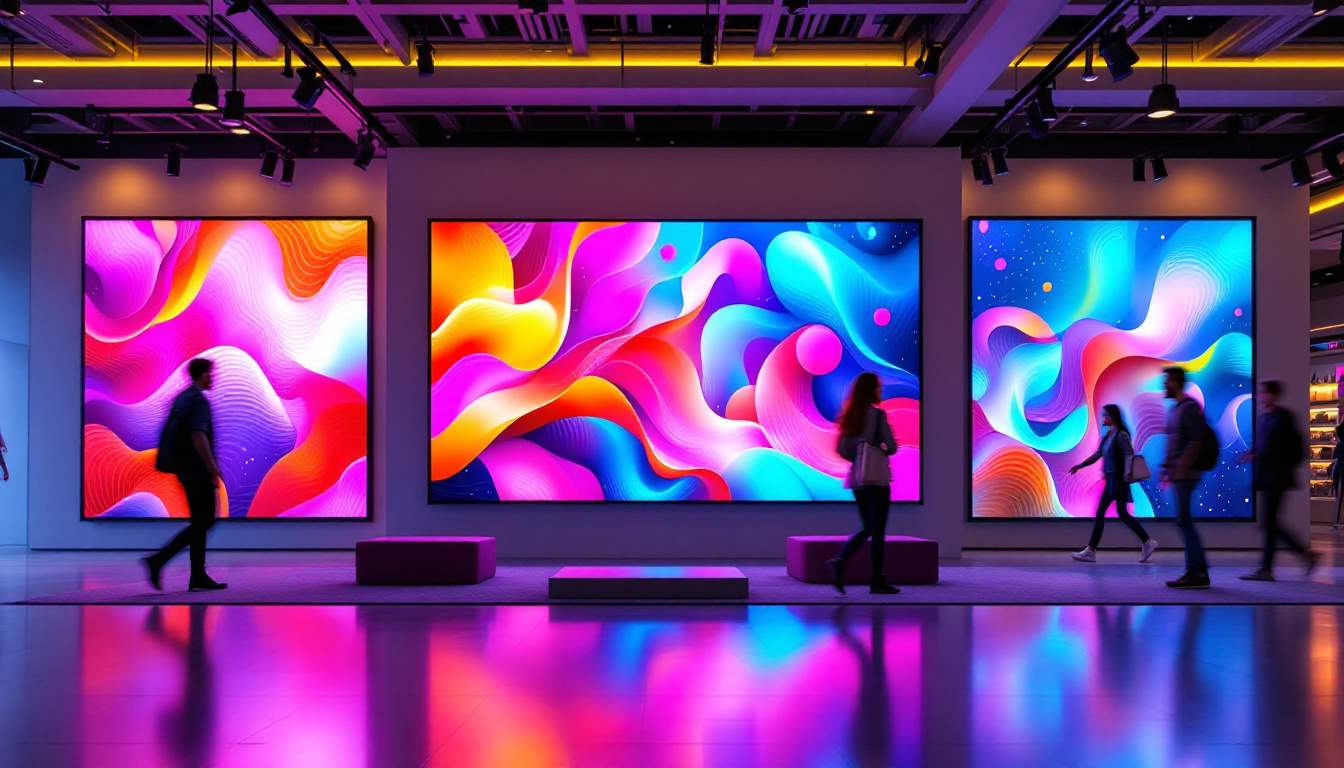
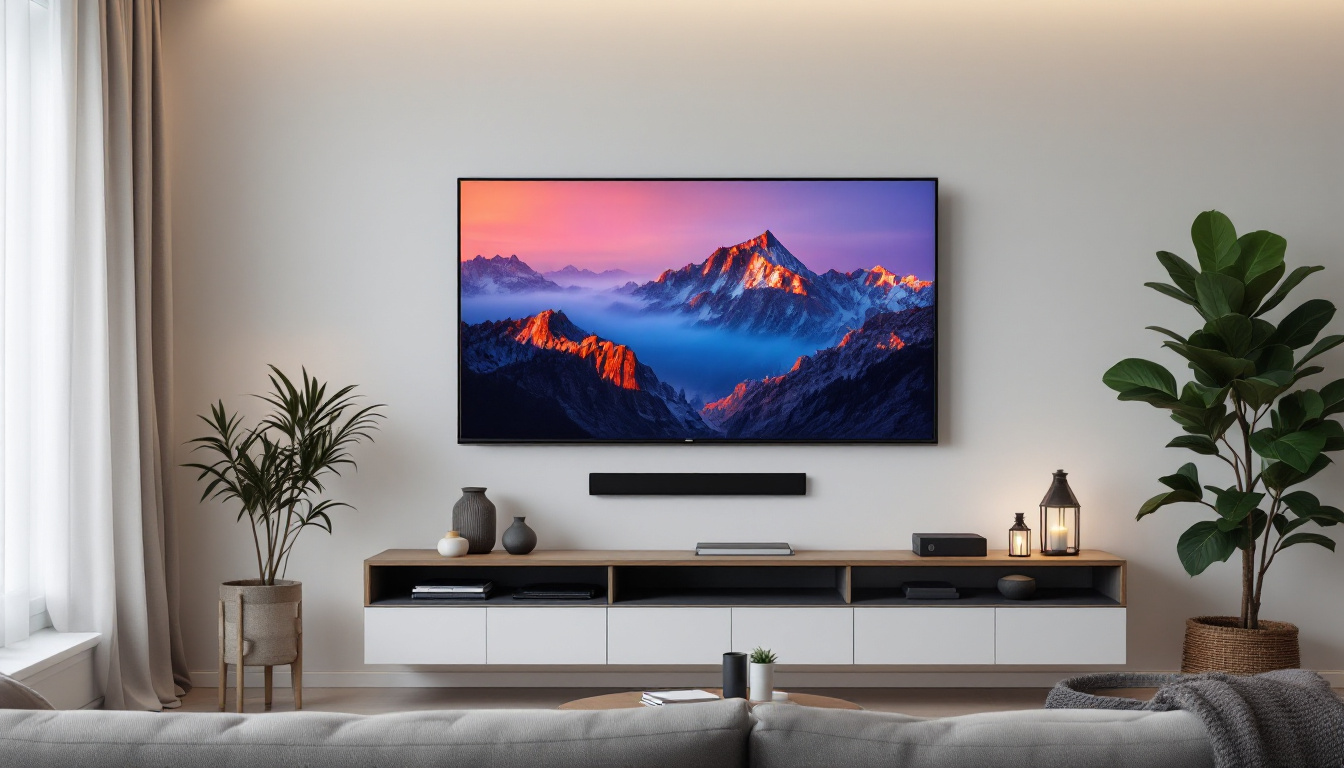
- Indoor LED Displays: Designed for environments with controlled lighting, these displays have a higher pixel density and smaller pixel pitch, offering crisp and detailed images at close viewing distances.
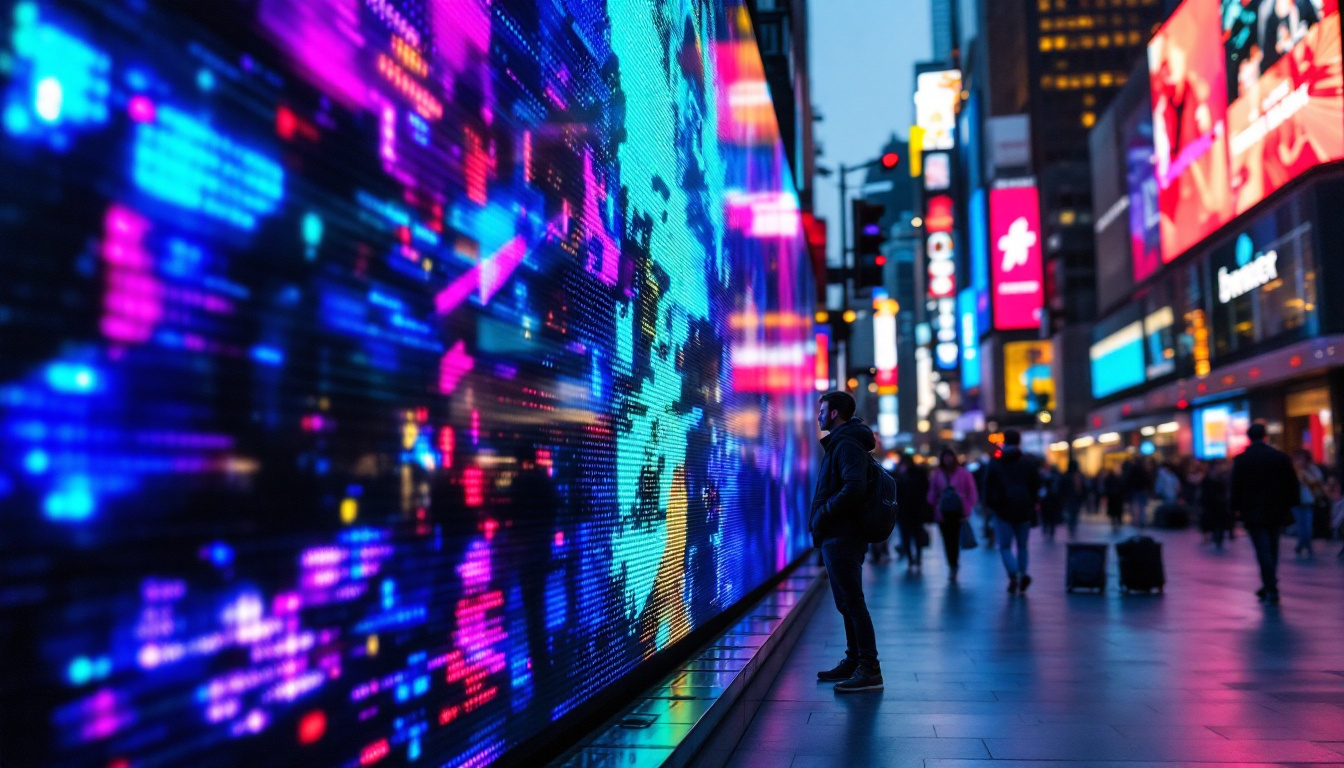
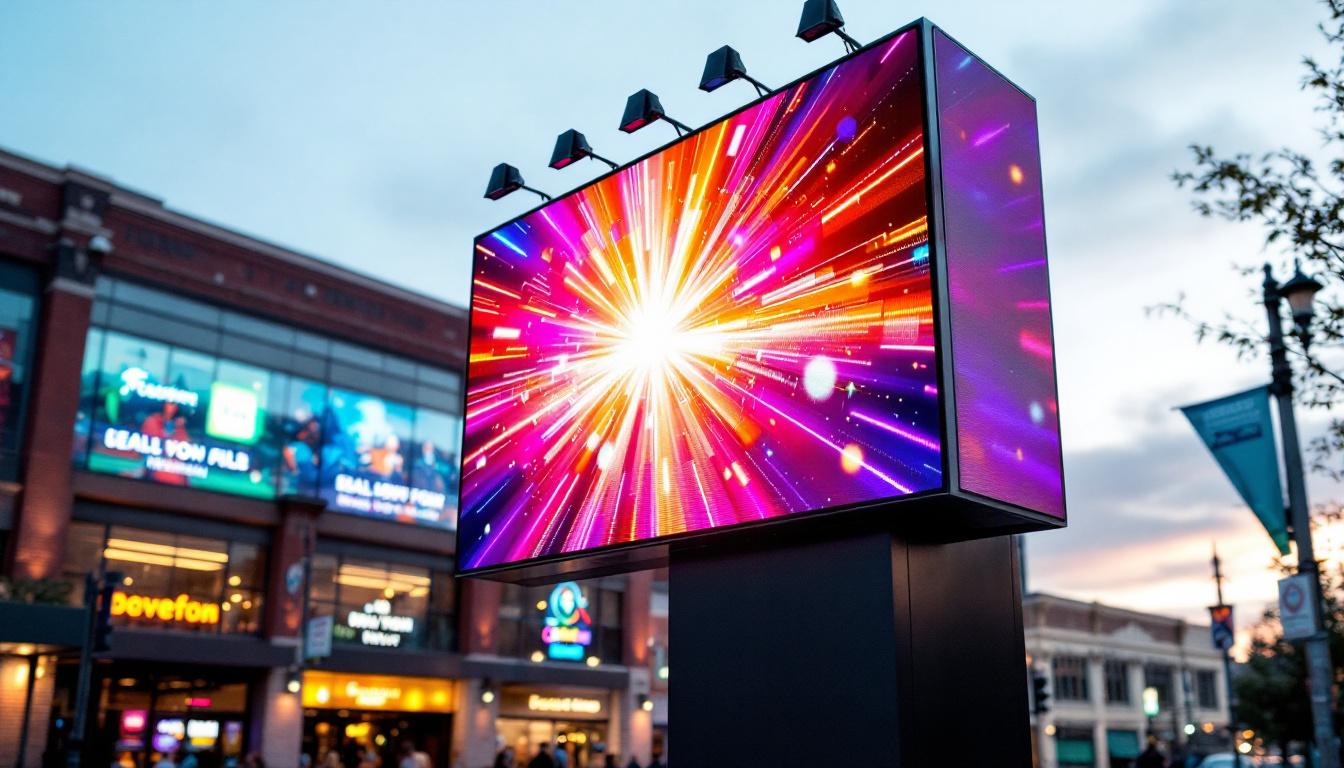
- Outdoor LED Displays: Built to withstand weather conditions, these displays are brighter to combat sunlight glare and have a wider pixel pitch, suitable for viewing from greater distances.
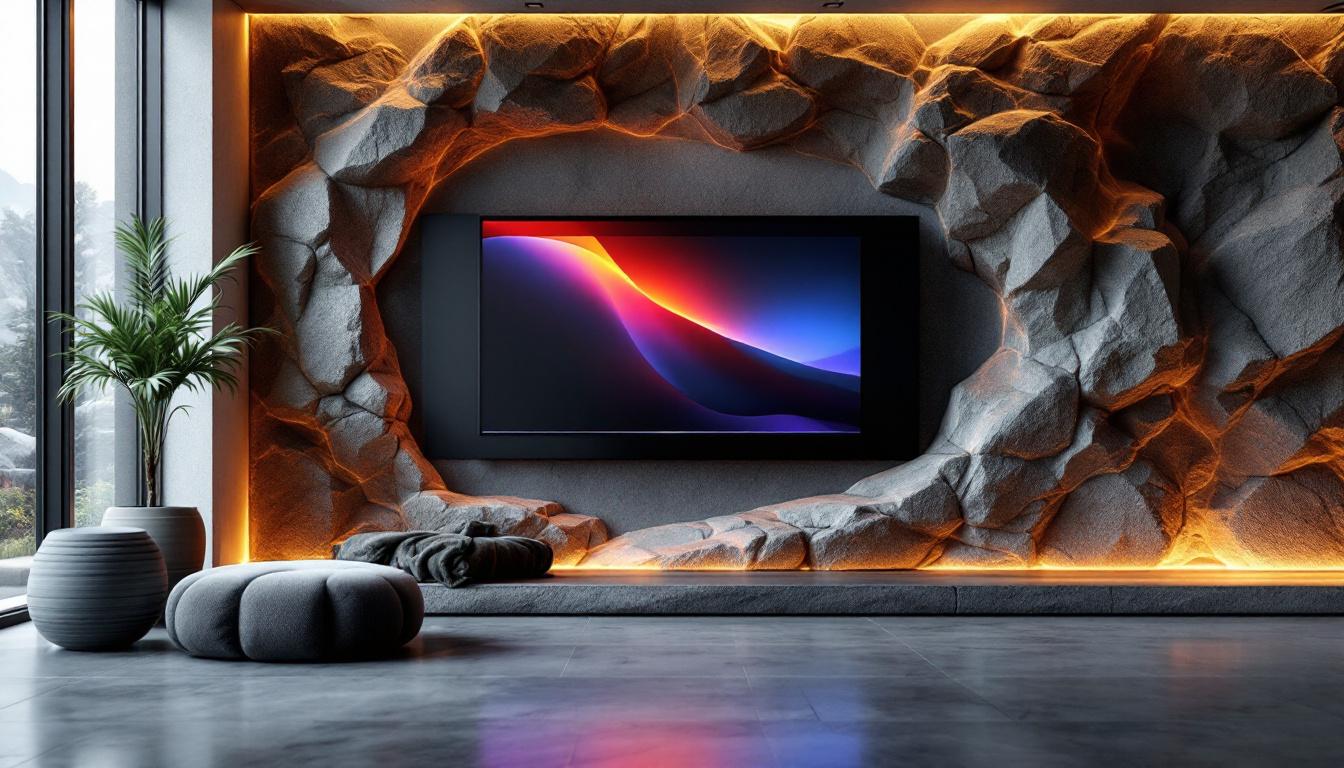
- Flexible and Transparent LED Displays: These innovative types allow for creative installations, such as curved screens or see-through displays, expanding possibilities in architectural and experiential marketing.
Additionally, there are specialized LED displays like rental LED screens, which are designed for temporary installations at events, trade shows, or concerts. These screens are lightweight and easy to assemble, making them ideal for quick setups and takedowns. Another emerging category is the use of LED technology in digital signage, where displays are integrated into everyday environments, such as retail stores, airports, and public transportation systems, providing dynamic information and advertisements that capture attention and engage viewers.
Key Specifications to Know
When evaluating LED displays, several technical specifications are critical to understanding performance and suitability:
- Pixel Pitch: The distance between the centers of two adjacent pixels, measured in millimeters. A smaller pixel pitch means higher resolution and sharper images, ideal for close-up viewing.
- Brightness: Measured in nits (cd/m²), brightness determines visibility in different lighting conditions. Outdoor displays typically require 5,000 nits or more, while indoor displays operate around 800-1,200 nits.
- Refresh Rate: The frequency at which the display updates its image, measured in hertz (Hz). Higher refresh rates reduce flicker and improve video quality, especially important for broadcast and live events.
- Viewing Angle: The maximum angle from which the display can be viewed without significant loss of image quality. Wider viewing angles ensure better visibility for larger audiences.
Moreover, understanding the color gamut and contrast ratio is essential for ensuring that the display can accurately reproduce colors and provide a clear distinction between light and dark areas. A wider color gamut allows for more vibrant and true-to-life colors, which is particularly important in applications such as advertising and entertainment. Additionally, the durability and lifespan of LED displays should not be overlooked, as high-quality components can significantly extend the operational life, reducing maintenance costs and enhancing return on investment.
The Advantages of Hiring LED Displays
Cost-Effectiveness and Flexibility
Purchasing LED displays can represent a significant capital investment, often running into tens or hundreds of thousands of dollars depending on size and specifications. For many businesses and event organizers, this upfront cost is prohibitive, especially if the display is needed only temporarily.
LED display hire offers a practical alternative, allowing users to access state-of-the-art technology without the burden of ownership. Renting enables organizations to scale their display size according to event requirements and budget, and to upgrade to newer models as technology evolves.
Access to Expert Support and Installation
Professional LED display hire companies provide comprehensive services beyond just supplying the screen. This typically includes site surveys, custom design, installation, operation, and dismantling. Expert technicians ensure that the display is set up correctly and functions optimally throughout the event, minimizing technical issues and downtime.
This support is invaluable for organizations without in-house technical expertise, allowing them to focus on event content and audience engagement rather than hardware management.
Environmental and Logistical Benefits
Hiring LED displays reduces the need for permanent installations and storage, which can be costly and space-consuming. It also contributes to sustainability by maximizing the utilization of existing equipment rather than producing new units for one-time use.
Additionally, rental companies often handle transportation and logistics, streamlining the process and ensuring timely delivery and setup. This is particularly beneficial for events held in multiple locations or requiring quick turnaround times.
Applications of LED Displays Across Industries
Events and Entertainment
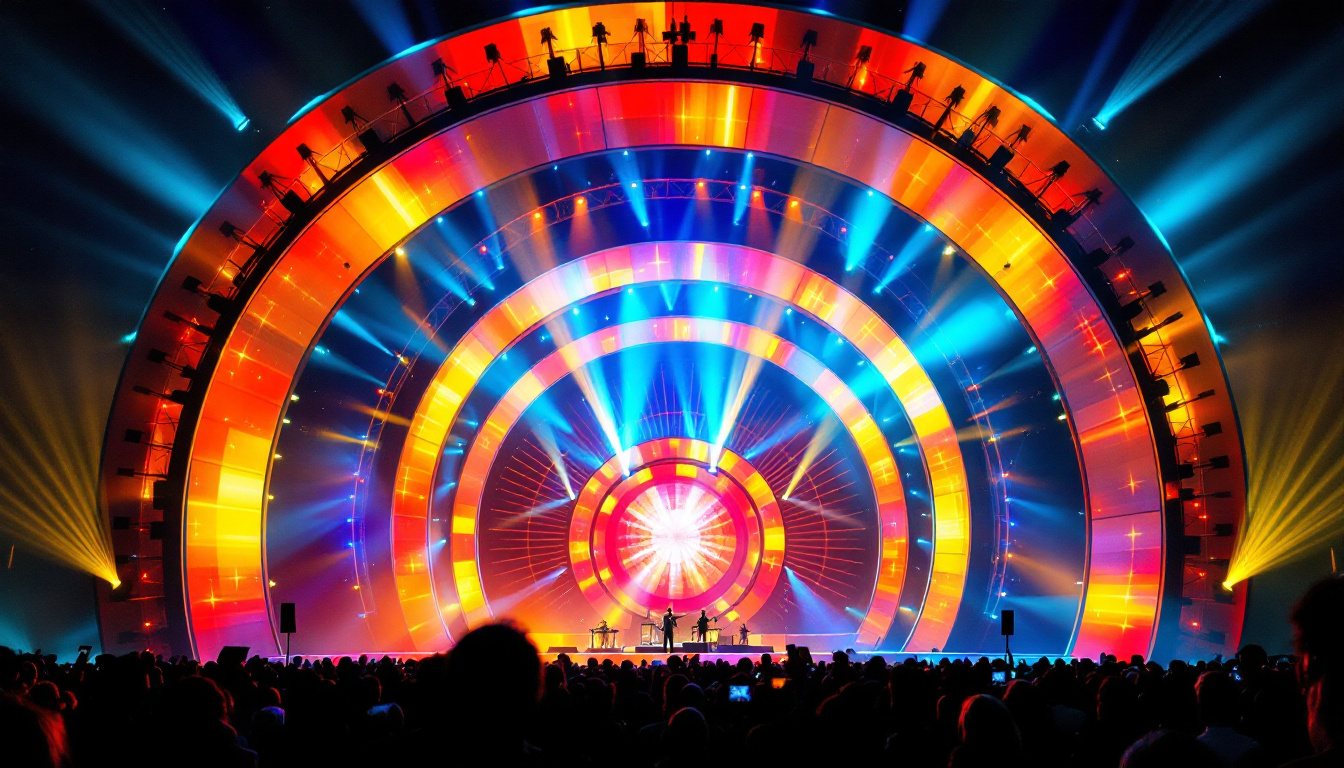
Concerts, festivals, and theatrical productions rely heavily on LED displays to enhance audience experience. Large LED screens provide clear visuals of performers and immersive effects that engage attendees. For example, the Coachella Valley Music and Arts Festival utilizes massive LED walls to project live footage and artistic visuals, creating a dynamic atmosphere.
Corporate events and conferences also benefit from LED displays for presentations, branding, and interactive sessions. The ability to display high-resolution content and live feeds makes LED screens a versatile tool for communication and engagement.
Sports and Stadiums
Sports venues use LED displays for scoreboards, advertising, and instant replays. The brightness and size of outdoor LED screens ensure visibility even in daylight, enhancing fan experience and generating additional revenue through digital advertising.
Major stadiums like Wembley in London and the AT&T Stadium in Texas feature extensive LED installations that integrate seamlessly into the venue’s architecture.
Advertising and Retail
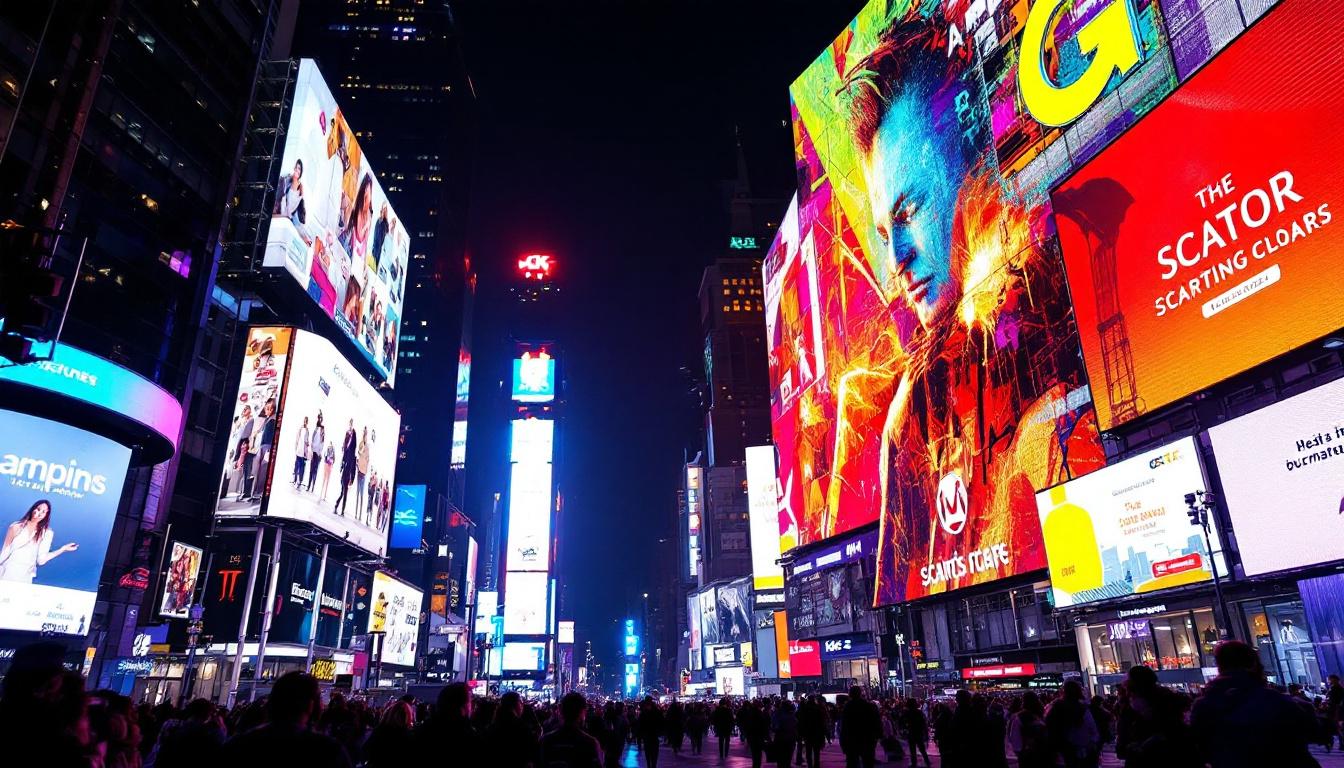
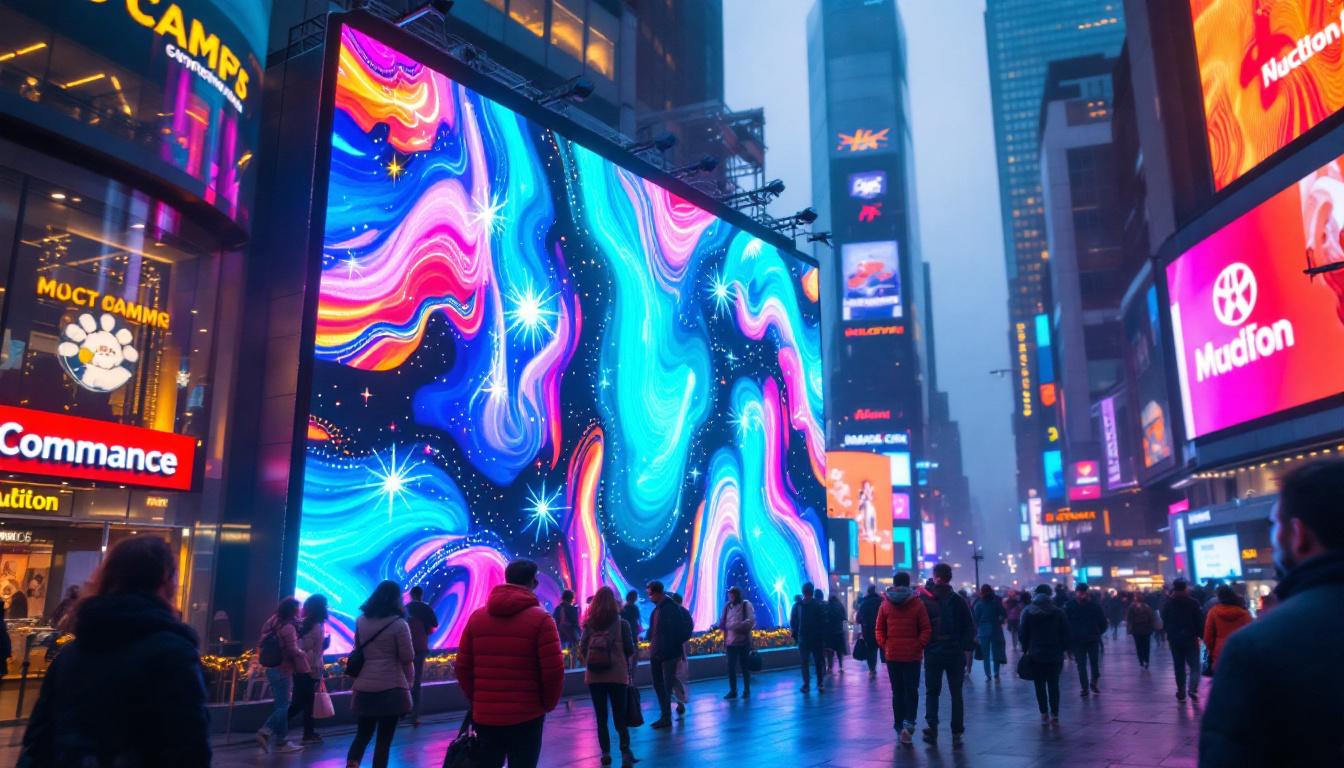
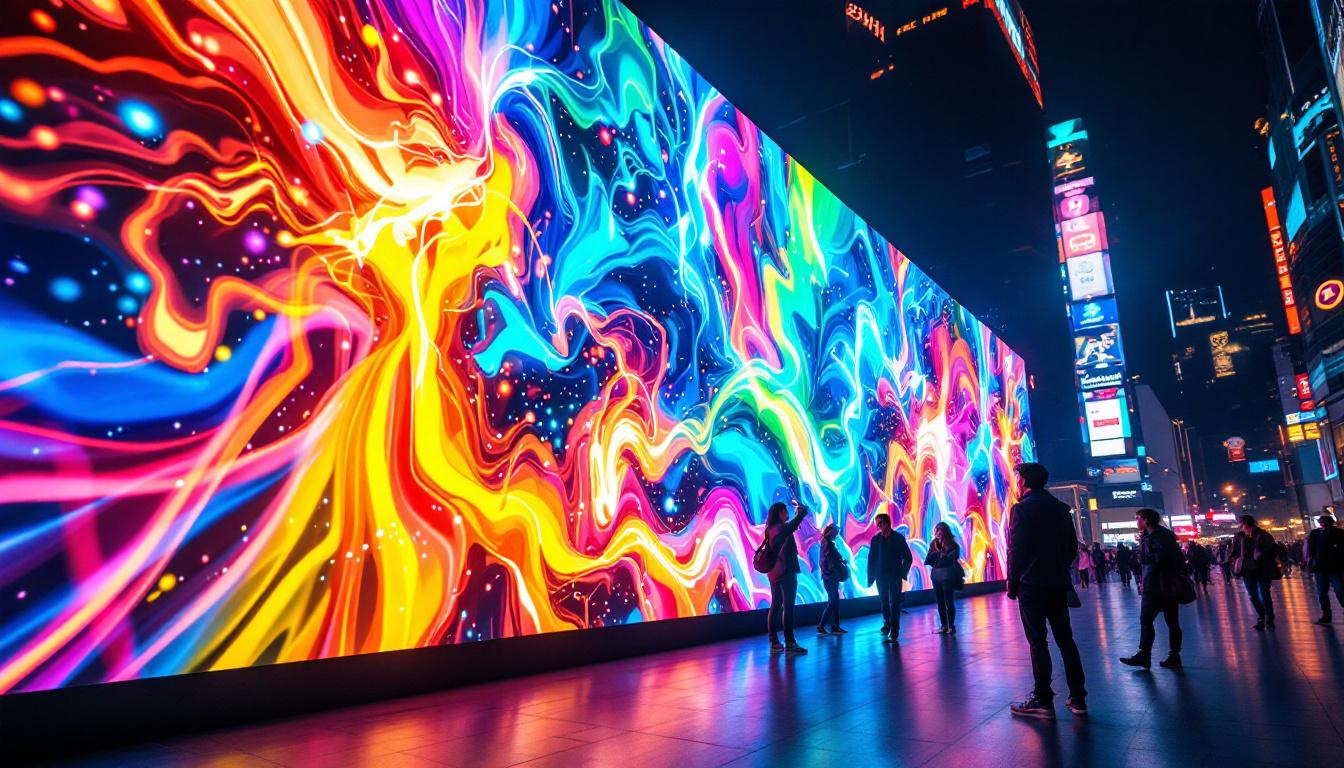
Digital out-of-home (DOOH) advertising has seen exponential growth, with LED displays playing a central role. Their ability to deliver dynamic, eye-catching content makes them highly effective for brand promotion in high-traffic areas such as shopping malls, city centers, and transportation hubs.
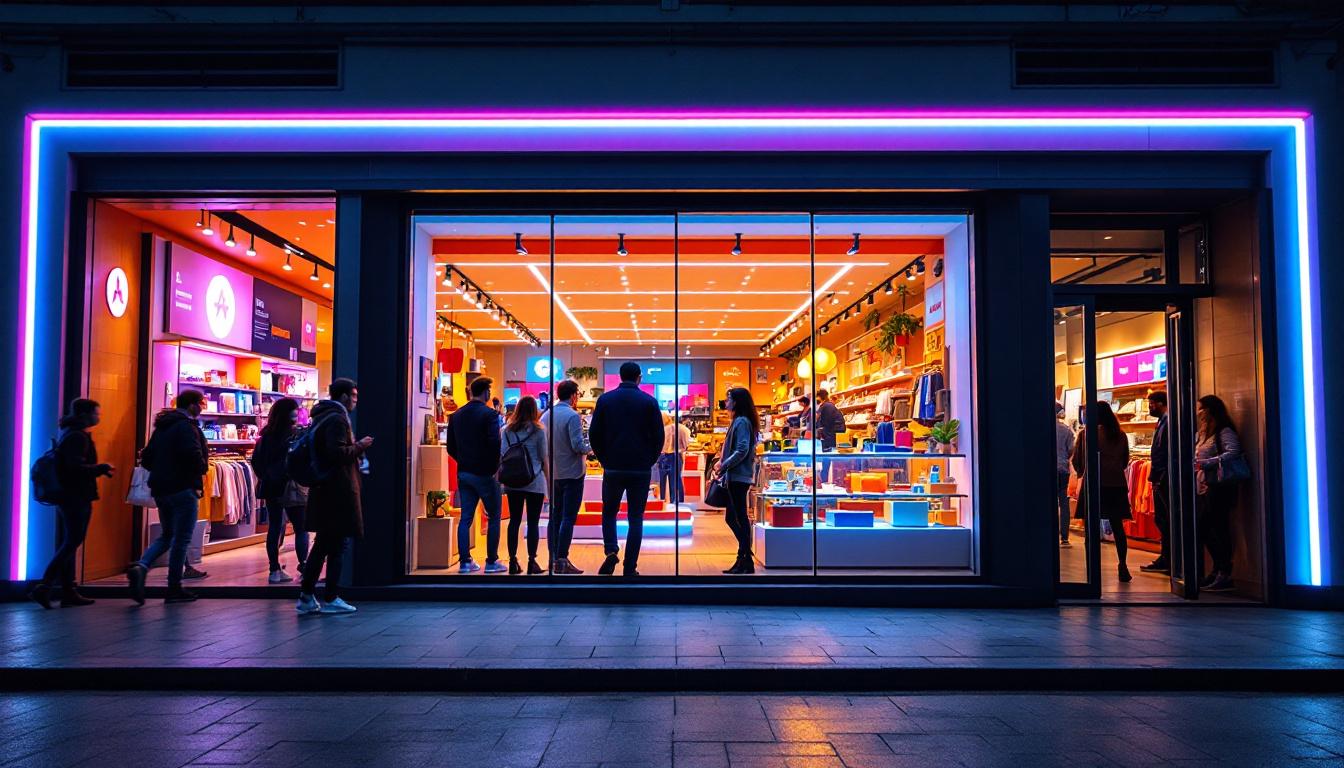
Retailers use LED displays to showcase promotions, product launches, and interactive content, driving customer engagement and sales.
Choosing the Right LED Display Hire Provider
Assessing Your Needs
Before engaging with a hire company, it’s essential to clearly define the purpose, location, audience size, and content type for the LED display. This information helps providers recommend the most suitable screen size, resolution, and features.
Consider factors such as indoor vs. outdoor use, viewing distance, ambient lighting, and installation constraints. For example, a small indoor seminar requires a different setup than a large outdoor music festival.
Evaluating Equipment Quality and Technology
Not all LED displays are created equal. Ensure the hire provider uses modern, well-maintained equipment with specifications that match your event’s demands. Ask about pixel pitch, brightness levels, refresh rates, and warranties.
Also, inquire about the availability of additional equipment such as video processors, media servers, and control systems that might be necessary for your content delivery.
Service and Support
Reliable technical support before, during, and after the event is crucial. Confirm that the provider offers on-site technicians, timely setup and dismantling, and contingency plans for technical issues.
Reading client testimonials and case studies can provide insight into the provider’s professionalism and responsiveness.
Practical Tips for Successful LED Display Hire
Plan Content Strategically
High-quality LED displays deserve equally compelling content. Work with graphic designers or content creators who understand the technical requirements and optimize visuals for LED screens. This includes using appropriate resolution, color profiles, and motion graphics to maximize impact.
Test and Rehearse
Whenever possible, schedule a test run to verify that the display functions correctly with your content. This helps identify any compatibility issues or adjustments needed before the live event.
Consider Audience Experience
Position the LED display for optimal viewing angles and distance. Take into account crowd movement and sightlines to ensure the content is accessible to as many attendees as possible.
The Future of LED Displays
Advancements in LED technology continue to push the boundaries of what is possible. MicroLED and miniLED innovations promise even higher resolution, better color accuracy, and improved energy efficiency. Additionally, integration with augmented reality (AR) and interactive technologies is opening new avenues for audience engagement.
As costs decrease and technology becomes more accessible, LED display hire will likely become an even more attractive option for a broader range of applications, from small business promotions to large-scale immersive experiences.
Conclusion
LED displays have revolutionized visual communication across multiple sectors, offering unparalleled brightness, flexibility, and impact. For organizations seeking to leverage this technology without the commitment of ownership, LED display hire presents a compelling solution that combines cost-efficiency, expert support, and access to cutting-edge equipment.
Understanding the technology, evaluating your specific needs, and partnering with a reputable hire provider are key steps to ensuring a successful LED display experience. As the technology evolves, embracing LED displays will continue to enhance how messages are delivered and audiences are engaged in an increasingly digital world.
Discover LumenMatrix LED Display Solutions
Ready to elevate your visual communication with cutting-edge LED display technology? Look no further than LumenMatrix, where innovation meets impact. From Indoor and Outdoor LED Walls to specialized solutions like Vehicle Displays, LED Posters, and Transparent Displays, LumenMatrix offers a comprehensive range of products designed to captivate your audience and amplify your message. Whether you’re hosting a live event, enhancing a retail space, or making a statement in the digital signage world, our LED solutions are tailored to meet your unique needs. Experience the future of visual engagement today and check out LumenMatrix LED Display Solutions to see how we can help transform your space into a dynamic visual experience.