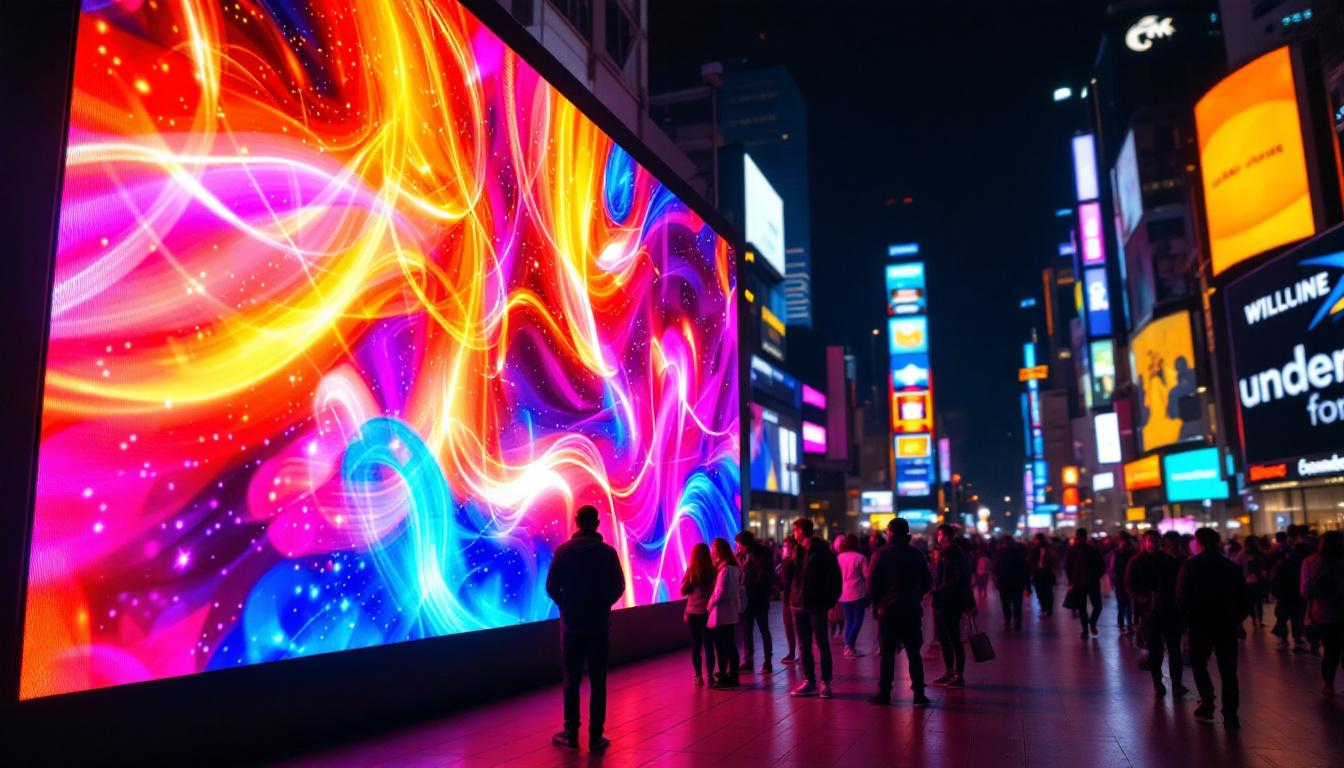
In the world of digital signage and large-scale visual displays, LED technology continues to dominate due to its brightness, durability, and versatility. Among various LED display options, P10 panels stand out as a popular choice for many applications, from advertising billboards to event screens. But what exactly are P10 panels, and why are they so widely used? This article dives deep into the technical aspects, practical uses, and advantages of P10 LED panels, providing a comprehensive understanding for businesses, event organizers, and technology enthusiasts alike.
What Are P10 LED Panels?
Understanding the Basics of LED Pixel Pitch
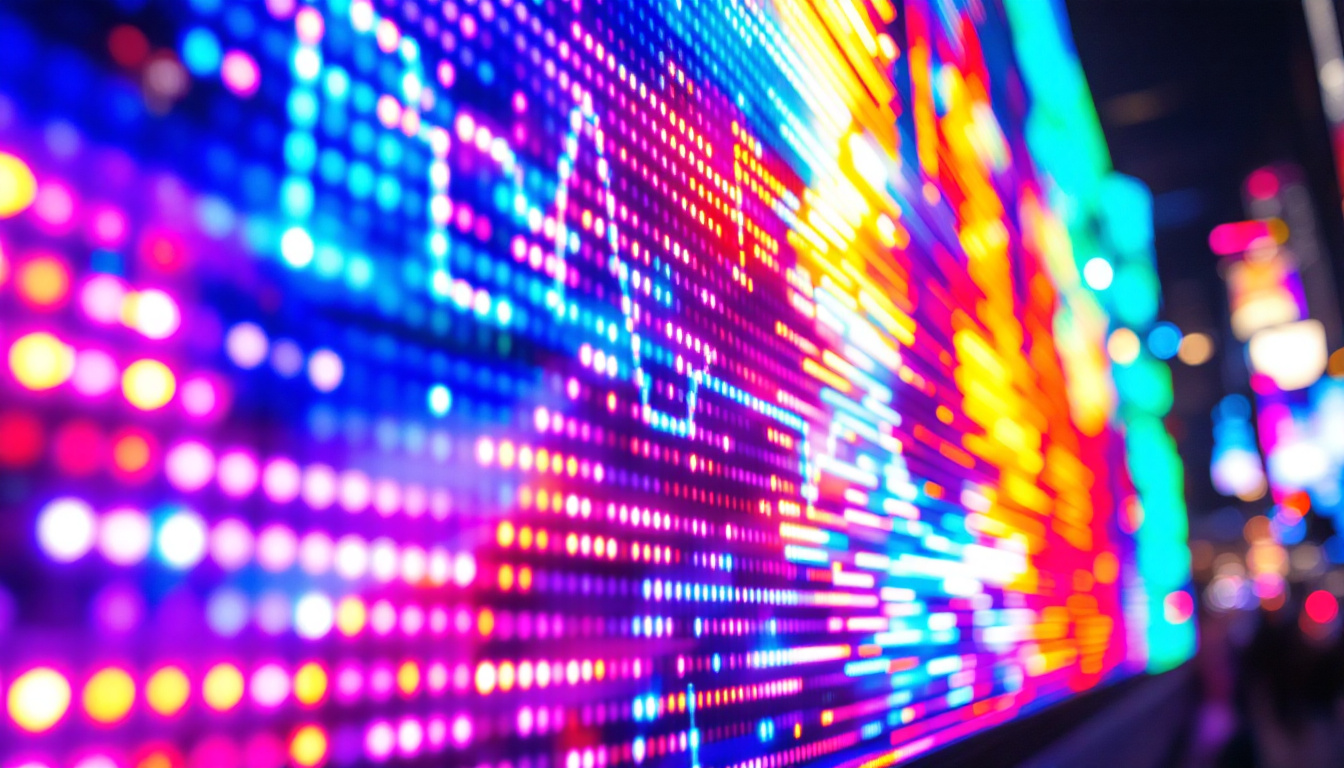
To grasp what a P10 panel is, it’s essential to understand the concept of pixel pitch in LED displays. Pixel pitch refers to the distance between the centers of two adjacent pixels, measured in millimeters. This distance determines the resolution and clarity of the display. A smaller pixel pitch means more pixels per square meter, resulting in higher resolution and sharper images.
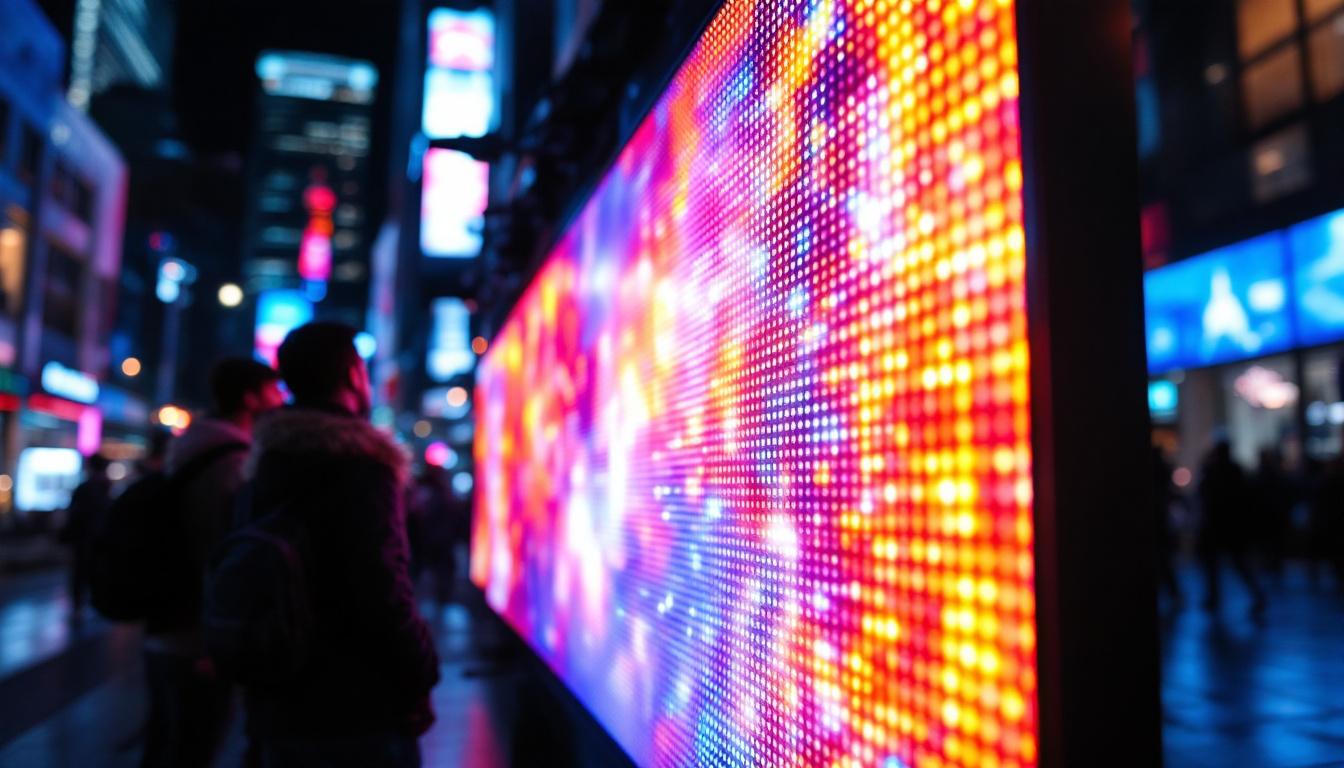
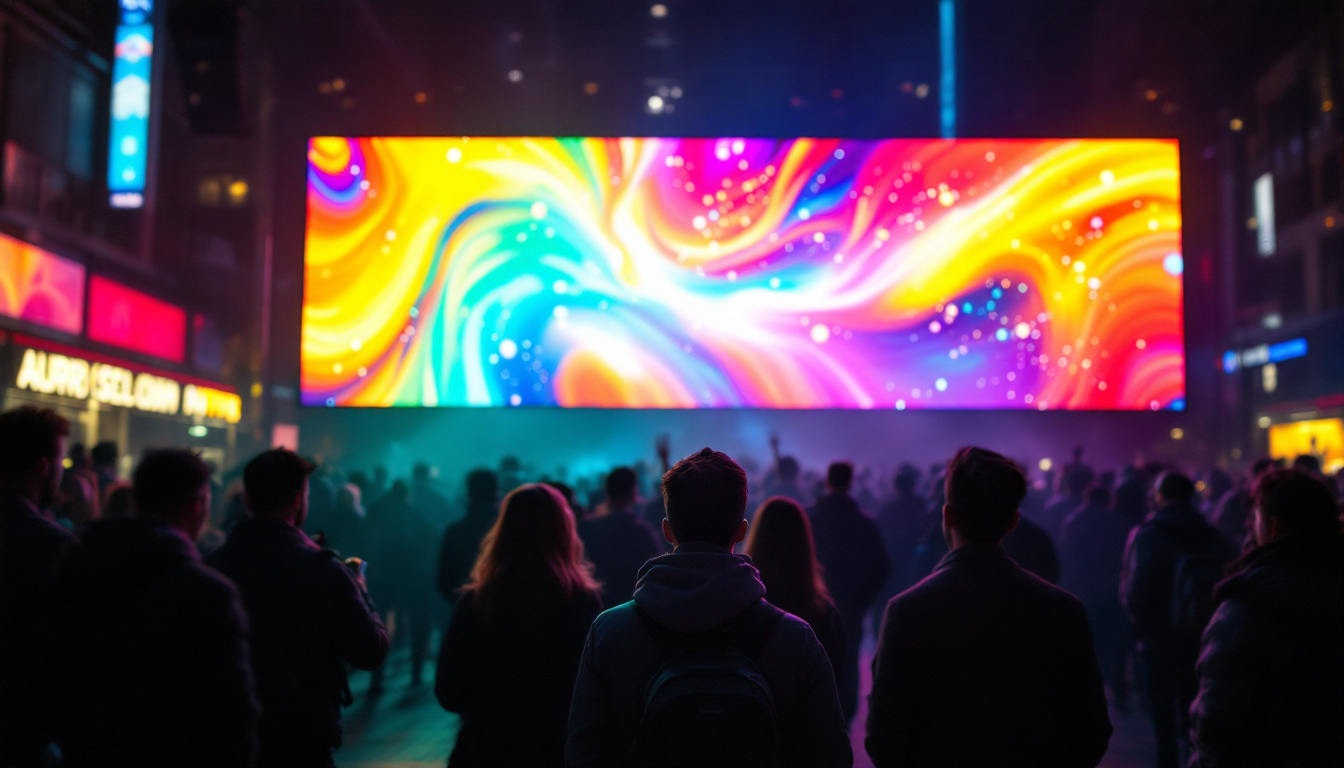
In the case of P10 panels, the “P” stands for pixel pitch, and the number “10” indicates a 10-millimeter distance between pixels. This spacing is relatively large compared to indoor LED screens, which often have pixel pitches ranging from 1.2mm to 4mm. The 10mm pitch makes P10 panels suitable primarily for outdoor use, where viewers are typically farther away from the screen. This characteristic allows for effective visibility in various lighting conditions, making them ideal for billboards, sports arenas, and outdoor events, where large audiences need to see the content from a distance.
Technical Specifications of P10 Panels
P10 LED panels are composed of a grid of LEDs spaced 10mm apart. Each pixel usually consists of three LEDs (red, green, and blue) that combine to create a full-color image. A standard P10 panel module often measures 320mm x 160mm or similar dimensions, with a resolution of 32 x 16 pixels per module.
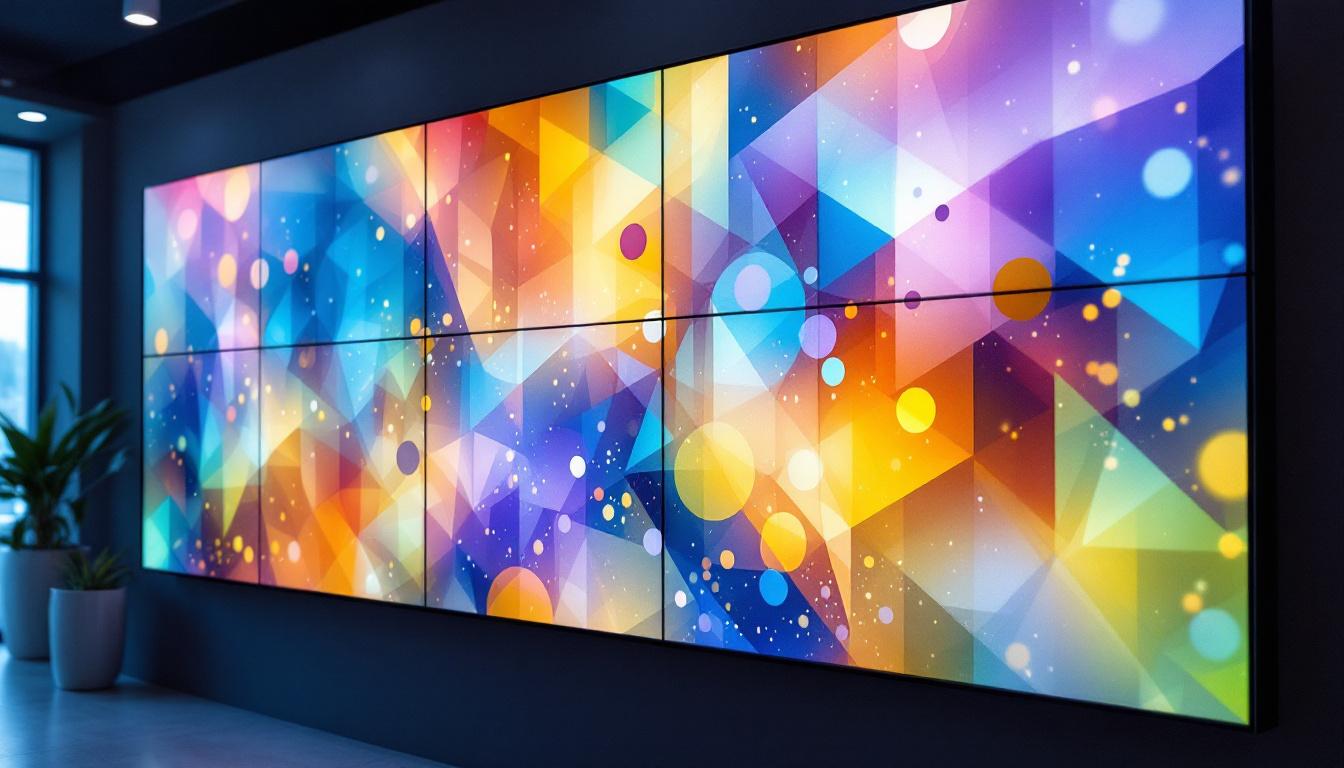
When multiple modules are assembled, they form a larger display with customizable dimensions. For example, a 2×2 meter P10 display would contain approximately 20,000 pixels, providing sufficient detail for outdoor advertising or public information screens. The modular design not only allows for flexibility in size but also facilitates easy repairs and upgrades, as individual modules can be replaced without needing to dismantle the entire display. Additionally, P10 panels are designed to withstand harsh weather conditions, featuring robust casings that protect the internal components from rain, dust, and UV exposure, ensuring longevity and consistent performance in outdoor settings.
Moreover, P10 LED panels are often equipped with advanced features such as brightness adjustment and color calibration, which enhance the viewing experience. The brightness can be adjusted to ensure visibility even in direct sunlight, making these panels versatile for various applications. Furthermore, many P10 displays support dynamic content management systems, allowing users to update advertisements or information in real-time, which is particularly beneficial for businesses looking to engage with their audience effectively. This capability not only maximizes the impact of the displayed content but also provides a cost-effective advertising solution, as digital content can be changed without the need for physical replacements.
Applications of P10 LED Panels
Outdoor Advertising and Billboards
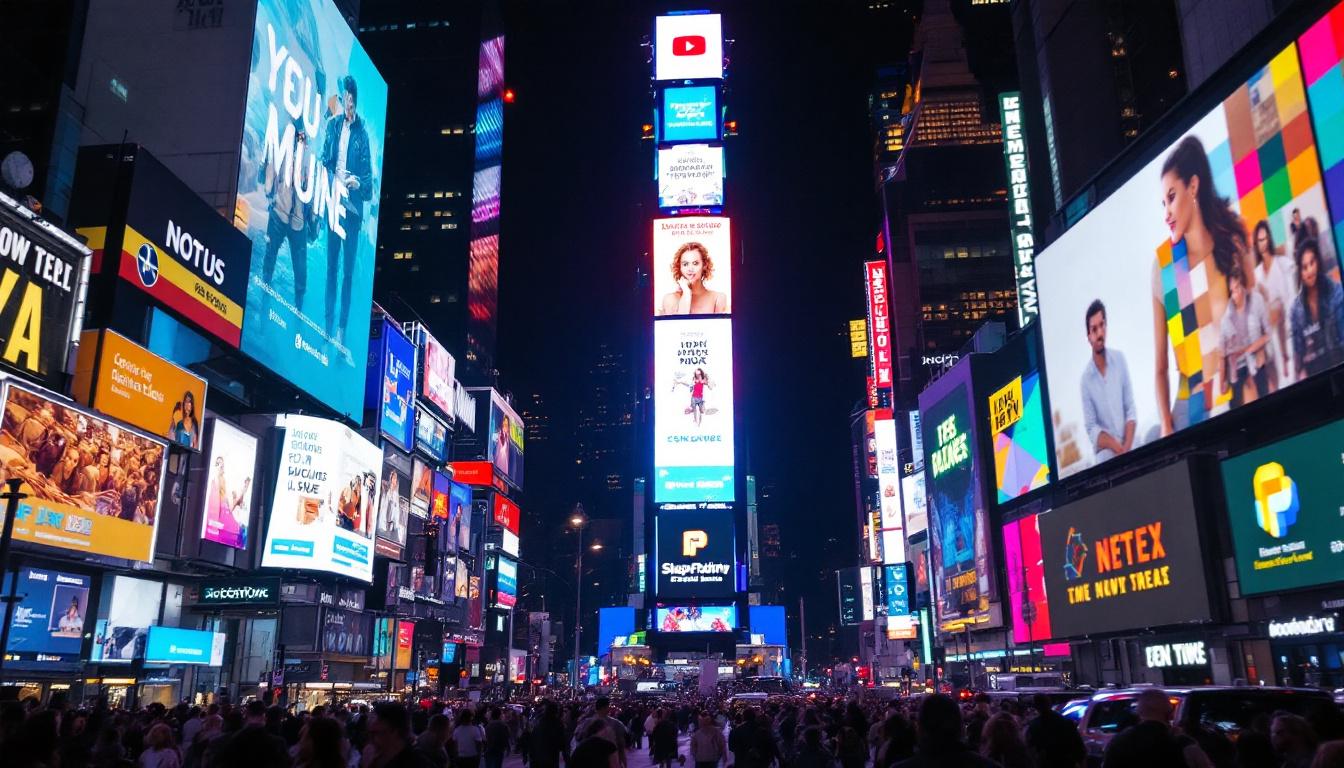
One of the most common uses of P10 LED panels is in outdoor advertising. Their brightness, typically ranging from 5,000 to 7,000 nits, ensures visibility even under direct sunlight. This level of luminance outperforms traditional printed billboards, allowing dynamic content such as videos, animations, and real-time updates.
For advertisers, P10 panels offer a cost-effective way to reach large audiences. The ability to change content remotely and instantly enhances marketing flexibility and responsiveness. Furthermore, the durability of P10 panels, often rated IP65 or higher for water and dust resistance, makes them ideal for harsh weather conditions.
Sports and Event Screens
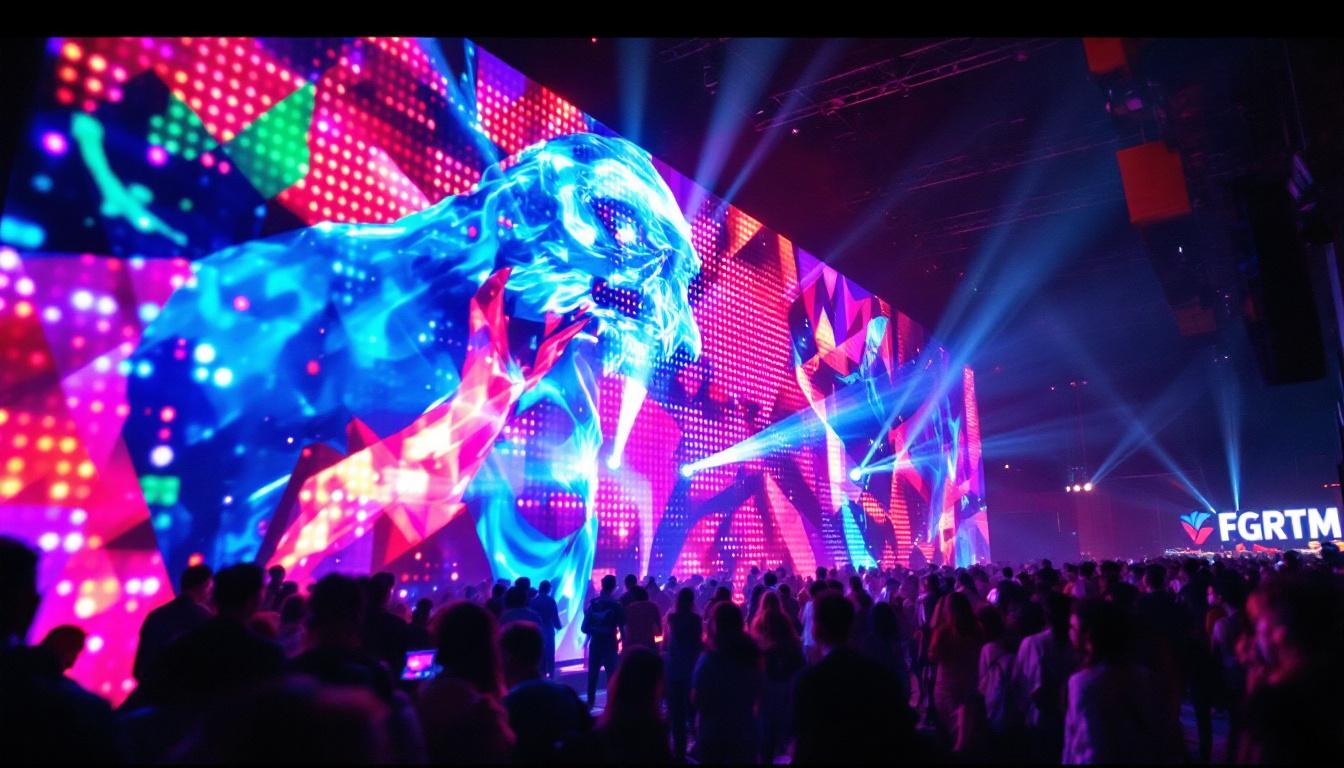
Sports arenas and outdoor event venues frequently utilize P10 LED panels for scoreboards, live video feeds, and promotional displays. The panels’ wide viewing angles and high brightness ensure that spectators, even those seated far from the screen, can clearly see the action and information.
Additionally, the modular nature of P10 panels allows event organizers to customize screen sizes and shapes according to venue requirements. This adaptability is crucial for creating immersive experiences and enhancing audience engagement.
Public Information and Transportation Displays
Public transportation hubs, such as train stations and airports, often employ P10 LED panels to display schedules, announcements, and emergency information. The panels’ visibility in various lighting conditions and their ability to display dynamic content make them superior to static signage.
Moreover, these displays can be networked to provide real-time updates, improving passenger experience and operational efficiency. The relatively low resolution of P10 panels is not a drawback in this context, as the information is typically viewed from a distance.
Advantages of Using P10 LED Panels
Cost-Effectiveness and Maintenance
Compared to LED panels with smaller pixel pitches, P10 panels are generally more affordable both in initial investment and maintenance. The larger pixel spacing means fewer LEDs per square meter, reducing manufacturing costs. This affordability makes P10 panels accessible for small to medium-sized businesses and municipalities looking for impactful outdoor displays without breaking the bank.
Maintenance is also simplified with P10 panels. The modules are designed for easy replacement, and the robust construction minimizes the risk of damage from environmental factors. Many manufacturers offer front and rear service options, allowing technicians to perform repairs without dismantling the entire display.
High Brightness and Weather Resistance
P10 LED panels are engineered to perform well in outdoor environments. Their high brightness ensures visibility in direct sunlight, while anti-glare coatings and wide viewing angles enhance readability from different perspectives. The panels typically have an IP65 or higher rating, meaning they are protected against dust ingress and water jets, making them suitable for rain, snow, and dust storms.
This durability extends the lifespan of the panels and reduces downtime, which is critical for applications where continuous operation is necessary, such as advertising campaigns or public safety messages.
Scalability and Flexibility
The modular design of P10 panels allows for scalable solutions. Whether a business needs a small sign or a massive video wall, P10 modules can be combined to fit the required size and shape. This flexibility enables creative display designs, including curved or irregularly shaped screens, which can attract more attention and enhance brand presence.
Additionally, P10 panels support various content formats, including images, videos, and live feeds, making them versatile for multiple use cases. Integration with control systems and software platforms further enhances content management and scheduling capabilities.
Limitations and Considerations When Choosing P10 Panels
Resolution and Viewing Distance
While P10 panels excel in outdoor visibility, their relatively low resolution compared to indoor LED displays limits their use for close-up viewing. The 10mm pixel pitch means that images and text may appear pixelated or blurry if viewed from too close a distance.
As a rule of thumb, P10 panels are best viewed from a minimum distance of 10 meters (approximately 33 feet). For applications requiring closer viewing, such as indoor retail displays or interactive kiosks, smaller pixel pitches like P4 or P2.5 are more appropriate.
Power Consumption and Environmental Impact
LED displays, including P10 panels, consume a significant amount of power, especially when operating at high brightness levels. This can lead to higher operational costs and increased environmental impact if energy sources are not sustainable.
However, advancements in LED technology have improved energy efficiency over the years. Many modern P10 panels incorporate features like automatic brightness adjustment based on ambient light, reducing power consumption during nighttime or cloudy conditions.
Installation and Structural Requirements
Due to their size and weight, P10 LED panels require careful planning for installation. Structural support must be sufficient to hold the panels securely, especially for large-scale displays exposed to wind and weather. Additionally, electrical and data cabling must be managed to ensure reliable operation and safety.
Professional installation is recommended to avoid common pitfalls such as uneven panel alignment, poor ventilation, or inadequate weatherproofing, which can compromise display performance and longevity.
Future Trends in P10 LED Display Technology
Enhanced Resolution and Pixel Density
While P10 panels currently serve well in outdoor applications requiring long-distance viewing, there is a growing demand for higher resolution outdoor displays. Manufacturers are exploring ways to reduce pixel pitch in outdoor LED panels without significantly increasing costs, aiming to provide crisper images and more detailed content.
Emerging technologies such as mini-LED and micro-LED may influence future iterations of P10 panels, offering improved brightness, color accuracy, and energy efficiency.
Smart Integration and IoT Connectivity
Integration with Internet of Things (IoT) platforms is becoming increasingly common in LED display technology. Future P10 panels are expected to feature enhanced connectivity options, enabling real-time data streaming, remote diagnostics, and automated content updates based on environmental or audience analytics.
This smart integration will allow advertisers and operators to optimize content delivery, improve maintenance schedules, and reduce operational costs.
Sustainability and Eco-Friendly Materials
Environmental concerns are driving innovation in display manufacturing. Future P10 panels may incorporate recyclable materials, reduce hazardous substances, and improve energy efficiency to meet stricter regulatory standards and consumer expectations.
Manufacturers are also working on improving the recyclability of LED modules and reducing waste during production, contributing to a more sustainable digital signage industry.
Conclusion
P10 LED panels represent a robust, cost-effective solution for outdoor digital displays where high brightness and durability are paramount. Their 10mm pixel pitch makes them ideal for applications requiring visibility from a distance, such as billboards, sports arenas, and public information systems. While they have limitations in resolution for close-up viewing, their scalability, weather resistance, and ease of maintenance make them a preferred choice for many businesses and organizations.
As LED technology continues to evolve, P10 panels are expected to benefit from advancements in resolution, connectivity, and sustainability, ensuring their relevance in the dynamic landscape of digital signage. Understanding the technical specifications, applications, and considerations of P10 panels helps stakeholders make informed decisions, maximizing the impact and value of their LED display investments.
Discover LumenMatrix’s Advanced LED Solutions
Ready to elevate your visual display capabilities? Explore LumenMatrix’s comprehensive range of LED display solutions, where innovation meets functionality. From vibrant outdoor billboards to immersive indoor displays, LumenMatrix offers tailored options including Vehicle LED Displays, LED Sports Displays, and even Custom LED Displays to fit your unique needs. Embrace the future of digital signage with LumenMatrix and create experiences that captivate and engage. Check out LumenMatrix LED Display Solutions today and transform your communication with clarity and impact.