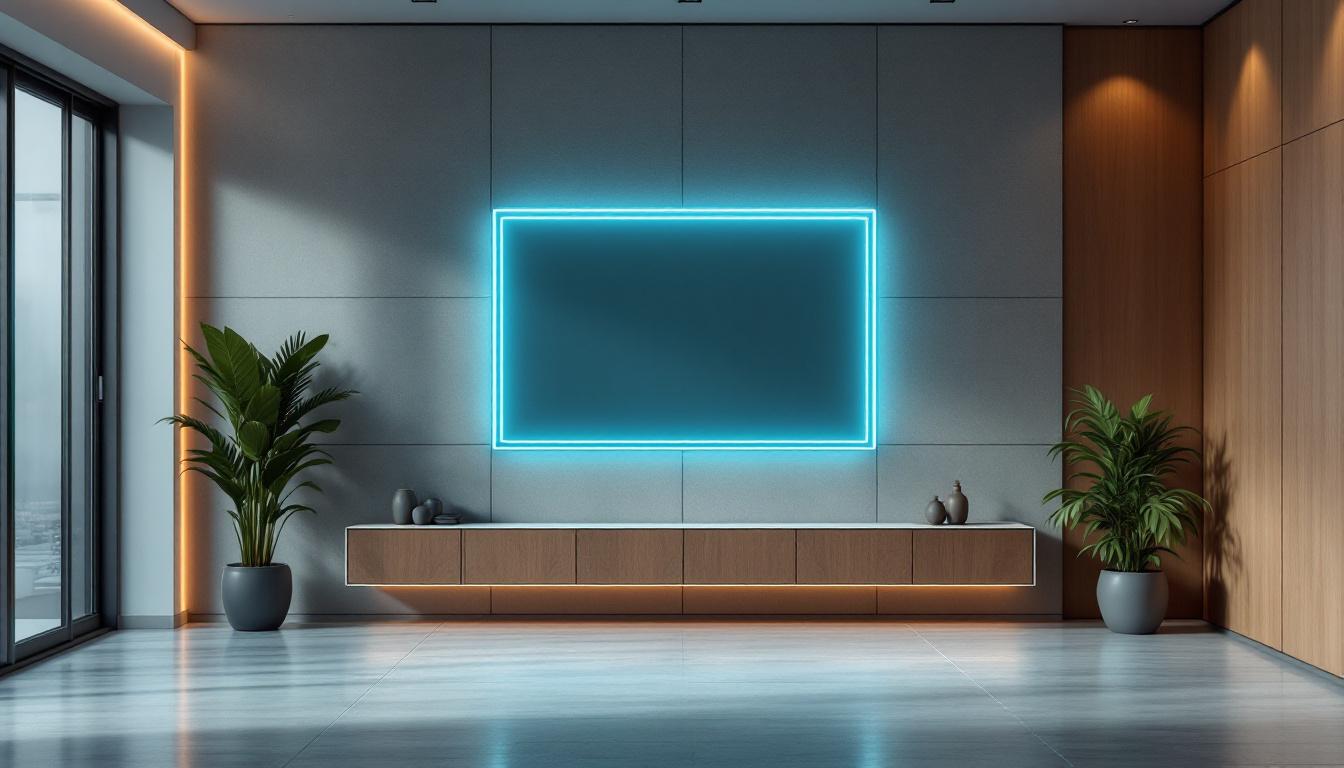
In the rapidly evolving world of digital signage and visual communication, paneled LED walls have become a cornerstone technology. From massive outdoor advertising billboards to immersive indoor event displays, LED paneled walls offer unmatched brightness, flexibility, and visual impact. This article delves into the technology behind paneled LED walls, their applications, benefits, and considerations for selecting the right LED display solution.
Understanding Paneled LED Walls: The Basics
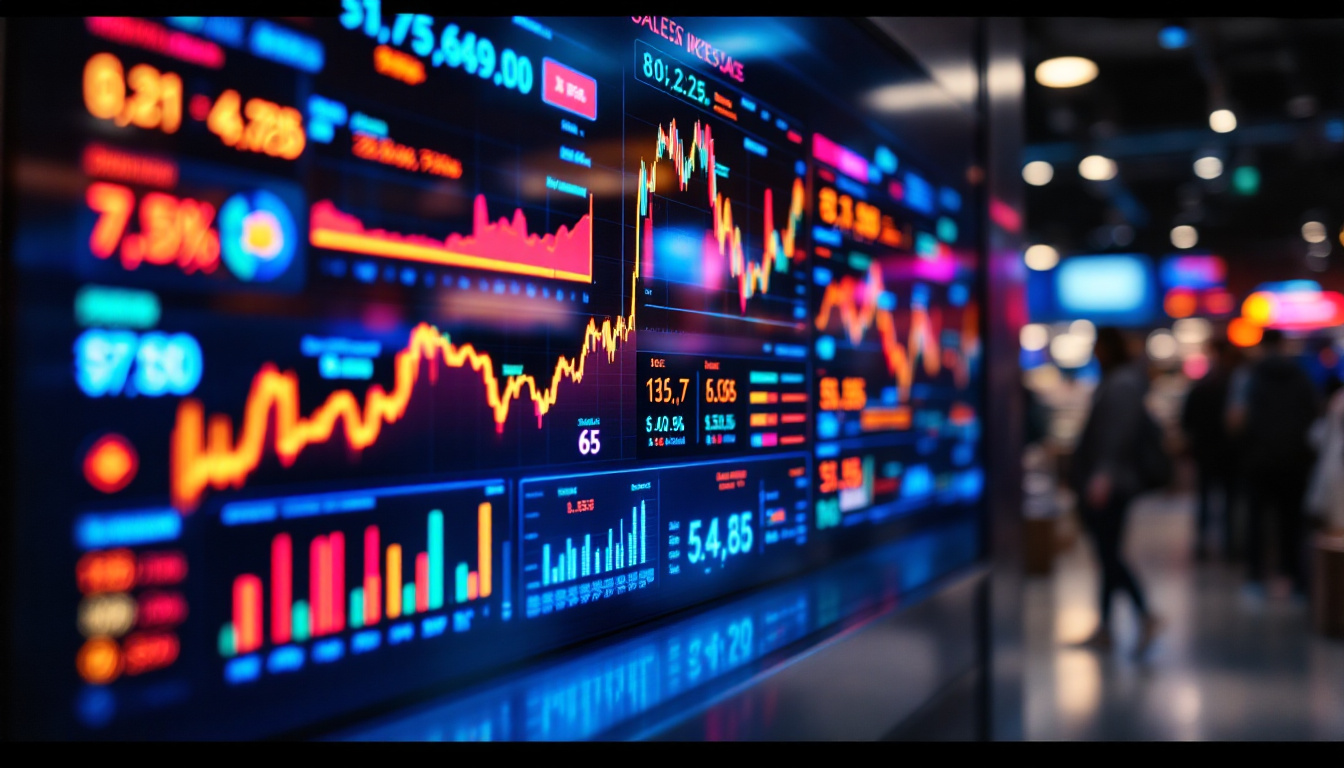
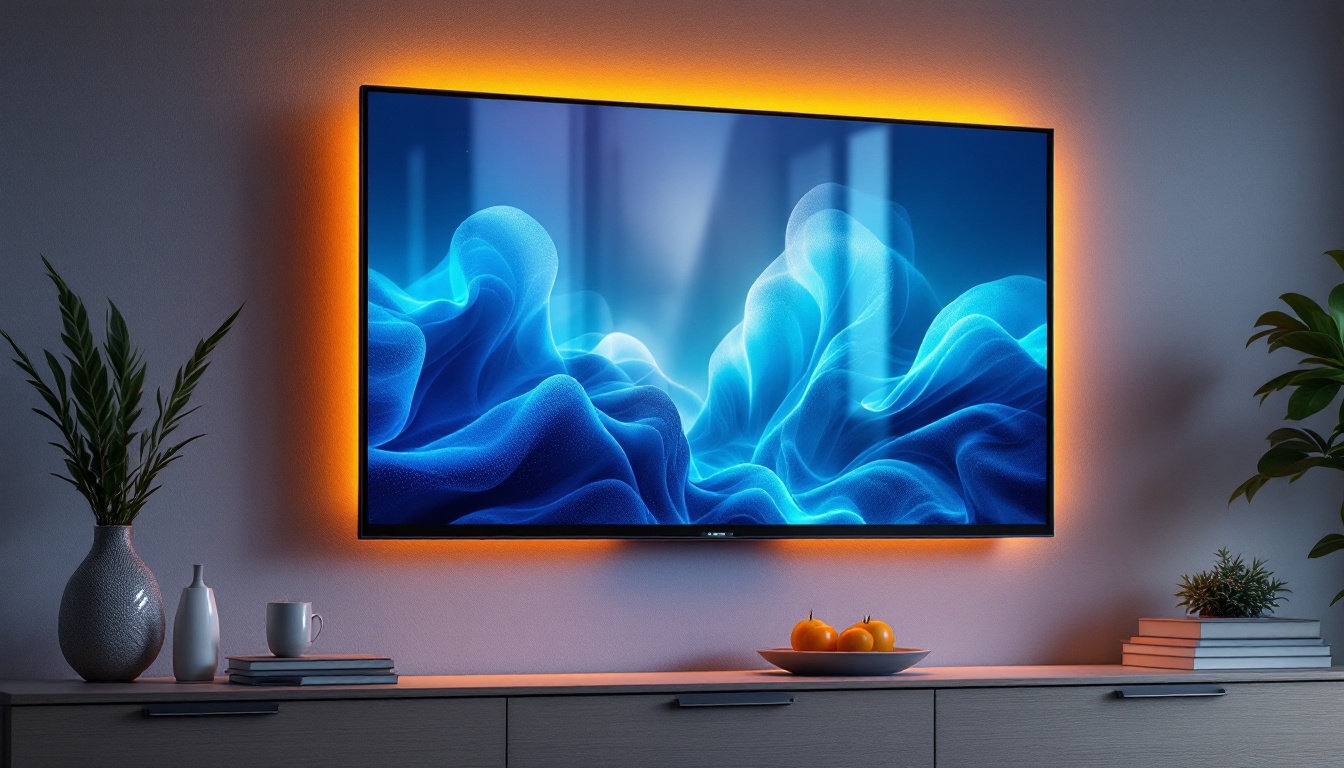
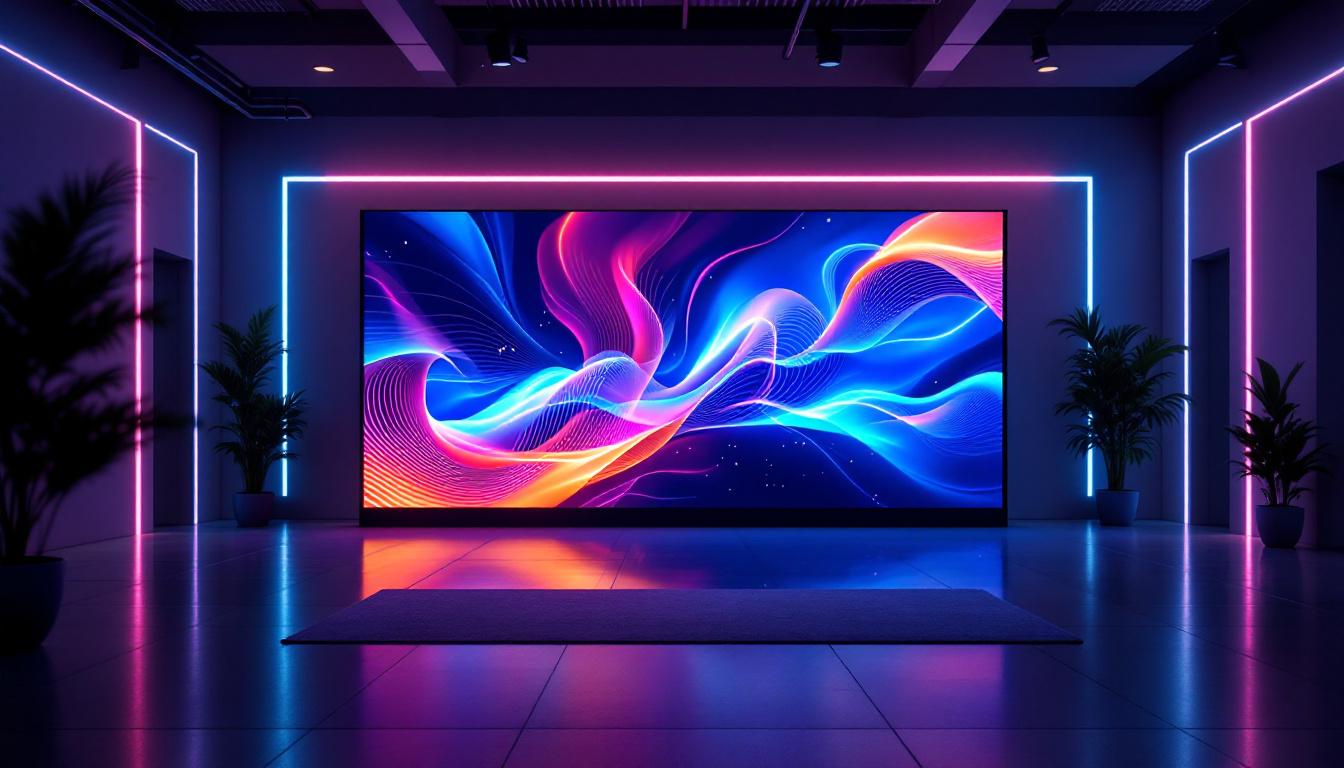
Paneled LED walls, often referred to as LED video walls or LED displays, consist of multiple modular LED panels seamlessly connected to create a large, continuous screen. Each panel contains an array of light-emitting diodes (LEDs) that produce vibrant images and videos with exceptional brightness and color accuracy.
The modular design allows for scalability and customization, enabling users to build displays of virtually any size or shape. This flexibility is a key reason why paneled LED walls have become popular across diverse industries, including advertising, entertainment, retail, sports, and corporate communications. From large-scale concerts to intimate retail environments, these displays can be tailored to fit the specific needs and aesthetic preferences of various applications, making them a versatile choice for visual communication.
Moreover, the advancements in LED technology have significantly improved the lifespan and energy efficiency of these panels. Modern LED walls consume less power while delivering brighter images, which not only reduces operational costs but also aligns with sustainability goals. This eco-friendly aspect is becoming increasingly important as businesses seek to minimize their environmental impact while still engaging audiences with high-quality visual content.
How LED Panels Work
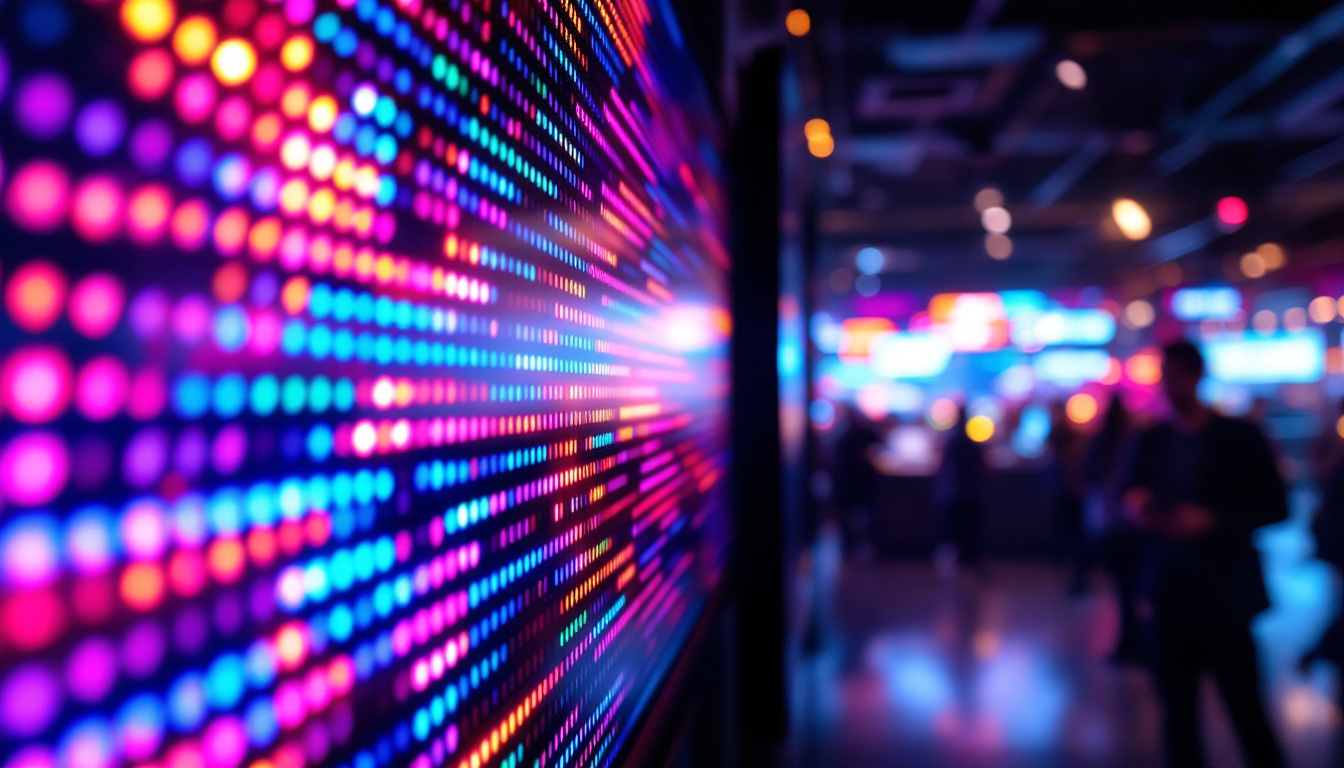
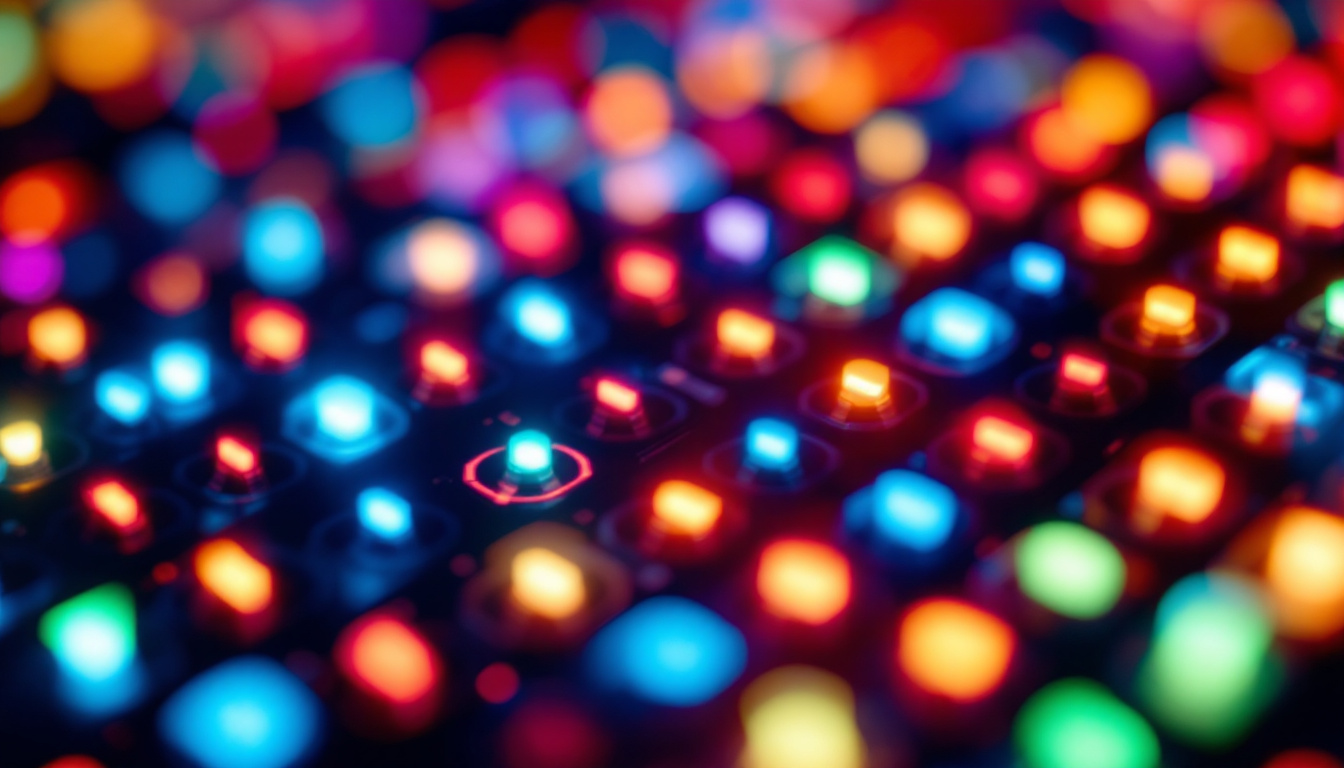
Each LED panel is composed of thousands of tiny LEDs arranged in a grid. These LEDs emit light when an electric current passes through them. The panels are controlled by sophisticated electronics that manage the color and intensity of each LED, enabling the display of high-resolution images and videos.
Typically, LEDs are grouped into pixels, with each pixel containing red, green, and blue diodes. By varying the intensity of these diodes, the panel can produce a wide spectrum of colors. The resolution and image quality depend on the pixel pitch—the distance between the center of one pixel to the next. A smaller pixel pitch means higher resolution and sharper images, which is crucial for close-up viewing. This is particularly relevant in settings such as trade shows or exhibitions, where attendees may be just a few feet away from the display, necessitating a clear and detailed visual experience.
Types of LED Panels
There are several types of LED panels designed for different environments and purposes:
- Indoor LED Panels: These panels have a smaller pixel pitch (typically 1.2mm to 4mm) and are designed for close viewing distances, such as in conference rooms, retail stores, or broadcast studios.
- Outdoor LED Panels: Built to withstand weather conditions, these panels have a larger pixel pitch (usually 4mm to 20mm) and higher brightness levels to combat sunlight glare, making them ideal for billboards and stadium screens.
- Transparent LED Panels: These innovative panels allow light to pass through, making them perfect for glass walls or windows, combining display capabilities with architectural aesthetics.
In addition to these common types, there are also specialized LED panels such as curved or flexible panels that can conform to various shapes and surfaces, enhancing creative possibilities for installations. These panels are often used in immersive environments like museums or theme parks, where they can wrap around structures or create dynamic visual experiences that engage viewers in unique ways. The integration of advanced technologies such as augmented reality (AR) and interactive features further expands the potential applications of paneled LED walls, making them a cutting-edge choice for modern visual storytelling.
Applications of Paneled LED Walls
The versatility of paneled LED walls has led to their widespread adoption across numerous sectors. Understanding the most impactful applications helps businesses and event organizers leverage this technology effectively.
Advertising and Marketing
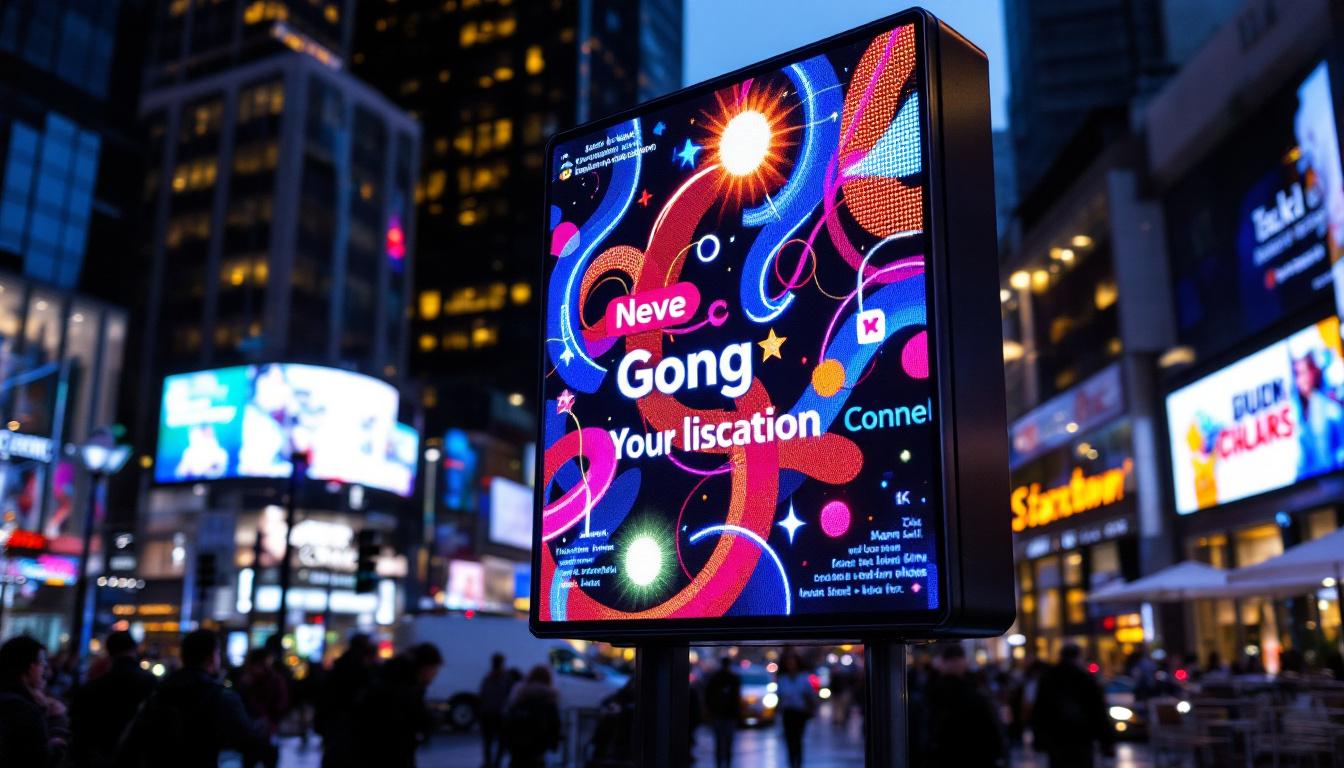
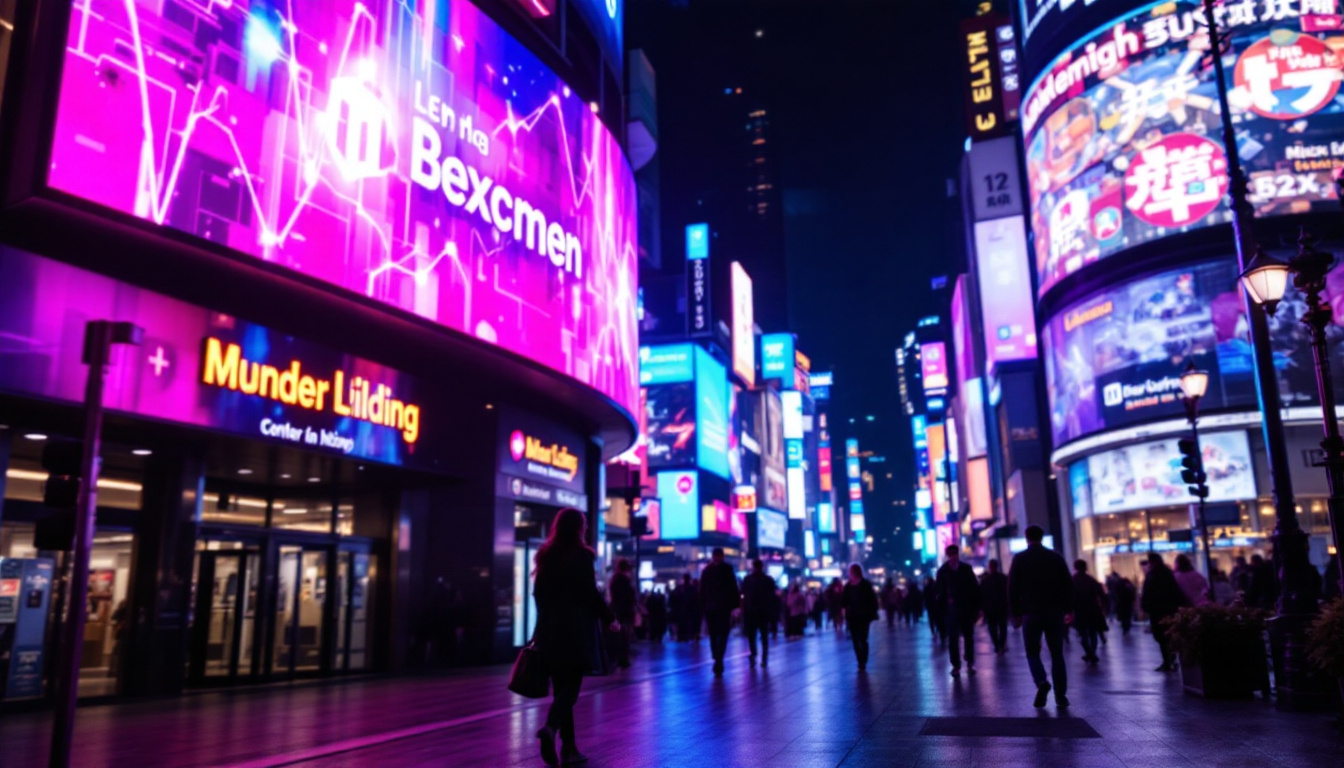
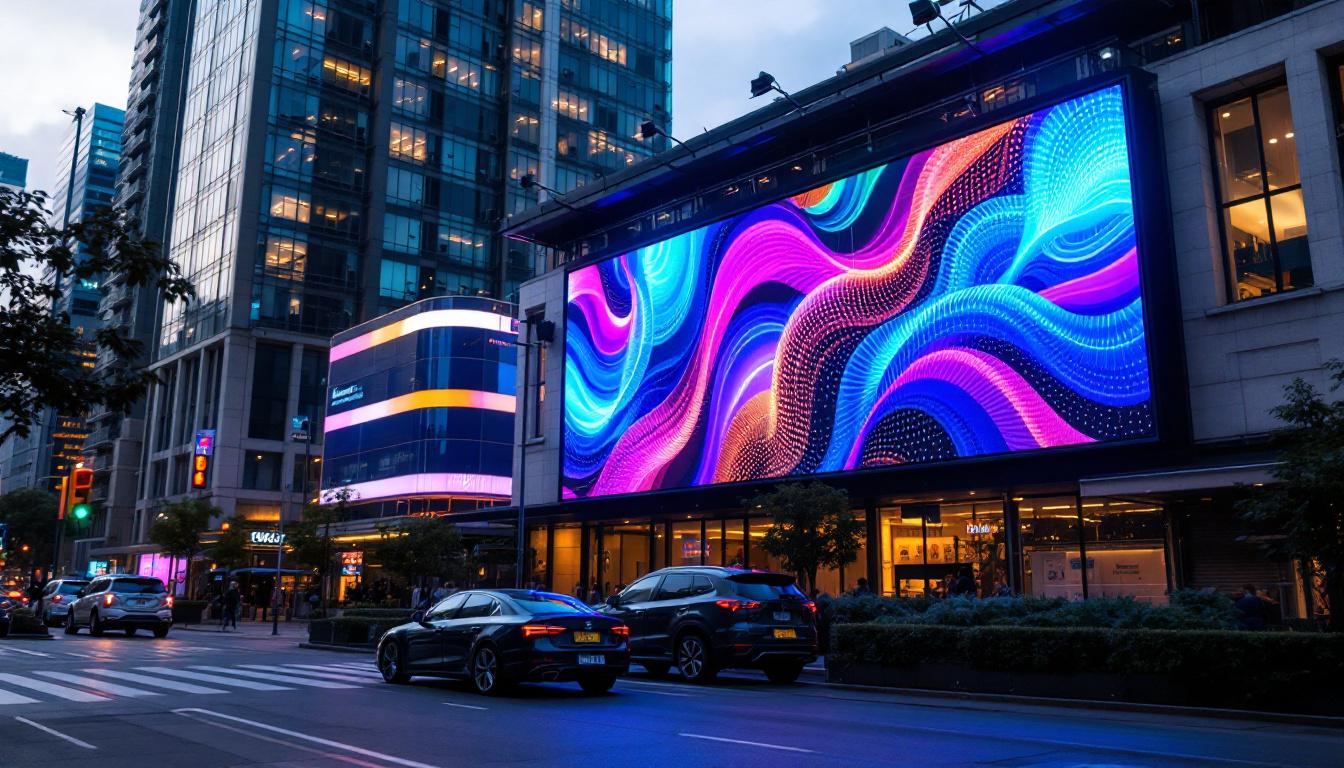
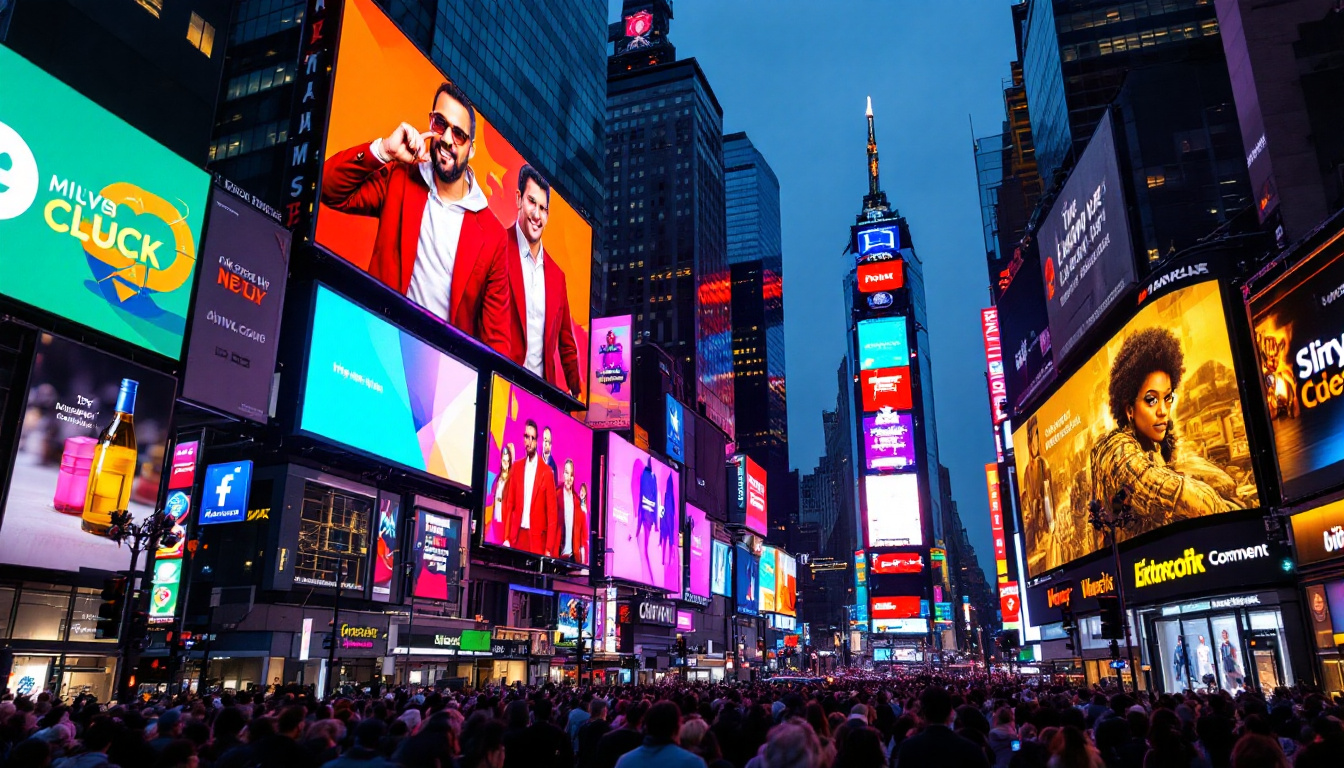
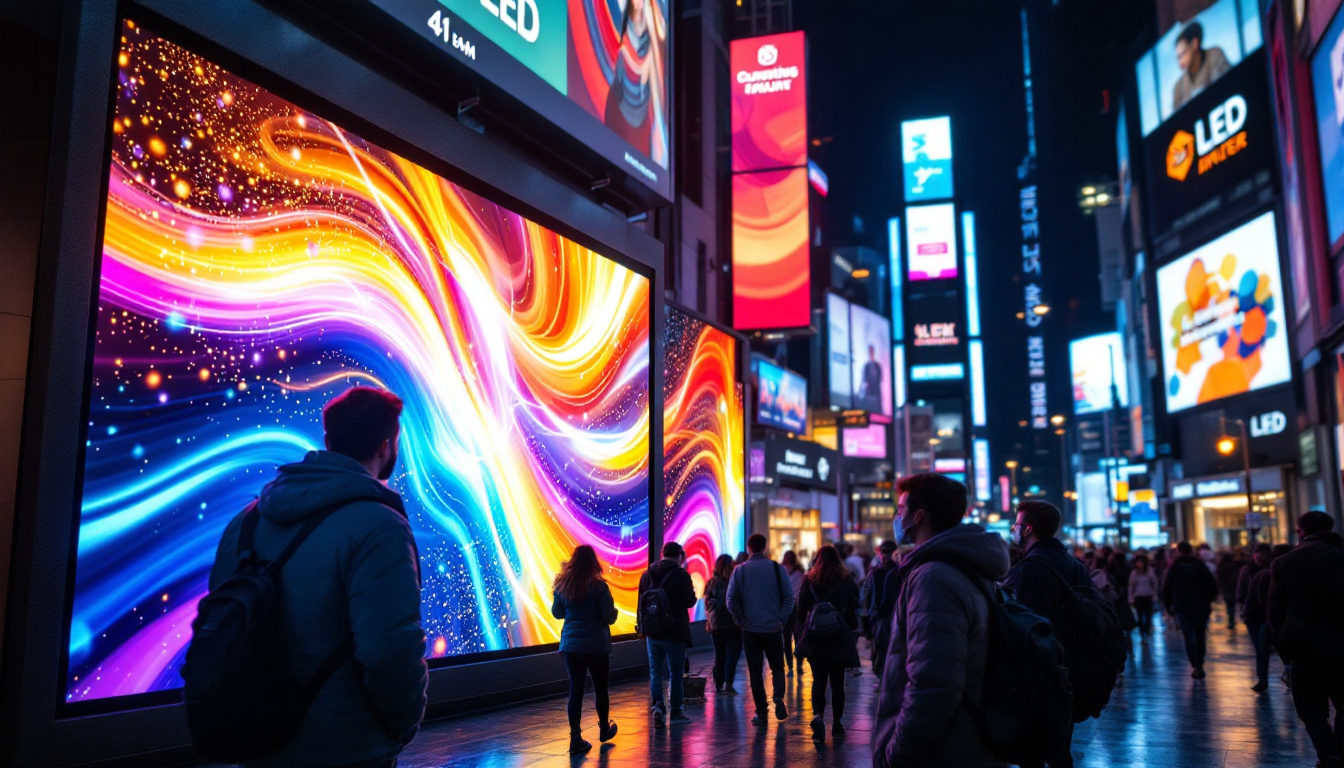
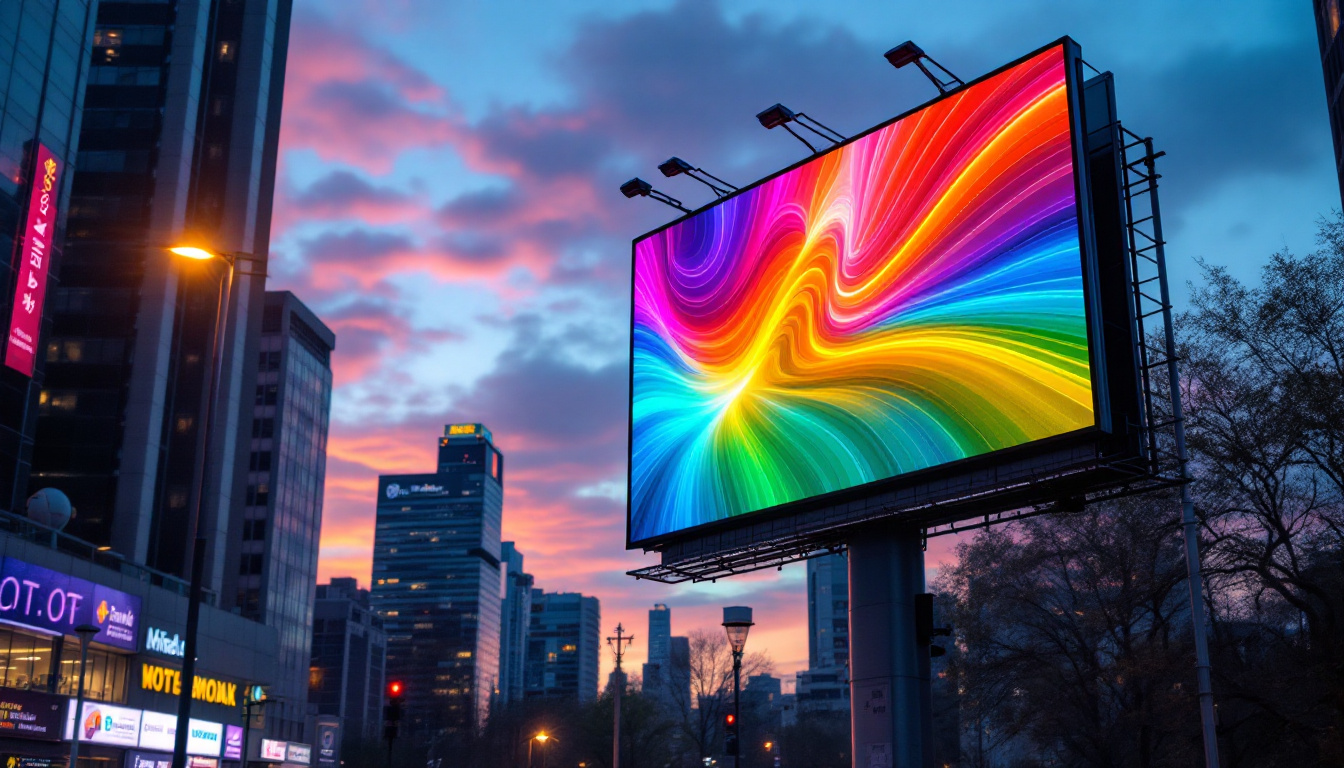
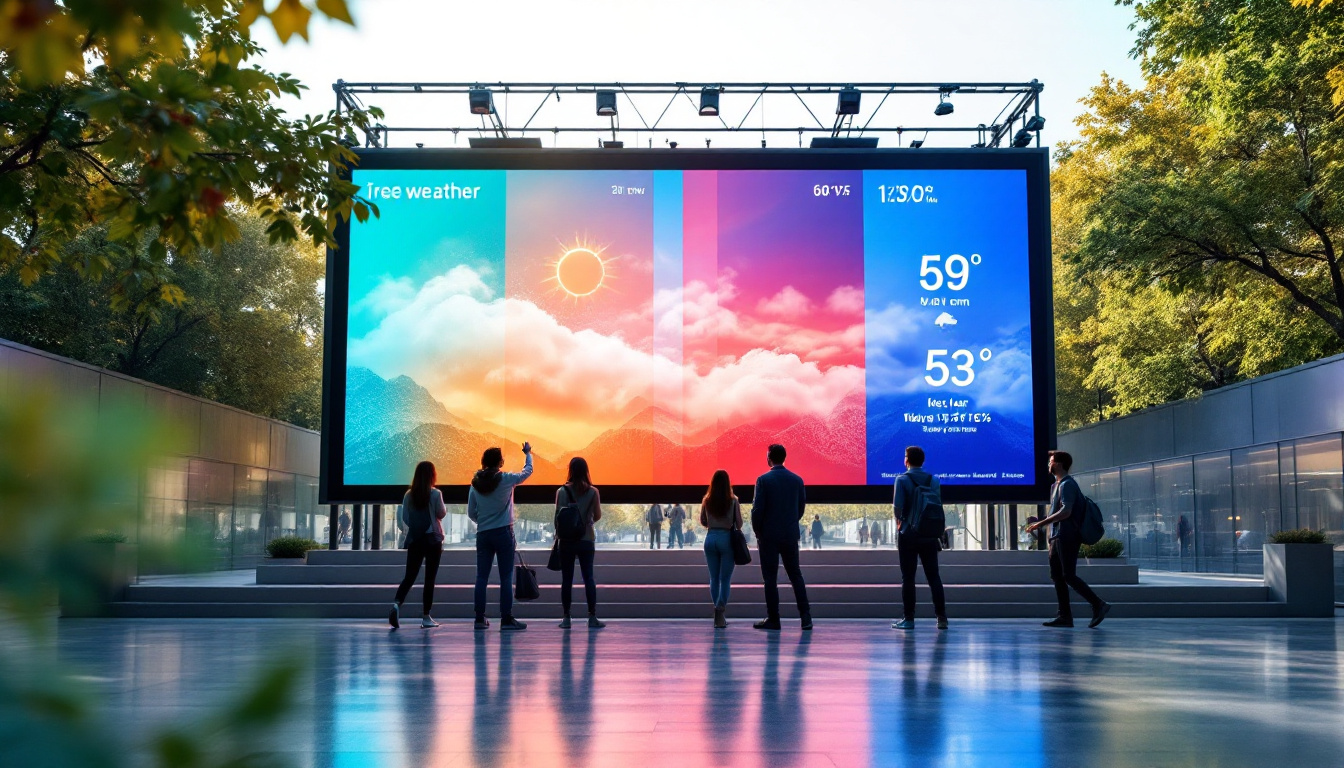
Digital billboards and outdoor advertising have been revolutionized by LED paneled walls. According to the Outdoor Advertising Association of America (OAAA), digital out-of-home advertising revenue exceeded $4.6 billion in 2023, with LED displays playing a significant role.
LED walls enable advertisers to deliver dynamic, eye-catching content that can be updated in real-time, allowing for targeted campaigns based on time of day, weather, or audience demographics. The high brightness and vivid colors ensure visibility even in direct sunlight, maximizing engagement.
Entertainment and Events
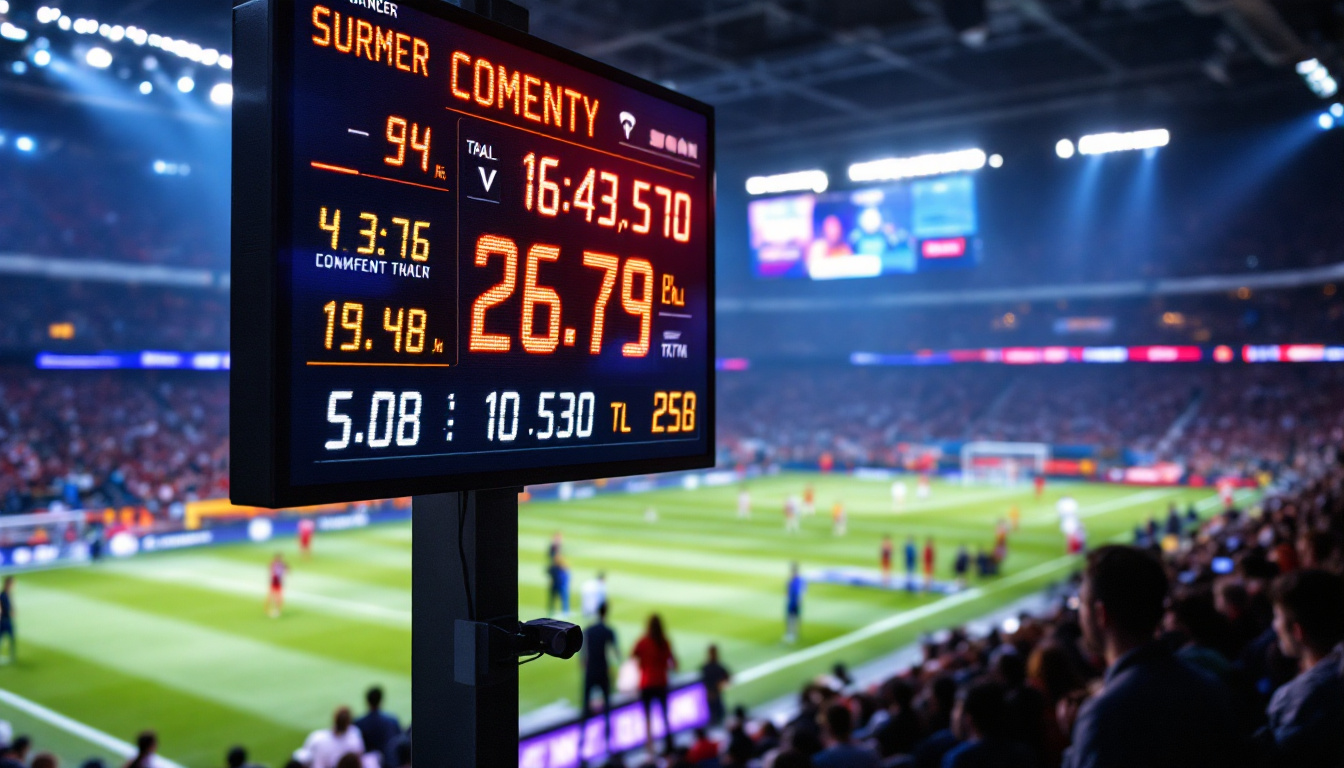
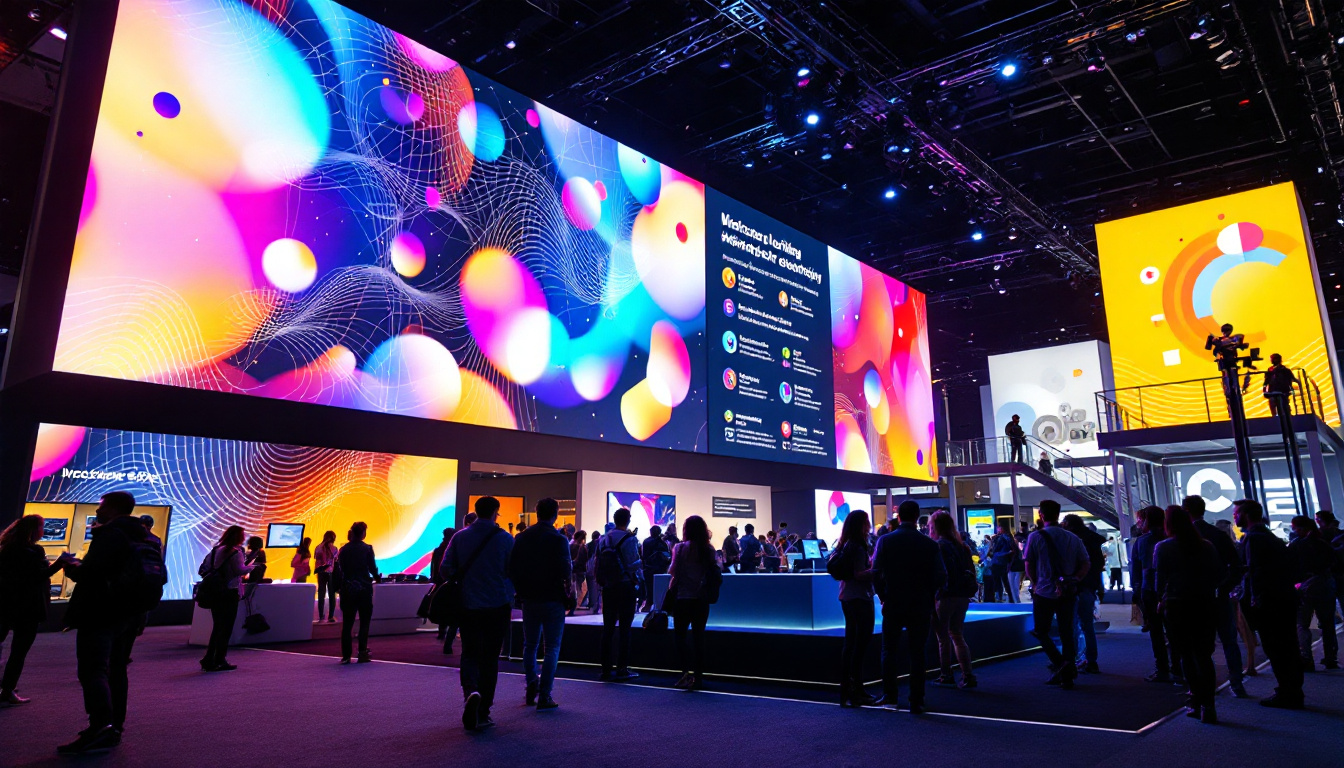
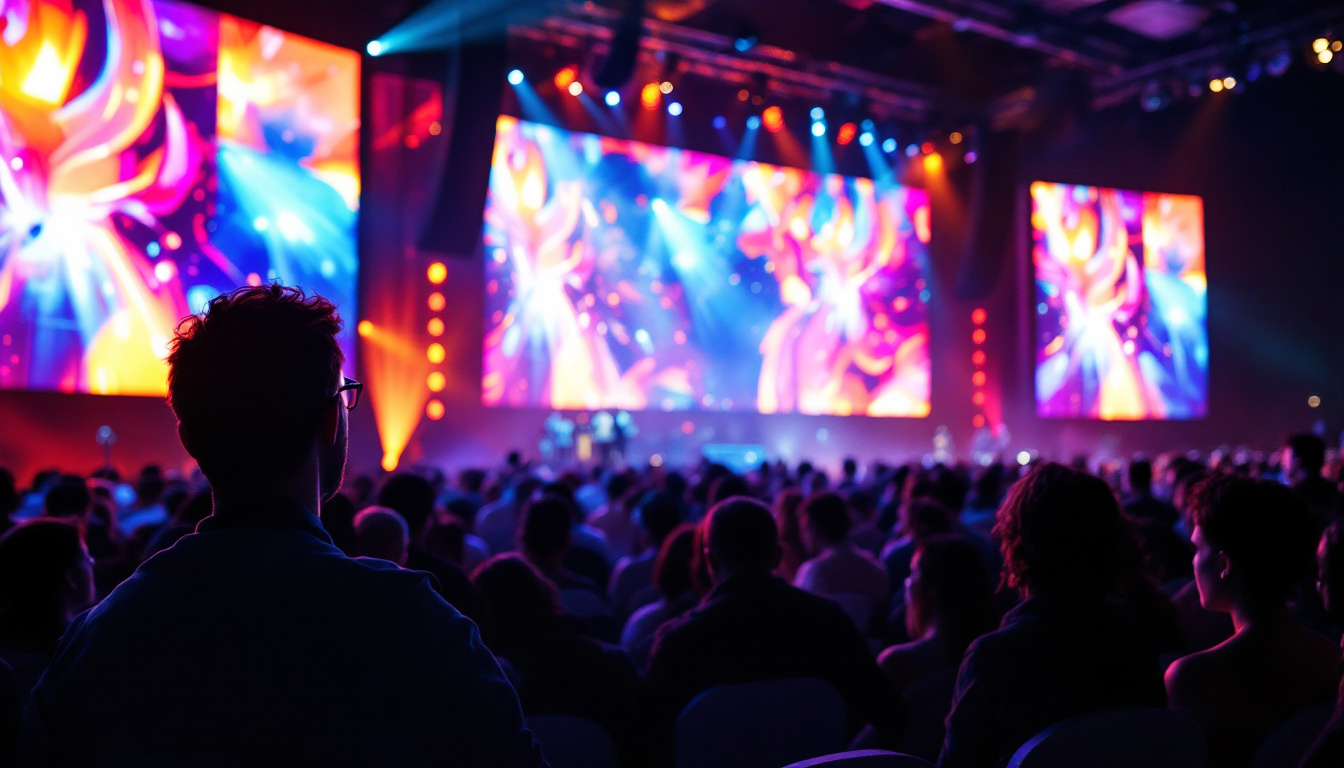
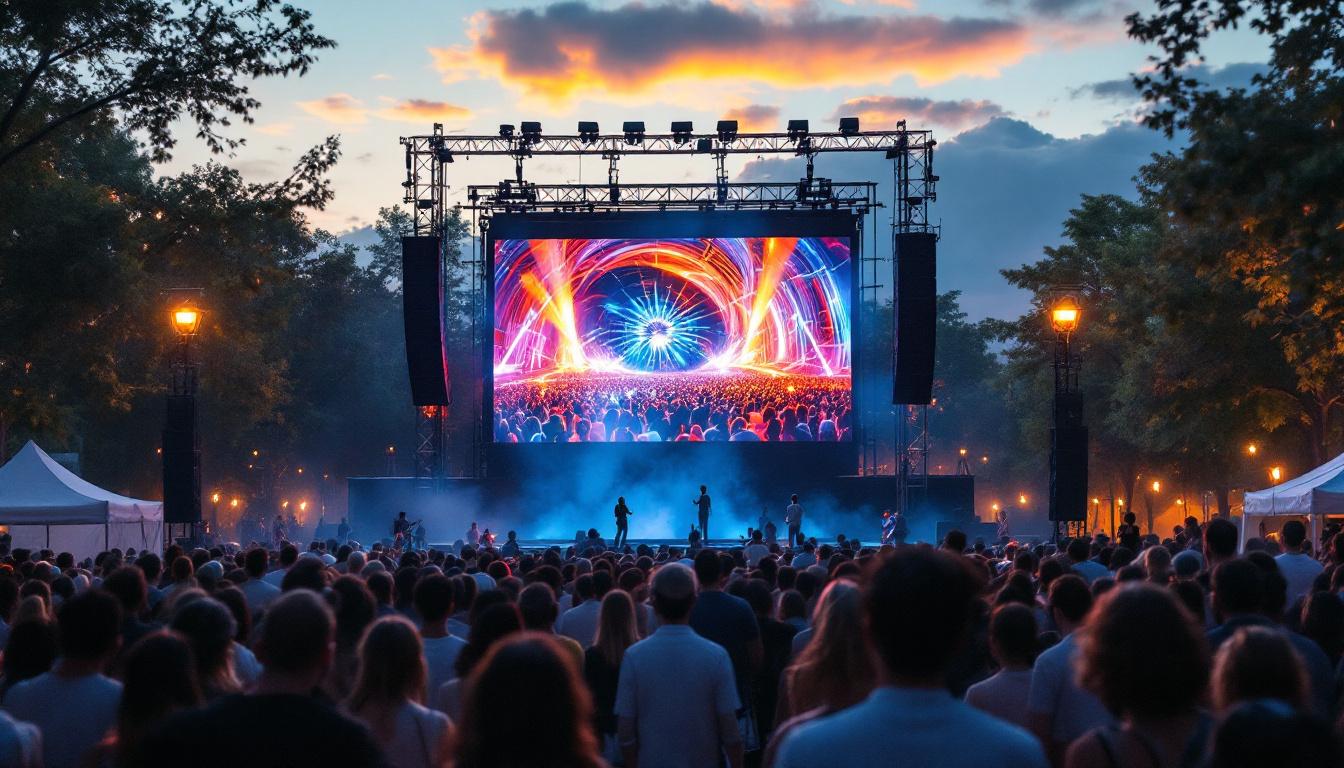
Concerts, festivals, sports arenas, and corporate events frequently utilize LED paneled walls to create immersive visual experiences. These walls serve as backdrops, scoreboards, or interactive displays, enhancing audience engagement and atmosphere.
For example, the Super Bowl halftime shows and major music festivals often feature massive LED walls that synchronize visuals with performances, creating memorable spectacles. The ability to customize size and shape allows designers to integrate LED walls seamlessly into stage designs.
Retail and Hospitality
Retailers use LED walls to attract customers and enhance in-store experiences. Digital signage can showcase promotions, product information, or brand storytelling with high impact. In hospitality, LED walls contribute to ambiance and guest engagement in hotel lobbies, casinos, and restaurants.
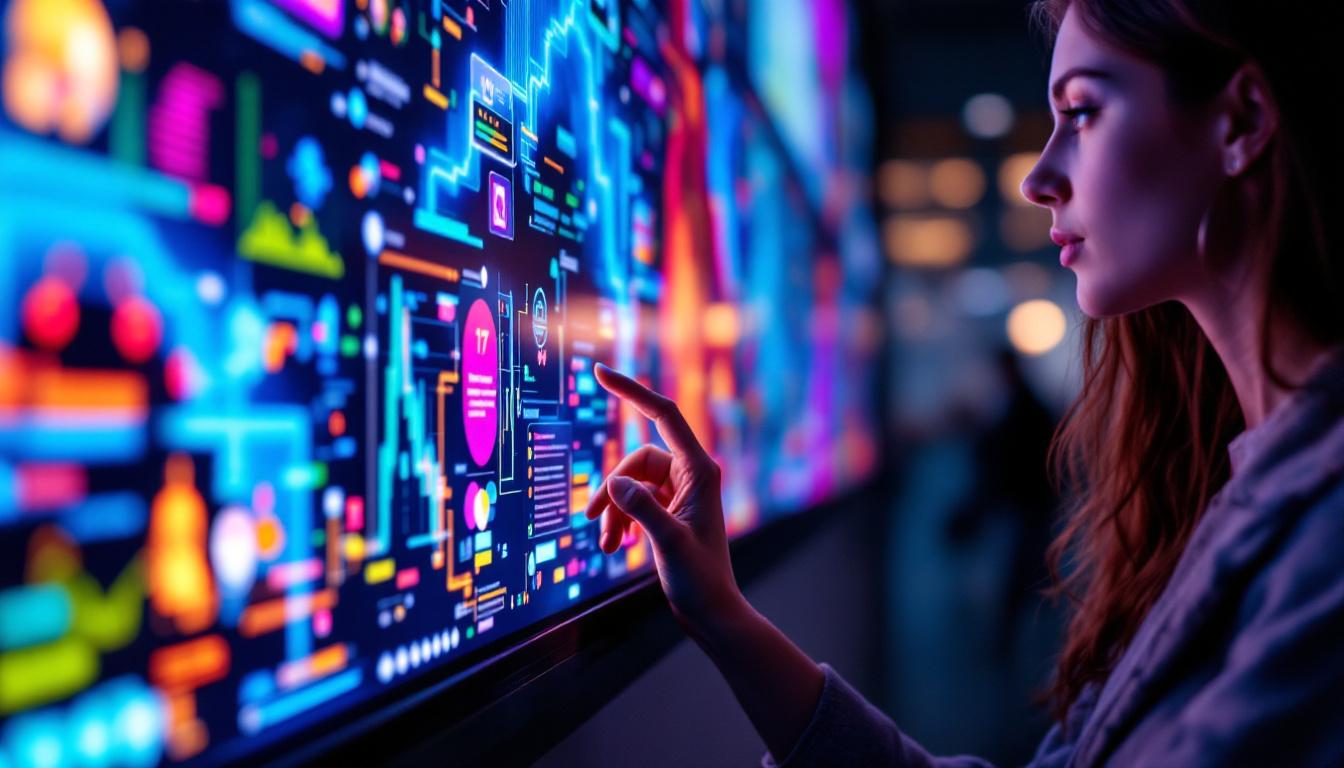
Interactive LED walls also enable customers to engage directly with content, such as virtual try-ons or wayfinding, blending digital innovation with physical spaces.
Corporate and Educational Environments
In corporate settings, LED paneled walls are increasingly used for presentations, video conferencing, and digital collaboration. Their clarity and size make them ideal for boardrooms and auditoriums.
Educational institutions employ LED walls for immersive learning experiences, digital signage, and campus communications, enhancing engagement and information dissemination.
Key Benefits of Paneled LED Walls
Understanding the advantages of LED paneled walls helps stakeholders make informed decisions when investing in display technology.
Superior Brightness and Visibility
LED walls provide brightness levels far exceeding traditional LCD or projection displays. Outdoor LED panels can reach brightness levels of 5,000 to 10,000 nits, ensuring clear visibility even under direct sunlight.
This brightness advantage is crucial for outdoor advertising and large venues where ambient light conditions vary significantly.
Scalability and Flexibility
The modular nature of paneled LED walls allows for easy scalability. Whether a small indoor display or a massive stadium screen, panels can be combined to achieve the desired size and aspect ratio.
Additionally, various shapes and curved configurations are possible, enabling creative and architectural integration that static displays cannot match.
Energy Efficiency and Longevity
Modern LED technology is energy-efficient compared to older display technologies. LEDs consume less power and generate less heat, reducing operational costs and environmental impact.
Moreover, LED panels typically have a lifespan of 50,000 to 100,000 hours, translating to years of reliable service before needing replacement.
High Resolution and Image Quality
With advancements in pixel pitch and color calibration, LED walls deliver sharp, vibrant images with excellent contrast ratios. This quality is essential for brand messaging, entertainment, and detailed content display.
Considerations When Choosing Paneled LED Walls
While LED paneled walls offer numerous benefits, selecting the right solution requires careful evaluation of several factors.
Pixel Pitch and Viewing Distance
Pixel pitch directly affects image clarity and should align with the intended viewing distance. For example, a pixel pitch of 1.5mm is suitable for close viewing indoors, whereas 10mm or higher is acceptable for large outdoor displays viewed from afar.
Choosing the wrong pixel pitch can result in pixelation or unnecessarily high costs without visible benefits.
Brightness and Environmental Conditions
Outdoor installations require higher brightness levels and weatherproofing to ensure durability and visibility. Panels should have appropriate IP ratings (Ingress Protection) to withstand rain, dust, and temperature fluctuations.
Indoor environments typically demand lower brightness but may require anti-glare coatings or specific color calibration for ambient lighting conditions.
Installation and Maintenance
Modular LED walls can be complex to install, especially large-scale or curved configurations. Professional installation ensures alignment, connectivity, and calibration for optimal performance.
Maintenance access is another critical factor. Panels should be serviceable from the front or rear, depending on the installation, to minimize downtime and costs.
Content Management and Control Systems
Effective use of LED walls depends on robust content management systems (CMS) that allow easy scheduling, updating, and monitoring of displayed content. Integration with existing digital infrastructure and user-friendly interfaces enhances operational efficiency.
Future Trends in Paneled LED Display Technology
The LED display industry continues to innovate, driven by demand for higher resolution, energy efficiency, and creative applications.
MicroLED and MiniLED Technologies
Emerging MicroLED and MiniLED technologies promise even finer pixel pitches and improved contrast ratios. These advances will enable LED walls with near-retina display quality, expanding their use in premium indoor environments and professional applications.
Flexible and Transparent Displays
Flexible LED panels allow for curved and irregular shapes, opening new possibilities for architectural integration and immersive experiences. Transparent LED panels are gaining popularity in retail and commercial spaces, blending digital content with physical environments without obstructing views.
Artificial Intelligence and Interactivity
AI-powered content personalization and interactive LED walls are transforming how audiences engage with displays. Gesture recognition, facial analysis, and real-time data integration enable dynamic and context-aware content delivery.
Conclusion
Paneled LED walls represent a transformative technology in visual communication, offering unparalleled brightness, flexibility, and image quality. Their modular design supports a wide range of applications—from outdoor advertising and live events to retail and corporate environments.
When selecting an LED display solution, understanding pixel pitch, brightness requirements, environmental considerations, and content management capabilities is essential to maximize the investment’s value. As LED technology continues to advance, future innovations promise even more immersive and interactive experiences, solidifying paneled LED walls as a vital tool for effective digital communication.
Discover LumenMatrix LED Display Solutions
Ready to elevate your visual communication with the latest in LED display technology? LumenMatrix is at the forefront of innovation, offering a diverse range of LED display modules designed to bring your brand to life. Whether you’re looking for Indoor LED Wall Displays for your corporate headquarters, Outdoor LED Wall Displays for high-impact advertising, or any of our specialized solutions like Transparent or Custom LED Displays, LumenMatrix has the expertise to transform your space into a dynamic visual experience. Check out LumenMatrix LED Display Solutions today and see how we can help you captivate your audience and communicate with unforgettable clarity and impact.