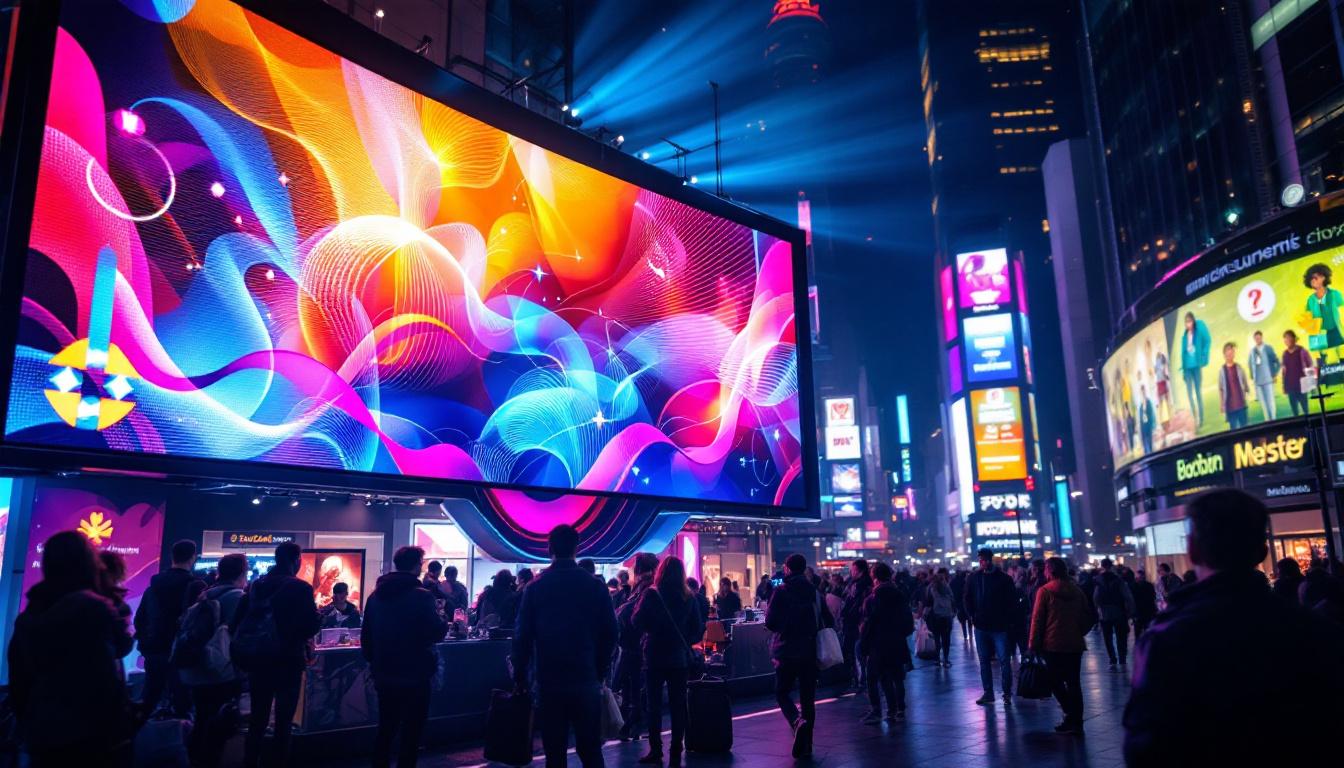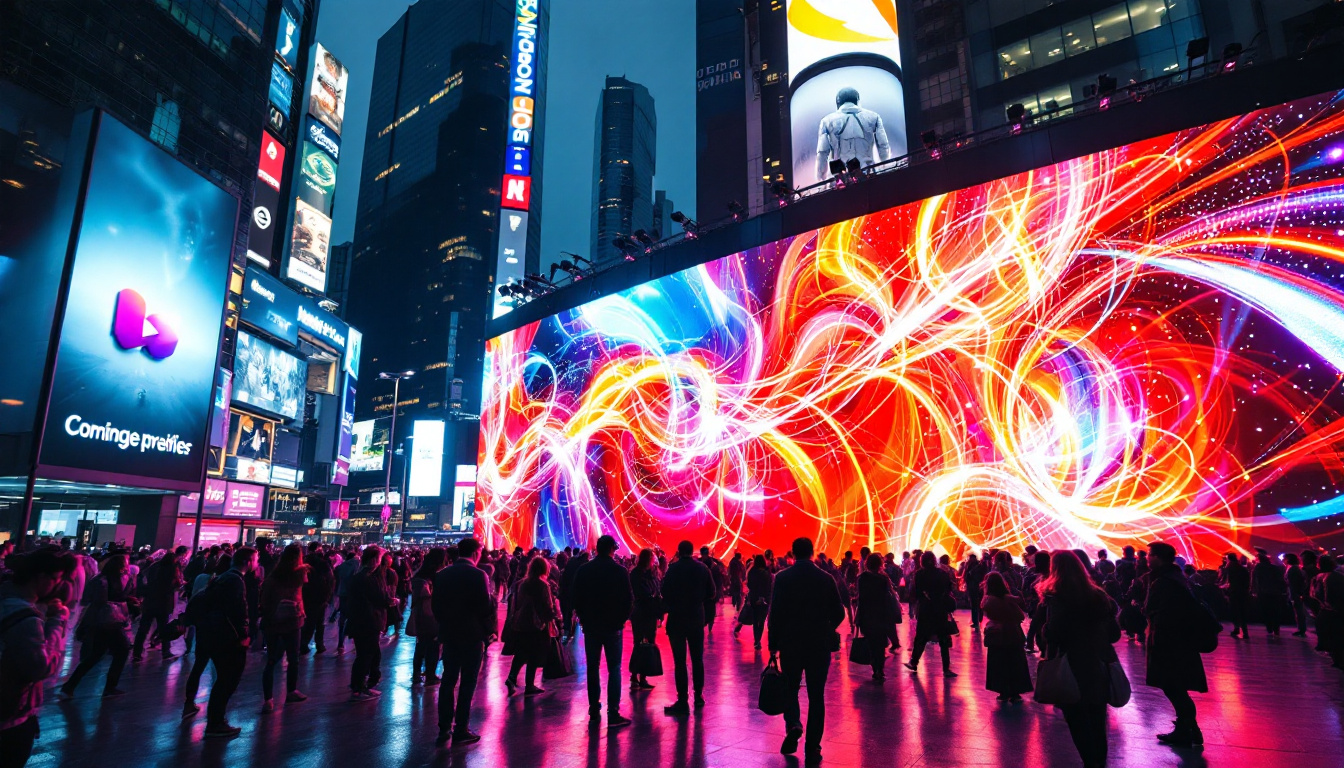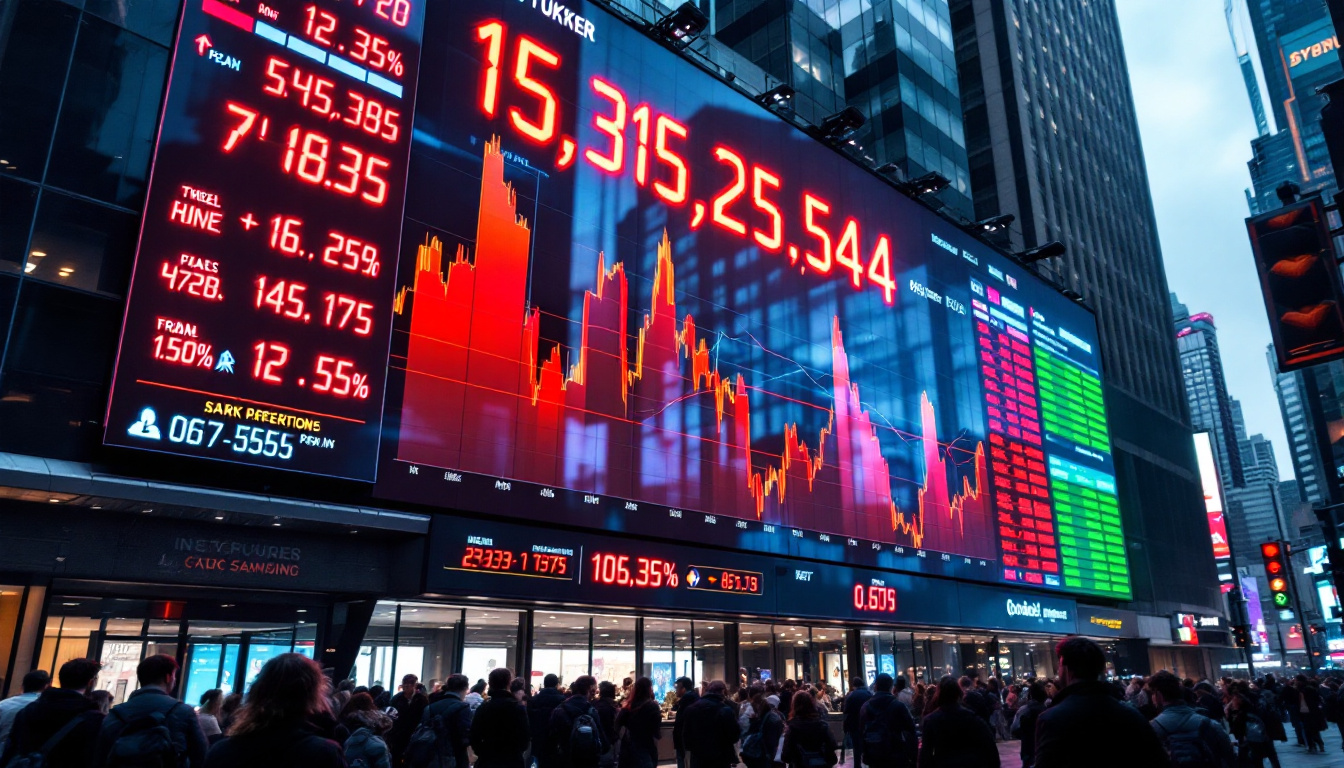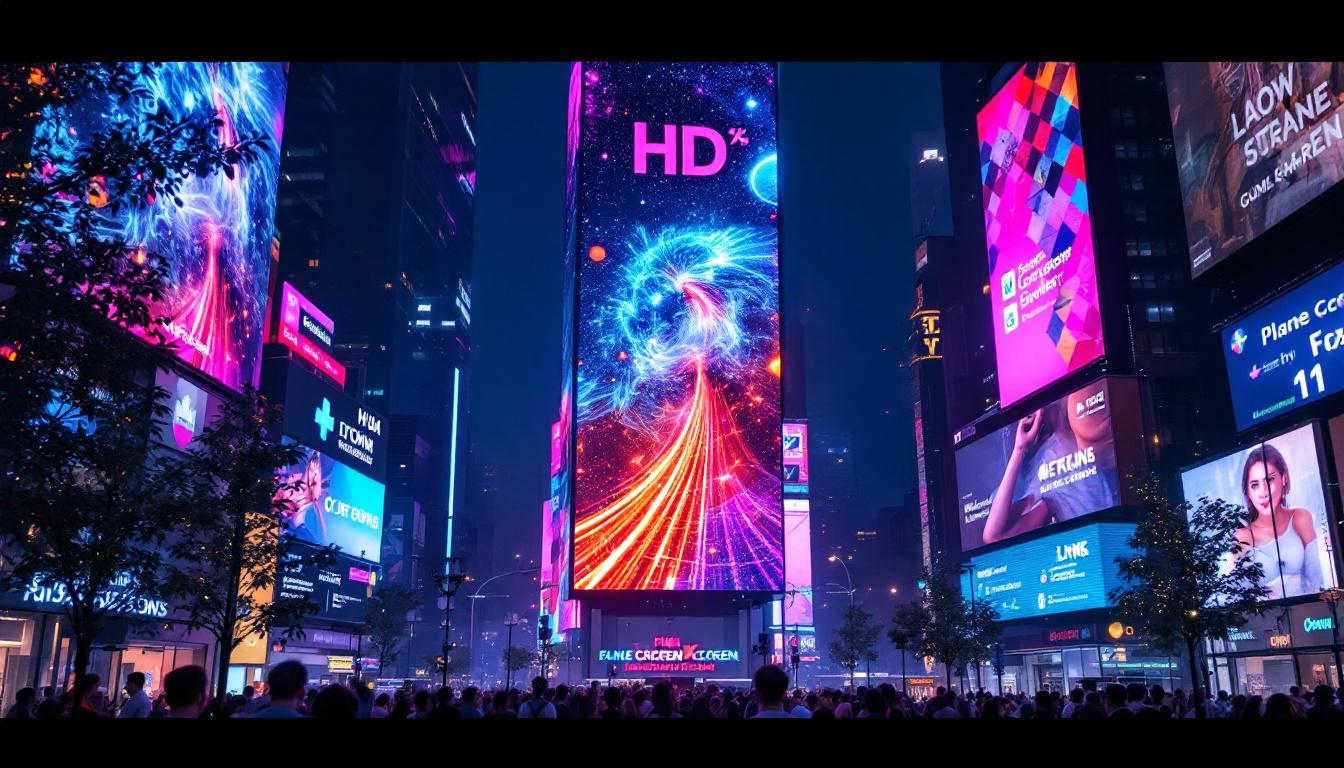
In the rapidly evolving world of visual technology, LED displays have become a cornerstone for delivering vibrant, high-resolution content across various industries. Among the many applications of LED technology, plane screens — flat-panel LED displays — stand out for their versatility and performance. This article delves into the intricacies of plane screen LED displays, exploring their technology, benefits, and practical uses in today’s digital landscape.
Understanding Plane Screen LED Displays
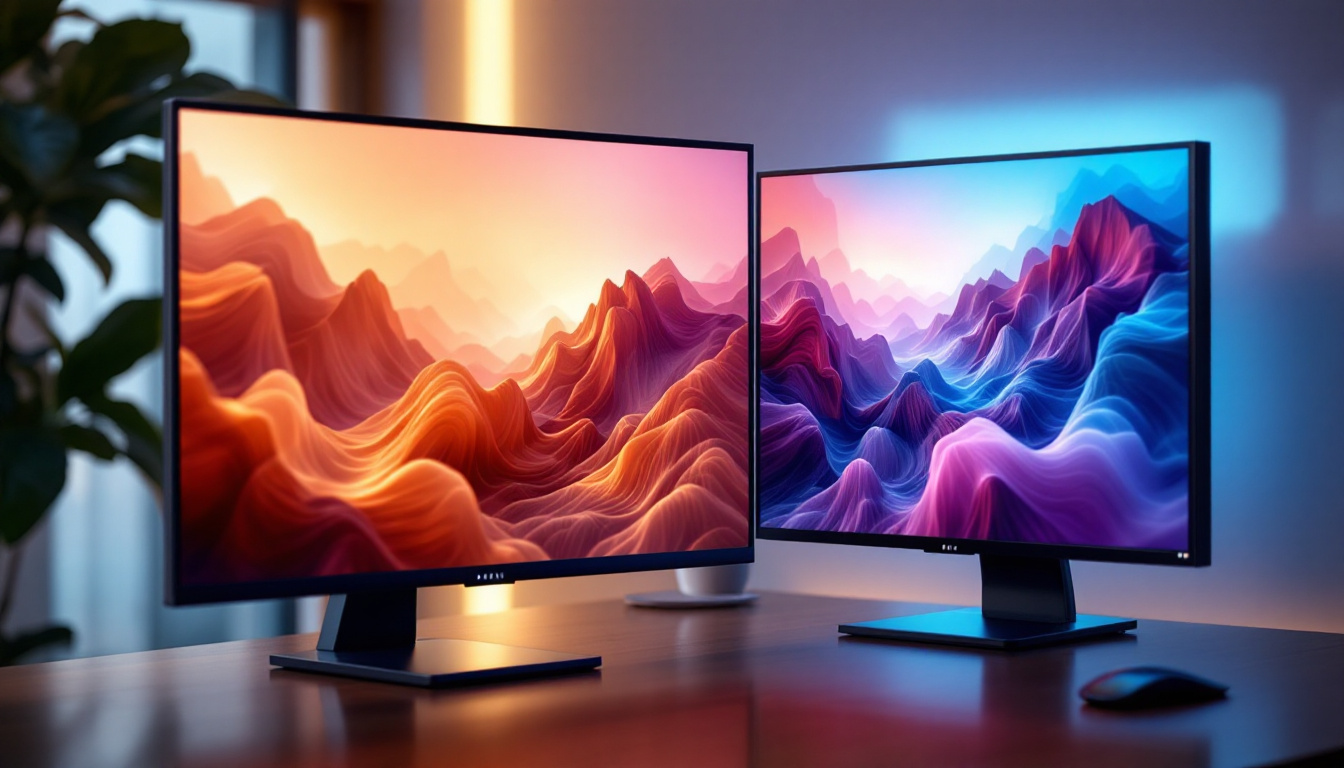
At its core, a plane screen LED display is a flat-panel screen composed of an array of light-emitting diodes (LEDs) that produce images by illuminating in different colors and intensities. Unlike traditional LCD or plasma screens, LED displays use tiny semiconductor devices that emit light directly, resulting in superior brightness and contrast. This direct emission of light not only enhances the viewing experience but also contributes to energy efficiency, making LED displays a more sustainable choice in the long run.
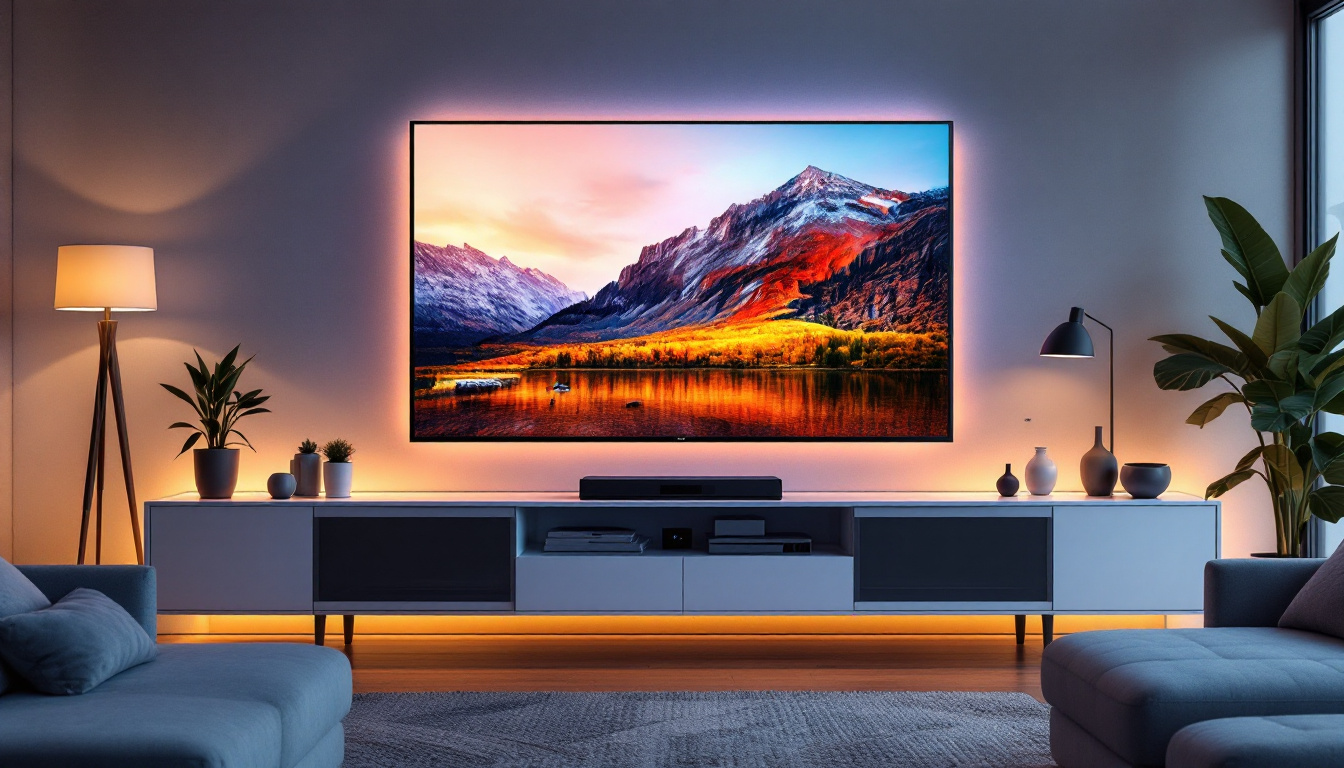
The term “plane screen” typically refers to the flat, planar structure of these LED panels, which can be manufactured in various sizes and resolutions to suit different applications. This flat design allows for seamless integration into walls, billboards, and indoor or outdoor signage without the bulkiness associated with older display technologies. Additionally, the lightweight nature of LED panels facilitates easier installation and maintenance, allowing businesses to adapt their advertising strategies quickly and efficiently.
How Do LED Plane Screens Work?
Each LED on the screen acts as a pixel or part of a pixel, emitting red, green, or blue light. By controlling the brightness of each LED, the display can create a full spectrum of colors and detailed images. Modern plane screen LED displays use surface-mounted device (SMD) technology, where LEDs are mounted directly onto the circuit board, enabling higher pixel density and finer image quality. This technology not only improves resolution but also allows for wider viewing angles, ensuring that the content remains vibrant and clear from various perspectives.
Control systems manage the data sent to the LEDs, synchronizing the light output to create smooth video and graphics. Advanced calibration ensures color accuracy and uniform brightness across the entire screen, which is crucial for professional applications like broadcasting and advertising. Moreover, many LED displays come equipped with smart technology that allows for real-time content updates and remote monitoring, providing businesses with the flexibility to change their messaging instantly based on audience engagement or time-sensitive promotions. This adaptability is particularly beneficial in dynamic environments such as sports arenas or concert venues, where the visual experience can be tailored to enhance the overall atmosphere.
Key Advantages of Plane Screen LED Displays
The rise of plane screen LED displays is driven by several compelling advantages over other display technologies. Understanding these benefits helps explain why industries from entertainment to transportation are increasingly adopting LED plane screens.
Superior Brightness and Visibility
One of the most significant advantages of LED plane screens is their exceptional brightness. LEDs can achieve luminance levels far beyond those of LCD or OLED screens, often exceeding 1,000 nits and reaching up to 5,000 nits or more for outdoor displays. This makes them highly visible even in direct sunlight, a critical factor for outdoor advertising, airport information boards, and stadium screens.
Moreover, LED displays maintain consistent brightness and color quality from wide viewing angles, ensuring that content is clear and vibrant regardless of where the viewer stands.
Energy Efficiency and Longevity
LED technology is inherently energy-efficient since LEDs convert most of their electrical energy into light rather than heat. This efficiency translates into lower operating costs, especially important for large-scale plane screen installations that run continuously.
Additionally, LEDs have a long operational lifespan, often rated at 50,000 to 100,000 hours, which reduces maintenance and replacement costs. This durability makes plane screen LED displays a cost-effective solution over time.
Flexibility and Scalability
Plane screen LED displays are highly modular, allowing for customization in size and resolution. Panels can be tiled seamlessly to create massive video walls or downsized for compact indoor screens. This scalability is ideal for environments that require tailored display solutions, such as control rooms, retail stores, and event venues.
Furthermore, the flat and thin design of plane screens facilitates easy installation on various surfaces, including curved walls when using flexible LED modules, expanding their application possibilities.
Applications of Plane Screen LED Displays
Given their versatility and performance, plane screen LED displays have found a broad range of applications across multiple sectors. Here are some of the most prominent uses:
Transportation Hubs and Airports
Airports and train stations rely heavily on plane screen LED displays for passenger information systems. These displays provide real-time updates on arrivals, departures, gate changes, and emergency announcements. The high brightness and clarity of LED screens ensure that information is legible even in brightly lit terminals.
For example, major international airports like London Heathrow and Singapore Changi have adopted large LED video walls to enhance passenger experience and streamline communication.
Advertising and Digital Signage
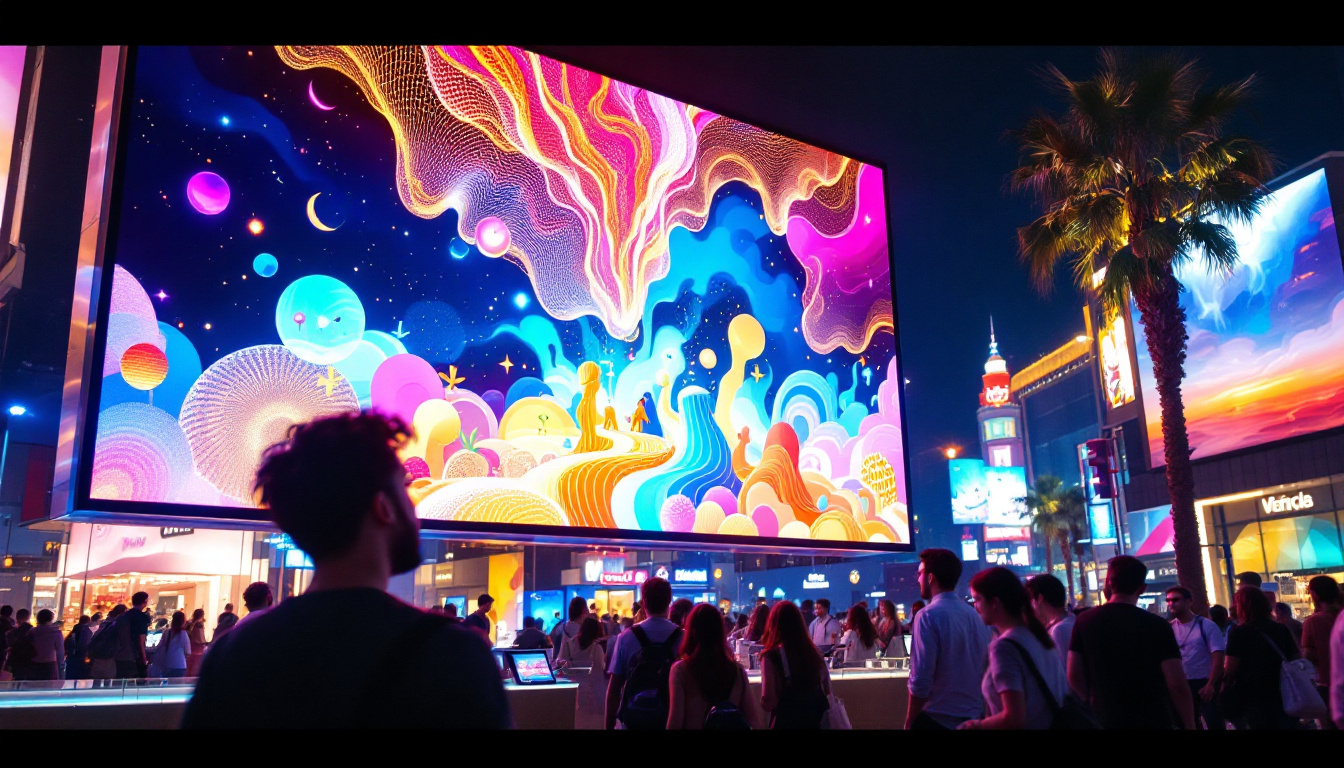
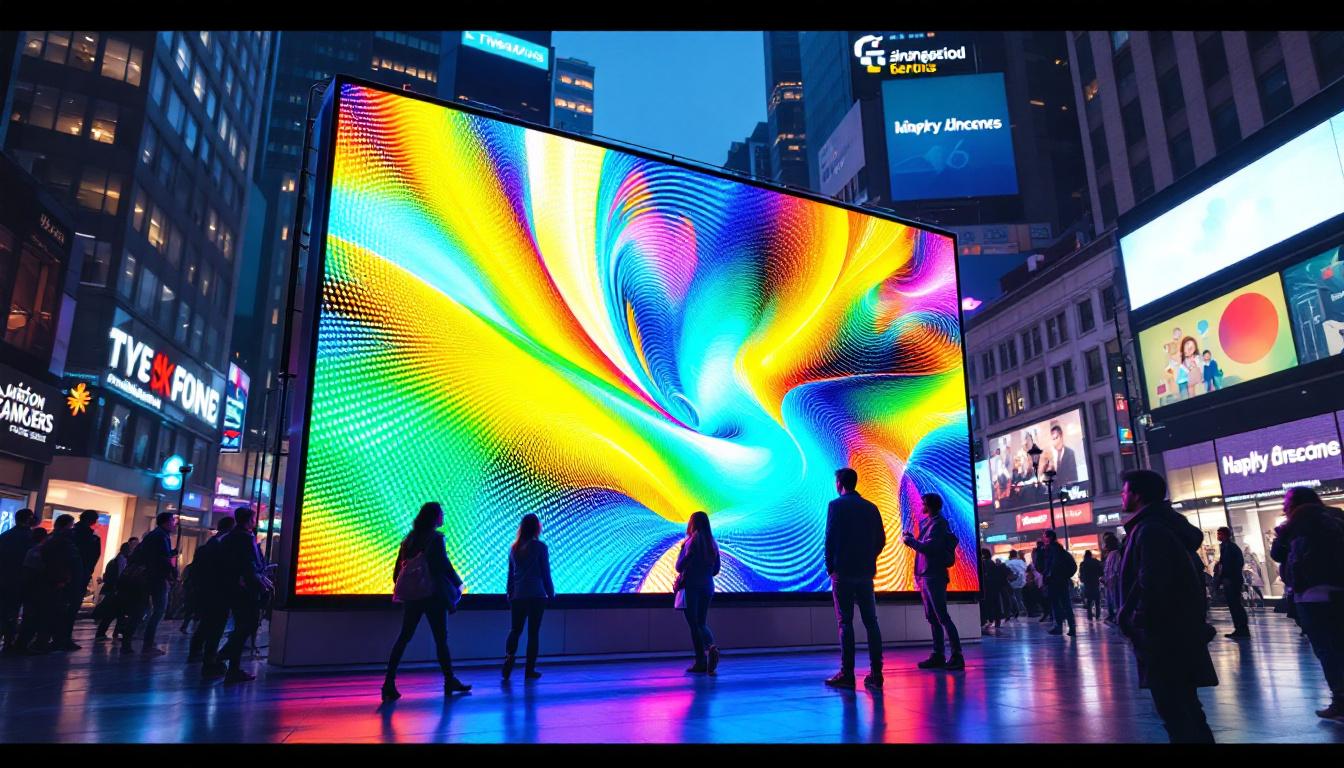
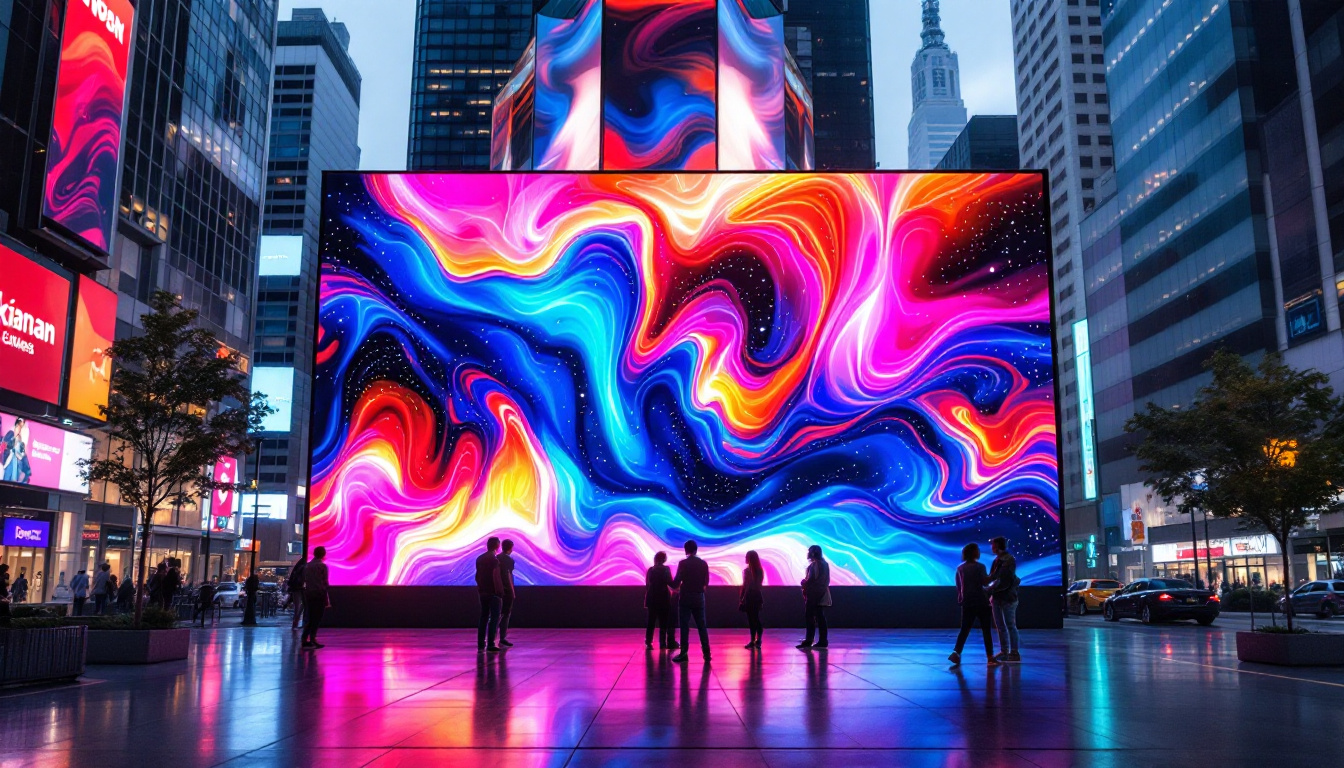
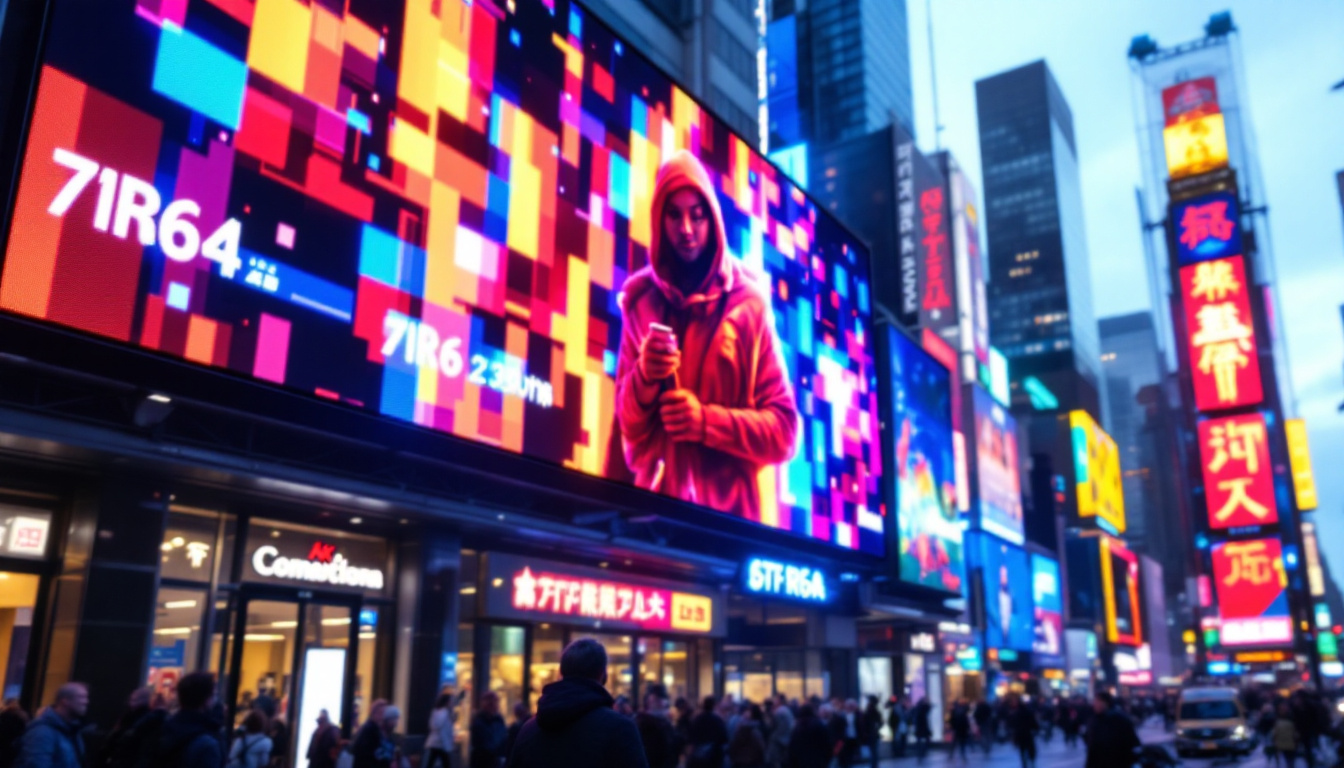
Outdoor advertising has been revolutionized by LED plane screens. Billboards equipped with LED panels can display dynamic, eye-catching content that attracts more attention than static posters. The ability to update content remotely and instantly also allows advertisers to tailor messages based on time of day, weather, or audience demographics.
Retail environments use LED displays to create immersive brand experiences, from interactive window displays to in-store promotions. The vivid colors and motion capabilities of LED screens help brands stand out in competitive marketplaces.
Entertainment and Events
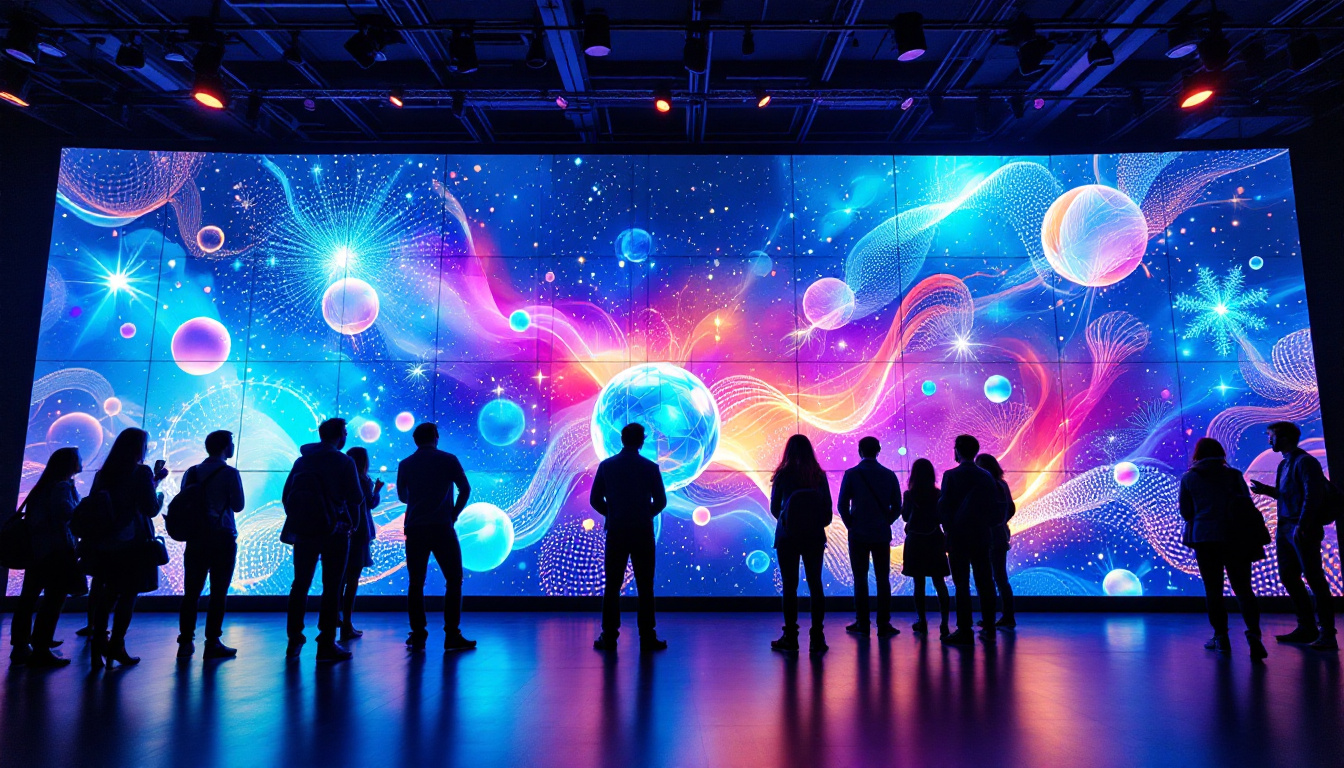
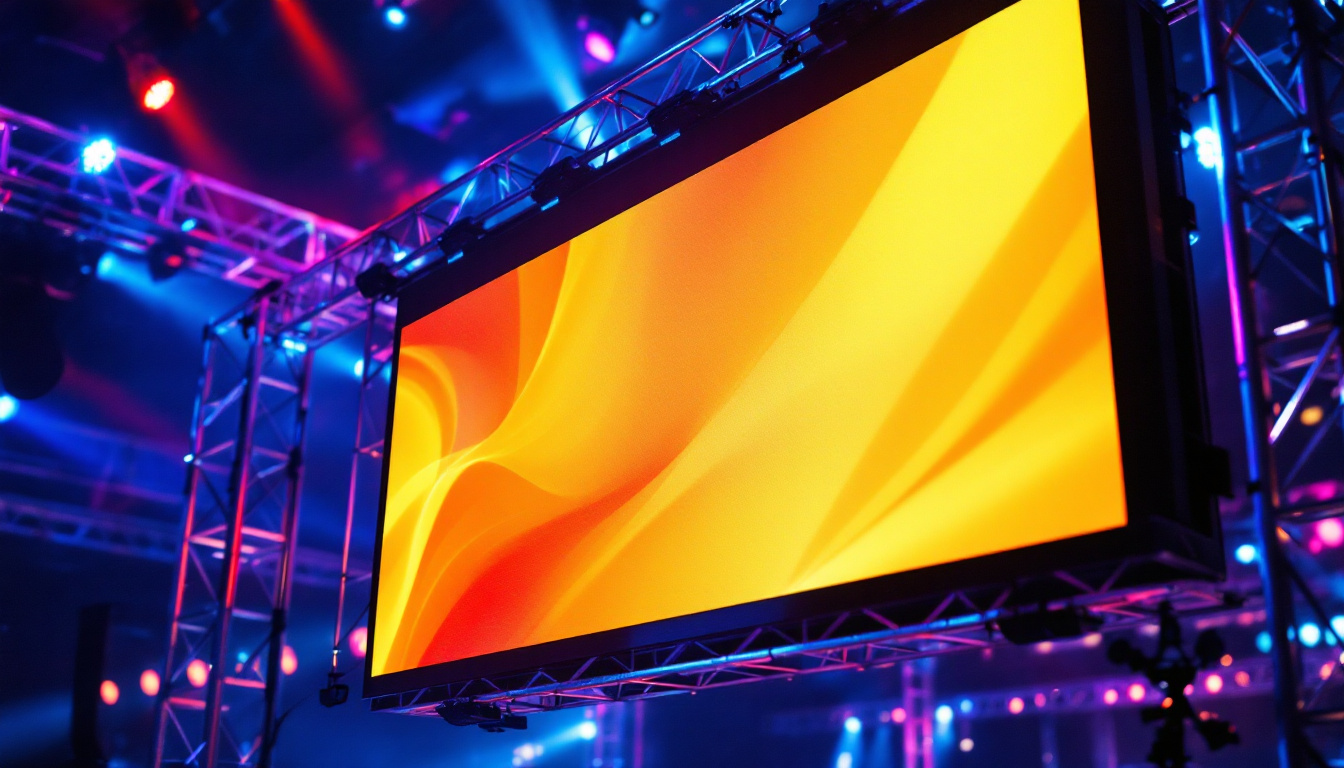
Concerts, sports arenas, and theaters utilize plane screen LED displays to deliver high-impact visuals that engage audiences. Large LED video walls serve as backdrops for performances, displaying everything from live video feeds to elaborate visual effects.
In sports venues, LED screens provide instant replays, scores, and interactive content, enhancing the spectator experience. The modular nature of plane screen LED technology allows for quick assembly and disassembly, which is essential for touring events.
Corporate and Control Rooms
In corporate settings, LED plane screens are used for presentations, video conferencing, and digital dashboards. Their clarity and size make them ideal for boardrooms and collaborative workspaces.
Control rooms in industries such as utilities, transportation, and security rely on LED video walls to monitor operations in real time. The ability to display multiple data streams simultaneously on a single plane screen enhances situational awareness and decision-making.
Technical Considerations When Choosing a Plane Screen LED Display
Selecting the right plane screen LED display involves evaluating several technical factors to ensure the display meets the specific needs of the environment and application.
Pixel Pitch and Resolution
Pixel pitch refers to the distance between the centers of adjacent LEDs and directly affects the display’s resolution and viewing distance. Smaller pixel pitches yield higher resolution and finer image detail, making them suitable for close-up viewing in indoor environments.
For outdoor or large venue applications where viewers are farther away, larger pixel pitches are acceptable and more cost-effective. Understanding the optimal pixel pitch for the intended viewing distance is critical to achieving the best visual experience.
Brightness and Contrast Ratio
Brightness levels must be matched to the ambient lighting conditions. Outdoor displays require higher brightness to combat sunlight, while indoor displays can operate at lower brightness to reduce eye strain and energy consumption.
The contrast ratio, which measures the difference between the darkest black and brightest white, is also important for image clarity and color depth. LED displays generally offer excellent contrast ratios due to their ability to turn off individual LEDs completely.
Refresh Rate and Color Accuracy
A high refresh rate is essential for smooth video playback, especially in applications involving fast motion such as sports broadcasting or gaming. Modern LED plane screens typically support refresh rates of 3,000 Hz or higher, minimizing flicker and motion blur.
Color accuracy is crucial for branding and professional content delivery. Calibration tools and software help maintain consistent color reproduction across the entire display surface.
Durability and Weather Resistance
For outdoor installations, the LED display must be weatherproof and resistant to dust, moisture, and temperature extremes. Ratings such as IP65 or higher indicate robust protection against environmental factors, ensuring reliable operation in harsh conditions.
Indoor displays, while less exposed, should still be designed to withstand dust and occasional impacts, particularly in high-traffic areas.
The Future of Plane Screen LED Displays
Advancements in LED technology continue to push the boundaries of what plane screen displays can achieve. Innovations such as microLED and miniLED promise even higher resolutions, improved energy efficiency, and greater flexibility in form factors.
Integration with artificial intelligence and IoT technologies is enabling smarter displays that can adapt content dynamically based on audience engagement, environmental conditions, and data analytics. This evolution will further enhance the role of plane screen LED displays in advertising, entertainment, and information dissemination.
Moreover, sustainability is becoming a key focus for manufacturers, with efforts to reduce the environmental impact of LED production and disposal, as well as improve energy efficiency during operation.
Conclusion
Plane screen LED displays represent a powerful and versatile visual technology that has transformed the way information and entertainment are delivered across numerous industries. Their superior brightness, energy efficiency, scalability, and durability make them an ideal choice for applications ranging from airport signage to large-scale advertising and immersive event experiences.
As technology advances, plane screen LED displays will continue to evolve, offering even more vibrant, efficient, and intelligent solutions to meet the growing demands of a visually driven world.
Discover Cutting-Edge LED Displays with LumenMatrix
Ready to elevate your visual experience with the latest in LED display technology? Look no further than LumenMatrix, a pioneer in crafting LED solutions that bring your content to life. Whether you’re in need of an Indoor LED Wall Display, a vibrant Outdoor LED Wall Display, or specialized options like Vehicle, Sports, or Floor LED Displays, LumenMatrix has you covered. Our mission is to transform your visual communication, ensuring your message resonates with brilliance and precision. Don’t miss the opportunity to captivate your audience. Check out LumenMatrix LED Display Solutions today and see the difference for yourself.