In recent years, the landscape of visual display technology has evolved dramatically, especially in the realm of projector screens and LED displays. Traditional projector screens, once the staple of home theaters, conference rooms, and classrooms, are increasingly being complemented or replaced by advanced LED display solutions. This shift is driven by the superior brightness, color accuracy, and flexibility that LED technology offers. For consumers and professionals alike, understanding the nuances of projector screen brands and how LED displays fit into this ecosystem is essential for making informed purchasing decisions.
Understanding the Basics: Projector Screens vs. LED Displays
What is a Projector Screen?
A projector screen is a surface onto which images or videos are projected using a projector device. These screens are designed to reflect light efficiently, enhancing the clarity and color of the projected image. Traditional projector screens come in various materials and finishes—matte white, glass bead, or high contrast gray—to suit different lighting environments and projector types.
Projector screens are typically passive surfaces; they do not emit light themselves but rely entirely on the projector’s light source. This means that the quality of the image depends heavily on the projector’s brightness (measured in lumens), the screen material, and ambient lighting conditions. In addition, the size of the screen plays a crucial role in the viewing experience. Larger screens can create a more immersive experience, particularly for movies or presentations, but they also require a more powerful projector to ensure that the image remains sharp and vibrant at a distance.
Moreover, projector screens can be fixed or portable, with options available for both permanent installations in home theaters and retractable screens that can be easily set up for presentations on the go. Some advanced models even feature electric mechanisms that allow users to lower or raise the screen with the push of a button, adding convenience and a touch of modernity to the setup.
What is an LED Display?
In contrast, LED (Light Emitting Diode) displays are active display technologies composed of millions of tiny LEDs that emit their own light. These displays can be configured in various sizes and resolutions, from small monitors to massive video walls. LED displays do not require an external projector because the image is generated directly by the LEDs themselves.
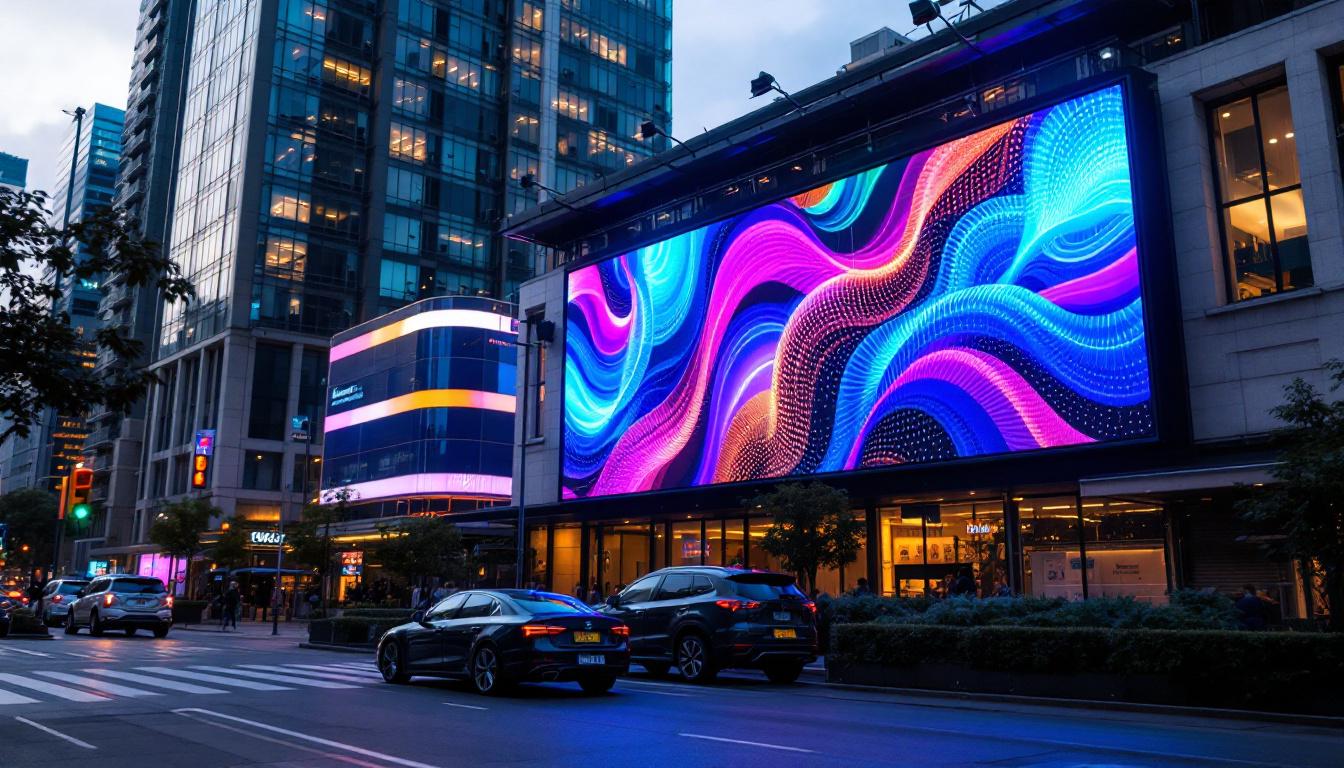
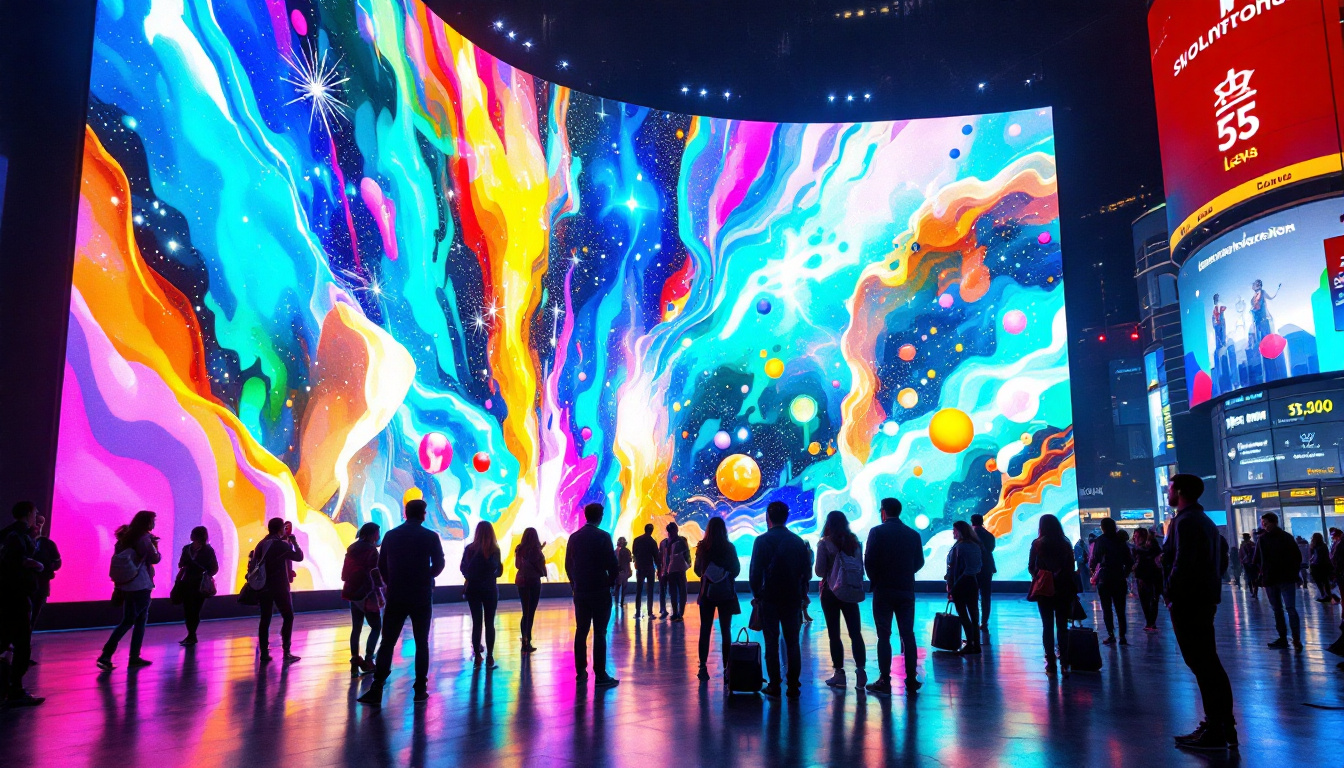
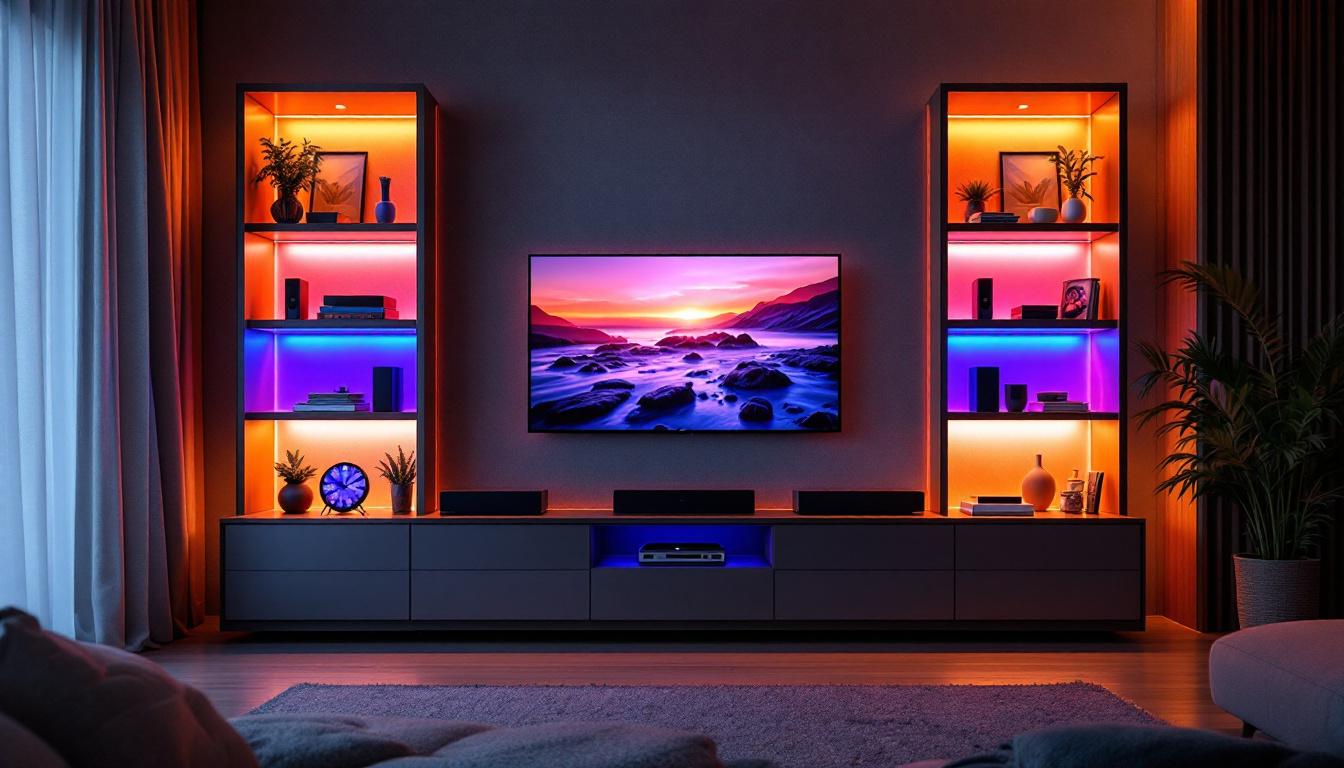
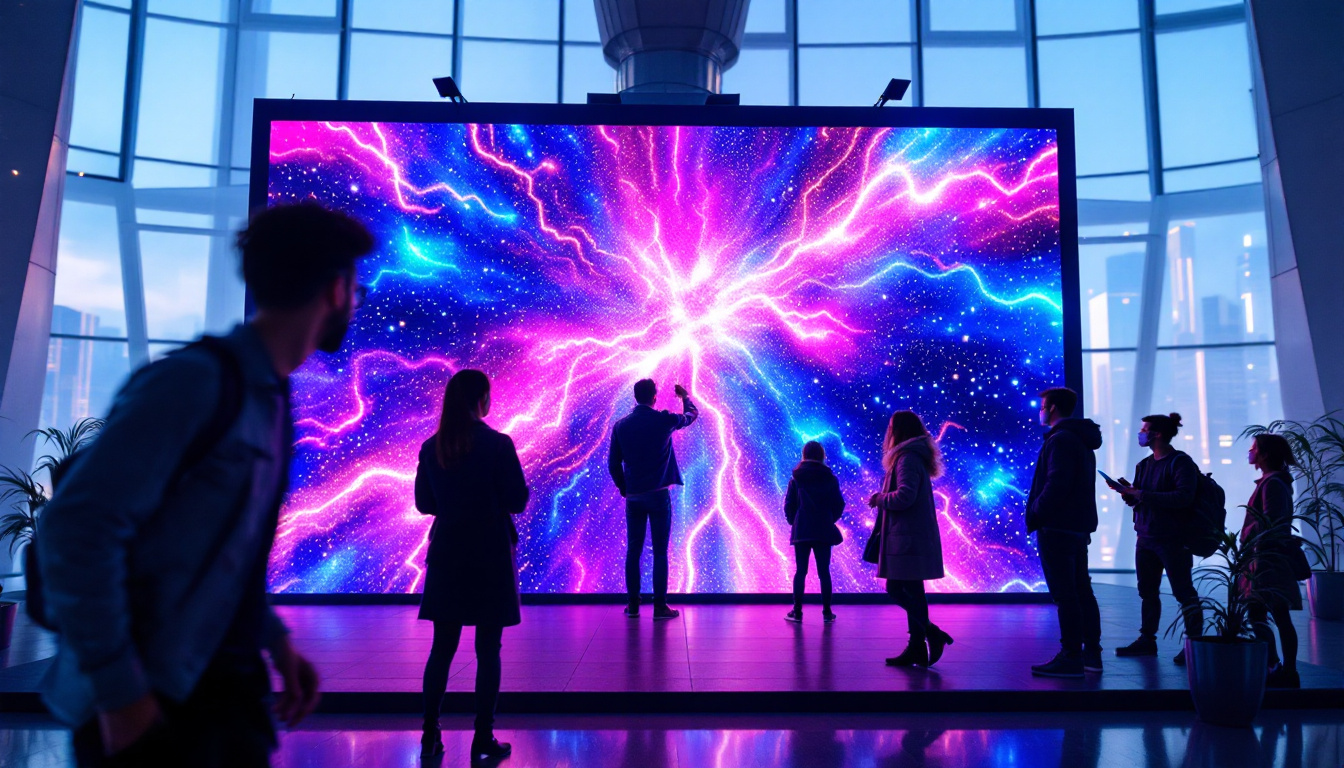
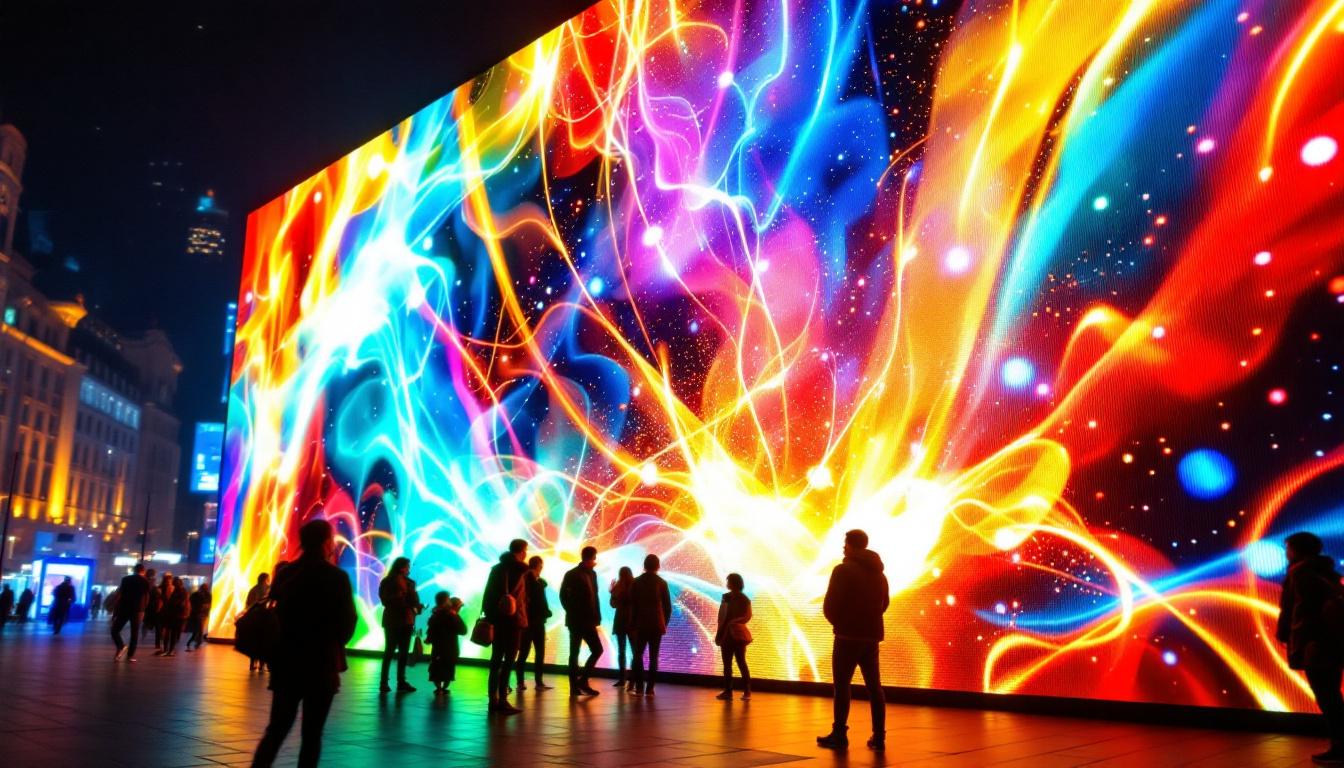
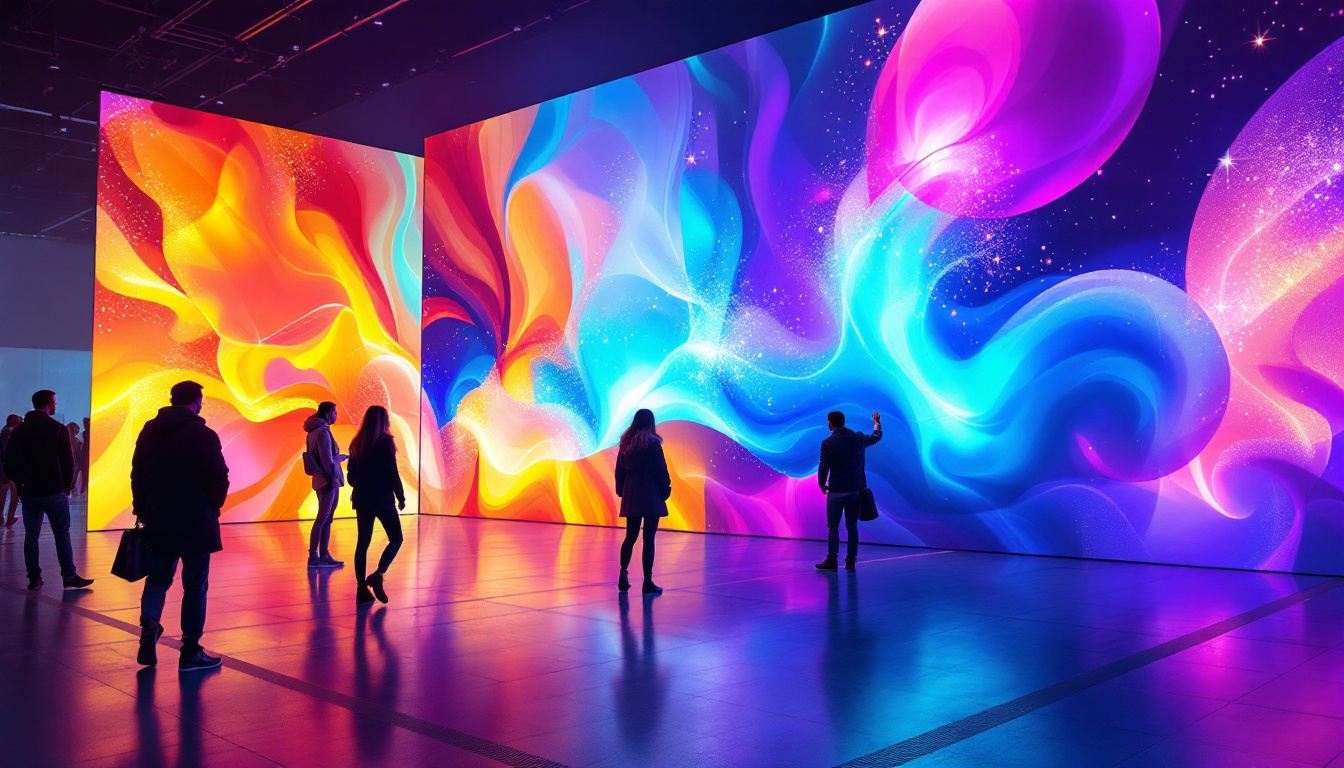
LED displays offer several advantages over traditional projector setups, including higher brightness levels, better color saturation, and improved visibility in well-lit environments. They also provide more flexibility in terms of size and shape, making them popular in commercial advertising, sports arenas, and increasingly in home entertainment. Additionally, LED technology has evolved to include features such as curved displays and ultra-thin bezels, allowing for seamless multi-screen setups that create stunning visual experiences.
Furthermore, LED displays are known for their longevity and energy efficiency. Unlike traditional bulbs used in projectors, which can dim over time and require replacement, LEDs maintain their brightness for a longer period and consume less power. This not only reduces maintenance costs but also makes LED displays a more sustainable choice in the long run. As technology continues to advance, we can expect further innovations in LED displays, such as improved resolution and refresh rates, which will enhance their appeal for both commercial and personal use.
Key Advantages of LED Displays Over Traditional Projector Screens
Brightness and Visibility
One of the most significant benefits of LED displays is their exceptional brightness. While traditional projectors typically range from 1,000 to 4,000 lumens, high-end LED displays can achieve brightness levels exceeding 1,000 nits (a measure of luminance). This makes LED displays far more visible in brightly lit rooms or outdoor settings where projector images often wash out.
For example, in a conference room with large windows and natural sunlight, an LED display can maintain vivid image quality without the need for blackout curtains or dimmed lighting. This is a crucial factor for businesses that require clear presentations regardless of ambient conditions. Moreover, the ability to adjust brightness settings on LED displays allows for a tailored viewing experience, accommodating various lighting scenarios and ensuring that the content remains engaging and legible, whether it’s a corporate presentation or an educational seminar.
Color Accuracy and Contrast
LED displays are renowned for their superior color accuracy and contrast ratios. Because each LED emits specific colors directly, these displays can achieve deeper blacks and more vibrant colors compared to projector screens, which rely on reflected light. This results in a more immersive viewing experience, particularly important for applications like digital signage, video production, and high-end home theaters.
Additionally, the technology behind LED displays allows for a wider color gamut, meaning they can reproduce a broader spectrum of colors. This is particularly beneficial in fields such as graphic design and photography, where precise color representation is critical. The enhanced contrast ratios also contribute to a more dynamic image, making details stand out and providing a more lifelike representation of the content being displayed. As a result, viewers are not only more captivated but also able to appreciate the finer nuances of visual media.
Durability and Maintenance
LED displays generally require less maintenance than projector setups. Projectors have bulbs that degrade over time and need replacement, while LED panels have long lifespans—often exceeding 100,000 hours of use. Additionally, LED displays are less susceptible to issues like dust accumulation inside the projector or screen surface damage, making them more reliable in the long term.
Furthermore, the robust construction of LED displays means they can withstand harsher environments, such as those found in outdoor installations or high-traffic areas. Unlike traditional projectors, which may require delicate handling and careful positioning, LED displays can be mounted securely and are less prone to damage from accidental bumps or vibrations. This durability not only reduces the need for frequent repairs but also contributes to lower overall operational costs, making LED displays an economically sound choice for businesses and organizations looking to invest in reliable visual technology.
Top Projector Screen Brands Incorporating LED Technology
Sony: The Crystal LED Display
Sony has been a pioneer in integrating LED technology into large-scale display solutions. Their Crystal LED displays utilize micro-LED technology to deliver stunning image quality with high dynamic range (HDR) support and ultra-wide color gamut. Although primarily targeted at commercial and professional markets, Sony’s LED displays are setting new standards for what’s possible in visual presentation.
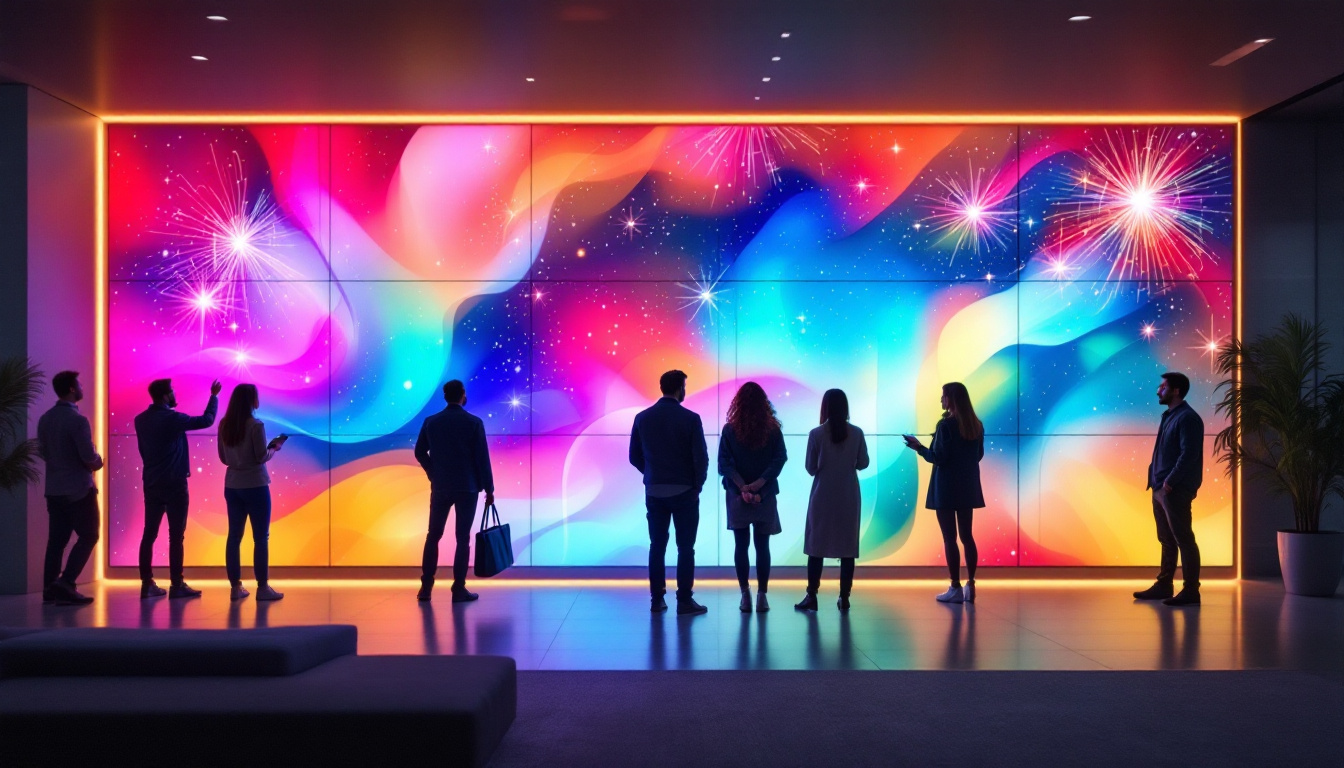
These displays are modular, allowing for customizable sizes and seamless video walls. Sony’s innovation demonstrates how LED technology can redefine the concept of a “screen,” moving beyond traditional projector surfaces.
Samsung: The Modular LED Signage
Samsung is another major player in the LED display market, offering a range of modular LED screens designed for both indoor and outdoor use. Their “The Wall” series is particularly notable, featuring micro-LED technology that supports 4K and 8K resolutions. Samsung’s LED displays are used widely in retail, corporate, and entertainment venues, providing bright, high-resolution images that outperform many projector-based systems.
Samsung also offers LED signage solutions that integrate with smart technology, enabling dynamic content management and remote control, which is ideal for businesses looking to enhance customer engagement.
Barco: LED Displays for Professional Environments
Barco is well-known for its high-quality projection systems and has expanded into LED display technology with a focus on professional applications such as control rooms, broadcast studios, and simulation environments. Their LED displays emphasize color uniformity, low latency, and high refresh rates, which are critical for mission-critical operations.
Barco’s LED solutions often serve as direct replacements for traditional projector screens in environments where image precision and reliability are paramount.
Choosing Between a Projector Screen and an LED Display: What to Consider
Application and Environment
The choice between a traditional projector screen and an LED display largely depends on the intended application and environment. For home theaters where ambient light can be controlled, a high-quality projector and screen can provide a cinematic experience at a relatively lower cost.
However, in environments with high ambient light or where image brightness and clarity are non-negotiable—such as corporate boardrooms, digital signage, or outdoor events—LED displays are often the superior choice.
Budget Considerations
Cost remains a significant factor. Traditional projector setups typically have a lower initial investment, with projectors and screens ranging from a few hundred to a few thousand dollars. LED displays, especially large or high-resolution models, can be substantially more expensive upfront.
That said, the total cost of ownership should also factor in maintenance, energy consumption, and lifespan. LEDs tend to have lower maintenance costs and longer operational lifespans, which can offset the initial expense over time.
Installation and Space Requirements
Projector screens require space for the projector itself, which must be positioned at a specific distance and angle to achieve optimal image quality. This can limit placement options and room design. LED displays, being self-illuminated panels, offer more flexibility in installation and can be mounted on walls or integrated into architectural elements.
Emerging Trends in LED Display Technology
Micro-LED and Mini-LED Innovations
Micro-LED and mini-LED technologies represent the next frontier in LED display development. These technologies use smaller LEDs to create displays with even higher resolution, better color accuracy, and improved energy efficiency. Micro-LED, in particular, promises to combine the best features of OLED and traditional LEDs without the drawbacks like burn-in or limited brightness.
Several leading brands are investing heavily in micro-LED research, aiming to bring these displays to consumer markets within the next few years. This could revolutionize both home entertainment and professional display applications.
Flexible and Transparent LED Screens
Another exciting advancement is the development of flexible and transparent LED screens. These displays can be curved, bent, or integrated into glass surfaces, opening up new possibilities for creative installations in retail, architecture, and automotive industries.
Such innovations expand the definition of what a “screen” can be, blending seamlessly into environments rather than dominating them.
Conclusion: Making an Informed Choice
The decision between traditional projector screens and LED displays is no longer straightforward. While projectors remain a viable and cost-effective option for many scenarios, LED displays offer unmatched brightness, color fidelity, and durability that are transforming the way visual content is delivered.
Understanding the strengths and limitations of each technology, alongside the offerings of leading brands like Sony, Samsung, and Barco, empowers consumers and professionals to select the right solution for their specific needs. As LED technology continues to advance, it is poised to become an increasingly dominant force in the world of visual displays.
Discover Cutting-Edge LED Displays with LumenMatrix
Ready to elevate your visual experience with the latest in LED display technology? Look no further than LumenMatrix, a leader in innovative LED solutions. From vibrant Indoor and Outdoor LED Wall Displays to dynamic Vehicle and Sports LED Displays, LumenMatrix offers a wide array of products designed to captivate and engage. Whether you’re in need of a Custom LED Display, an All-in-One solution, or even a Transparent LED Display, LumenMatrix is committed to revolutionizing visual communication. Enhance your brand visibility and create unforgettable visual experiences with LumenMatrix. Check out LumenMatrix LED Display Solutions today and see the difference cutting-edge technology can make.