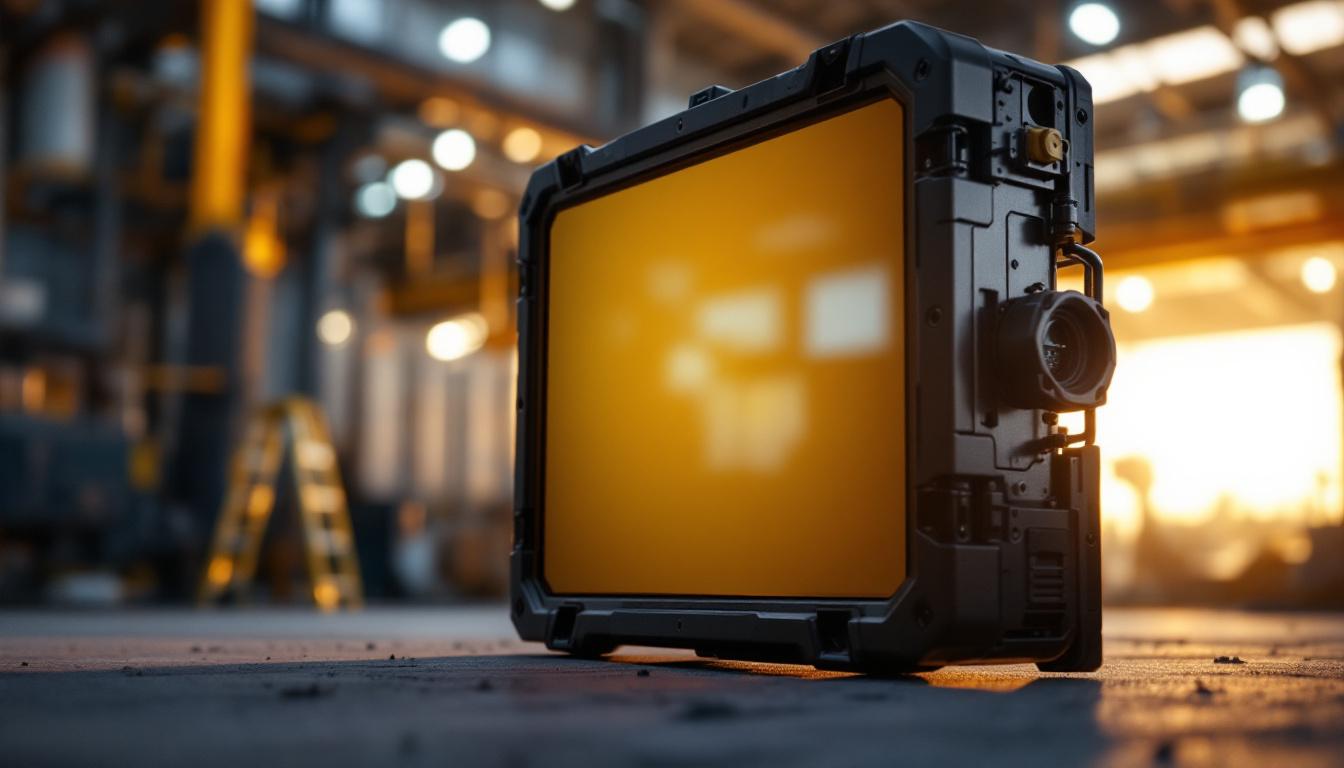
In the rapidly evolving world of display technology, understanding the nuances of different screen types is essential for professionals across industries. Among these, ruggedized LED displays have gained significant traction due to their durability and performance in challenging environments. This article delves into the concept of plasma ruggedized LED displays, exploring their technology, applications, advantages, and how they stand out in the marketplace.
Understanding Plasma Ruggedized LED Displays
What Does “Plasma Ruggedized” Mean?
The term “plasma ruggedized” often causes confusion because it combines two distinct display technologies: plasma and LED (Light Emitting Diode). Traditionally, plasma displays use small cells containing electrically charged ionized gases (plasma) to produce images, known for their rich color and wide viewing angles. Ruggedized, on the other hand, refers to devices or components designed to operate reliably in harsh conditions such as extreme temperatures, vibrations, dust, and moisture.
When discussing “plasma ruggedized LED displays,” the phrase typically points to LED displays engineered with ruggedized features that provide durability akin to plasma displays used in industrial or military applications. These are LED displays built to withstand tough environments without compromising on image quality or performance. The combination of these technologies allows for a display that not only excels in visual fidelity but also offers resilience, making it ideal for sectors such as aviation, automotive, and outdoor advertising, where reliability is paramount.
How LED Technology Works in Ruggedized Displays
LED displays consist of millions of tiny light-emitting diodes that produce light when an electric current passes through them. Unlike plasma screens, LEDs do not rely on ionized gases but on semiconductor materials that emit light efficiently. This fundamental difference contributes to several benefits, including lower power consumption, longer lifespan, and better environmental tolerance.
Ruggedized LED displays are designed with reinforced housings, shock absorption materials, and sealed enclosures to protect the delicate LED components. These enhancements ensure the display can function in environments ranging from outdoor construction sites to military vehicles, where exposure to dust, water, and mechanical shocks is common. Furthermore, many ruggedized LED displays come equipped with advanced thermal management systems that prevent overheating, ensuring consistent performance even in extreme temperatures. This capability is crucial for applications in regions with fluctuating climates, where maintaining operational integrity is essential for safety and efficiency.
Additionally, the integration of modern technologies such as smart sensors and connectivity features in ruggedized LED displays allows for real-time monitoring and diagnostics. This means that operators can receive alerts about potential issues before they become critical, thereby minimizing downtime and maintenance costs. The ability to interface with other systems, such as command and control centers in military settings, enhances the functionality of these displays, making them indispensable tools in high-stakes environments where information needs to be conveyed quickly and accurately.
Key Features of Ruggedized LED Displays
Durability and Environmental Resistance
One of the primary reasons industries opt for ruggedized LED displays is their superior durability. These displays typically meet or exceed military standards such as MIL-STD-810G, which tests for resistance to shock, vibration, humidity, and temperature extremes. For example, ruggedized LED monitors used in aerospace applications can operate flawlessly at temperatures ranging from -40°C to 85°C, ensuring reliability in both arctic and desert conditions.
Additionally, many ruggedized displays feature IP ratings (Ingress Protection) that guarantee resistance to dust and water. An IP67 rating, for instance, certifies that the display is dust-tight and can withstand immersion in water up to one meter deep for 30 minutes. This level of protection is critical for outdoor digital signage, military command centers, and industrial control rooms. The robust construction of these displays often includes reinforced casings and shatterproof glass, which further enhances their resilience against physical impacts and environmental hazards, making them suitable for use in extreme outdoor conditions or hazardous work environments.
High Brightness and Visibility
LED technology inherently offers high brightness levels, which is crucial for visibility in bright ambient conditions. Ruggedized LED displays often achieve brightness levels between 1,000 to 2,500 nits, far surpassing standard consumer screens that typically range from 200 to 500 nits. This makes them ideal for outdoor use where sunlight can wash out lesser displays.
Moreover, these displays often incorporate anti-reflective coatings and optical bonding techniques to reduce glare and enhance contrast. This ensures that the content remains clear and legible, whether in direct sunlight or under artificial lighting. The advanced technology used in these displays also allows for wide viewing angles, ensuring that information can be seen clearly from various positions, which is particularly beneficial in environments like control rooms or public spaces where multiple viewers may be present. Enhanced color accuracy and uniformity further contribute to the effectiveness of ruggedized displays in delivering critical information under varying lighting conditions.
Energy Efficiency and Longevity
Compared to plasma and other traditional display technologies, LED displays are significantly more energy-efficient. This efficiency translates into lower operational costs and less heat generation, which is particularly important in confined or temperature-sensitive environments.
LEDs also boast longer lifespans, often rated at 50,000 to 100,000 hours of continuous use. This longevity reduces the frequency of replacements and maintenance, which can be costly and disruptive in industrial or military settings. Ruggedized LED displays are thus a cost-effective solution over the long term. Furthermore, many of these displays come equipped with smart technology that allows for real-time monitoring of performance and energy consumption, enabling operators to optimize usage and extend the life of the display even further. This proactive approach to maintenance not only enhances reliability but also contributes to sustainability efforts by minimizing waste and energy usage over the product’s lifecycle.
Applications of Plasma Ruggedized LED Displays
Military and Defense
The military demands displays that can perform under extreme conditions while delivering precise, real-time information. Ruggedized LED displays are commonly used in command and control centers, vehicle dashboards, and portable communication devices. Their resistance to shock, vibration, and environmental hazards ensures mission-critical data remains accessible and reliable.
For example, the U.S. Department of Defense has increasingly adopted ruggedized LED displays for ground vehicles and aircraft cockpits, where durability and visibility are paramount. These displays support night vision compatibility and can be integrated with heads-up display (HUD) systems for enhanced situational awareness.
Industrial and Manufacturing Environments
Factories, oil rigs, and mining operations often operate in dusty, wet, or high-vibration environments. Ruggedized LED displays provide operators with real-time monitoring of machinery, safety alerts, and process controls without fear of equipment failure due to environmental stressors.
In these settings, displays with touch capabilities and glove-friendly interfaces are common, enabling workers to interact with systems without removing protective gear. Additionally, the high brightness and anti-glare features ensure readability even in brightly lit or outdoor areas.
Transportation and Outdoor Signage
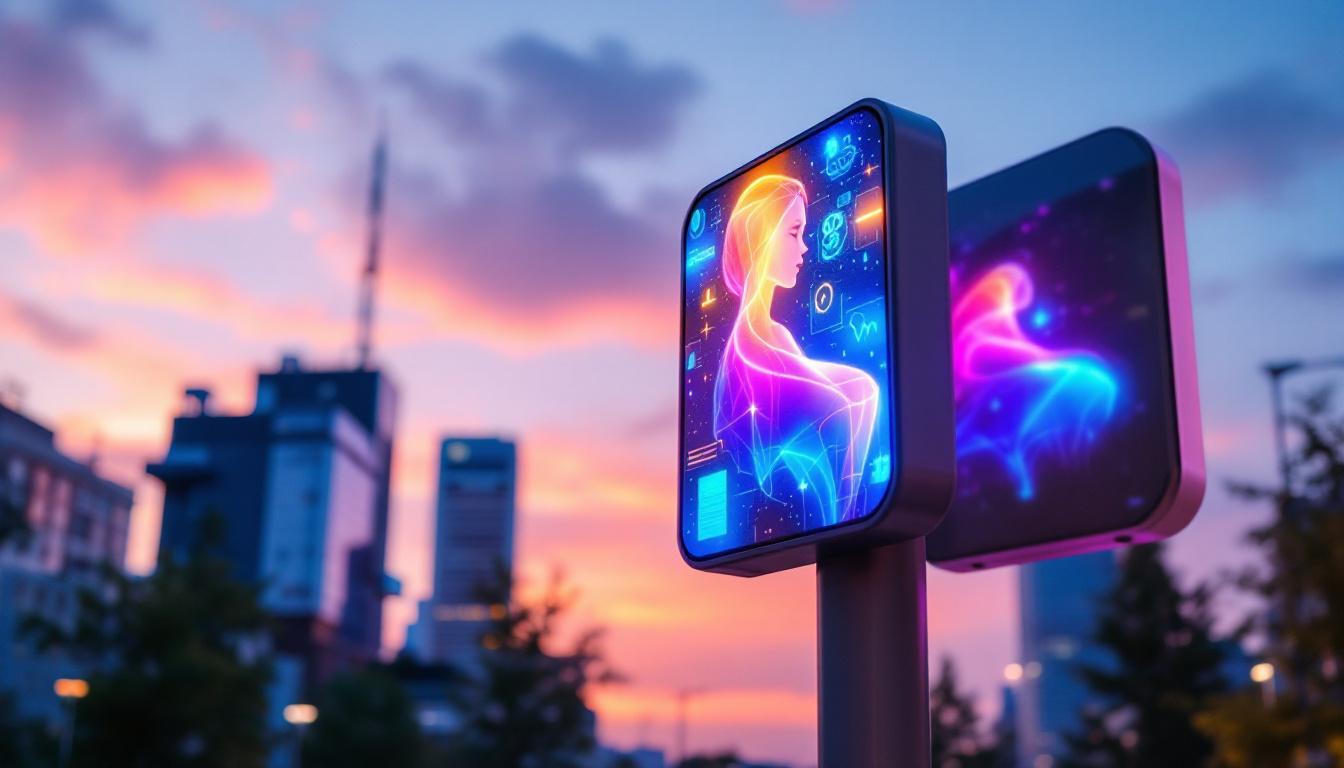
Public transportation hubs, airports, and outdoor advertising rely heavily on ruggedized LED displays for clear, reliable communication. These displays can withstand weather extremes, vandalism attempts, and continuous operation, making them ideal for digital signage and information kiosks.
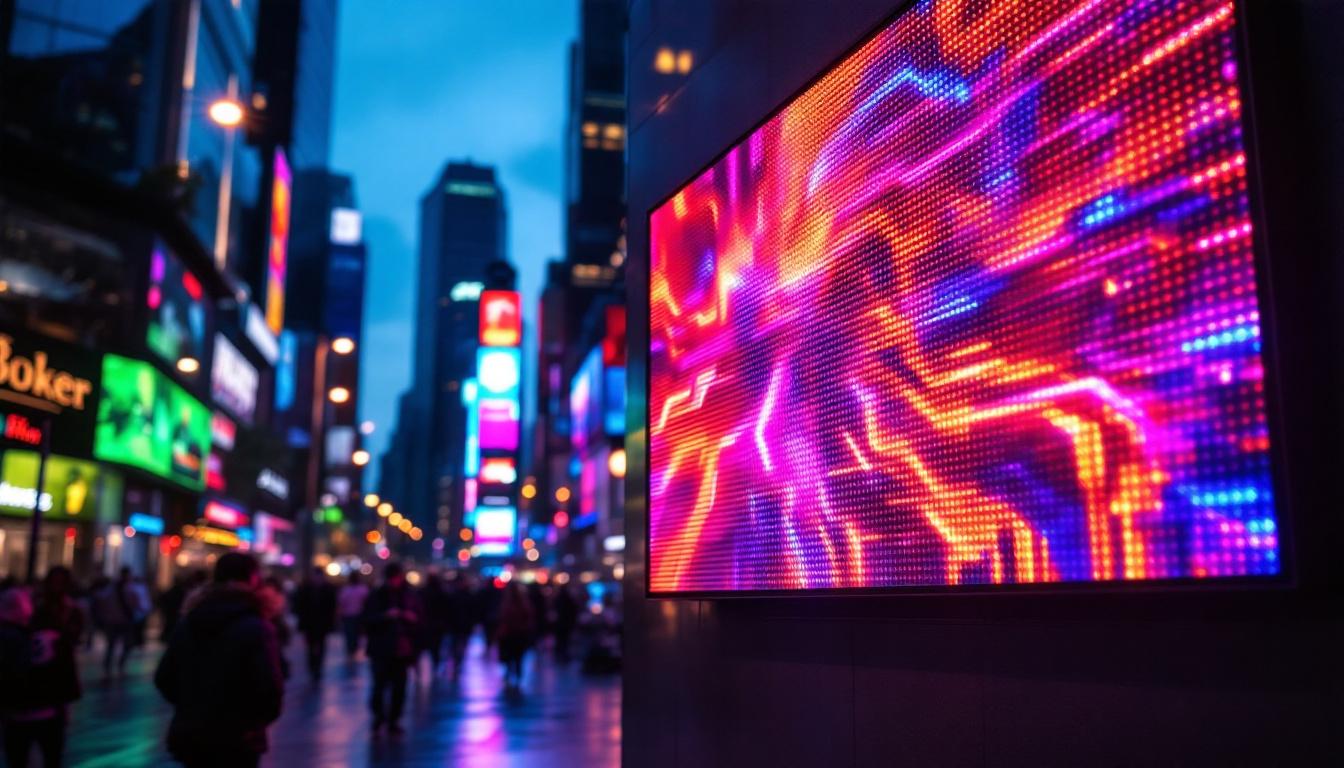
For instance, LED billboards in urban environments must maintain vibrant colors and sharp images despite exposure to rain, snow, and pollution. Ruggedized enclosures and advanced cooling systems help these displays maintain performance and extend their operational life.
Comparing Plasma and Ruggedized LED Displays
Performance and Image Quality
Plasma displays are known for their excellent color accuracy and deep blacks, which make them favored for certain high-end video applications. However, they are generally bulkier, consume more power, and have shorter lifespans compared to LED displays.
Ruggedized LED displays, while sometimes not matching plasma’s absolute color depth, offer sufficient image quality for most industrial and military applications. Their ability to maintain brightness and clarity in diverse lighting conditions often outweighs the marginal differences in color fidelity.
Durability and Maintenance
Plasma screens are more fragile and susceptible to screen burn-in, which limits their suitability for rugged environments. In contrast, ruggedized LED displays are specifically engineered to resist physical shocks, temperature fluctuations, and moisture ingress.
Maintenance is also easier with LED technology due to modular designs that allow for quick replacement of faulty components. This modularity minimizes downtime, a critical factor in mission-critical operations.
Energy Consumption and Environmental Impact
LED displays consume significantly less power than plasma, which not only reduces operational costs but also aligns with growing environmental sustainability goals. Lower heat output from LEDs also reduces cooling requirements, further conserving energy.
From an environmental perspective, LEDs contain fewer hazardous materials than plasma displays, simplifying disposal and recycling processes.
Future Trends in Ruggedized LED Display Technology
Integration with IoT and Smart Systems
As the Internet of Things (IoT) expands, ruggedized LED displays are increasingly integrated with smart sensors and cloud-based platforms. This integration enables real-time data visualization, predictive maintenance alerts, and remote management, enhancing operational efficiency in industrial and military contexts.
Advancements in Flexible and Transparent Displays
Emerging technologies in flexible and transparent LED displays promise new applications for ruggedized screens. Flexible displays can conform to curved surfaces on vehicles or equipment, while transparent displays offer heads-up information without obstructing the operator’s view.
These innovations are expected to revolutionize how ruggedized displays are deployed, providing greater versatility and user experience improvements.
Enhanced Touch and Interaction Capabilities
Future ruggedized LED displays will likely feature advanced touch technologies that support multi-touch, gesture recognition, and haptic feedback. These capabilities will improve usability in environments where traditional input devices are impractical.
Conclusion
Plasma ruggedized LED displays represent a critical intersection of durability and performance in display technology. While plasma displays have their niche, ruggedized LED screens offer superior environmental resistance, energy efficiency, and longevity, making them the preferred choice for military, industrial, and outdoor applications.
Understanding the technical distinctions and practical benefits of ruggedized LED displays enables organizations to select the right solutions for their demanding environments. As technology advances, these displays will continue to evolve, integrating smarter features and more versatile form factors to meet the challenges of tomorrow’s operational landscapes.
Discover LumenMatrix’s Advanced LED Solutions
As you consider the robust capabilities and future potential of plasma ruggedized LED displays, LumenMatrix stands at the forefront of this innovative technology. Our comprehensive range of LED display modules, from Indoor and Outdoor LED Walls to specialized solutions like Vehicle Displays and Transparent LEDs, are designed to meet the diverse needs of any demanding environment. Embrace the future of visual communication with LumenMatrix and experience how our cutting-edge solutions can transform your space and captivate your audience. Check out LumenMatrix LED Display Solutions today and elevate your visual engagement to the next level.