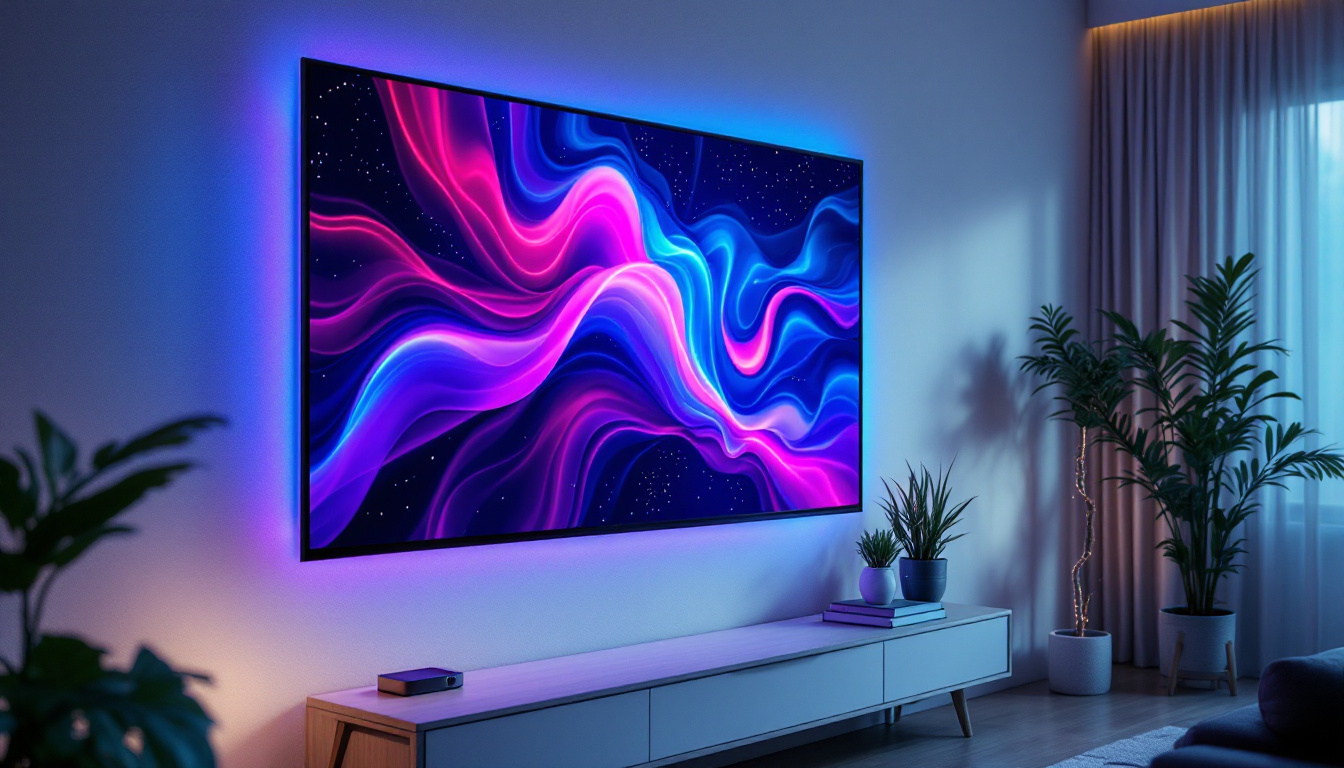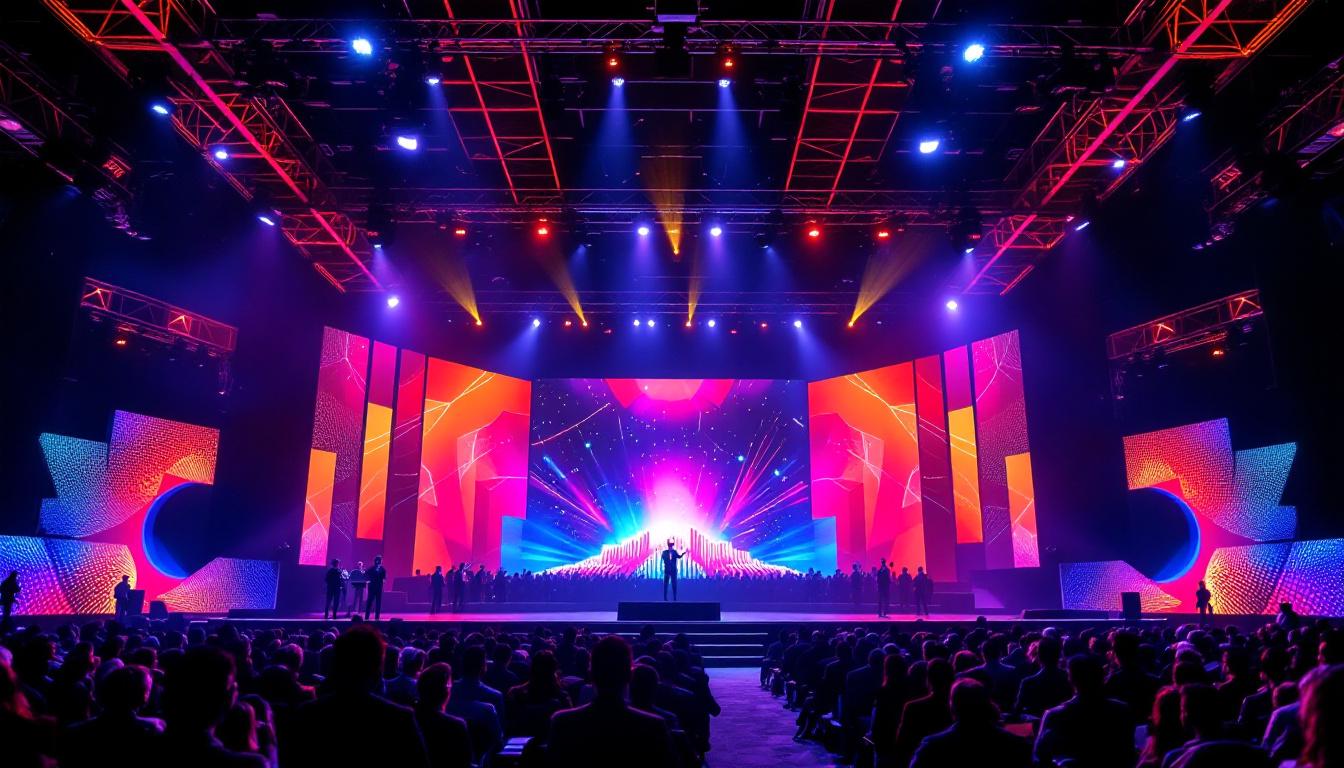
In the evolving world of event production, the visual impact of a conference stage can make or break the audience experience. Among the many elements that contribute to a compelling stage design, LED displays have emerged as a game-changer. These vibrant, versatile screens not only enhance the aesthetics of a conference but also improve communication and engagement. This article delves deep into the role of LED displays in conference stage set design, exploring their benefits, types, technical considerations, and best practices for implementation.
The Rise of LED Displays in Conference Stages
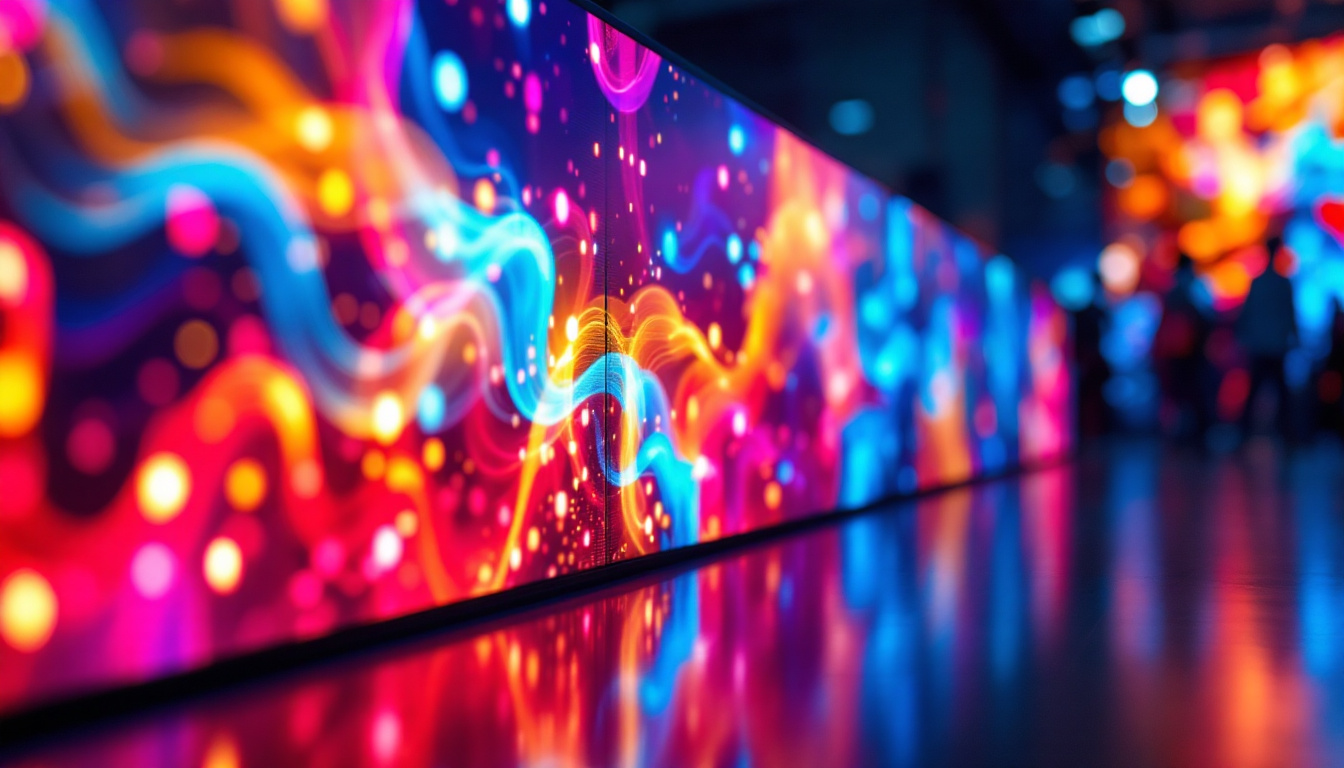
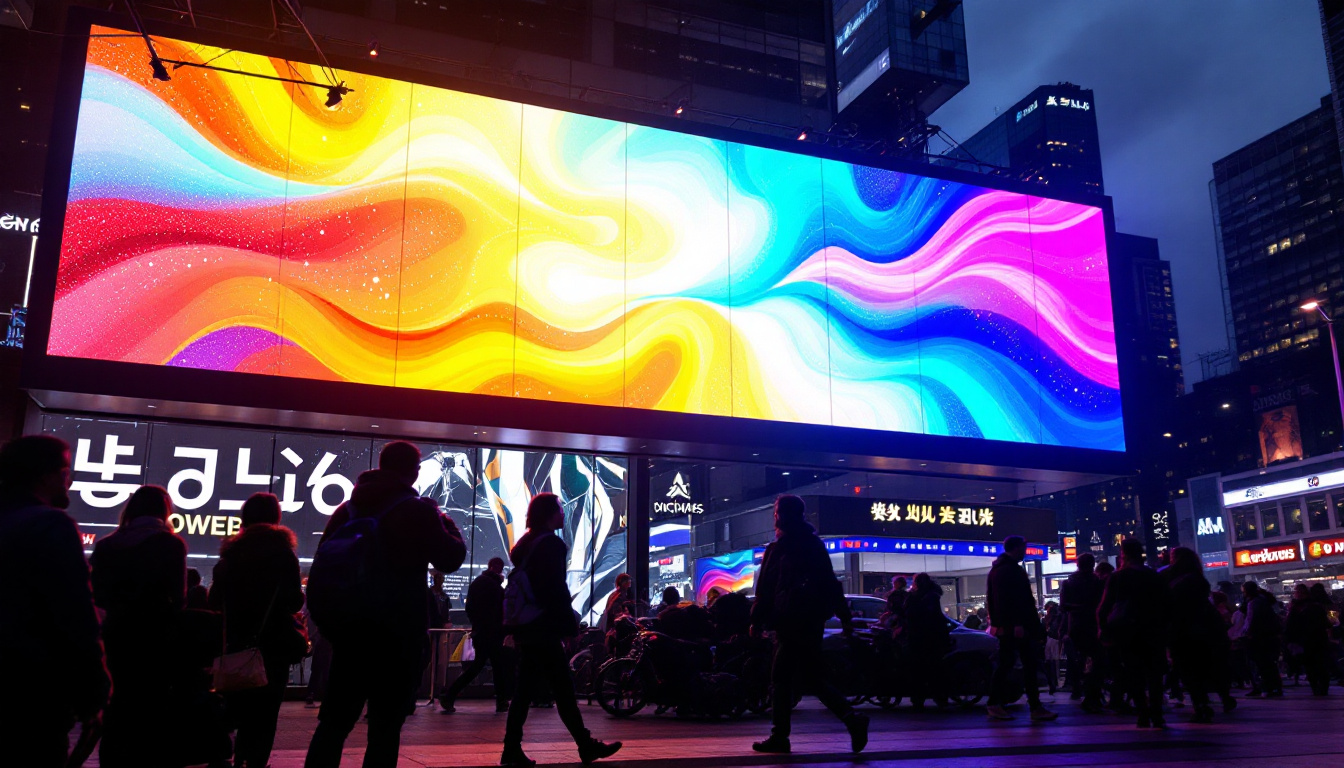
Over the past decade, LED technology has revolutionized the way event organizers approach stage design. Traditionally, conference stages relied heavily on static backdrops, printed banners, or projection screens. While these methods served their purpose, they lacked the dynamic qualities that LED displays now offer.
LED displays provide bright, high-resolution visuals that remain clear even in well-lit environments, a crucial advantage for conferences often held in large, brightly lit venues. According to a 2023 report by EventTech Insights, over 75% of large-scale conferences worldwide incorporated LED screens in their stage designs, a figure that has steadily increased year over year.
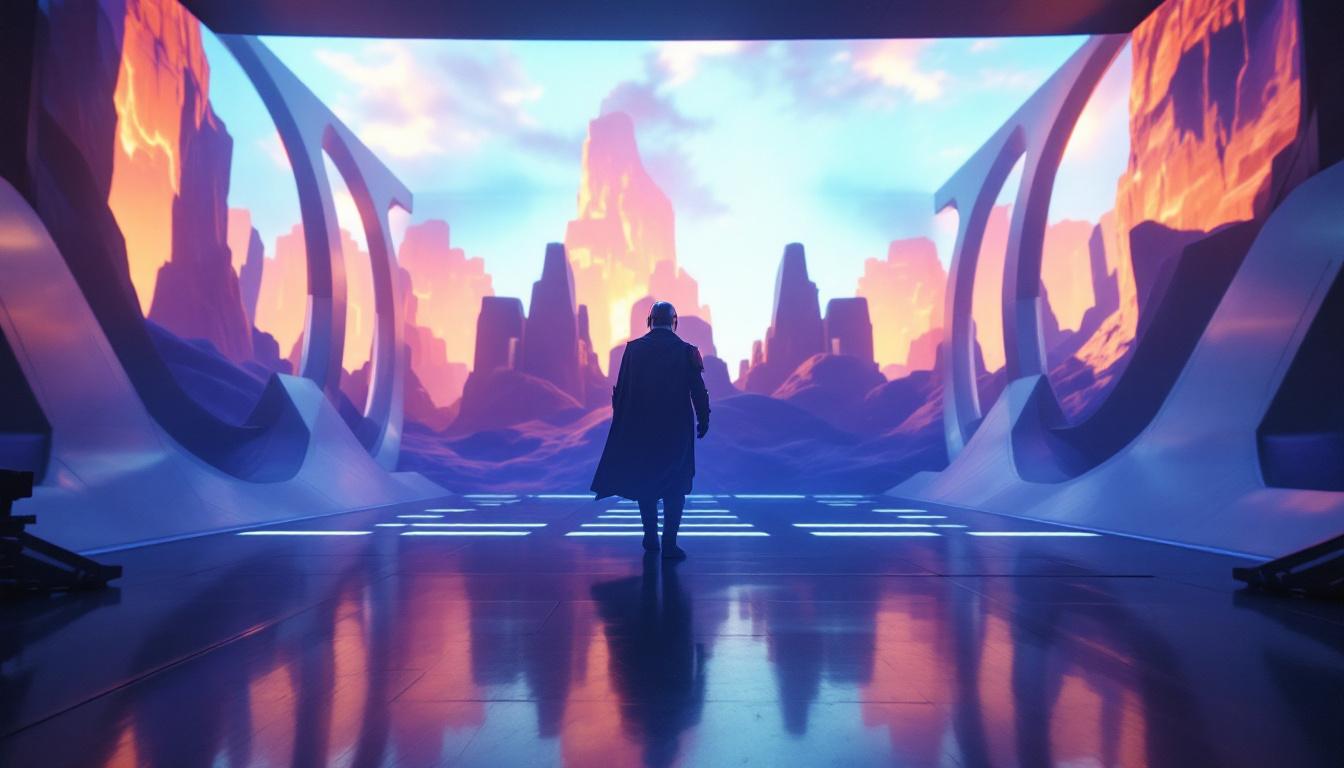
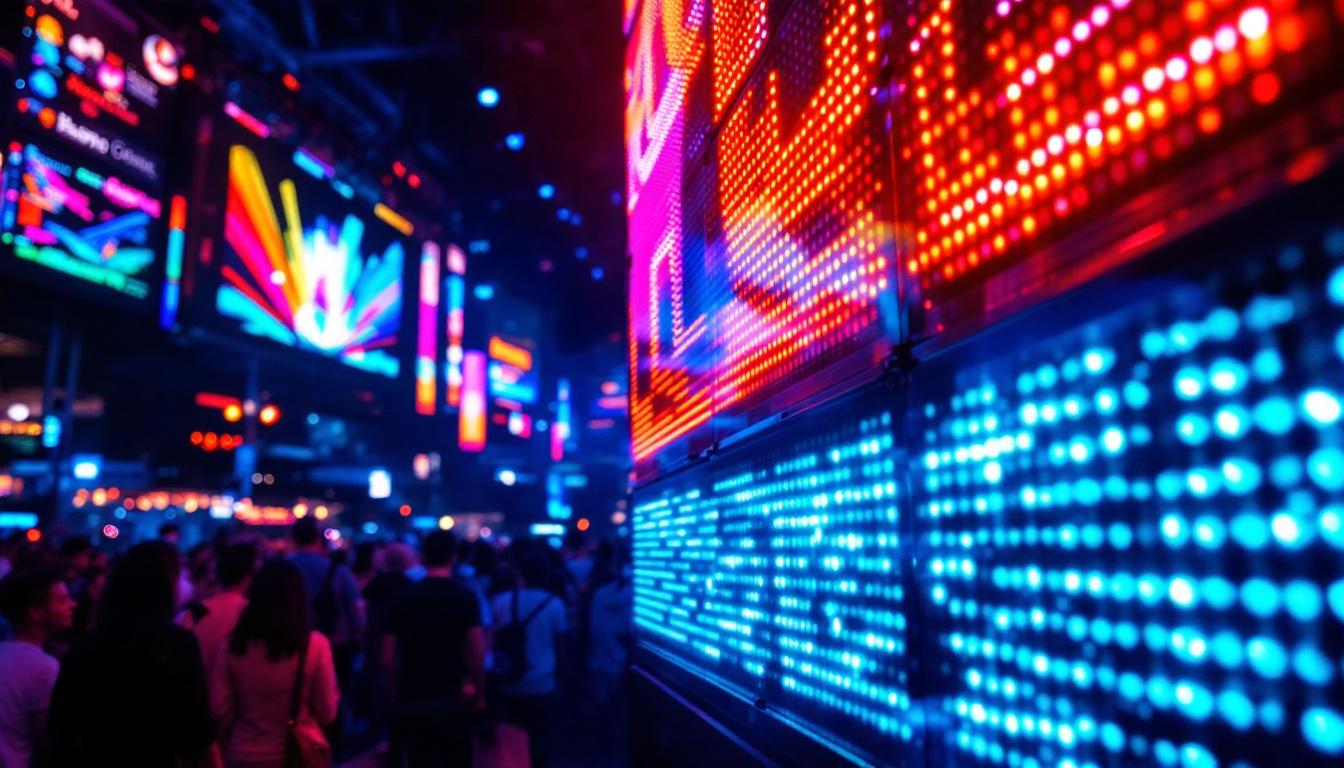
What makes LED displays particularly appealing is their flexibility. They can be customized into various shapes and sizes, allowing designers to create immersive environments that captivate attendees. This adaptability has led to a surge in creative stage designs that integrate LED walls, floors, and even ceilings.
Benefits of LED Displays for Conference Stage Design
Enhanced Visual Engagement
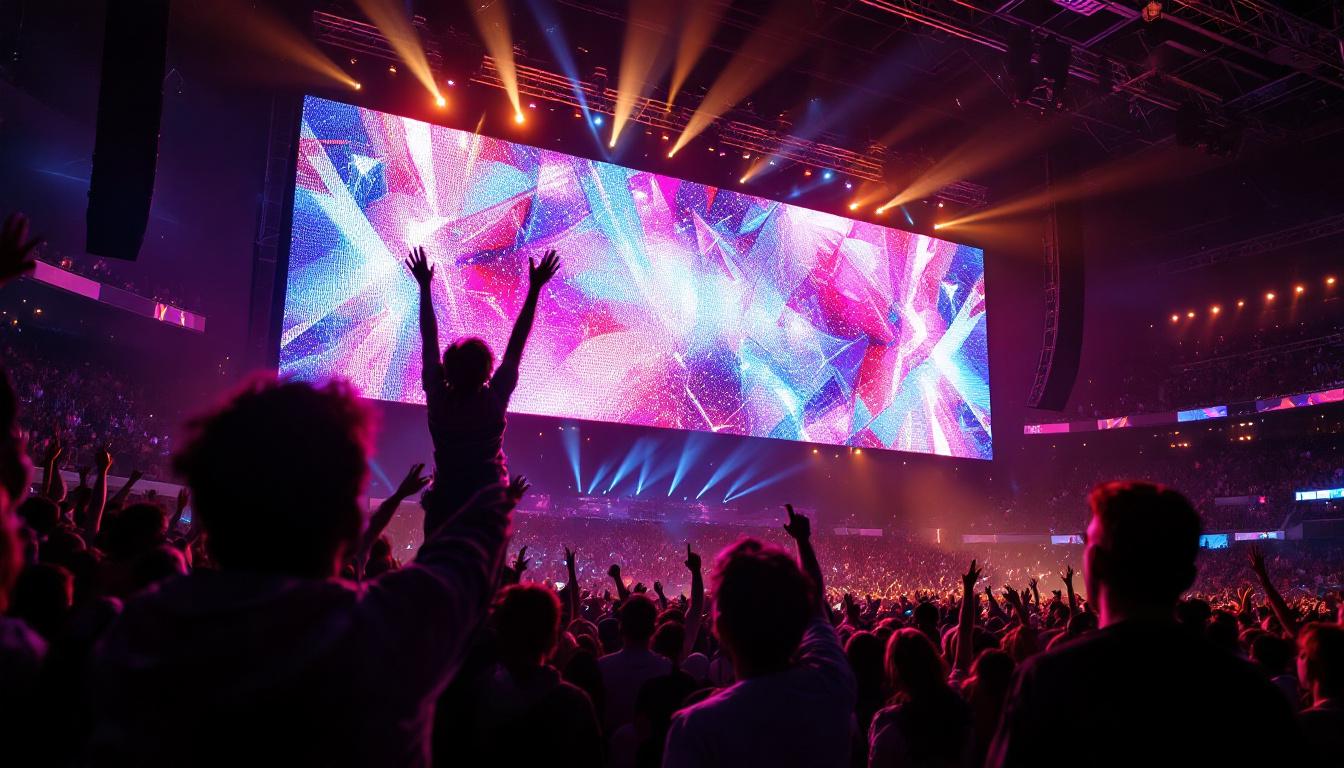
One of the primary advantages of LED displays is their ability to deliver vivid, high-contrast images that grab and hold audience attention. Unlike traditional projection, LED screens maintain image quality regardless of ambient lighting, ensuring that presentations, videos, and live feeds are always clear and impactful.
This visual clarity is essential for conferences where information delivery is key. Whether displaying keynote speakers, data visualizations, or branding elements, LED displays ensure that every attendee, even those seated far from the stage, receives the intended message effectively.
Versatility and Customization
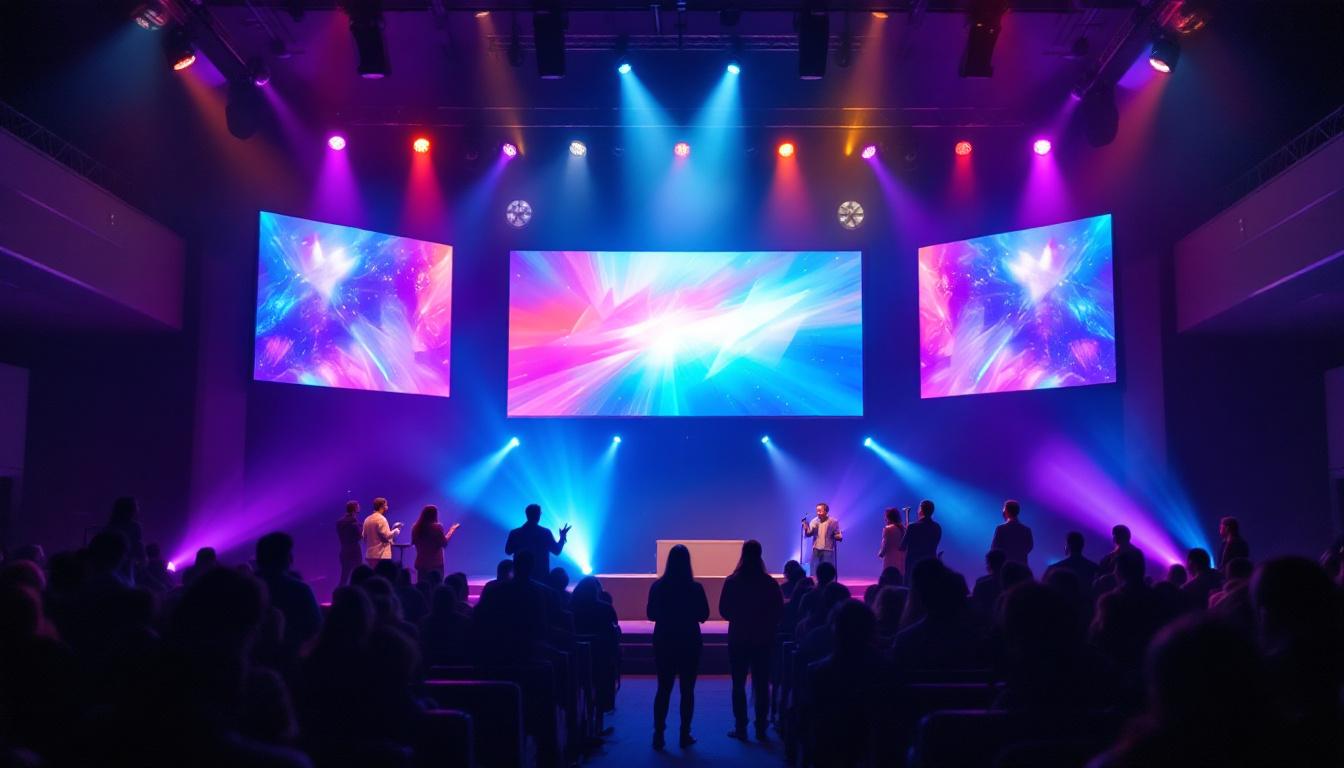
LED technology allows for unparalleled customization in stage design. Panels can be arranged to form curved walls, 3D shapes, or segmented displays that change throughout the event. This flexibility enables event planners to tailor the stage environment to match the conference theme, brand identity, or specific session requirements.
For instance, a technology conference might use a futuristic, modular LED backdrop that shifts colors and patterns to reflect different topics, while a corporate summit might opt for a sleek, minimalist design with subtle branding elements.
Improved Interactivity and Integration
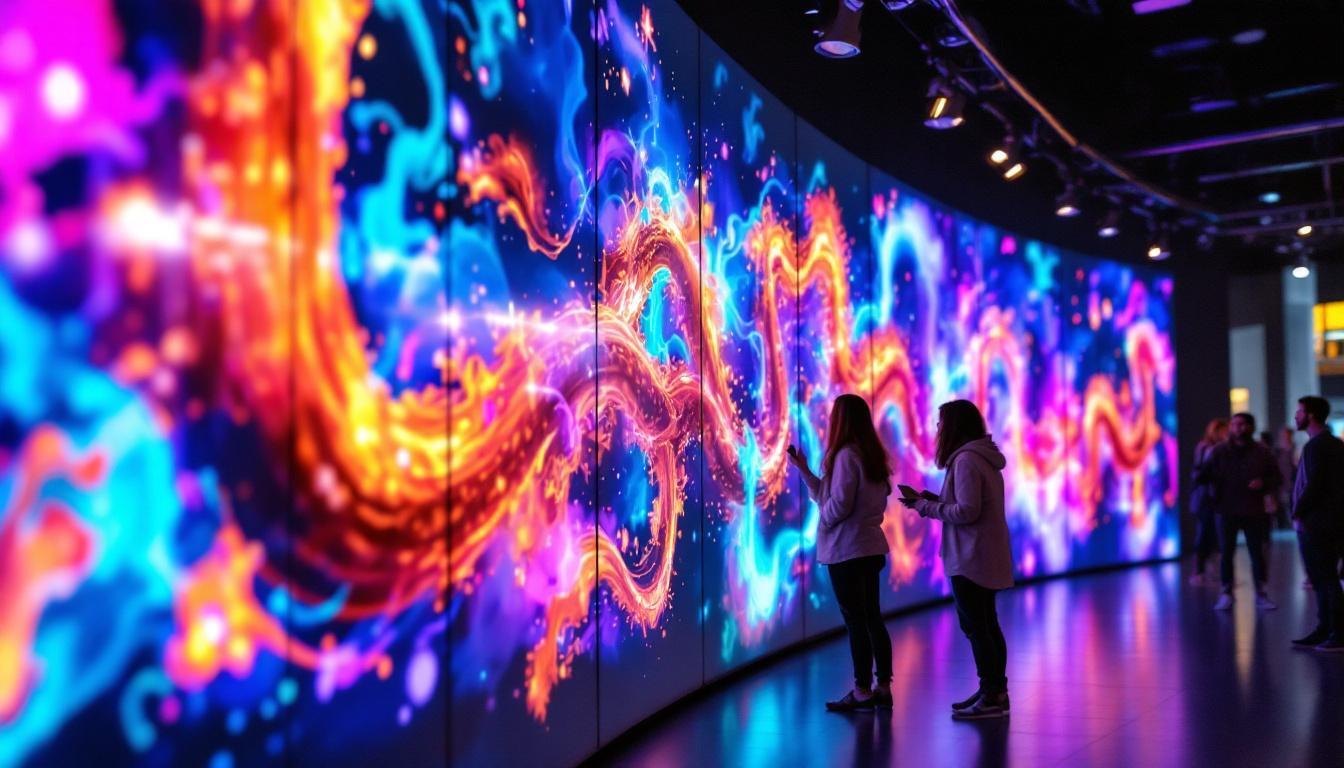
Modern LED displays can be integrated with interactive technologies such as touch sensors, motion tracking, and augmented reality (AR). This integration opens up new possibilities for engaging attendees beyond passive viewing. Interactive LED walls can respond to audience input, display live social media feeds, or showcase real-time data, creating a more immersive and participatory experience.
Moreover, LED displays can seamlessly sync with other AV equipment, including cameras, lighting, and sound systems, ensuring a cohesive and professional production.
Types of LED Displays Used in Conference Stages
Indoor LED Panels
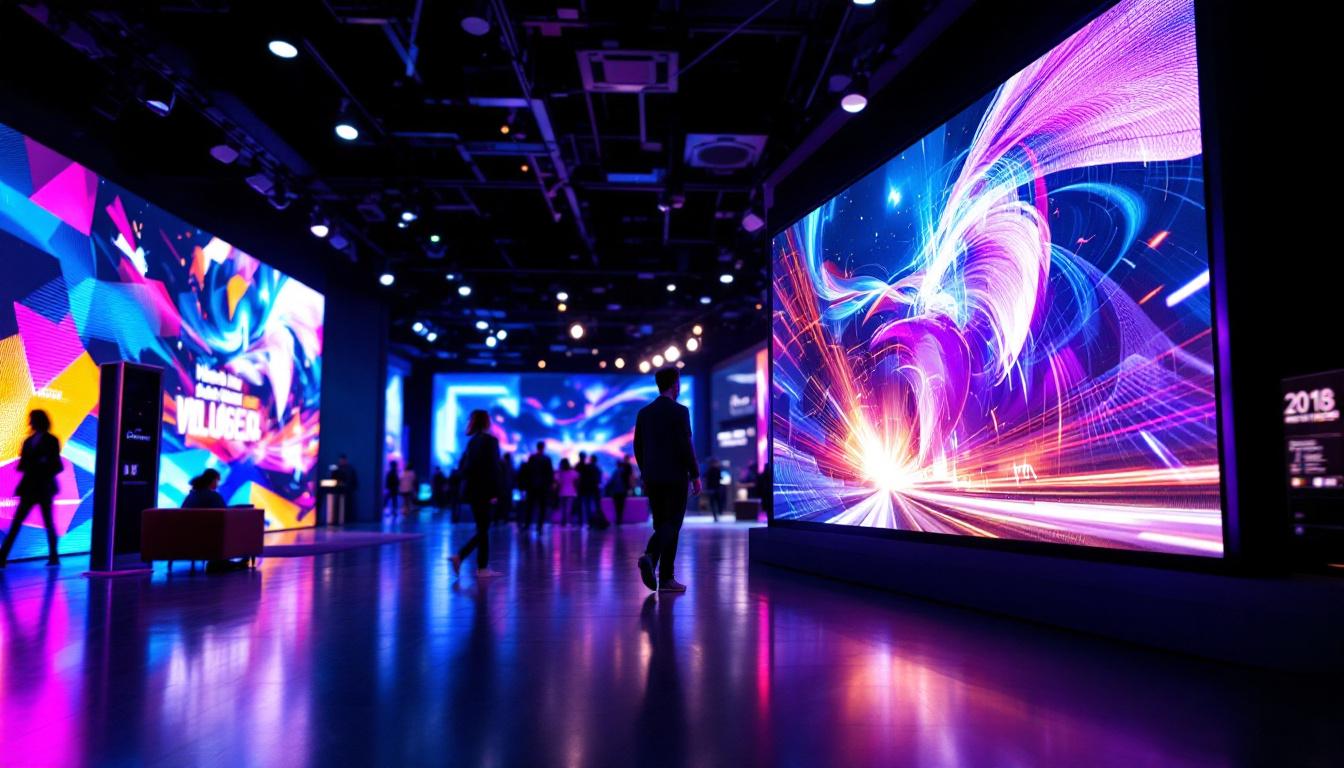
Indoor LED panels are the most common choice for conference stages. They offer high pixel density, resulting in crisp images suitable for close viewing distances. These panels are designed to operate in controlled lighting environments and come in various pixel pitches, typically ranging from 1.2mm to 4mm for indoor use.
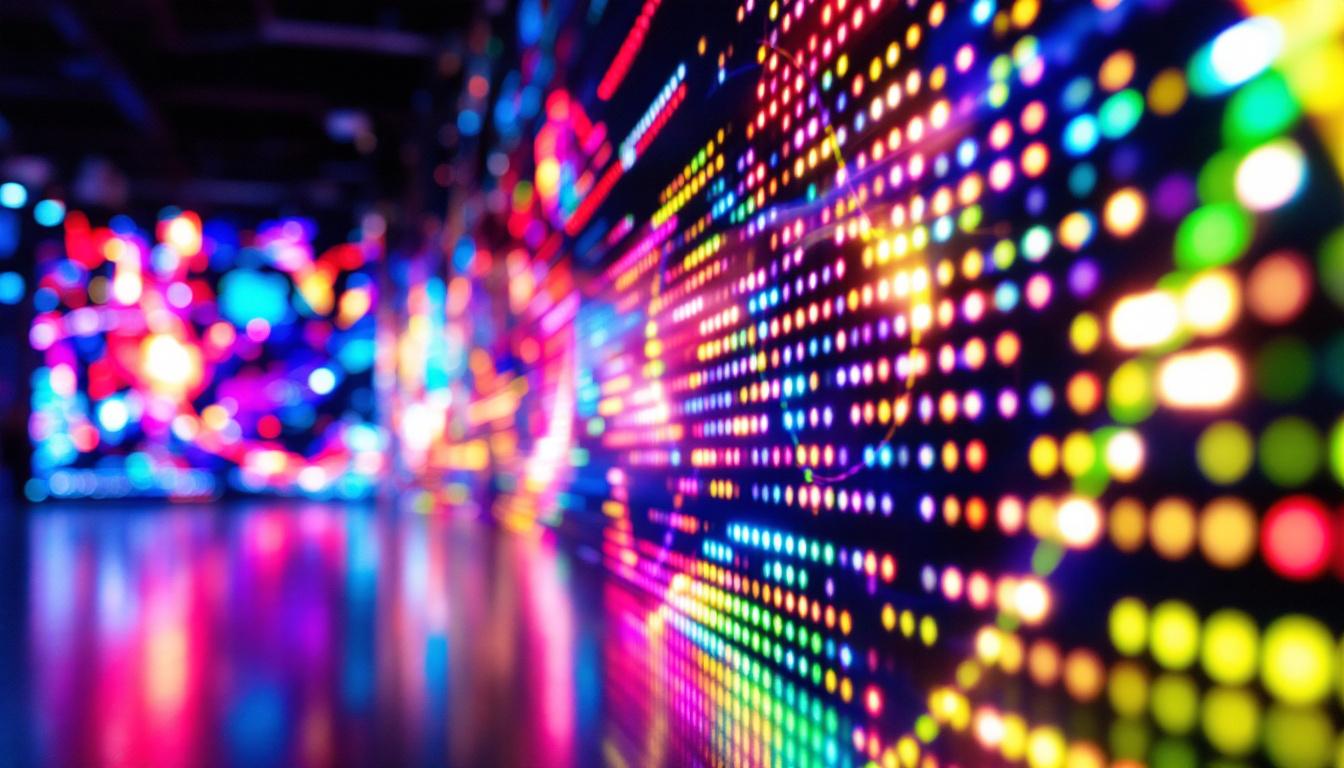
Pixel pitch refers to the distance between individual LED pixels. A smaller pixel pitch means higher resolution and better image quality, which is crucial for detailed graphics and text.
Transparent LED Screens
Transparent LED screens are a relatively recent innovation that allows light to pass through the display. This feature enables designers to maintain visibility of stage elements behind the screen, such as performers or set pieces, while still projecting dynamic visuals.
These screens are ideal for creating layered visual effects and adding depth to stage design. Their semi-transparent nature also helps maintain an open and airy feel, preventing the stage from appearing too enclosed.
Flexible and Curved LED Displays
Flexible LED panels can be bent or curved to fit unconventional stage shapes. This capability allows for creative designs that break away from traditional flat screens, adding a sculptural element to the stage.
Curved LED displays enhance the audience’s viewing experience by reducing distortion and providing a more immersive field of vision. They are particularly effective in large venues where the stage design needs to be visible from multiple angles.
Technical Considerations for LED Display Integration
Resolution and Pixel Pitch
Choosing the right resolution and pixel pitch is critical for ensuring that the LED display meets the visual demands of the conference. Higher resolution displays with smaller pixel pitches provide sharper images but come at a higher cost.
For most conference stages, a pixel pitch between 1.5mm and 3mm strikes a good balance between image quality and budget. The viewing distance also influences this choice; larger venues with distant audiences may tolerate slightly larger pixel pitches without compromising image clarity.
Brightness and Contrast Ratio
Brightness is measured in nits, and for indoor conference settings, LED displays typically range from 800 to 1500 nits. Higher brightness levels ensure visibility even under strong stage lighting or ambient daylight.
Contrast ratio, the difference between the darkest and brightest parts of the image, affects how vivid and lifelike the visuals appear. LED displays generally offer excellent contrast ratios, contributing to their superior image quality compared to projection systems.
Refresh Rate and Color Accuracy
A high refresh rate (measured in Hz) reduces flickering and motion blur, which is especially important for displaying video content and live feeds. Most modern LED displays operate at refresh rates of 1920Hz or higher, ensuring smooth visuals.
Color accuracy is vital for maintaining brand consistency and delivering realistic images. Professional-grade LED displays support wide color gamuts and advanced calibration options to achieve precise color reproduction.
Installation and Maintenance
LED display installation requires careful planning, including structural support, power supply, and data connectivity. Modular panels must be securely mounted and aligned for seamless visuals.
Maintenance considerations include easy access for repairs, cleaning, and software updates. Many LED systems feature hot-swappable modules, allowing technicians to replace faulty panels without dismantling the entire display.
Best Practices for Designing Conference Stages with LED Displays
Aligning Design with Conference Objectives
Effective stage design starts with a clear understanding of the conference’s goals. Whether the focus is on education, networking, or brand promotion, the LED display should support these objectives through appropriate content and visual style.
For example, a scientific symposium might prioritize data visualization and live experiment feeds, while a marketing summit could emphasize bold branding and dynamic video content.
Balancing Visual Impact with Practicality
While LED displays offer exciting creative possibilities, designers must balance aesthetics with functionality. Overly complex or distracting visuals can detract from the speaker’s message and overwhelm the audience.
It’s important to use LED content strategically—highlighting key points, supporting narratives, and enhancing rather than competing with live presentations.
Collaborating with AV and Production Teams
Successful LED display integration requires close collaboration between stage designers, AV technicians, and content creators. Early coordination ensures that technical specifications, content formats, and installation logistics align seamlessly.
Regular rehearsals and technical run-throughs help identify potential issues and optimize the timing and transitions of LED content during the event.
Incorporating Sustainability Considerations
As sustainability becomes a priority in event planning, choosing energy-efficient LED displays and minimizing waste through reusable modular panels can reduce the environmental impact of conference stages.
Additionally, digital content reduces the need for printed materials, contributing to a greener event footprint.
Case Studies: LED Displays in Action at Major Conferences
Tech Innovators Summit 2023
At the 2023 Tech Innovators Summit, organizers employed a 180-degree curved LED wall with a 1.5mm pixel pitch to create an immersive environment. The display showcased real-time data analytics, interactive maps, and live social media feeds, engaging over 3,000 attendees.
The integration of transparent LED screens allowed keynote speakers to appear as if they were interacting with floating digital elements, enhancing the futuristic theme of the event.
Global Marketing Forum 2024
The Global Marketing Forum utilized a modular LED floor combined with a large LED backdrop to create a dynamic stage that changed throughout the conference. The floor displayed animated brand logos and thematic patterns, while the backdrop switched between speaker presentations and promotional videos.
This setup enabled seamless transitions between sessions and maintained high energy levels among participants, contributing to a 20% increase in attendee engagement compared to previous years.
Future Trends in LED Display Technology for Conferences
Looking ahead, LED display technology continues to advance rapidly. MicroLED and miniLED technologies promise even higher resolution and brightness with improved energy efficiency. These innovations will enable more compact and lightweight displays, expanding design possibilities.
Additionally, the integration of artificial intelligence (AI) and machine learning will allow LED content to adapt in real-time based on audience reactions and engagement metrics, creating personalized and responsive experiences.
Virtual and augmented reality applications combined with LED displays will further blur the lines between physical and digital environments, offering unprecedented levels of immersion for conference attendees.
Conclusion
LED displays have become an indispensable component of modern conference stage set design. Their ability to deliver vibrant visuals, adapt to diverse design requirements, and integrate with interactive technologies makes them a powerful tool for enhancing audience engagement and communication.
By understanding the technical aspects, benefits, and best practices associated with LED displays, event professionals can create memorable and impactful conference experiences. As technology continues to evolve, the potential for innovative and immersive stage designs will only grow, setting new standards for the future of conferences.
Illuminate Your Next Conference with LumenMatrix
Ready to elevate your conference stage design to new heights? Discover how LumenMatrix’s cutting-edge LED display technology can transform your event into a visually stunning and interactive experience. From Indoor and Outdoor LED Wall Displays to innovative solutions like Vehicle LED Displays, LED Posters, and Custom LED Displays, LumenMatrix is at the forefront of creating immersive environments that captivate audiences. Embrace the future of visual communication and check out LumenMatrix LED Display Solutions today to make your brand’s message resonate with impact and clarity.