In today’s rapidly evolving world of display technology, choosing the right screen can be overwhelming. Plasma screens once dominated the market for large, vibrant televisions, but the rise of LED displays has shifted consumer preferences. This article explores the key differences between plasma and LED screens, highlights the advantages of LED technology, and provides guidance for those considering a new display purchase.
The Evolution of Display Technology
Display technology has undergone significant transformation over the past two decades. Plasma screens were introduced in the late 1990s and quickly gained popularity due to their ability to produce deep blacks and vibrant colors on large screens. However, as technology advanced, LED (Light Emitting Diode) displays emerged as a strong competitor, offering benefits in energy efficiency, lifespan, and design flexibility.
Today, plasma screens have largely been phased out from the market, with LED displays becoming the standard for televisions, monitors, and digital signage. Understanding the differences between these technologies is crucial for consumers looking to invest in a high-quality display that suits their needs.
What is a Plasma Screen?
Plasma screens use small cells filled with ionized gases (plasma) that emit ultraviolet light when electrically charged. This light then excites phosphor coatings inside the cells to produce visible light. The result is a display capable of producing rich colors and deep blacks, especially on larger screens.
Despite their impressive picture quality, plasma screens consume more power and generate more heat than LED displays. Additionally, they tend to be heavier and thicker, which limits design options and portability. The technology also faced challenges with image retention, commonly referred to as “burn-in,” where static images could leave a permanent mark on the screen if displayed for extended periods. This drawback made plasma less appealing for users who enjoyed gaming or watching news channels with static logos.
What is an LED Display?
LED displays utilize light-emitting diodes to illuminate the screen. Most commonly, these are LCD (liquid crystal display) panels backlit by LEDs. The LED backlighting can be arranged in various configurations such as edge-lit or full-array, impacting brightness and contrast.
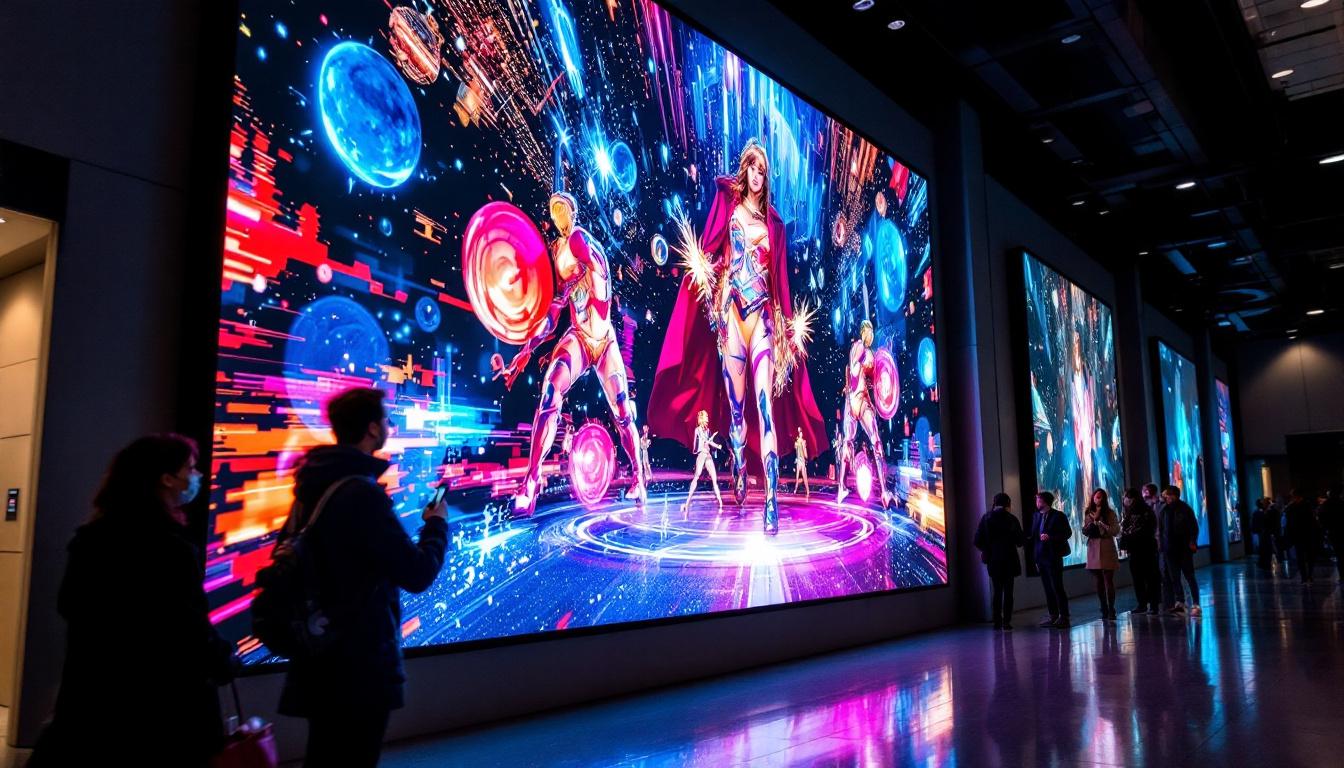
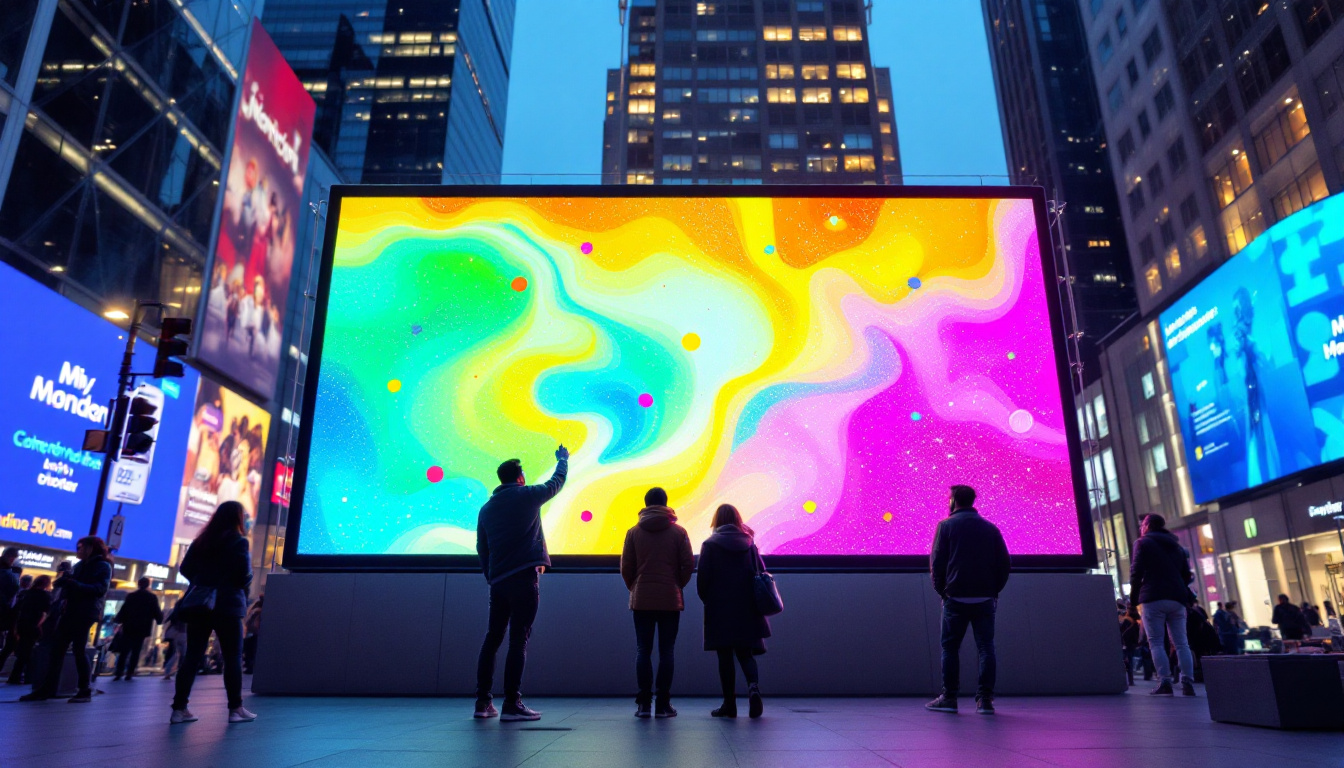
Unlike plasma, LED displays are more energy-efficient, lighter, and thinner. They also offer longer lifespan and less risk of screen burn-in, making them a practical choice for everyday use. Furthermore, advancements in LED technology have led to the development of OLED (Organic Light Emitting Diode) displays, which provide even greater contrast ratios and color accuracy by allowing individual pixels to emit their own light. This innovation has opened up new possibilities for display design, including flexible screens and ultra-thin panels that can be integrated into various environments, from smartphones to large-scale digital billboards.
As consumers become increasingly aware of display quality, manufacturers are also focusing on enhancing features such as refresh rates and response times, particularly for gaming and high-definition video content. The rise of 4K and 8K resolution displays has further pushed the boundaries of what is possible, allowing for incredibly detailed images that can transform the viewing experience. With the continuous evolution of display technology, it is an exciting time for both consumers and creators, as new innovations promise to redefine how we interact with visual media.
Comparing Plasma and LED Displays: Key Factors
When deciding between plasma and LED screens, several factors should be considered, including picture quality, energy consumption, lifespan, and cost. Below is a detailed comparison to help consumers make informed decisions.
Picture Quality and Color Accuracy
Plasma screens are renowned for their superior contrast ratios and deep black levels. Because each pixel emits its own light, plasma displays can turn off individual pixels completely, creating true blacks that enhance overall image depth. This makes plasma ideal for dark room viewing and cinematic experiences.
LED displays have made significant strides in picture quality, especially with the introduction of technologies like OLED (Organic LED) and QLED (Quantum Dot LED). OLED displays, in particular, can achieve perfect blacks similar to plasma by turning off individual pixels. However, traditional LED-backlit LCDs may struggle with black uniformity and blooming effects. The advancements in LED technology have also led to improvements in brightness levels, which can be advantageous in well-lit environments, allowing for vibrant colors and sharp details even in daylight.
Color accuracy varies by model and manufacturer, but high-end LED displays now rival or surpass plasma in vibrancy and color gamut, often supporting wider color spaces such as DCI-P3 or Rec. 2020. Additionally, many LED screens come equipped with calibration features that allow users to fine-tune color settings, ensuring that the display meets their specific preferences for a more personalized viewing experience.
Energy Efficiency and Environmental Impact
Energy consumption is a critical consideration, especially as consumers become more environmentally conscious. Plasma screens typically consume 30-60% more power than comparable LED models. This higher energy use results in increased electricity bills and a larger carbon footprint.
LED displays are more energy-efficient due to their advanced backlighting technology. Some models feature adaptive brightness controls and power-saving modes, further reducing energy use. For households or businesses seeking sustainable options, LED displays are the clear choice. Moreover, the lower energy consumption of LED screens contributes to a reduction in greenhouse gas emissions, making them a more eco-friendly option in the long run. As energy prices continue to rise, the cost-effectiveness of LED displays becomes even more appealing to budget-conscious consumers.
Lifespan and Durability
Plasma screens generally have a shorter lifespan compared to LED displays. The phosphor coatings in plasma cells degrade over time, leading to diminished brightness and color accuracy after approximately 30,000 to 60,000 hours of use.
LED displays, especially those using inorganic LEDs, can last upwards of 100,000 hours without significant degradation. Additionally, LED screens are less susceptible to burn-in, a common issue with plasma displays where static images leave permanent marks. This durability makes LED displays a more reliable choice for varied usage scenarios, including gaming and multi-purpose viewing, where static content may be displayed for extended periods. Furthermore, the robust construction of LED screens often results in better resistance to physical damage, making them suitable for environments where they may be subject to bumps or falls.
Design and Form Factor
LED displays are significantly thinner and lighter than plasma screens. This allows for sleek wall-mounted designs and greater portability. The slim profile of LED TVs also facilitates integration into modern home and office environments without occupying excessive space.
Plasma screens, due to their heavier glass panels and thicker build, are less versatile in terms of placement and mounting options. The design of LED displays also enables manufacturers to create innovative features such as curved screens and ultra-wide formats, catering to diverse consumer preferences. Additionally, many LED models come with built-in smart technology, allowing for seamless streaming and connectivity with other devices, enhancing the overall user experience.
Cost Considerations
Historically, plasma screens were priced competitively for large screen sizes, making them attractive for home theaters. However, as plasma technology has become obsolete, prices have dropped mainly on used or refurbished units.
LED displays cover a broad price range, from budget models to premium units featuring advanced technologies like 8K resolution, HDR (High Dynamic Range), and smart TV capabilities. While initial costs may be higher for top-tier LED screens, the long-term energy savings and durability often justify the investment. Additionally, the availability of financing options and promotions from retailers can make high-quality LED displays more accessible to a wider audience, allowing consumers to enjoy the benefits of advanced technology without breaking the bank. As the market continues to evolve, consumers can expect to see even more competitive pricing and innovative features in the LED category, further solidifying its position as the preferred choice for modern display solutions.
Current Market Trends and Availability
As of 2024, plasma screens are no longer produced by major manufacturers. Companies such as Panasonic, Samsung, and LG discontinued plasma production between 2014 and 2016 due to declining demand and the rise of LED technology.
LED displays dominate the market, with innovations continuing to enhance picture quality, energy efficiency, and smart features. OLED and QLED technologies represent the cutting edge, offering superior contrast, color accuracy, and responsiveness.
Consumers looking for plasma screens will primarily find them on secondary markets, often at discounted prices but with limited warranty and support. For those seeking new displays, LED technology offers a future-proof solution with extensive options to fit various budgets and preferences.
Examples of Popular LED Display Technologies
OLED (Organic LED): Each pixel emits its own light, enabling perfect blacks and excellent contrast. OLED panels are popular in premium TVs and smartphones.
QLED (Quantum Dot LED): Uses quantum dots to enhance color brightness and accuracy. QLED displays are often brighter than OLED and less prone to burn-in.
Mini-LED: Employs thousands of tiny LEDs for backlighting, allowing for precise local dimming and improved contrast. Mini-LED is a middle ground between traditional LED and OLED.
Choosing the Right Display for Your Needs
Selecting the best display depends on individual preferences, usage scenarios, and budget. Here are some key considerations to guide the decision-making process.
Intended Use
For home theater enthusiasts who prioritize deep blacks and cinematic picture quality, OLED displays offer an excellent alternative to plasma. For general TV viewing, gaming, or office use, LED displays provide bright, clear images with energy efficiency.
Screen Size and Viewing Environment
Large screen sizes benefit from LED technology’s scalability and thinner design. Additionally, LED displays perform well in bright rooms due to higher peak brightness levels, whereas plasma screens excel in controlled lighting environments.
Budget and Long-Term Value
While plasma screens may be found at lower prices on the used market, potential drawbacks include shorter lifespan and higher energy costs. Investing in an LED display may involve higher upfront costs but offers better long-term value through durability and efficiency.
Smart Features and Connectivity
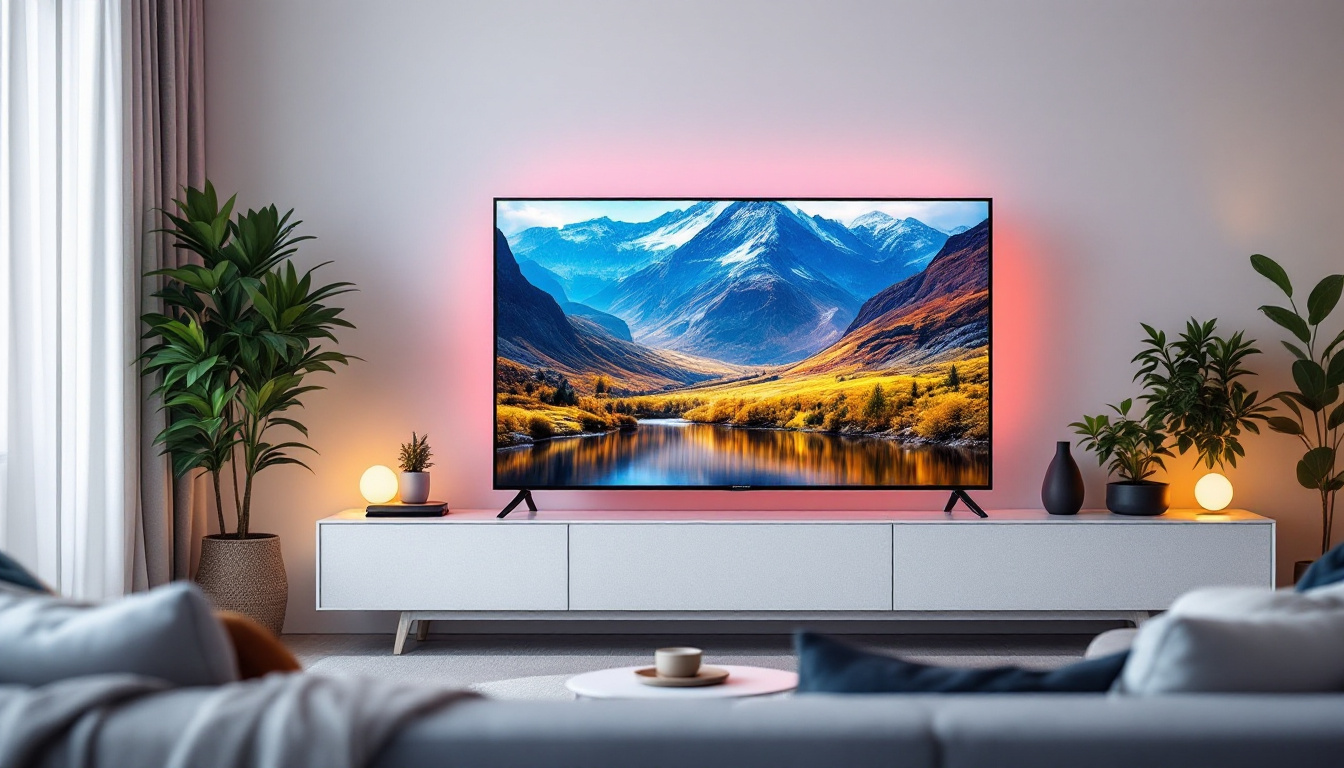
Modern LED TVs often come equipped with smart operating systems, voice control, and multiple connectivity options such as HDMI 2.1, USB-C, and Wi-Fi. These features enhance usability and future-proof the device for evolving content consumption habits.
Conclusion: Why LED Displays Are the Future
Plasma screens played a pivotal role in the evolution of display technology, offering impressive picture quality for their time. However, advancements in LED technology have rendered plasma largely obsolete, providing consumers with better energy efficiency, longer lifespan, and versatile design options.
For those in the market for a new display, LED screens—especially OLED and QLED variants—deliver superior performance across most metrics. Whether for home entertainment, professional use, or digital signage, LED displays represent the best balance of quality, efficiency, and innovation available today.
As technology continues to advance, consumers can expect even more exciting developments in LED display technology, including improved resolution, color accuracy, and interactive capabilities. Investing in an LED display today ensures access to these innovations and a high-quality viewing experience for years to come.
Discover the Future of Visual Displays with LumenMatrix
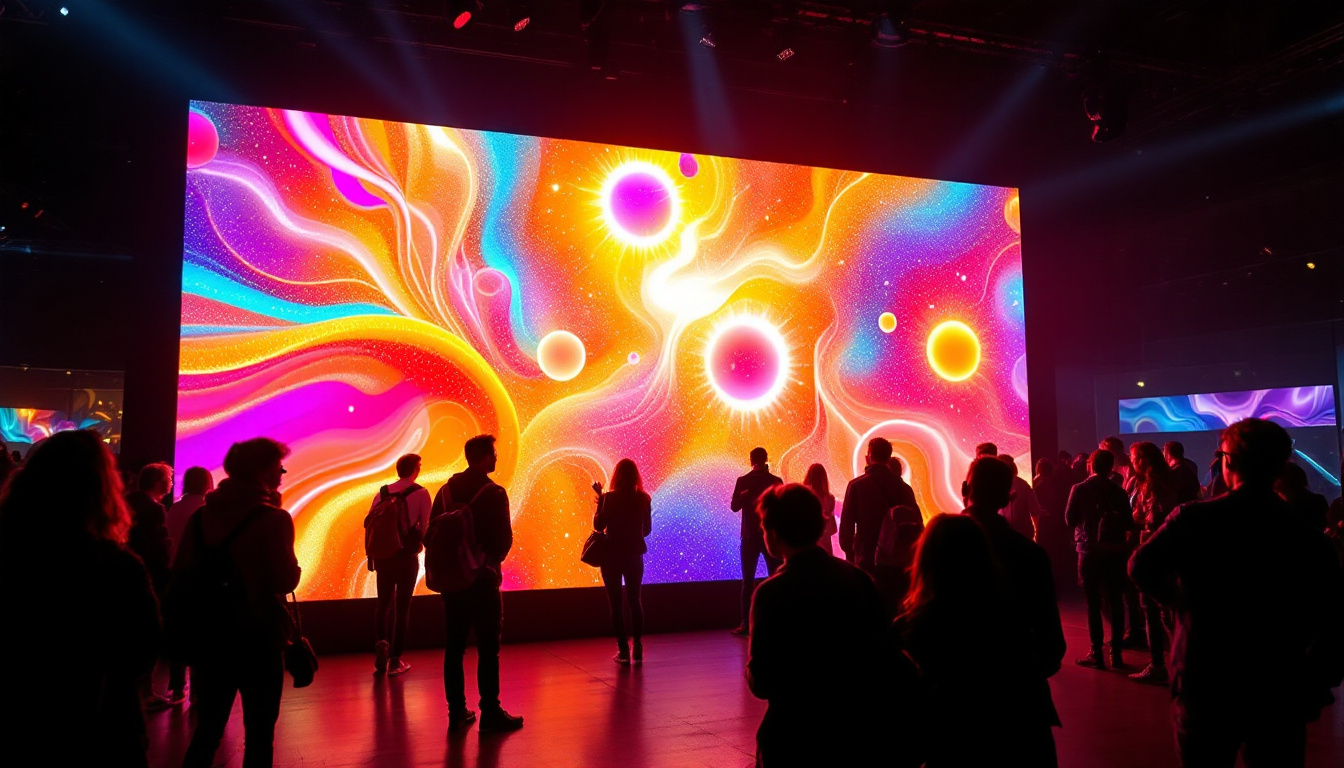
As you consider upgrading to the latest in display technology, LumenMatrix stands at the forefront of innovation, ready to illuminate your world with a diverse range of LED display solutions. From vibrant Indoor LED Walls to dynamic Outdoor LED Displays, and from sleek LED Posters to immersive LED Sports Displays, LumenMatrix has the perfect LED solution to meet your needs. Embrace the future of display technology and check out LumenMatrix LED Display Solutions today to create unforgettable visual experiences and communicate your message with unparalleled clarity and impact.