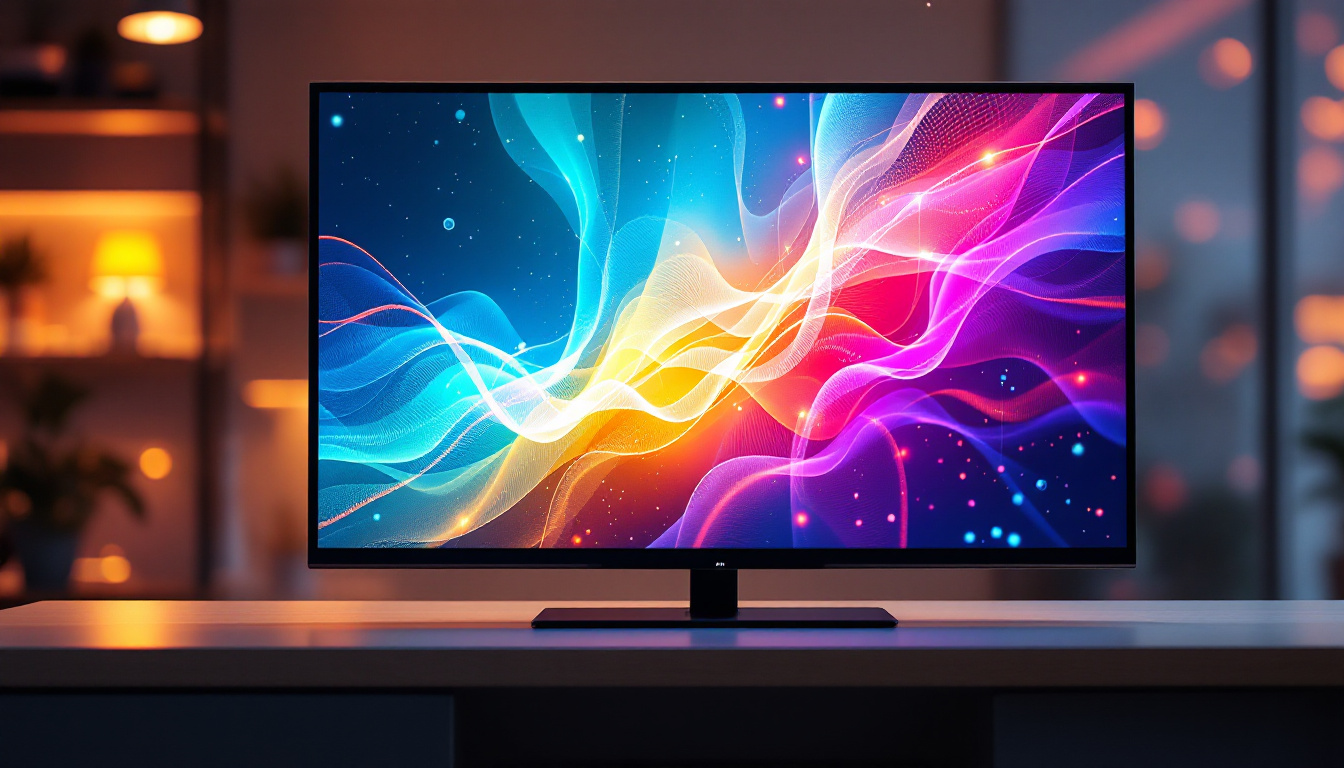
In today’s fast-paced world, entertainment on the go has become a necessity rather than a luxury. Portable flat screen TVs, especially those featuring LED displays, have surged in popularity due to their convenience, energy efficiency, and impressive picture quality. Whether for camping trips, tailgate parties, or simply moving from room to room at home, these compact devices offer a versatile viewing experience.
This article delves into the technology behind portable LED flat screen TVs, exploring how they work, their advantages, and what to consider when choosing one. Understanding the intricacies of LED displays will empower consumers to make informed decisions and fully appreciate the innovation packed into these sleek devices.
Understanding LED Display Technology
What is an LED Display?
LED stands for Light Emitting Diode, a semiconductor device that emits light when an electric current passes through it. In the context of flat screen TVs, LED displays refer to a type of LCD (Liquid Crystal Display) panel that uses LEDs as its light source instead of traditional cold cathode fluorescent lamps (CCFLs).
This distinction is crucial because the LED backlighting significantly improves the display’s brightness, contrast, and energy efficiency. Unlike older LCD TVs, which relied on fluorescent tubes behind the screen, LED TVs use an array of tiny LEDs either directly behind the screen (full-array) or along the edges (edge-lit) to illuminate the pixels.
How LED Displays Work in Portable TVs
In portable flat screen TVs, the LED display operates by combining the LCD panel with LED backlighting to produce vivid images. The LCD panel itself doesn’t emit light; it only manipulates light passing through it. The LEDs provide the necessary illumination, and the liquid crystals control the amount of light that reaches the viewer’s eyes by twisting and untwisting to block or allow light in specific patterns.
Because LEDs can be turned on and off rapidly and with high precision, they enable better control over brightness and contrast. This results in sharper images with deeper blacks and brighter whites, which is especially important in portable TVs that may be used in varying lighting conditions.
Advantages of LED Portable Flat Screen TVs
Energy Efficiency and Portability
One of the most significant benefits of LED technology in portable TVs is its energy efficiency. LEDs consume far less power than traditional fluorescent backlights, which translates to longer battery life when the TV is not plugged in. This is a critical feature for portable TVs that rely on internal batteries or external power sources like car adapters.
The reduced power consumption also means less heat generation, allowing manufacturers to design slimmer and lighter units. Portability is enhanced not just by the physical size but also by the ease of use in diverse environments without worrying excessively about power availability.
Superior Picture Quality
LED displays offer superior picture quality compared to earlier portable TV technologies. The brightness levels can reach up to 1000 nits or more in some models, which is beneficial for outdoor viewing under sunlight. Additionally, LED TVs provide better color accuracy and contrast ratios, making images appear more lifelike and immersive.
Many portable LED TVs also support high-definition (HD) and even 4K resolutions, ensuring that users don’t have to compromise on image clarity despite the smaller screen size. This is particularly advantageous for watching sports, movies, or gaming on the go.
Durability and Longevity
LEDs are solid-state devices, meaning they are more durable and less prone to damage from shocks and vibrations compared to fluorescent lamps. This robustness is essential for portable TVs that are frequently moved, packed, and unpacked in various environments.
Moreover, LED backlights have a longer lifespan, often exceeding 50,000 hours, which means the TV can be used extensively without significant degradation in picture quality. This longevity offers better value for money over the life of the device.
Key Features to Look for in a Portable LED Flat Screen TV
Screen Size and Resolution
Portable TVs typically range from 7 inches to around 15 inches in screen size. Choosing the right size depends on the intended use. For personal viewing or travel, smaller screens are more convenient, while larger screens enhance group viewing experiences.
Resolution is equally important. While HD (720p) is acceptable for smaller screens, Full HD (1080p) or 4K resolution models provide sharper images and better detail, especially on screens above 10 inches. It’s important to balance size and resolution to avoid pixelation and ensure a crisp display.
Connectivity Options
Modern portable LED TVs come equipped with a variety of connectivity options to maximize their versatility. HDMI ports allow connection to streaming devices, gaming consoles, or Blu-ray players. USB ports enable media playback from flash drives, while AV inputs support older devices.
Some models also feature built-in Wi-Fi and smart TV capabilities, allowing users to stream content directly from the internet. Bluetooth connectivity can be useful for pairing wireless headphones or speakers, enhancing the viewing experience without disturbing others.
Power Sources and Battery Life
Since portability is a primary concern, understanding the power options is crucial. Many portable LED TVs come with rechargeable lithium-ion batteries that offer anywhere from 2 to 6 hours of continuous use, depending on screen size and brightness settings.
Additional power options include car adapters, external battery packs, and AC adapters for indoor use. Evaluating how and where the TV will be used helps determine the necessary battery capacity and power accessories.
Common Use Cases for Portable LED Flat Screen TVs
Outdoor Activities and Travel
Portable LED TVs are ideal companions for outdoor enthusiasts. Whether camping, hiking, or spending a day at the beach, these TVs provide entertainment without the need for bulky equipment or constant power sources. Their bright LED displays ensure visibility even in daylight, and their rugged designs withstand the rigors of outdoor use.
Travelers also benefit from portable TVs in hotel rooms or during long trips, where access to traditional TV setups may be limited or inconvenient. The compact size and lightweight design make packing and carrying effortless.
Tailgating and Sports Events
Sports fans often use portable LED TVs to catch live games during tailgate parties or outdoor gatherings. The ability to connect to satellite receivers or streaming devices means fans never miss a moment, even away from home.
The high brightness and vivid colors of LED displays enhance the viewing experience, making it feel like a mini stadium screen. Additionally, built-in speakers and headphone jacks provide flexible audio options in noisy environments.
Emergency and Backup Use
In emergency situations or during power outages, portable LED TVs can serve as valuable communication tools. Battery-powered models allow users to stay informed through news broadcasts or weather alerts when other devices may be unavailable.
Some portable TVs include built-in radios and emergency alert systems, further increasing their utility in critical situations. Their compactness and ease of use make them practical additions to emergency preparedness kits.
Tips for Maintaining Your Portable LED Flat Screen TV
Proper Handling and Storage
Despite their durability, portable LED TVs require careful handling to avoid damage. Always use a protective case or padded bag when transporting the device. Avoid exposing the screen to extreme temperatures or moisture, which can affect performance and longevity.
When not in use, store the TV in a cool, dry place away from direct sunlight. This helps preserve the screen and internal components over time.
Cleaning and Care
Cleaning the LED screen should be done gently using a microfiber cloth to avoid scratches. Avoid harsh chemicals or abrasive materials; instead, use screen-specific cleaning solutions or a mixture of distilled water and isopropyl alcohol applied sparingly.
Regularly check and clean ports and vents to prevent dust buildup, which can interfere with connectivity and cooling. Keeping the device clean ensures optimal performance and extends its usable life.
Battery Maintenance
To maximize battery lifespan, avoid letting the battery drain completely before recharging. Periodically calibrate the battery by fully charging and then discharging it to around 10% before charging again. This helps maintain accurate battery level readings and prolongs overall battery health.
If the TV will not be used for extended periods, store it with a partial charge (around 50%) and recharge every few months to prevent battery degradation.
The Future of Portable LED Flat Screen TVs
As technology advances, portable flat screen TVs continue to evolve with improvements in display technology, connectivity, and power management. Innovations like OLED (Organic LED) and MicroLED promise even better picture quality with thinner, lighter designs and enhanced energy efficiency.
Smart TV capabilities are becoming standard, with integrated voice assistants and seamless streaming options making portable TVs more versatile than ever. Additionally, advancements in battery technology, such as solid-state batteries, could significantly extend usage time and reduce charging intervals.
For consumers, these developments mean portable LED TVs will become increasingly capable, offering a richer viewing experience in more compact and user-friendly packages. Staying informed about these trends ensures that buyers select devices that meet their current and future entertainment needs.
Conclusion
Portable flat screen TVs with LED displays represent a remarkable blend of technology, convenience, and performance. Their energy-efficient LED backlighting delivers bright, vibrant images, making them suitable for a wide range of environments and uses. From outdoor adventures to emergency preparedness, these devices provide reliable entertainment and information access on the move.
Understanding the fundamentals of LED display technology, along with the key features to consider, empowers consumers to choose the right portable TV for their lifestyle. With ongoing advancements in display and battery technology, the future of portable LED TVs looks bright, promising even greater flexibility and quality for users worldwide.
Explore Cutting-Edge Portable LED Displays with LumenMatrix
Ready to elevate your viewing experience with the latest in portable LED technology? LumenMatrix, a pioneer in LED display innovation, offers an array of advanced solutions tailored to your needs. From immersive Indoor and Outdoor LED Wall Displays to dynamic Vehicle and Sports LED Displays, our products are designed to bring your visual communications to life. Discover the future of portable entertainment with our versatile LED Poster Displays, interactive Floor LED Displays, and the sleek All-in-One LED Display. Experience the clarity and impact of our Custom and Transparent LED Displays. Check out LumenMatrix LED Display Solutions today and transform the way you share your message with the world.