In today’s fast-evolving digital landscape, LED displays have become an indispensable tool for communication, advertising, and entertainment. Their vibrant visuals, energy efficiency, and versatility make them a popular choice across various industries. Among the many types of LED displays, portable LED displays stand out for their mobility and ease of use, enabling dynamic messaging in diverse environments. This article delves into the world of portable LED displays, explaining their technology, applications, benefits, and considerations for selection.
Understanding LED Display Technology
What Is an LED Display?
LED stands for Light Emitting Diode, a semiconductor device that emits light when an electric current passes through it. An LED display is a flat panel that uses an array of these tiny diodes to produce images, videos, or text. Each diode acts as a pixel or part of a pixel, and by controlling the intensity and color of each diode, the display can render detailed and vibrant visuals.
Unlike traditional LCD or plasma screens, LED displays emit their own light, which contributes to higher brightness levels and better visibility in various lighting conditions, including direct sunlight. This self-illumination also allows for thinner and lighter panels, which is crucial for portable designs. Furthermore, LED displays are known for their energy efficiency, consuming significantly less power than older display technologies, which not only reduces operating costs but also has a positive environmental impact.
Key Components of LED Displays
At the core, an LED display consists of:
- LED Modules: These are the building blocks containing multiple LEDs arranged in a grid. Modules can be combined to create larger screens.
- Driver ICs: Integrated circuits that control the brightness and color of each LED.
- Control System: The hardware and software responsible for processing input signals and managing the display output.
- Power Supply: Ensures stable and sufficient power to the LEDs and control systems.
Portable LED displays integrate these components into compact, lightweight enclosures designed for easy transport and quick setup. These displays are particularly popular in events such as concerts, trade shows, and sports arenas, where the ability to deliver dynamic visuals on-the-go is essential. Additionally, advancements in technology have led to the development of flexible LED displays, which can be bent or shaped to fit unique environments, further expanding their application possibilities.
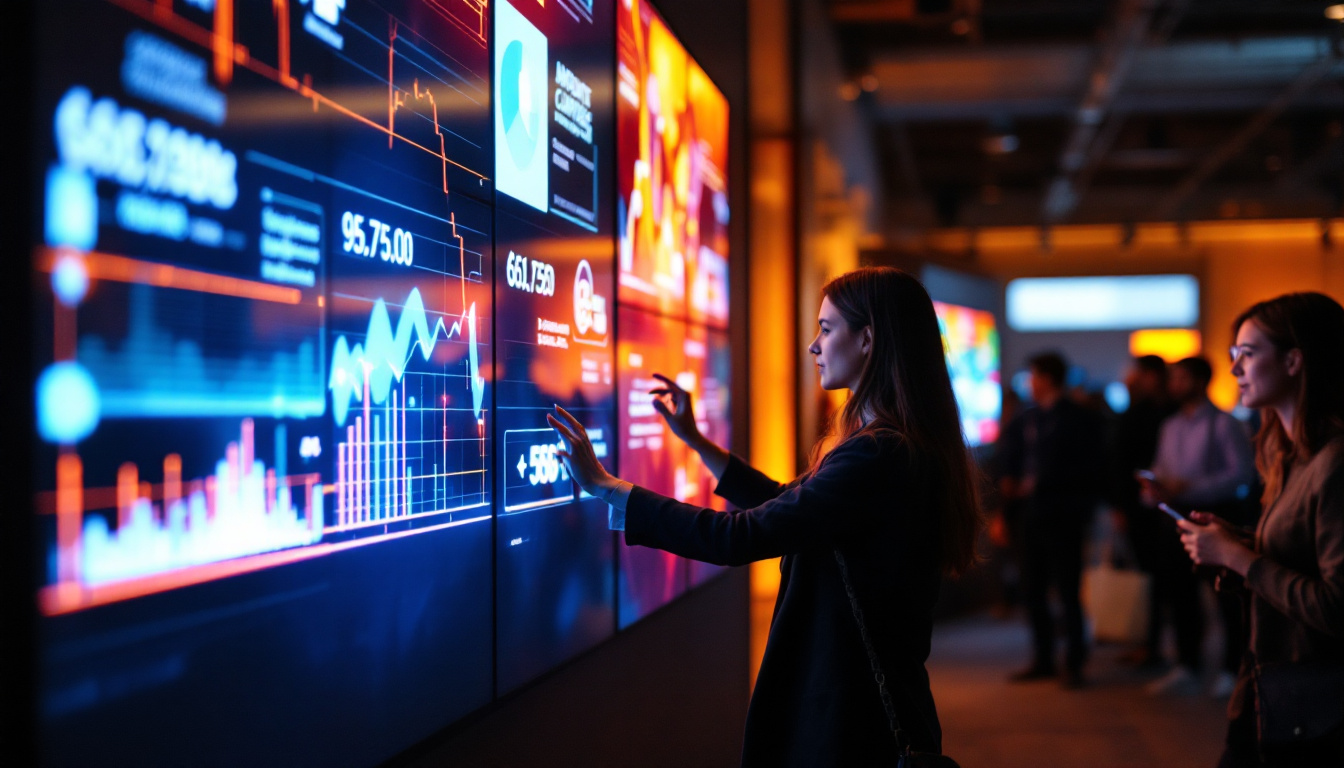
Moreover, the versatility of LED displays extends beyond mere visual appeal; they can also incorporate interactive features. Touch-sensitive LED screens allow users to engage directly with the content, making them ideal for applications in retail environments, educational settings, and public information displays. This interactivity not only enhances user experience but also opens up new avenues for advertising and information dissemination, as businesses can tailor content to engage their audience more effectively.
The Rise of Portable LED Displays
Why Portability Matters
Traditional LED displays, while impressive in size and resolution, often require permanent installation and significant infrastructure. Portable LED displays address this limitation by offering mobility without compromising on image quality. This flexibility is vital for businesses and organizations that need to communicate messages in multiple locations or temporary settings.
For example, event organizers, retail marketers, and public safety officials benefit from the ability to deploy high-impact visuals quickly and relocate them as needed. The rise of outdoor festivals, pop-up stores, and mobile advertising has fueled demand for portable solutions that can withstand various environmental conditions. Furthermore, the ability to set up and dismantle these displays in a matter of minutes allows for seamless transitions between events, enhancing the overall efficiency of operations. This adaptability not only saves time but also reduces labor costs, making it an attractive option for budget-conscious organizations.
Moreover, the versatility of portable LED displays extends beyond mere mobility. They can be utilized for a wide range of applications, from live sports broadcasts to immersive advertising experiences. Their lightweight design and modular configurations enable users to create custom setups tailored to specific venues or audience sizes, further enhancing their appeal. As a result, these displays are not just tools for communication; they are dynamic platforms that can engage audiences in innovative ways, fostering a deeper connection between brands and consumers.
Market Growth and Trends
The global LED display market was valued at approximately $13 billion in 2023 and is projected to grow at a compound annual growth rate (CAGR) of around 7% through 2030. Portable LED displays represent a significant segment of this growth due to their expanding use cases.
Technological advancements such as improved pixel pitch (the distance between LEDs), higher refresh rates, and enhanced weatherproofing have made portable LED displays more attractive and reliable. Additionally, the integration of wireless connectivity and user-friendly control software has simplified operation, making these displays accessible to a broader audience. This ease of use is particularly beneficial for those who may not have extensive technical knowledge, allowing even small businesses to harness the power of high-quality visual communication without the need for specialized training.
Another trend contributing to the market’s expansion is the increasing demand for interactive features in portable displays. With the rise of augmented reality (AR) and virtual reality (VR) technologies, many manufacturers are incorporating touch-sensitive screens and interactive elements that allow viewers to engage directly with the content. This not only enhances the viewer experience but also provides valuable data insights for businesses, enabling them to tailor their marketing strategies based on real-time feedback. As the landscape of digital communication continues to evolve, portable LED displays are poised to play a crucial role in shaping how messages are conveyed and experienced across various sectors.
Applications of Portable LED Displays
Events and Entertainment
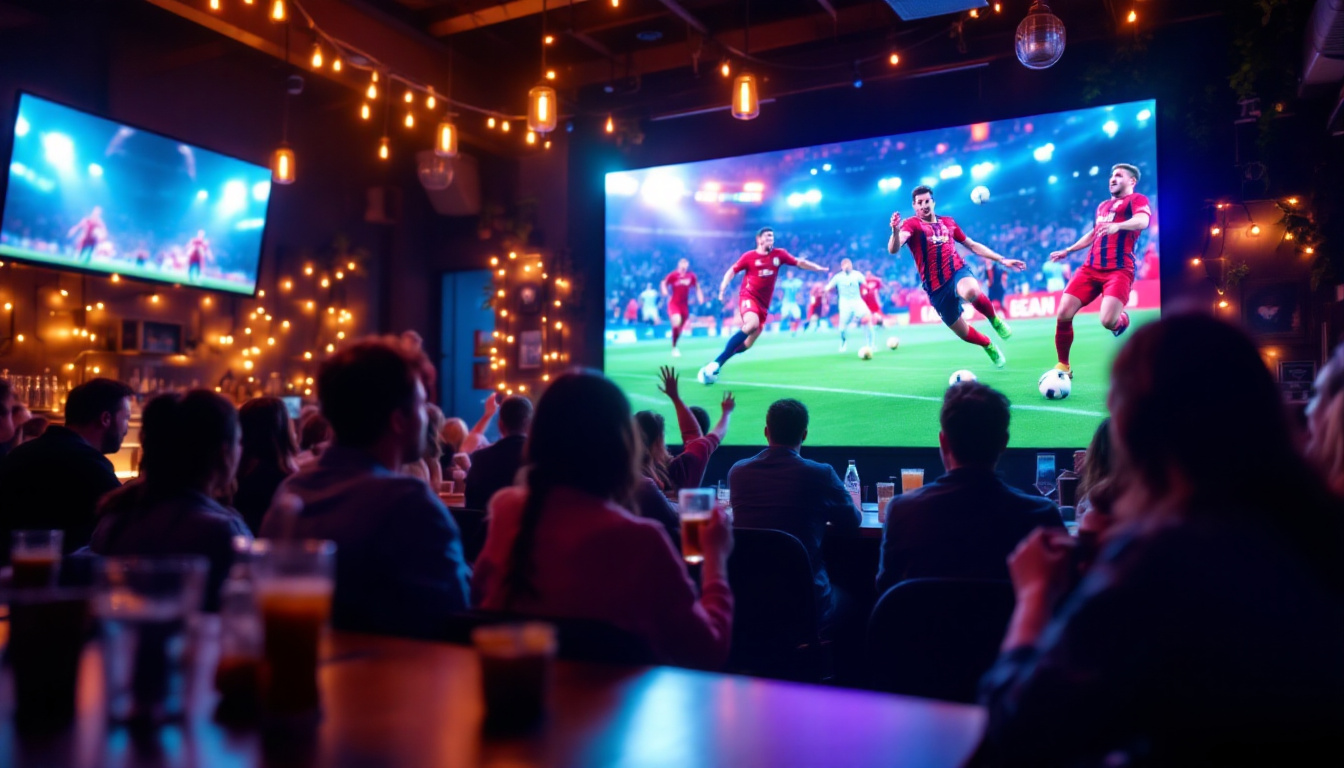
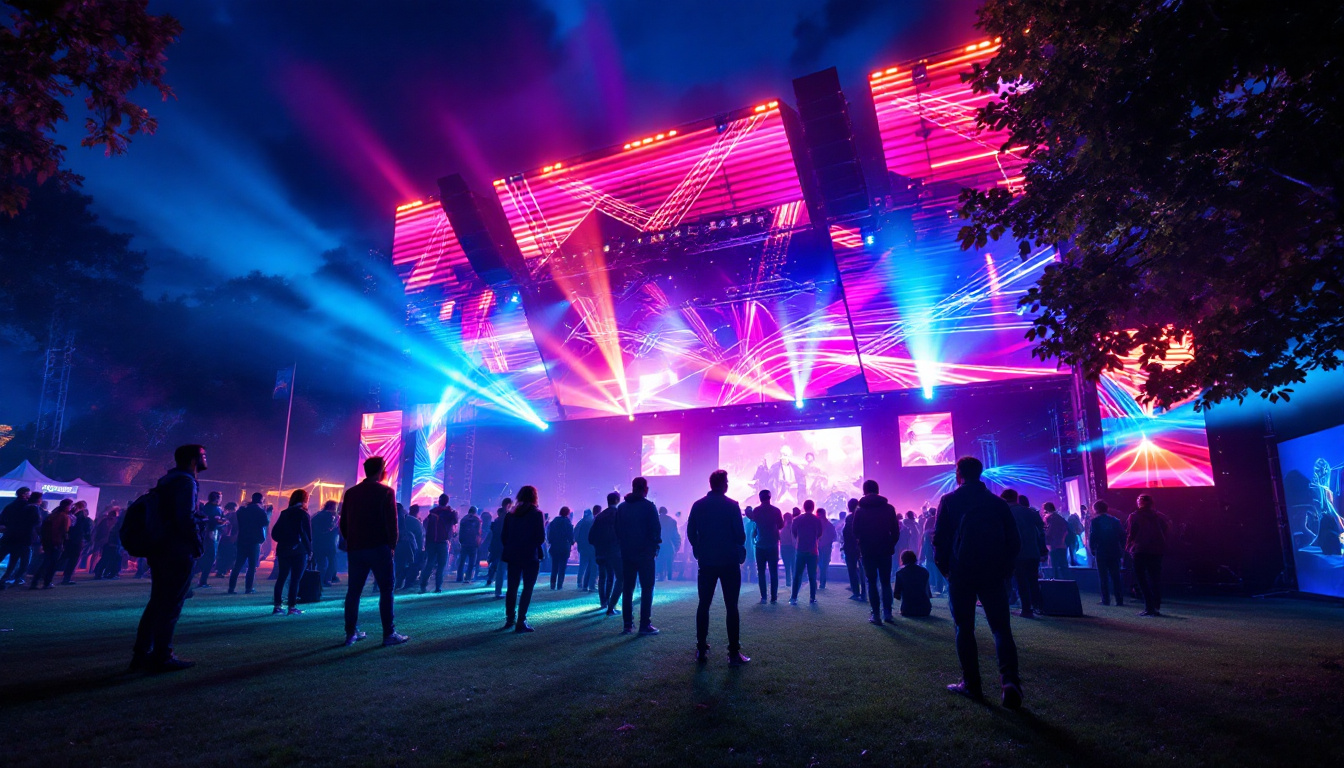
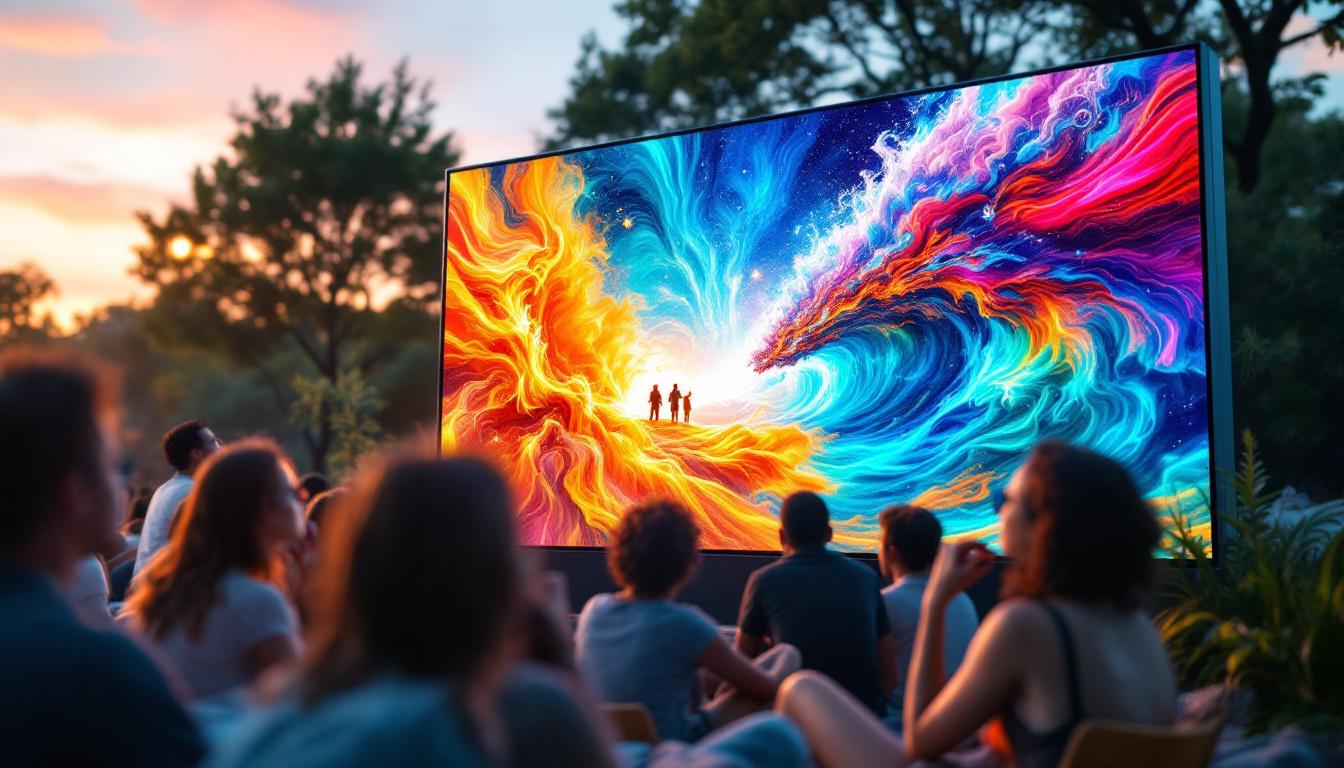
Portable LED displays are a staple at concerts, festivals, sports events, and trade shows. Their ability to deliver bright, high-resolution content ensures that audiences can see live feeds, advertisements, or interactive visuals even from a distance. The quick assembly and disassembly capabilities reduce setup time and labor costs, which is crucial for events with tight schedules.
For instance, a music festival might use multiple portable LED screens to create immersive stage backdrops and information boards, enhancing the overall attendee experience.
Advertising and Marketing
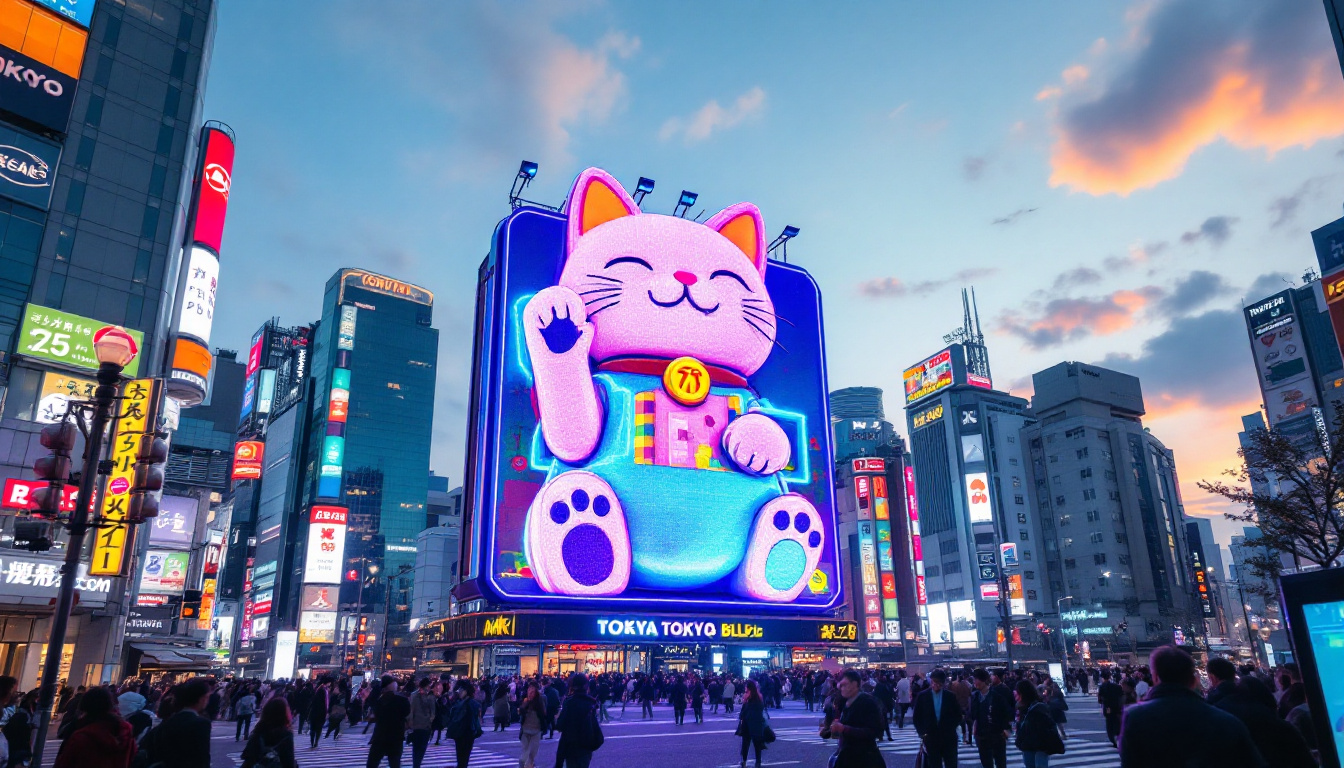
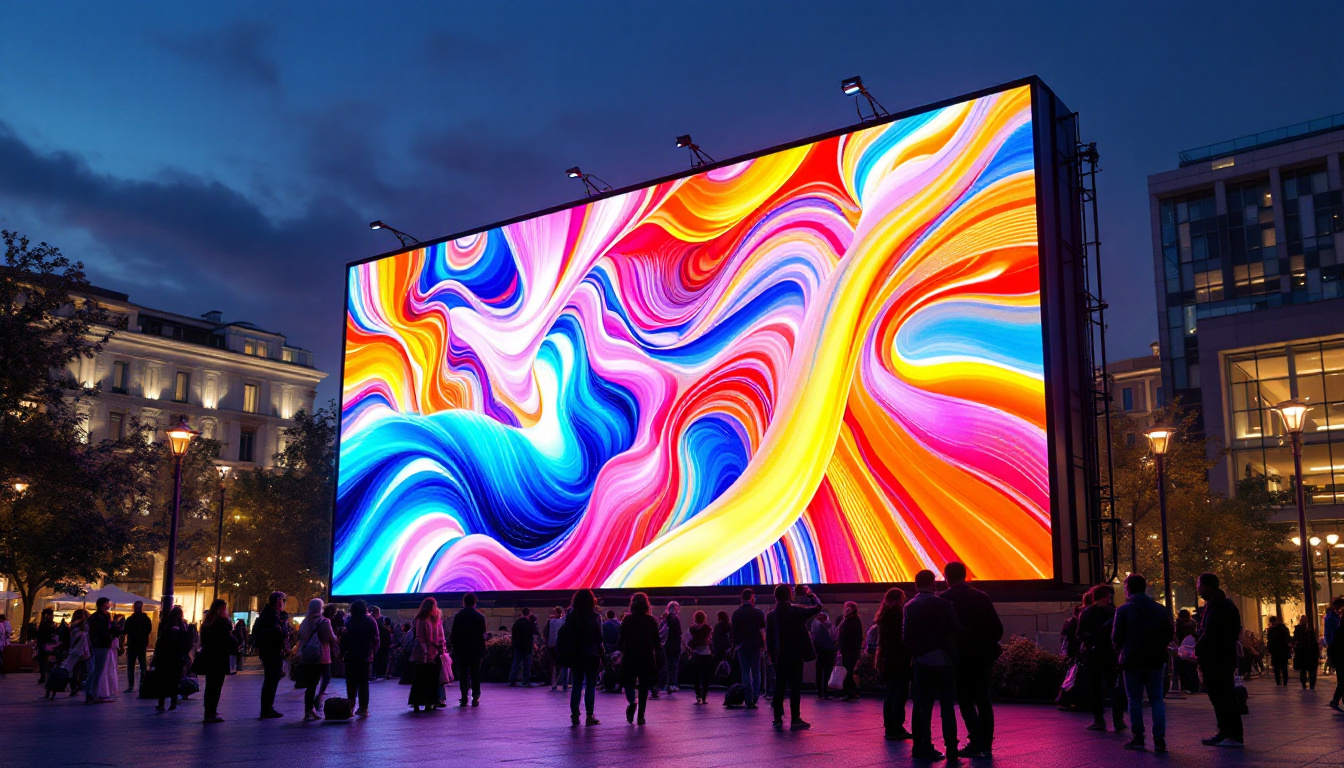
In retail and outdoor advertising, portable LED displays offer dynamic alternatives to static billboards. Businesses can update promotions in real-time, tailor content to specific audiences, and deploy displays in high-traffic areas without permanent installation. This flexibility enables targeted campaigns that adapt to changing market conditions.
Pop-up shops and product launches often rely on portable LED displays to grab attention and convey brand messages effectively.
Public Safety and Information
Government agencies and emergency responders use portable LED displays to disseminate critical information during emergencies, roadworks, or public gatherings. These displays can show real-time updates, warnings, and instructions, improving communication and safety outcomes.
For example, during a natural disaster, portable LED displays can be rapidly deployed to direct evacuees or provide shelter information.
Advantages of Portable LED Displays
High Visibility and Brightness
One of the most significant advantages of LED technology is its brightness. Portable LED displays can achieve luminance levels exceeding 5,000 nits, making them easily visible in direct sunlight. This feature is essential for outdoor use, where ambient light can diminish the effectiveness of other display types.
Energy Efficiency and Longevity
LEDs consume less power compared to traditional lighting and display technologies, which translates into lower operational costs. Additionally, LEDs have a long lifespan, often exceeding 50,000 hours of use, reducing maintenance and replacement expenses over time.
Flexibility and Ease of Use
Portable LED displays are designed for quick setup, often featuring modular panels with locking mechanisms and lightweight frames. Many models include built-in batteries, wireless control options, and weatherproof enclosures, allowing users to deploy them in diverse environments without extensive technical expertise.
Customization and Scalability
The modular nature of LED displays means users can customize screen size and resolution according to their needs. Whether a small 2×2 panel setup for a retail kiosk or a large 10×5 array for an outdoor event, portable LED displays can be scaled up or down with relative ease.
Choosing the Right Portable LED Display
Consider Pixel Pitch and Resolution
Pixel pitch, measured in millimeters, indicates the distance between the centers of adjacent LEDs. A smaller pixel pitch means higher resolution and sharper images, which is critical for close viewing distances. For portable displays, typical pixel pitches range from 2.5mm to 10mm.
When selecting a display, consider the typical viewing distance. For example, a 2.5mm pixel pitch is suitable for indoor use where viewers are close, while a 10mm pitch may suffice for outdoor events where the audience is farther away.
Brightness and Weather Resistance
Outdoor portable LED displays should have high brightness levels (typically above 4,000 nits) and robust weatherproof ratings such as IP65 or higher. This ensures the display remains visible and functional under rain, dust, and extreme temperatures.
Portability Features
Look for displays with ergonomic handles, lightweight materials, and integrated wheels or cases for transport. Battery life is another important factor; some portable LED displays offer several hours of operation on a single charge, while others may require continuous power supply.
Connectivity and Control
Modern portable LED displays often support wireless control via Wi-Fi or Bluetooth, enabling remote content management from smartphones or laptops. Compatibility with various input sources (HDMI, USB, SD card) adds to their versatility.
Future Outlook and Innovations
Advances in Mini-LED and Micro-LED
Emerging technologies like mini-LED and micro-LED promise even better image quality, higher contrast ratios, and improved energy efficiency. These innovations could soon be integrated into portable LED displays, enhancing their performance and appeal.
Integration with Smart Technologies
As the Internet of Things (IoT) expands, portable LED displays are expected to become smarter, with features like real-time data integration, AI-driven content optimization, and interactive touch capabilities. This will open new possibilities for personalized advertising and dynamic public information systems.
Sustainability Considerations
Manufacturers are increasingly focusing on eco-friendly materials and energy-saving designs to reduce the environmental impact of LED displays. Portable models that balance performance with sustainability will likely gain favor among environmentally conscious users.
Conclusion
Portable LED displays represent a powerful convergence of technology, design, and practicality. Their ability to deliver bright, high-resolution visuals in a mobile format opens up countless opportunities across events, marketing, public safety, and more. Understanding the underlying technology, key features, and application requirements is essential for selecting the right display to meet specific needs.
As innovations continue to advance, portable LED displays will become even more versatile, efficient, and user-friendly, solidifying their role as a cornerstone of modern digital communication.
Discover LumenMatrix’s Innovative LED Solutions
Ready to elevate your visual communication with portable LED displays? LumenMatrix is at the forefront of LED display technology, offering a wide range of solutions tailored to your needs. From captivating Indoor and Outdoor LED Wall Displays to dynamic Vehicle and Sports LED Displays, our products are designed to make your brand shine. Experience the future of digital signage with our All-in-One LED Displays, LED Transparent Displays, and more. Check out LumenMatrix LED Display Solutions today and transform how you connect with your audience.