In today’s fast-paced world, portable entertainment devices have become essential companions for travelers, commuters, and families alike. Among these devices, portable TV/DVD players stand out for their convenience and versatility, allowing users to watch movies or catch up on their favorite shows anywhere. A critical component that defines the viewing experience on these devices is the LED display. Understanding how LED displays work and their advantages can help consumers make informed choices when purchasing a portable TV/DVD player.
What Is an LED Display?
LED stands for Light Emitting Diode, a semiconductor device that emits light when an electric current passes through it. In the context of portable TV/DVD players, LED displays refer to screens that use LEDs as a backlight source or as the primary light-emitting elements. This technology has largely replaced older display types like CCFL (cold cathode fluorescent lamp) backlit LCDs due to its superior performance and efficiency. The shift to LED technology has not only enhanced the visual experience but has also contributed to longer battery life, a crucial factor for portable devices.
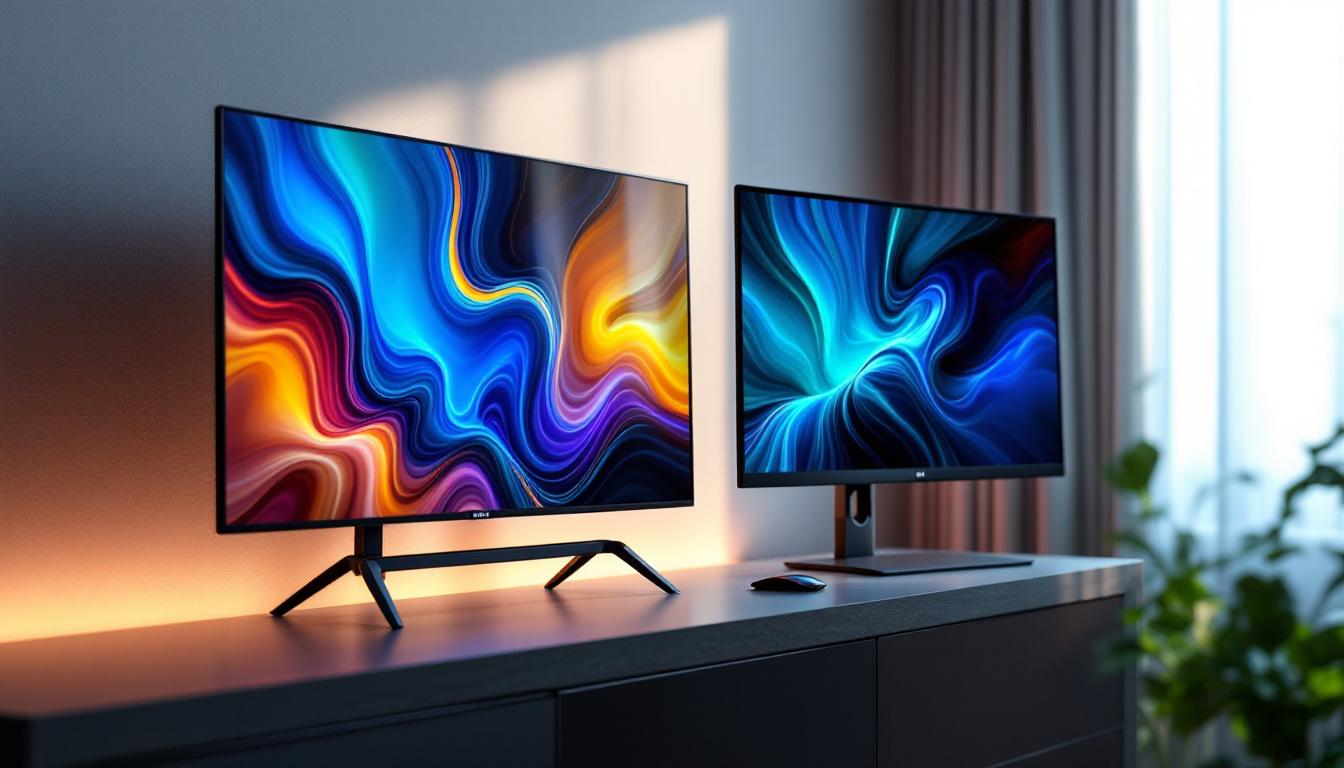
LED displays come in various forms, but the most common in portable devices are LED-backlit LCD screens. These combine an LCD panel, which controls the image pixels, with an LED backlight that illuminates the screen. This configuration offers a balance between image quality, energy consumption, and cost, making it ideal for portable entertainment devices. Furthermore, LED displays are known for their vibrant colors and deeper blacks, which enhance the viewing experience, especially in diverse lighting conditions. Users can enjoy their favorite shows and movies with clarity and brightness that was previously unattainable in older technologies.
Types of LED Displays in Portable TV/DVD Players
There are primarily two types of LED displays used in portable TV/DVD players:
- Edge-Lit LED Displays: LEDs are positioned along the edges of the screen, and light is distributed across the display using light guides. This design allows for thinner and lighter devices but may have less uniform brightness. Edge-lit displays are particularly advantageous for users who prioritize portability, as they enable manufacturers to create sleek, lightweight models that are easy to transport.
- Direct-Lit LED Displays: LEDs are placed directly behind the LCD panel, providing more uniform brightness and better contrast but often resulting in a thicker screen. These displays are favored for their superior image quality, making them a popular choice for users who value an immersive viewing experience, especially when watching high-definition content.
While OLED technology is gaining traction in larger screens, it remains rare in portable TV/DVD players due to cost and power consumption considerations. OLED displays offer exceptional color accuracy and contrast ratios, but the manufacturing process and energy demands make them less feasible for compact, battery-operated devices. As technology continues to evolve, it will be interesting to see how advancements in display technology might eventually lead to more affordable and efficient OLED options for portable devices, potentially transforming the market and enhancing the user experience even further.
Advantages of LED Displays in Portable TV/DVD Players
LED displays offer several benefits that make them particularly well-suited for portable TV/DVD players. Understanding these advantages can help users appreciate why LED technology has become the industry standard.
Energy Efficiency and Battery Life
One of the most significant advantages of LED displays is their energy efficiency. Compared to older CCFL-backlit LCDs, LED backlights consume less power, which translates into longer battery life for portable devices. This is especially important for portable TV/DVD players, where users often rely on battery power during travel or outdoor use.
For example, a typical portable DVD player with an LED display can offer 4 to 6 hours of continuous playback on a single charge, whereas older models with CCFL backlights might only last 2 to 3 hours. This improvement enhances user convenience and reduces the need to carry bulky chargers or spare batteries. Additionally, the energy efficiency of LED displays contributes to a reduced environmental footprint, making them a more sustainable choice for consumers who are increasingly conscious of their ecological impact.
Improved Brightness and Contrast
LED displays generally provide brighter images and better contrast ratios than their predecessors. This means that videos and DVDs viewed on these screens have more vivid colors and deeper blacks, contributing to a more immersive viewing experience. Brightness levels on LED-backlit portable TV/DVD players often range from 200 to 400 nits, sufficient for indoor use and even some outdoor environments.
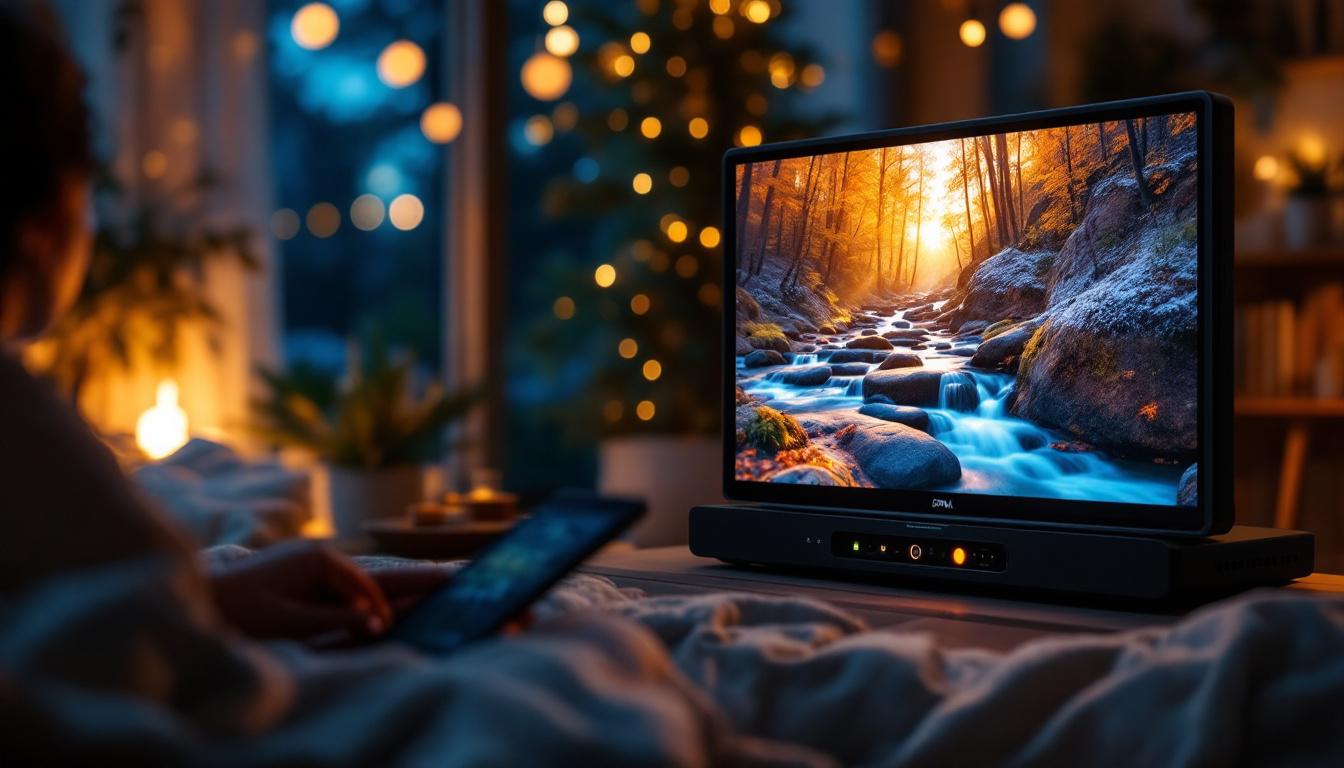
Better contrast also improves visibility in various lighting conditions, reducing eye strain and making it easier to enjoy content for extended periods. This is particularly beneficial for families traveling with children, where screen readability can be a challenge. Moreover, the enhanced color accuracy of LED displays allows for a more true-to-life representation of the content, whether watching a family movie or a nature documentary, ensuring that every detail is captured beautifully.
Slimmer and Lightweight Design
Because LEDs are smaller and more efficient than older backlighting technologies, manufacturers can design thinner and lighter portable TV/DVD players. This enhances portability and makes the devices easier to handle, carry, and store. A slim profile also contributes to a modern aesthetic, appealing to consumers who value both function and style.
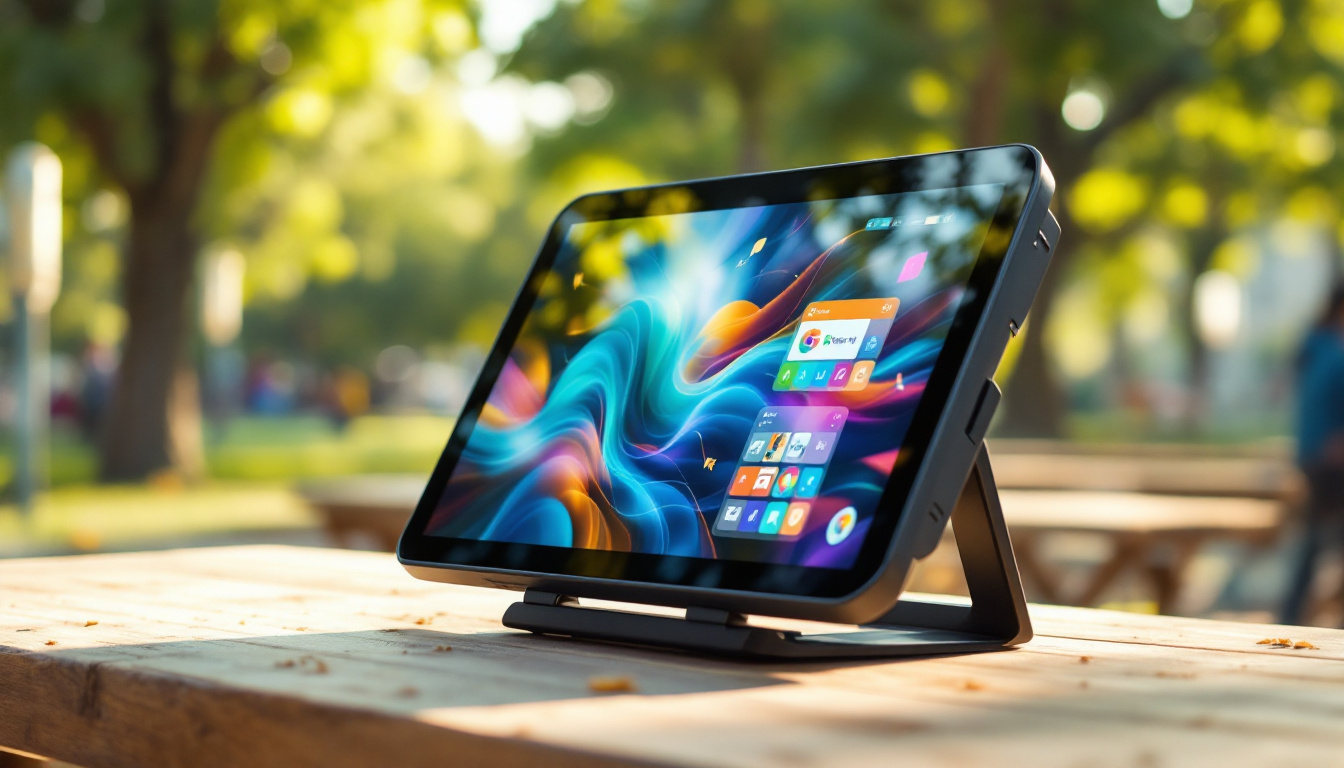
Furthermore, the lightweight design of these devices often includes ergonomic considerations, making them comfortable to hold for extended periods. Many models now feature adjustable stands or grips that enhance usability during travel. This focus on user experience not only caters to the needs of frequent travelers but also makes these devices more accessible for users of all ages, from children to seniors, ensuring that everyone can enjoy their favorite films and shows without discomfort.
Key Features to Consider in LED Displays for Portable TV/DVD Players
When selecting a portable TV/DVD player, understanding the specifications and features of the LED display can help buyers choose a device that meets their needs and preferences.
Screen Size and Resolution
Screen size is a primary consideration for portability and viewing comfort. Portable TV/DVD players typically range from 7 to 15 inches diagonally. Smaller screens are more compact and lightweight, while larger screens provide a more cinematic experience but may be bulkier.
Resolution determines the clarity and sharpness of the image. Common resolutions include 800×480 pixels (WVGA) and 1024×600 pixels (WSVGA). Higher resolution screens offer crisper images, which is particularly important when watching DVDs that support higher definition formats.
Viewing Angles
Viewing angle refers to the maximum angle at which the screen can be viewed with acceptable visual performance. Portable TV/DVD players with wider viewing angles allow multiple viewers to watch comfortably without color distortion or brightness loss. This is a valuable feature for family use or group travel.
Anti-Glare and Screen Coatings
Since portable devices are often used in various lighting conditions, anti-glare coatings can significantly enhance screen visibility by reducing reflections. Some LED displays also feature fingerprint-resistant coatings or matte finishes to improve usability and maintain screen clarity.
Common Challenges and Considerations with LED Displays
While LED displays offer many benefits, there are some challenges and limitations that users should be aware of when choosing a portable TV/DVD player.
Battery Drain and Brightness Trade-Off
Although LED displays are energy efficient, increasing screen brightness to combat bright ambient light can accelerate battery drain. Users may need to balance brightness settings to optimize battery life during extended use. Some portable TV/DVD players include adaptive brightness features that automatically adjust screen brightness based on surrounding light conditions.
Durability and Screen Protection
Portable devices are prone to bumps and scratches, which can affect the LED display’s longevity and visual quality. Investing in models with durable screens or protective cases can help mitigate damage. Additionally, some devices incorporate shatter-resistant glass or reinforced plastics to enhance durability.
Color Accuracy and Calibration
Not all LED displays are created equal in terms of color accuracy. Budget models may exhibit washed-out colors or inconsistent color reproduction. For users who prioritize picture quality, especially when watching movies, it’s worth considering devices with factory-calibrated displays or options to manually adjust color settings.
Future Trends in LED Displays for Portable TV/DVD Players
As technology continues to evolve, LED displays in portable entertainment devices are expected to improve in several key areas, enhancing the user experience further.
Mini-LED and Micro-LED Technology
Emerging display technologies like Mini-LED and Micro-LED promise even better brightness, contrast, and energy efficiency. Mini-LEDs use thousands of tiny LEDs as backlighting zones, allowing for more precise local dimming and improved image quality. Micro-LEDs, which consist of microscopic LEDs that individually emit light and color, offer the potential for vibrant colors and true black levels without the need for a backlight.
While these technologies are currently more common in larger TVs and high-end monitors, they may eventually trickle down to portable TV/DVD players, offering users unprecedented image quality in compact devices.
Integration with Streaming and Smart Features
The rise of streaming services and smart device integration is influencing portable TV/DVD players. Future models may incorporate LED displays optimized for high-definition streaming, HDR content, and touch capabilities. This evolution could transform the traditional DVD player into a multifunctional entertainment hub, combining physical media playback with online content access.
Conclusion
LED displays have revolutionized the portable TV/DVD player market by delivering brighter, more energy-efficient, and visually appealing screens. Their advantages in battery life, image quality, and design make them the preferred choice for portable entertainment devices. Understanding the types of LED displays, their features, and potential limitations can empower consumers to select the best device for their needs.
As display technology advances, portable TV/DVD players will continue to improve, offering richer viewing experiences and greater convenience. Whether for long road trips, outdoor adventures, or casual home use, LED display-equipped portable TV/DVD players remain a reliable and enjoyable way to watch content on the go.
Explore Cutting-Edge Portable LED Displays with LumenMatrix
Ready to elevate your on-the-go entertainment experience? Discover the innovative world of LumenMatrix, where advanced LED display technology meets portable convenience. As a leader in LED display solutions, LumenMatrix offers a range of products designed to bring your visual content to life, from vibrant Indoor LED Walls to dynamic Vehicle LED Displays. Embrace the future of portable viewing with our state-of-the-art LED modules that promise to enhance your brand visibility and captivate your audience. Don’t wait to transform your visual communication; check out LumenMatrix LED Display Solutions today and see the difference for yourself!