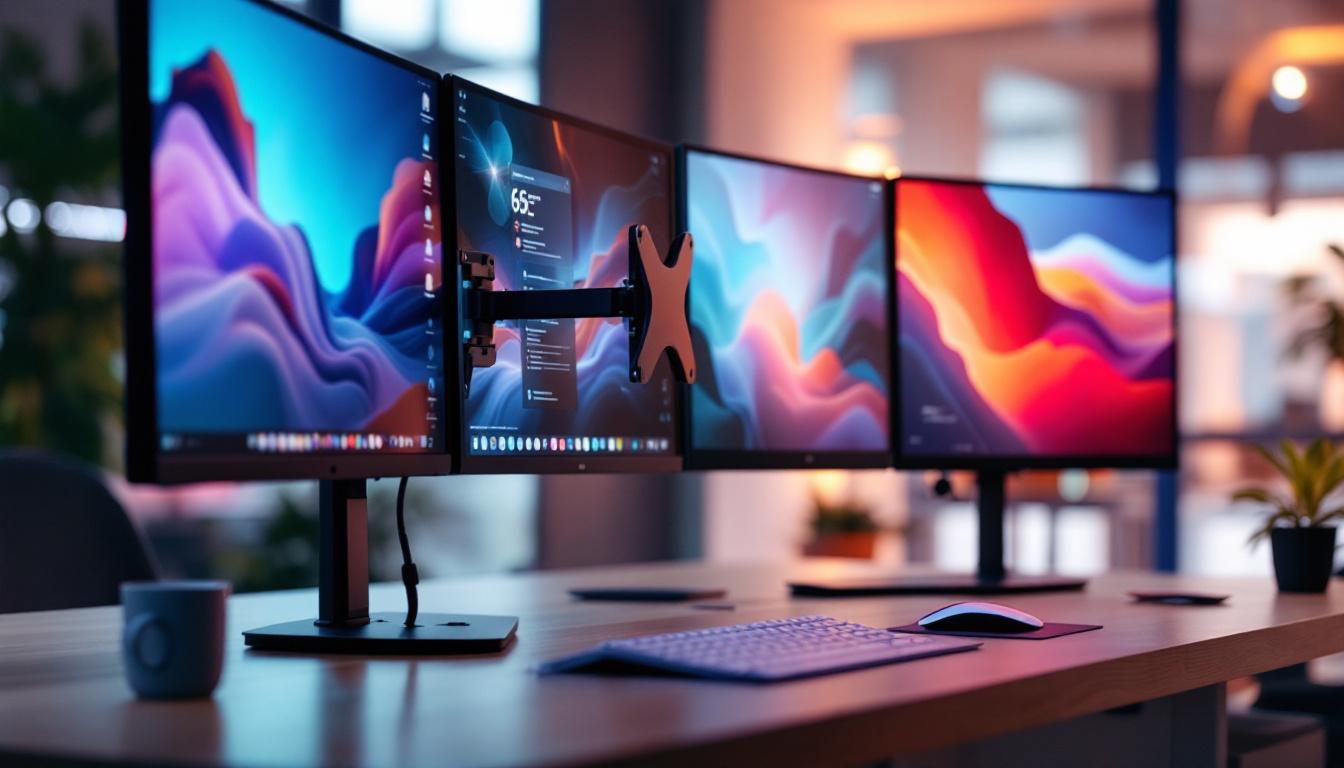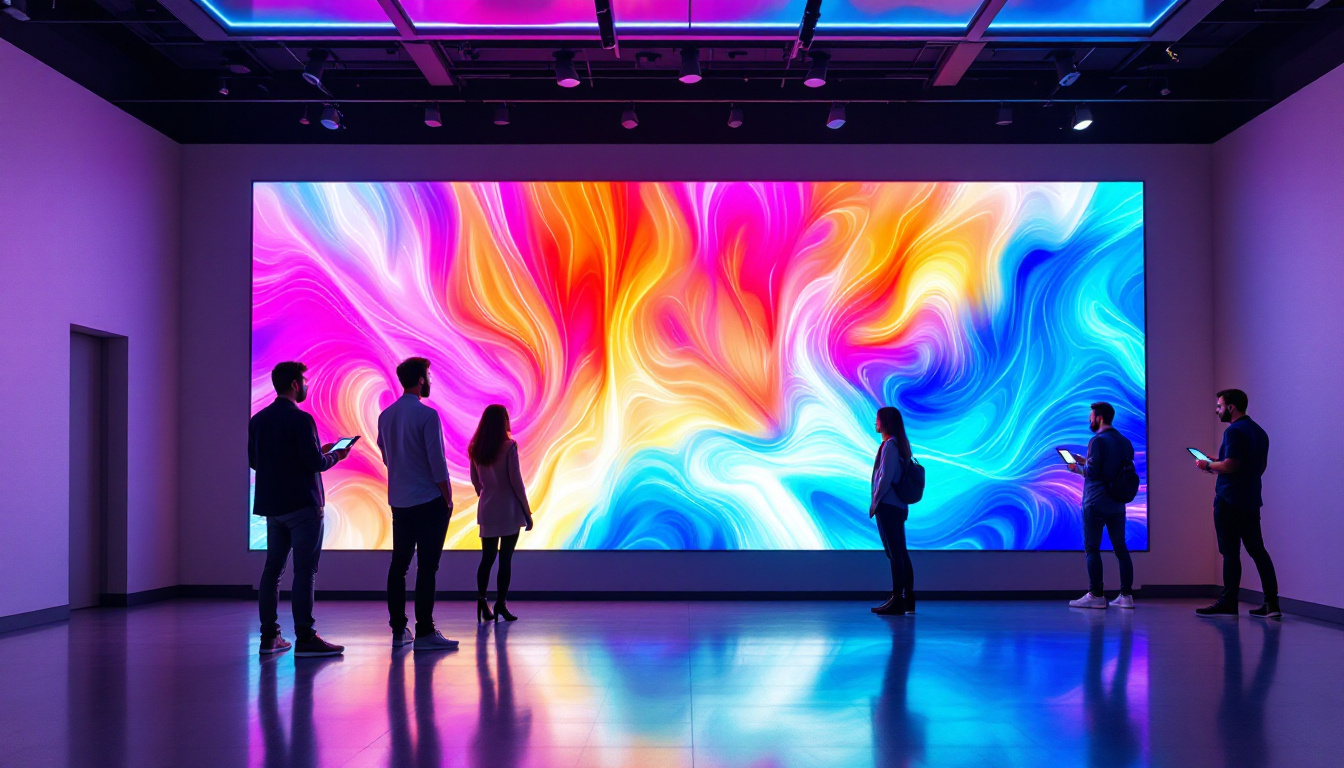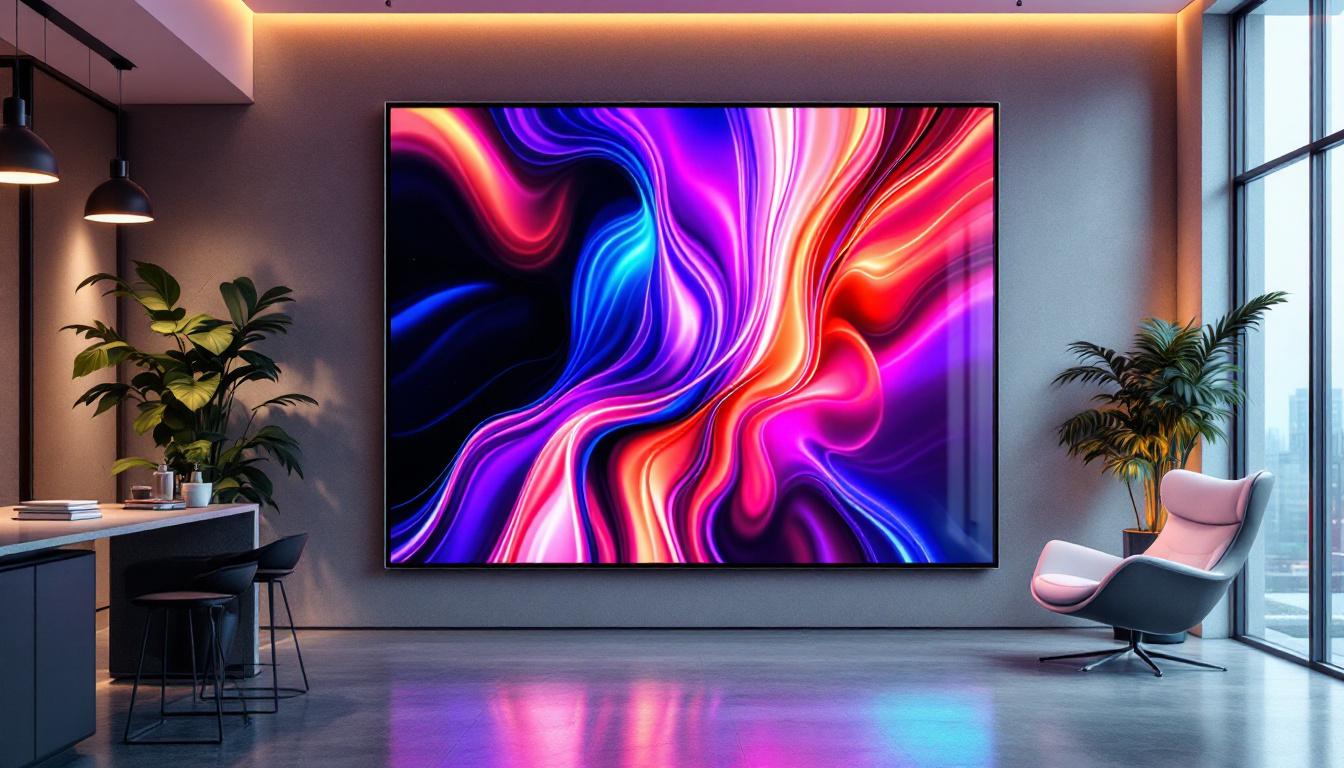
In an era where digital privacy and visual security are paramount, privacy wall screens have emerged as a critical solution for both personal and professional environments. Among the various technologies available, LED display privacy screens stand out for their clarity, durability, and effectiveness in safeguarding sensitive information. This article explores the concept of privacy wall screens with a focus on LED display technology, detailing how they work, their benefits, applications, and considerations for choosing the right solution.
Understanding Privacy Wall Screens
Privacy wall screens are physical or digital barriers designed to restrict the viewing angle of a display, ensuring that only the intended user can see the content clearly. This technology is particularly important in settings where sensitive information is displayed, such as corporate offices, healthcare facilities, financial institutions, and public spaces. The implementation of privacy screens not only fosters a secure environment but also instills a sense of trust among employees and clients, knowing that their information is safeguarded against prying eyes.
Traditional privacy screens often rely on polarized filters or micro-louver technology to limit visibility from side angles. However, LED display privacy screens incorporate advanced light-emitting diode technology to enhance privacy without compromising display quality. These modern screens can also be designed to adjust their opacity based on the ambient light conditions, ensuring optimal visibility for the user while maintaining privacy in various lighting environments.
How Privacy Screens Enhance Security
The primary function of a privacy screen is to prevent visual hacking—unauthorized viewing of confidential information by onlookers. According to a 2023 survey by the Ponemon Institute, 43% of data breaches in corporate environments are attributed to visual hacking incidents. Privacy screens act as a frontline defense by narrowing the viewing angle, making it difficult for anyone outside the direct line of sight to decipher the screen content. This is especially crucial in open office layouts, where employees are often seated in close proximity to one another, increasing the risk of inadvertent data exposure.
In addition to protecting data, privacy screens also reduce glare and eye strain, contributing to a more comfortable and productive workspace. By minimizing distractions from surrounding activities, these screens allow users to focus more intently on their tasks. Furthermore, the aesthetic design of many privacy screens can complement modern office decor, providing a seamless integration of technology and style. As remote work becomes more prevalent, the demand for portable privacy solutions is also rising, prompting manufacturers to innovate with foldable or attachable privacy screens that can be easily transported and set up in various environments.
LED Display Technology in Privacy Screens
LED (Light Emitting Diode) technology has revolutionized display screens with its superior brightness, energy efficiency, and longevity. When integrated into privacy wall screens, LEDs offer distinct advantages over traditional LCD or OLED privacy filters.
How LED Privacy Screens Work
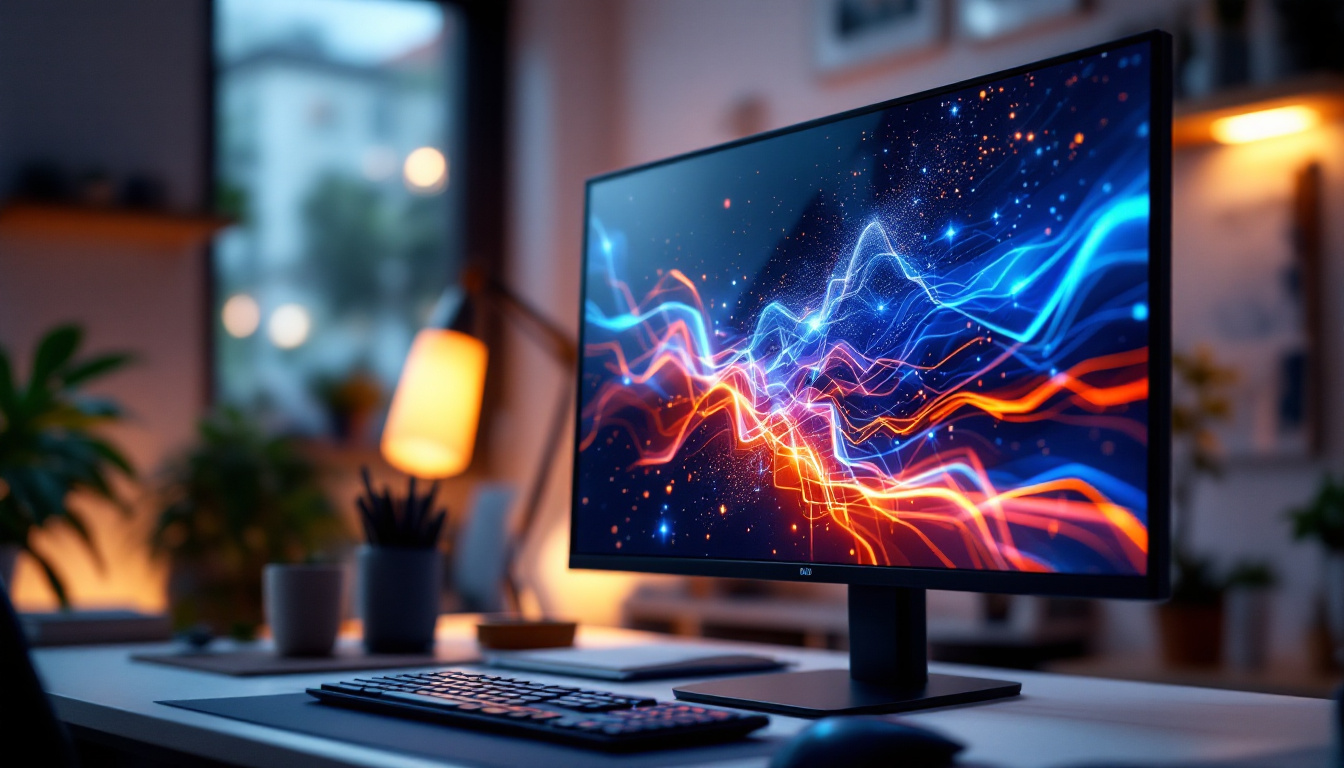
LED privacy screens utilize a combination of micro-LED arrays and directional light control to limit the viewing angle. Unlike conventional privacy filters that physically block side views, LED displays can dynamically adjust brightness and contrast to ensure optimal visibility for the user while obscuring the image from peripheral angles.
This is achieved through advanced optical engineering, where the LED backlight is designed to emit light in a focused beam, reducing light leakage and enhancing privacy. The technology behind these screens often incorporates sophisticated algorithms that analyze the viewer’s position and automatically adjust the screen’s settings. This means that as a user moves, the display can react in real-time, providing a seamless experience that prioritizes both usability and confidentiality.
Advantages of LED Privacy Screens
- Enhanced Brightness and Clarity: LED screens maintain high brightness levels even with privacy filters applied, ensuring clear and vivid images.
- Energy Efficiency: LEDs consume less power compared to traditional backlighting, making them environmentally friendly and cost-effective over time.
- Durability: LED displays are more robust and have longer lifespans, reducing maintenance and replacement costs.
- Customizable Privacy Levels: Some LED privacy screens allow users to adjust the degree of privacy, balancing visibility and security according to the environment.
Moreover, the integration of LED technology in privacy screens has opened up new avenues for design and functionality. Manufacturers are now able to create ultra-slim screens that fit seamlessly into modern office environments, enhancing both aesthetics and practicality. These screens can be equipped with touch-sensitive interfaces, allowing users to interact with their content without compromising on privacy. Additionally, the ability to incorporate smart features, such as connectivity with mobile devices and integration with workplace management systems, further enhances the utility of LED privacy screens in collaborative settings.
As organizations increasingly prioritize employee privacy and data security, LED privacy screens are becoming essential tools in various sectors, from corporate offices to healthcare facilities. The ability to protect sensitive information while maintaining an engaging visual experience is not only beneficial for productivity but also fosters a culture of trust and respect in the workplace. With ongoing advancements in LED technology, the future of privacy screens looks promising, paving the way for even more innovative solutions that cater to the evolving needs of users.
Applications of LED Privacy Wall Screens
The versatility of LED privacy wall screens makes them suitable for a wide range of applications across various industries. Their ability to secure sensitive information while maintaining display quality is invaluable in many contexts.
Corporate and Office Environments
In corporate settings, privacy screens protect proprietary data, financial reports, and confidential communications from prying eyes. Open-plan offices, which are increasingly common, pose a challenge for information security, making privacy screens essential for safeguarding digital content.
Furthermore, LED privacy screens contribute to a professional atmosphere by reducing distractions caused by screen glare and reflections, enhancing overall productivity.
Healthcare Facilities
Healthcare providers handle highly sensitive patient information that must comply with regulations such as HIPAA (Health Insurance Portability and Accountability Act). LED privacy screens ensure that medical records and diagnostic images remain confidential, even in busy clinical environments.
Additionally, the high brightness and clarity of LED displays assist medical professionals in viewing detailed images and data accurately, which is critical for patient care.
Financial Institutions
Banks and financial institutions deal with sensitive customer data and transaction details that require stringent privacy measures. LED privacy wall screens help prevent information leakage during client consultations or internal operations.
Given the increasing prevalence of cyber threats, physical privacy measures like LED screens complement cybersecurity efforts by addressing the human factor in data protection.
Public and Retail Spaces
In public settings such as airports, retail stores, and kiosks, LED privacy screens can protect customer data during transactions or interactions. They also help maintain brand integrity by ensuring that promotional content is displayed clearly only to the intended audience.
Choosing the Right LED Privacy Wall Screen
Selecting the appropriate LED privacy screen involves considering several factors to ensure it meets the specific needs of the environment and users.
Viewing Angle and Privacy Level
Privacy screens vary in the degree to which they restrict viewing angles. For environments with high confidentiality requirements, screens with narrower viewing angles (typically 30 to 60 degrees) are preferable. However, extremely narrow angles may reduce usability for collaborative work, so balance is key.
Screen Size and Resolution
The size and resolution of the LED display should align with the intended use. Larger screens are suitable for conference rooms or public displays, while smaller monitors fit individual workstations. High-resolution displays ensure that text and images remain sharp, even with privacy filters applied.
Installation and Compatibility
Consider whether the privacy screen will be integrated into existing displays or if it requires a standalone installation. Compatibility with current hardware and software systems is essential to avoid operational disruptions.
Cost and Maintenance
While LED privacy screens may have a higher upfront cost compared to traditional filters, their durability and energy efficiency often result in lower total cost of ownership. Maintenance requirements are generally minimal, but it is important to choose products from reputable manufacturers that offer reliable support and warranties.
Future Trends in Privacy Wall Screen Technology
As digital privacy concerns continue to grow, innovations in privacy screen technology are advancing rapidly. Emerging trends indicate a move towards smarter, more adaptive privacy solutions.
Integration with Artificial Intelligence
Future LED privacy screens may incorporate AI to dynamically adjust privacy settings based on user behavior and environmental factors. For example, screens could detect unauthorized viewers and automatically narrow the viewing angle or blur sensitive content.
Augmented Reality and Privacy
With the rise of augmented reality (AR) applications, privacy screens will need to evolve to protect information in mixed-reality environments. LED displays capable of seamlessly integrating privacy features with AR could become standard in workplaces and public spaces.
Eco-Friendly Materials and Manufacturing
Sustainability is becoming a priority in technology development. Manufacturers are exploring eco-friendly materials and energy-efficient production methods for LED privacy screens, reducing environmental impact without sacrificing performance.
Conclusion
LED privacy wall screens represent a sophisticated and effective approach to safeguarding sensitive information in a variety of settings. By combining advanced LED technology with privacy-enhancing features, these displays offer superior clarity, security, and energy efficiency.
As privacy concerns intensify and work environments become more collaborative and open, investing in high-quality LED privacy screens is a strategic move for organizations aiming to protect data and maintain productivity. Understanding the technology, applications, and future developments can help businesses and individuals make informed decisions that align with their security needs and operational goals.
Discover Cutting-Edge Privacy with LumenMatrix
Ready to elevate your space with the ultimate visual security and clarity? LumenMatrix, a pioneer in LED display innovation, offers a comprehensive range of solutions tailored to your privacy needs. From Indoor LED Wall Displays to Custom and Transparent LED options, our products are designed to integrate seamlessly into any environment, ensuring your sensitive information remains protected while delivering an unparalleled visual experience. Don’t wait to transform your visual communication. Check out LumenMatrix LED Display Solutions today and step into the future of privacy and display technology.