In today’s world, screens are everywhere—from smartphones and laptops to large digital billboards and televisions. Two terms that often come up in discussions about display technology are LCD and LED. While these terms are sometimes used interchangeably, they refer to different technologies with distinct characteristics. Understanding the differences between LCD and LED displays is crucial for making informed decisions when purchasing devices or designing visual solutions.
This article explores the fundamental differences between LCD and LED displays, their working principles, advantages, disadvantages, and practical applications. Whether you’re a consumer looking to buy a new TV or a professional working with display technologies, this comprehensive guide will clarify the distinctions and help you choose the right display for your needs.
Understanding the Basics: What is an LCD Display?
The Technology Behind LCD
LCD stands for Liquid Crystal Display. It is a flat-panel display technology that uses liquid crystals sandwiched between two layers of polarizing material. These crystals do not emit light directly; instead, they manipulate light to produce images.
In an LCD, a backlight provides the necessary illumination. The liquid crystals control the passage of this light by twisting and aligning themselves in response to electrical currents. This modulation of light creates the images seen on the screen. The backlight is typically made up of fluorescent lamps or LEDs. The advancement of LED backlighting has significantly improved the brightness and color range of LCD displays, allowing for richer visuals and a more immersive viewing experience.
Common Uses of LCD Displays
LCD technology is widely used in various devices, including computer monitors, laptops, smartphones, digital watches, and televisions. Its popularity stems from its relatively low power consumption, slim profile, and ability to produce sharp images.
Moreover, LCDs have been the dominant display technology for decades, evolving significantly in terms of resolution, color accuracy, and refresh rates. The introduction of thin-film transistor (TFT) technology further enhanced LCD performance, enabling faster response times and better image quality. This evolution has led to the development of high-definition (HD) and ultra-high-definition (UHD) displays, which provide stunning clarity and detail, making them ideal for gaming, professional graphics work, and cinematic experiences.
In addition to consumer electronics, LCD technology has found applications in various industries, including healthcare, automotive, and aerospace. In medical devices, for instance, LCDs are used in diagnostic imaging equipment, where high-resolution displays are crucial for accurate interpretation of images. In the automotive sector, LCD screens serve as dashboards and infotainment systems, providing drivers with essential information and entertainment options. This versatility highlights the adaptability of LCD technology across different fields, catering to both everyday consumers and specialized professional needs.
What is an LED Display? Clarifying the Terminology
LED as a Backlight vs. LED as a Display
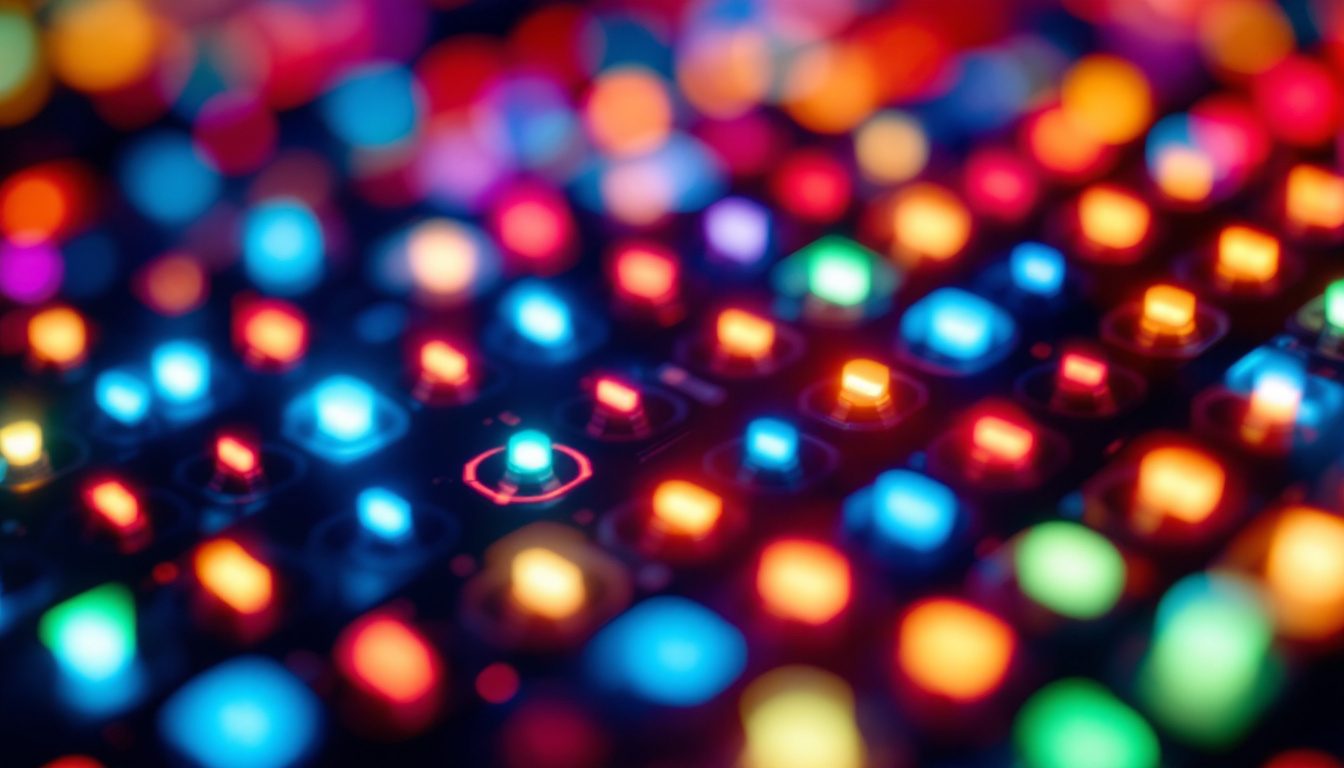
The term “LED display” can be confusing because it is used in two different contexts. First, an LED display can refer to an LCD screen that uses LED (Light Emitting Diode) backlighting instead of traditional fluorescent lamps. Second, it can refer to displays made entirely of LEDs, such as large outdoor digital billboards or video walls.
In consumer electronics like TVs and monitors, “LED display” usually means an LCD panel with LED backlighting. This is why many LED TVs are technically LCD TVs with LED backlights. On the other hand, true LED displays consist of arrays of LEDs that emit light individually, without the need for a backlight. This distinction is crucial for consumers looking to understand the technology behind their devices, as it can significantly impact performance, energy consumption, and overall viewing experience.
Types of LED Displays
True LED displays can be categorized into two main types:
- Direct View LED (DVLED): These displays use individual LEDs as pixels. They are commonly used in large-scale applications such as stadium screens, digital billboards, and stage displays.
- MicroLED: An emerging technology where microscopic LEDs form each pixel. MicroLEDs promise superior brightness, contrast, and energy efficiency, potentially rivaling OLED displays in the future.
In addition to these primary types, there are also variations like RGB LED displays, which utilize red, green, and blue LEDs to create a full spectrum of colors. This technology is particularly popular in artistic installations and advertising, where vibrant colors and dynamic visuals are essential. Furthermore, advancements in LED technology have led to the development of flexible LED displays, allowing for innovative designs that can bend and curve, opening up new possibilities for creative applications in architecture and product design.
Moreover, the evolution of LED displays has been accompanied by significant improvements in resolution and pixel density. With the advent of technologies like 4K and even 8K resolution in LED formats, viewers can enjoy incredibly sharp images and detailed visuals. This has made LED displays not only a staple in commercial advertising but also increasingly popular in home entertainment systems, where consumers seek the best possible viewing experience for movies, sports, and gaming. As technology continues to advance, the line between different types of displays may blur even further, leading to exciting innovations in visual technology.
Comparing LCD and LED Displays: Key Differences
Backlighting Technology
The primary difference between traditional LCD and LED displays lies in the backlighting method. Traditional LCDs use cold cathode fluorescent lamps (CCFLs) for backlighting, which consume more power and are bulkier. LED displays, in the context of LCD TVs, use LED backlighting, which is thinner, more energy-efficient, and capable of producing better brightness levels.
True LED displays do not require backlighting because the LEDs themselves emit light. This allows for deeper blacks and higher contrast ratios, especially in high-end applications.
Image Quality and Brightness
LED-backlit LCDs generally offer better brightness and color accuracy compared to CCFL-backlit LCDs. This is because LEDs can be controlled more precisely, allowing for local dimming zones that improve contrast.
True LED displays, especially Direct View LED, provide exceptional brightness, making them ideal for outdoor use where sunlight can wash out other types of screens. They also offer vibrant colors and wide viewing angles.
Energy Efficiency and Lifespan
LED backlighting consumes less power than CCFLs, contributing to longer battery life in portable devices and lower energy bills for larger displays. LEDs also have a longer lifespan and are less prone to failure.
True LED displays are highly energy-efficient relative to their size and brightness output. However, their energy consumption can vary depending on the number of LEDs and brightness settings.
Thickness and Design Flexibility
LED backlighting allows LCD panels to be thinner and lighter, enabling sleek designs in modern TVs and monitors. This has led to ultra-thin displays that fit easily into home and office environments.
True LED displays, particularly microLEDs, offer even more design flexibility. They can be made transparent, curved, or flexible, opening new possibilities for innovative applications.
Advantages and Disadvantages of LCD and LED Displays
Advantages of LCD Displays
- Cost-Effective: LCD technology is mature and widely produced, making it affordable for consumers.
- Good Image Quality: Offers sharp images with decent color reproduction suitable for most everyday uses.
- Low Power Consumption: Especially with LED backlighting, LCDs are energy-efficient.
- Wide Availability: Available in a broad range of sizes and resolutions.
Disadvantages of LCD Displays
- Limited Contrast: Blacks can appear grayish due to backlighting.
- Viewing Angles: Image quality can degrade when viewed from extreme angles.
- Response Time: Some LCDs may suffer from motion blur in fast-moving images.
Advantages of LED Displays
- Superior Brightness: Ideal for outdoor and brightly lit environments.
- High Contrast Ratios: True LED displays can achieve deep blacks and vivid colors.
- Energy Efficiency: LEDs consume less power and have longer lifespans.
- Design Versatility: Flexible, transparent, and curved displays are possible.
Disadvantages of LED Displays
- Cost: True LED displays, especially microLEDs, can be expensive.
- Complexity: Manufacturing and maintaining large LED arrays can be challenging.
- Potential for Pixel Failure: Individual LEDs may fail, leading to dead pixels.
Practical Applications: Choosing the Right Display
Consumer Electronics
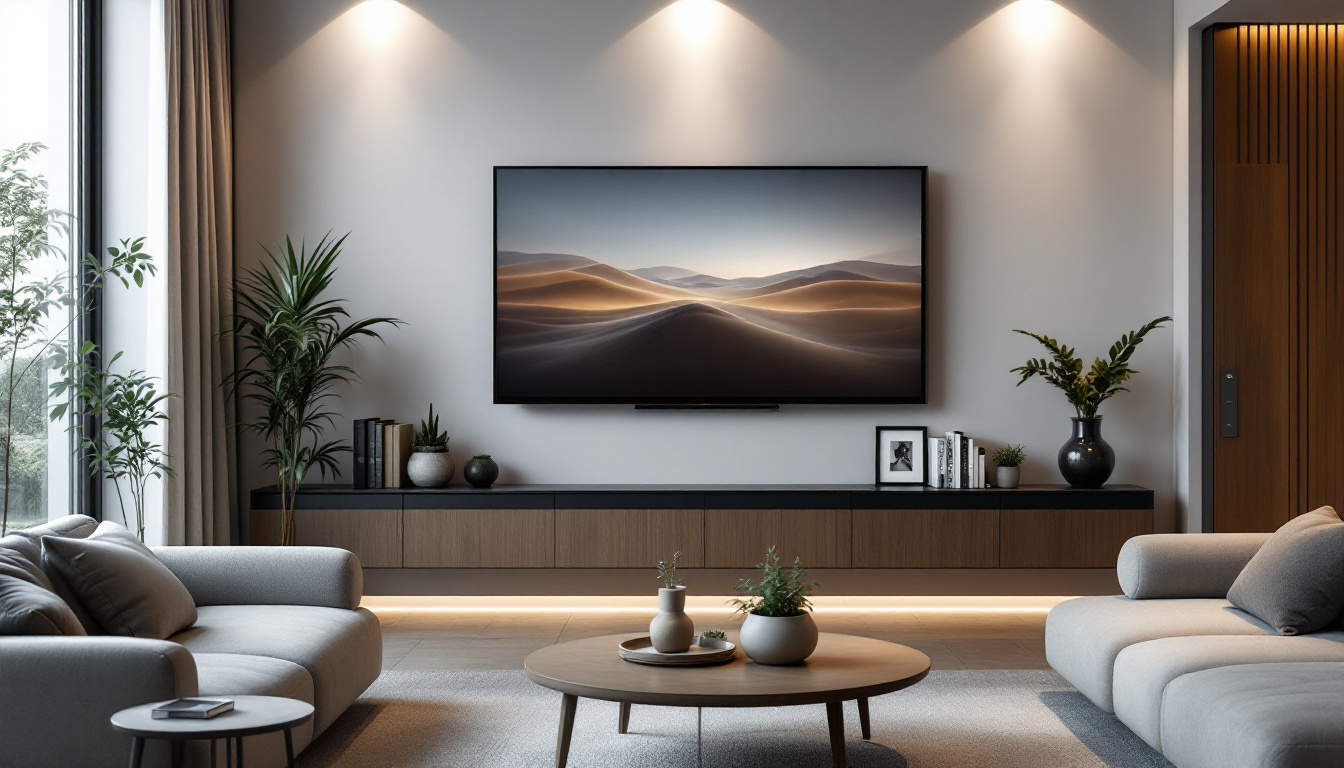
For everyday consumer electronics such as TVs, laptops, and smartphones, LED-backlit LCDs dominate the market. They offer a good balance of image quality, energy efficiency, and affordability. When shopping for a TV, understanding that an “LED TV” is essentially an LCD with LED backlighting helps set realistic expectations.
Professional and Commercial Use
In professional environments like graphic design, video editing, and medical imaging, displays with high color accuracy and contrast are essential. High-end LCDs with advanced LED backlighting or OLED displays are often preferred.
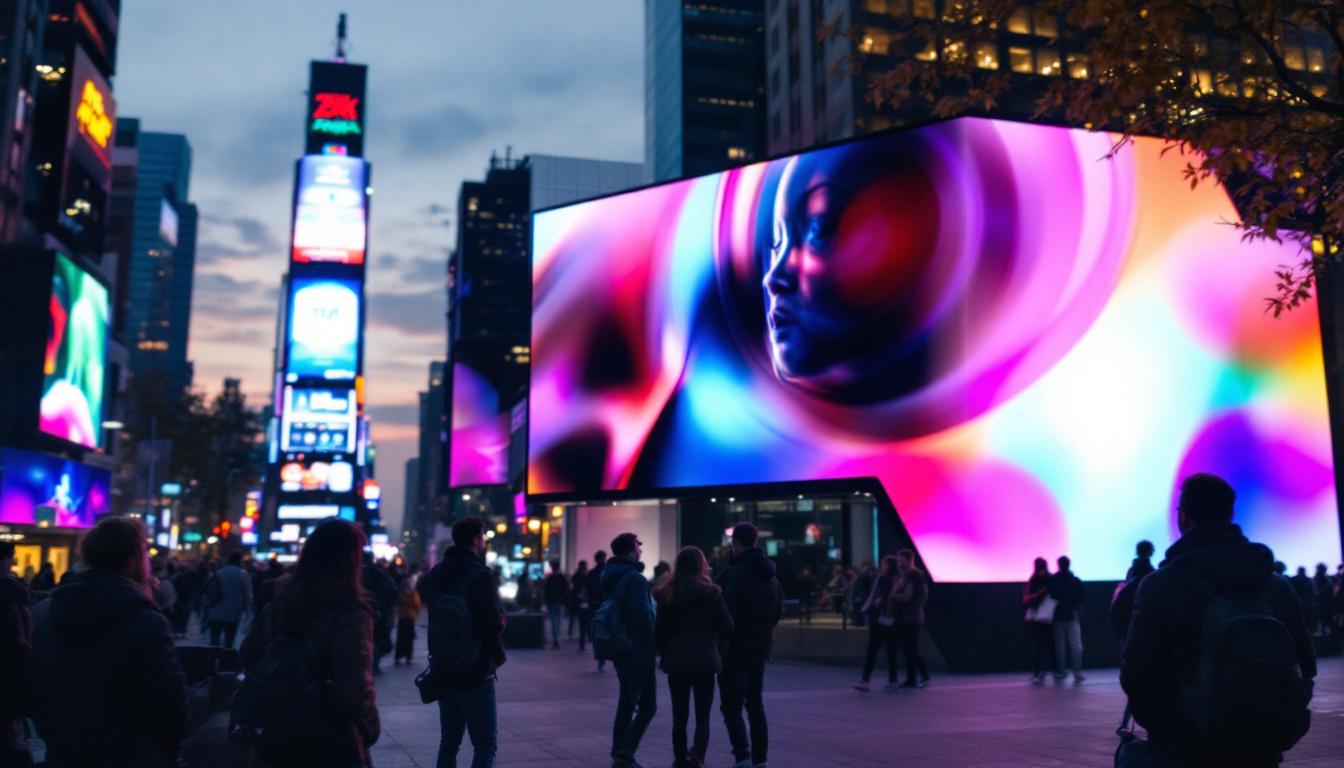
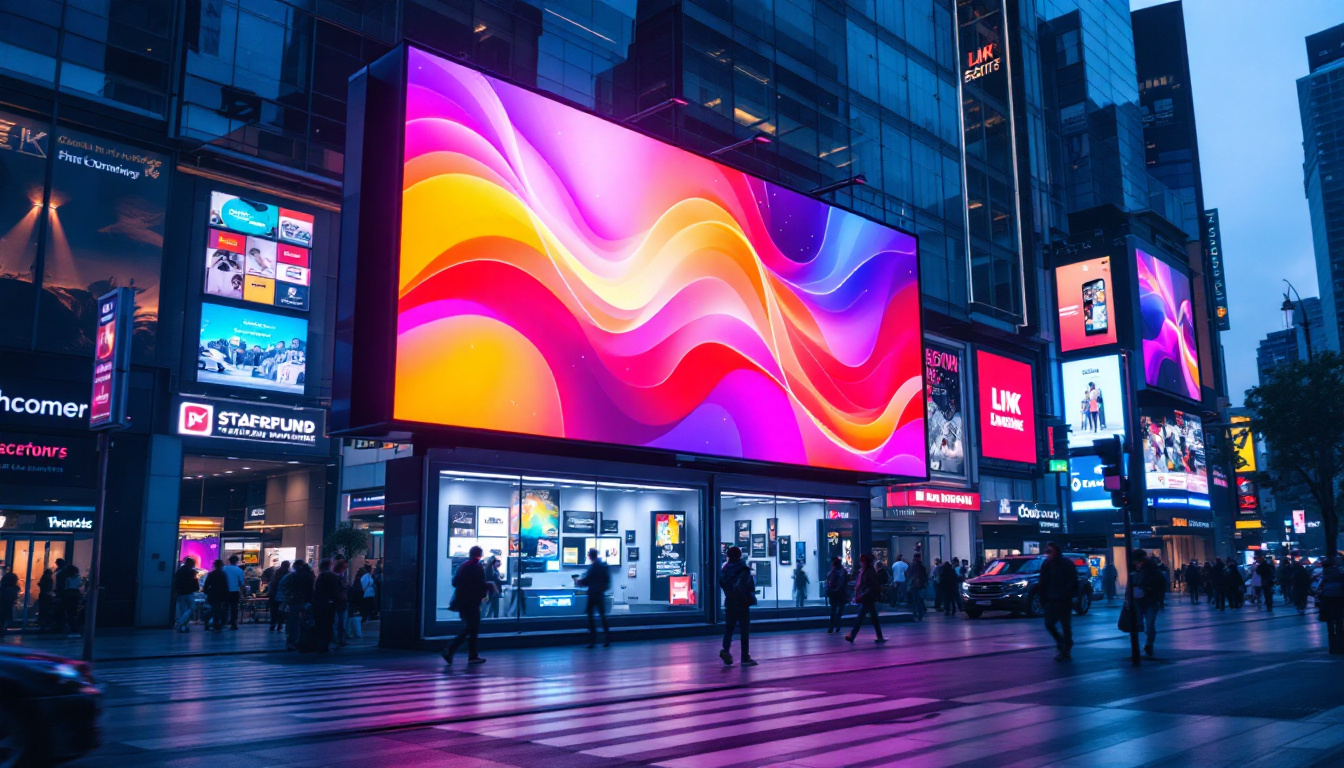
For commercial signage, outdoor advertising, and event displays, true LED displays are the go-to solution due to their brightness and durability. Stadium screens and large digital billboards rely on Direct View LED technology to deliver vibrant visuals visible from great distances.
Emerging Technologies and Future Trends
MicroLED technology is gaining traction as a potential successor to OLED and LCD displays. It promises the best of both worlds: the brightness and longevity of LEDs with the color accuracy and contrast of OLEDs. Although still expensive and limited in availability, microLED could revolutionize display technology in the coming years.
Additionally, flexible and transparent LED displays are opening new avenues for innovative applications, including wearable devices, automotive displays, and augmented reality.
Conclusion: Making Sense of LCD and LED Displays
Understanding the difference between LCD and LED displays is essential for navigating the vast landscape of modern screen technologies. While LCD refers to the core technology of manipulating liquid crystals to display images, LED can refer either to the backlighting method used in LCDs or to displays made entirely of light-emitting diodes.
LED-backlit LCDs have become the standard for most consumer devices due to their improved brightness, energy efficiency, and slim design. True LED displays, meanwhile, excel in large-scale and specialized applications requiring exceptional brightness and durability.
As display technology continues to evolve, emerging innovations like microLED promise to blur the lines further, offering unprecedented performance and versatility. For consumers and professionals alike, staying informed about these technologies ensures smarter choices and better visual experiences.
Discover Cutting-Edge LED Displays with LumenMatrix
Ready to experience the future of display technology? LumenMatrix is at the forefront of LED innovation, offering a wide array of advanced LED display solutions tailored to your needs. From captivating Indoor and Outdoor LED Wall Displays to dynamic Vehicle and Sports LED Displays, our products are designed to make your brand shine. Explore our versatile range, including LED Poster Displays, Floor LED Displays, Custom LED solutions, All-in-One LED Displays, and even LED Transparent Displays. Embrace the revolution in visual communication with LumenMatrix and create unforgettable visual experiences. Check out LumenMatrix LED Display Solutions today and transform the way you engage with your audience.