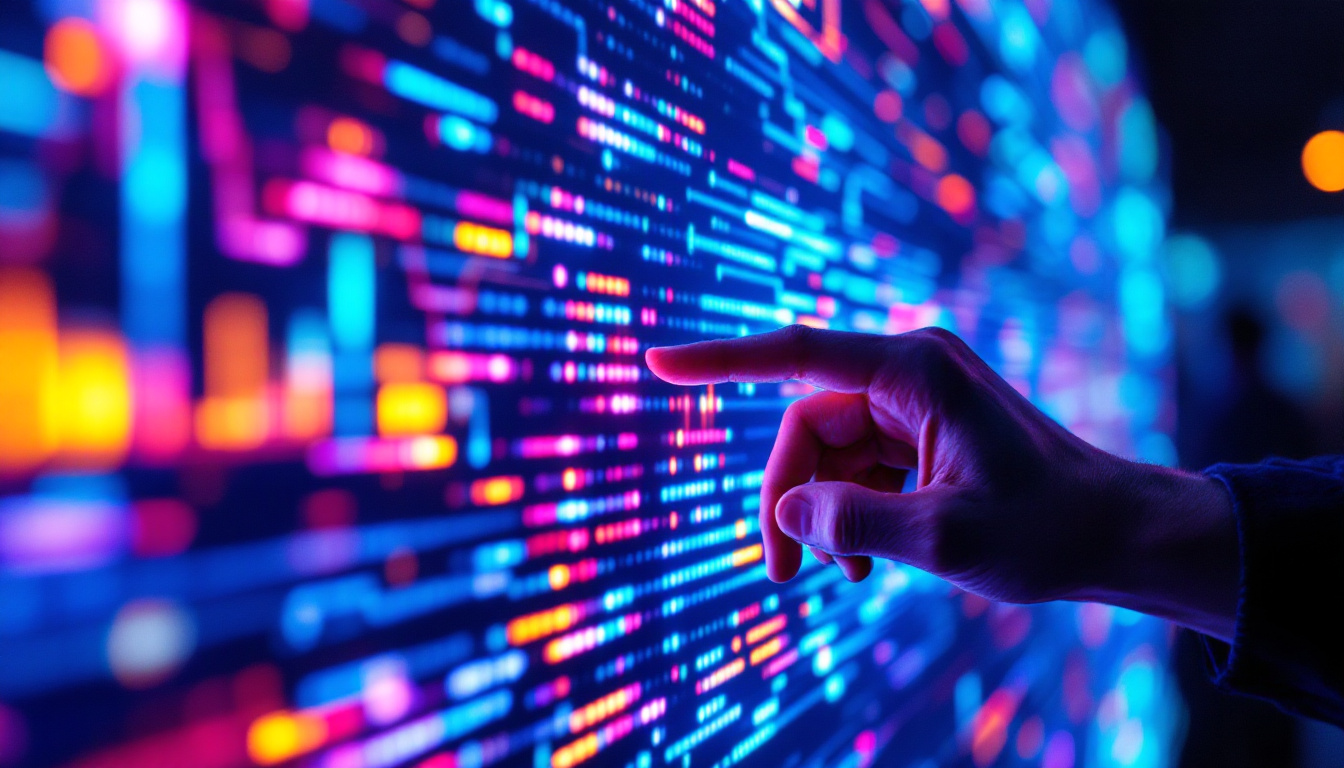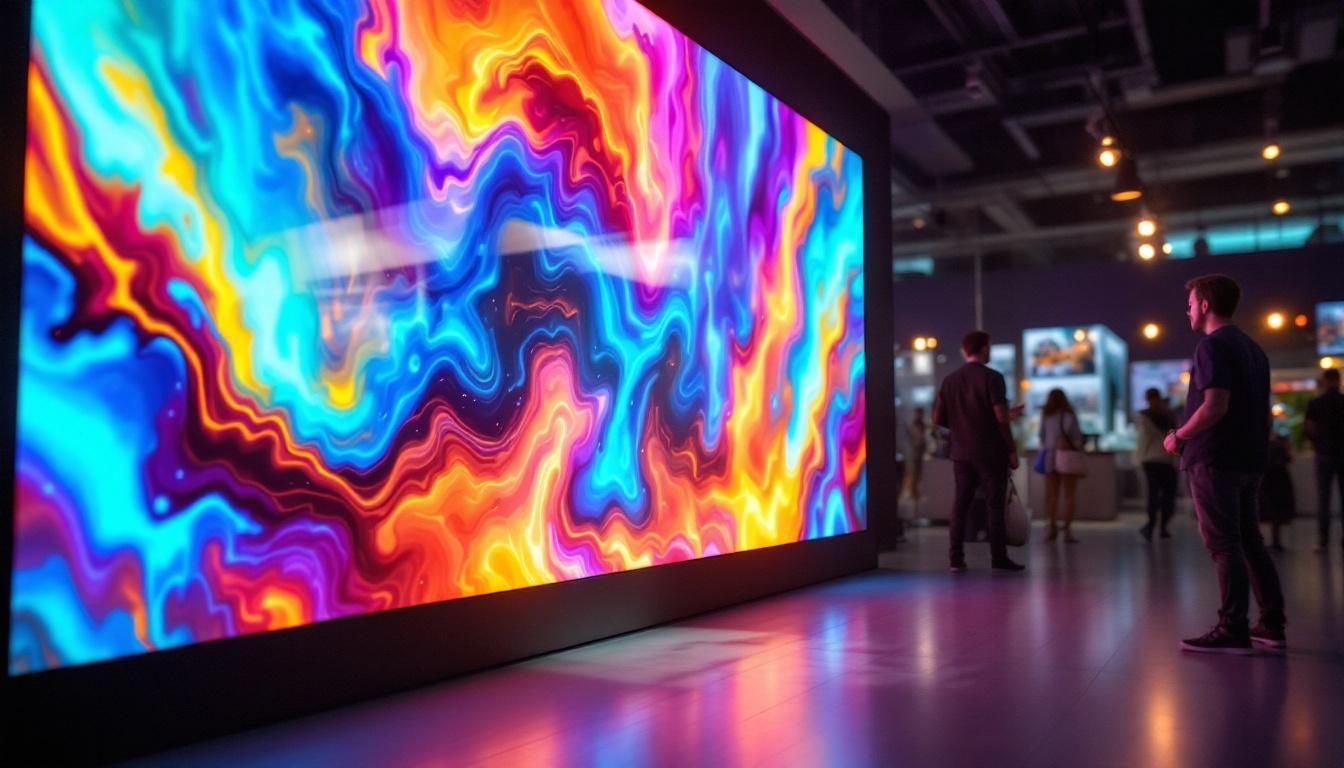
In the rapidly evolving world of digital signage and visual communication, LED displays have emerged as a dominant technology. From stadiums and concert venues to corporate lobbies and retail environments, LED walls are transforming how audiences experience content. This article delves into the intricacies of LED displays, explaining their technology, advantages, applications, and future trends. Whether you’re a business owner, event organizer, or technology enthusiast, understanding LED walls will help you make informed decisions about integrating this powerful medium into your projects.
Understanding LED Display Technology
What is an LED Display?
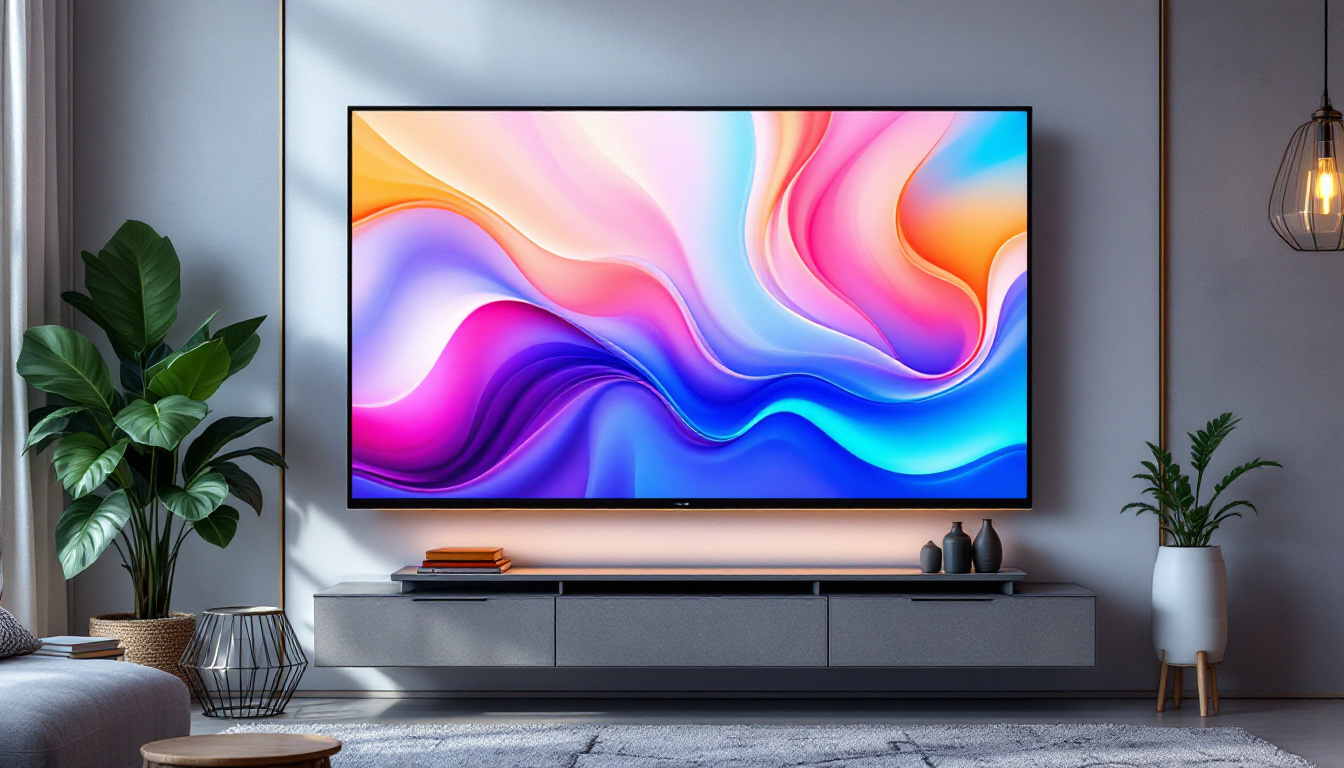
An LED (Light Emitting Diode) display is a flat panel that uses an array of light-emitting diodes as pixels to create images, videos, and animations. Unlike traditional LCD or projection screens, LED displays emit their own light, resulting in brighter and more vibrant visuals. The term “Pro Wall” often refers to professional-grade LED walls designed for high-performance applications, offering superior resolution, color accuracy, and durability. These displays are increasingly popular in various settings, including concerts, sports events, advertising, and corporate presentations, where high visibility and impact are crucial.
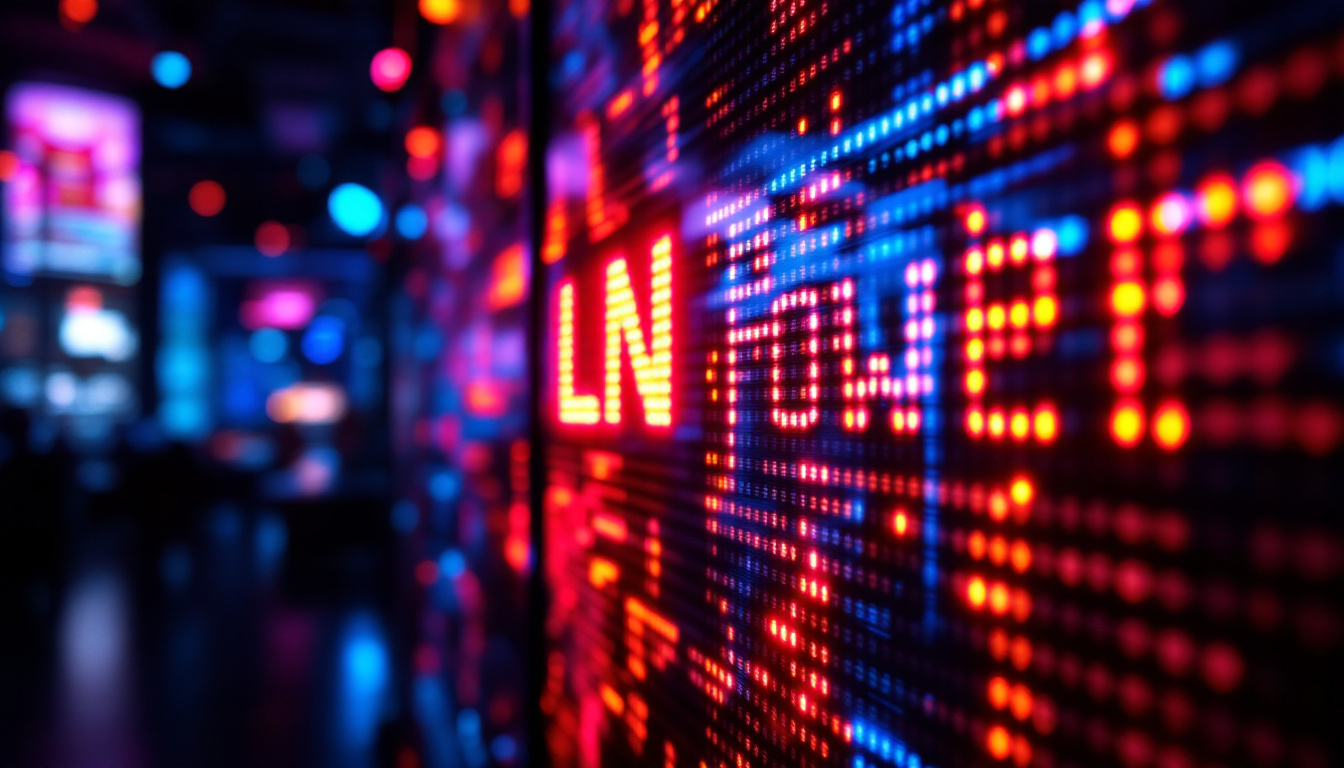
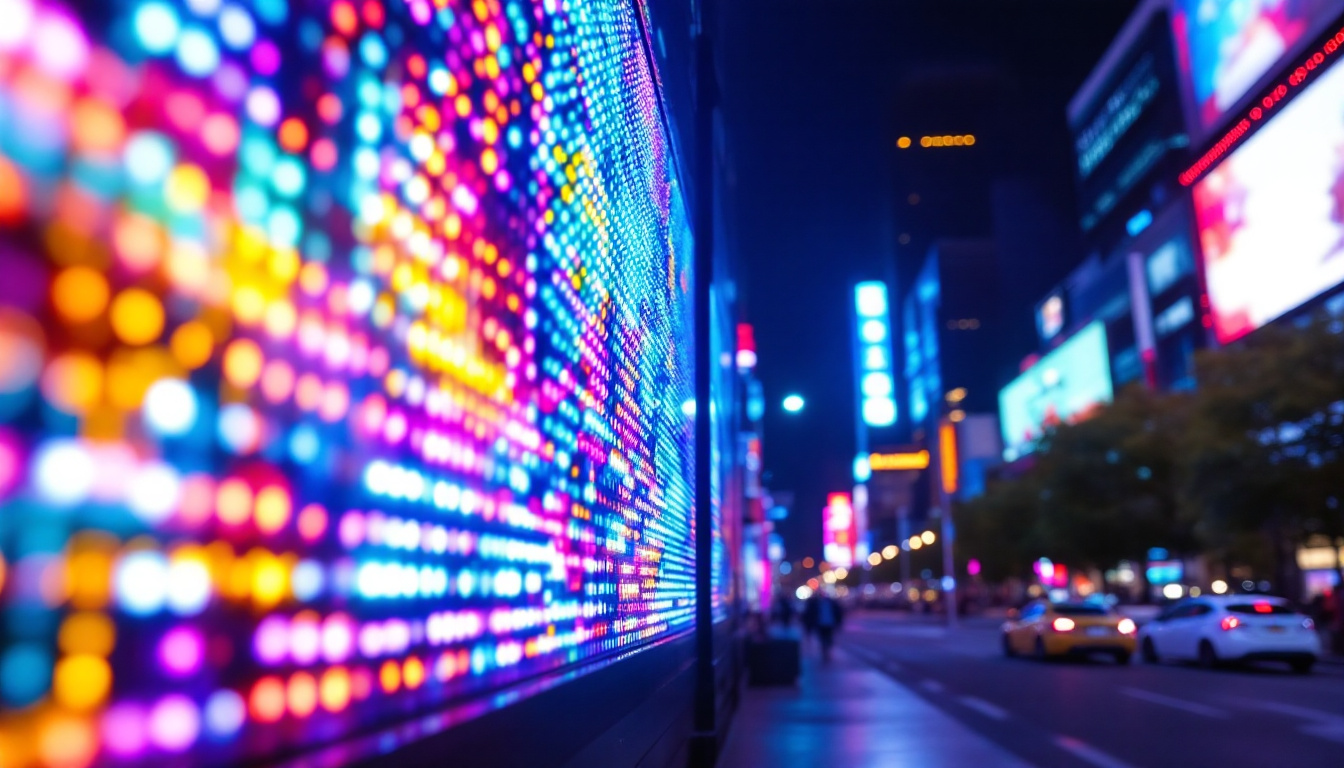
LED displays are composed of numerous small modules, each containing clusters of red, green, and blue LEDs. By adjusting the intensity of these LEDs, the display can produce a full spectrum of colors. The modular nature allows for scalable screen sizes, from small indoor panels to massive outdoor walls spanning hundreds of square meters. This flexibility makes LED displays ideal for a range of environments, from intimate venues to expansive outdoor arenas, where they can captivate audiences with stunning visuals and dynamic content.
Key Components of an LED Wall
Understanding the components helps clarify why LED walls are so versatile and effective:
- LED Modules: These are the building blocks of the display, each containing multiple LEDs arranged in a grid. Modules can be swapped out for maintenance or to customize screen size.
- Pixel Pitch: This refers to the distance between the centers of two adjacent pixels, measured in millimeters. Smaller pixel pitches mean higher resolution and sharper images, especially important for close viewing distances.
- Driver ICs: Integrated circuits control the brightness and color of each LED, ensuring smooth and accurate image reproduction.
- Power Supply: LED walls require robust power management to maintain consistent brightness and prevent flickering.
- Control System: This includes hardware and software that manage content playback, synchronization, and calibration across the entire display.
In addition to these core components, LED displays often incorporate advanced technologies such as HDR (High Dynamic Range) for enhanced contrast and color depth, making images appear more lifelike. Furthermore, many modern LED walls are equipped with features like weatherproofing and anti-glare coatings, allowing them to perform optimally in various outdoor conditions without compromising on image quality. This adaptability is essential for advertisers and event organizers who need reliable performance in diverse environments.
The integration of smart technology into LED displays has also transformed the way content is managed and delivered. With the rise of IoT (Internet of Things), many LED systems can now be remotely controlled and monitored, allowing for real-time updates and maintenance alerts. This capability not only improves operational efficiency but also enhances the overall user experience, as content can be tailored to specific audiences or events with ease. As LED technology continues to evolve, we can expect even more innovative features that will push the boundaries of visual communication.
Advantages of LED Walls Over Other Display Technologies
Superior Brightness and Visibility
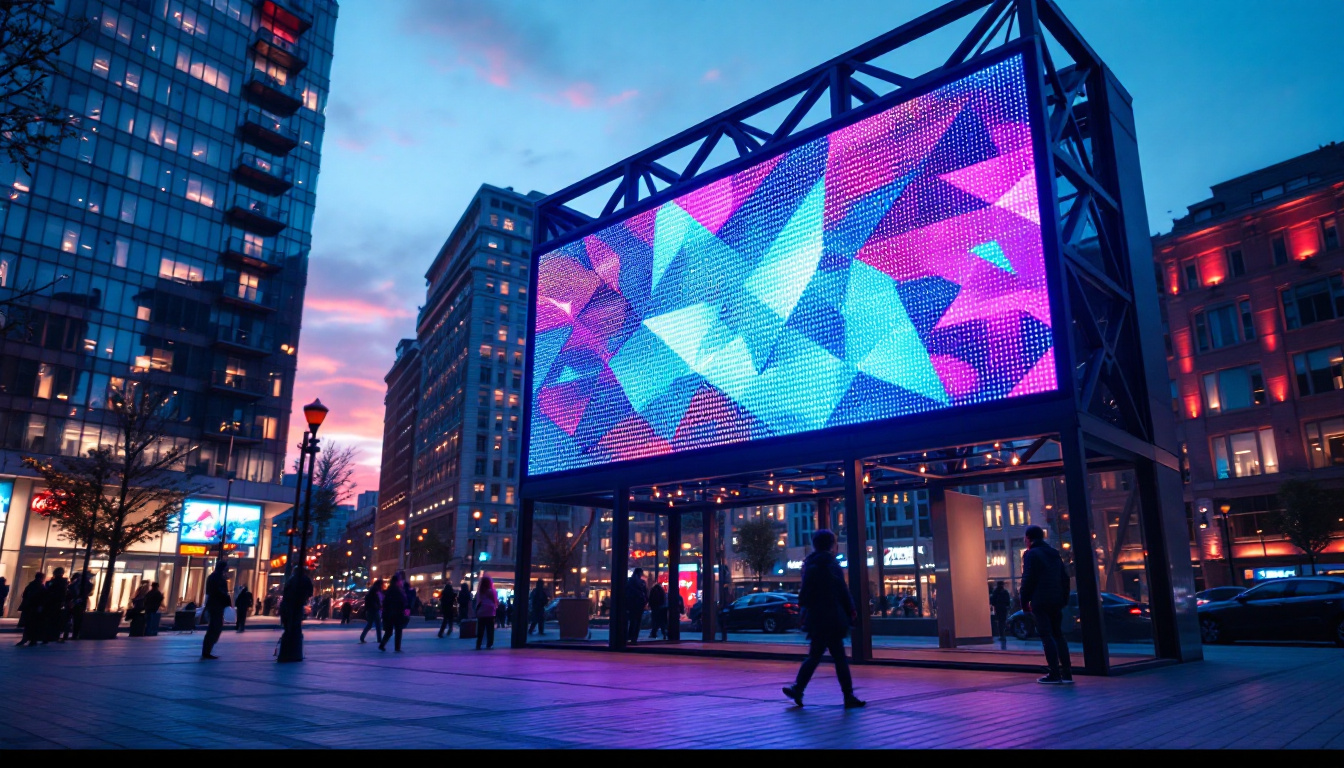
One of the most significant advantages of LED walls is their exceptional brightness. LED displays can achieve brightness levels exceeding 5,000 nits, making them visible even in direct sunlight. This capability makes LED walls ideal for outdoor advertising, sports arenas, and public information displays where ambient light conditions are challenging.
In contrast, LCD screens and projectors struggle to maintain clarity and color vibrancy under bright lighting. The self-emissive nature of LEDs means they don’t rely on backlighting or external light sources, providing consistent image quality regardless of environmental conditions.
Energy Efficiency and Longevity
LED technology is inherently energy-efficient compared to older display options. Modern LED walls consume less power per square meter while delivering brighter images. This efficiency translates into lower operating costs, especially for large-scale installations that run for extended periods.
Additionally, LED displays boast impressive lifespans, often rated between 50,000 to 100,000 hours of operation. This durability reduces maintenance frequency and replacement costs, making LED walls a sound long-term investment.
Flexibility and Customization
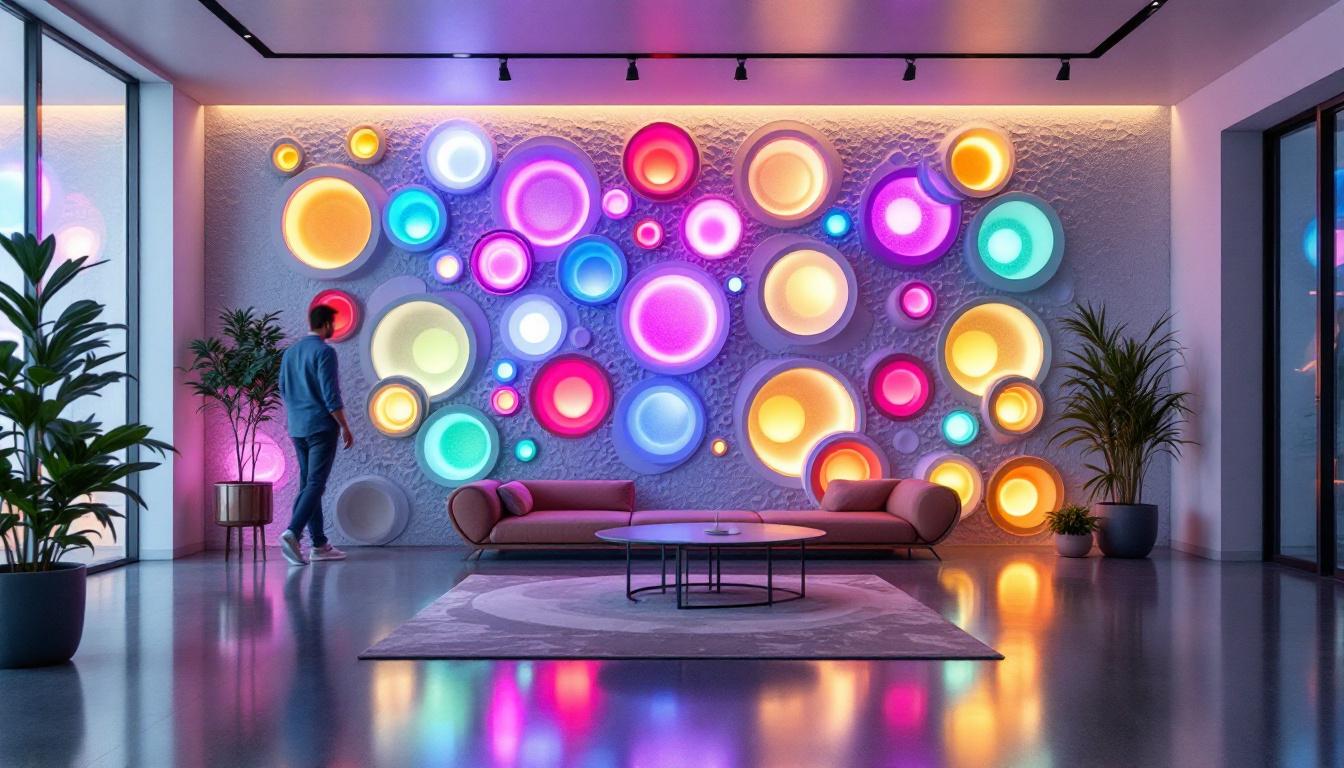
LED walls can be tailored to fit virtually any space or application. Their modular design allows for custom shapes, curved surfaces, and seamless video walls that create immersive experiences. Whether it’s a dynamic retail storefront, a concert stage backdrop, or a corporate control room, LED walls adapt easily to diverse environments.
Moreover, LED technology supports high refresh rates and wide viewing angles, ensuring smooth motion and consistent color accuracy from multiple perspectives. This flexibility is critical for engaging audiences in dynamic settings.
Applications of Pro Wall LED Displays
Entertainment and Live Events
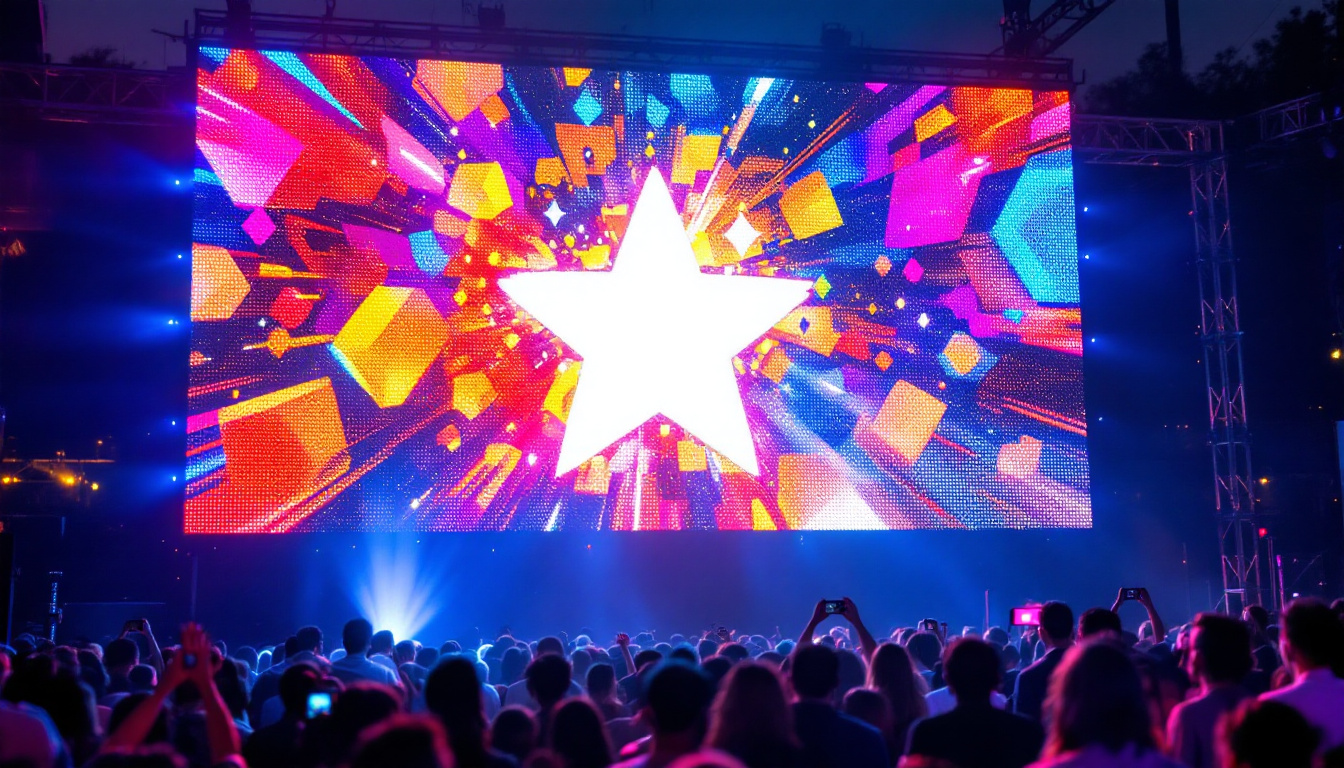
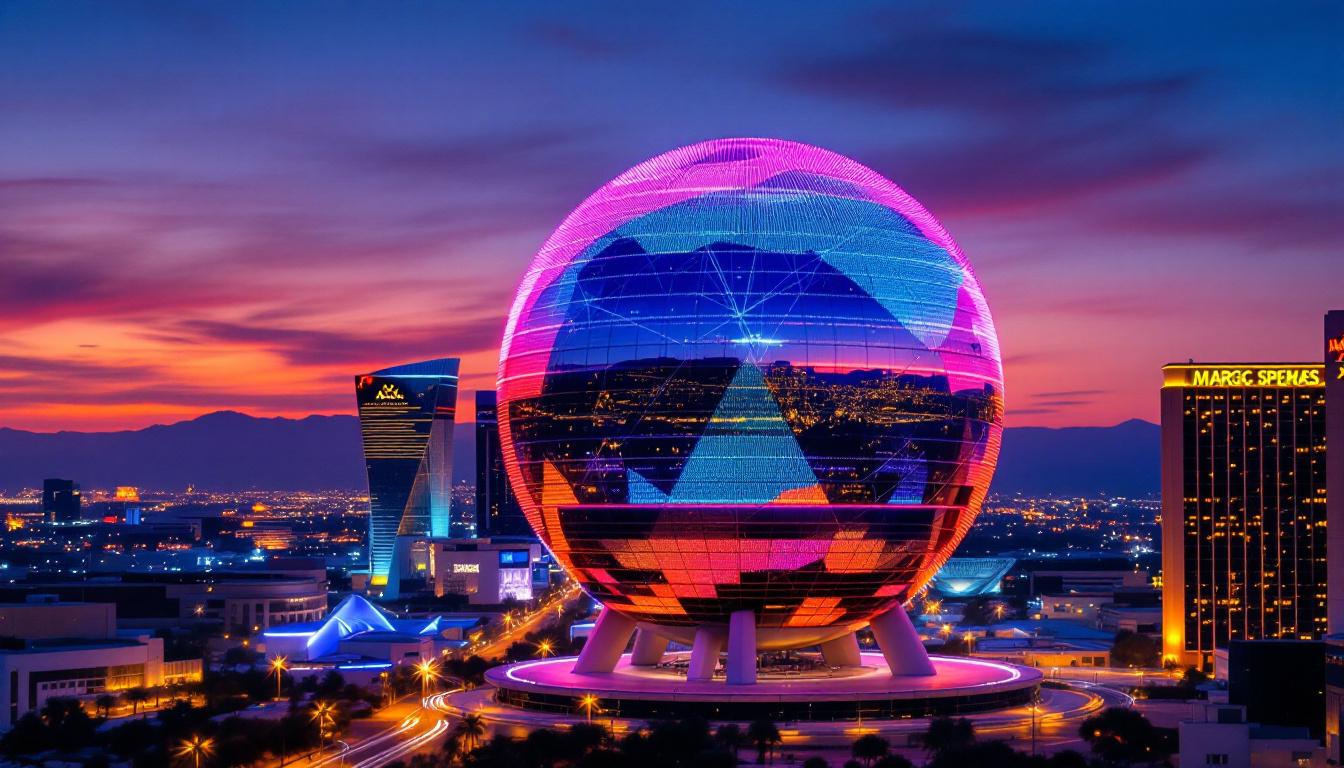
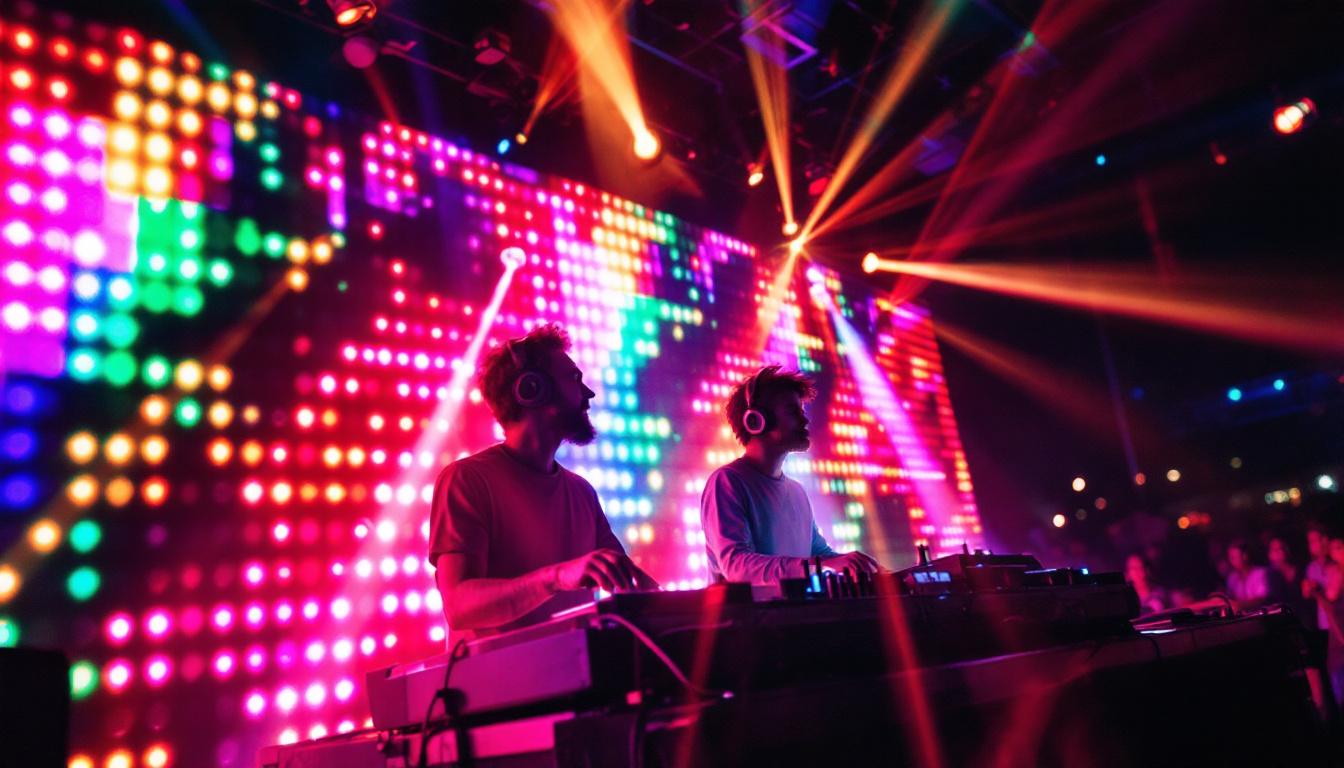
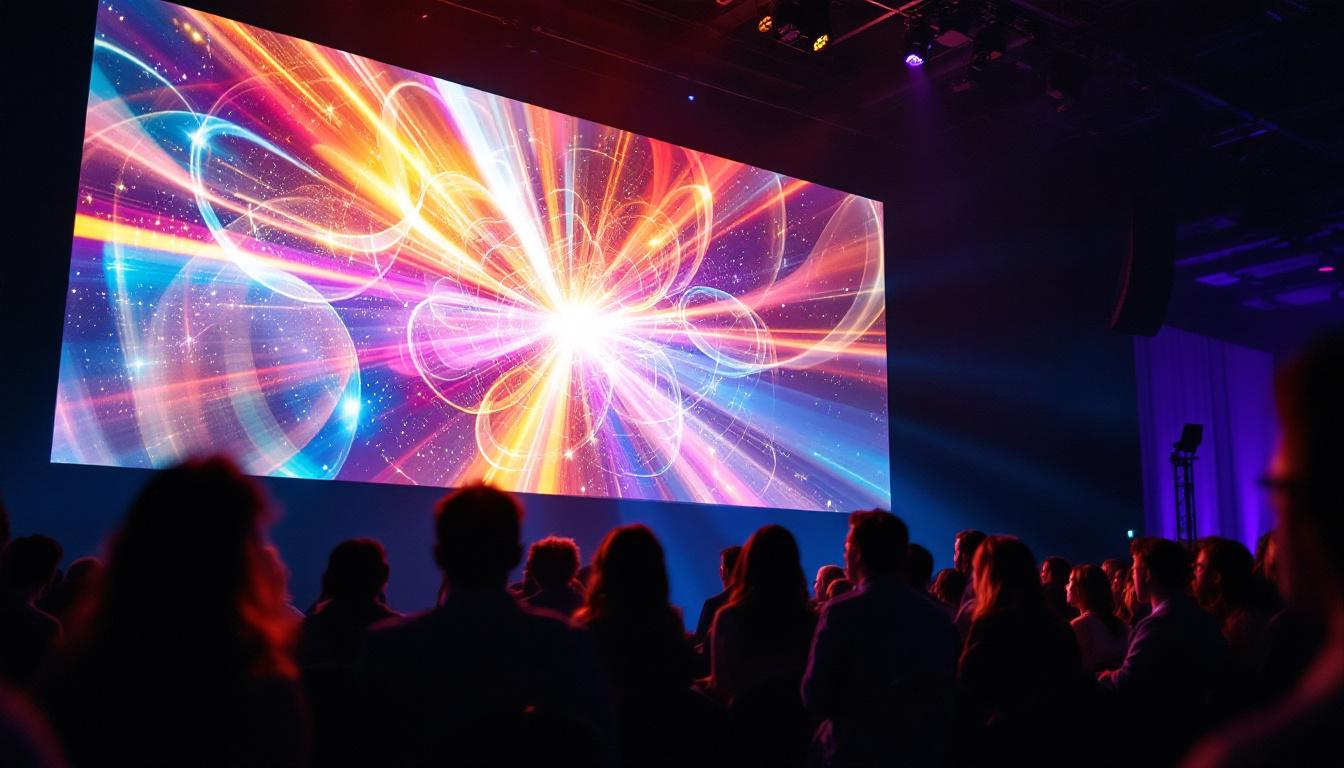
LED walls have revolutionized the entertainment industry by enabling spectacular visual effects at concerts, festivals, and theater productions. Their ability to produce vivid, high-resolution imagery enhances stage design and audience engagement.
For example, major music festivals like Coachella and Tomorrowland use massive LED walls to display live feeds, animations, and interactive content, creating immersive environments that complement the performances. The durability and weather resistance of outdoor LED walls also make them suitable for open-air events.
Advertising and Retail
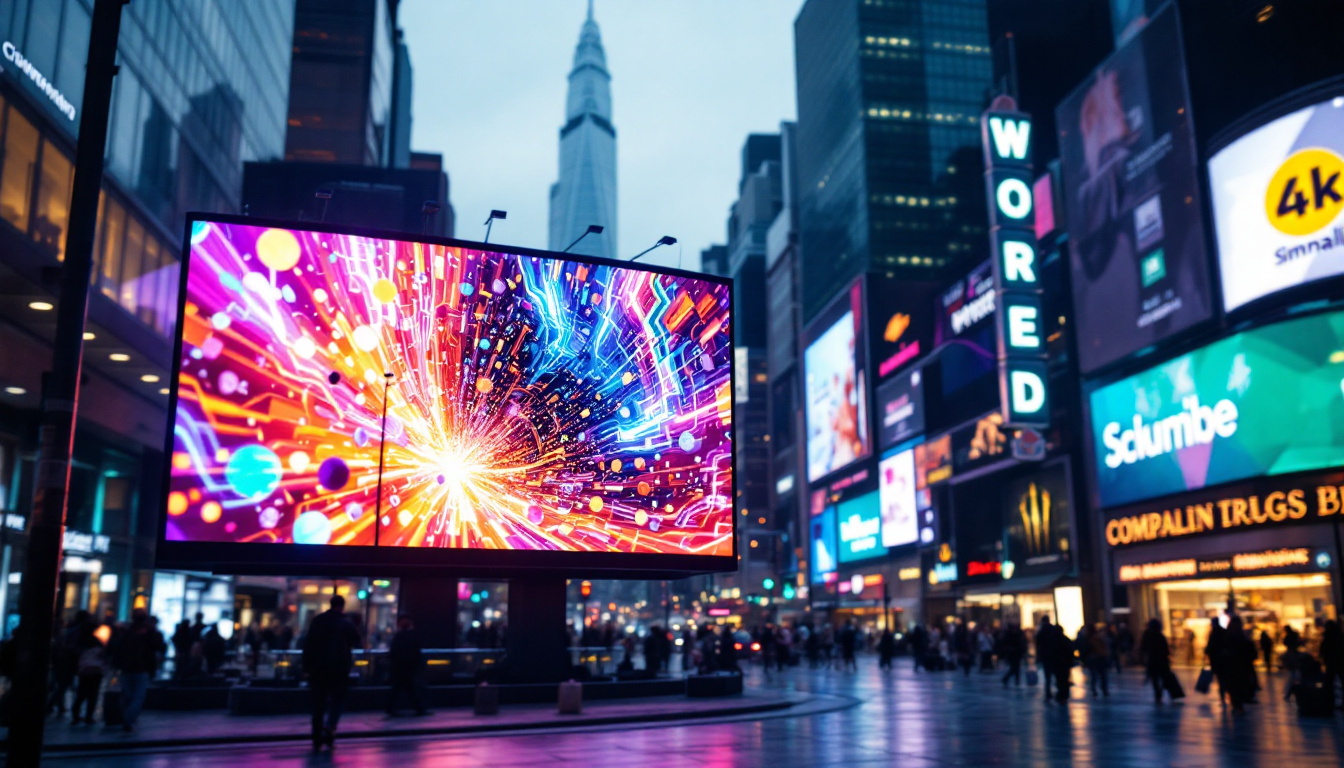
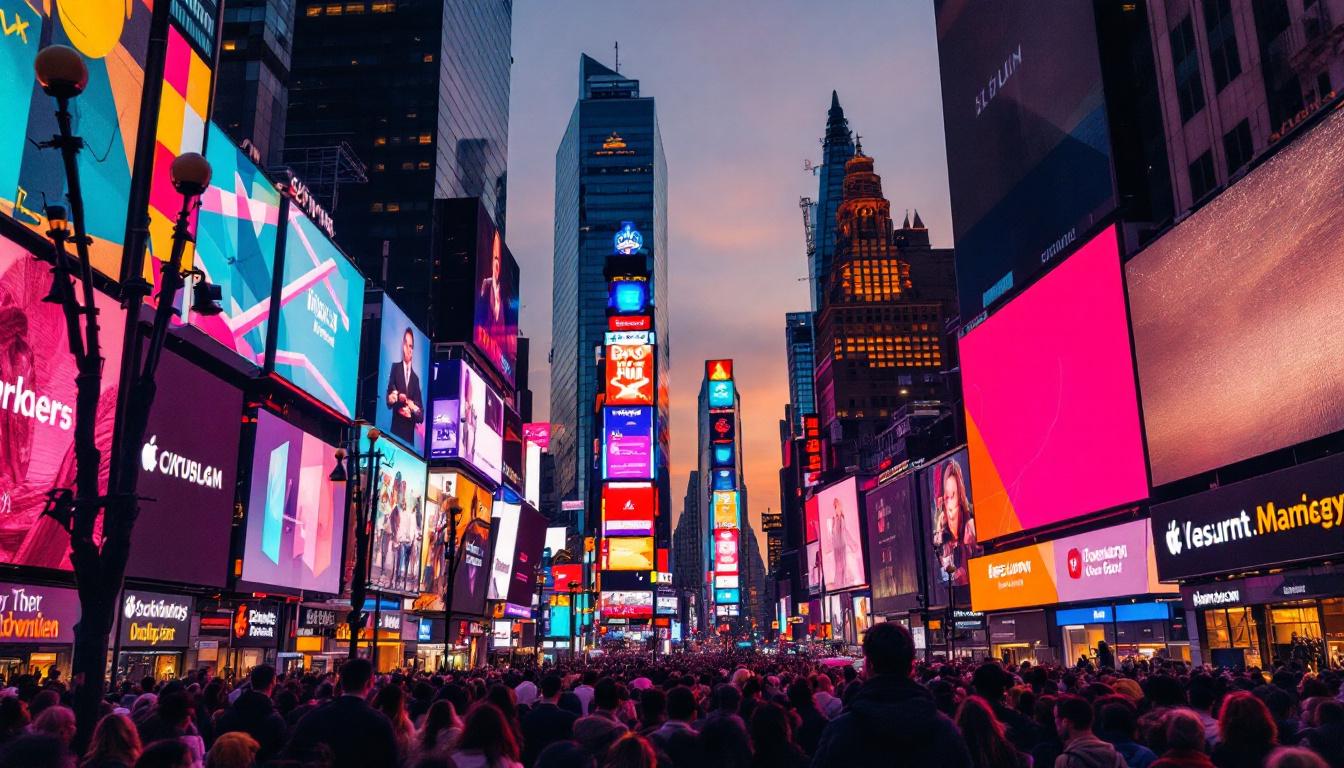
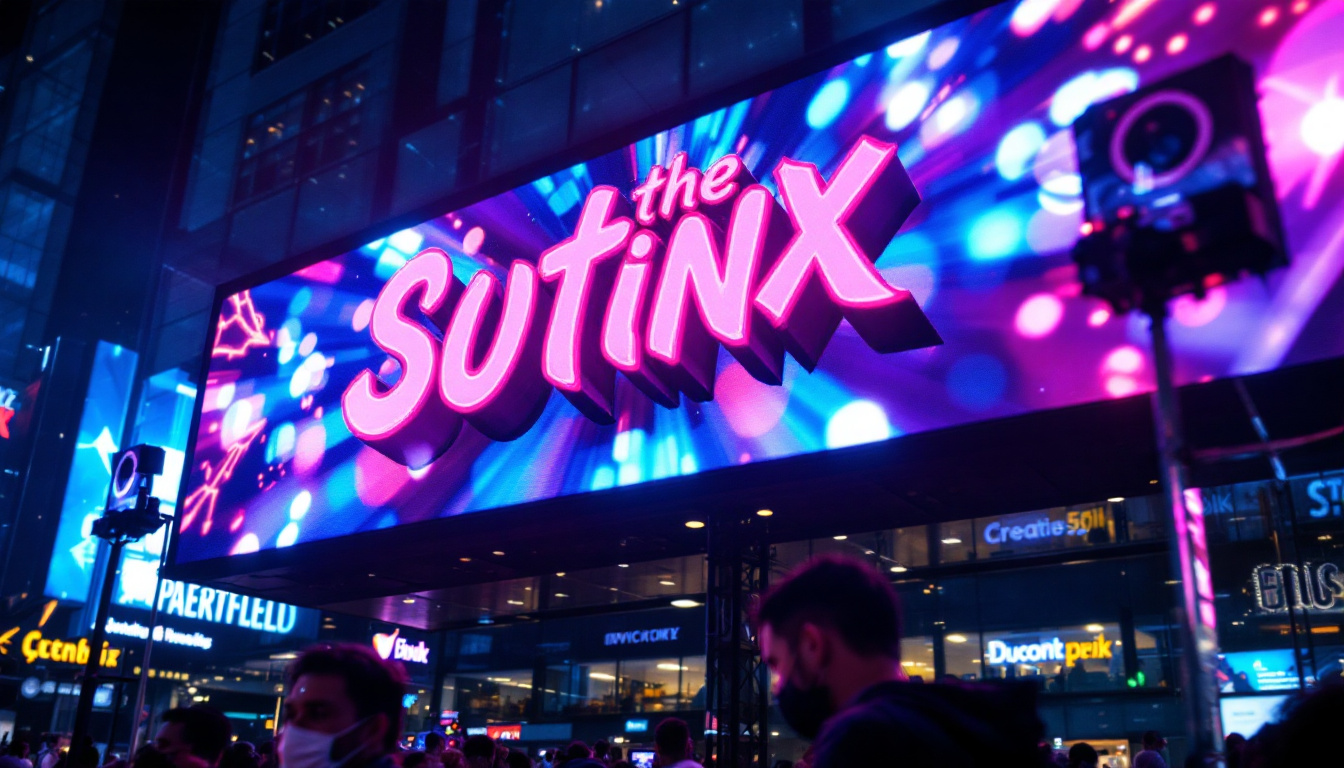
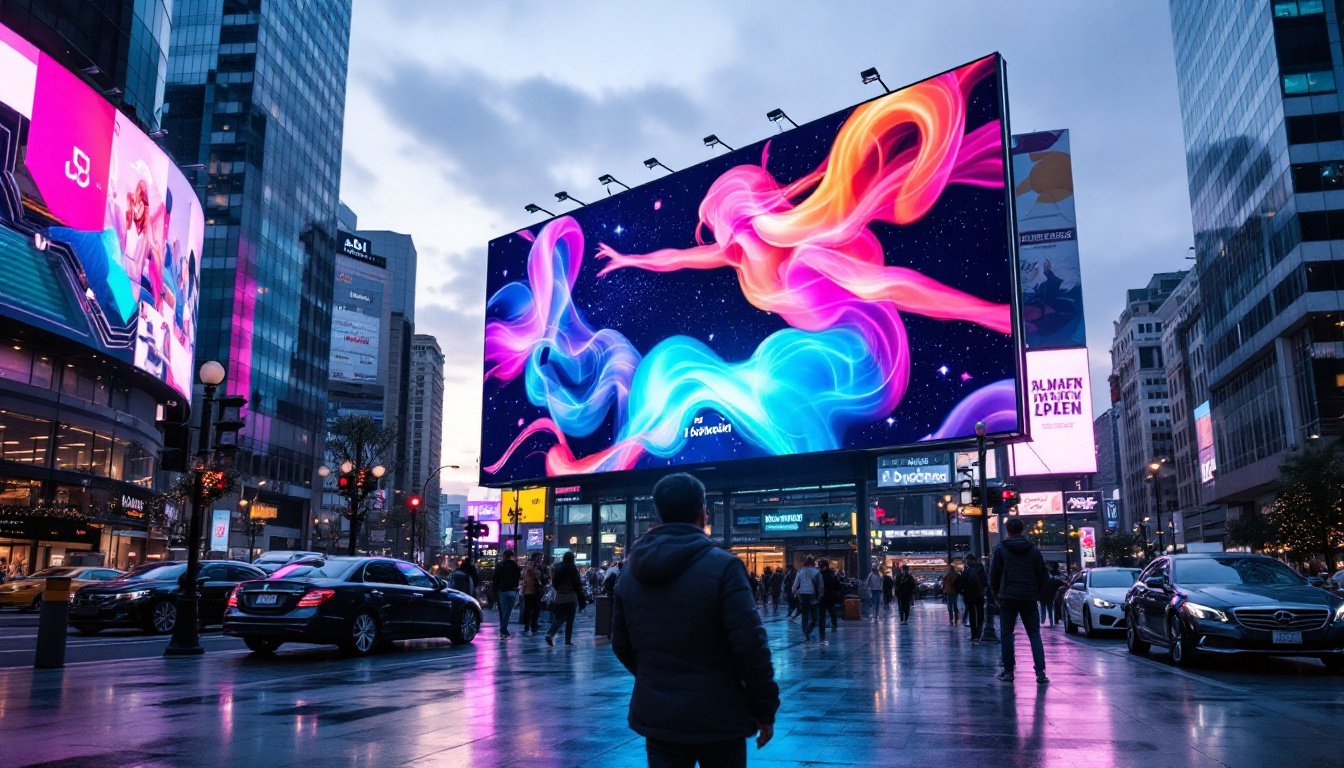
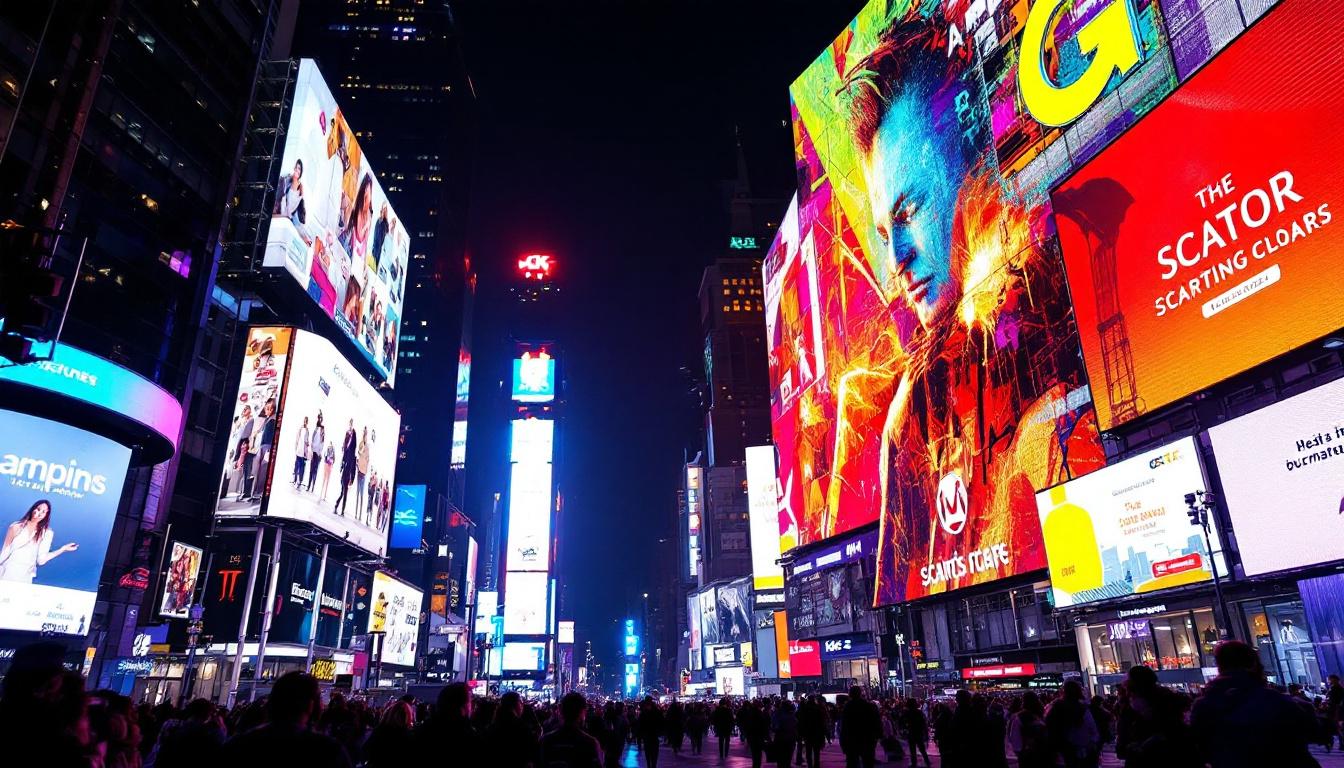
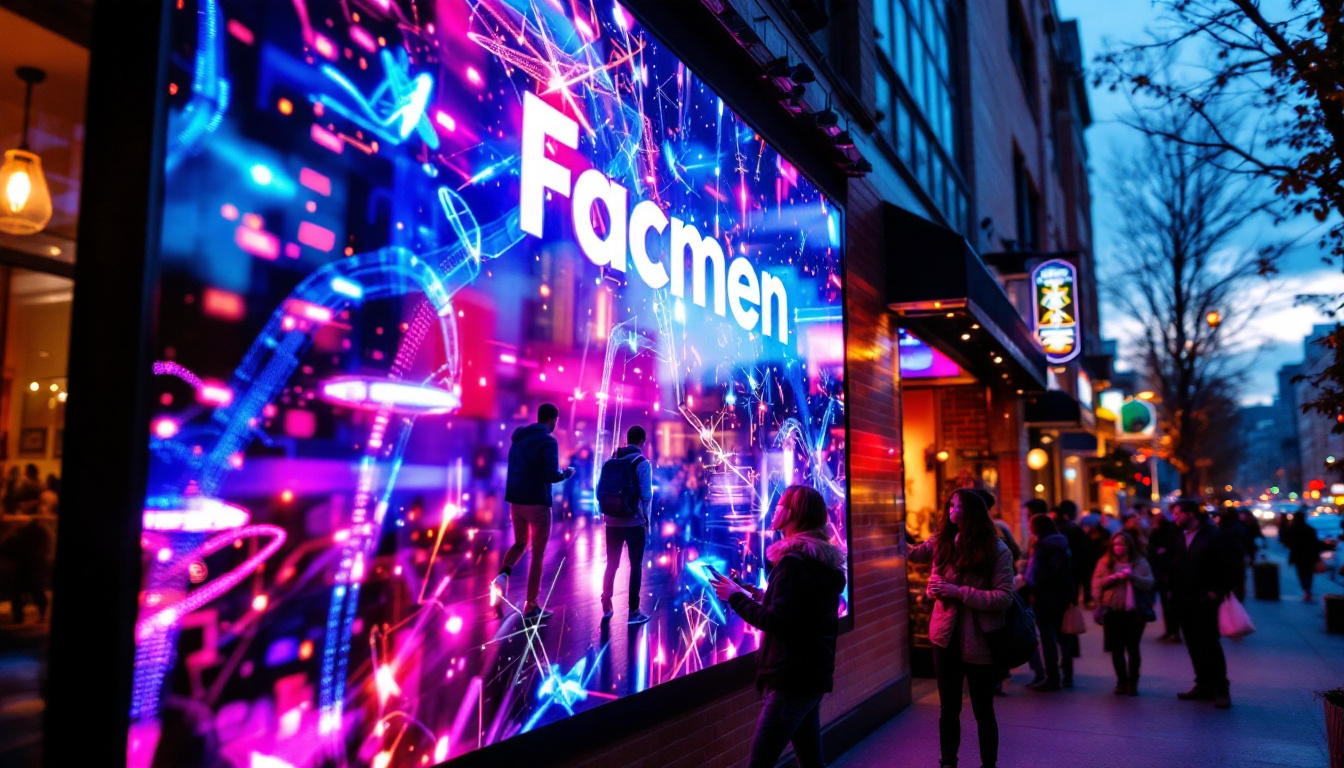
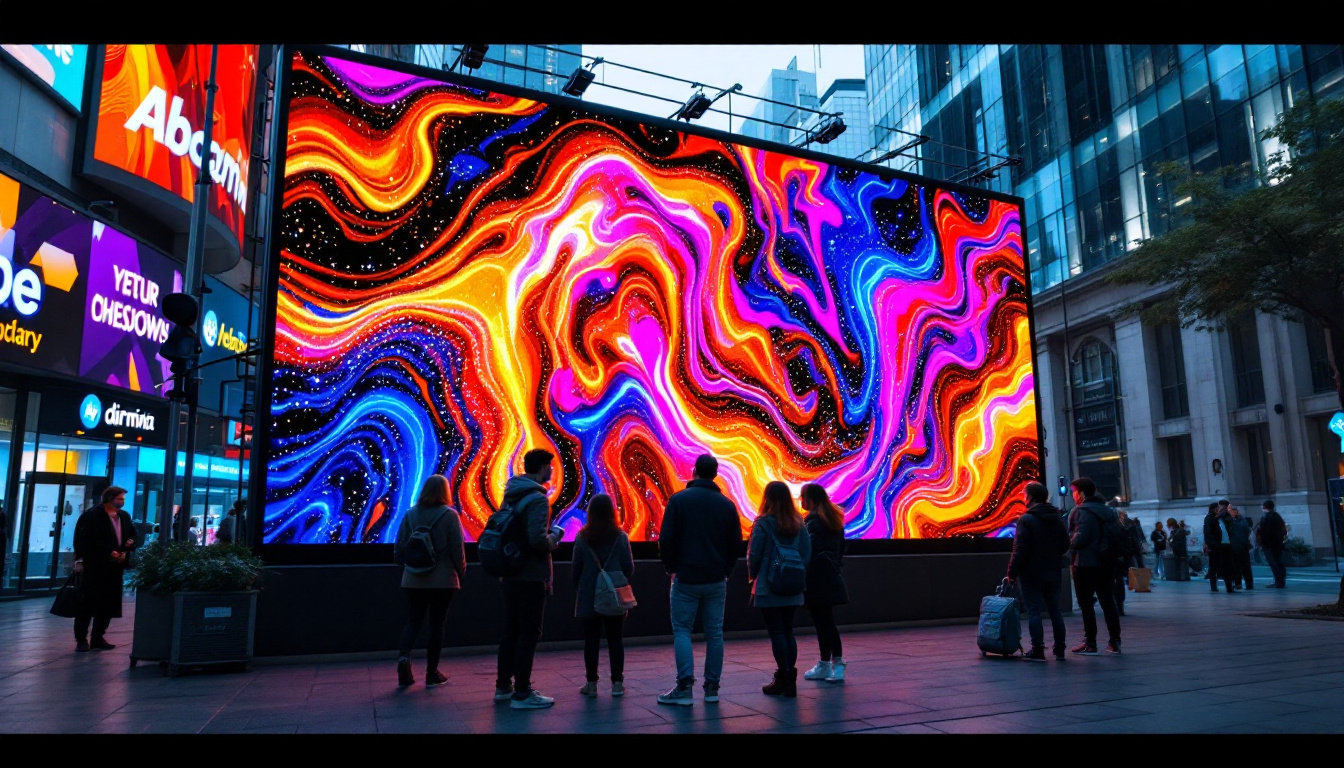
In retail and advertising, LED walls serve as eye-catching digital billboards and storefront displays. Their brightness and color fidelity attract attention and communicate brand messages effectively. High-profile locations such as Times Square in New York City rely heavily on LED technology for their iconic advertising screens.
Retailers use LED walls to showcase promotional content, product launches, and interactive experiences that drive foot traffic and enhance customer engagement. The ability to update content remotely and in real-time adds to their appeal in fast-paced commercial environments.
Corporate and Control Rooms
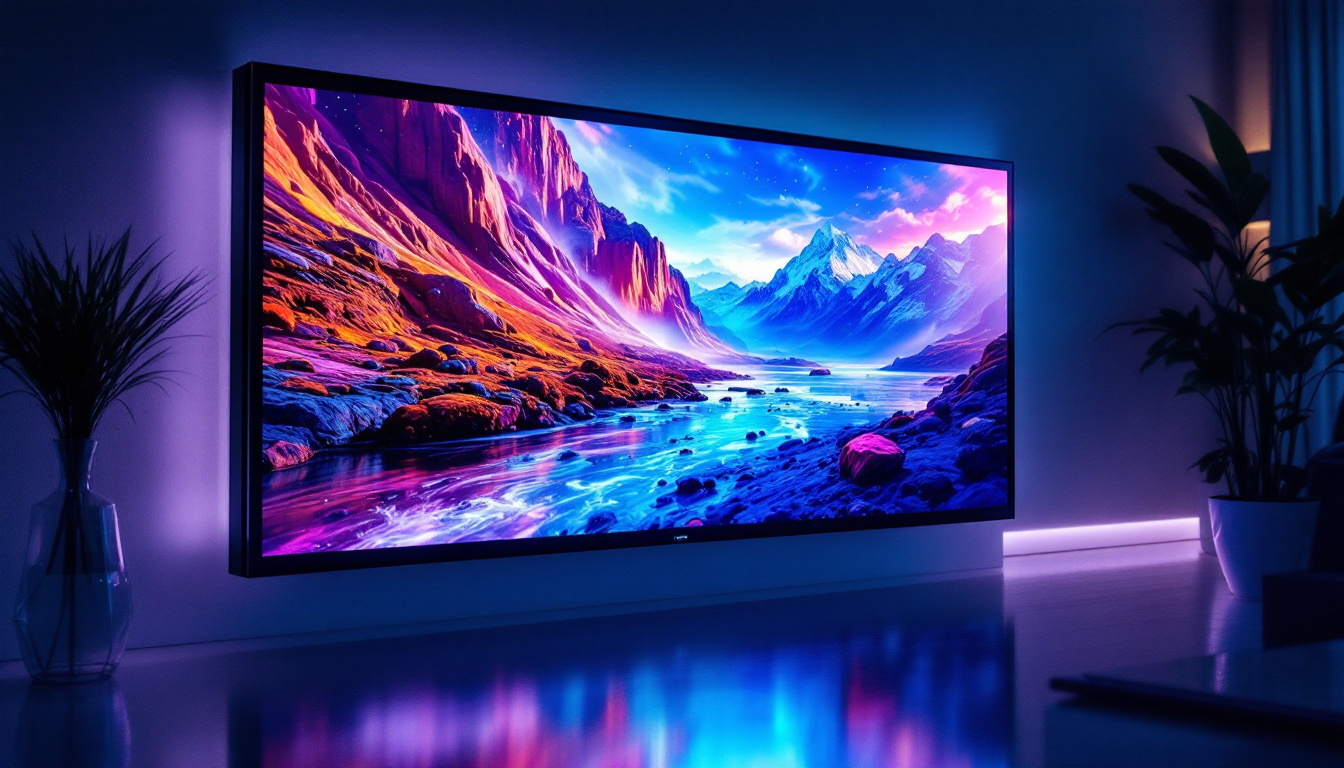
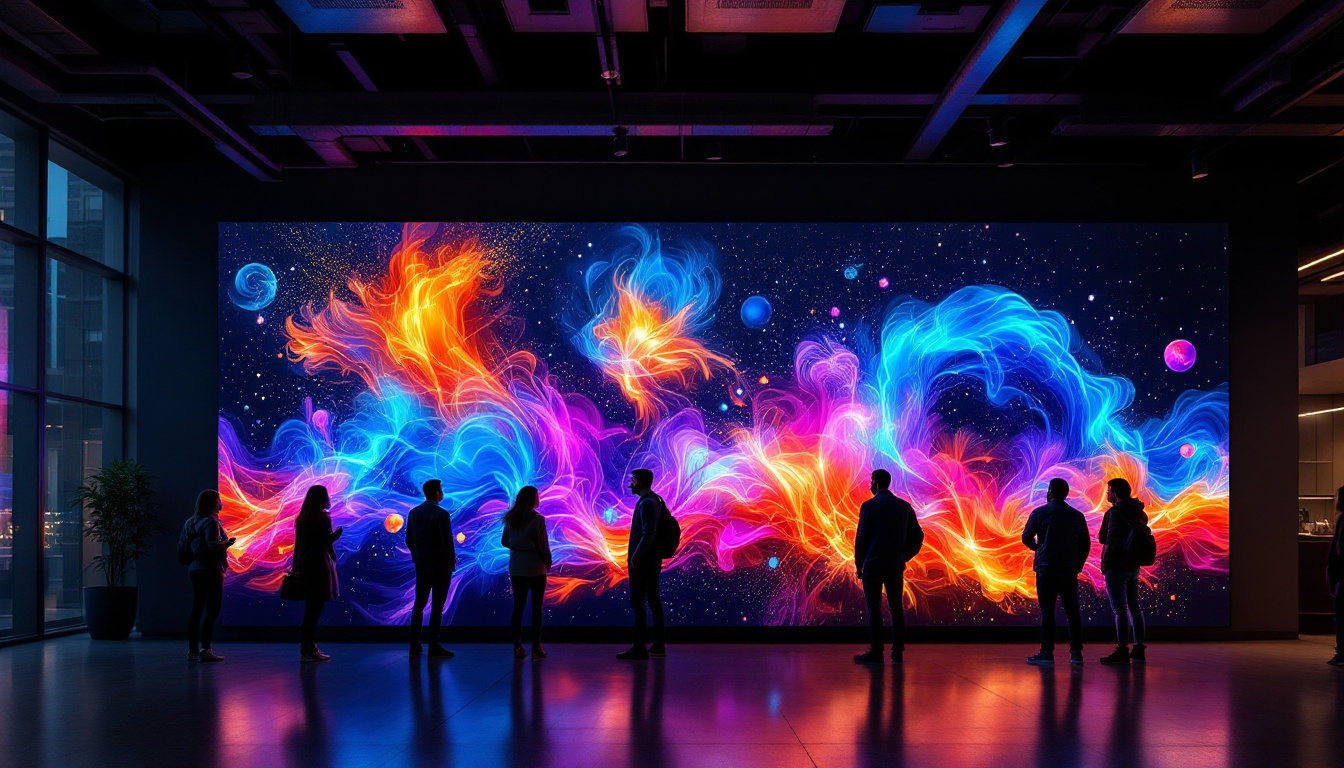
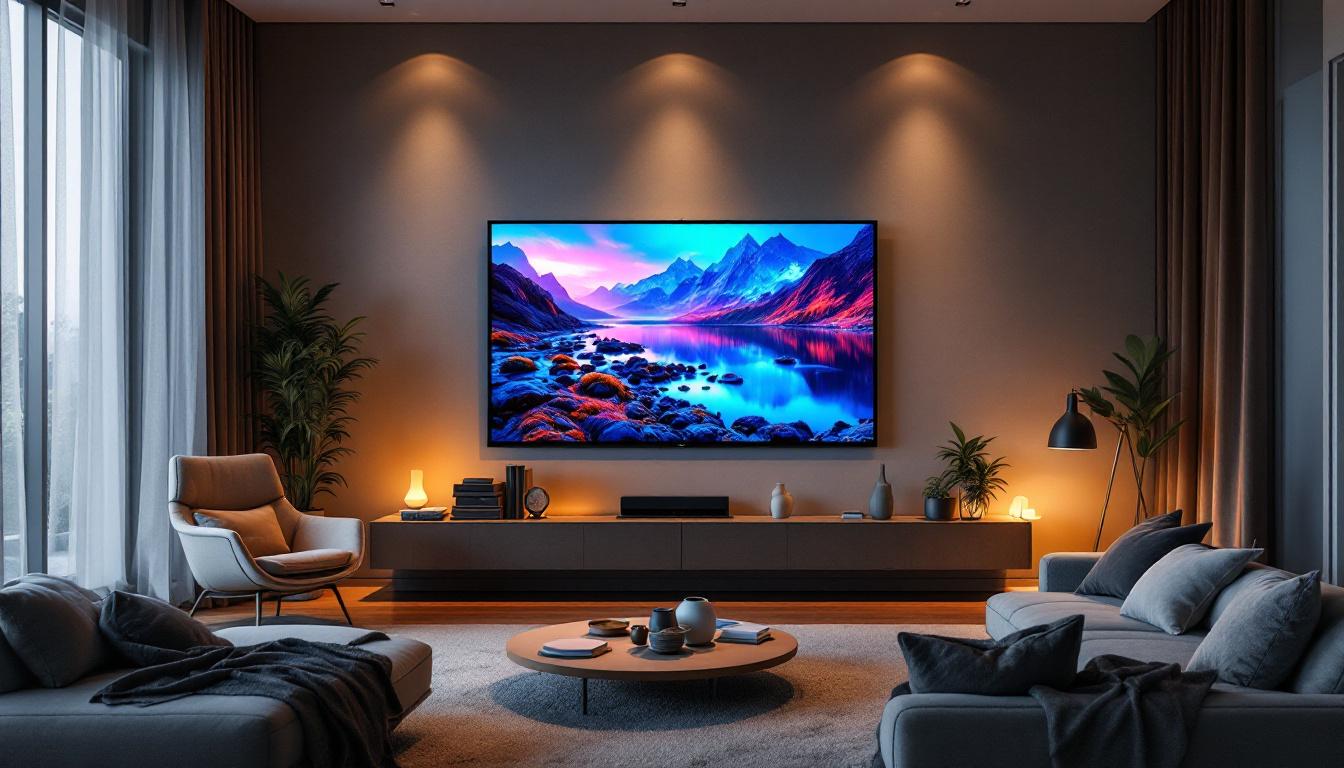
LED walls are increasingly common in corporate settings, including boardrooms, lobbies, and control centers. Their large format and high resolution facilitate data visualization, video conferencing, and presentations, improving communication and decision-making.
Control rooms in industries such as transportation, utilities, and emergency services rely on LED walls for real-time monitoring and situational awareness. The clarity and reliability of LED displays ensure critical information is accessible at a glance.
Sports Venues and Arenas
Sports arenas use LED walls for scoreboards, advertising, and fan engagement. The ability to display live game footage, instant replays, and dynamic graphics enhances the spectator experience. LED technology’s brightness ensures visibility from all seating areas, even in daylight.
Many stadiums also incorporate LED ribbon boards and perimeter displays, creating a cohesive visual environment that supports branding and entertainment.
Technical Considerations When Choosing an LED Wall
Resolution and Pixel Pitch
The resolution of an LED wall is directly influenced by its pixel pitch. For indoor applications where viewers are close to the screen, a pixel pitch of 1.2mm to 2.5mm is common to ensure sharp images. Outdoor displays, viewed from greater distances, typically use larger pixel pitches ranging from 4mm to 10mm.
Choosing the right pixel pitch balances image quality with cost, as finer pitches require more LEDs and higher manufacturing precision.
Brightness and Contrast Ratio
Brightness is measured in nits, and selecting an appropriate level depends on the installation environment. Indoor LED walls generally require 800 to 1,500 nits, while outdoor walls may need 5,000 nits or more to combat sunlight.
Contrast ratio, the difference between the darkest black and brightest white, affects image depth and realism. High contrast ratios are essential for vibrant visuals, especially in darker environments.
Refresh Rate and Color Accuracy
Refresh rate, measured in hertz (Hz), indicates how many times per second the image updates. Higher refresh rates reduce flicker and motion blur, critical for video playback and live broadcasts. Professional LED walls often support refresh rates above 3,000 Hz.
Color accuracy is achieved through precise calibration and quality LEDs. Accurate color reproduction ensures brand consistency and a visually pleasing experience.
Installation and Maintenance
Proper installation is vital for optimal performance and longevity. Considerations include structural support, ventilation, and accessibility for maintenance. Many professional LED walls feature front and rear serviceability, allowing technicians to replace modules without dismantling the entire display.
Regular calibration and cleaning maintain image quality and prevent degradation over time.
Future Trends in LED Display Technology
MicroLED and MiniLED Innovations
Emerging technologies like MicroLED and MiniLED promise to push LED display performance even further. MicroLEDs are tiny, self-emissive diodes that offer higher brightness, better contrast, and lower power consumption than traditional LEDs. These displays can achieve near-OLED picture quality with improved durability.
MiniLED technology uses smaller LEDs as backlighting for LCD panels, enhancing brightness and contrast while reducing costs. Both technologies are gaining traction in premium TVs, monitors, and professional displays.
Flexible and Transparent LED Displays
Flexible LED panels enable curved and irregularly shaped displays, expanding creative possibilities for designers and architects. Transparent LED displays integrate into glass surfaces, allowing for see-through digital signage that doesn’t obstruct views.
These innovations open new avenues for advertising, retail, and public art installations, blending seamlessly into environments.
AI and Content Management Integration
Artificial intelligence is increasingly integrated with LED display systems to optimize content delivery based on audience demographics, time of day, and environmental conditions. AI-driven analytics enable personalized advertising and dynamic content adjustments, enhancing engagement and ROI.
Advanced content management platforms simplify scheduling, remote control, and performance monitoring, making LED walls smarter and more efficient.
Conclusion
Pro Wall LED displays represent a pinnacle in visual communication technology, combining brightness, flexibility, and durability to meet the demands of diverse applications. Their advantages over traditional display methods make them indispensable in entertainment, advertising, corporate, and public sectors.
Understanding the technical aspects such as pixel pitch, brightness, and refresh rate helps stakeholders select the right LED solution for their needs. As innovations like MicroLED and AI integration continue to evolve, LED walls will become even more powerful tools for engaging audiences and delivering impactful messages.
Investing in a professional LED wall is not just about adopting new technology; it’s about creating immersive, memorable experiences that resonate with viewers and drive business success.
Discover LumenMatrix’s Innovative LED Solutions
Ready to elevate your visual communication and create experiences that truly stand out? LumenMatrix is at the forefront of LED display technology, offering a wide range of solutions tailored to meet your specific needs. From vibrant Indoor and Outdoor LED Wall Displays to dynamic Vehicle and Sports LED Displays, our products are designed to captivate your audience and amplify your message. Explore our innovative LED Poster Displays, immersive Floor LED Displays, customizable Custom LED Displays, versatile All-in-One LED Displays, and sleek LED Transparent Displays. Embrace the future of digital signage with LumenMatrix and transform how you connect with viewers. Check out LumenMatrix LED Display Solutions today and start your journey towards unparalleled visual engagement.