In today’s digital age, LED displays have become an integral part of communication, advertising, and entertainment. From massive outdoor billboards to indoor event screens, LED technology powers vivid visuals that captivate audiences worldwide. This article delves into the professional LED display industry, explaining the technology, key applications, and what sets professional-grade LED displays apart from consumer alternatives.
Understanding LED Display Technology
LED stands for Light Emitting Diode, a semiconductor device that emits light when an electric current passes through it. LED displays use thousands or millions of these tiny diodes arranged in a matrix to create images and videos. But what makes professional LED displays unique is their design, build quality, and performance specifications tailored for demanding environments. These displays are not only built to last but also engineered to deliver stunning visual experiences that captivate audiences in various settings, from concerts and sports arenas to corporate events and retail spaces.
How LED Displays Work
Each pixel on an LED display consists of one or more LEDs that emit red, green, and blue light. By adjusting the intensity of each color, the display can produce a full spectrum of colors. This RGB (Red, Green, Blue) model is the foundation of all color displays, but LED technology’s brightness and contrast capabilities far exceed traditional LCD or projection systems. The ability to achieve high brightness levels makes LED displays particularly effective in environments with significant ambient light, ensuring that the content remains vibrant and easily viewable regardless of the surrounding conditions.
Professional LED displays typically use SMD (Surface-Mounted Device) or DIP (Dual In-line Package) LEDs. SMD LEDs are smaller and allow for higher pixel density, making them ideal for close viewing distances and indoor use. DIP LEDs, on the other hand, are more robust and brighter, often preferred for large outdoor screens exposed to sunlight. Additionally, advancements in LED technology have led to the development of features such as HDR (High Dynamic Range) and wide color gamut capabilities, further enhancing the visual fidelity and making LED displays a popular choice for high-end applications.
Pixel Pitch and Resolution
One of the most important technical specifications in LED displays is pixel pitch, which refers to the distance between the centers of two adjacent pixels. Smaller pixel pitch means more pixels per square meter, resulting in higher resolution and sharper images. For example, a pixel pitch of 1.2mm is common in indoor professional displays, offering crisp visuals even at close range, while outdoor displays often have pixel pitches ranging from 4mm to 10mm due to viewing distances. This careful consideration of pixel pitch ensures that viewers receive an optimal experience, whether they are standing just a few feet away or several hundred feet back.
Resolution is directly tied to pixel pitch and screen size. A large LED wall with a coarse pixel pitch may have the same resolution as a smaller screen with a finer pitch. Choosing the right combination depends on the installation environment and intended viewing distance. Furthermore, as technology progresses, manufacturers are continually pushing the boundaries of pixel pitch, with innovations that allow for ultra-fine pitches of less than 1mm, enabling unprecedented detail and clarity for applications such as digital art installations and high-end retail displays. This evolution not only enhances the aesthetic appeal but also opens up new possibilities for creative expression and advertising strategies, making LED displays an increasingly vital tool in modern visual communication.
Key Features of Professional LED Displays
Professional LED displays are engineered to meet stringent performance and durability standards. Unlike consumer-grade screens, they are designed for continuous operation, high brightness, and adaptability to various environments.
Brightness and Contrast
Brightness is a critical factor, especially for outdoor LED displays. Professional-grade LEDs can achieve brightness levels exceeding 5,000 nits, ensuring visibility even under direct sunlight. Indoor displays typically operate around 800 to 1,500 nits, balancing brightness with eye comfort.
Contrast ratio, the difference between the darkest black and brightest white, is another vital metric. LED displays inherently offer high contrast because LEDs can be turned completely off to produce true blacks, unlike LCDs which rely on backlighting.
Durability and Weather Resistance
Outdoor LED displays must withstand harsh weather conditions, including rain, wind, dust, and extreme temperatures. Professional LED cabinets are sealed with IP65 or higher ratings, guaranteeing protection against water and dust ingress. Additionally, these displays are built with corrosion-resistant materials and cooling systems to maintain optimal performance in diverse climates.
Color Accuracy and Calibration
Color consistency is paramount for professional applications such as broadcasting, live events, and retail advertising. High-end LED displays undergo factory calibration and often feature built-in sensors for real-time color adjustments. This ensures uniform color reproduction across the entire screen, even after prolonged use.
Applications of Professional LED Displays
The versatility and performance of professional LED displays have made them indispensable across multiple sectors. Their ability to deliver bright, dynamic content in any environment opens up numerous possibilities.
Outdoor Advertising and Digital Billboards
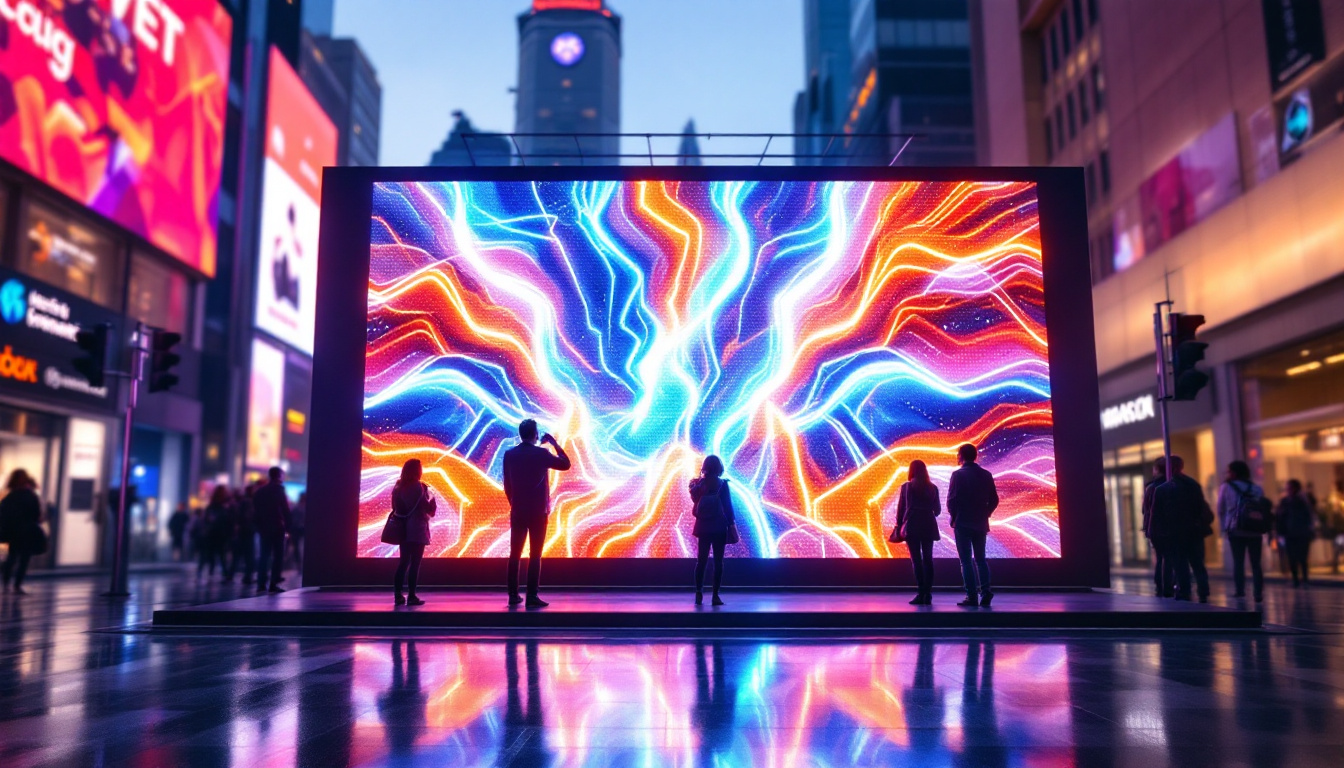
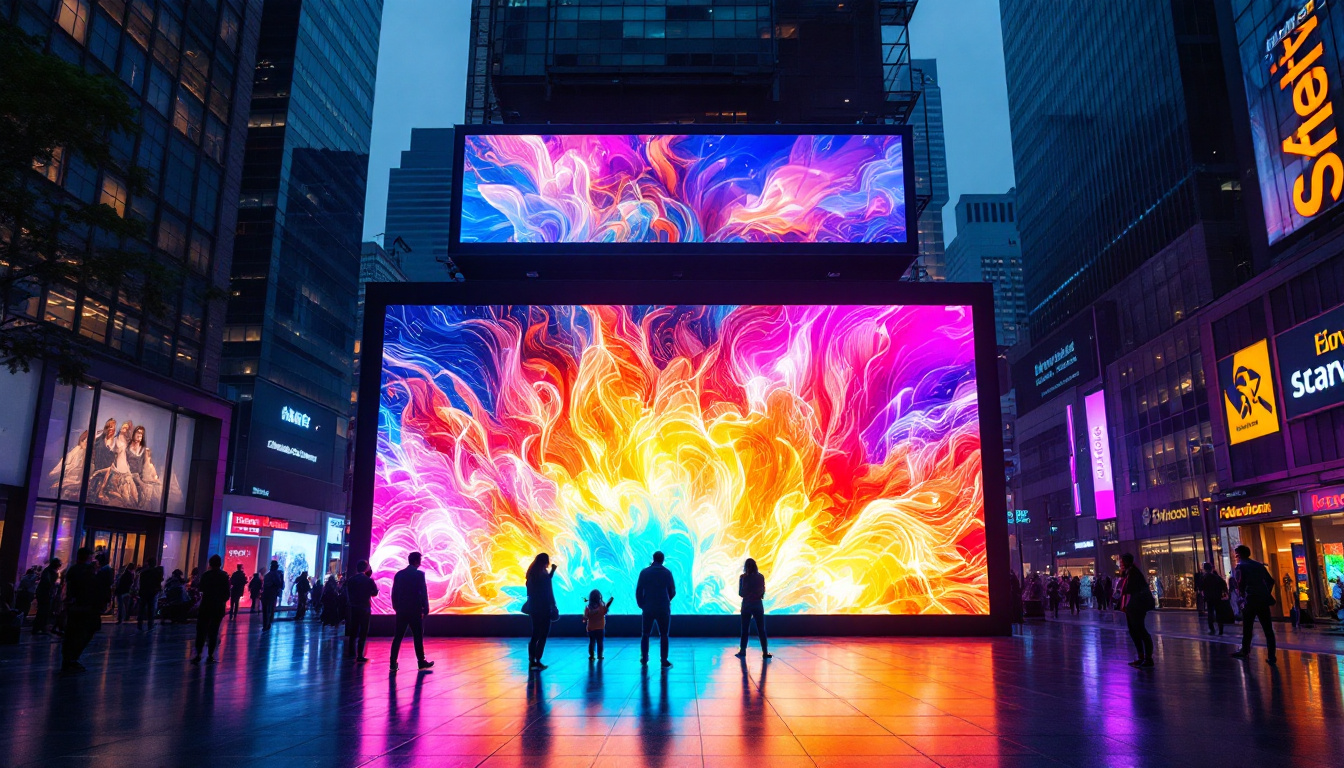
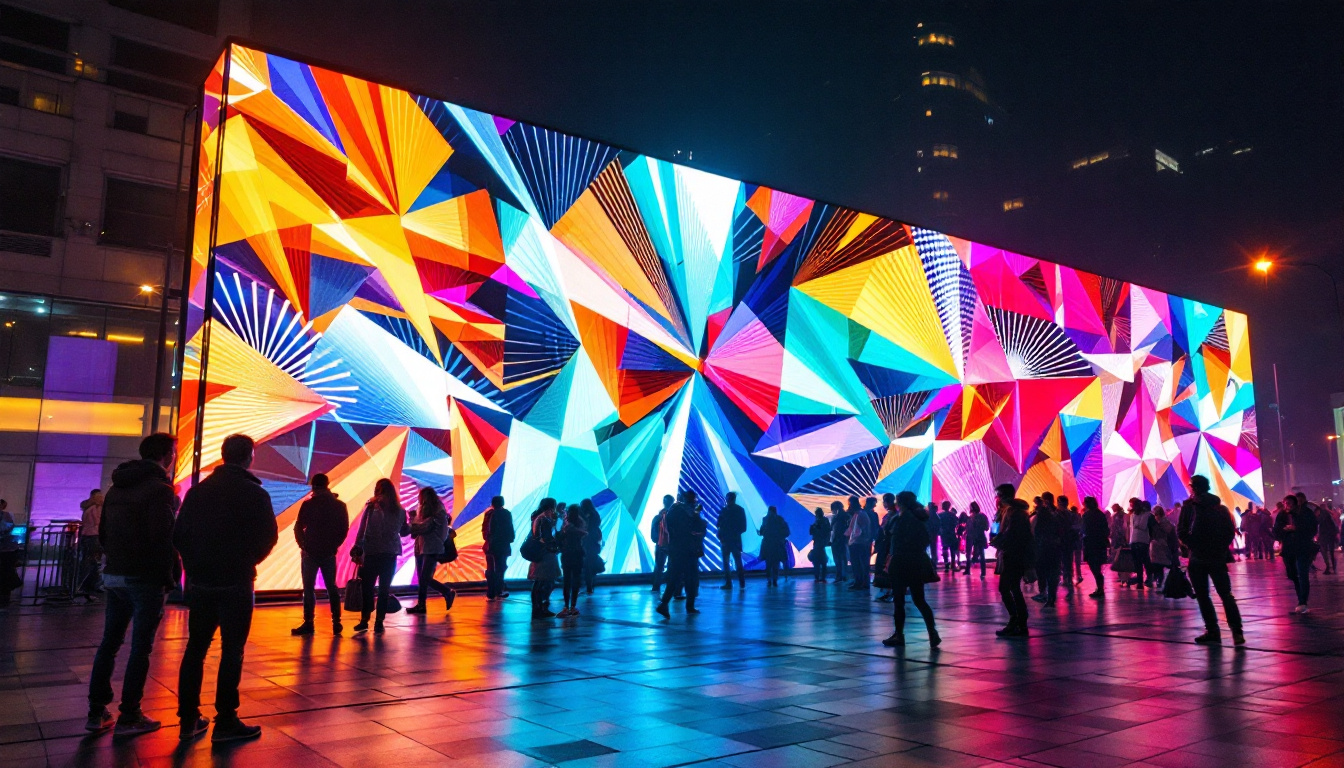
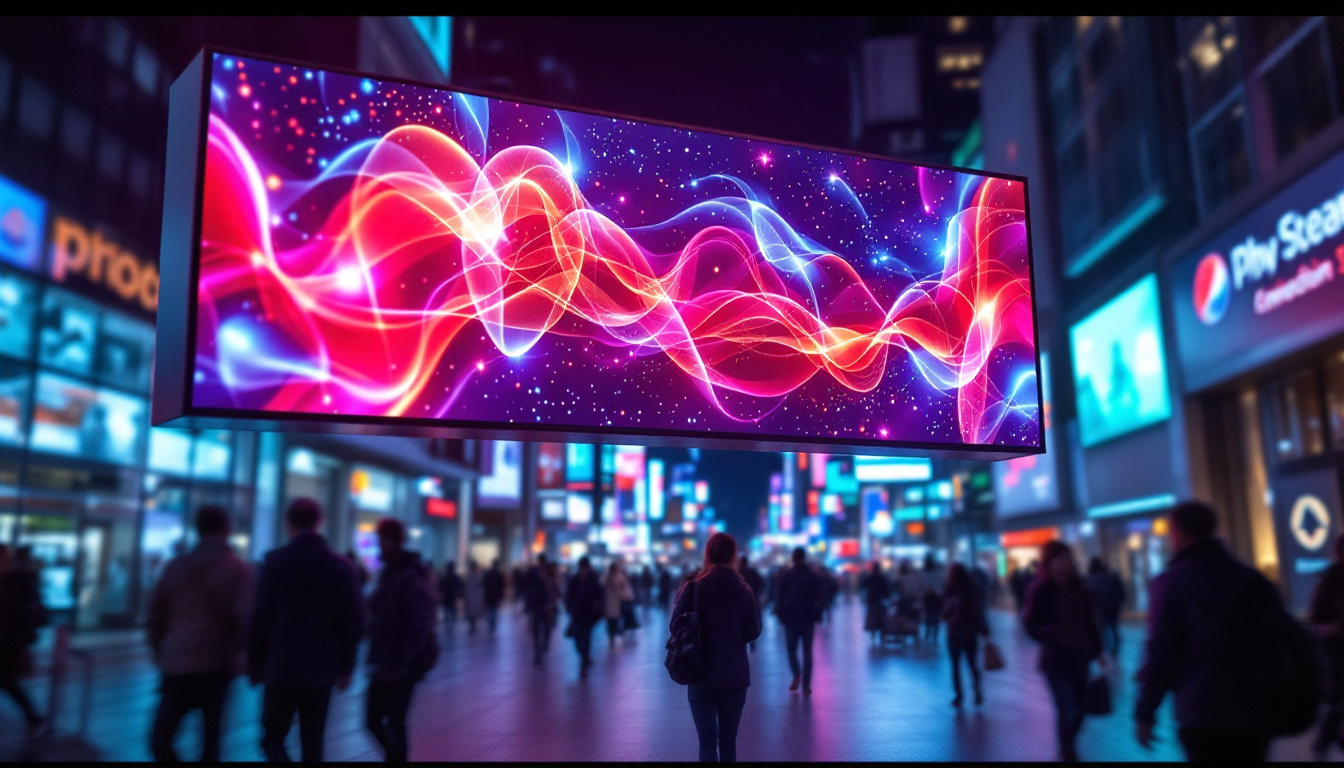
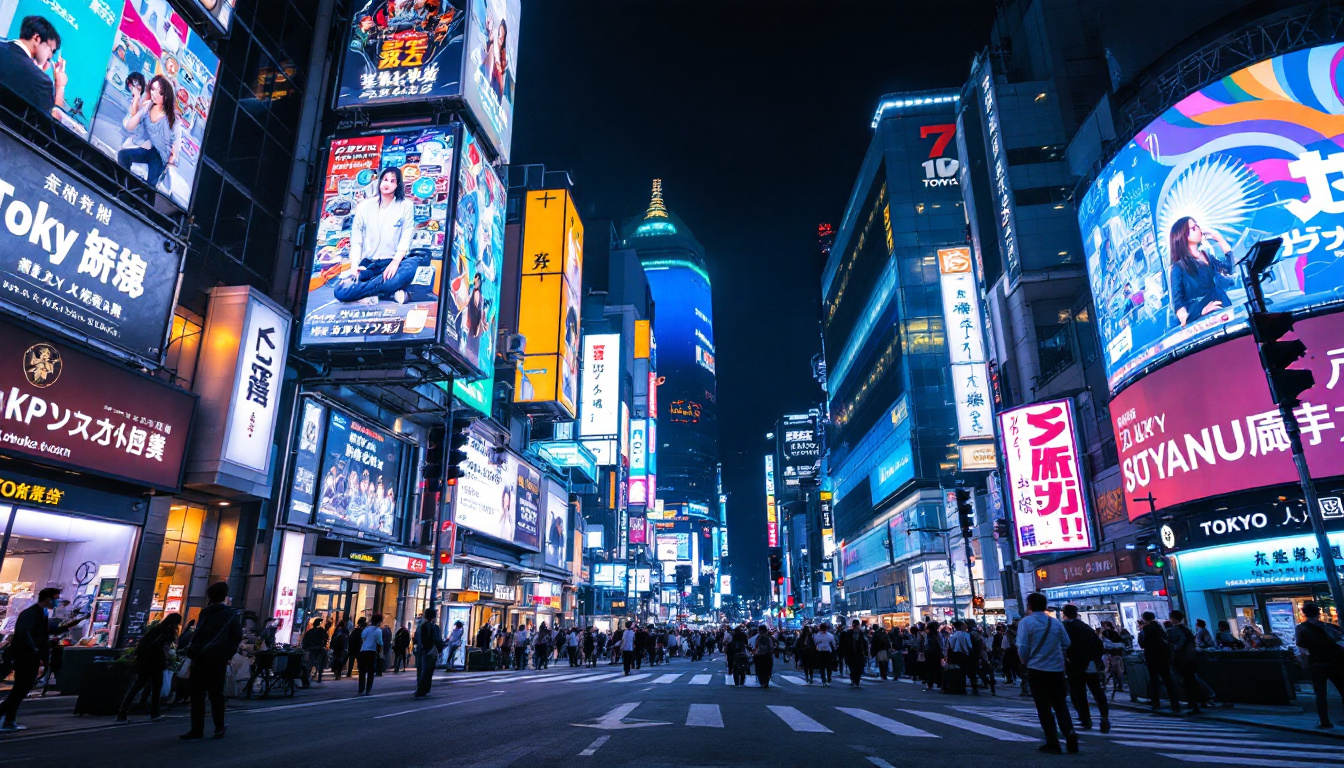
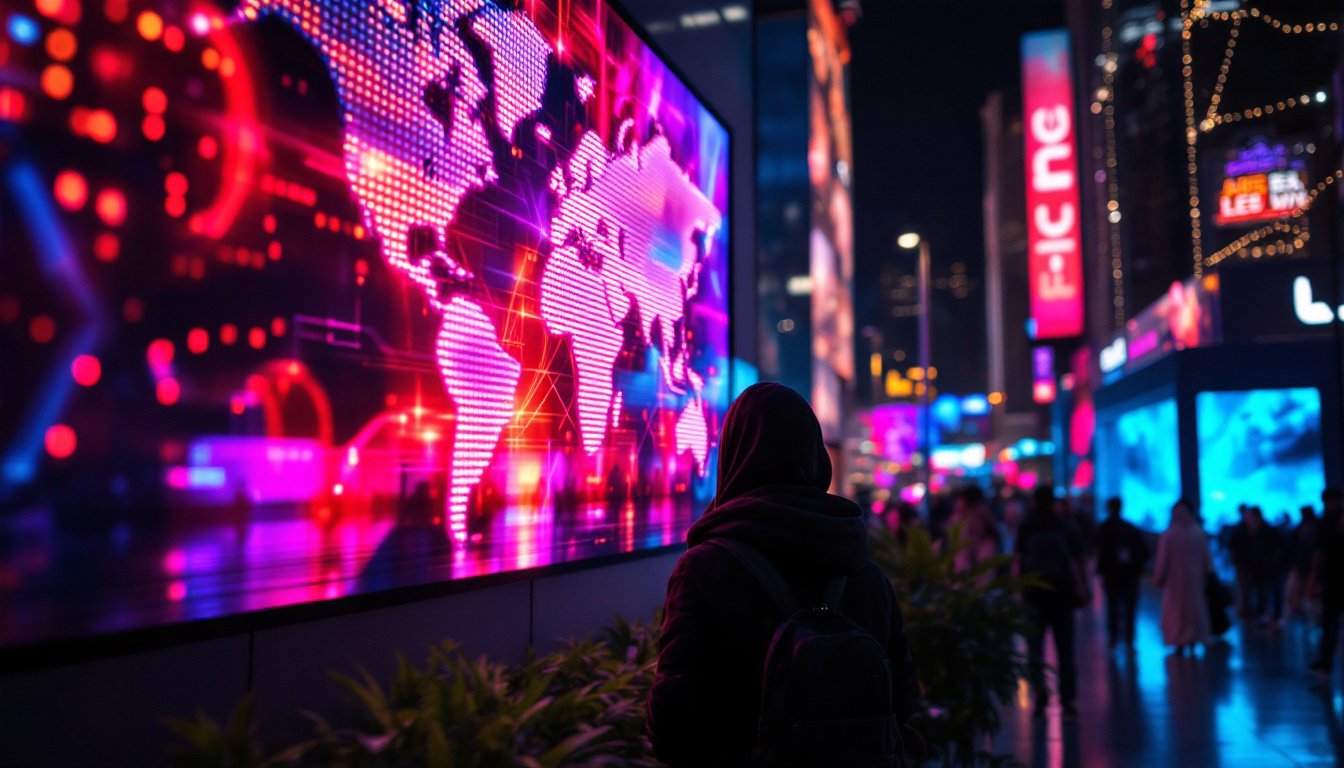
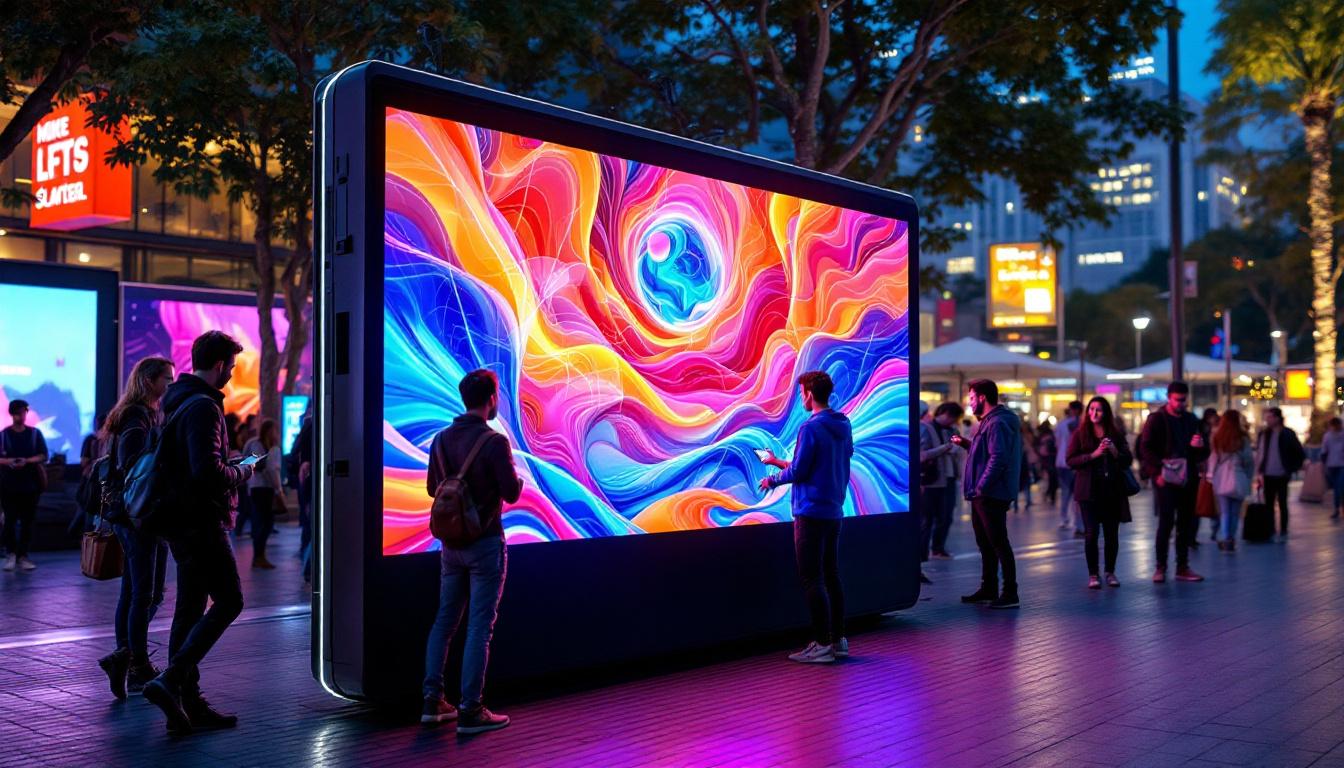
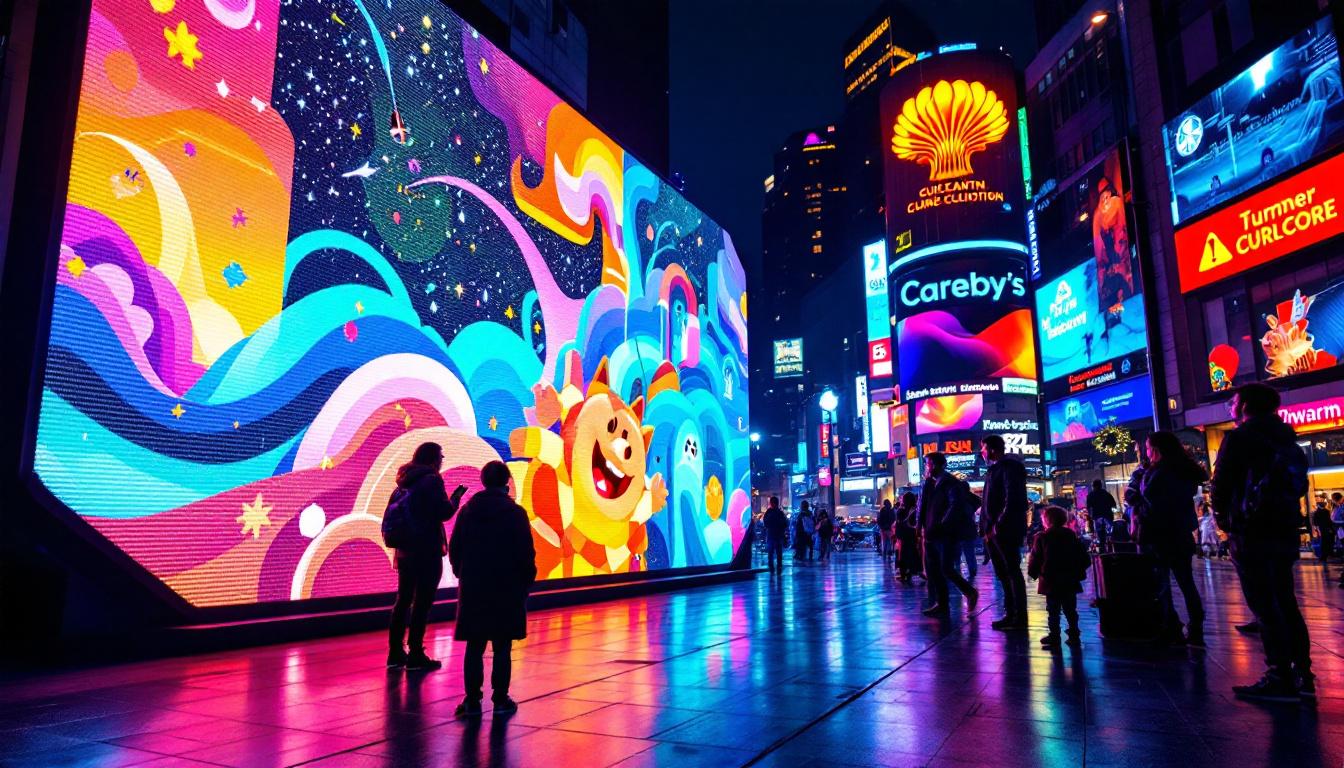
One of the most visible applications of LED displays is in outdoor advertising. Digital billboards powered by LED technology allow advertisers to change content remotely and display dynamic, eye-catching visuals. According to a report by Grand View Research, the global digital signage market is expected to reach $31.71 billion by 2028, with LED displays accounting for a significant share due to their superior brightness and durability.
LED billboards can be found along highways, in city centers, and at sports venues, offering advertisers unparalleled reach and engagement. The ability to display video, animations, and real-time information such as weather or news further enhances their effectiveness.
Live Events and Entertainment
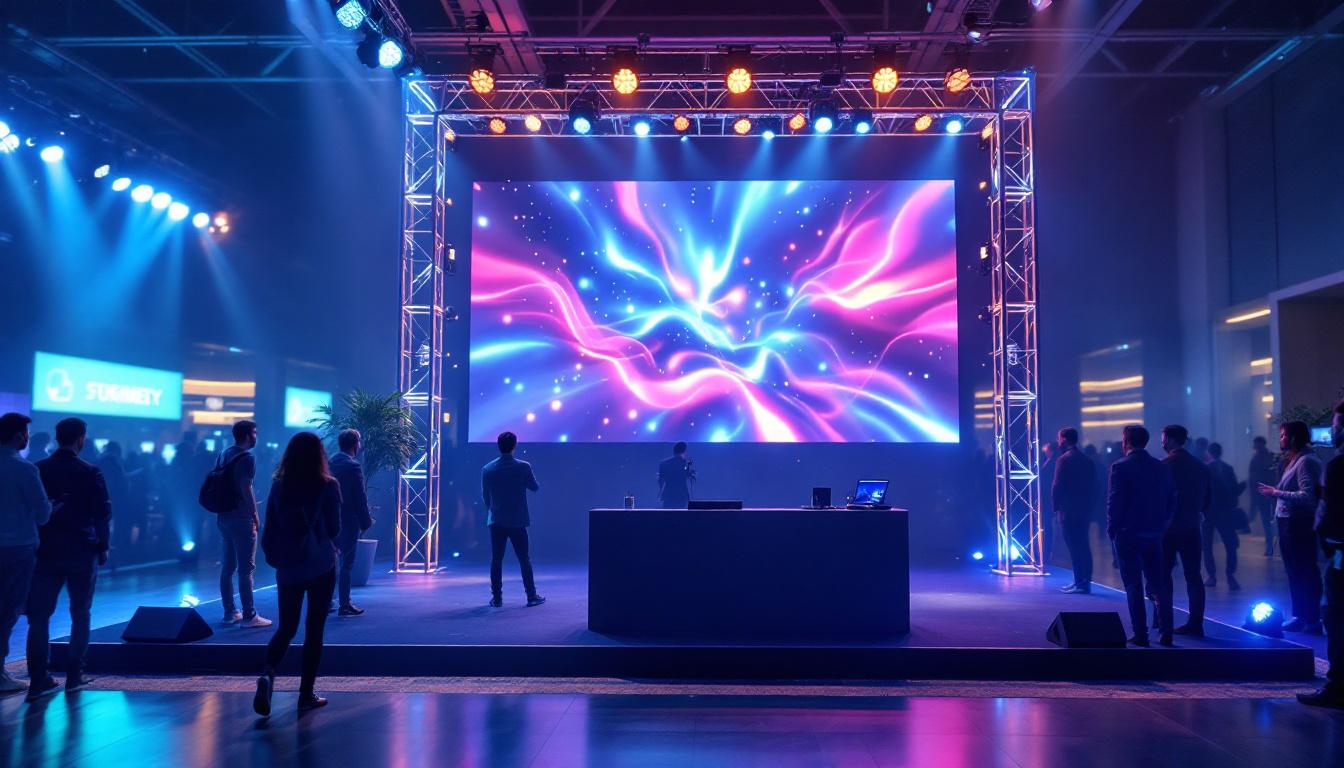
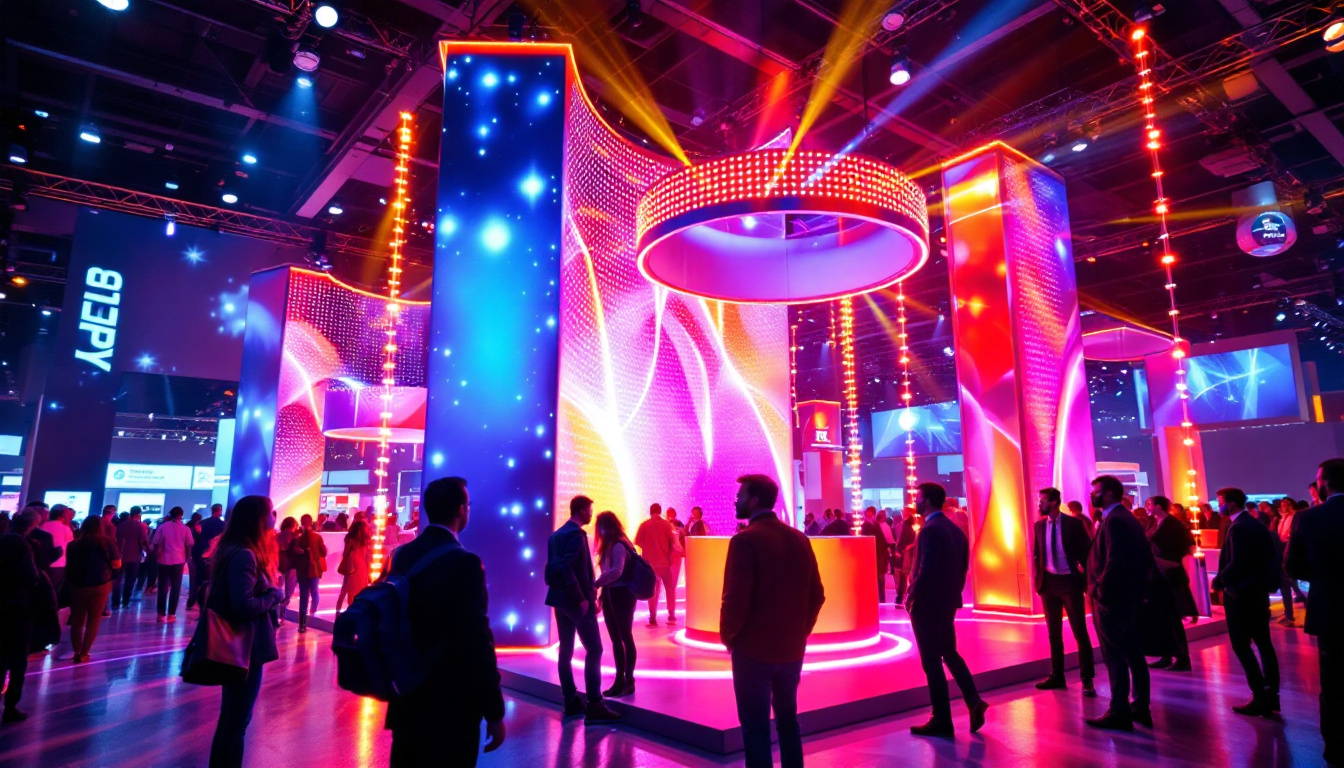
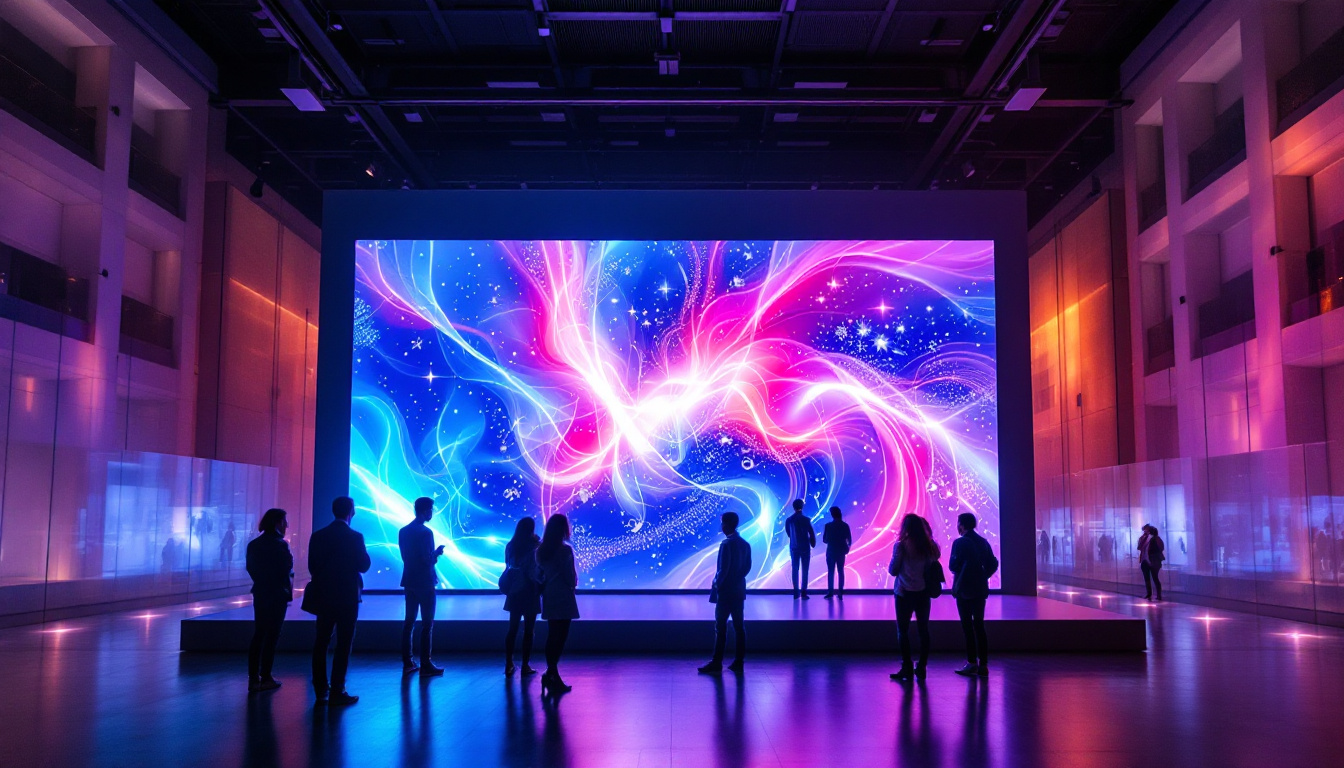
Concerts, festivals, and sporting events rely heavily on LED displays for immersive visual experiences. Large LED walls serve as backdrops, providing high-resolution content that complements live performances. The flexibility of LED panels allows for custom shapes and sizes, enabling creative stage designs.
In arenas and stadiums, LED displays are used for scoreboards, instant replays, and fan engagement. Their brightness ensures visibility even in daylight, while their modular design facilitates easy installation and maintenance.
Corporate and Retail Environments
Professional LED displays are increasingly popular in corporate settings for presentations, video conferencing, and digital signage. Their clarity and seamless visuals enhance communication and branding efforts. Retail stores use LED walls to attract customers with dynamic promotions and interactive content, driving sales and improving customer experience.
Transportation and Public Information
Airports, train stations, and bus terminals utilize LED displays for real-time schedules, alerts, and wayfinding. The high brightness and wide viewing angles ensure information is accessible to large crowds under various lighting conditions. Additionally, LED technology supports multilingual content and dynamic updates, crucial for efficient public communication.
Choosing the Right Professional LED Display
Selecting the appropriate LED display involves evaluating multiple factors to meet specific needs and budget constraints. Understanding these considerations helps ensure a successful investment.
Viewing Distance and Environment
The intended viewing distance is the primary determinant of pixel pitch and resolution. For close-range indoor applications, a fine pixel pitch (below 2mm) is essential for sharp images. Conversely, outdoor displays viewed from hundreds of feet away can use larger pixel pitches without compromising perceived image quality.
Environmental conditions also dictate the choice of LED type and enclosure. Outdoor installations require weatherproof cabinets and higher brightness, while indoor setups prioritize color accuracy and slim form factors.
Screen Size and Aspect Ratio
Screen size should align with the physical space and content requirements. Larger screens offer greater impact but come with higher costs and installation complexity. Aspect ratio, typically 16:9 or custom formats, should match the content source to avoid distortion.
Maintenance and Support
Professional LED displays require regular maintenance to sustain performance. Modular designs facilitate easy replacement of faulty panels or LEDs. It is important to choose suppliers that offer comprehensive support, including installation, calibration, and technical assistance.
Energy Efficiency and Sustainability
Energy consumption is a growing concern, especially for large-scale LED installations. Modern professional LED displays incorporate energy-saving technologies such as adaptive brightness controls and efficient power supplies. Selecting energy-efficient models can reduce operational costs and environmental impact.
The Future of Professional LED Displays
LED technology continues to evolve rapidly, pushing the boundaries of visual communication. Emerging trends promise even more immersive and versatile display solutions.
MicroLED and MiniLED Innovations
MicroLED and MiniLED technologies represent the next generation of LED displays, offering higher pixel densities, improved brightness, and better color accuracy. MicroLEDs, in particular, use microscopic LEDs to create displays with exceptional resolution and contrast, rivaling OLED screens but with greater durability and brightness. These advancements are expected to revolutionize both indoor and outdoor professional displays.
Flexible and Transparent LED Displays
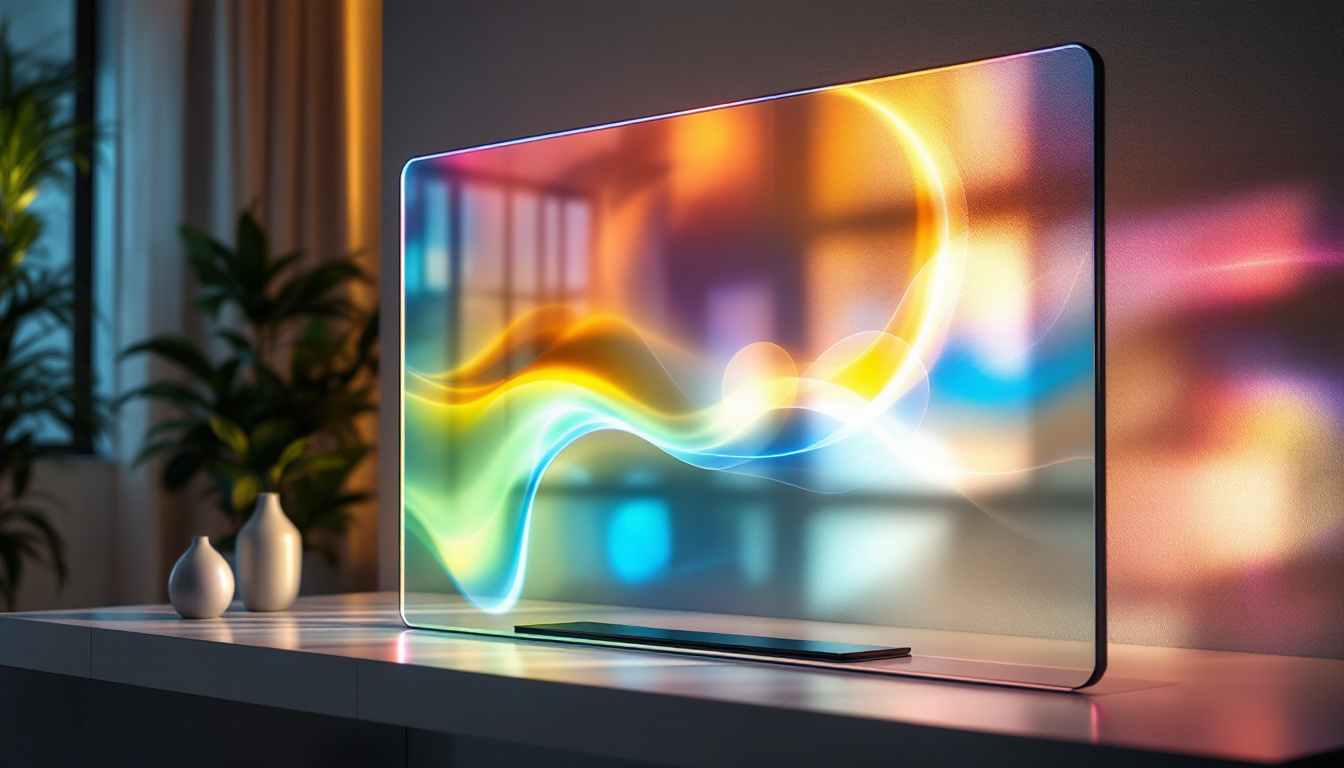
Flexible LED panels enable curved and irregular screen shapes, expanding creative possibilities for architects and designers. Transparent LED displays allow content to be displayed on glass surfaces without obstructing views, ideal for retail windows and building facades. These innovations blend technology with aesthetics, enhancing user engagement.
Integration with Smart Technologies
Integration with AI, IoT, and data analytics is transforming LED displays into intelligent communication platforms. Smart LED displays can adapt content based on audience demographics, environmental conditions, or real-time data feeds. This dynamic interactivity enhances marketing effectiveness and user experience.
Conclusion
Professional LED displays are a cornerstone of modern visual communication, offering unmatched brightness, durability, and flexibility. Understanding the technology, applications, and selection criteria is crucial for businesses and organizations aiming to leverage LED displays effectively. As advancements continue, LED displays will become even more integral to how information and entertainment are delivered worldwide.
Whether for advertising, live events, corporate communication, or public information, investing in professional LED technology ensures vibrant, reliable, and impactful visual experiences that engage audiences and drive results.
Explore Cutting-Edge LED Display Solutions with LumenMatrix
Ready to elevate your visual communication with the latest in LED display technology? LumenMatrix is at the forefront of innovation, offering a diverse range of LED display solutions tailored to your unique needs. From vibrant Indoor and Outdoor LED Wall Displays to dynamic Vehicle and Sports Displays, our products are designed to captivate and engage your audience. Discover the transformative power of LED Poster Displays, Floor LEDs, Custom configurations, All-in-One solutions, and Transparent Displays. Embrace the future of digital signage with LumenMatrix and create unforgettable visual experiences. Check out LumenMatrix LED Display Solutions today and witness how we can revolutionize your brand visibility and communication.