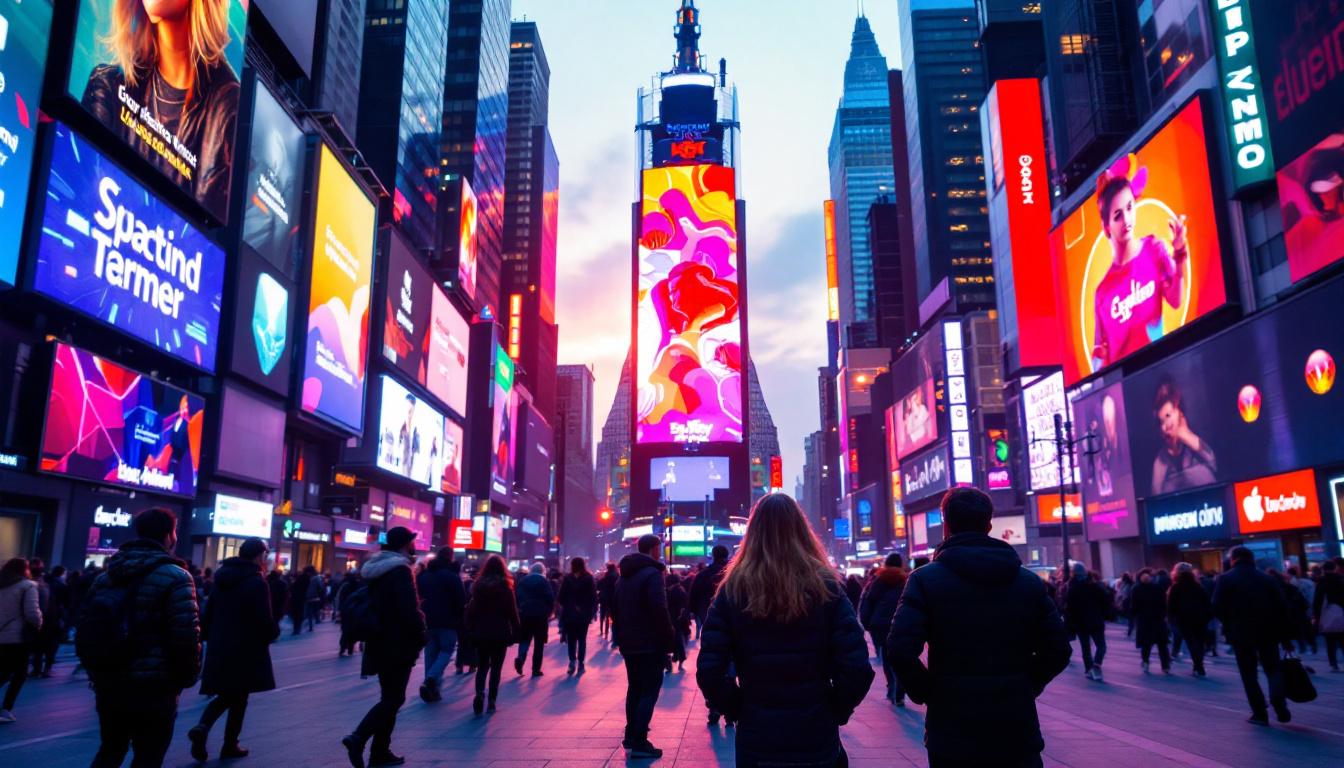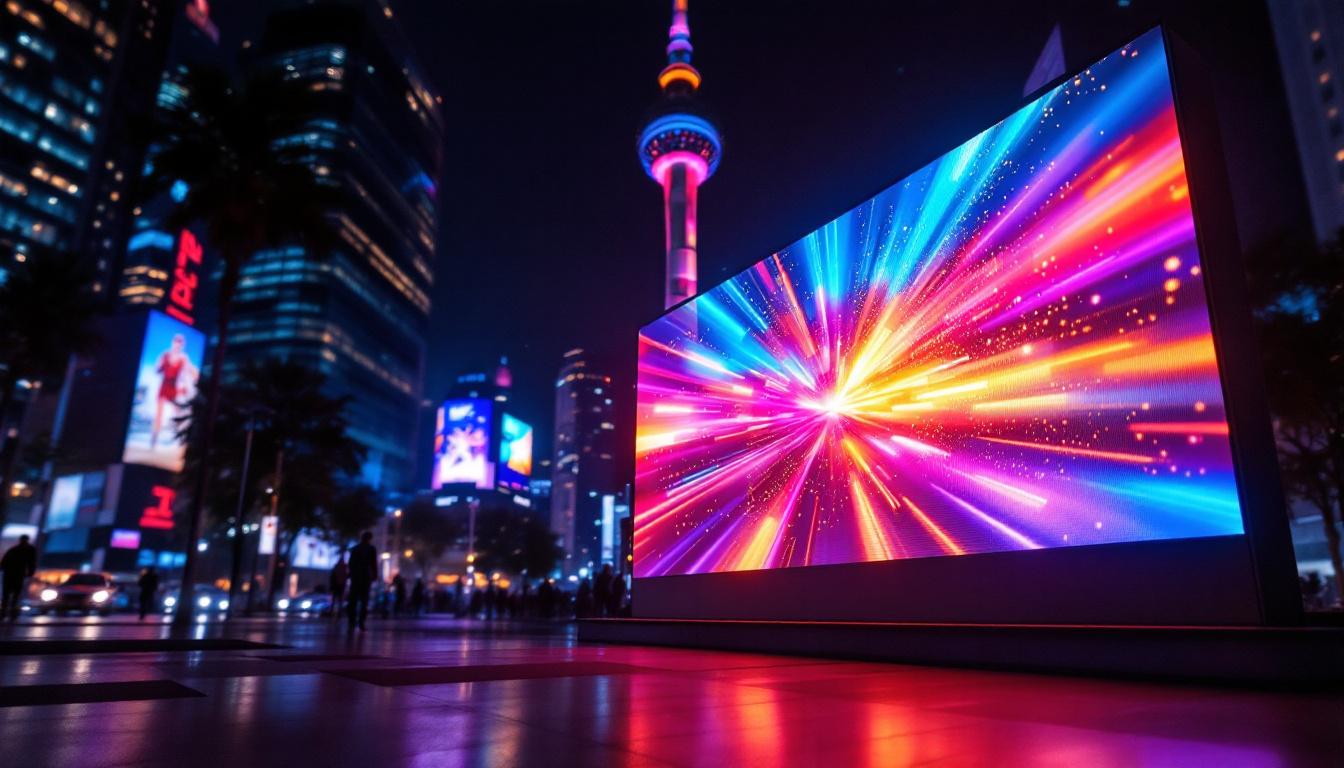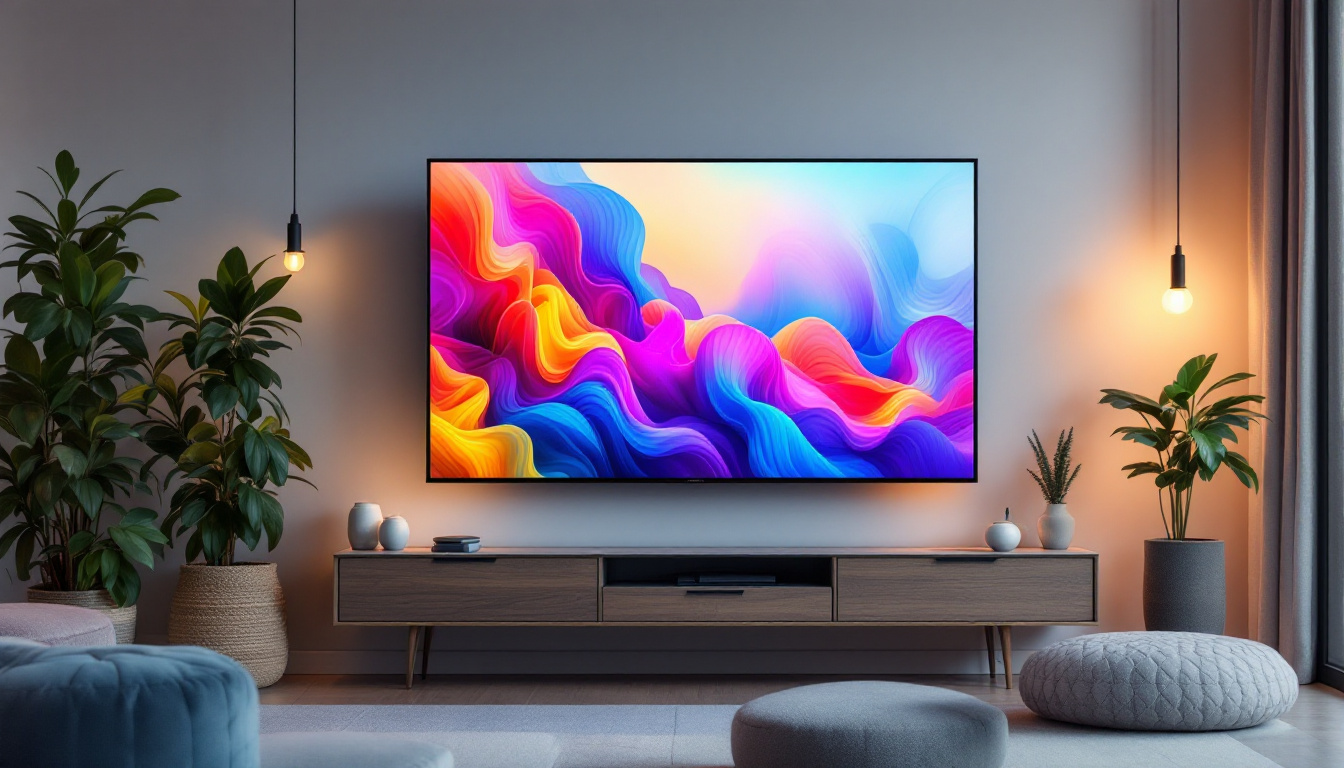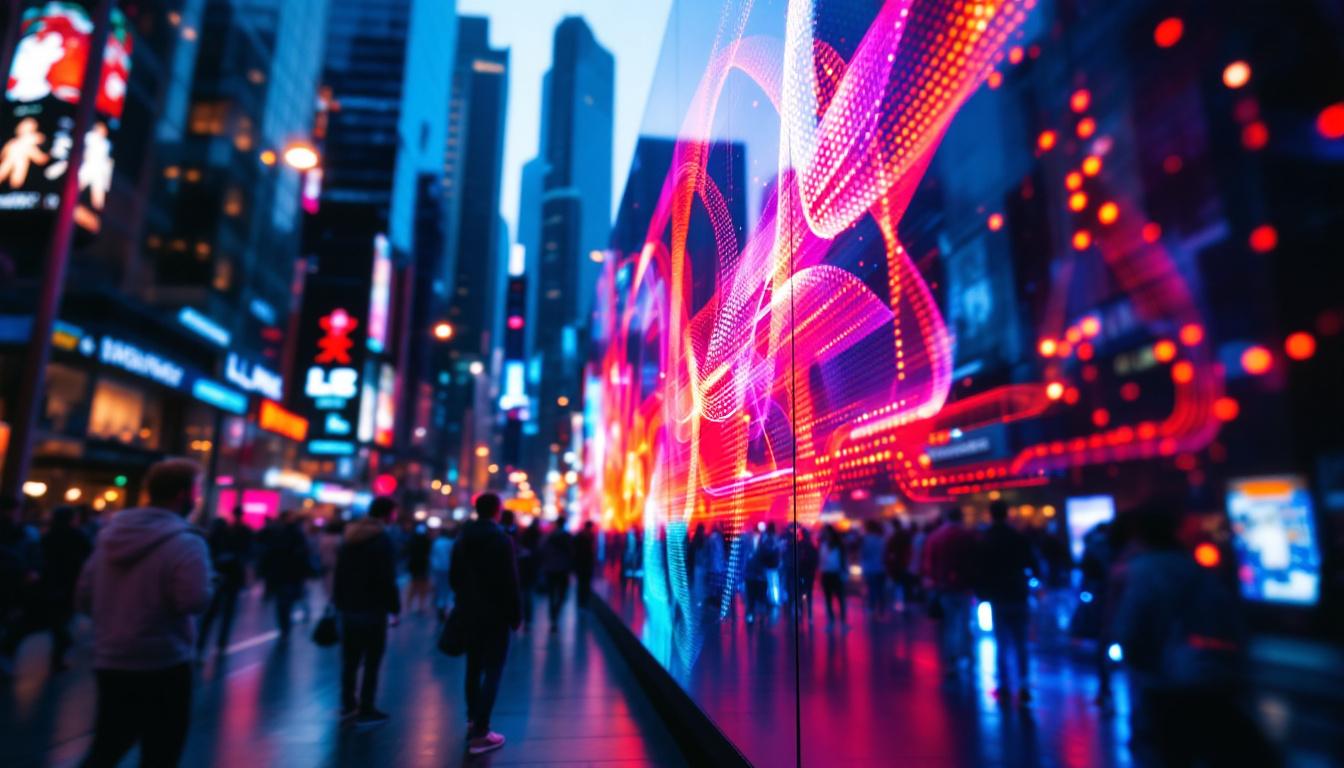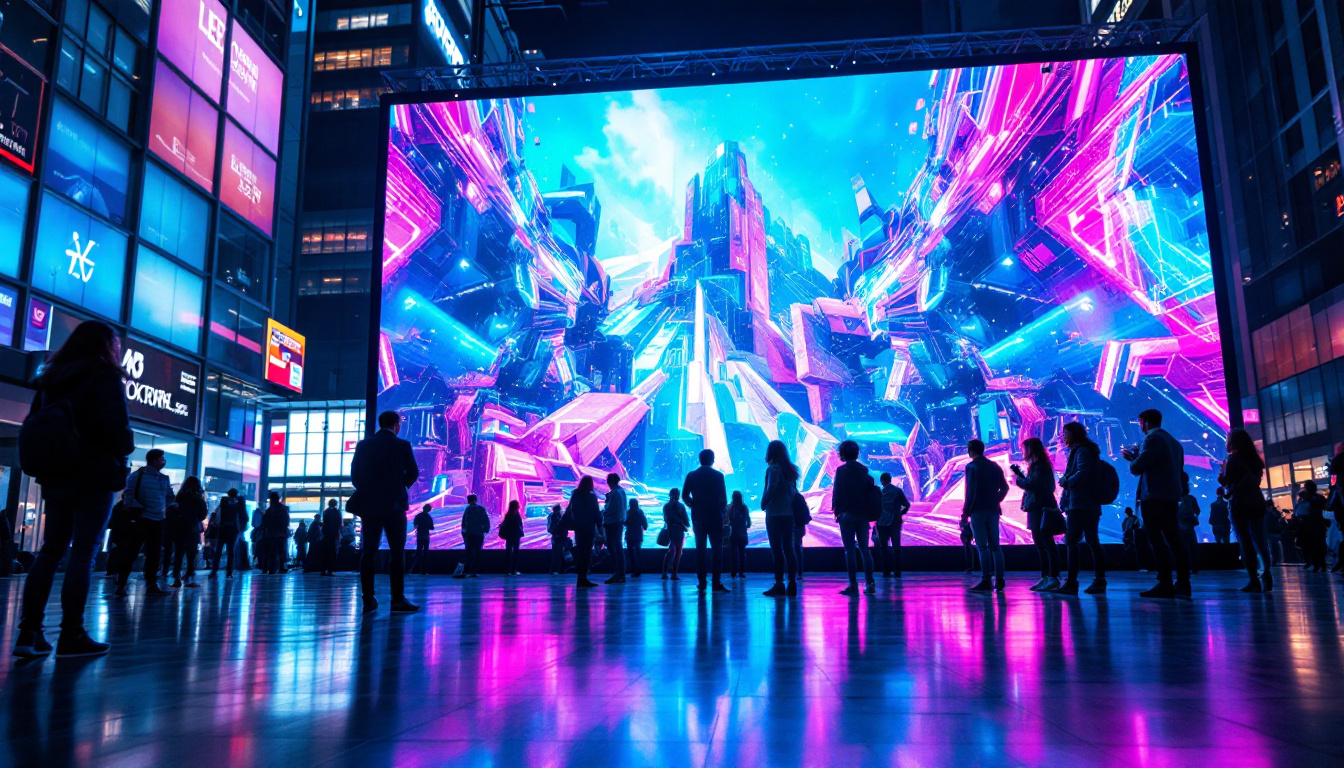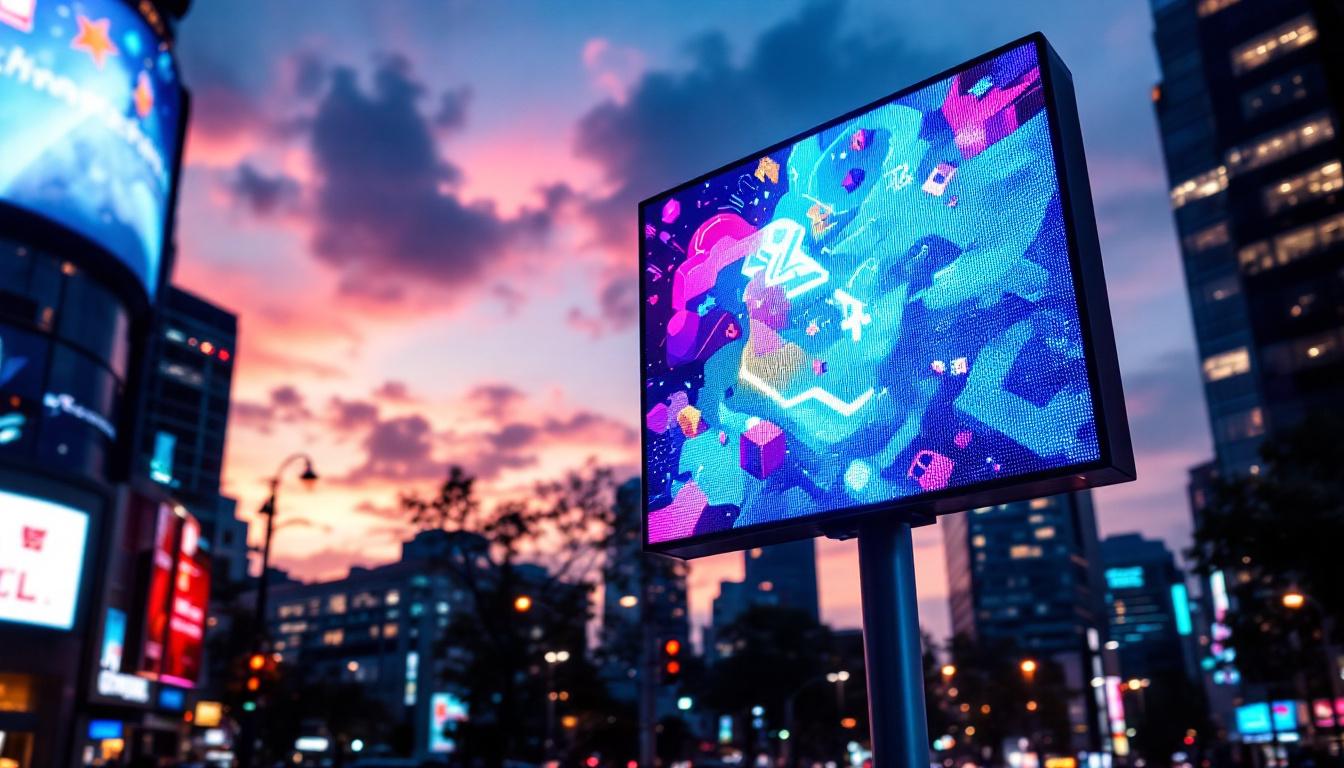
In today’s fast-paced world, communication needs to be instant, clear, and adaptable. Programmable digital signs, particularly those utilizing LED display technology, have revolutionized the way businesses, public spaces, and events share information. From vibrant advertising billboards to dynamic transportation schedules, LED displays offer unmatched versatility and visibility. This article delves into the fundamentals of programmable digital signs, explains how LED displays work, explores their applications, and highlights why they have become indispensable in modern visual communication.
Understanding Programmable Digital Signs
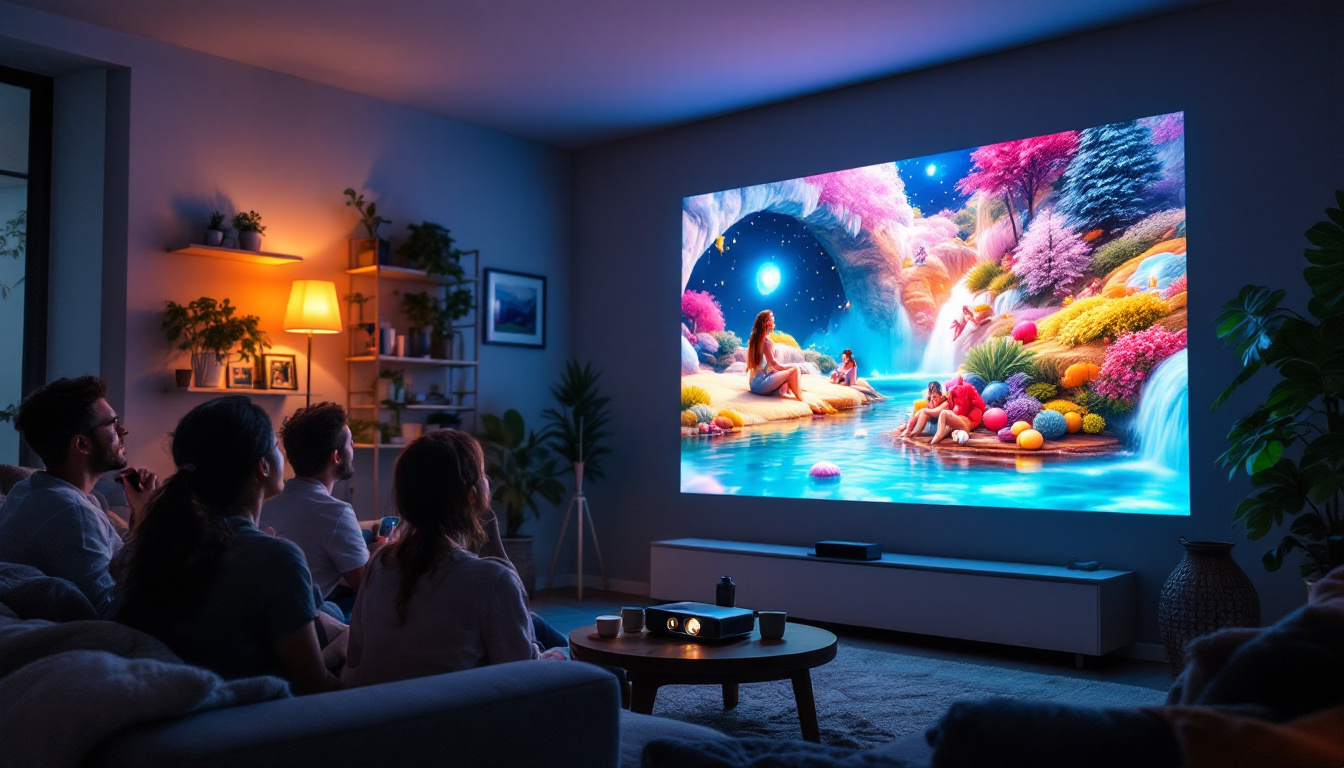
Programmable digital signs are electronic display systems that can be customized and updated remotely to show various types of content, including text, images, videos, and animations. Unlike static signs, these digital signs provide dynamic messaging capabilities, enabling real-time updates and interactive features. This adaptability makes them an essential tool for businesses looking to engage their audience in a more impactful way, whether through promotional messages, informative content, or interactive experiences.
At the core of programmable digital signs lies the ability to control the content through software interfaces. This means businesses and organizations can tailor messages based on time of day, audience demographics, or specific events, ensuring the right message reaches the right people at the right time. For instance, a restaurant can display breakfast specials in the morning and switch to dinner promotions in the evening, optimizing customer engagement and driving sales throughout the day.
What Makes a Digital Sign Programmable?
The programmability of digital signs stems from embedded microprocessors and communication modules that connect the display to a content management system (CMS). Users can schedule content, adjust brightness, change colors, and even integrate live data feeds such as weather updates or social media streams. This level of customization allows for a more personalized experience, as businesses can respond to current events or trends in real-time, making their messaging more relevant and timely.
Modern digital signs often support cloud-based platforms, allowing content managers to update displays from anywhere in the world using internet-connected devices. This flexibility is particularly valuable for businesses with multiple locations or for public transit authorities managing numerous signs across a city. Additionally, many digital signage solutions now incorporate advanced analytics, enabling organizations to track viewer engagement and optimize content based on performance metrics. By analyzing data such as foot traffic and viewer interactions, businesses can refine their messaging strategies to maximize impact and improve return on investment.
How LED Displays Work
Light Emitting Diode (LED) technology is the backbone of most programmable digital signs. LEDs are semiconductor devices that emit light when an electric current passes through them. Their efficiency, brightness, and longevity make them ideal for digital signage applications.
Components of an LED Display
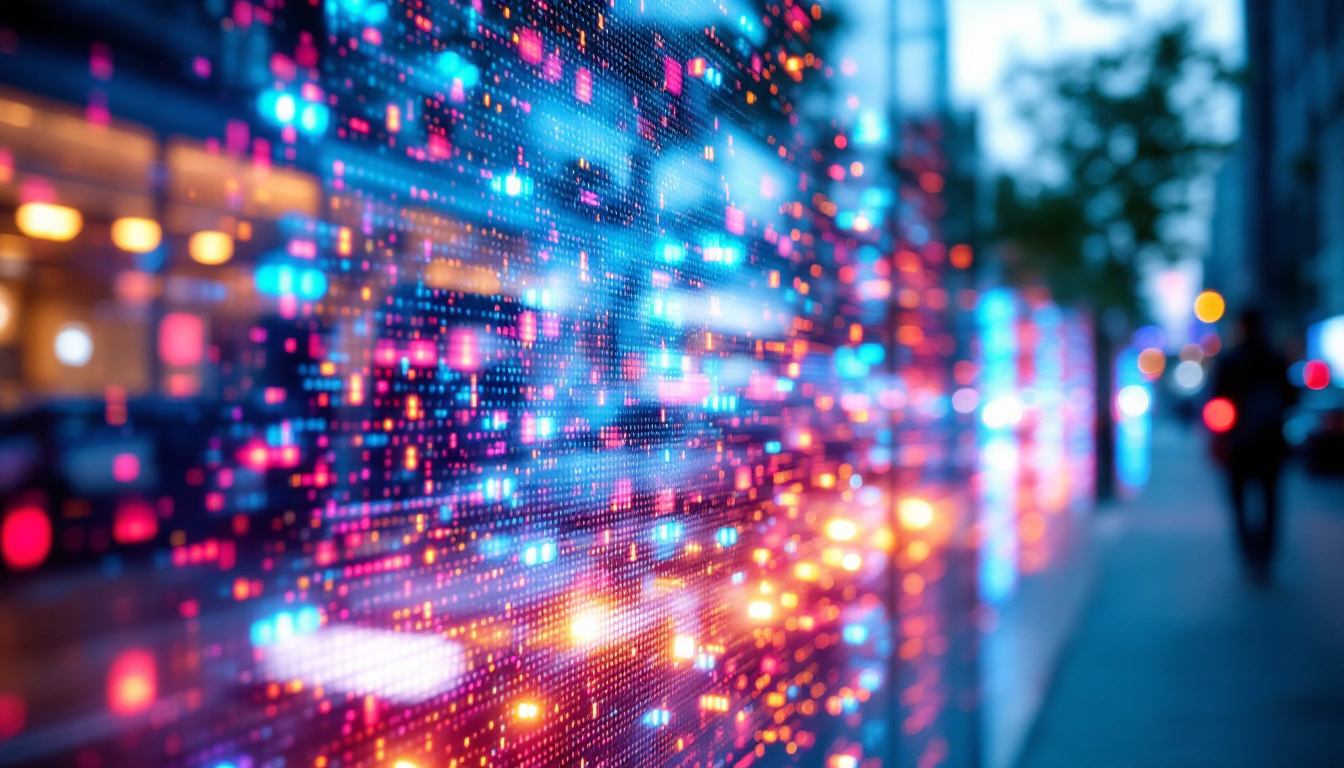
An LED display consists of thousands of tiny LEDs arranged in a grid, commonly referred to as pixels. Each pixel can be a single LED or a cluster of red, green, and blue (RGB) LEDs that combine to produce a full spectrum of colors.
The resolution of an LED display depends on the pixel pitch, which is the distance between the centers of two adjacent pixels. A smaller pixel pitch means higher resolution and sharper images, which is essential for close-up viewing, such as indoor displays. Conversely, larger pixel pitches are suitable for outdoor billboards where viewers are farther away.
In addition to pixel pitch, the configuration of the LEDs plays a crucial role in the overall performance of the display. For instance, some displays utilize a technique called “pixel sharing,” where a single LED can serve multiple pixels, enhancing color depth and reducing power consumption. This innovative approach allows for more vibrant images while maintaining energy efficiency, making it an attractive option for businesses looking to maximize their visual impact without incurring high operational costs.
Brightness and Visibility
One of the key advantages of LED displays is their superior brightness compared to other display technologies like LCD or projection. LEDs can produce intense light, making them easily visible even in direct sunlight. Typical outdoor LED displays have brightness levels ranging from 5,000 to 10,000 nits, while indoor displays usually operate at 800 to 1,200 nits.
Additionally, LED displays offer wide viewing angles, ensuring that content is visible from multiple directions without significant color distortion or brightness loss. This feature is critical for public spaces where audiences may be spread across different vantage points. The incorporation of advanced optical technologies, such as anti-glare coatings and diffusers, further enhances visibility, allowing for clear and crisp images even under challenging lighting conditions. These enhancements are particularly beneficial in environments like sports arenas or concert venues, where large crowds gather and need to view the display from various angles.
Energy Efficiency and Durability
LEDs consume significantly less power than traditional incandescent or fluorescent lighting, contributing to lower operational costs. Their long lifespan, often exceeding 50,000 hours, reduces maintenance frequency and expenses.
Moreover, LED displays are designed to withstand harsh environmental conditions, including rain, dust, and temperature fluctuations. This durability makes them suitable for outdoor installations in diverse climates. The robust construction often includes weatherproof enclosures and protective coatings that guard against UV rays and moisture, ensuring that the displays remain operational and visually appealing over time. Furthermore, many manufacturers are now incorporating smart technology into LED displays, allowing for real-time monitoring of performance and environmental conditions. This capability not only helps in maintaining optimal functionality but also aids in predictive maintenance, thereby extending the lifespan of the display even further.
Applications of Programmable LED Digital Signs
Programmable LED digital signs have found widespread adoption across various industries due to their adaptability and impact. Below are some prominent use cases that illustrate their value.
Retail and Advertising
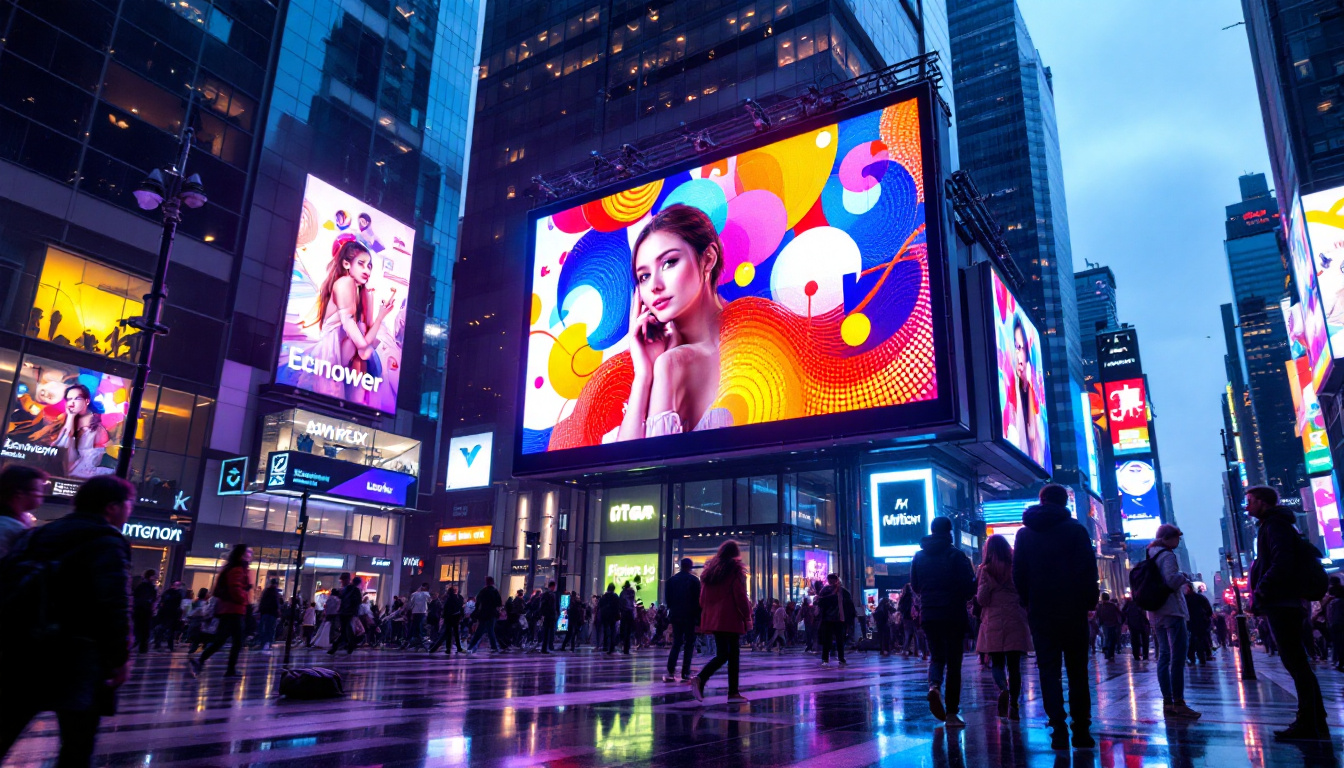
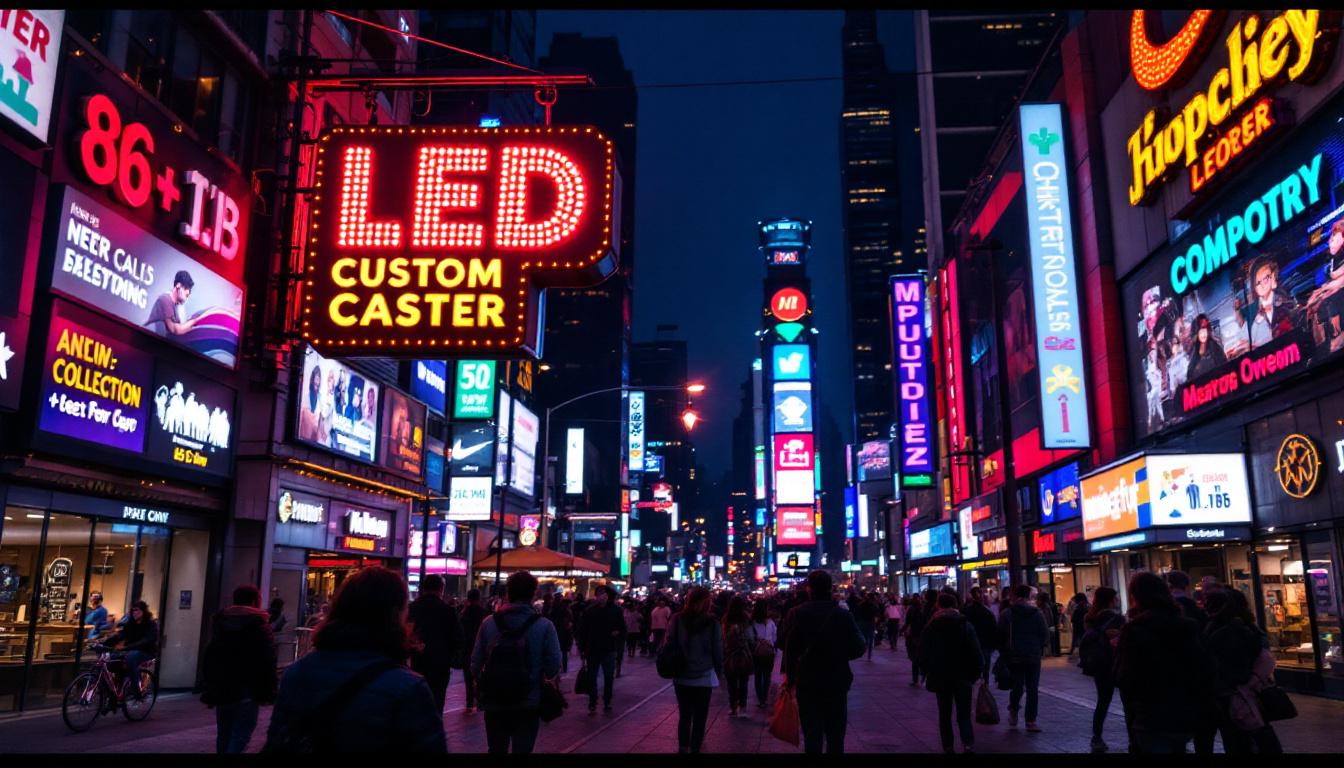
Retailers leverage LED digital signs to attract customers with eye-catching promotions and dynamic advertisements. Unlike static posters, programmable signs can rotate multiple offers, update pricing in real-time, and even display interactive content such as QR codes for instant engagement.
According to a study by the Digital Signage Federation, digital signage in retail environments can increase sales by up to 31.8%, highlighting the effectiveness of dynamic visual communication in influencing consumer behavior.
Transportation and Public Information
Airports, train stations, and bus terminals use programmable LED signs to provide travelers with real-time updates on arrivals, departures, delays, and gate changes. These signs improve passenger experience by reducing uncertainty and enabling efficient navigation.
In urban environments, LED displays are integrated into smart city initiatives, showing traffic conditions, emergency alerts, and public service announcements. Their ability to quickly disseminate critical information can enhance safety and operational efficiency.
Events and Entertainment
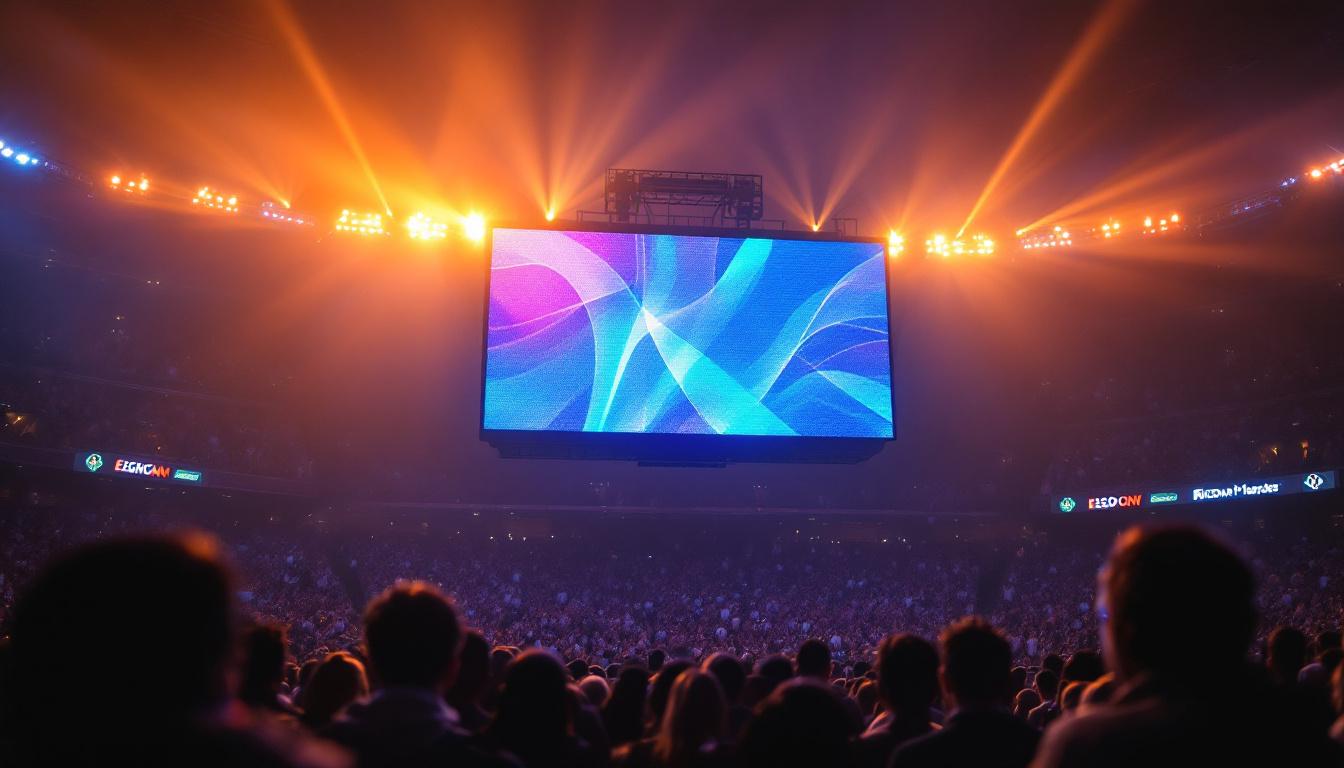
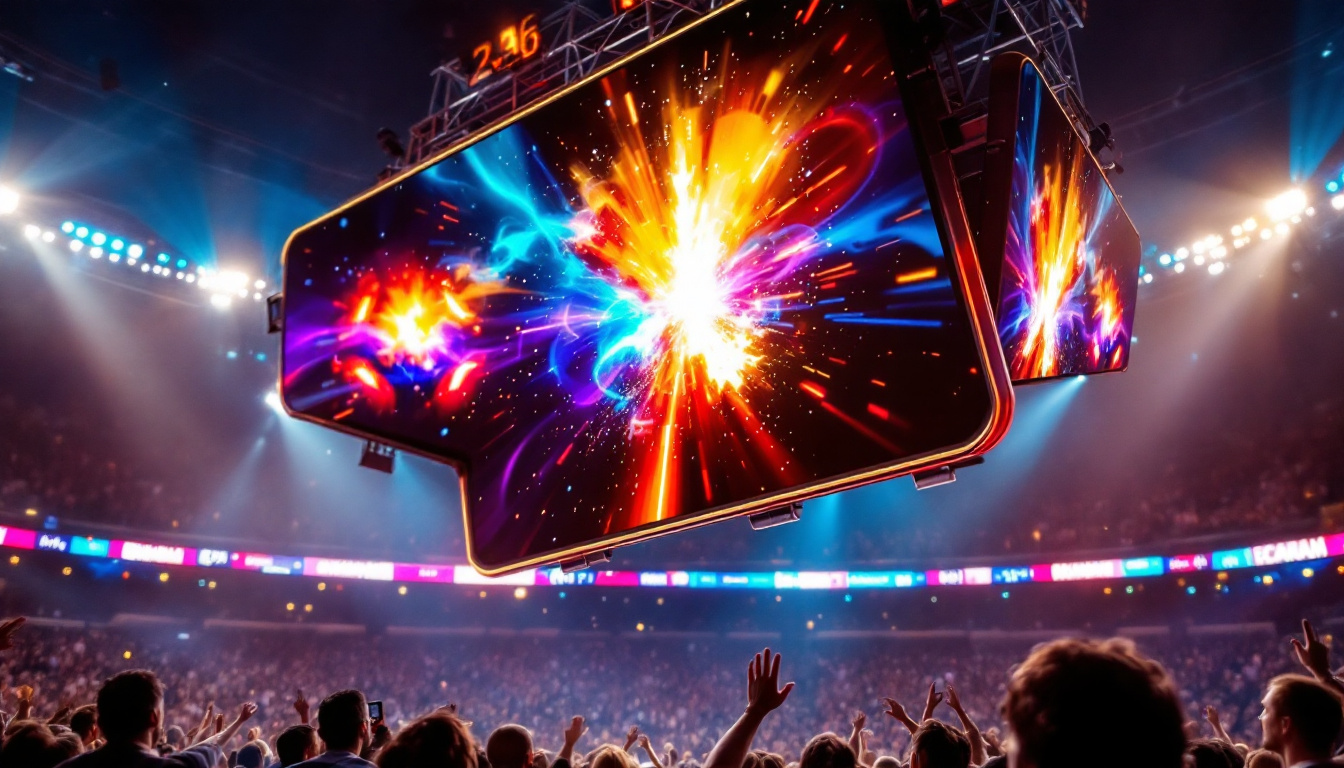
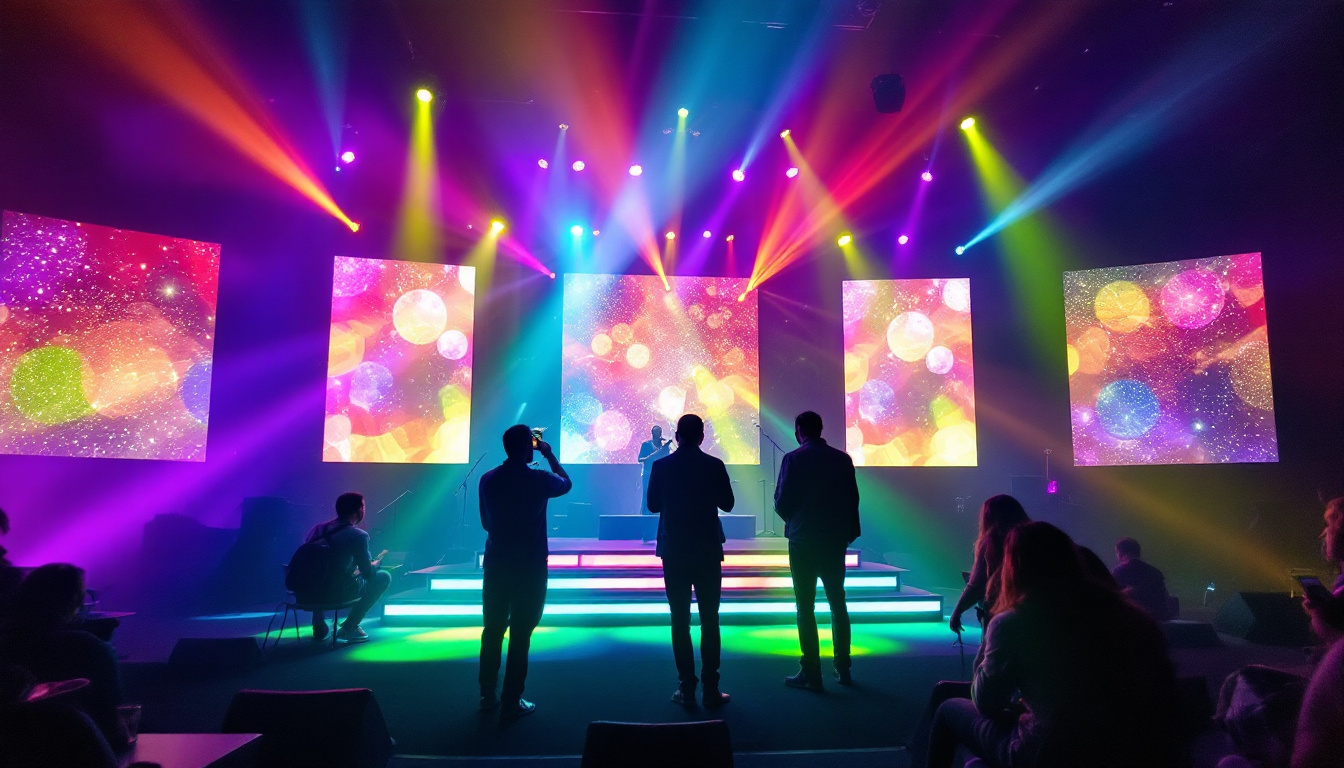
Concerts, sports arenas, and conferences utilize LED displays to engage audiences through live feeds, scoreboards, schedules, and sponsor advertisements. The large-scale, high-resolution capabilities of LED signs create immersive experiences that captivate attendees.
Programmable content also allows event organizers to tailor messaging dynamically, adapting to the flow of the event and audience reactions.
Corporate and Educational Settings
Businesses employ LED digital signs for internal communications, such as displaying announcements, performance metrics, and motivational messages. Educational institutions use them to broadcast schedules, emergency alerts, and event information across campuses.
The ability to update content remotely ensures timely and relevant communication, fostering a connected organizational culture.
Key Considerations When Choosing an LED Digital Sign
Selecting the right programmable LED digital sign involves evaluating several factors to ensure it meets the specific needs of the intended application.
Resolution and Pixel Pitch
Determining the appropriate resolution depends on the viewing distance and content type. For example, a retail store window display viewed up close requires a finer pixel pitch (e.g., 2-4 mm) for clear images, while a highway billboard can have a larger pitch (e.g., 10-20 mm) without compromising legibility.
Brightness and Environmental Suitability
Outdoor signs need higher brightness levels and weatherproof enclosures to maintain visibility and durability. Indoor signs prioritize color accuracy and lower brightness to avoid glare.
Content Management System (CMS)
The ease of programming and updating content depends heavily on the CMS. User-friendly interfaces, scheduling capabilities, and compatibility with various media formats enhance operational efficiency. Additionally, features like remote access and integration with data sources add value.
Power Consumption and Maintenance
Energy efficiency impacts long-term costs, so choosing LED modules with low power requirements is beneficial. Also, consider the availability of technical support and ease of replacing components to minimize downtime.
The Future of Programmable LED Digital Signs
As technology advances, programmable LED digital signs continue to evolve, incorporating innovations that expand their functionality and impact.
Integration with Artificial Intelligence and IoT
Emerging trends include integrating LED displays with artificial intelligence (AI) and Internet of Things (IoT) devices. AI can analyze audience demographics and behaviors to tailor content in real-time, increasing engagement and effectiveness.
IoT connectivity enables signs to interact with other smart devices, such as sensors that adjust brightness based on ambient light or cameras that trigger specific messages when certain conditions are met.
Higher Resolution and Flexible Displays
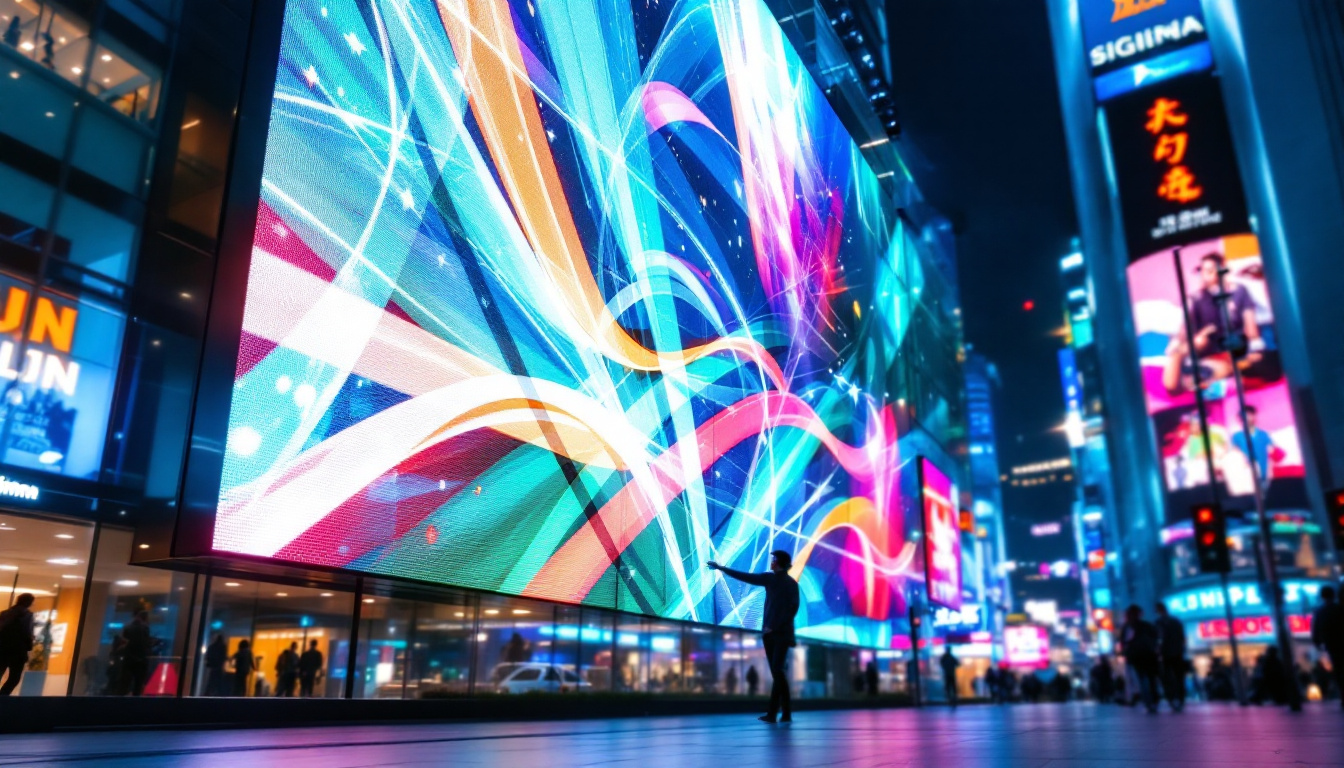
Advancements in micro-LED and mini-LED technologies are pushing the boundaries of resolution and color fidelity, making digital signs more vibrant and lifelike. Flexible and transparent LED displays are also gaining traction, allowing for innovative installations on curved surfaces or glass facades.
Sustainability and Energy Innovations
With growing emphasis on sustainability, manufacturers are developing LED modules with even lower power consumption and recyclable materials. Solar-powered digital signs and energy harvesting technologies are being explored to reduce environmental impact further.
Conclusion
Programmable digital signs using LED display technology have transformed visual communication by offering bright, durable, and highly customizable solutions. Their ability to deliver dynamic content tailored to diverse audiences makes them invaluable across retail, transportation, events, corporate, and public sectors.
Understanding the technical aspects of LED displays, such as pixel pitch, brightness, and content management, empowers organizations to select the right signage solutions that maximize engagement and return on investment. As innovations continue to emerge, programmable LED digital signs will remain at the forefront of effective, modern communication strategies.
Discover LumenMatrix’s Innovative LED Solutions
Ready to elevate your visual communication with cutting-edge LED technology? LumenMatrix offers a comprehensive range of LED display solutions, from vibrant Indoor and Outdoor LED Wall Displays to dynamic Vehicle LED Displays and beyond. Whether you’re looking to captivate with an LED Sports Display, engage with a Floor LED Display, or innovate with a Custom LED Display, LumenMatrix has the expertise to bring your vision to life. Embrace the future of digital signage with our All-in-One and Transparent LED Displays, designed to deliver unparalleled engagement and clarity. Check out LumenMatrix LED Display Solutions today and transform your space into a mesmerizing visual experience.