In today’s fast-paced digital world, LED displays have become a cornerstone of visual communication. From vibrant billboards lighting up cityscapes to sleek monitors enhancing workstations, LED technology continues to evolve and shape how information is presented and consumed. This article delves into the intricacies of LED displays, exploring their technology, applications, advantages, and future trends to provide a comprehensive understanding of why they remain a dominant choice in the display industry.
Understanding LED Display Technology
What is an LED Display?
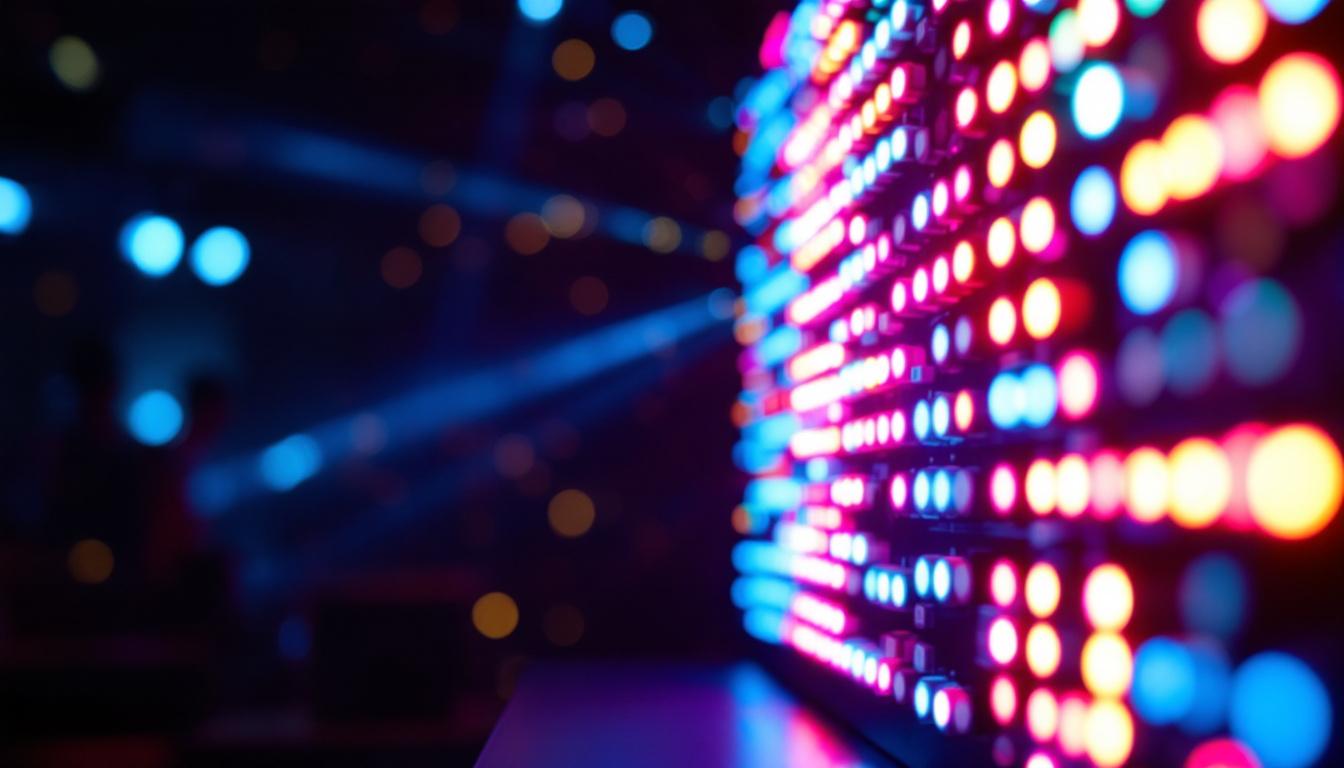
LED stands for Light Emitting Diode, a semiconductor device that emits light when an electric current passes through it. An LED display is a flat panel display that uses arrays of these tiny LEDs as pixels to create images, videos, or text. Unlike traditional LCDs that rely on backlighting, LED displays use these diodes as both the light source and the pixel itself, resulting in brighter and more vivid visuals.
LED displays can be categorized into two main types: direct-view LED displays and LED-backlit LCDs. Direct-view LED displays consist of individual LEDs arranged in a matrix to form the image directly visible to the viewer. These are commonly used in large outdoor screens and digital signage. LED-backlit LCDs, on the other hand, use LEDs as a backlight behind an LCD panel, enhancing brightness and energy efficiency compared to older fluorescent backlights. The versatility of LED technology has led to its widespread adoption in various applications, from billboards and sports arenas to television screens and mobile devices, making it a cornerstone of modern visual technology.
How Do LED Displays Work?
Each LED in a display emits light in a specific color, typically red, green, or blue (RGB). By adjusting the brightness of these three colors at each pixel, a full spectrum of colors can be produced through additive color mixing. This process allows LED displays to render images with high color accuracy and contrast. The ability to produce deep blacks and bright whites simultaneously gives LED displays a significant advantage over traditional display technologies, contributing to a more immersive viewing experience.
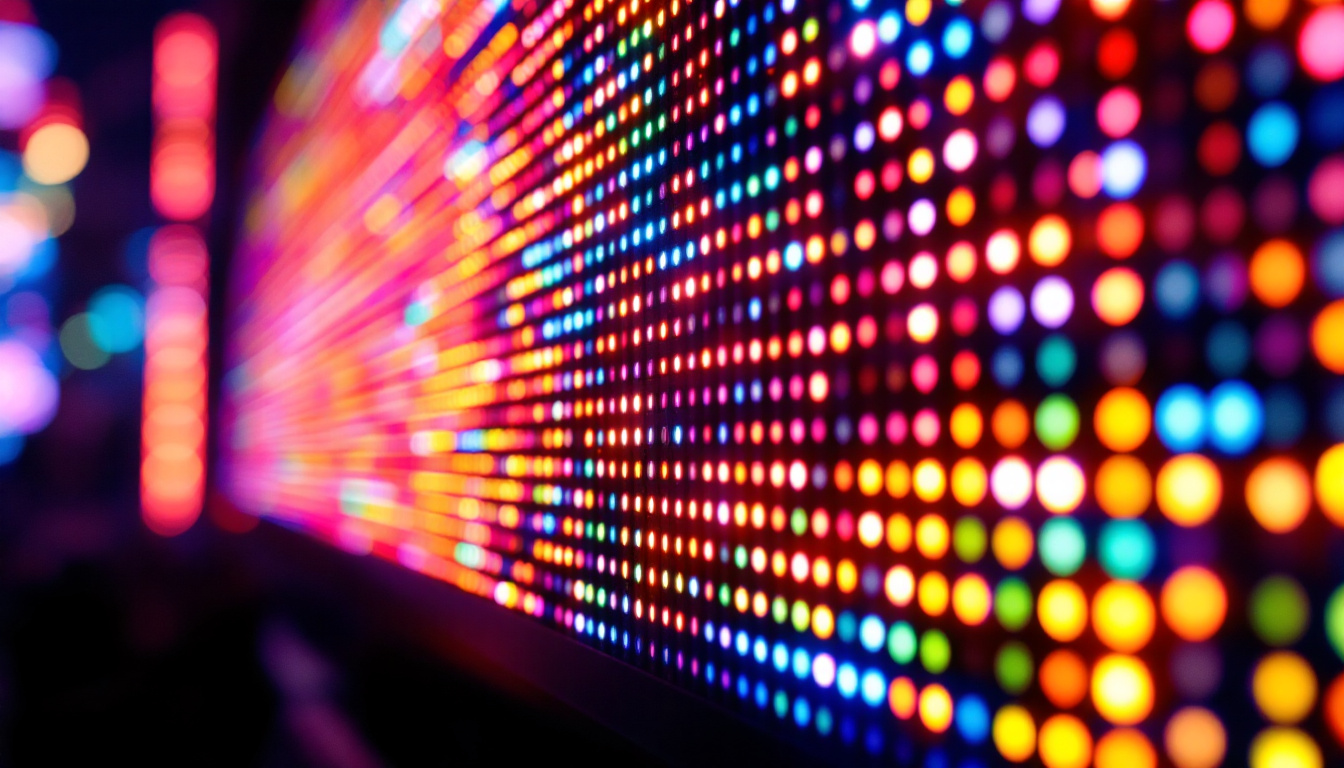
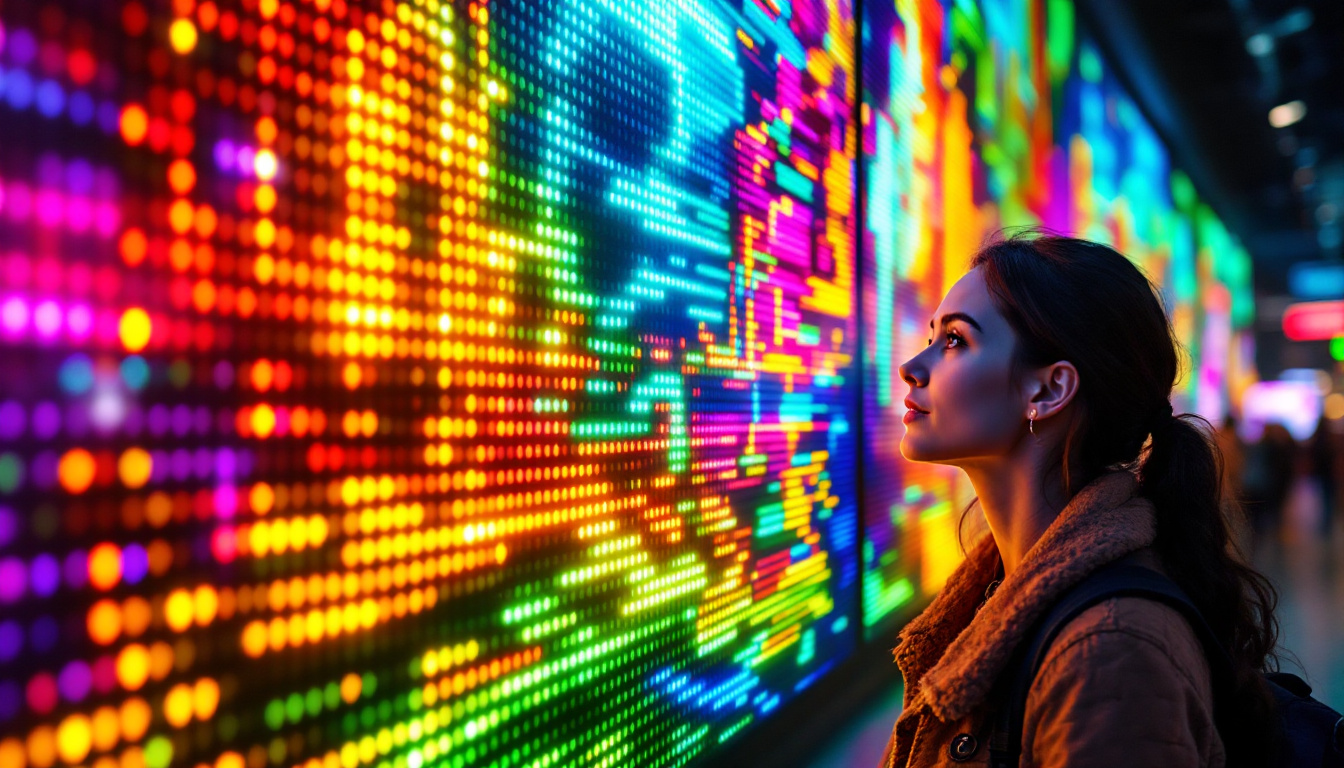
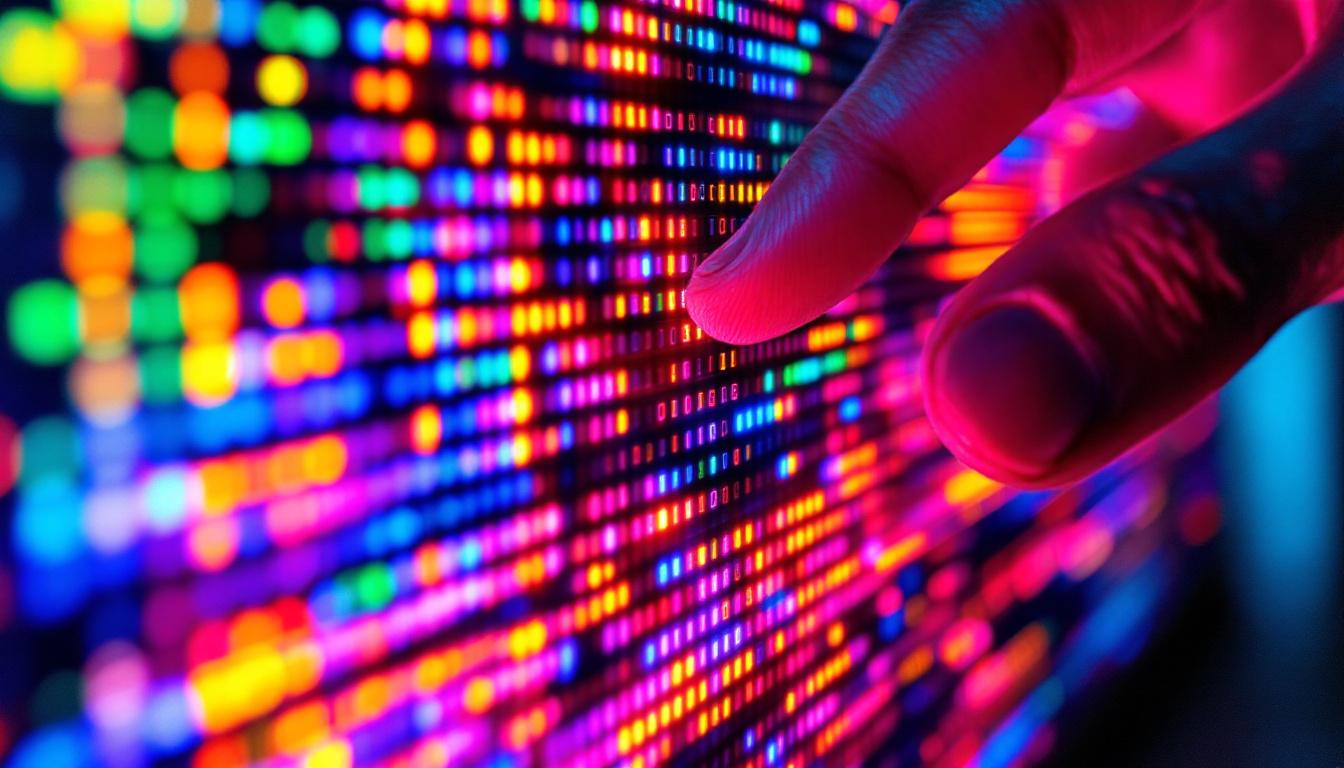
In direct-view LED displays, clusters of these RGB LEDs form pixels that combine to create the overall image. The density of these pixels, referred to as pixel pitch, determines the resolution and clarity of the display. A smaller pixel pitch means more LEDs per unit area, resulting in sharper images, which is particularly important for close-viewing applications like indoor screens. Moreover, advancements in LED technology have led to the development of microLED displays, which utilize even smaller LEDs to create ultra-high-definition visuals with improved energy efficiency and longevity. This innovation is paving the way for next-generation displays that promise to revolutionize how we experience digital content, from gaming to cinematic presentations.
Applications of LED Displays
Outdoor Advertising and Digital Billboards
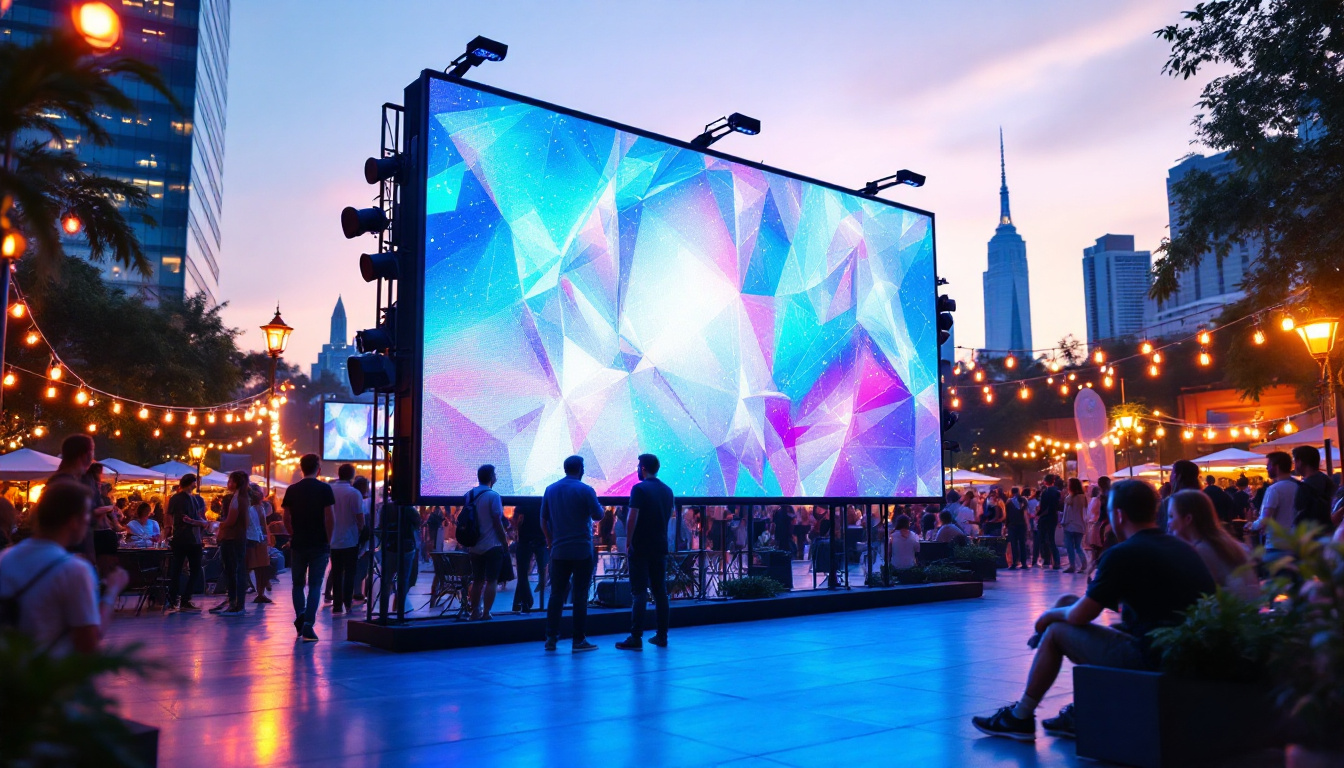
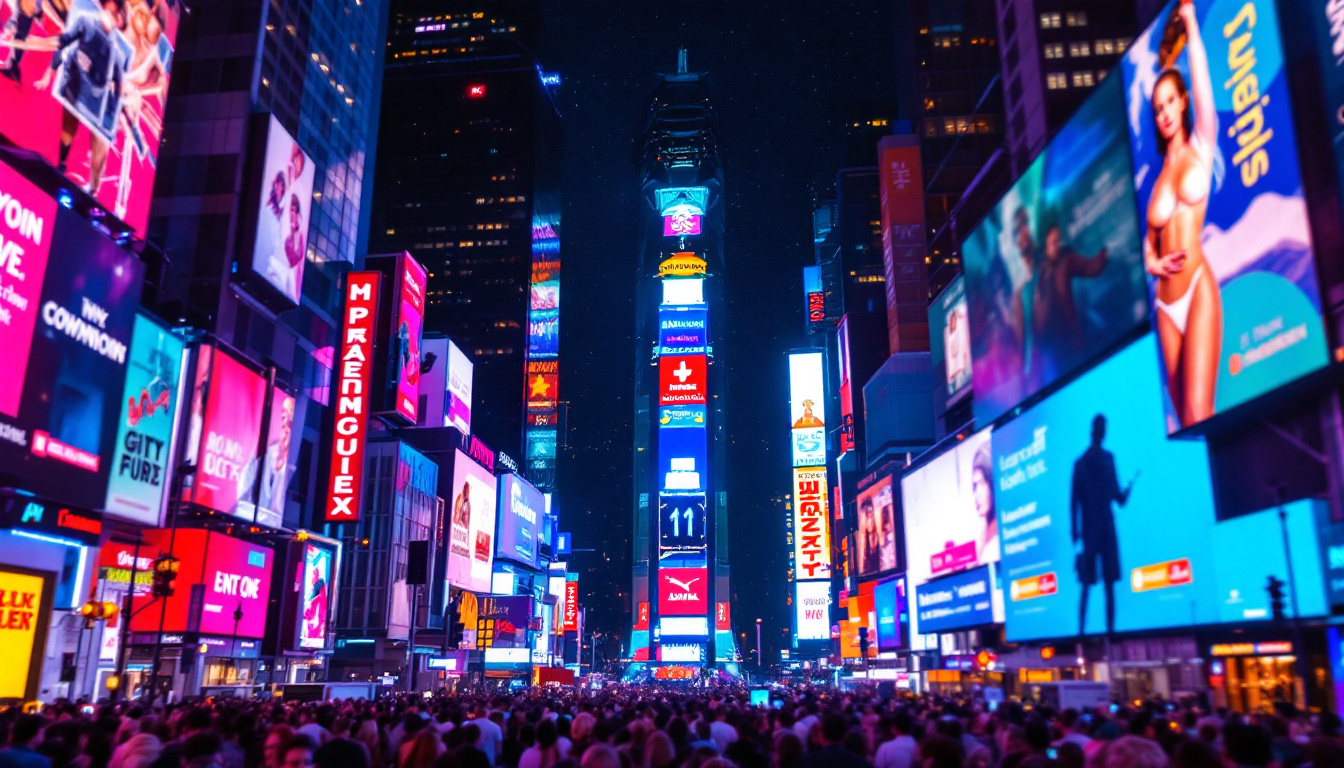
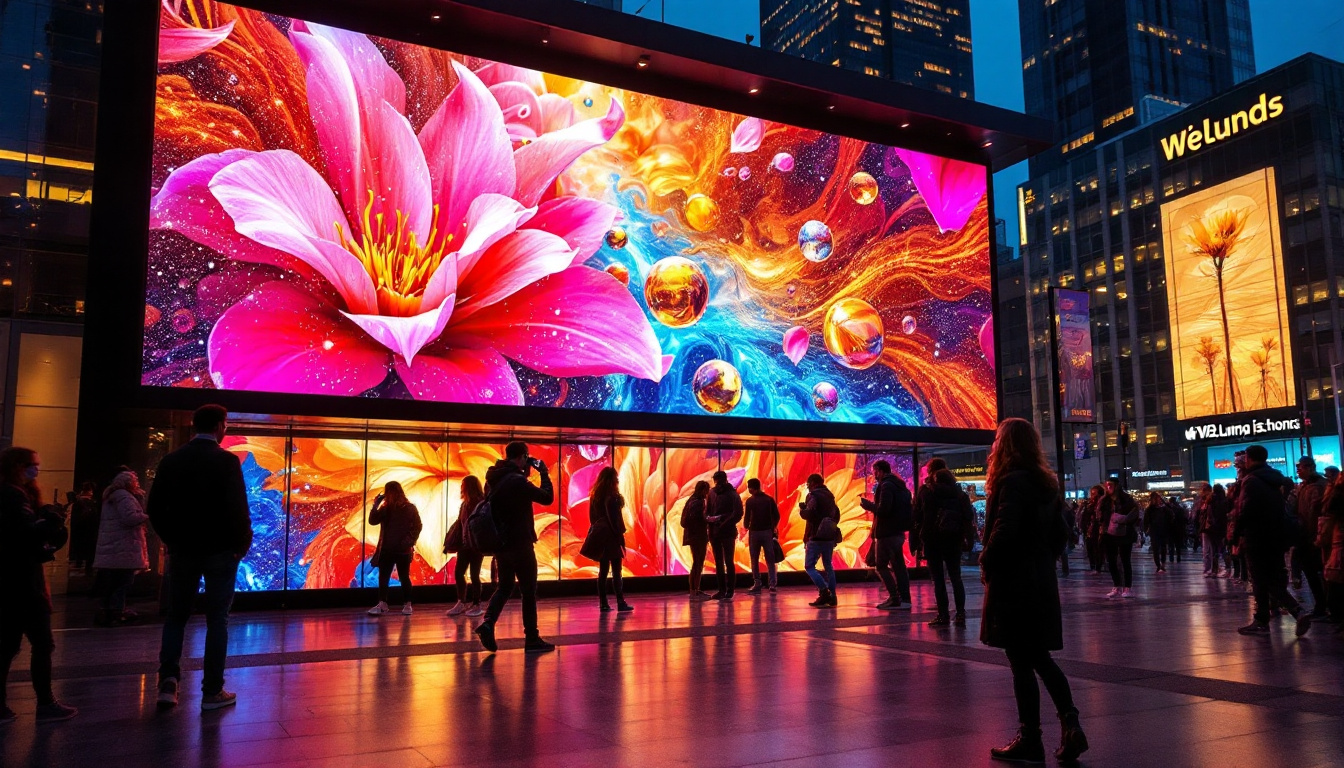
One of the most visible uses of LED displays is in outdoor advertising. LED billboards have revolutionized the marketing landscape by offering dynamic, eye-catching visuals that can be updated remotely and instantly. According to a 2023 report by the Digital Signage Federation, LED billboards have increased advertising effectiveness by up to 30% compared to traditional static billboards, thanks to their brightness and motion capabilities.
These displays are designed to withstand harsh weather conditions and maintain visibility even under direct sunlight, making them ideal for highways, city centers, and stadiums. The ability to schedule content and tailor advertisements to specific times of day or events adds to their appeal for marketers. Moreover, the integration of sensors and data analytics allows advertisers to optimize their campaigns based on real-time audience engagement, ensuring that the right message reaches the right people at the right time. This level of interactivity not only maximizes the impact of the advertisement but also allows for a more personalized experience for viewers, fostering a deeper connection with the brand.
Indoor Displays: Retail, Corporate, and Entertainment
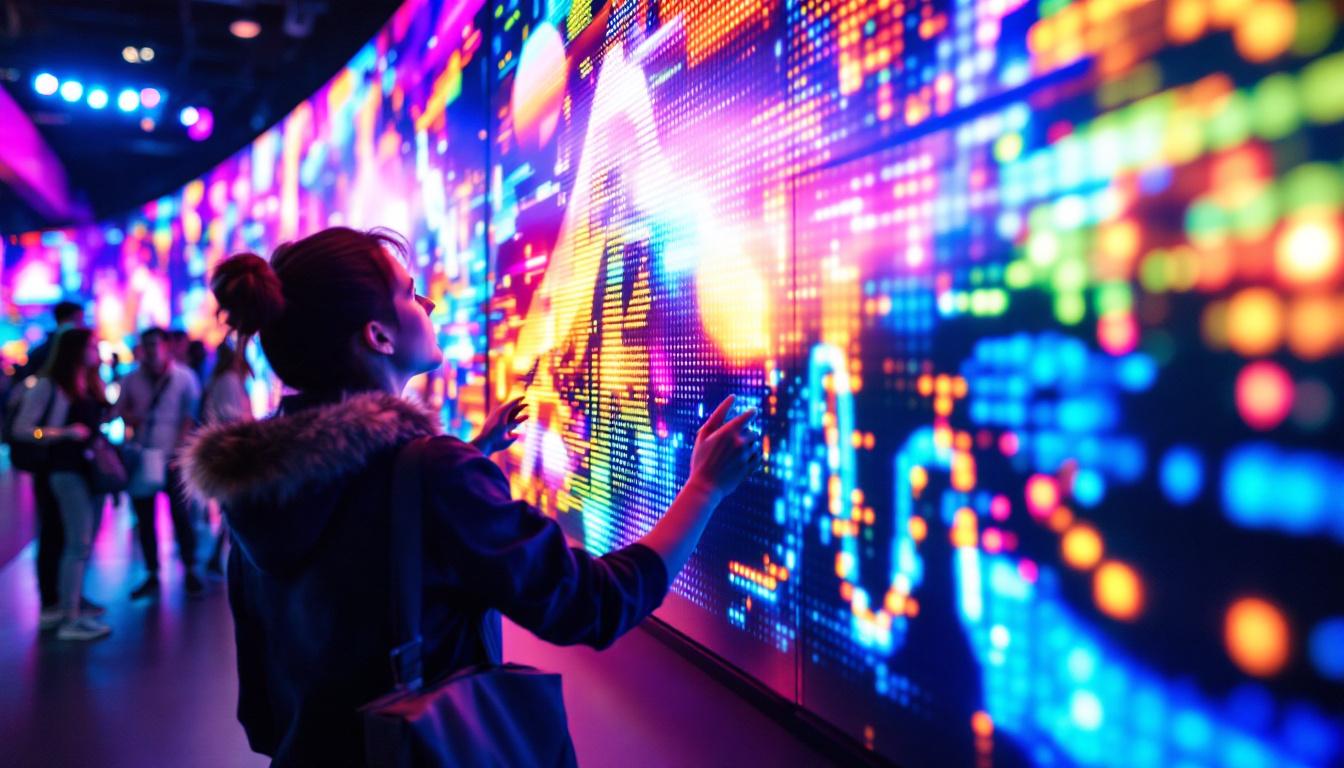
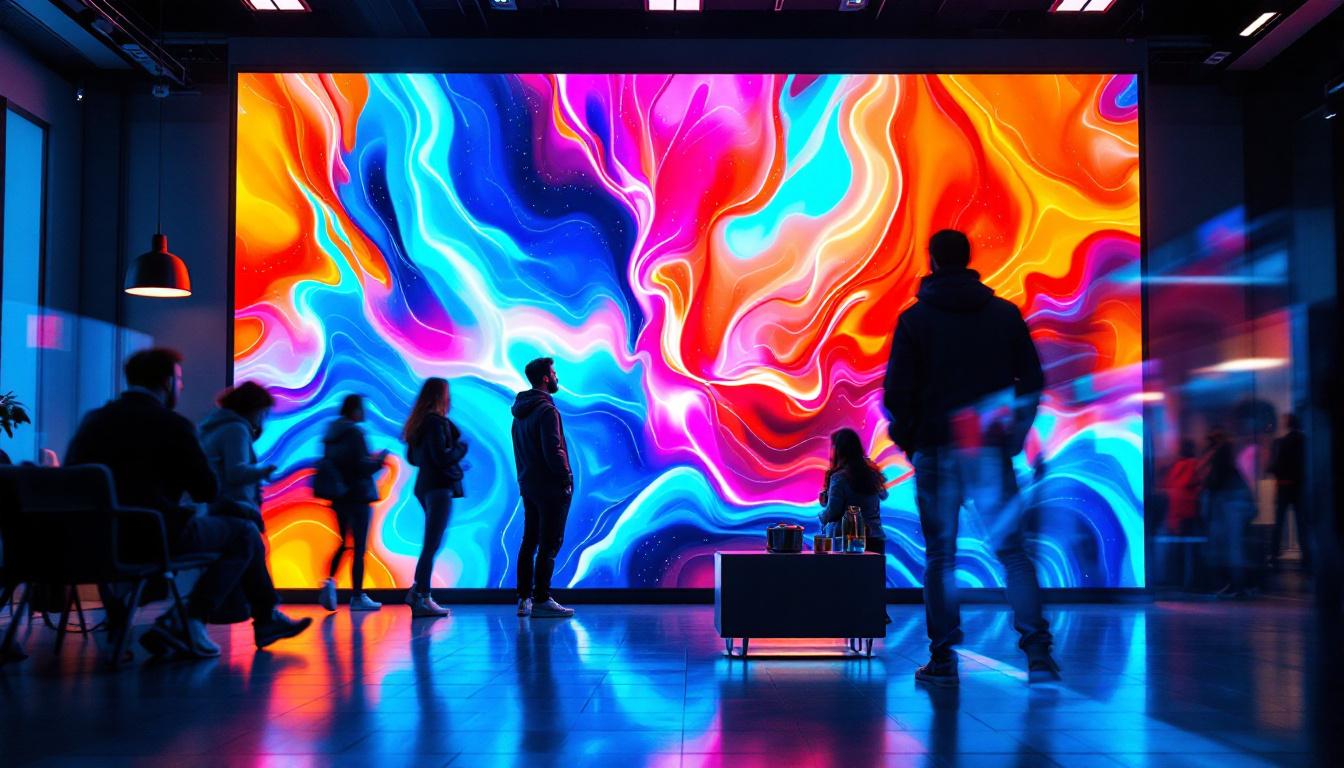
Indoor LED displays are widely used in retail environments to enhance customer engagement through interactive and vibrant content. Stores utilize LED walls to showcase promotions, product demos, and brand stories, creating immersive shopping experiences. Corporate offices employ LED screens for presentations, video conferencing, and digital signage to improve communication and brand presence. The versatility of indoor displays also extends to their ability to create thematic environments; for instance, a clothing store might use LED screens to project seasonal visuals that resonate with the latest fashion trends, effectively drawing customers into a curated shopping experience.
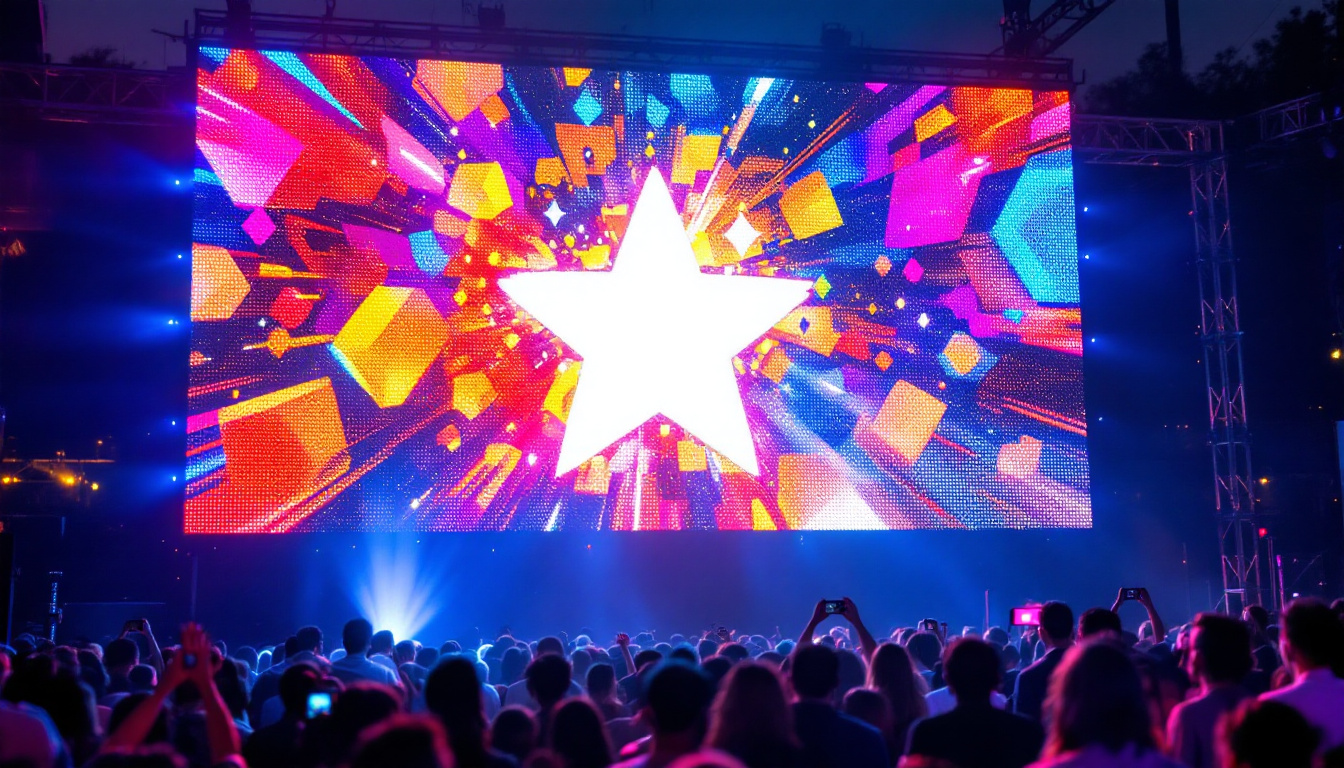
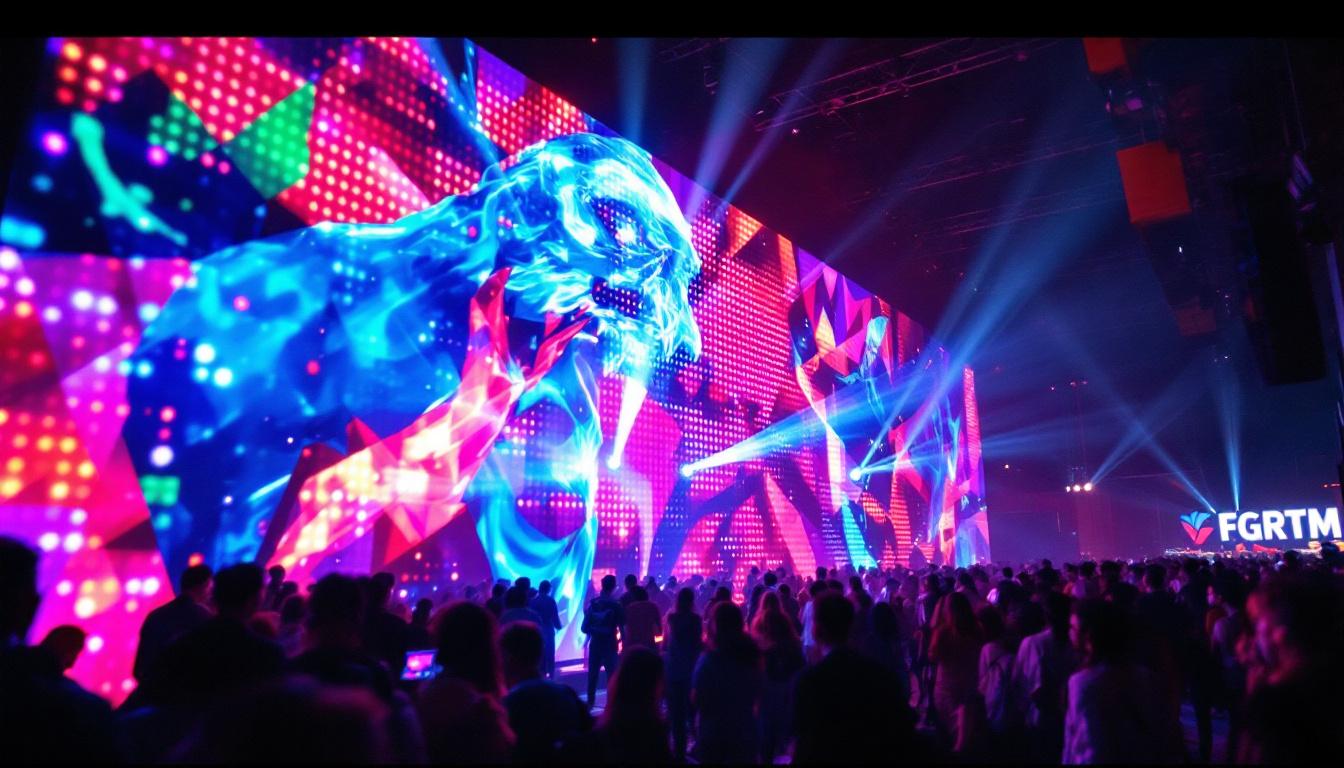
In entertainment venues such as concert halls and sports arenas, large-scale LED screens provide high-definition visuals that enhance the audience experience. The flexibility of LED panels allows for creative configurations, including curved and transparent displays, which are increasingly popular in modern architectural designs. Additionally, the integration of augmented reality (AR) with LED technology is paving the way for innovative performances and events, where live-action can be blended seamlessly with digital graphics, captivating audiences in ways that were previously unimaginable. This fusion of technology and creativity not only elevates the entertainment value but also opens new avenues for storytelling and audience interaction.
Monitors and Televisions
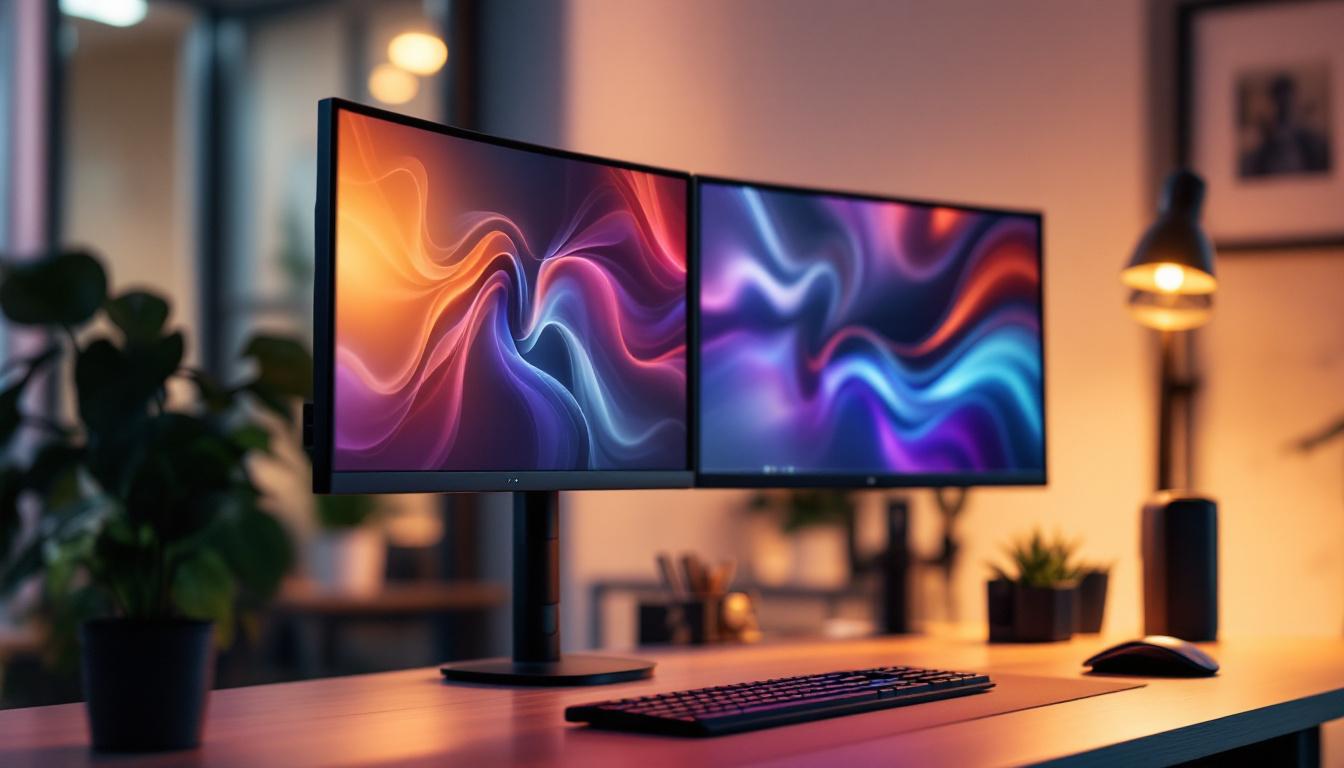
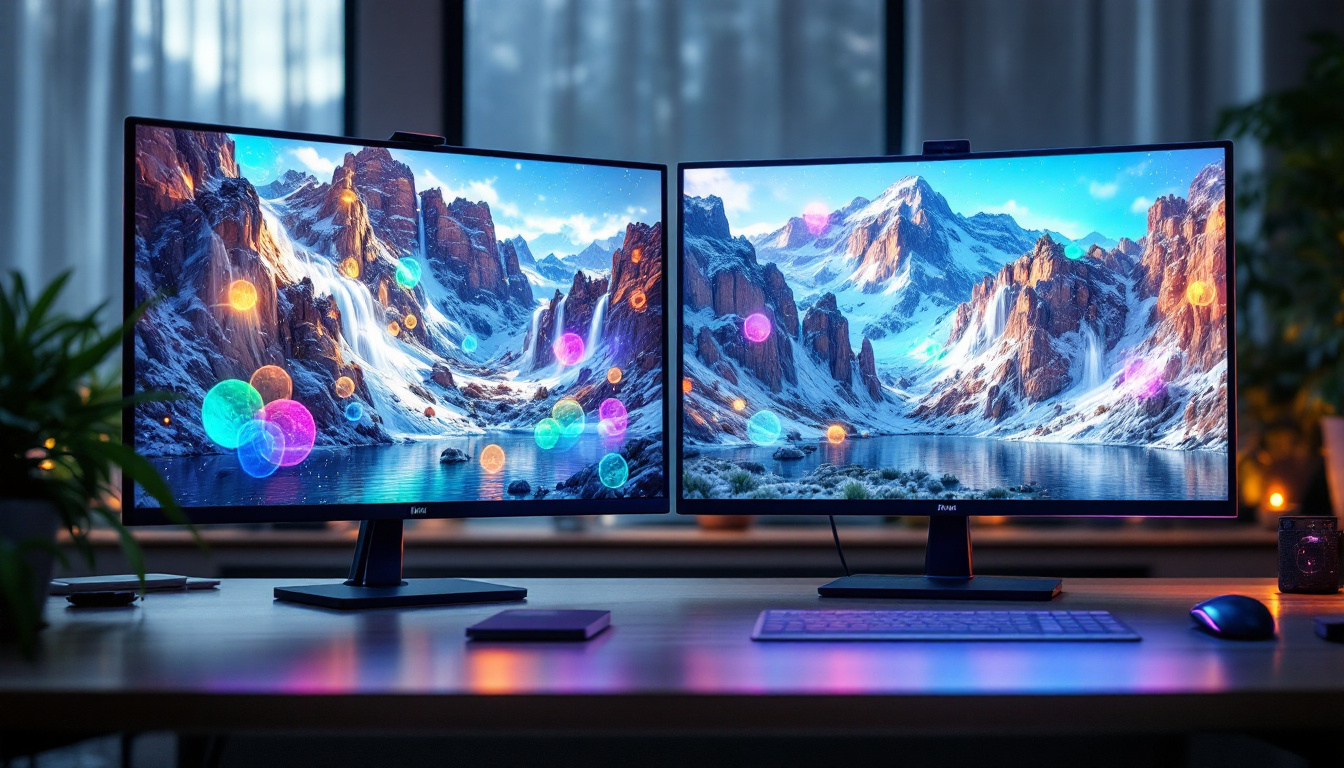
In consumer electronics, LED technology has transformed monitors and televisions. LED-backlit LCDs dominate the market due to their slim profiles, energy efficiency, and superior image quality compared to older CCFL-backlit LCDs. Advances such as OLED (Organic LED) and Mini-LED further push the boundaries by offering deeper blacks, higher contrast ratios, and improved color accuracy. These advancements have made LED displays the preferred choice for both casual viewers and professional content creators, as they provide a more immersive viewing experience.
For professionals in graphic design, video production, and gaming, LED monitors provide the precision and responsiveness required for demanding tasks. The rise of 4K and 8K LED displays also caters to the increasing demand for ultra-high-definition content. Furthermore, features such as high refresh rates and low input lag have become essential for gamers, allowing for smoother gameplay and more responsive controls. As the market continues to evolve, we can expect the emergence of even more sophisticated technologies, such as MicroLED, which promises to deliver unparalleled brightness and color performance, further enriching the visual experience across various applications.
Advantages of LED Displays
Energy Efficiency and Longevity
One of the primary benefits of LED displays is their energy efficiency. LEDs consume significantly less power than traditional lighting and display technologies, which translates to lower operational costs and reduced environmental impact. For example, LED billboards can use up to 75% less energy than neon or incandescent alternatives.
Additionally, LEDs have a longer lifespan, often exceeding 50,000 hours of operation. This durability reduces maintenance frequency and costs, making LED displays a cost-effective solution for both indoor and outdoor applications.
Brightness and Visibility
LED displays are known for their exceptional brightness levels, which can reach up to 5,000 nits or more in some outdoor models. This high brightness ensures clear visibility even in direct sunlight, a critical factor for outdoor advertising and public information displays.
The ability to adjust brightness dynamically also enhances user comfort and energy savings. Indoor LED displays can reduce brightness to suit ambient lighting conditions, preventing eye strain and improving the viewing experience.
Color Accuracy and Contrast
Thanks to the precise control of individual LEDs, LED displays offer superior color accuracy and contrast ratios. The ability to produce true blacks and vibrant colors makes them ideal for applications requiring high visual fidelity, such as digital art exhibitions, medical imaging, and broadcast studios.
Technologies like HDR (High Dynamic Range) are increasingly integrated into LED displays, further enhancing their ability to render lifelike images with greater detail in shadows and highlights.
Challenges and Considerations in LED Display Implementation
Cost Factors
While LED displays offer numerous benefits, initial costs can be higher than alternative technologies, especially for high-resolution or large-format installations. The price of LED panels, installation, and calibration must be factored into project budgets.
However, the total cost of ownership often balances out due to lower energy consumption and maintenance expenses. Careful planning and vendor selection are essential to maximize return on investment.
Pixel Pitch and Viewing Distance
Choosing the appropriate pixel pitch is crucial for ensuring optimal image quality. A display with too large a pixel pitch may appear pixelated when viewed up close, while an unnecessarily small pixel pitch can increase costs without perceptible benefits at longer viewing distances.
For example, an outdoor billboard viewed from a highway might use a pixel pitch of 10mm or more, while an indoor retail display viewed from a few feet away might require a pitch of 1.5mm or less. Understanding the intended use case and viewing environment guides this decision.
Environmental and Maintenance Challenges
Outdoor LED displays must be designed to withstand weather extremes, including rain, wind, dust, and temperature fluctuations. IP ratings (Ingress Protection) indicate the level of protection against these elements and are a key specification when selecting displays for outdoor use.
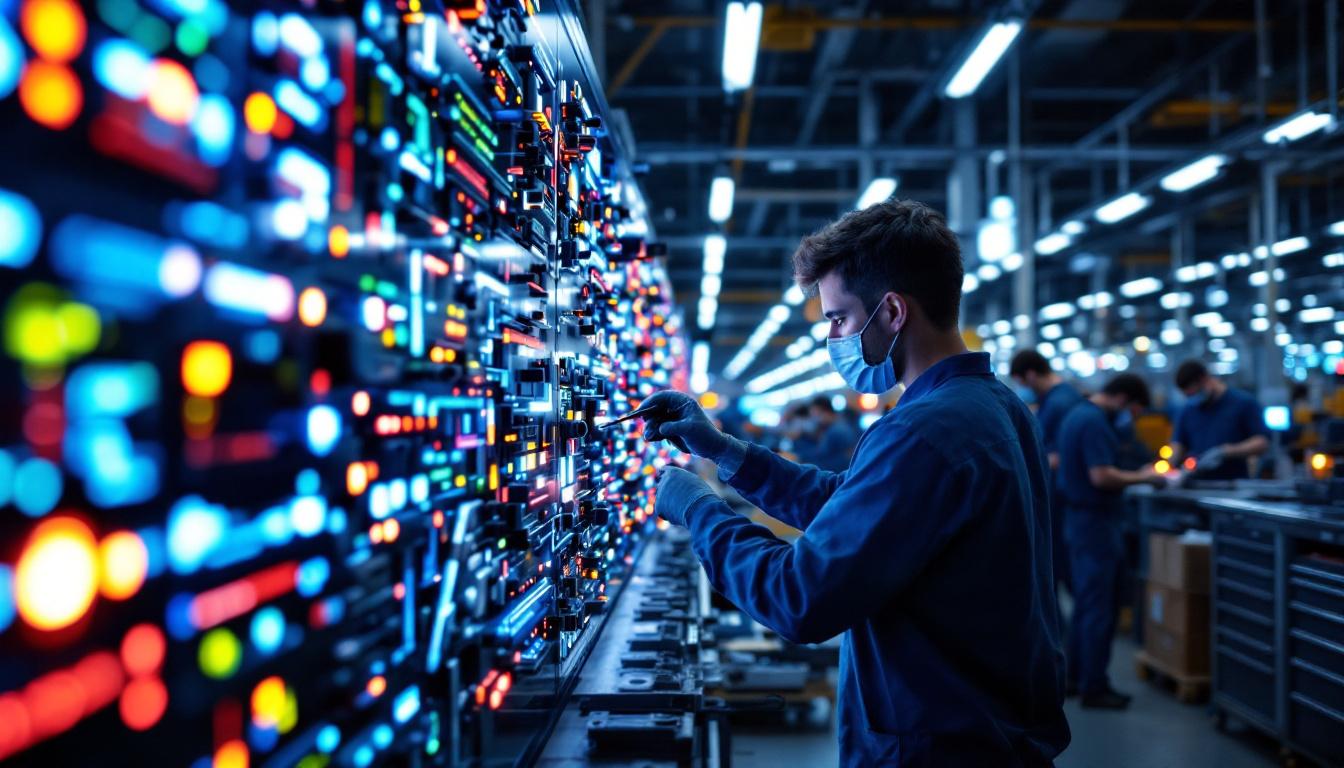
Regular maintenance, such as cleaning and calibration, is necessary to maintain optimal performance. Advances in modular LED panels facilitate easier repairs by allowing individual sections to be replaced without dismantling the entire display.
Future Trends in LED Display Technology
Mini-LED and Micro-LED Innovations
Emerging technologies like Mini-LED and Micro-LED are set to redefine display performance. Mini-LEDs use thousands of tiny LEDs as backlighting units for LCD panels, offering improved contrast and brightness control. Micro-LEDs, which consist of microscopic LEDs that serve as individual pixels, promise even greater color accuracy, brightness, and energy efficiency without the burn-in issues associated with OLEDs.
These advancements are gaining traction in premium televisions, monitors, and wearable devices, heralding a new era of visual excellence.
Flexible and Transparent LED Displays
Flexible LED displays enable curved and bendable screens, opening up innovative design possibilities for advertising, architecture, and consumer electronics. Transparent LED displays, which allow viewers to see through the screen while displaying content, are increasingly used in retail windows and automotive applications, blending digital content seamlessly with physical environments.
Integration with IoT and Smart Technologies
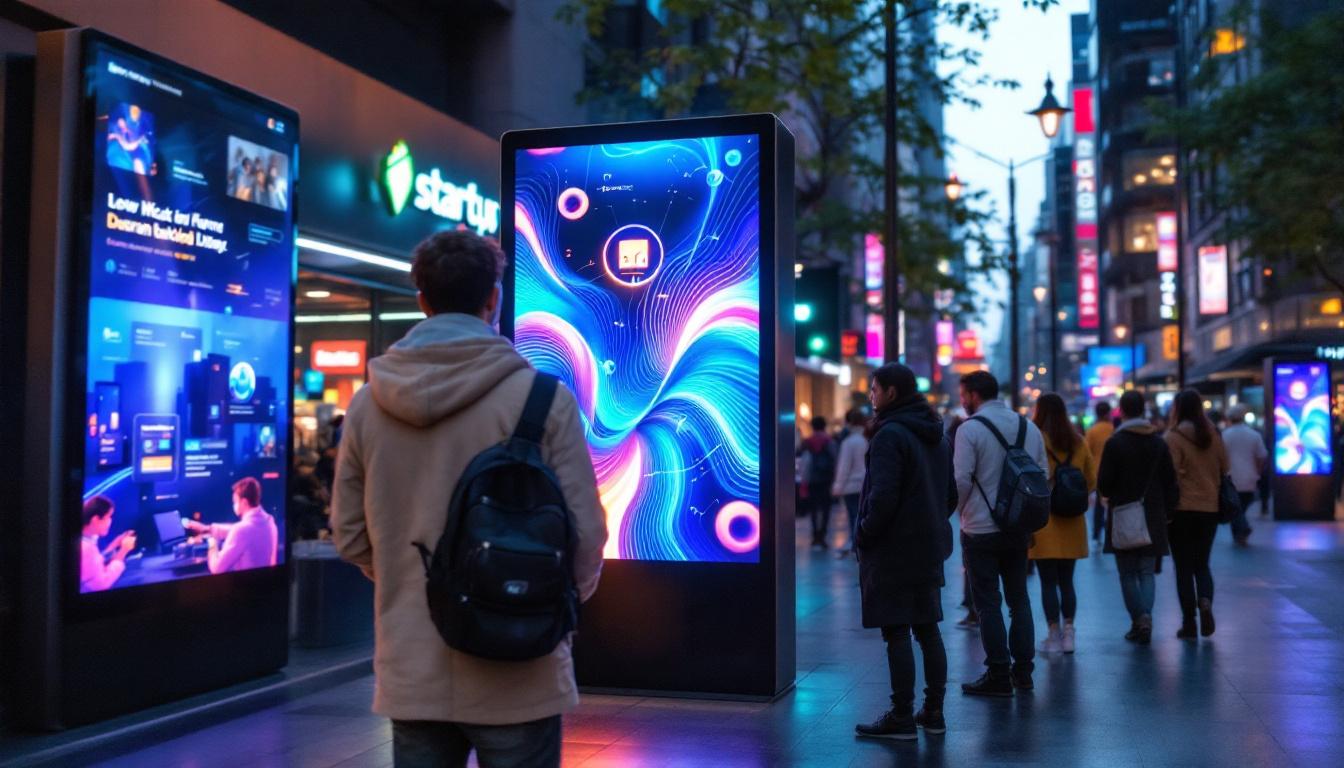
As smart cities and the Internet of Things (IoT) expand, LED displays are becoming integral components of connected environments. Smart LED signage can interact with mobile devices, sensors, and data analytics platforms to deliver personalized content, real-time updates, and interactive experiences.
This integration enhances the functionality of LED displays beyond mere visual output, transforming them into dynamic communication hubs.
Conclusion
LED display technology stands at the forefront of visual communication, combining energy efficiency, brightness, and versatility to meet diverse needs across industries. From towering outdoor billboards to high-resolution monitors, LEDs offer unparalleled image quality and durability. While considerations such as cost and environmental factors remain, ongoing innovations like Mini-LED and Micro-LED promise to elevate display performance even further.
Understanding the fundamentals of LED displays and their applications empowers businesses and consumers to make informed decisions, harnessing the full potential of this transformative technology.
Discover Cutting-Edge LED Displays with LumenMatrix
Ready to elevate your visual experience with the latest in LED technology? Look no further than LumenMatrix, a pioneer in crafting innovative LED display modules designed to make your brand shine. Whether you’re in need of an Indoor LED Wall Display for your retail space, an Outdoor LED Wall Display for impactful advertising, or specialized solutions like Vehicle LED Displays, LED Sports Displays, or even Custom LED Displays, LumenMatrix has you covered. Embrace the future of visual communication and captivate your audience with LumenMatrix’s all-encompassing range of LED display solutions. Check out LumenMatrix LED Display Solutions today and transform your message into an unforgettable visual spectacle.