In the rapidly evolving world of visual technology, LED displays have become a cornerstone for delivering vibrant, high-resolution content across various industries. From retail environments to corporate settings, and from entertainment venues to control rooms, LED displays are transforming how information and visuals are presented. Among the many components that make up an LED display system, project source cabinets play a crucial role in ensuring seamless operation, optimal performance, and ease of maintenance.
This article delves into the essentials of project source cabinets within LED display systems. It will explore their function, design considerations, and why they are indispensable for modern LED installations. Whether you are a system integrator, a facility manager, or simply a technology enthusiast, understanding project source cabinets will provide valuable insights into the backbone of LED display technology.
Understanding LED Display Systems
What Constitutes an LED Display?
LED (Light Emitting Diode) displays are composed of numerous tiny LEDs arranged in a matrix to form pixels. These pixels collectively produce images, videos, or data visualizations with remarkable brightness and clarity. Unlike traditional LCD or projection systems, LED displays emit their own light, resulting in superior contrast ratios and visibility even in brightly lit environments.
LED displays vary widely in size, resolution, and pixel pitch, catering to different applications such as outdoor billboards, indoor video walls, stadium screens, and digital signage. The modular nature of LED panels allows for flexible configurations, making them highly adaptable to diverse spatial and design requirements. For instance, outdoor LED displays are designed to withstand harsh weather conditions, featuring protective coatings and robust housings, while indoor displays prioritize high resolution and color fidelity to enhance viewer engagement in retail or entertainment settings.
Additionally, advancements in LED technology have led to the development of transparent and flexible displays, opening up new possibilities for creative installations. These innovations allow designers to integrate LED displays into architectural elements, creating immersive environments that seamlessly blend digital content with physical spaces. As a result, LED displays are not only functional but also serve as a canvas for artistic expression, transforming how we interact with visual media.
The Role of Project Source Cabinets
Within an LED display system, project source cabinets serve as the central hub for processing and distributing video signals to the LED panels. They house critical electronic components including video processors, power supplies, control units, and sometimes networking equipment. These cabinets ensure that the content displayed is synchronized, color-accurate, and stable across the entire LED surface.
In essence, project source cabinets act as the command center, managing input signals from various sources—such as computers, cameras, or media players—and converting them into formats compatible with the LED modules. This conversion and distribution process is vital for maintaining image quality and preventing issues like flickering, color distortion, or signal lag. Moreover, many modern project source cabinets come equipped with advanced features such as real-time monitoring and diagnostics, allowing technicians to troubleshoot issues quickly and maintain optimal performance.
Furthermore, the integration of software solutions with project source cabinets enhances the overall functionality of LED display systems. These software platforms enable users to schedule content, manage multiple displays simultaneously, and even incorporate interactive elements, such as touch capabilities or audience engagement features. As a result, project source cabinets not only facilitate the technical aspects of display management but also empower content creators to deliver dynamic and captivating experiences that resonate with viewers across various settings.
Key Components of Project Source Cabinets
Video Processing Units
At the heart of the project source cabinet lies the video processing unit (VPU). This device is responsible for scaling, color correction, and signal routing. Modern VPUs support multiple input formats including HDMI, DisplayPort, SDI, and DVI, allowing for versatile connectivity options.
Advanced VPUs incorporate features such as edge blending for multi-display setups, real-time video effects, and frame synchronization. These capabilities are essential for large-scale LED installations where multiple cabinets and panels must operate in perfect harmony. Furthermore, the latest VPUs are equipped with powerful algorithms that enhance image quality by reducing noise and improving contrast, making them ideal for high-resolution displays used in venues like concert halls and sports arenas. As technology progresses, VPUs are also beginning to integrate artificial intelligence, enabling smarter content management and automated adjustments based on environmental conditions.
Power Supply and Distribution
LED displays require stable and reliable power to maintain consistent brightness and prevent damage to the diodes. Project source cabinets include power supply units (PSUs) designed to convert and regulate electrical power for the entire system. High-quality PSUs protect against voltage fluctuations, surges, and overheating.
Additionally, power distribution within the cabinet ensures that each LED module receives the appropriate voltage and current. Proper power management extends the lifespan of the display and minimizes maintenance costs. Some advanced cabinets even feature redundant power supplies, which provide an extra layer of reliability by ensuring that if one PSU fails, another can seamlessly take over, thus preventing any downtime. This is particularly crucial in mission-critical applications where uninterrupted performance is essential, such as in emergency response centers or live event productions.
Control and Communication Interfaces
Project source cabinets feature control interfaces that allow operators to manage content, adjust settings, and monitor system health remotely. These interfaces often include Ethernet ports, USB connections, and wireless capabilities.
Communication protocols such as TCP/IP and RS-485 enable integration with building management systems or centralized control rooms. This connectivity is particularly important in environments like broadcast studios or command centers where real-time control and monitoring are critical. Additionally, many modern cabinets come equipped with user-friendly software that provides intuitive dashboards for operators, allowing them to easily switch between content sources, schedule playback, and even analyze performance metrics. This level of control not only enhances operational efficiency but also empowers users to deliver dynamic and engaging visual experiences tailored to their audience’s needs.
Design Considerations for Project Source Cabinets
Environmental and Physical Factors
Project source cabinets must be designed to withstand the environmental conditions of their installation site. For outdoor LED displays, cabinets require weatherproofing, dust protection, and temperature regulation through ventilation or cooling systems.
Indoor cabinets benefit from compact designs that fit within limited spaces while allowing easy access for maintenance. Noise reduction is also a consideration, especially in quiet environments such as conference rooms or museums.
Modularity and Scalability
Given the modular nature of LED displays, project source cabinets are often designed for scalability. This means they can accommodate additional processing units or power supplies as the display size or complexity grows.
Modular cabinets simplify upgrades and repairs, allowing individual components to be swapped without disrupting the entire system. This flexibility is a significant advantage for long-term installations where technology evolves or display requirements change.
Thermal Management
Heat dissipation is a critical factor in cabinet design. Electronic components generate heat during operation, and excessive temperatures can degrade performance or cause failures. Effective thermal management strategies include fans, heat sinks, and ventilation channels.
Some advanced cabinets incorporate temperature sensors that trigger automatic cooling adjustments or alert operators to potential overheating issues. Maintaining optimal operating temperatures ensures reliability and extends component lifespan.
Applications and Benefits of Project Source Cabinets
Enhancing Visual Experiences in Retail and Advertising
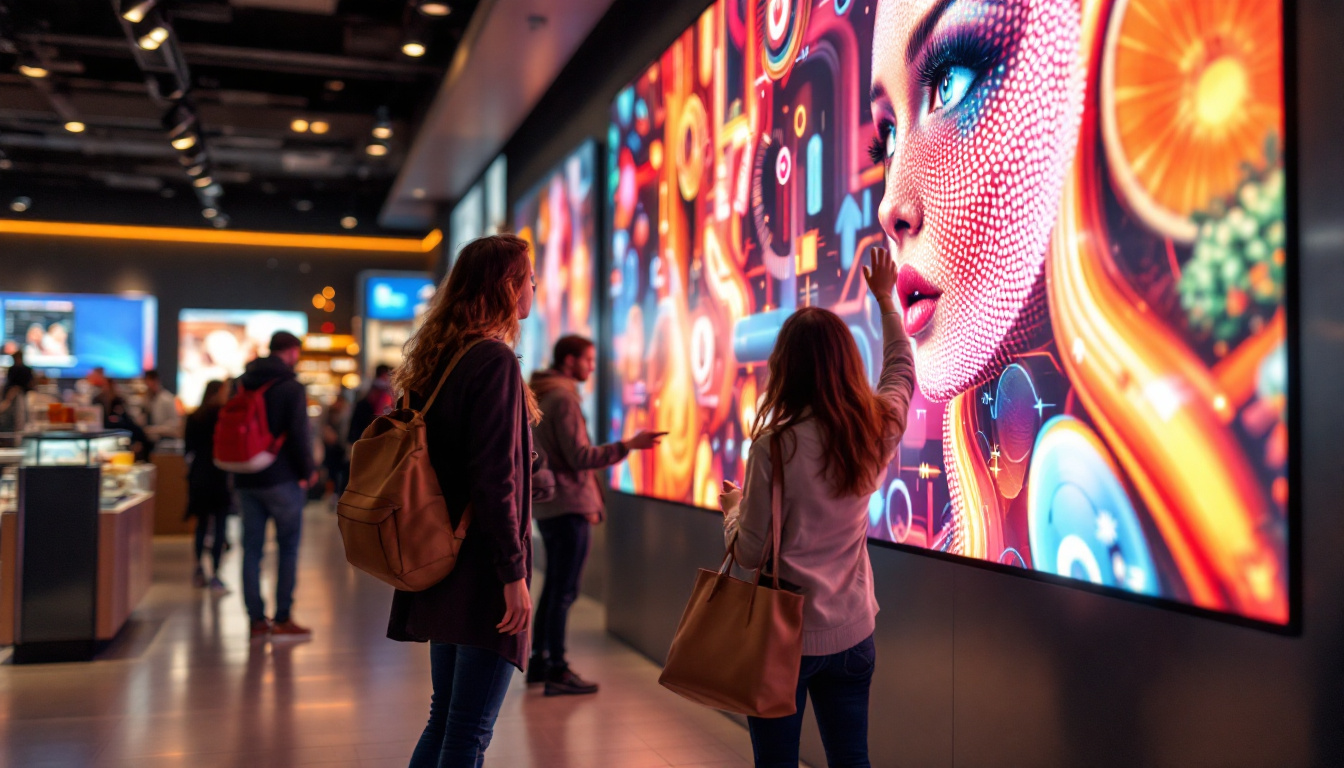
In retail environments, LED displays are used to attract customers and convey dynamic promotional content. Project source cabinets enable seamless playback of high-definition videos and interactive content, enhancing shopper engagement.
For outdoor advertising, robust cabinets ensure uninterrupted operation despite exposure to harsh weather, maximizing the return on investment for digital billboards and signage.
Supporting Critical Operations in Control Rooms
Control rooms in sectors such as transportation, utilities, and emergency response rely heavily on LED video walls for real-time data visualization. Project source cabinets provide the necessary processing power and reliability to display multiple data streams simultaneously without lag or distortion.
This capability is crucial for situational awareness and decision-making, where clear and timely information can impact operational outcomes.
Creating Immersive Experiences in Entertainment and Events
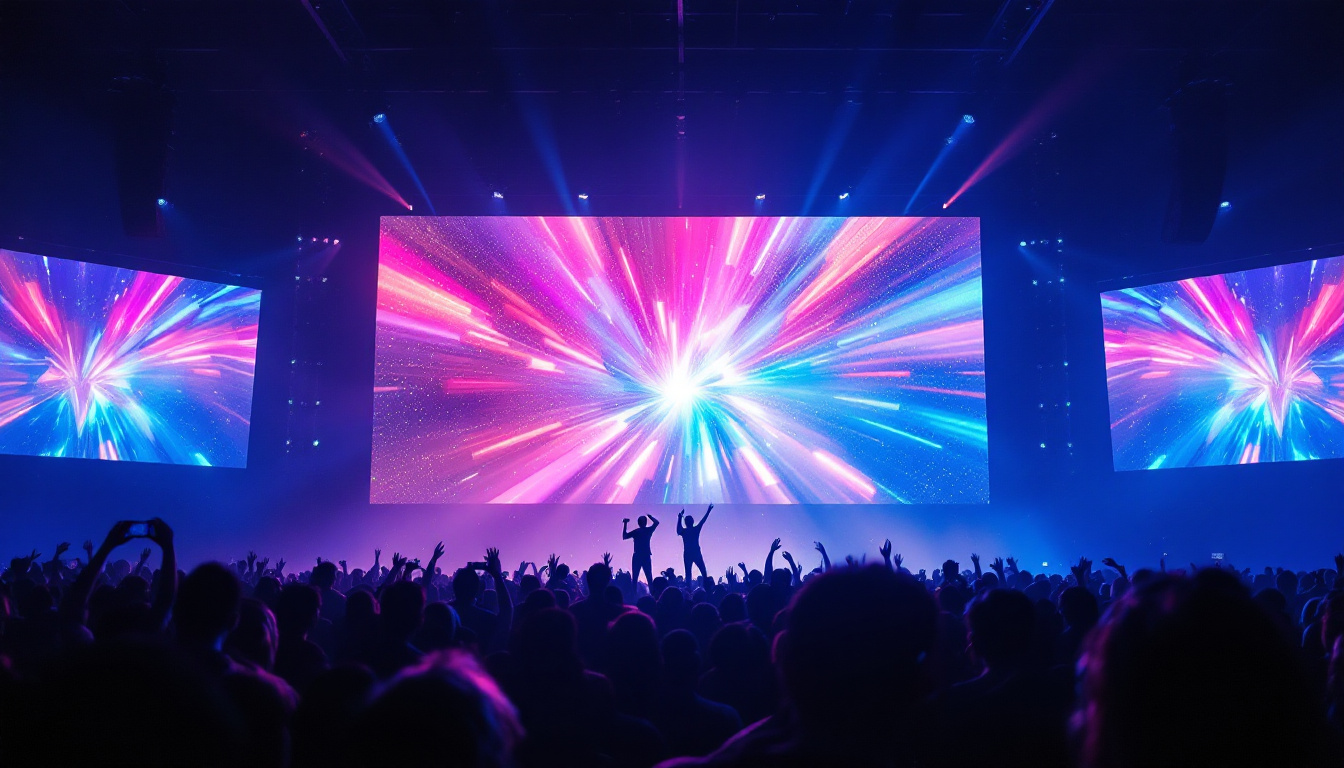
Concerts, sports arenas, and exhibitions utilize large-scale LED displays to captivate audiences. Project source cabinets manage complex video content, synchronize multiple displays, and support high frame rates required for smooth motion rendering.
By ensuring flawless content delivery, these cabinets contribute to memorable and immersive experiences that define modern entertainment.
Future Trends and Innovations
Integration with AI and Smart Control Systems
Emerging trends point toward integrating artificial intelligence (AI) with project source cabinets to optimize display performance automatically. AI algorithms can adjust brightness, contrast, and color balance in real-time based on ambient conditions and content type.
Smart control systems also enable predictive maintenance by analyzing operational data to foresee component failures before they occur, reducing downtime and maintenance costs.
Advancements in Energy Efficiency
As sustainability becomes a priority, manufacturers are developing project source cabinets with improved energy efficiency. Innovations include low-power processors, advanced cooling techniques, and power-saving modes that reduce electricity consumption without compromising performance.
These advancements align with global efforts to reduce carbon footprints and operational expenses.
Enhanced Connectivity and Cloud Integration
The rise of cloud computing is influencing how LED display systems are managed. Project source cabinets are increasingly equipped with cloud connectivity, enabling remote content management, diagnostics, and software updates.
This connectivity facilitates multi-site deployments and centralized control, offering greater flexibility and scalability for large organizations.
Conclusion
Project source cabinets are a vital yet often overlooked component of LED display systems. Their role in processing, power management, and control ensures that LED displays perform at their best, delivering vivid, reliable visuals across a wide range of applications.
Understanding the design, functionality, and future developments of project source cabinets empowers stakeholders to make informed decisions when planning, installing, or upgrading LED display solutions. As LED technology continues to advance, these cabinets will remain central to unlocking the full potential of digital visual communication.
Discover LumenMatrix’s Advanced LED Solutions
Ready to elevate your visual displays with cutting-edge technology? Explore LumenMatrix’s comprehensive range of LED display solutions, designed to bring your content to life with unparalleled brightness and clarity. From engaging Indoor LED Walls to dynamic Outdoor Displays, and from versatile Vehicle LED Displays to innovative Custom Solutions, LumenMatrix is your partner in creating immersive experiences that captivate and communicate with impact. Don’t miss the opportunity to transform your space—check out LumenMatrix LED Display Solutions today and see how we can help you make a lasting impression.