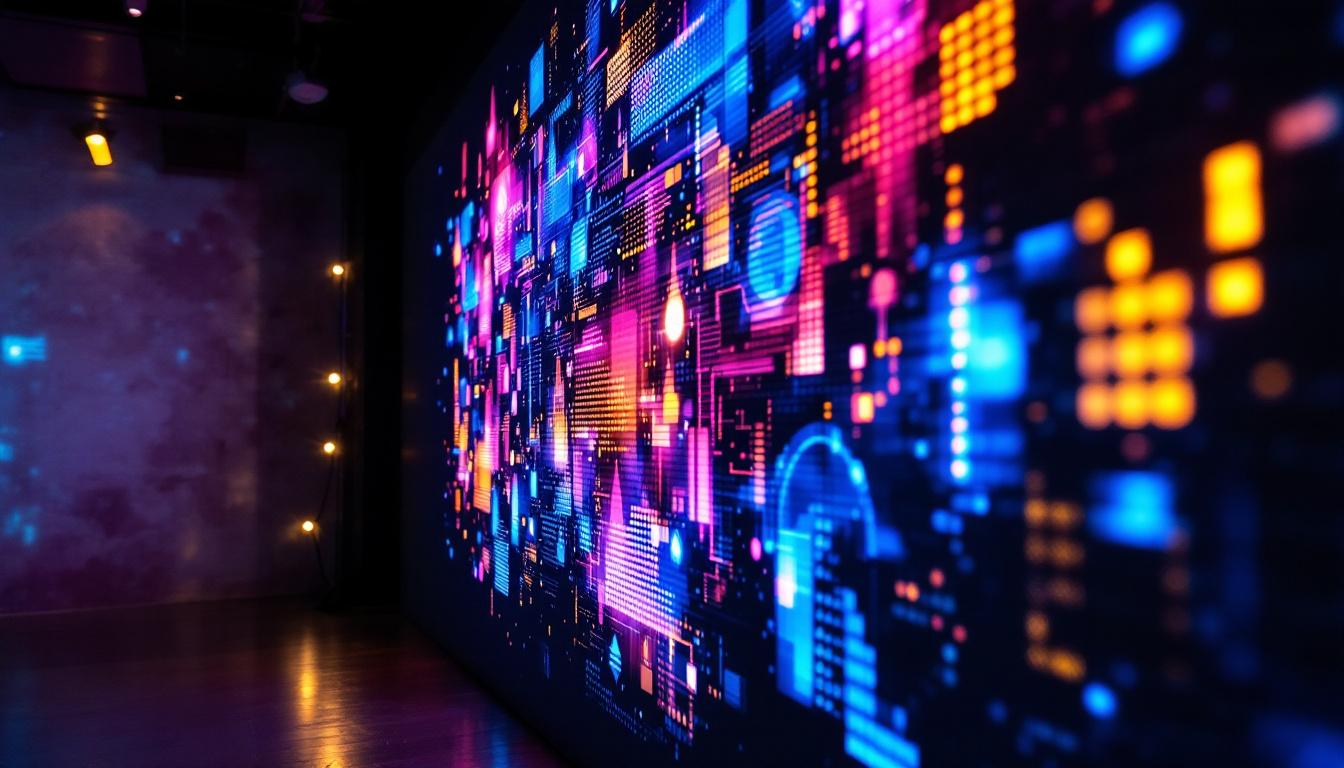
In recent years, the way we present visual content in both public and private spaces has undergone a remarkable transformation. From advertising billboards and concert backdrops to corporate presentations and home theaters, LED displays have become a dominant technology for projecting images and videos onto walls and other surfaces. This article explores the fundamentals of LED displays, how they compare to traditional projection methods, and why they are increasingly favored for wall projection applications.
Understanding LED Display Technology
LED, short for Light Emitting Diode, is a semiconductor device that emits light when an electric current passes through it. When many LEDs are combined into a panel, they can create bright, vibrant images visible even in well-lit environments. LED displays are fundamentally different from traditional projection systems, which rely on projecting light onto a surface from a distance. This unique characteristic allows LED displays to maintain clarity and color accuracy, making them a preferred choice for various applications, from advertising to entertainment.
How LED Displays Work
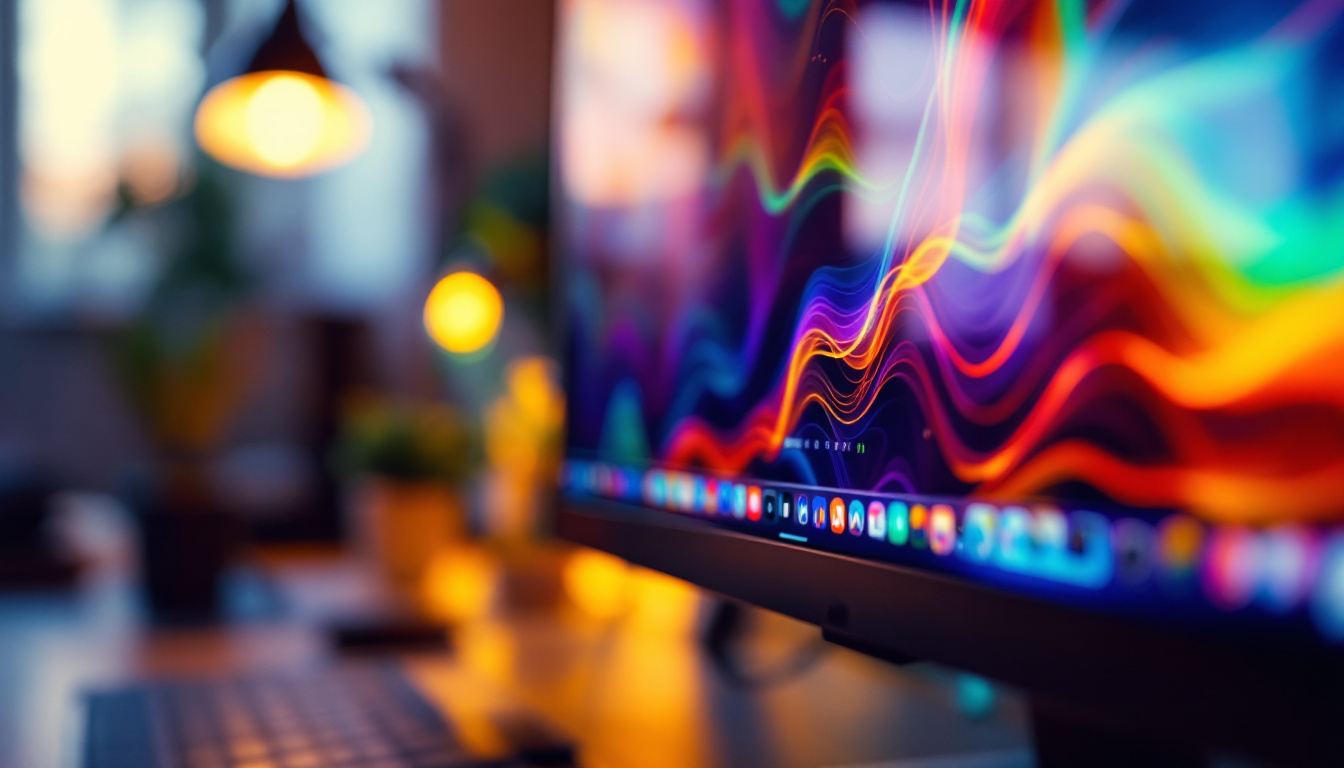
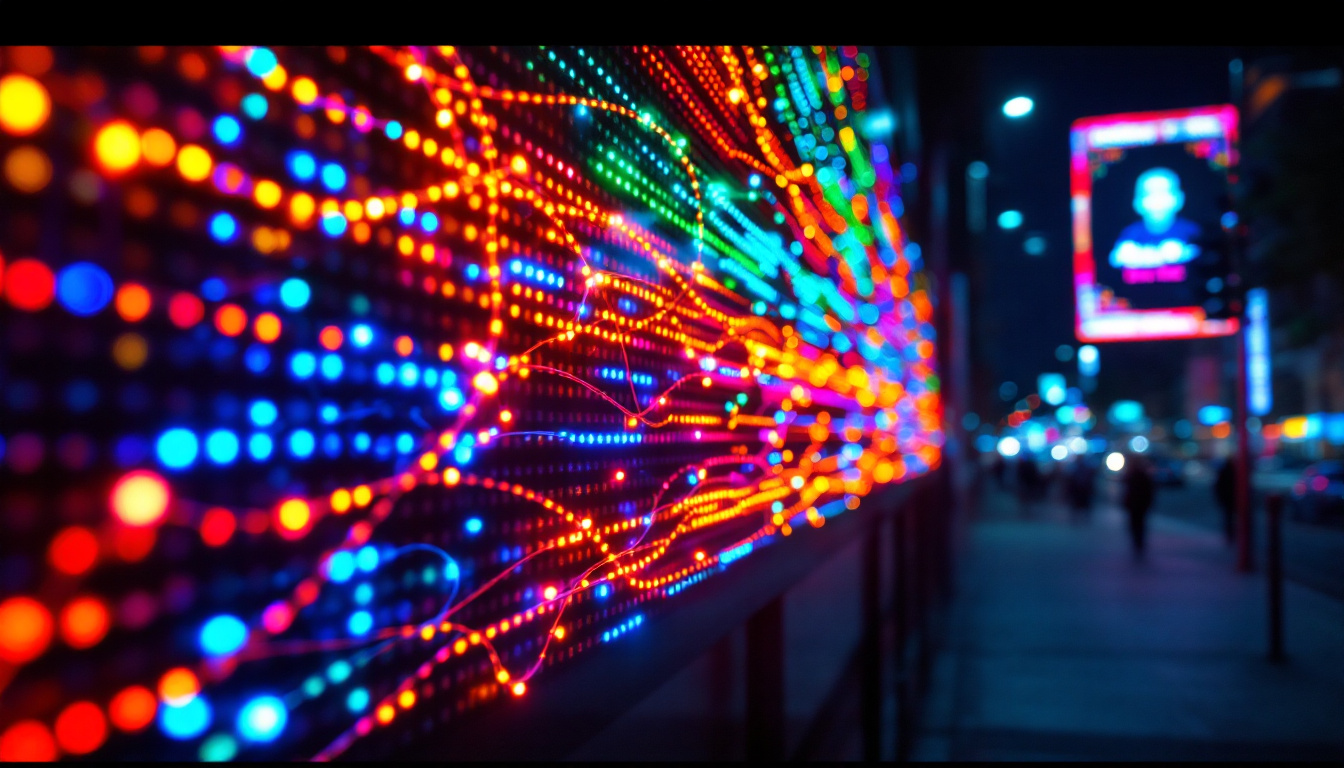
Each LED on a display panel acts as a tiny pixel that can emit red, green, and blue light. By varying the intensity of these three colors, the display can produce a wide spectrum of colors. Modern LED displays use either discrete LEDs or surface-mounted device (SMD) technology, where multiple diodes are housed within a single pixel unit, enhancing color accuracy and brightness. This technology not only improves the visual experience but also contributes to energy efficiency, as LED displays consume significantly less power than traditional lighting systems.
These panels are typically modular, meaning they can be assembled in various sizes and shapes to fit different wall dimensions. The modularity also simplifies maintenance and scalability, as individual panels can be replaced or added without disrupting the entire display. Furthermore, advancements in LED technology have led to the development of flexible LED panels, which can be bent or shaped to fit unconventional spaces, opening up new possibilities for creative installations in architecture and design.
Types of LED Displays for Wall Projection
There are primarily two types of LED displays used for wall projection: indoor and outdoor LED panels. Indoor LED displays generally have higher pixel density, offering sharper images at closer viewing distances. Outdoor LED panels prioritize brightness and weather resistance to maintain visibility under direct sunlight and harsh conditions. These outdoor displays often feature protective coatings and robust casings to withstand environmental factors, ensuring longevity and consistent performance in various settings.
Another emerging category is transparent LED displays, which can be mounted on glass walls or windows. These displays allow light to pass through while projecting images, creating a futuristic and immersive effect ideal for retail storefronts and exhibitions. The ability to blend digital content with the physical environment not only enhances aesthetic appeal but also engages customers in a unique way, making products and services more enticing. As technology continues to evolve, we can expect even more innovative applications of LED displays, including interactive installations that respond to viewer movements and preferences, further bridging the gap between digital and physical experiences.
Comparing LED Displays to Traditional Projection Systems
When considering projection on walls, many people think of traditional projectors that cast images using lenses and lamps. While projectors remain popular, LED displays offer several advantages that have shifted market preferences.
Brightness and Visibility
One of the biggest advantages of LED displays is their superior brightness. Typical projectors range from 2,000 to 5,000 lumens, which can struggle in brightly lit environments. In contrast, LED panels can achieve brightness levels exceeding 5,000 nits, making their images clear and vibrant even under direct sunlight or strong indoor lighting.
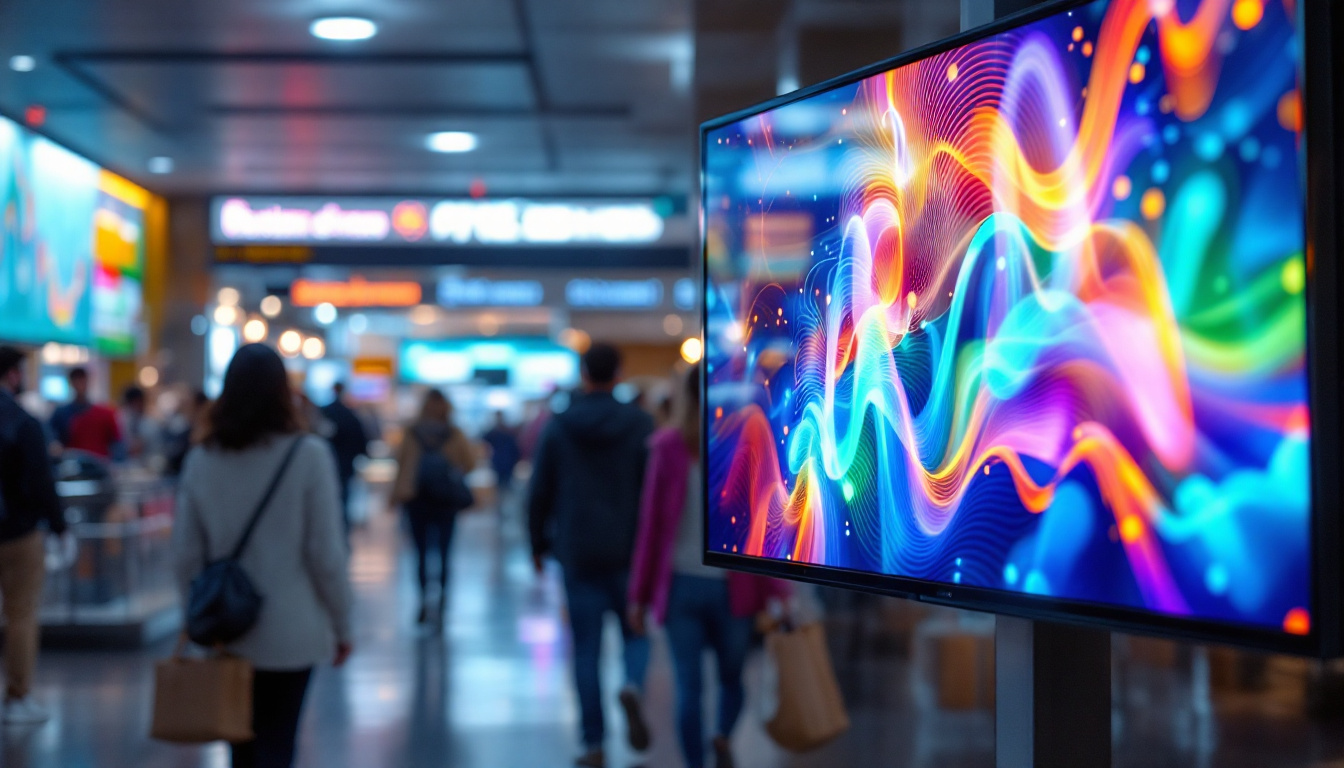
This makes LED displays ideal for commercial environments like shopping malls, airports, and outdoor advertising, where ambient light can diminish projector performance.
Image Quality and Resolution
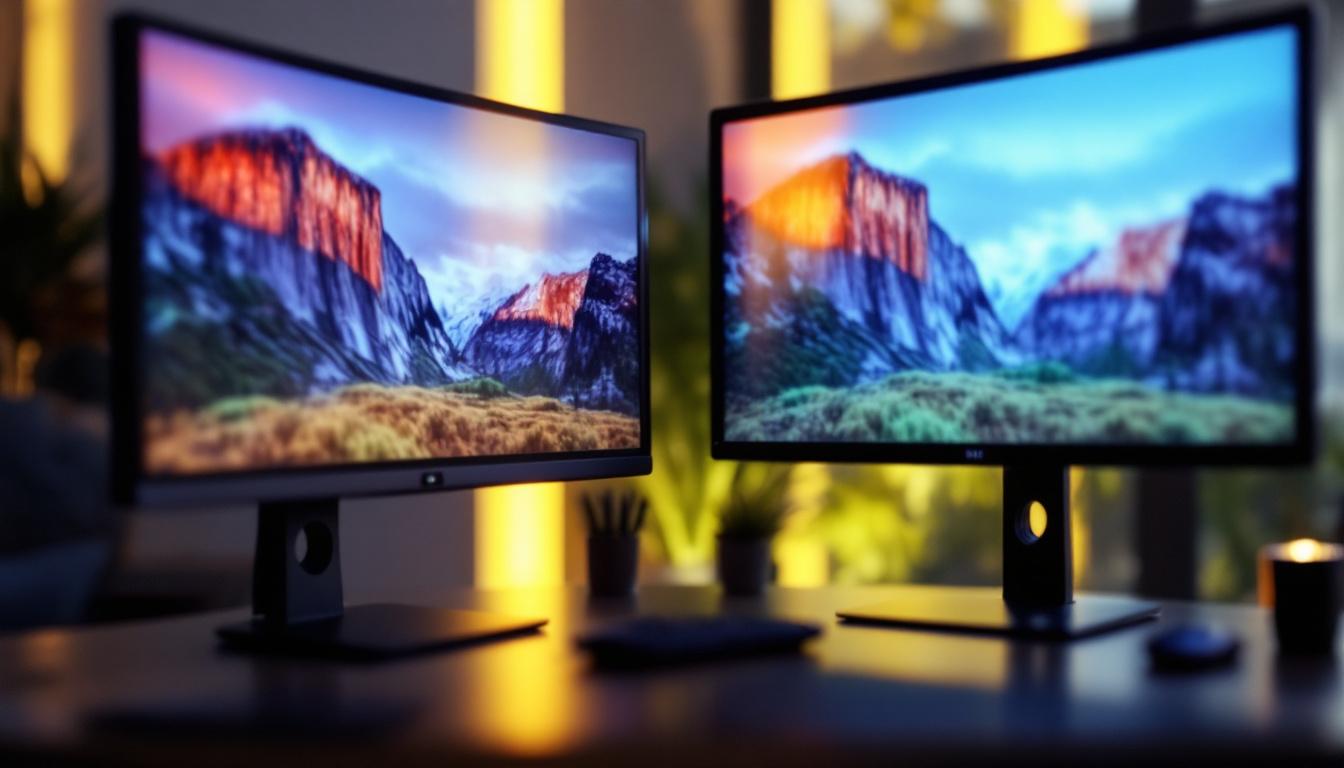
LED displays offer consistent image quality without the distortions common in projector setups. Projectors can suffer from keystone effects, focus issues, and color shifts depending on the angle and distance from the wall. LED panels, being flat and self-illuminating, provide uniform brightness and color accuracy across the entire display area.
Moreover, LED technology supports ultra-high-definition resolutions, including 4K and beyond, making it suitable for detailed content such as digital art, video walls, and interactive displays.
Installation Flexibility and Maintenance
Traditional projectors require careful alignment, distance calibration, and often a dedicated darkened room for optimal viewing. LED displays, on the other hand, can be mounted directly onto walls or integrated into architectural elements, freeing up space and reducing installation complexity.
Maintenance-wise, LED panels have longer lifespans—typically 50,000 to 100,000 hours—compared to projector lamps that may need replacement every 2,000 to 4,000 hours. Additionally, LED modules are designed for easy replacement, minimizing downtime.
Applications of LED Displays for Wall Projection
The versatility of LED displays has opened up numerous applications across industries. Their ability to deliver bright, high-resolution images on walls has revolutionized how businesses and organizations communicate visually.
Advertising and Digital Signage
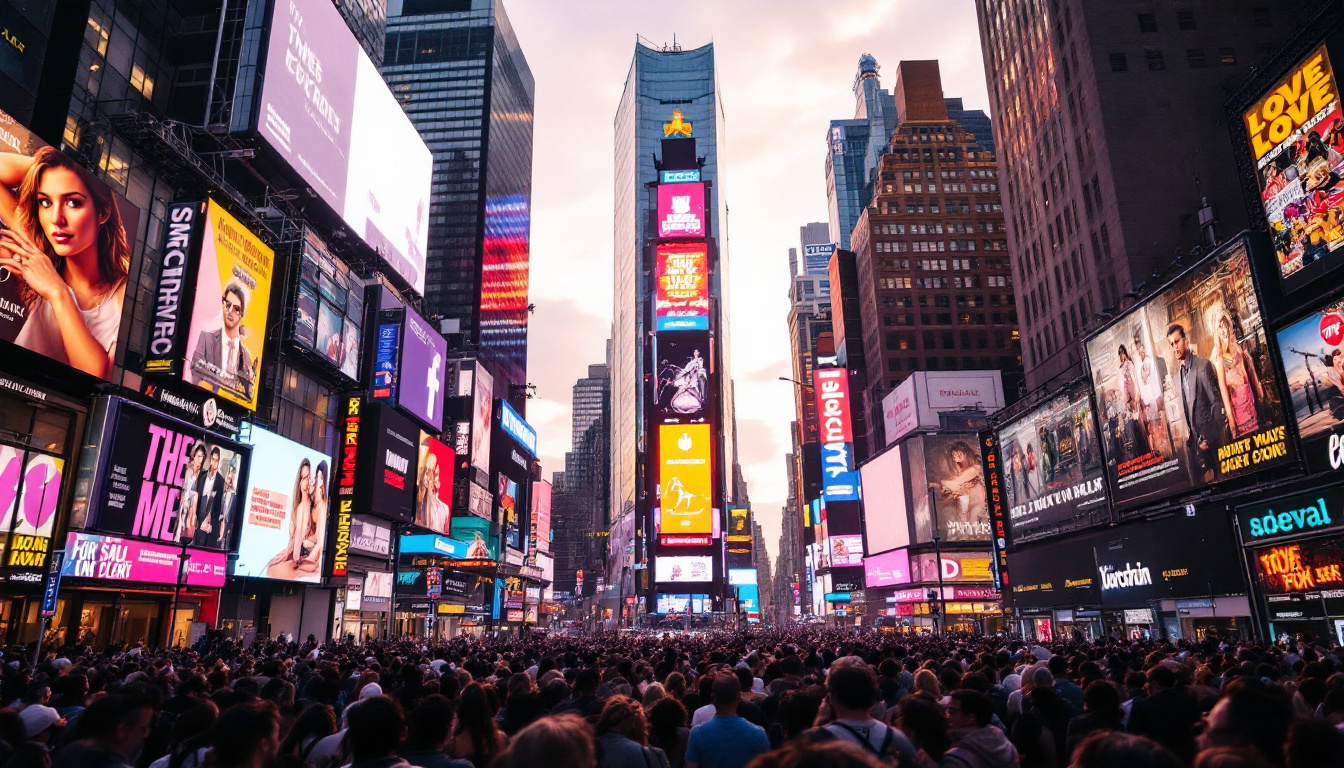
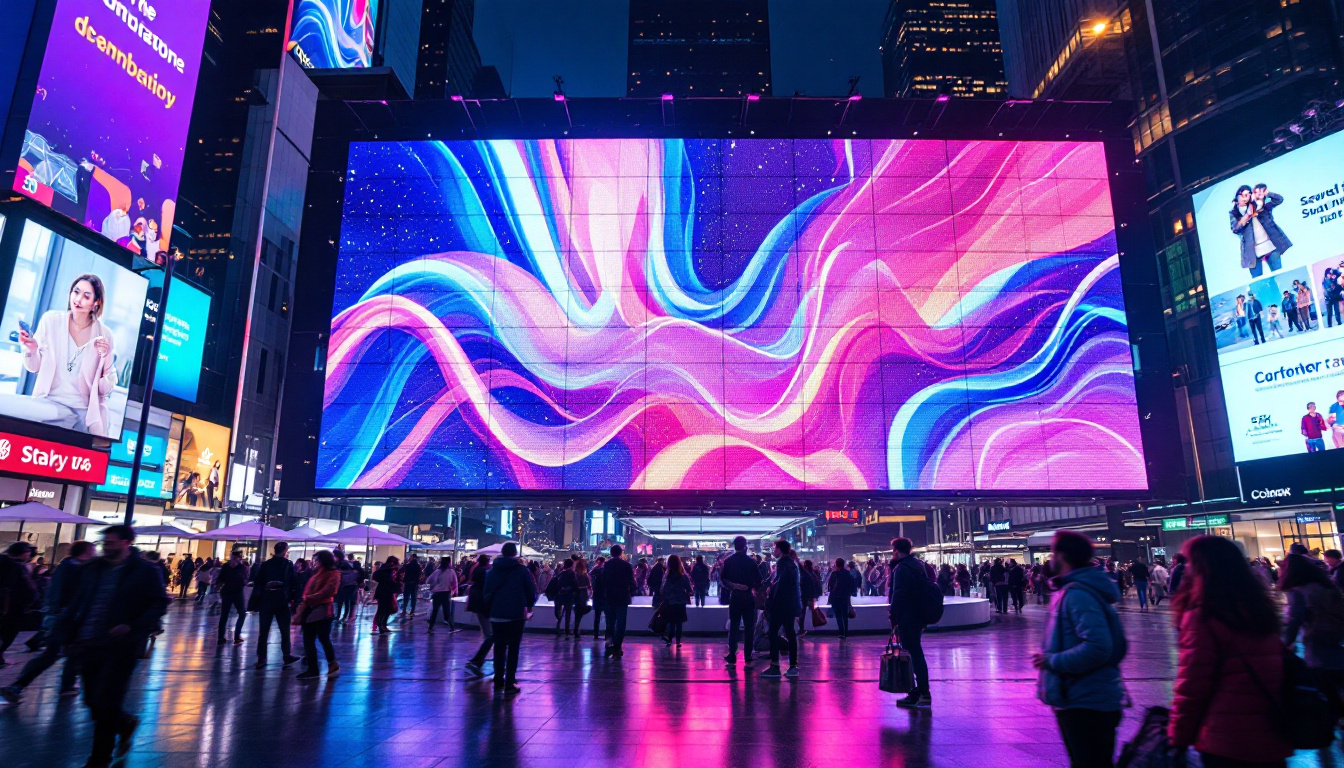
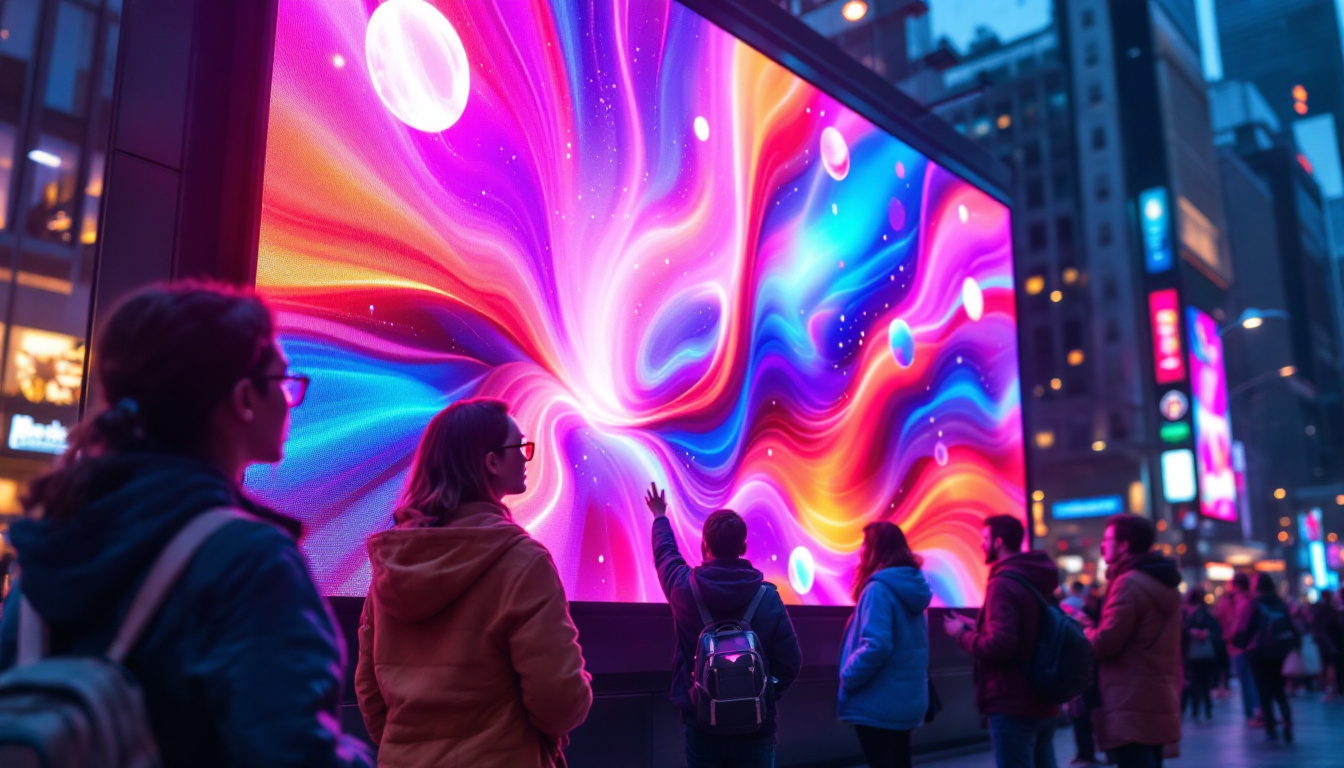
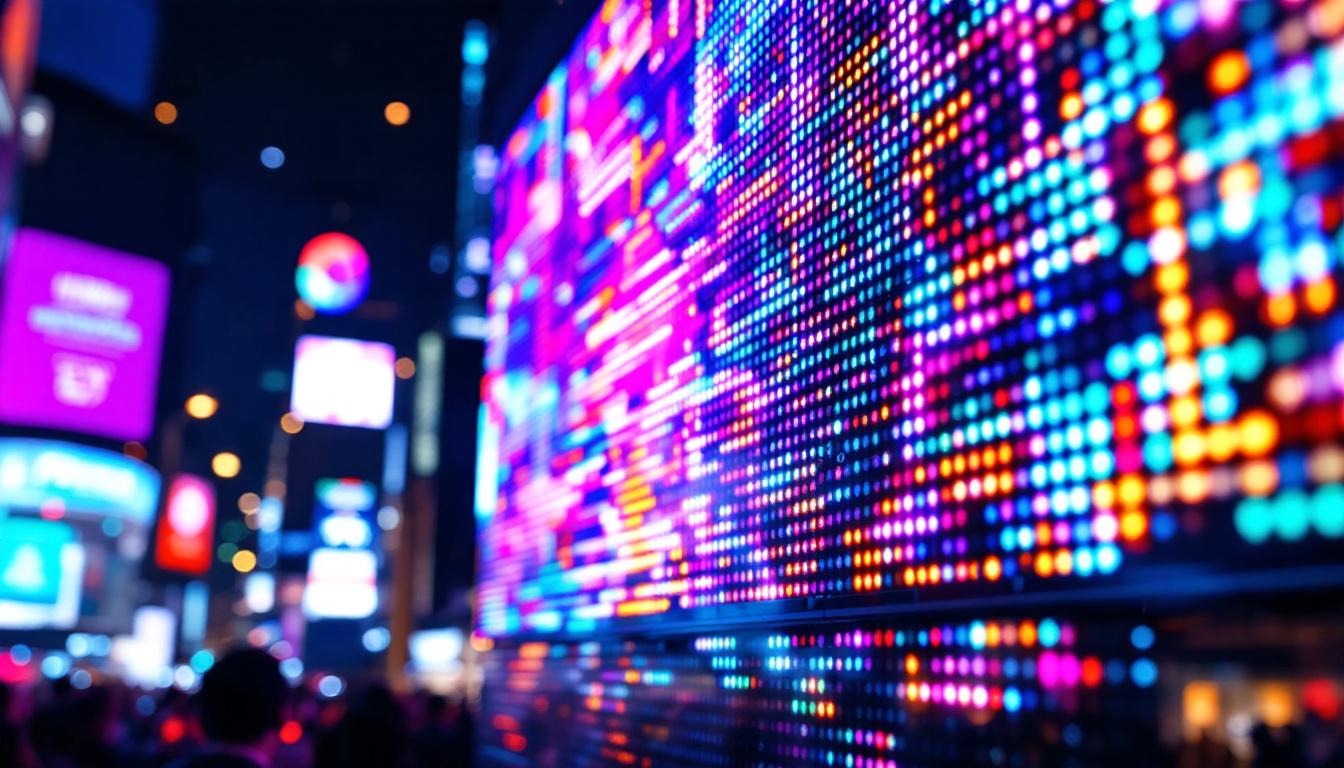
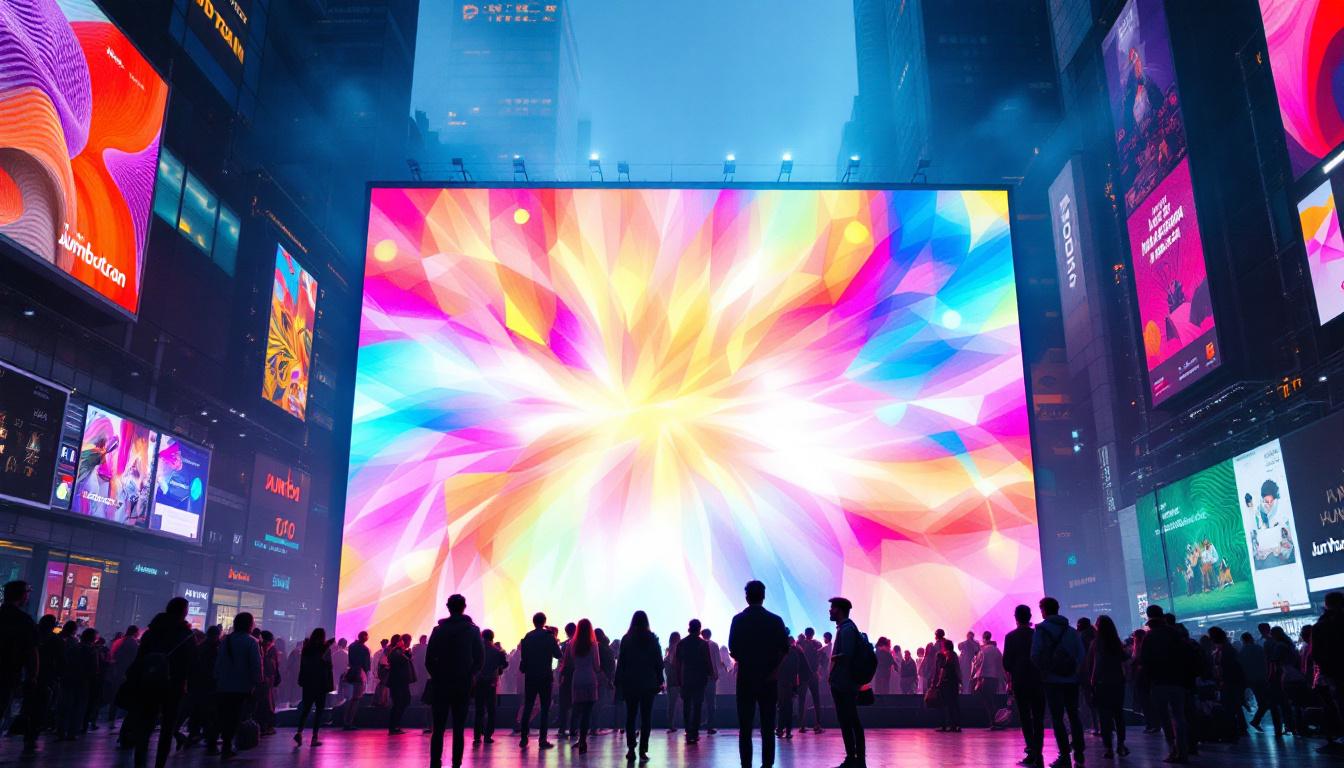
Outdoor LED billboards and indoor digital signage are among the most widespread uses of LED wall displays. Brands leverage these displays to capture attention with dynamic content that can be updated in real-time. For example, Times Square in New York City features some of the largest and most advanced LED displays globally, showcasing advertisements, news, and entertainment.
The flexibility to change content instantly allows advertisers to tailor messages based on time of day, audience demographics, or special events, enhancing engagement and return on investment.
Entertainment and Events
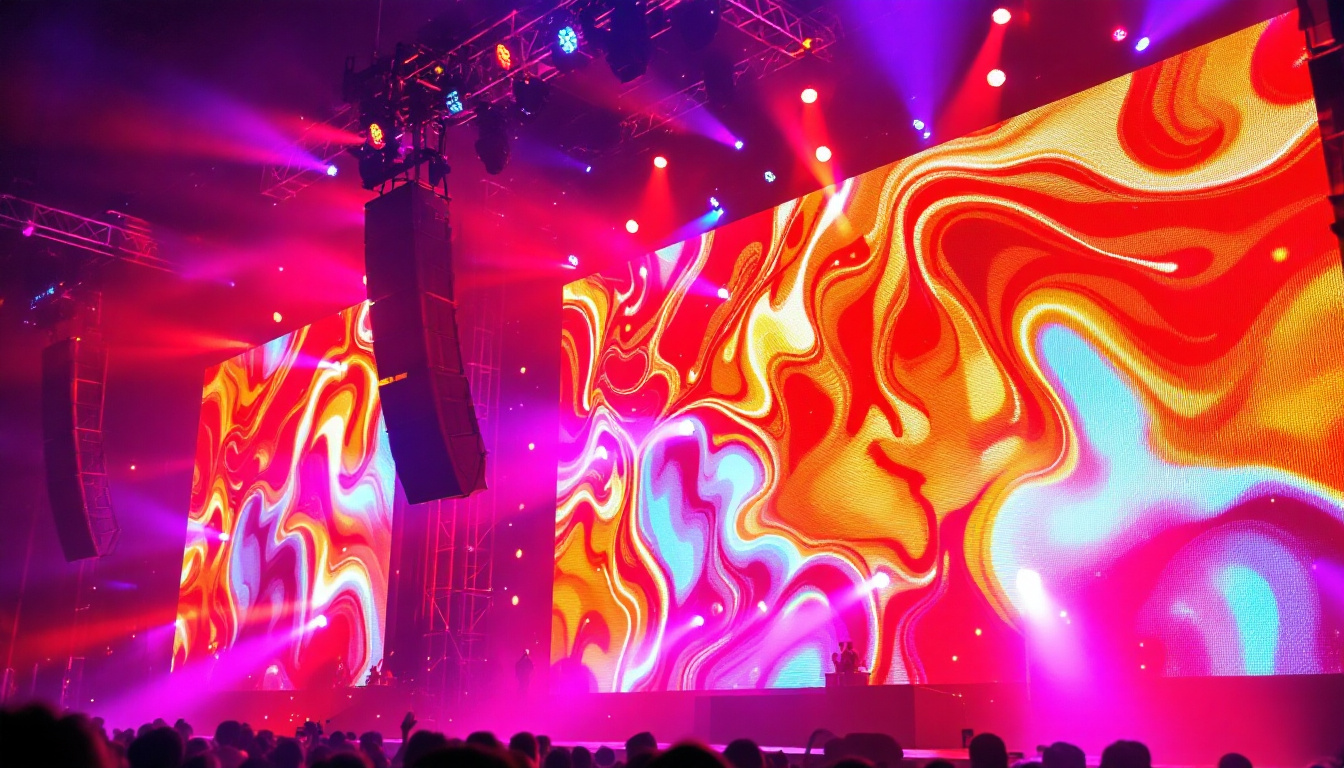
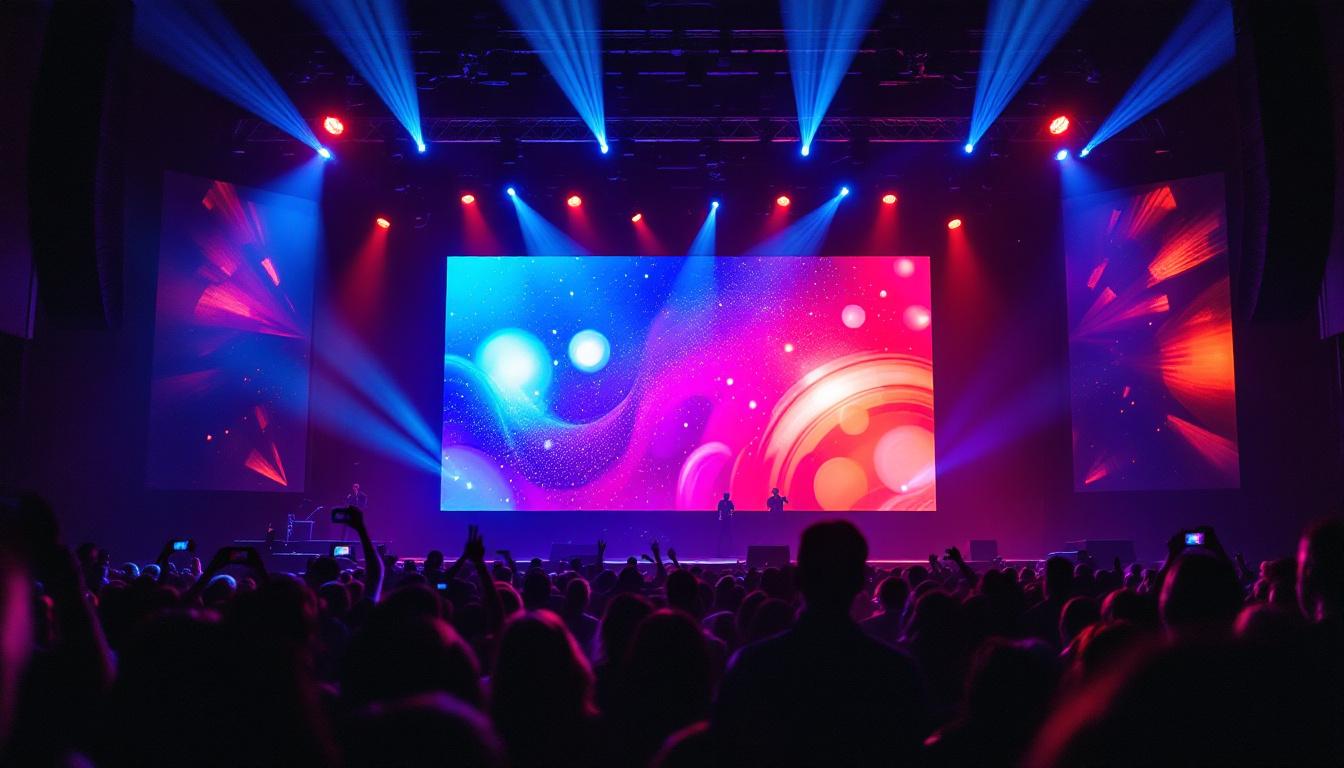
Concerts, theater productions, and sports arenas increasingly rely on LED walls to create immersive visual experiences. LED displays serve as backdrops that can transform the atmosphere, display live feeds, or provide interactive elements for audiences.
For instance, major music festivals use massive LED screens to ensure that even attendees far from the stage can enjoy clear views of performers. The high brightness and color fidelity of LED displays make them ideal for vibrant, high-energy environments.
Corporate and Educational Environments
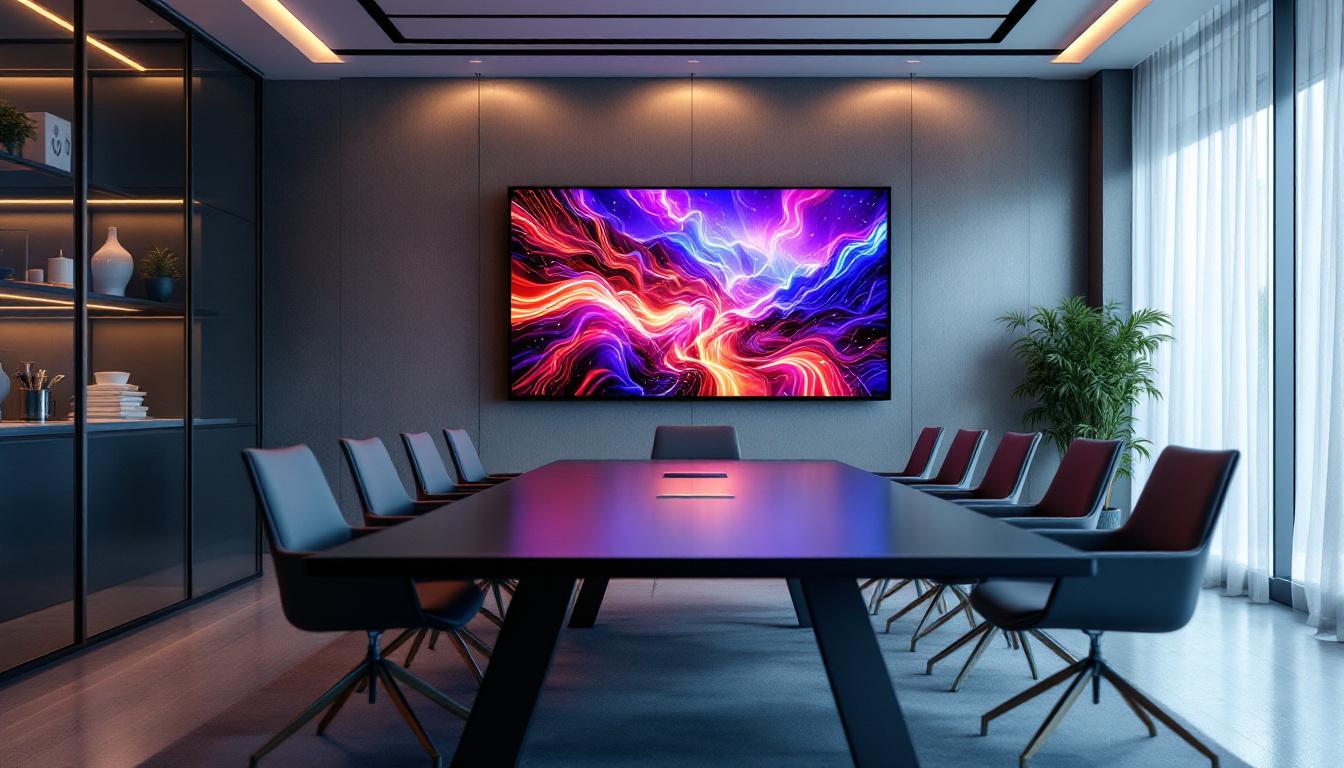
In corporate settings, LED walls are used for presentations, video conferencing, and digital whiteboards. Their clarity and size improve communication during meetings and training sessions. Educational institutions also benefit from LED displays for lectures, digital signage, and interactive learning tools.
As remote and hybrid work models evolve, LED displays facilitate collaboration by providing large, clear visuals that enhance virtual meetings and presentations.
Home Theaters and Smart Homes
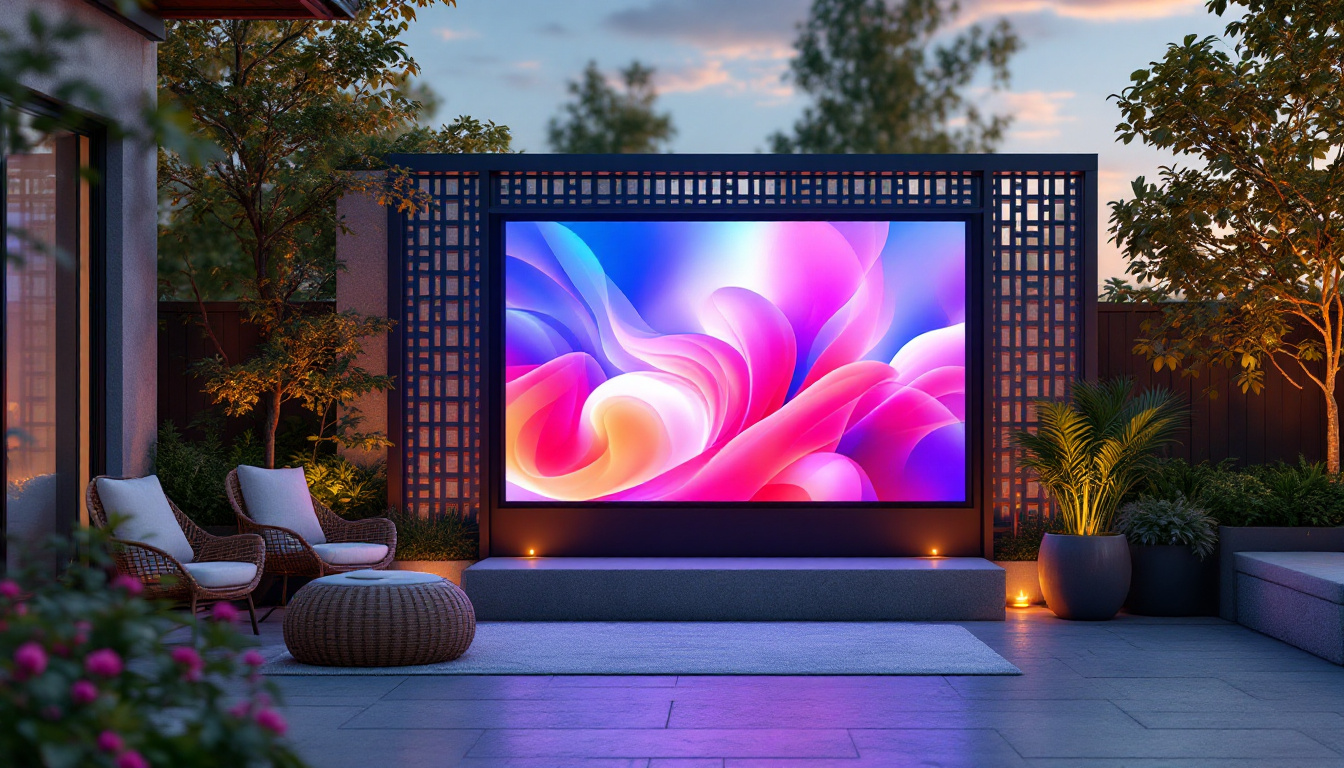
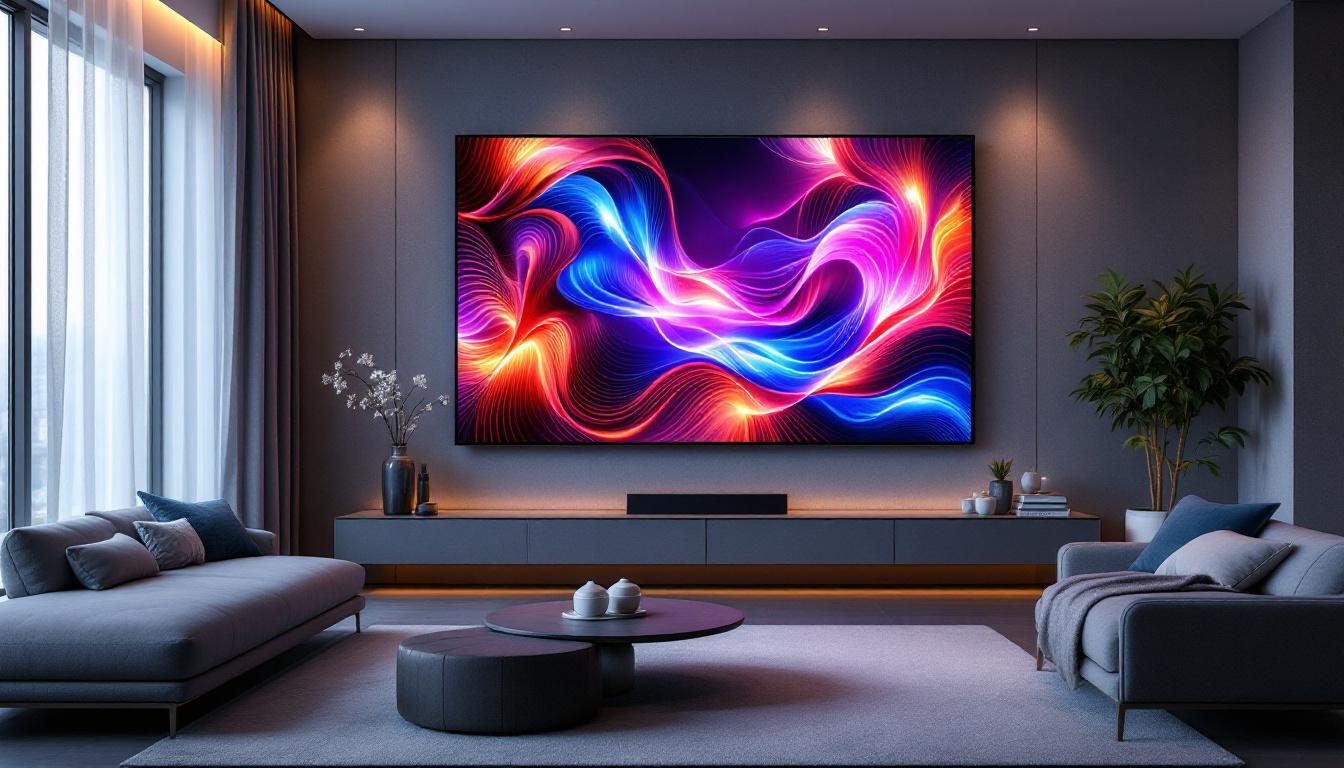
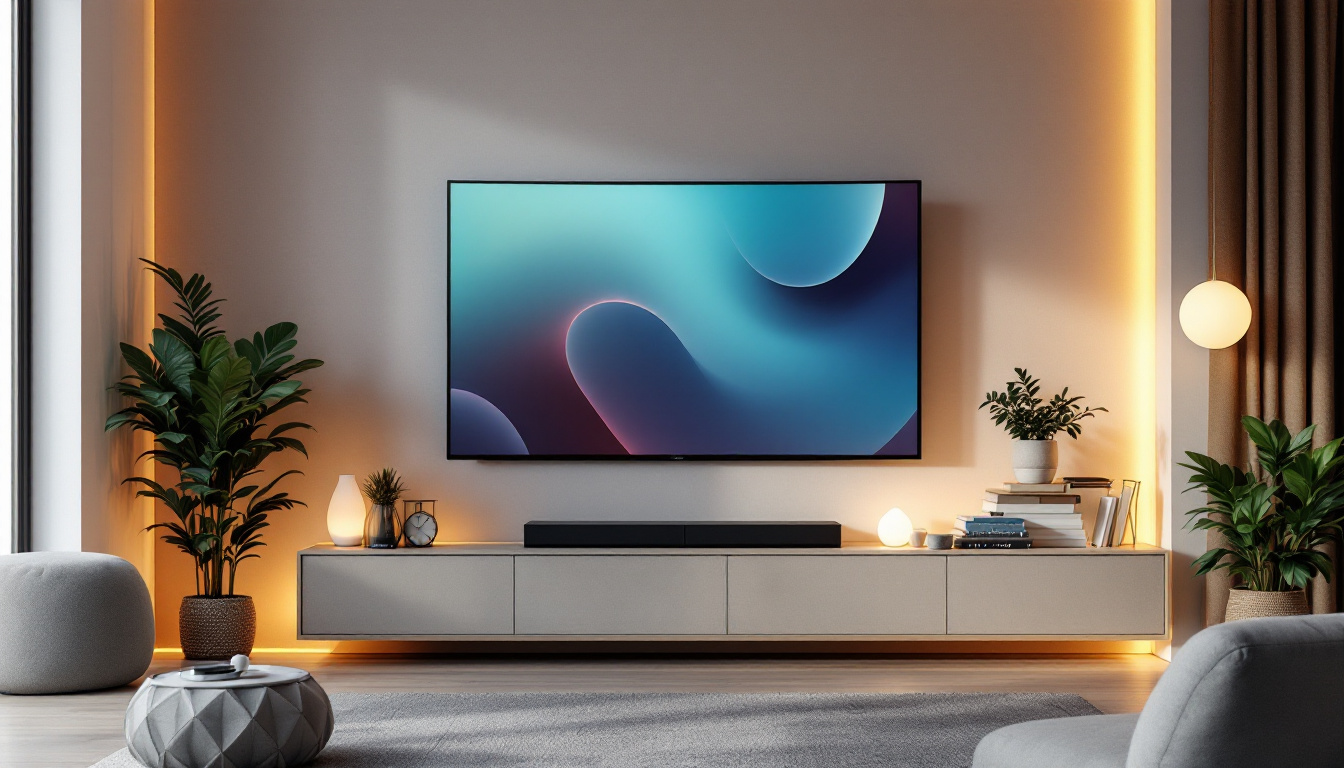
While still emerging, LED wall displays are making inroads into luxury home theaters and smart home installations. Unlike traditional projectors that require dark rooms and blank walls, LED displays can deliver cinema-quality images in various lighting conditions.
Advances in microLED technology promise even thinner, more energy-efficient panels suitable for residential use, allowing homeowners to enjoy immersive viewing experiences without bulky equipment.
Key Considerations When Choosing LED Displays for Wall Projection
To maximize the benefits of LED displays, several factors should be considered before installation.
Pixel Pitch and Viewing Distance
Pixel pitch refers to the distance between individual LED pixels, typically measured in millimeters. A smaller pixel pitch means higher resolution and sharper images, especially important for close viewing distances. For example, a pixel pitch of 1.5mm is ideal for indoor environments where viewers are near the display, while 4mm or higher is suitable for larger, outdoor displays viewed from afar.
Understanding the typical viewing distance helps determine the appropriate pixel pitch to ensure image clarity without unnecessary cost.
Brightness and Contrast Ratio
Brightness is crucial for visibility, especially in well-lit or outdoor environments. LED displays are rated in nits, with higher values indicating greater brightness. Contrast ratio, the difference between the darkest black and brightest white, affects image depth and realism.
Choosing a display with sufficient brightness and contrast ensures content remains vivid and readable under varying lighting conditions.
Durability and Environmental Factors
For outdoor installations, displays must withstand weather conditions such as rain, dust, and temperature fluctuations. Look for LED panels with appropriate IP (Ingress Protection) ratings that guarantee resistance to elements. Indoor displays require less ruggedness but should still be designed for long-term reliability.
Additionally, consider heat dissipation and power consumption, as these impact operational costs and lifespan.
Content Management and Connectivity
Modern LED displays are often integrated with content management systems (CMS) that allow remote control and scheduling of displayed content. Compatibility with various input sources, network connectivity, and user-friendly interfaces simplify content updates and maintenance.
Choosing a system that supports the desired content formats and provides robust management tools enhances usability and flexibility.
The Future of Projection on Walls: Innovations in LED Technology
LED display technology continues to evolve rapidly, promising exciting developments for wall projection applications.
MicroLED and MiniLED Advances
MicroLED technology involves microscopic LEDs that offer exceptional brightness, contrast, and energy efficiency. Unlike OLEDs, MicroLEDs are inorganic and less prone to burn-in, making them ideal for long-term use. MiniLEDs, which are slightly larger, are already being integrated into premium TVs and monitors, enhancing HDR performance.
These advancements will enable thinner, lighter, and more flexible LED displays that can seamlessly integrate into architectural surfaces.
Flexible and Curved LED Displays
Flexible LED panels allow for curved and irregularly shaped displays, opening new creative possibilities for designers and advertisers. Such displays can wrap around columns, create immersive environments, or fit unconventional wall spaces.
This flexibility enhances the ability to create visually striking installations that engage audiences in novel ways.
Interactive LED Walls
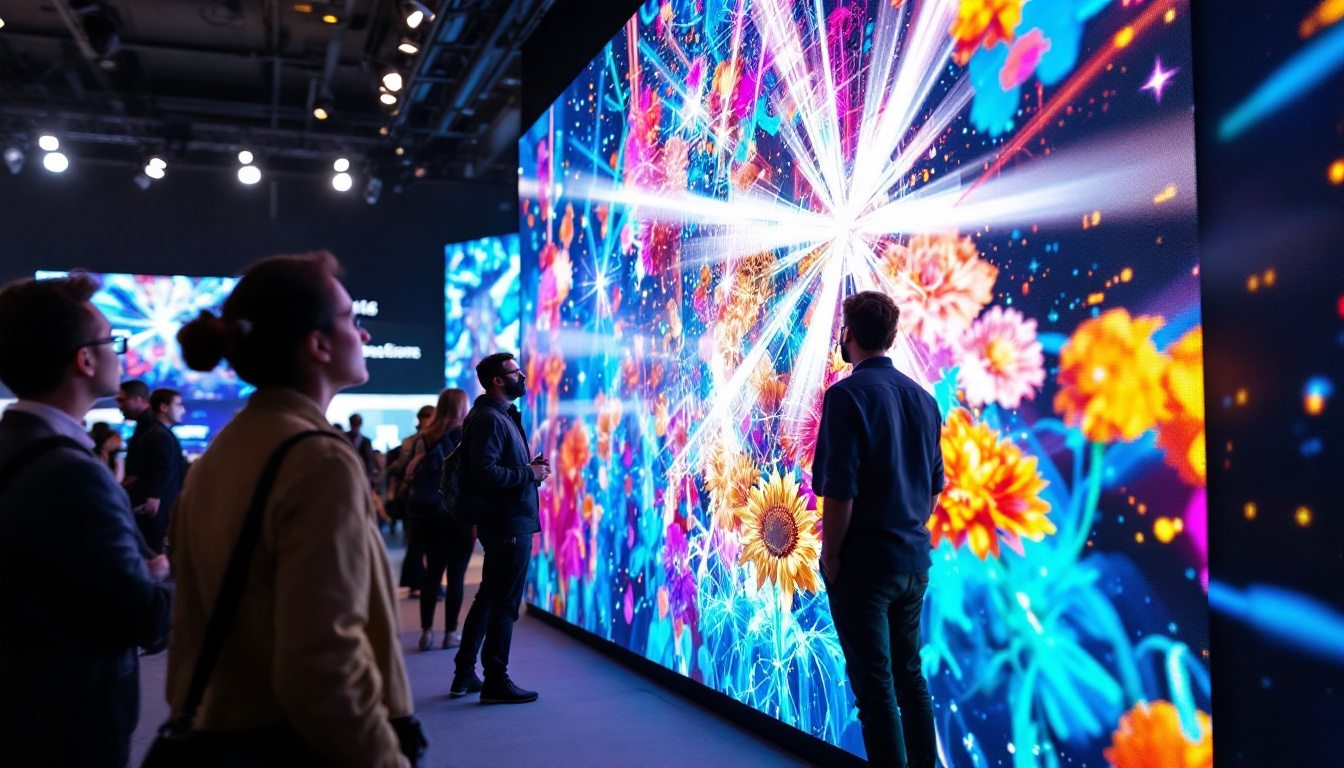
Combining LED displays with touch and motion sensors is enabling interactive wall projections. These installations respond to user gestures, creating engaging experiences in retail, museums, and public spaces.
Interactive LED walls foster deeper audience engagement and provide valuable data insights for marketers and event organizers.
Conclusion
Projection on walls using LED display technology represents a significant leap forward from traditional projection methods. With superior brightness, image quality, installation flexibility, and durability, LED displays are transforming how visual content is presented across industries. Whether for advertising, entertainment, corporate communication, or home use, understanding the capabilities and considerations of LED displays is essential for making informed decisions.
As LED technology continues to advance, the future promises even more innovative and immersive wall projection solutions that will redefine visual storytelling and engagement.
Discover LumenMatrix LED Display Solutions
Ready to elevate your visual storytelling and captivate your audience with unparalleled clarity and impact? Explore LumenMatrix’s innovative LED display solutions tailored to your needs. From vibrant Indoor and Outdoor LED Wall Displays to dynamic Vehicle and Sports LED Displays, our cutting-edge technology is designed to revolutionize your visual communication. Experience the future of immersive engagement with our Custom, All-in-One, and Transparent LED Displays. Check out LumenMatrix LED Display Solutions today and transform your space into a visual spectacle.