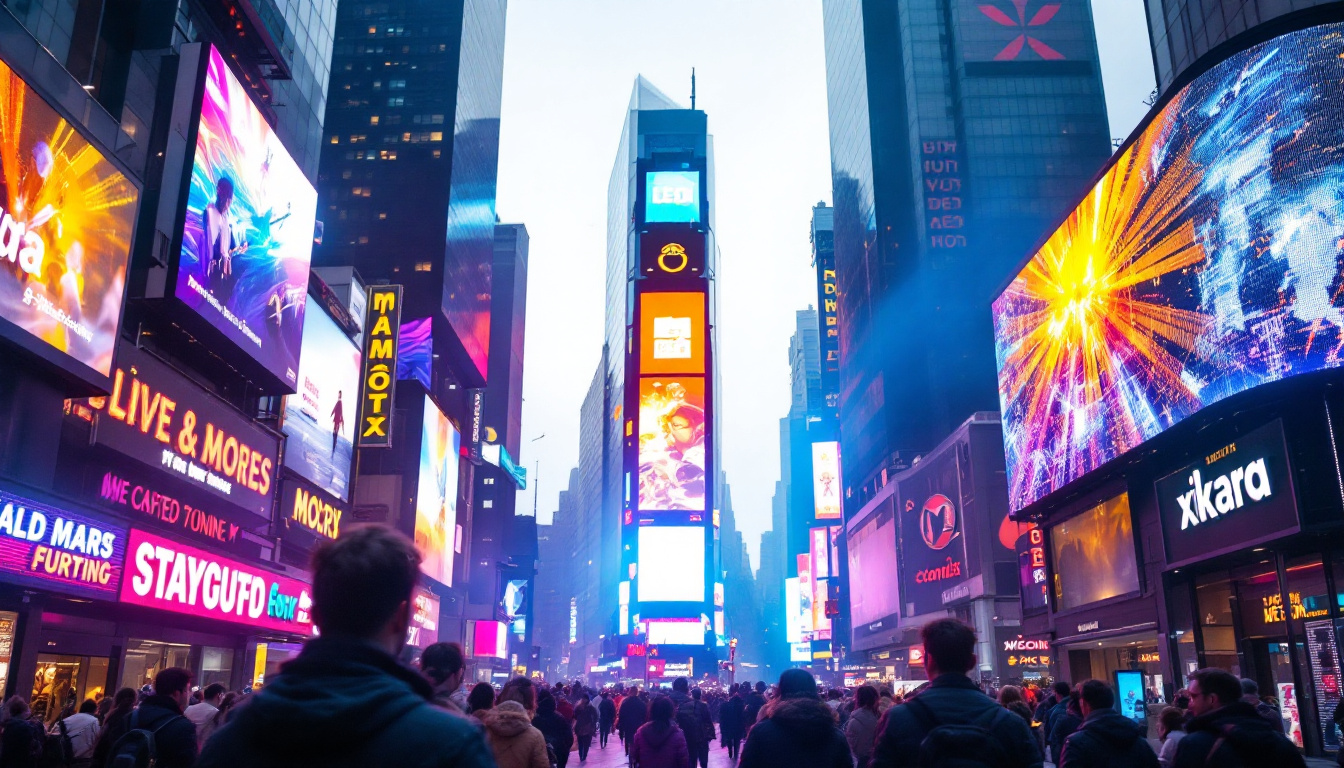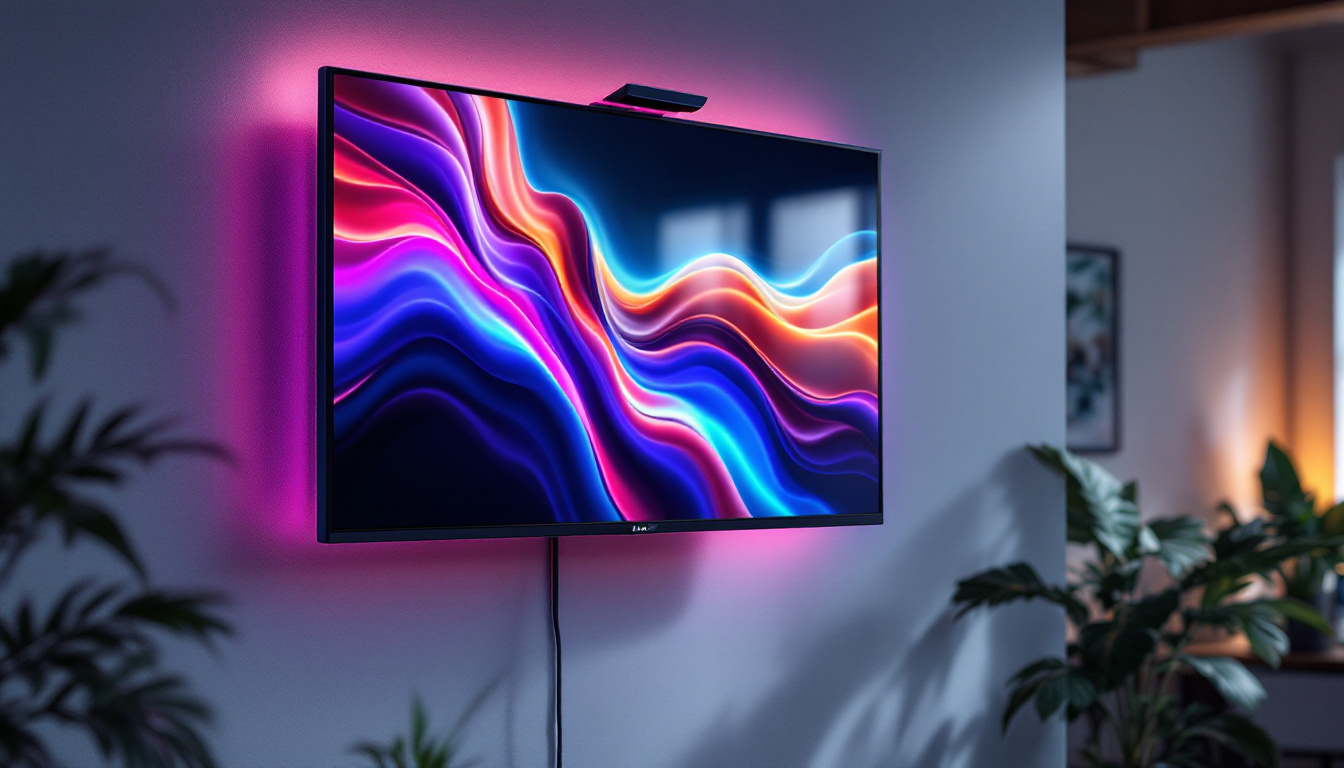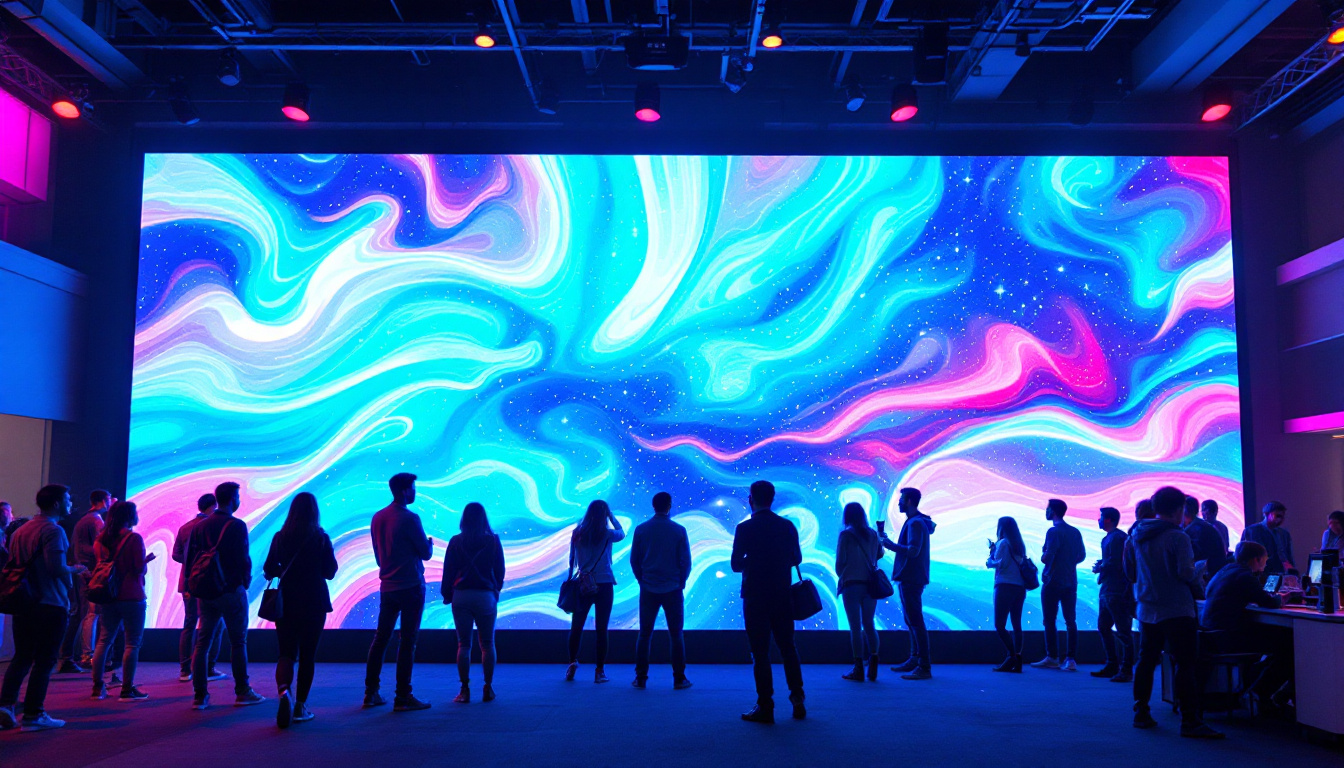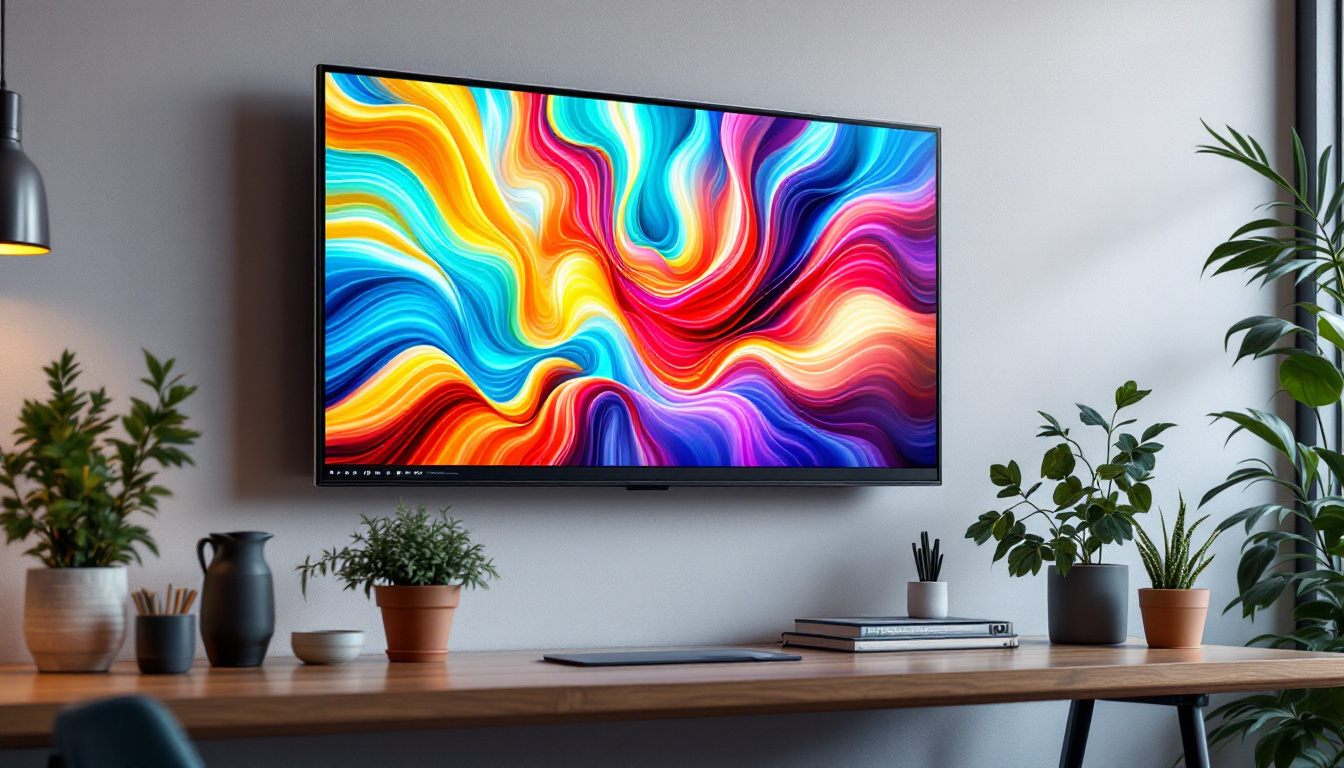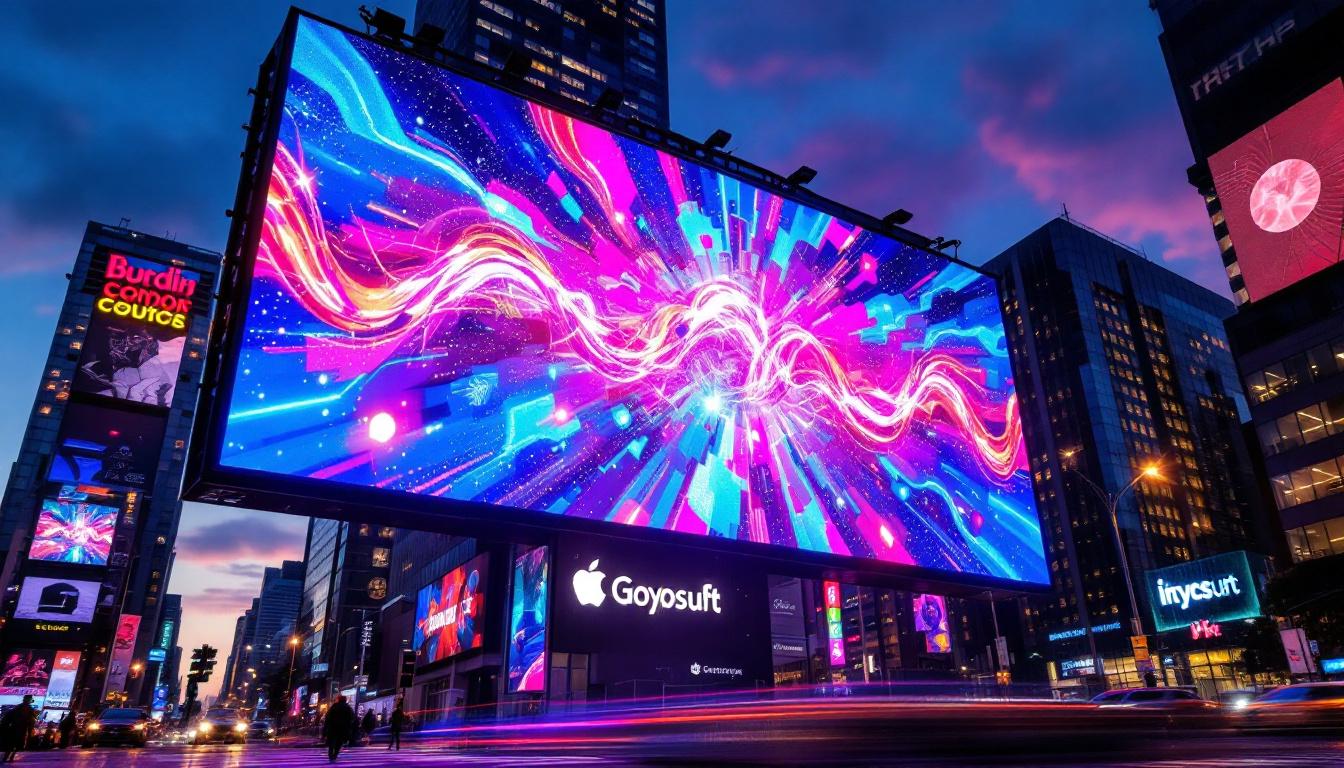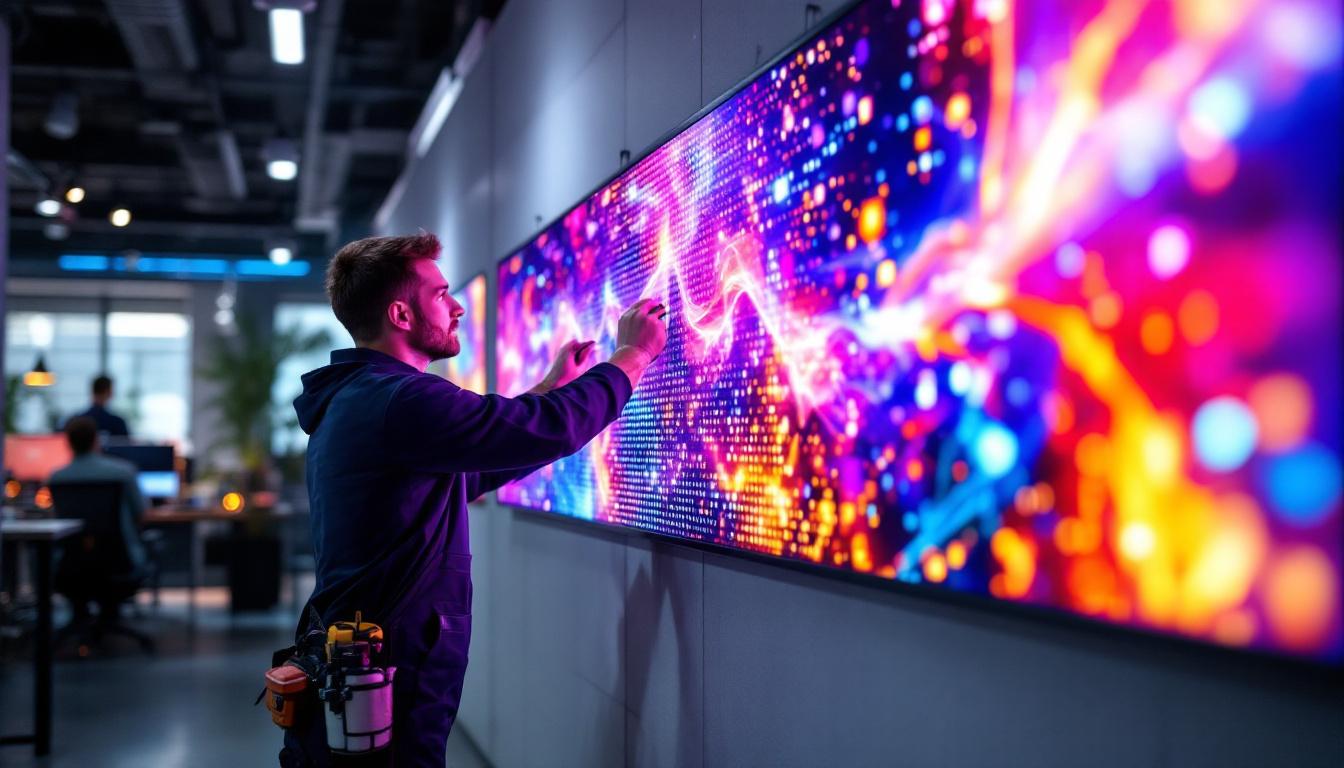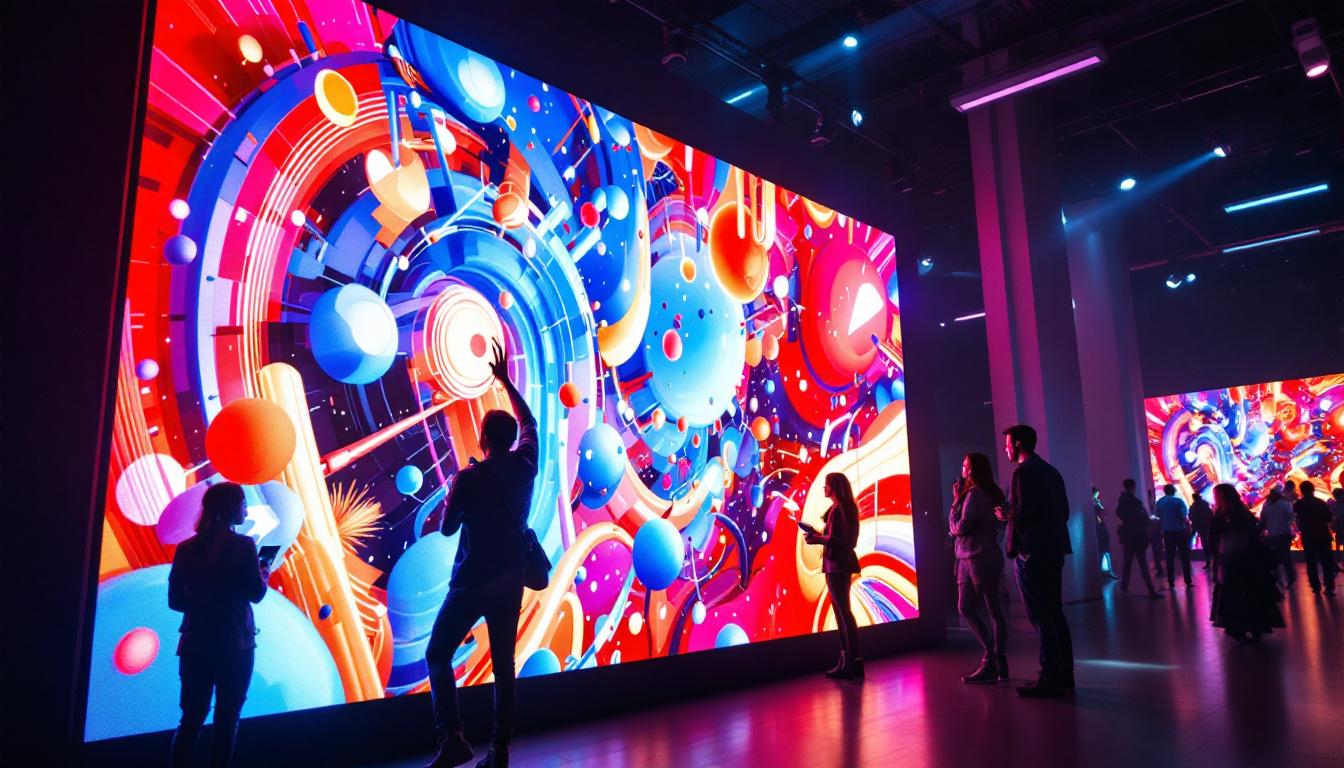
In the rapidly evolving world of home entertainment and commercial display technology, LED TV wall panels have become a dominant force, transforming how we experience visual content. From sleek living rooms to bustling corporate lobbies, LED displays offer unparalleled brightness, color accuracy, and design flexibility. This article delves into the technology behind modern TV wall panels, focusing on LED displays, their benefits, types, and practical considerations for consumers and businesses alike.
Understanding LED Display Technology
LED, or Light Emitting Diode, technology has revolutionized display screens over the past decade. Unlike traditional LCD or plasma screens, LED displays use tiny diodes that emit light when an electric current passes through them. This fundamental difference results in several advantages, including improved energy efficiency and superior image quality.
At its core, an LED display panel comprises millions of these microscopic LEDs arranged in a grid. Each LED acts as an individual pixel or part of a pixel, producing light directly rather than relying on a backlight, as in LCDs. This direct emission allows for higher contrast ratios, deeper blacks, and more vibrant colors.
Modern LED TV wall panels often employ advanced technologies like OLED (Organic LED) or MicroLED, which further enhance picture quality and panel flexibility. OLED panels, for example, use organic compounds that emit light, enabling ultra-thin screens with exceptional contrast and viewing angles. MicroLED technology, still emerging in consumer markets, promises even greater brightness and lifespan by utilizing microscopic LEDs without organic materials.
How LED Panels Differ from Other Display Technologies
Comparing LED panels to LCD and plasma displays highlights why LEDs have become the preferred choice for wall-mounted TVs and video walls. LCD screens rely on fluorescent backlights, which can cause light bleed and limit contrast. Plasma displays, once popular for their deep blacks and wide viewing angles, are bulkier and consume more power.
LED displays, particularly those using OLED or MicroLED, overcome these limitations by emitting light at the pixel level. This results in sharper images, faster refresh rates, and thinner, lighter panels that are easier to mount on walls. Additionally, LED panels generally have longer lifespans and are more resistant to screen burn-in, a common issue with plasma and some OLED screens.
Types of LED TV Wall Panels
The term “LED TV wall panel” can refer to several different types of display setups, each suited for various applications and budgets. Understanding these types helps consumers and businesses select the right solution for their needs.
Direct View LED (DVLED) Panels
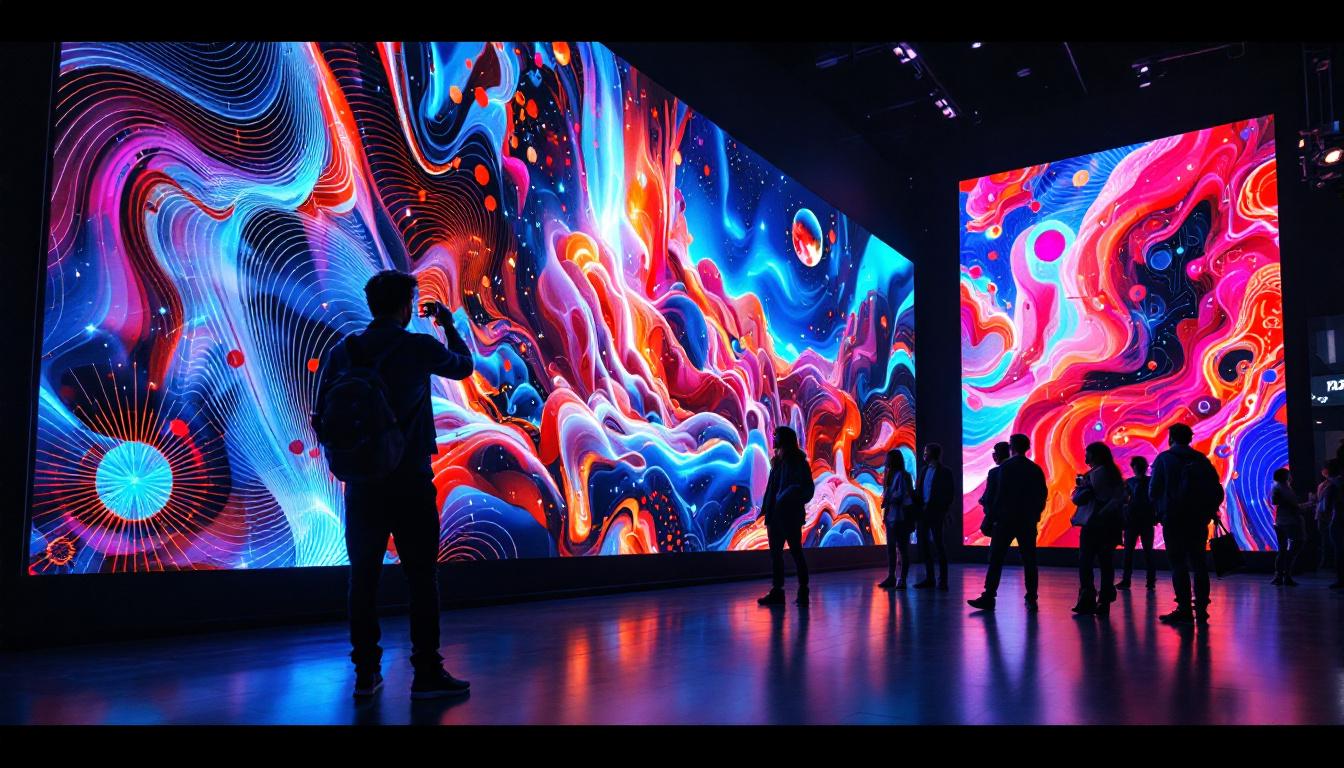
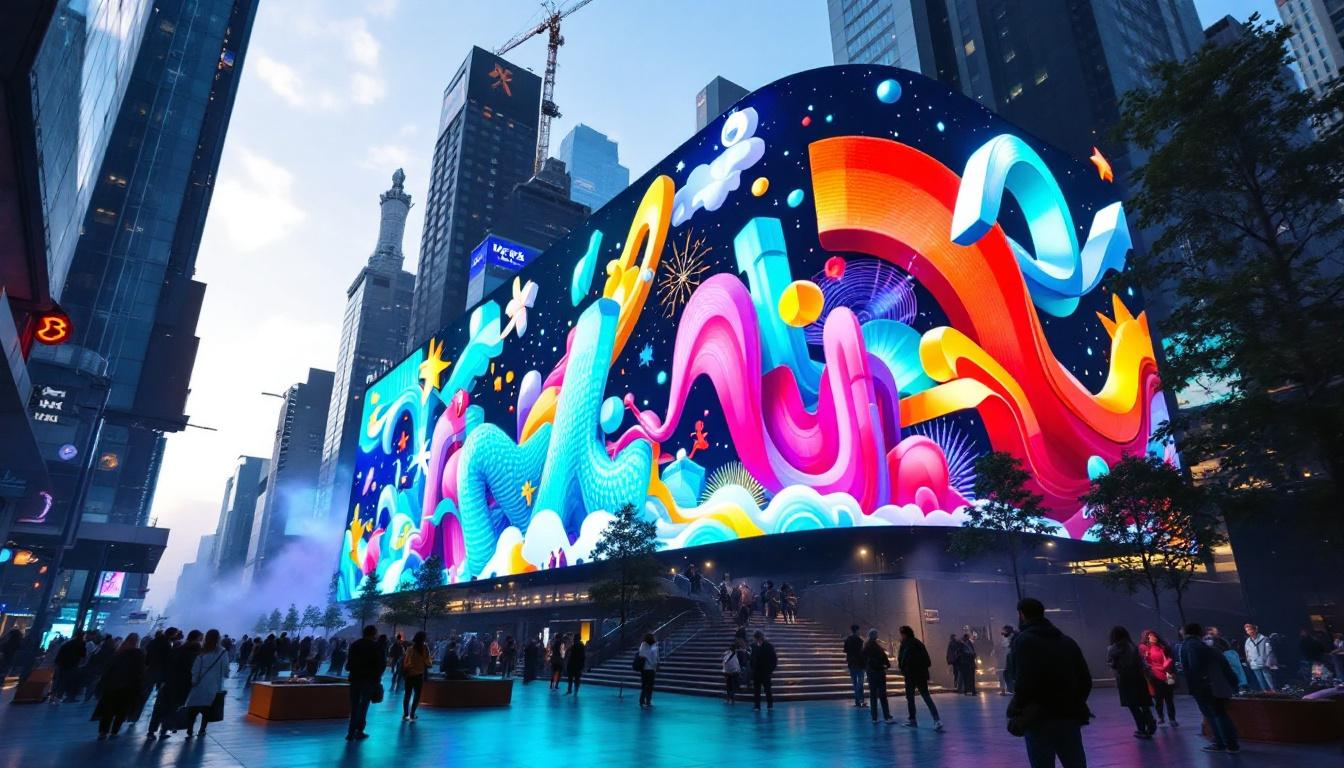
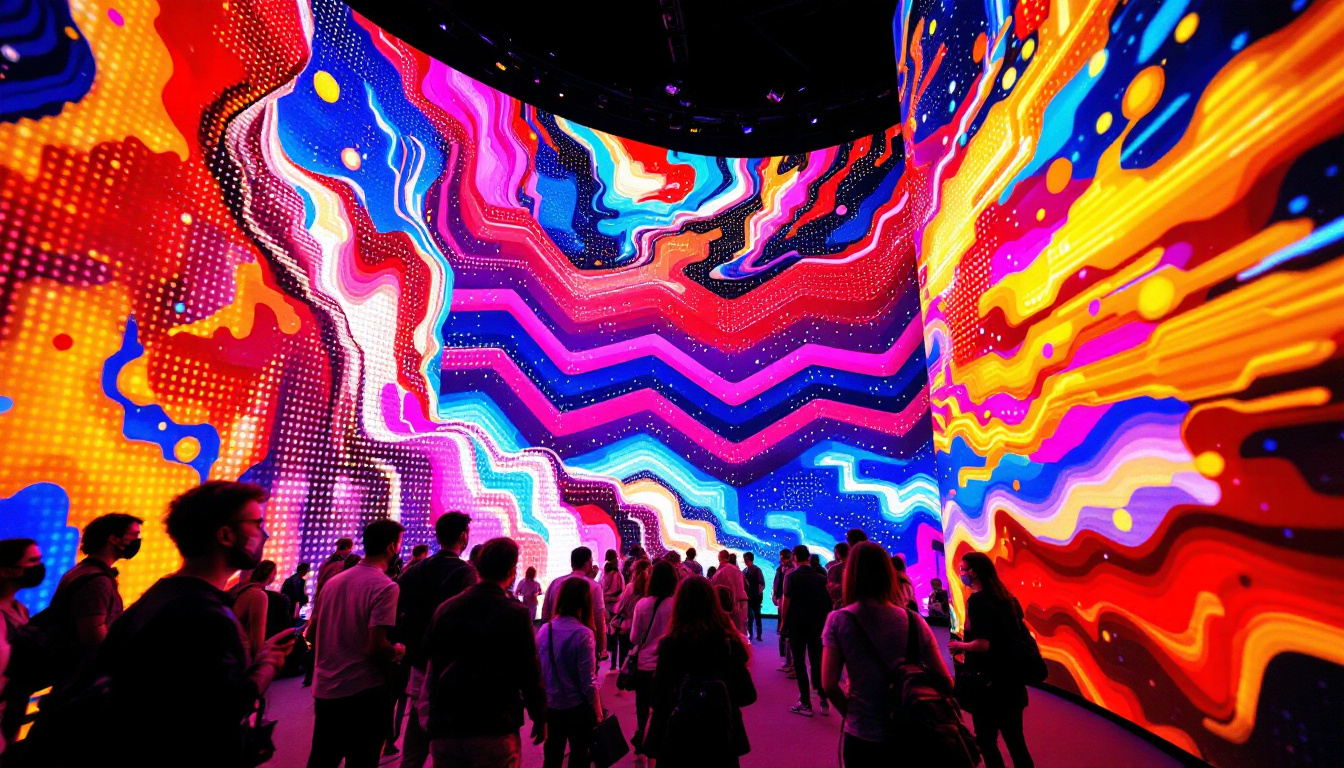
Direct View LED panels are composed of individual LEDs that form the entire display surface. These are commonly used in large-scale video walls for commercial settings such as stadiums, shopping malls, and conference centers. DVLED panels offer excellent brightness and durability, making them ideal for environments with high ambient light.
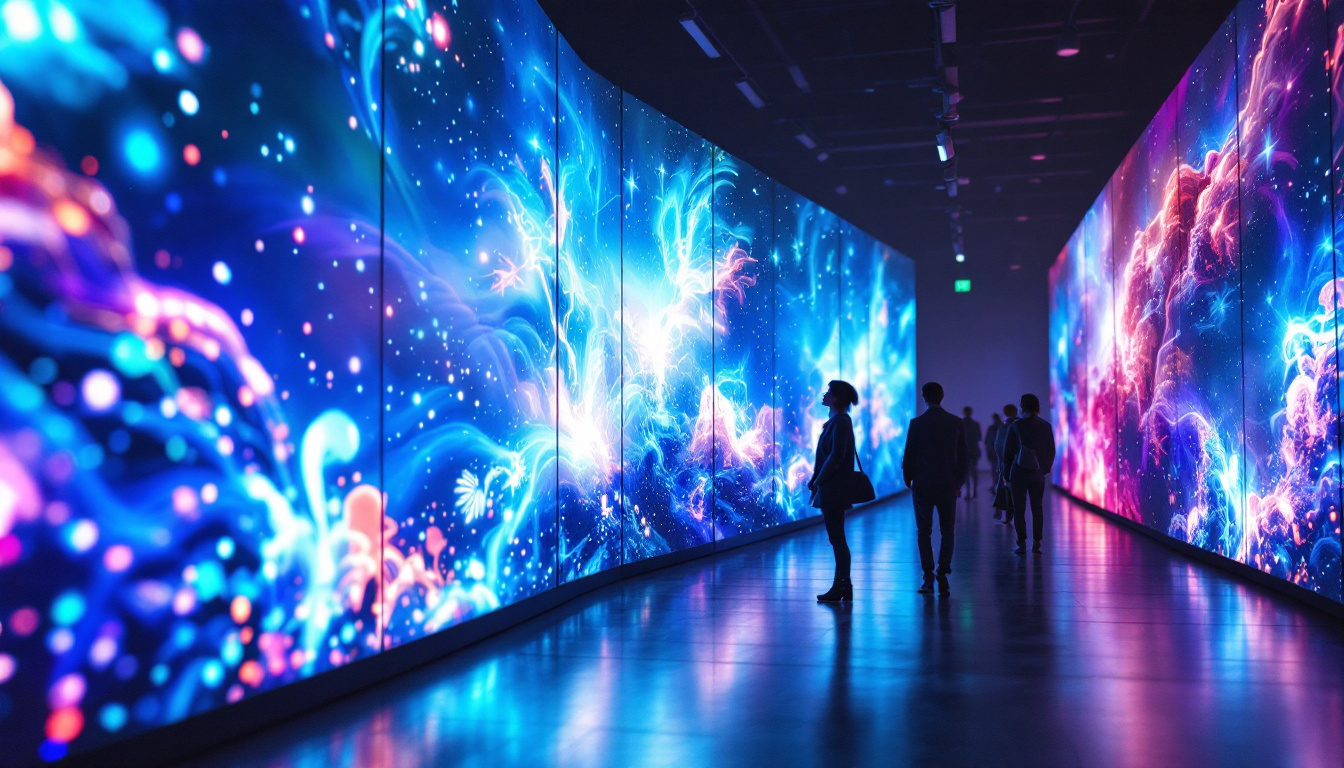
One of the key advantages of DVLED is scalability. Panels can be tiled seamlessly to create massive displays without visible bezels, providing a continuous viewing experience. Advances in pixel pitch—the distance between individual LEDs—have enabled DVLED panels to achieve resolutions suitable for close viewing distances, including indoor TV wall applications.
LED-Backlit LCD Panels
Many modern TVs marketed as “LED TVs” are actually LCD panels with LED backlighting. In this configuration, LEDs illuminate the LCD screen from behind or along the edges, enhancing brightness and color performance compared to older CCFL backlights. Edge-lit and full-array LED backlighting are common variations, with full-array offering better local dimming and contrast.
While these panels are thinner and more energy-efficient than traditional LCDs, they do not provide the same contrast and black levels as direct-view LED or OLED displays. However, they remain popular for consumer TVs due to their affordability and solid performance.
OLED Panels
Organic LED panels are a subset of LED technology where each pixel emits light independently using organic compounds. OLED panels are renowned for their perfect black levels, wide viewing angles, and vibrant colors. They are commonly used in high-end TVs and premium video walls.
Despite their advantages, OLED displays are generally more expensive and have a shorter lifespan compared to some LED alternatives. They are also more susceptible to burn-in if static images are displayed for prolonged periods, which is a consideration for commercial use.
MicroLED Panels
MicroLED technology represents the cutting edge of LED display innovation. These panels use microscopic LEDs to create pixels, combining the best features of OLED and traditional LEDs. MicroLEDs offer exceptional brightness, color accuracy, and durability without the burn-in risks associated with OLED.
Currently, MicroLED panels are primarily found in premium commercial installations and are gradually entering the consumer market. Their high cost remains a barrier, but as manufacturing processes improve, they are expected to become more accessible.
Benefits of Using LED TV Wall Panels
LED TV wall panels bring numerous benefits that make them an attractive choice for both residential and commercial environments. Understanding these advantages helps clarify why LED technology dominates the display market today.
Superior Image Quality
One of the most compelling reasons to choose LED panels is their outstanding image quality. With higher contrast ratios, deeper blacks, and vibrant colors, LED displays offer a viewing experience that closely matches real life. This is especially important for applications such as digital signage, home theaters, and broadcast studios where image fidelity is critical.
Additionally, LED panels typically have faster refresh rates and lower latency, which improves motion handling and reduces blur during fast-moving scenes, making them ideal for sports and gaming.
Energy Efficiency and Longevity
LED technology is inherently more energy-efficient than traditional display methods. LEDs consume less power while delivering brighter images, which can lead to significant cost savings over time, especially in commercial installations that operate continuously.
Moreover, LED panels have longer operational lifespans, often exceeding 50,000 hours of use before brightness diminishes noticeably. This durability reduces maintenance costs and downtime, an important factor for businesses relying on continuous display operation.
Design Flexibility and Scalability
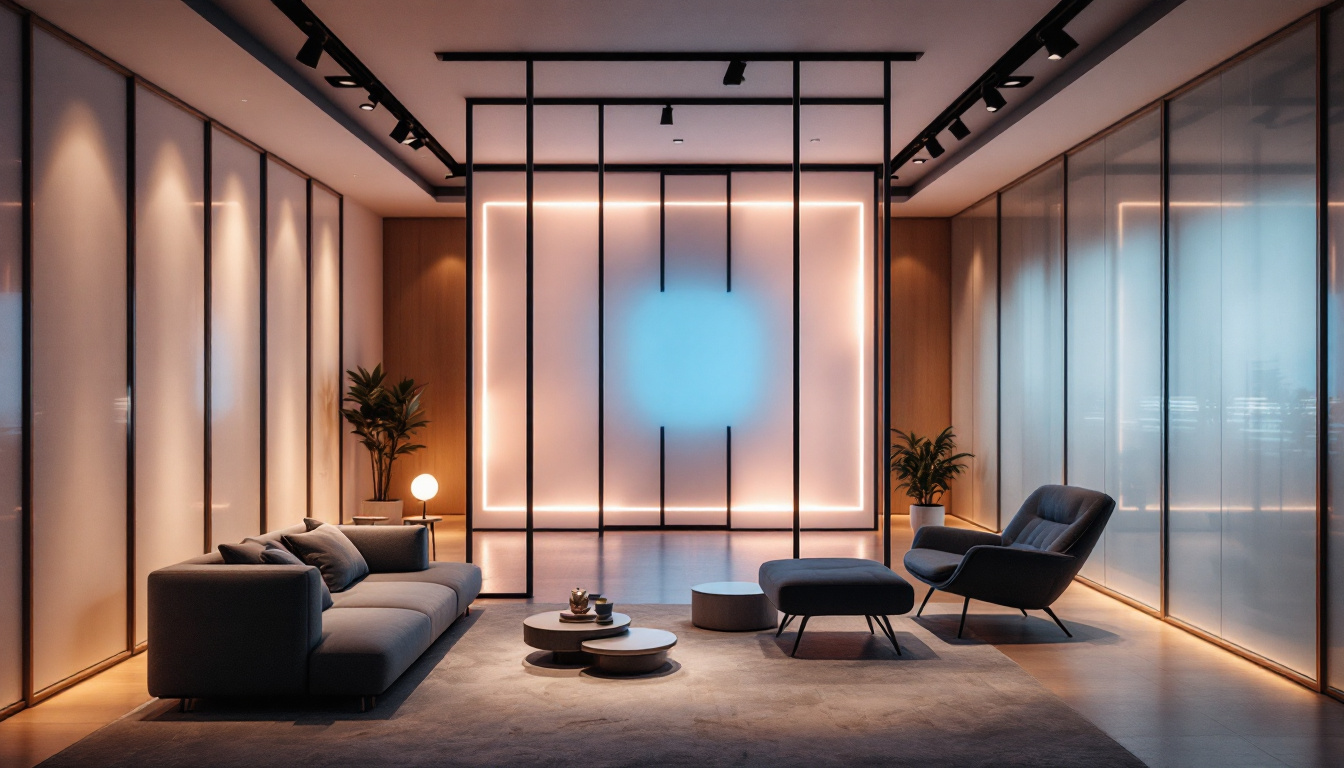
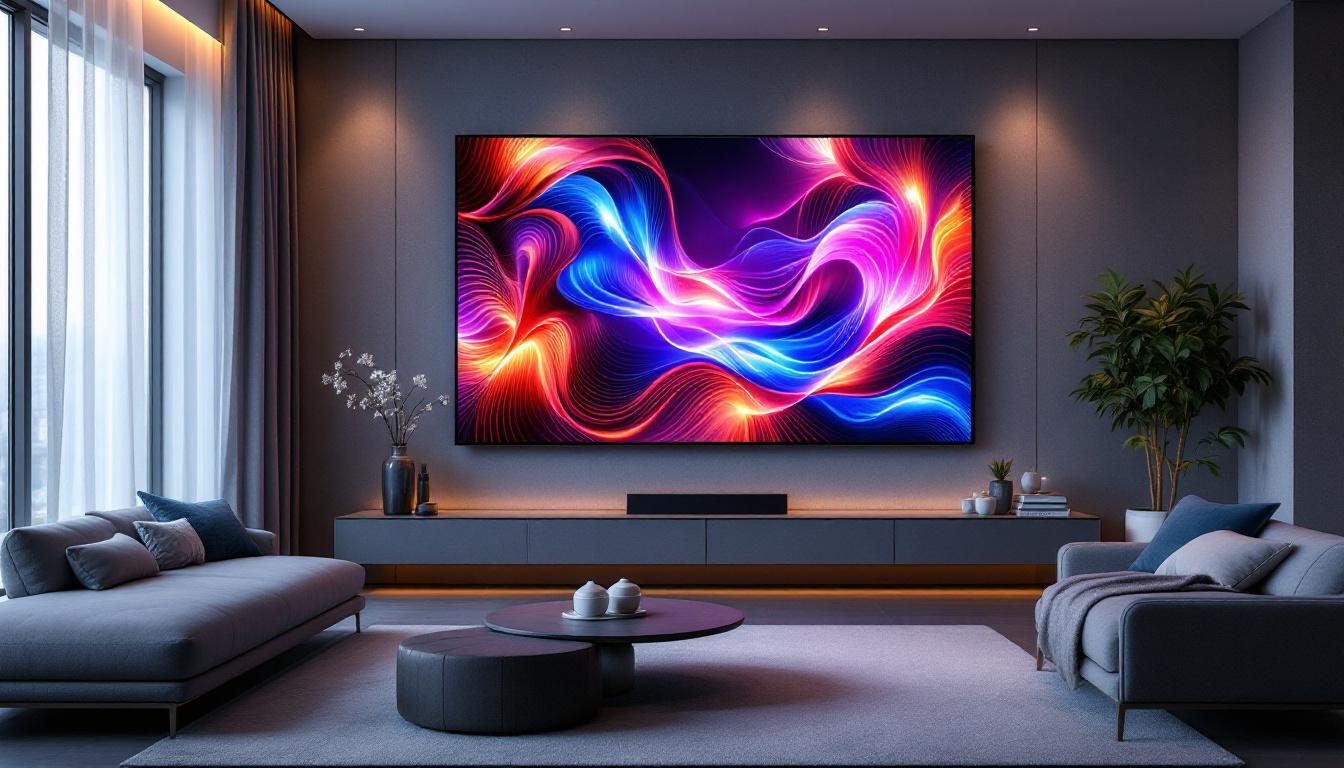
Modern LED TV wall panels are designed to be modular and scalable. This means they can be customized to fit virtually any space or shape, from standard rectangular screens to curved or irregular video walls. The thinness and light weight of LED panels make wall mounting easier and more aesthetically pleasing, contributing to sleek, modern interiors.
For commercial applications, the ability to create seamless large-format displays without bezels enhances visual impact and viewer engagement. This flexibility is a key reason why LED walls are popular in retail, hospitality, and corporate environments.
High Brightness for Various Lighting Conditions
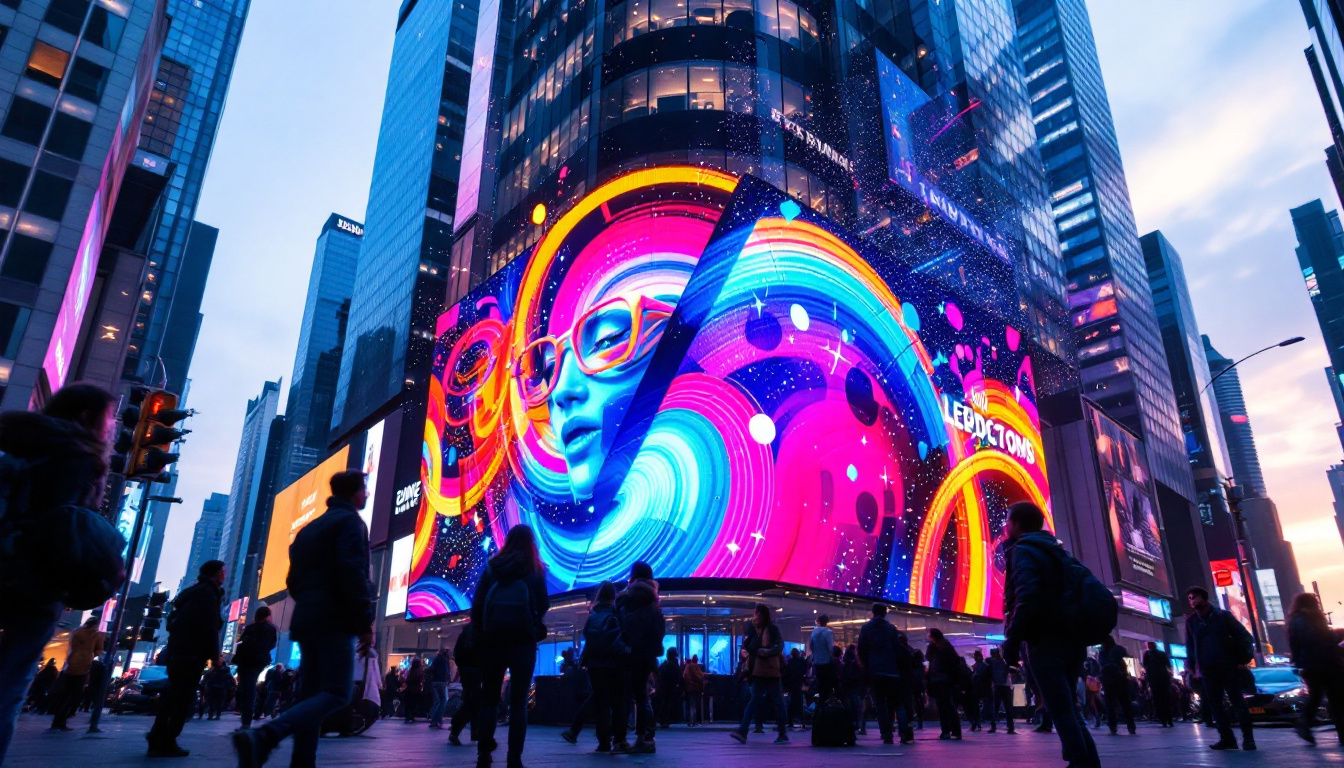
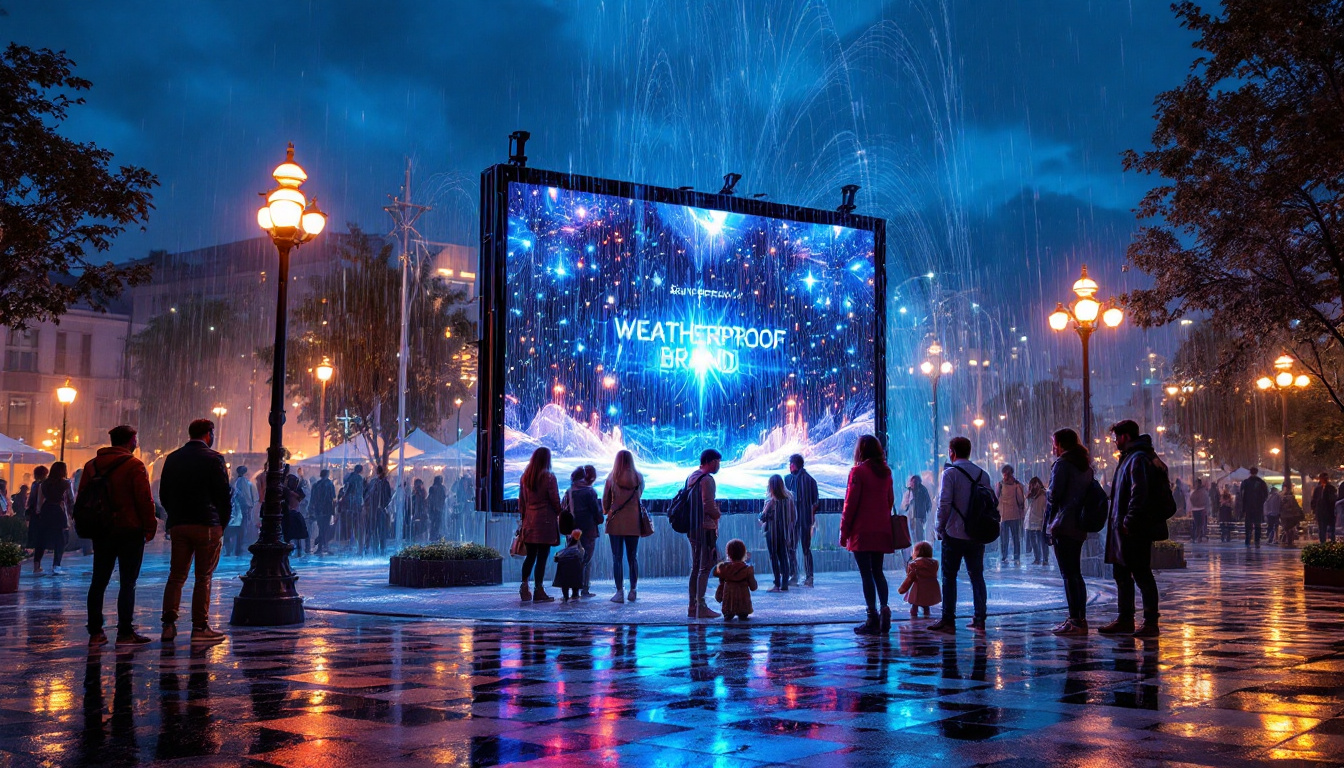
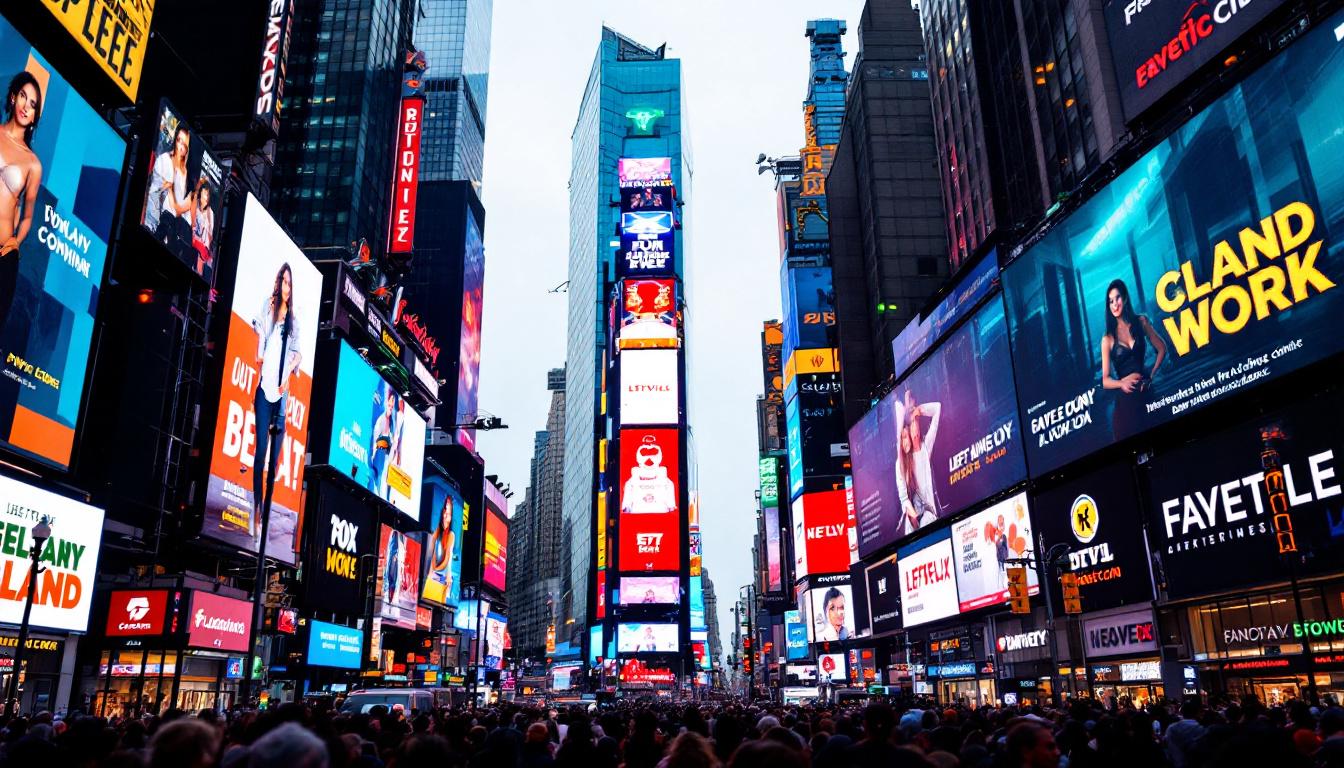
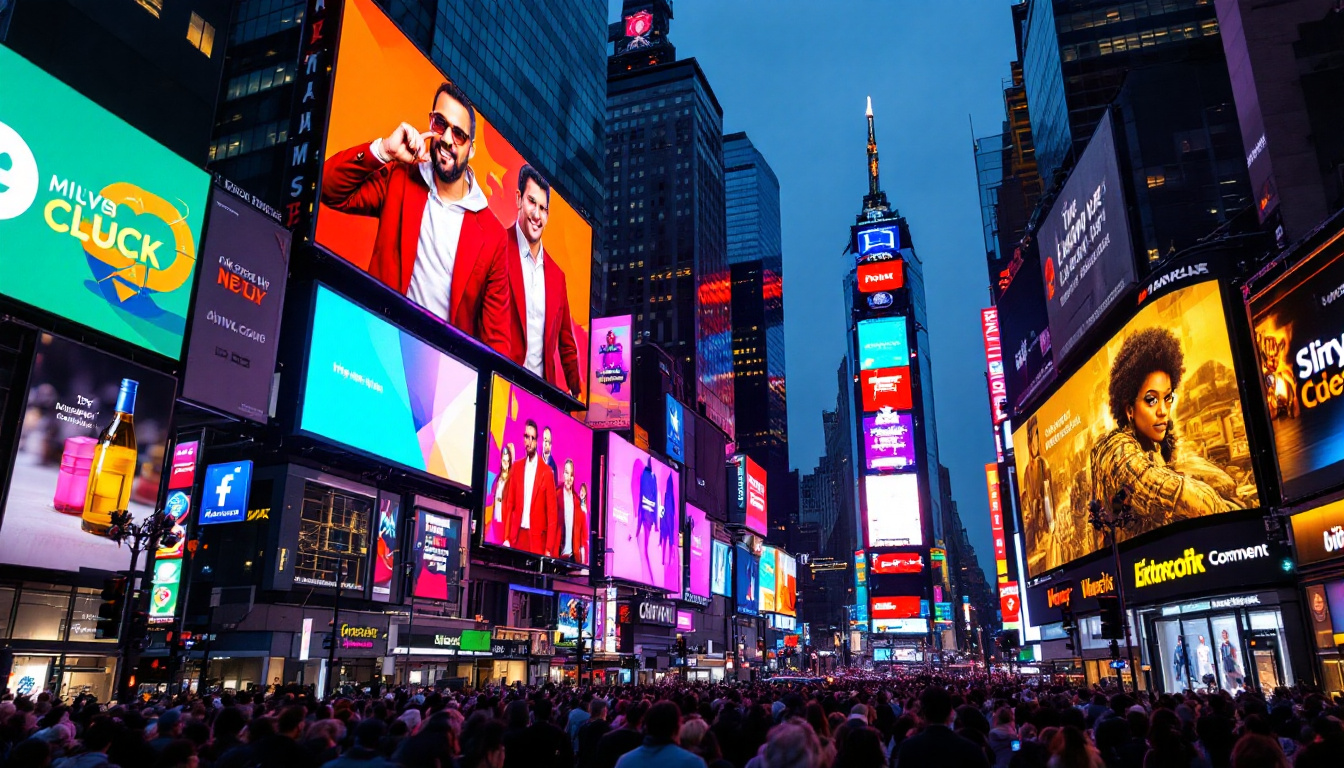
LED displays excel in bright environments where traditional TVs struggle. Their high brightness levels ensure clear visibility even in direct sunlight or brightly lit rooms. This makes them ideal for outdoor advertising, airport terminals, and other public spaces.
Considerations When Choosing LED TV Wall Panels
Despite their many advantages, selecting the right LED TV wall panel requires careful consideration of several factors to ensure the display meets specific needs and budget constraints.
Pixel Pitch and Viewing Distance
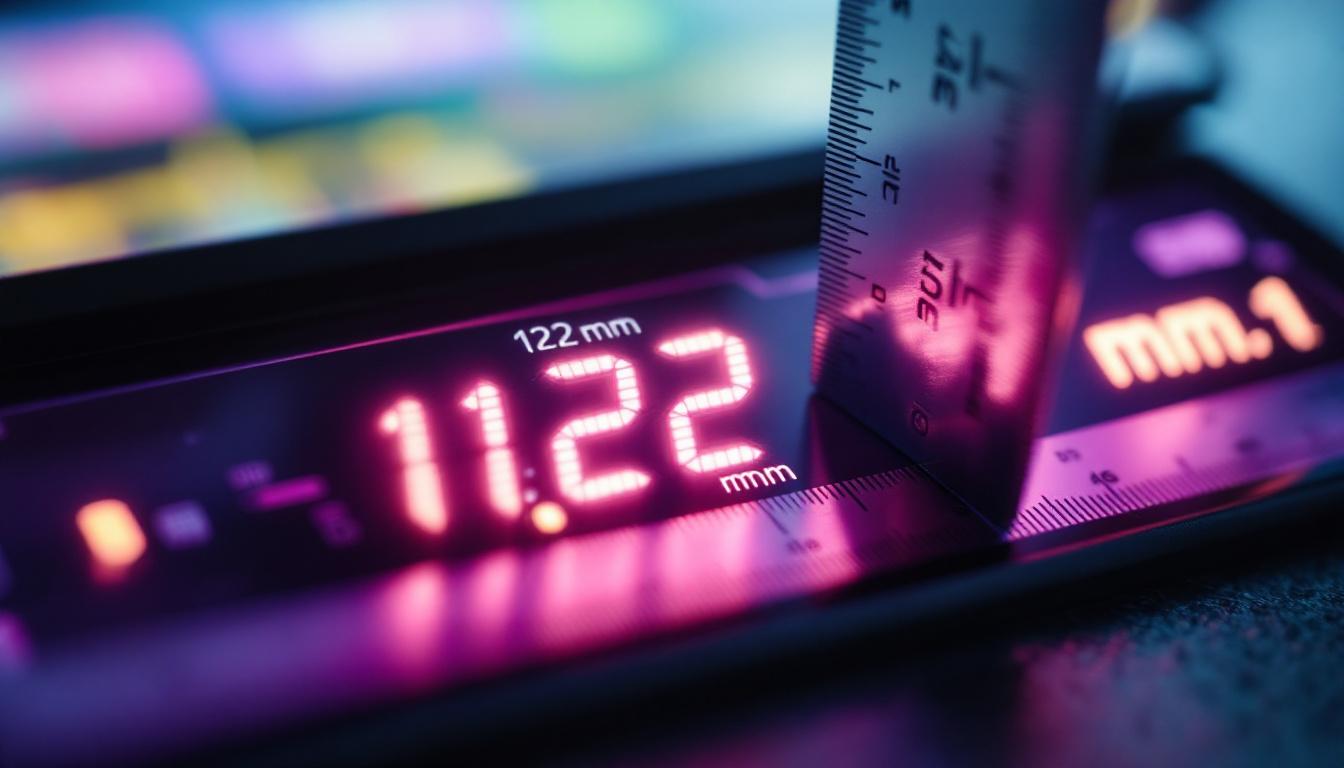
Pixel pitch, the distance between individual LEDs, directly affects the display’s resolution and clarity. Smaller pixel pitches mean higher resolution and better image quality at closer viewing distances. For home theaters or conference rooms where viewers sit relatively close, pixel pitches of 1.2mm to 2.5mm are common.
In contrast, larger pixel pitches (3mm and above) are suitable for large venues where viewers are farther away, such as sports arenas or outdoor billboards. Selecting the appropriate pixel pitch ensures the image appears sharp and detailed without unnecessary expense.
Installation and Maintenance
LED TV wall panels require professional installation to ensure proper alignment, calibration, and integration with existing AV systems. Modular panels must be securely mounted and connected to avoid gaps or misalignment that can detract from the viewing experience.
Maintenance considerations include easy access for repairs, software updates, and cleaning. Many modern LED panels feature front or rear serviceability, allowing technicians to replace modules without dismantling the entire wall.
Cost and Budget
While LED technology offers excellent value over time, initial costs can be significant, especially for high-resolution direct-view LED or MicroLED walls. Budgeting should include not only the panels but also installation, control systems, and ongoing maintenance.
For residential users, LED-backlit LCD TVs may provide a cost-effective alternative with good performance. Commercial users should weigh the benefits of image quality and durability against upfront investment to select the best solution.
Content and Control Systems
The effectiveness of an LED TV wall panel depends heavily on the content displayed and the control systems used. High-resolution content optimized for the display’s capabilities ensures a compelling visual experience. Additionally, advanced control systems allow for dynamic content management, multi-source inputs, and real-time adjustments.
Businesses should consider software platforms that support scheduling, remote management, and integration with other digital signage tools to maximize the utility of their LED walls.
Future Trends in LED TV Wall Panels
The LED display market continues to evolve rapidly, driven by advances in materials science, manufacturing, and digital technology. Several trends are shaping the future of LED TV wall panels.
Increasing Adoption of MicroLED
As MicroLED technology matures, it is expected to become more prevalent in both commercial and residential markets. Its superior brightness, color accuracy, and durability make it a promising successor to OLED and traditional LED displays. Manufacturers are investing heavily in scaling production and reducing costs, which will drive wider adoption.
Flexible and Transparent Displays
Innovations in flexible and transparent LED panels are opening new possibilities for design and application. Flexible panels can be curved or bent to fit unique architectural features, while transparent displays allow for see-through video walls that blend seamlessly with glass surfaces. These technologies are particularly attractive for retail and experiential marketing environments.
Integration with Smart Home and IoT
LED TV wall panels are increasingly integrated with smart home ecosystems and Internet of Things (IoT) devices. This enables voice control, automated brightness adjustments based on ambient light, and seamless connectivity with other smart devices, enhancing user convenience and energy efficiency.
Conclusion
Modern LED TV wall panels represent a significant leap forward in display technology, offering unmatched image quality, energy efficiency, and design versatility. Whether for immersive home theaters, dynamic commercial signage, or large-scale public displays, LED technology provides solutions tailored to diverse needs and environments.
Understanding the differences between direct-view LED, LED-backlit LCD, OLED, and MicroLED panels, along with considerations such as pixel pitch, installation, and content management, empowers consumers and businesses to make informed decisions. As LED technology continues to advance, the future promises even more innovative and captivating visual experiences.
Investing in the right LED TV wall panel today not only enhances viewing pleasure but also positions users at the forefront of a rapidly evolving digital display landscape.
Discover LumenMatrix’s Innovative LED Display Solutions
Ready to elevate your visual experience with the latest in LED display technology? Look no further than LumenMatrix, a pioneer in crafting LED display modules that bring your content to life. Whether you’re seeking to dazzle with an Indoor LED Wall Display, make a statement with an Outdoor LED Wall Display, or innovate with Custom LED Display options, LumenMatrix has the solution to meet your needs. Embrace the future of digital signage and create unforgettable visual narratives. Check out LumenMatrix LED Display Solutions today and transform your space into a dynamic canvas.