In today’s world of visual technology, choosing the right display solution can be overwhelming. Whether you’re setting up a home theater, outfitting a conference room, or enhancing a retail space, understanding the differences between projection screens and LED displays is crucial. This article dives deep into the world of projection screens and LED displays, helping you make an informed decision when searching for “projection screens near me” or considering LED alternatives.
Understanding Projection Screens: The Traditional Visual Display
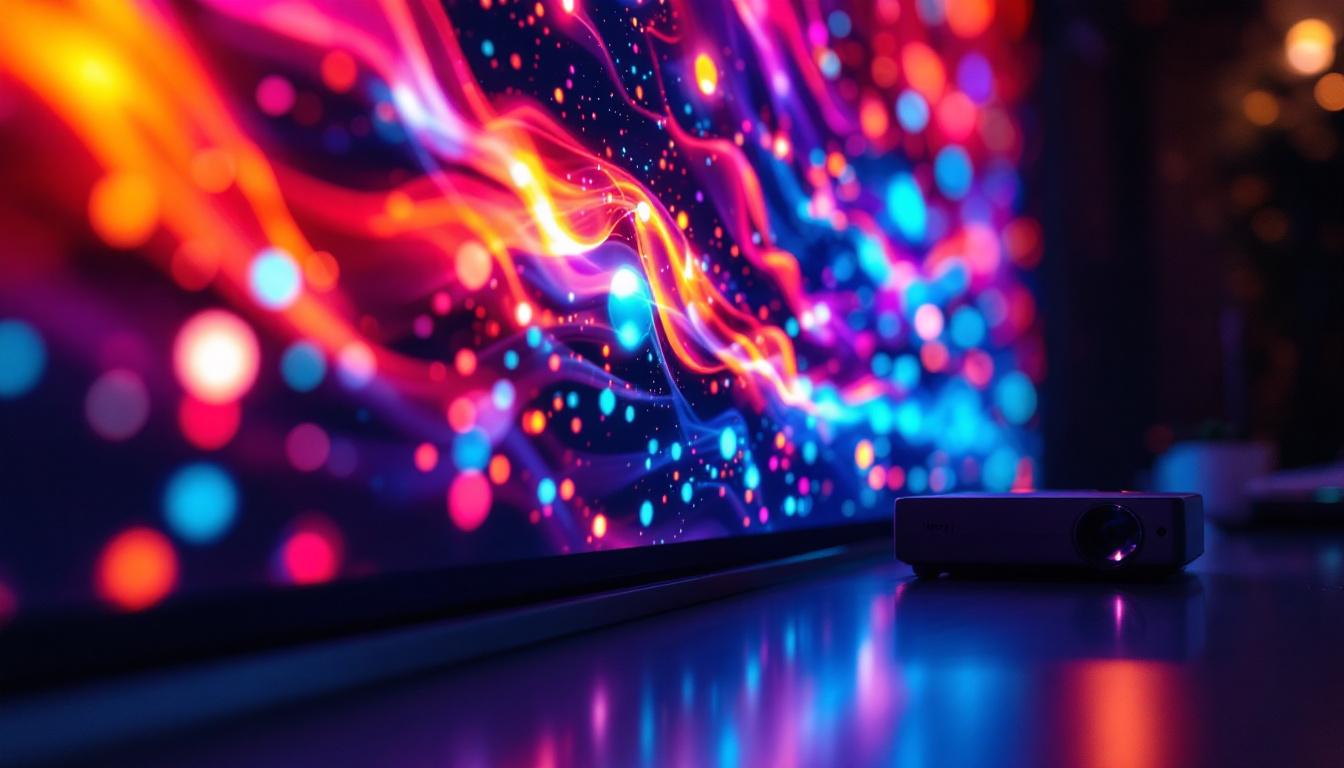
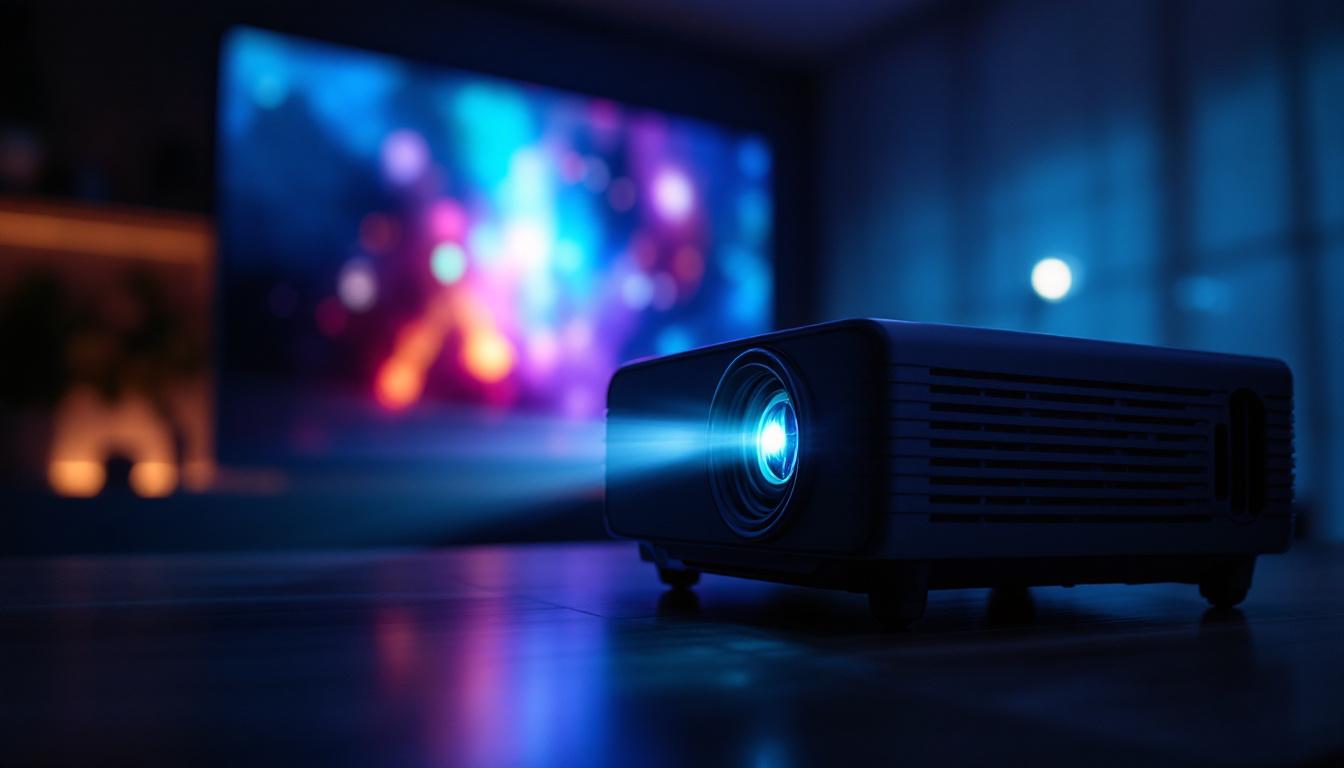
Projection screens have been a staple in visual presentations for decades. They work by reflecting light from a projector to create a large, clear image. Commonly found in classrooms, boardrooms, and home theaters, projection screens come in various types and sizes to suit different needs. Their evolution has mirrored advancements in technology, making them more versatile and user-friendly than ever before.
Types of Projection Screens
Projection screens can be broadly categorized into fixed-frame, retractable, and portable screens. Fixed-frame screens offer a taut, flat surface ideal for permanent installations, while retractable screens save space by rolling up when not in use. Portable screens are lightweight and easy to transport, perfect for on-the-go presentations. Each type serves a specific purpose, catering to different environments and user preferences, and the choice often depends on the intended use and frequency of setup.
Additionally, screens are made from different materials, each with unique properties. Matte white screens provide a neutral surface with wide viewing angles, whereas high-gain screens enhance brightness by reflecting more light. Ambient light rejecting (ALR) screens are designed to maintain image quality even in well-lit rooms, making them popular in modern office environments. Furthermore, some screens are designed with special coatings that improve color fidelity and reduce glare, ensuring that presentations remain visually engaging even under challenging lighting conditions.
Advantages of Projection Screens
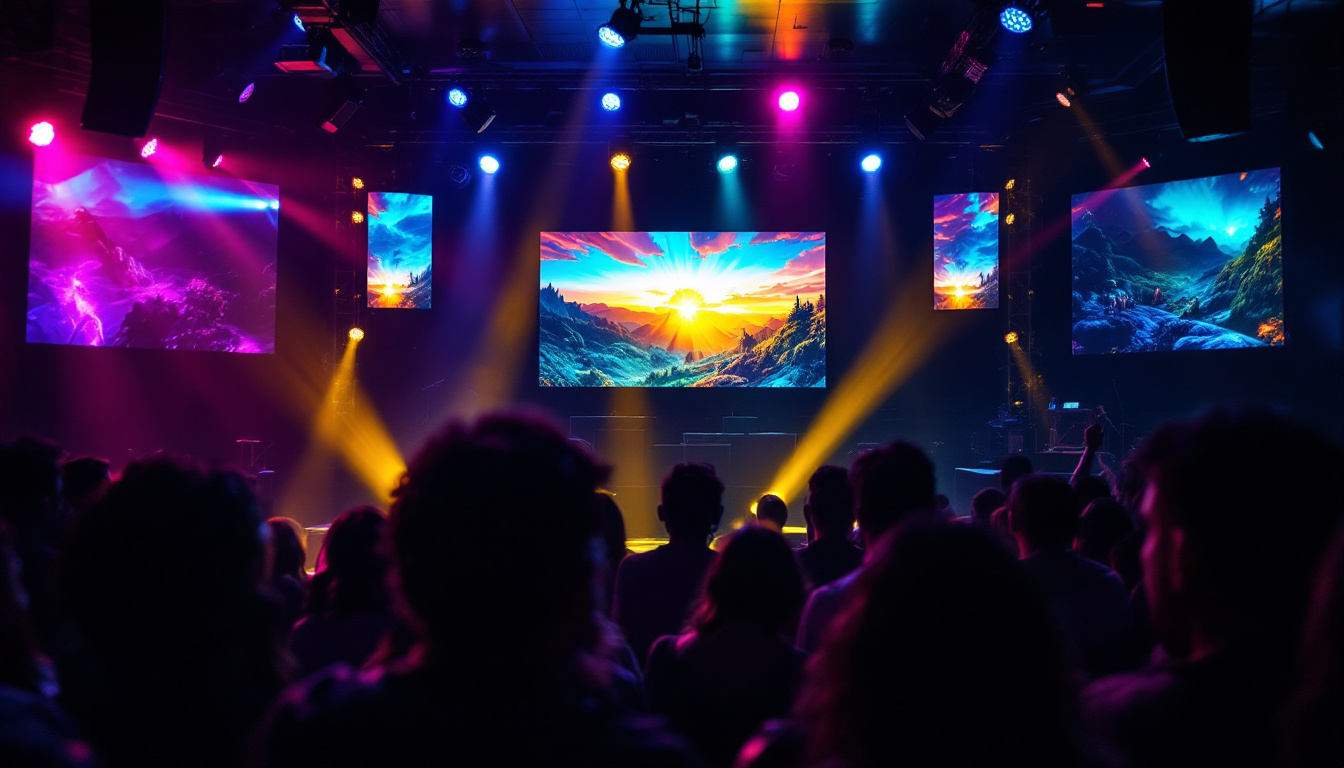
One of the primary benefits of projection screens is their ability to produce very large images at a relatively low cost. This makes them ideal for venues where screen size is a priority, such as auditoriums or large conference halls. Projection systems also offer flexibility in screen size and placement, allowing users to customize their setup according to room dimensions. This adaptability is particularly beneficial in educational settings, where the ability to adjust the screen size can enhance student engagement and comprehension.
Moreover, modern projectors have advanced significantly, with many offering 4K resolution, high brightness levels, and improved color accuracy. When paired with a quality projection screen, the viewing experience can be immersive and cinematic. The integration of smart technology has also transformed how projection screens are used; features such as wireless connectivity and remote control operation allow for seamless presentations, making it easier for users to focus on their content rather than the technical aspects of setup. As the demand for high-quality visual displays continues to grow, projection screens remain a relevant and essential tool in both professional and personal settings.
LED Displays: The Modern Alternative to Projection Screens
LED (Light Emitting Diode) displays have surged in popularity as a high-tech alternative to traditional projection screens. Instead of relying on external light sources, LED displays generate their own light, resulting in vivid images with exceptional brightness and contrast.
How LED Displays Work
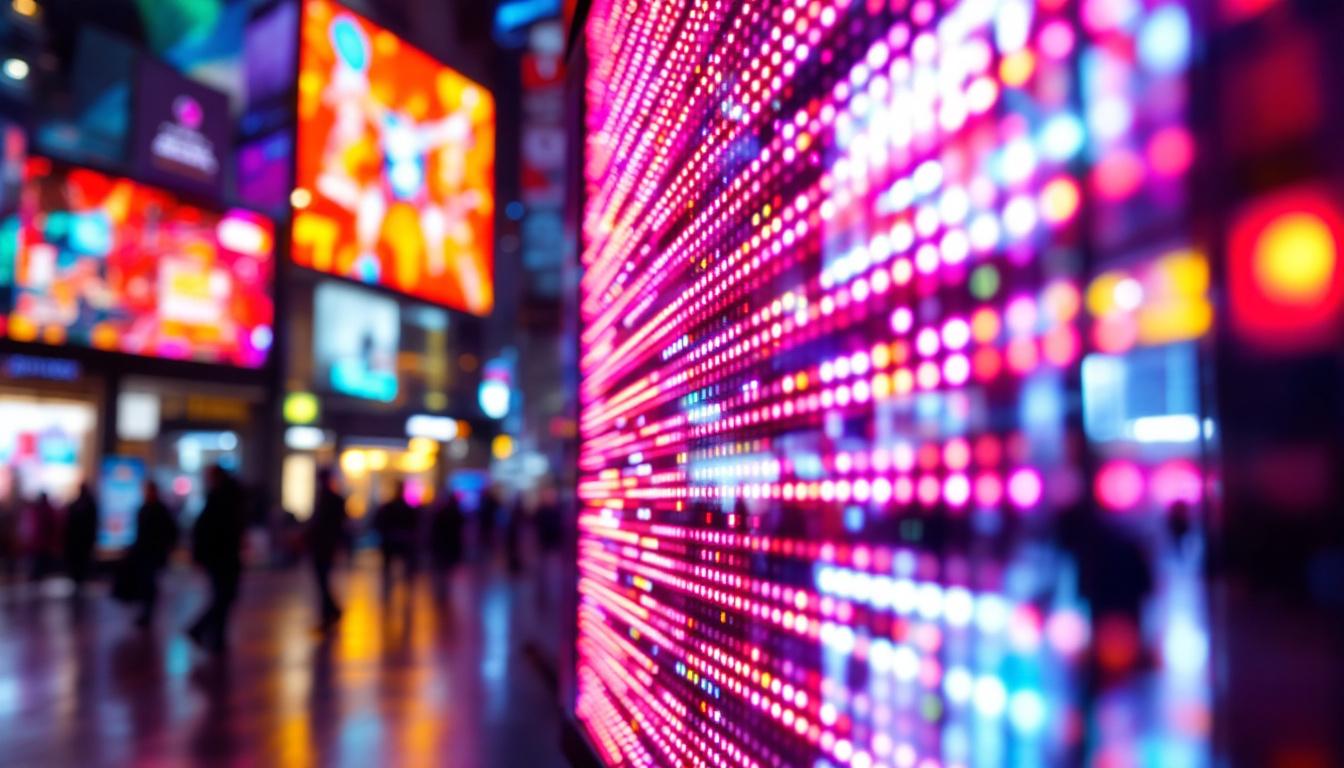
LED displays consist of thousands of tiny diodes that emit light when an electric current passes through them. These diodes are arranged in a grid to form pixels, which collectively create the image. Unlike projection screens, which depend on ambient lighting conditions, LED displays offer consistent brightness regardless of the environment.
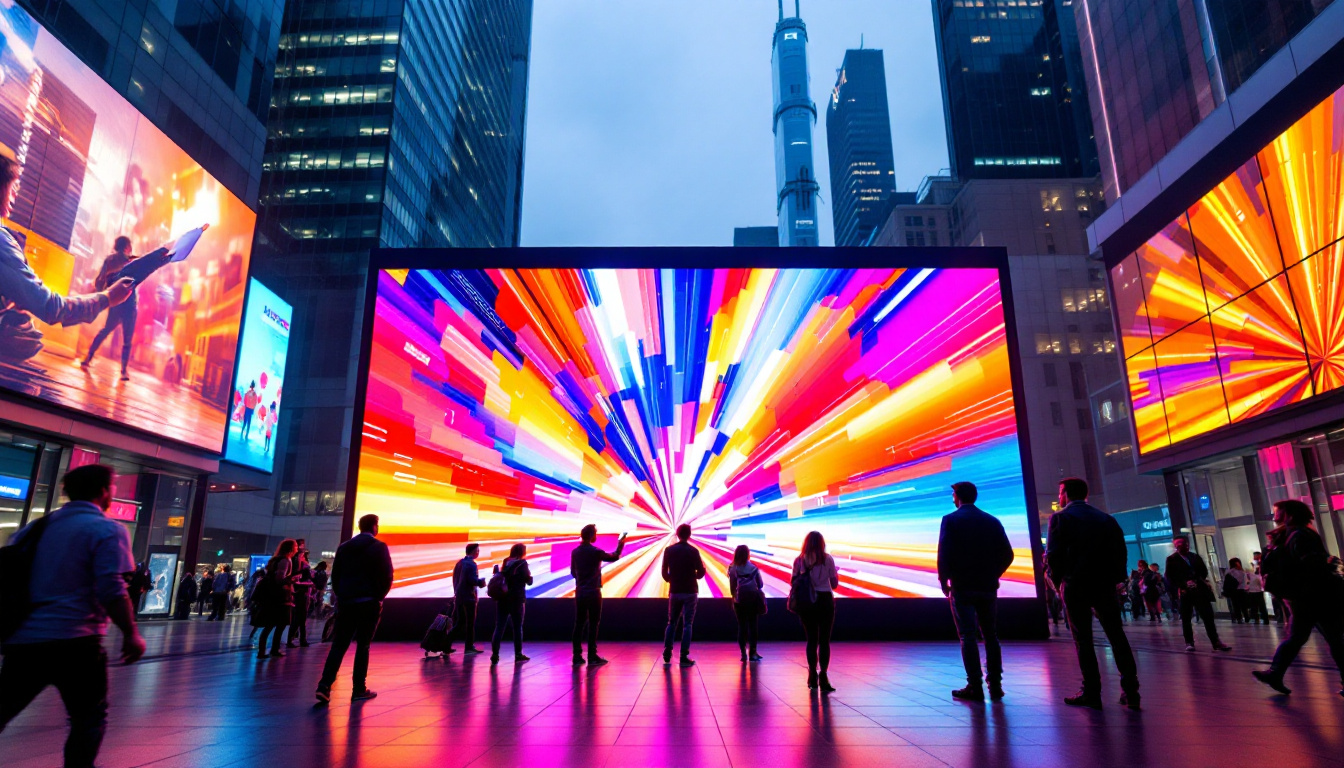
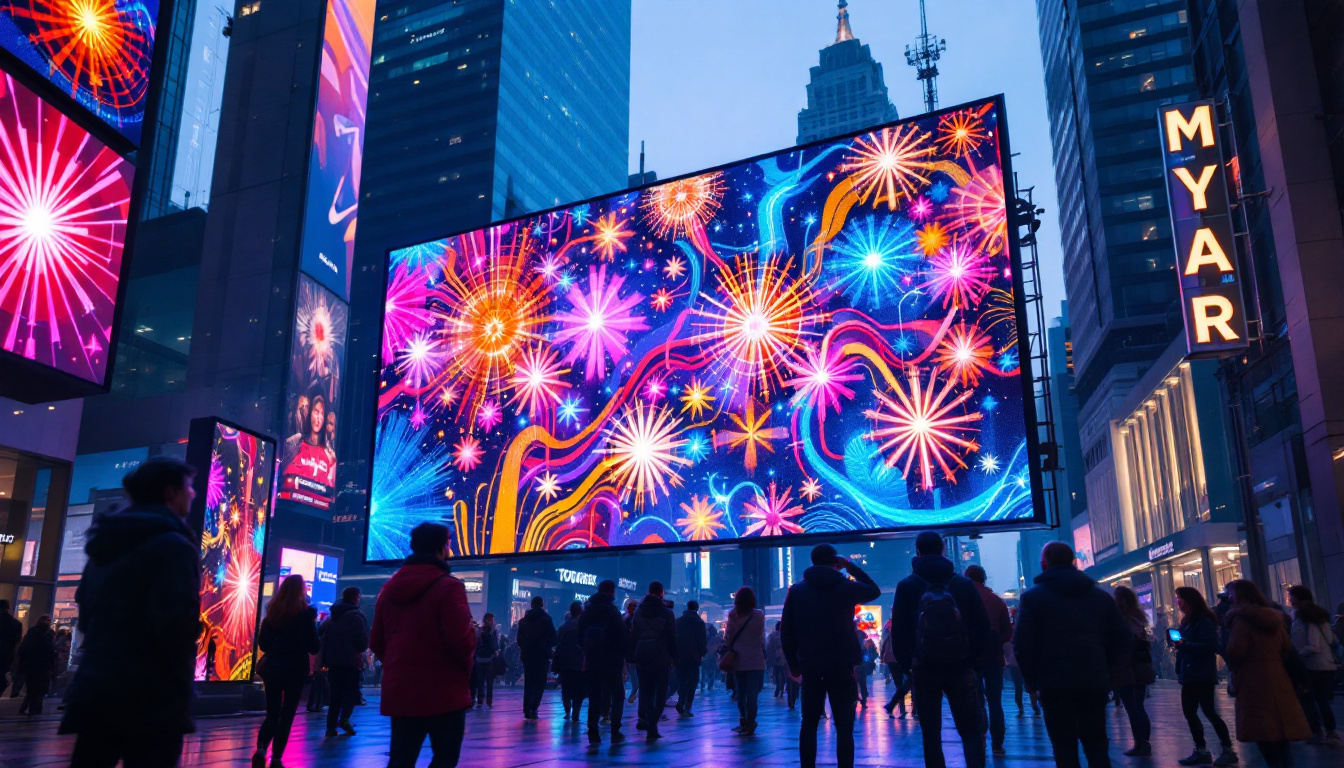
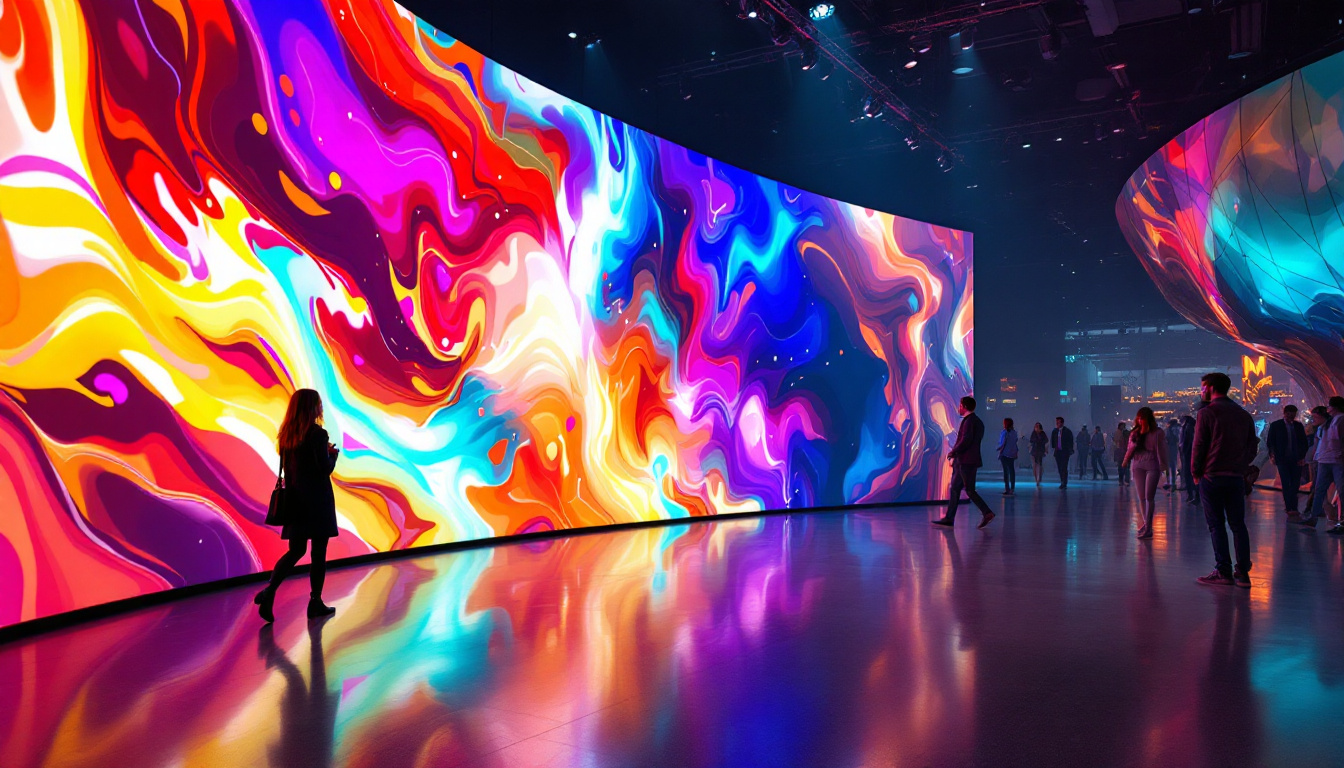
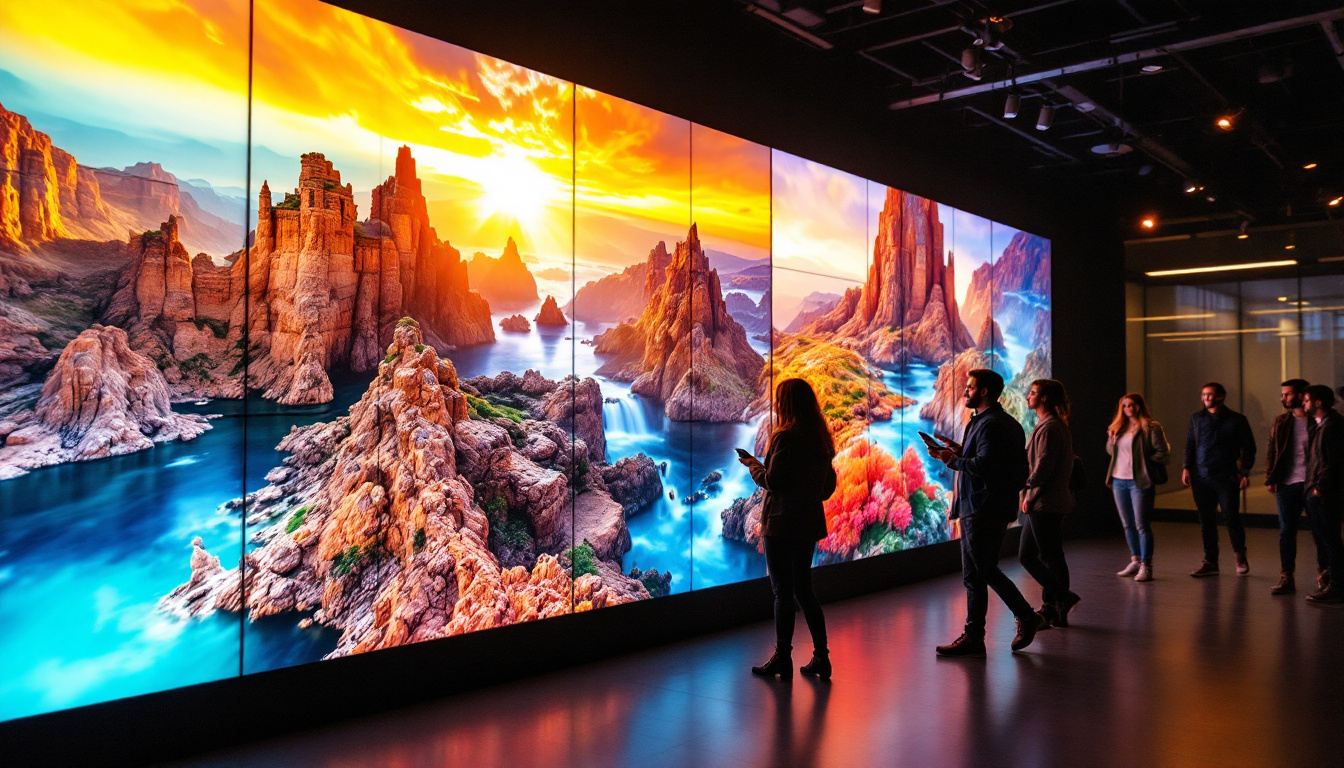
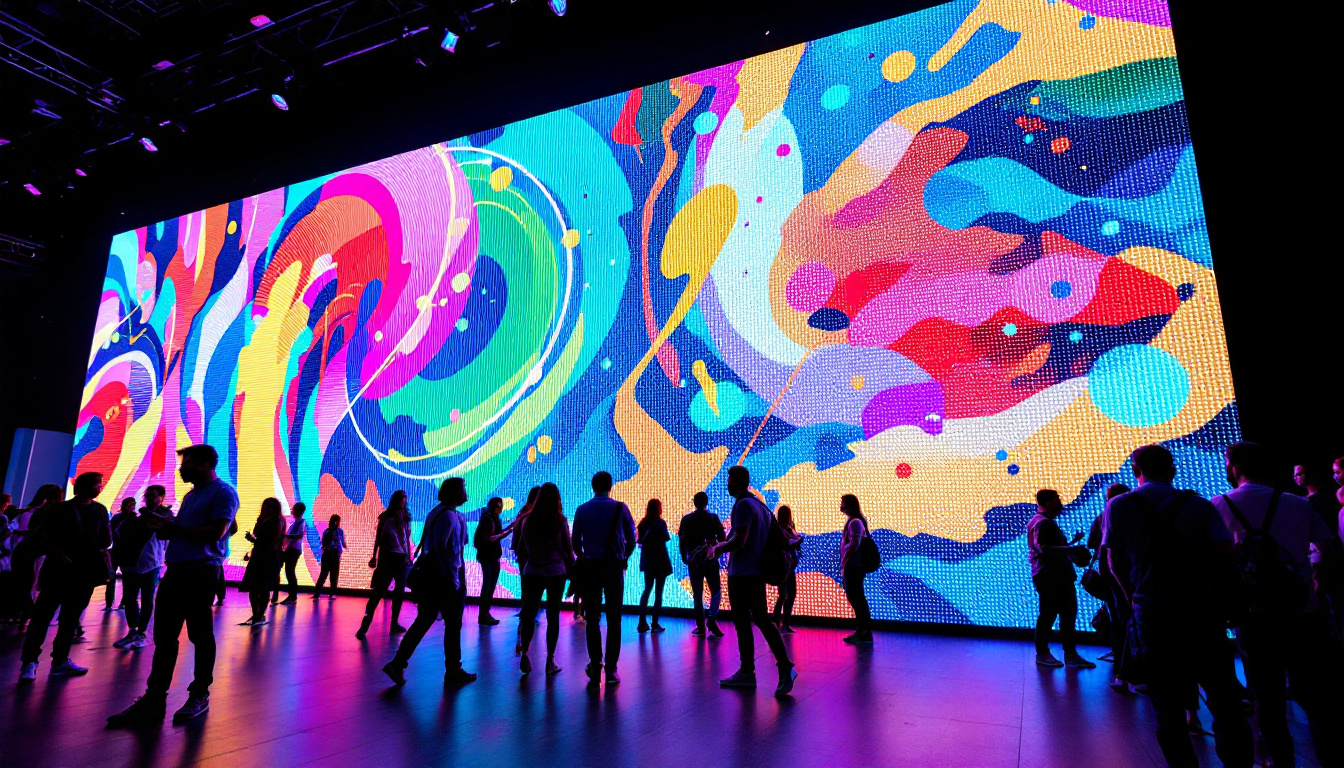
There are two main types of LED displays: direct-view LED and LED-backlit LCD. Direct-view LED displays are composed entirely of LEDs and are commonly used for large-scale video walls and outdoor signage. LED-backlit LCDs use LEDs as a light source behind a liquid crystal display panel, typical in consumer televisions and monitors.
Benefits of LED Displays
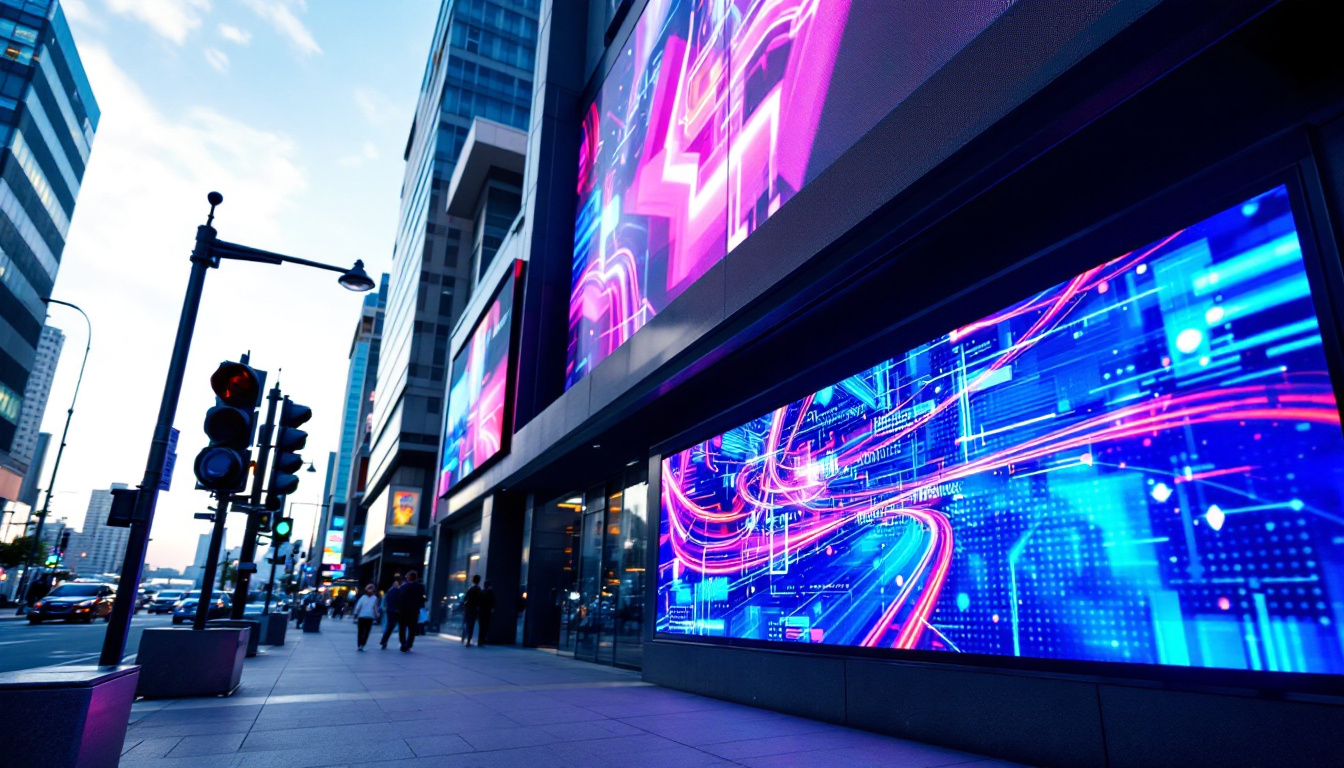
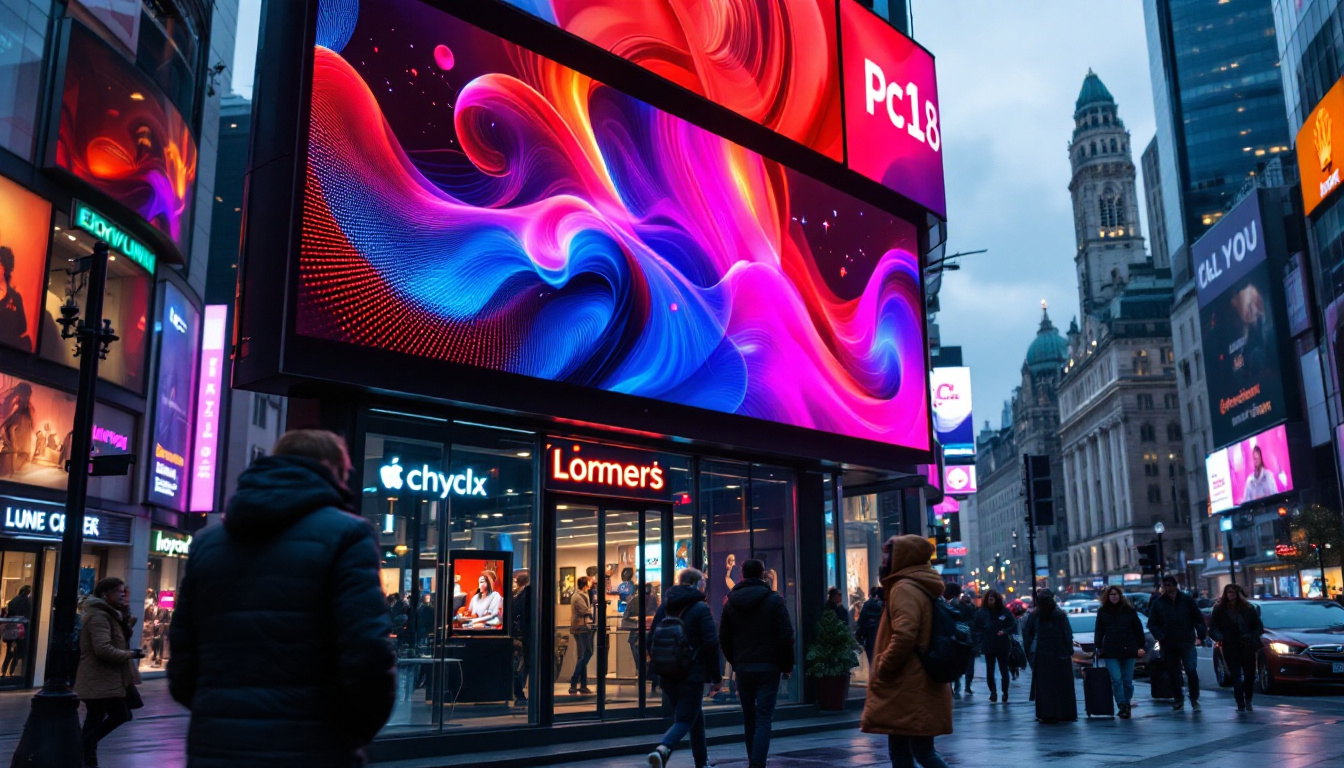
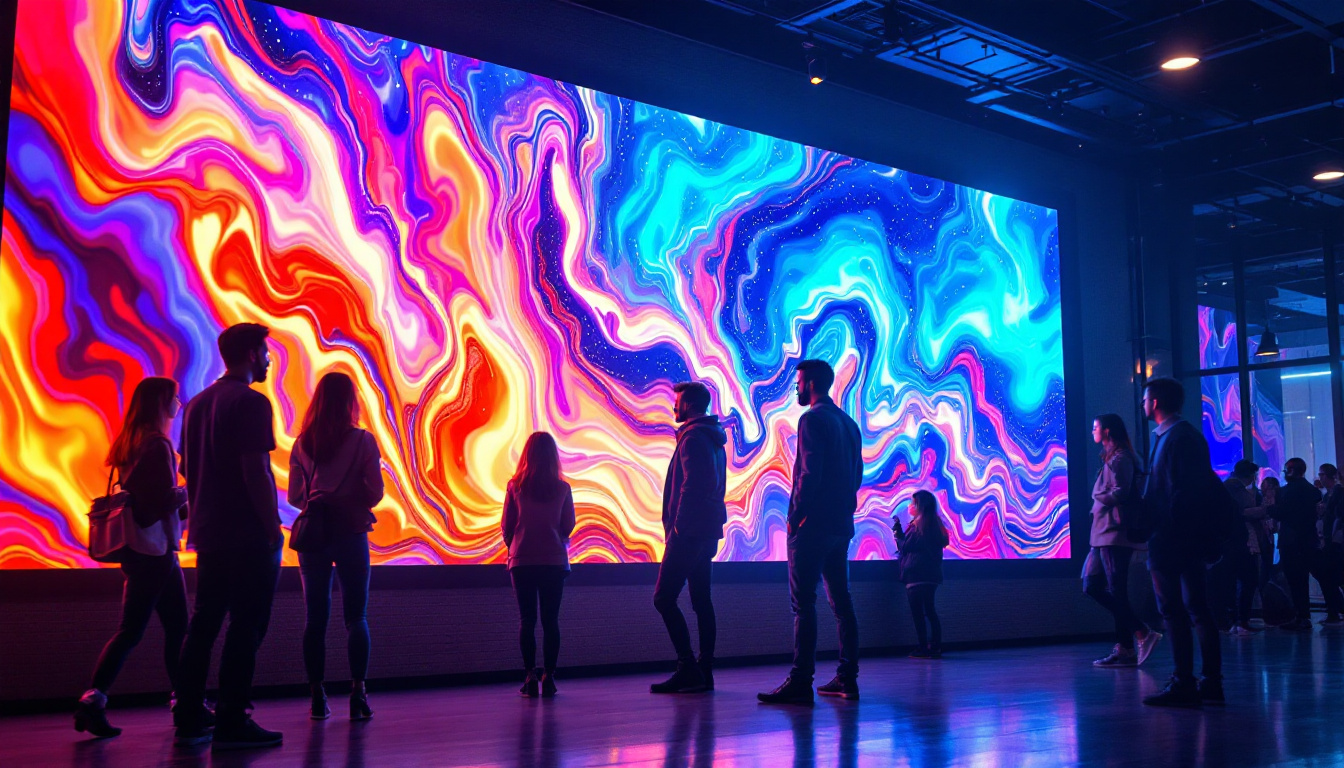
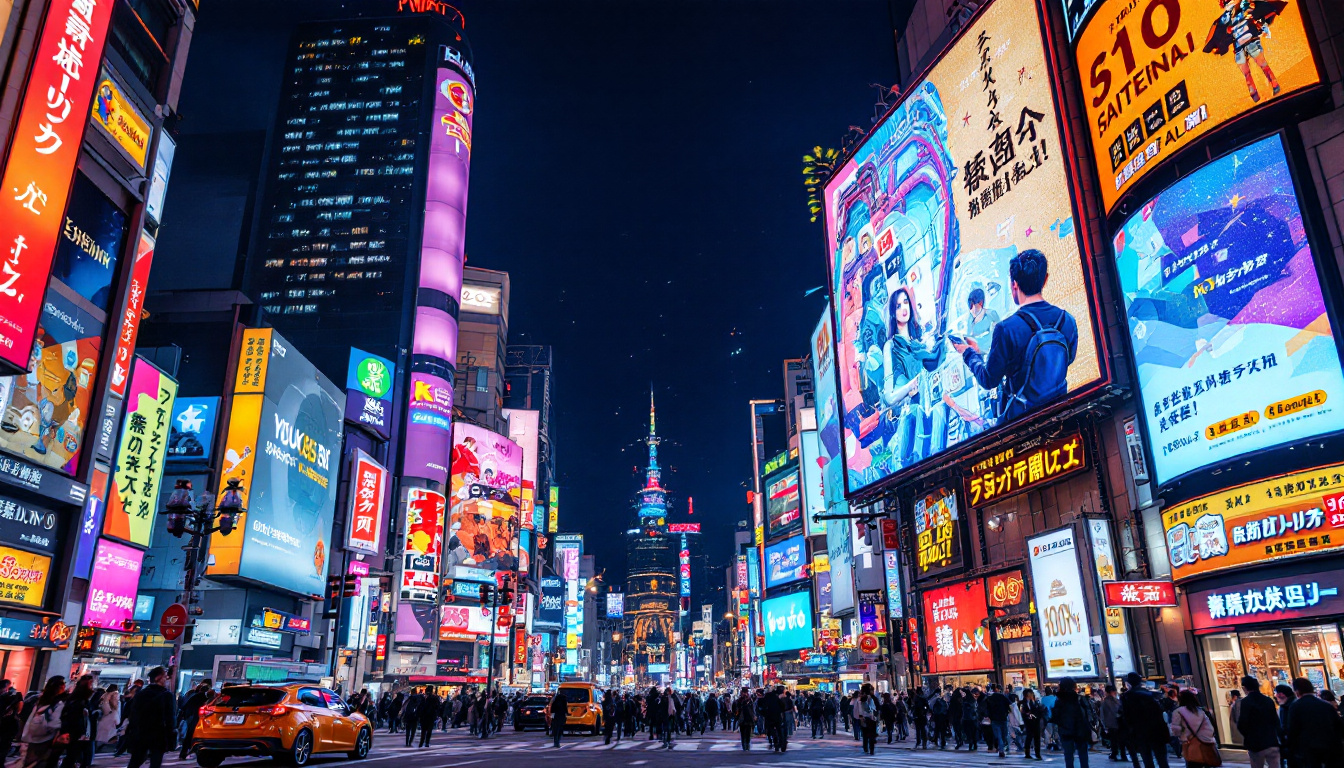
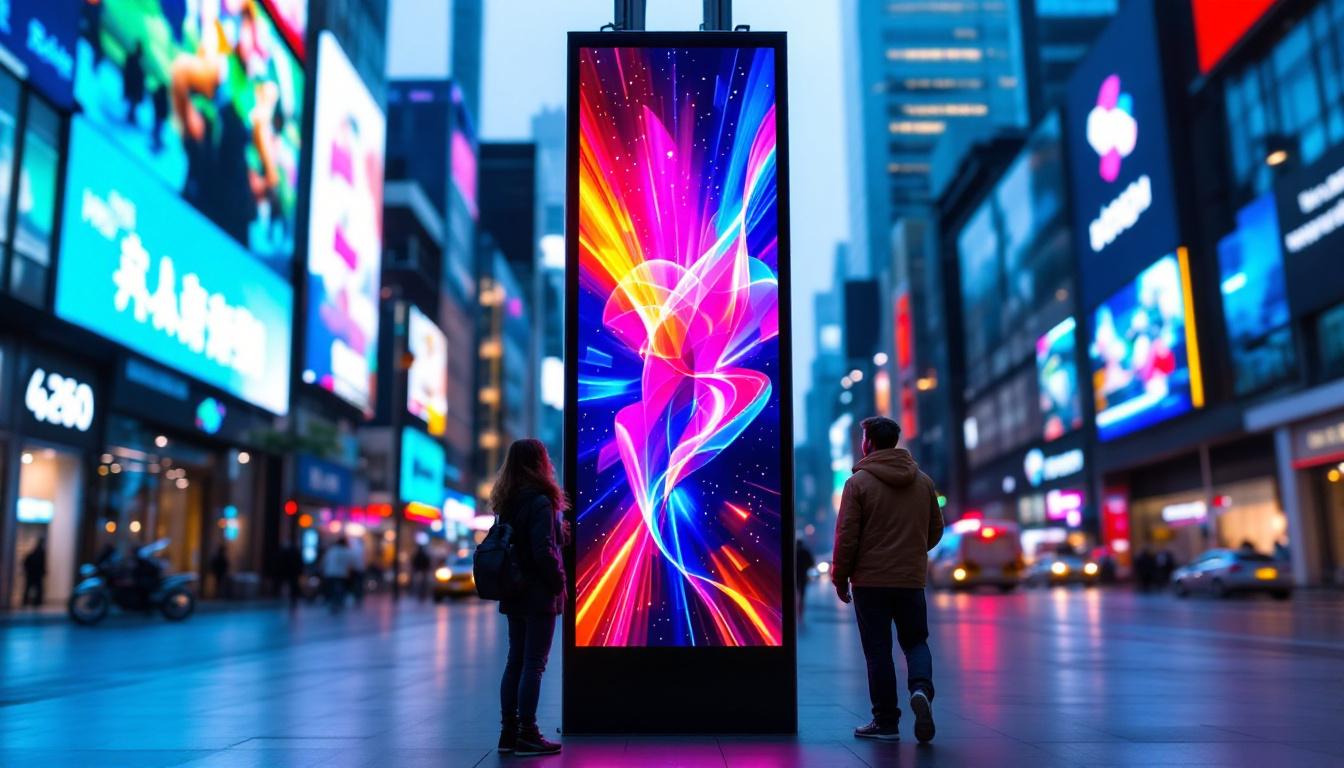
One of the standout advantages of LED displays is their brightness. They can achieve luminance levels far beyond what projectors can produce, making them ideal for environments with high ambient light, such as retail stores or outdoor venues. This brightness ensures that images remain clear and vibrant throughout the day.
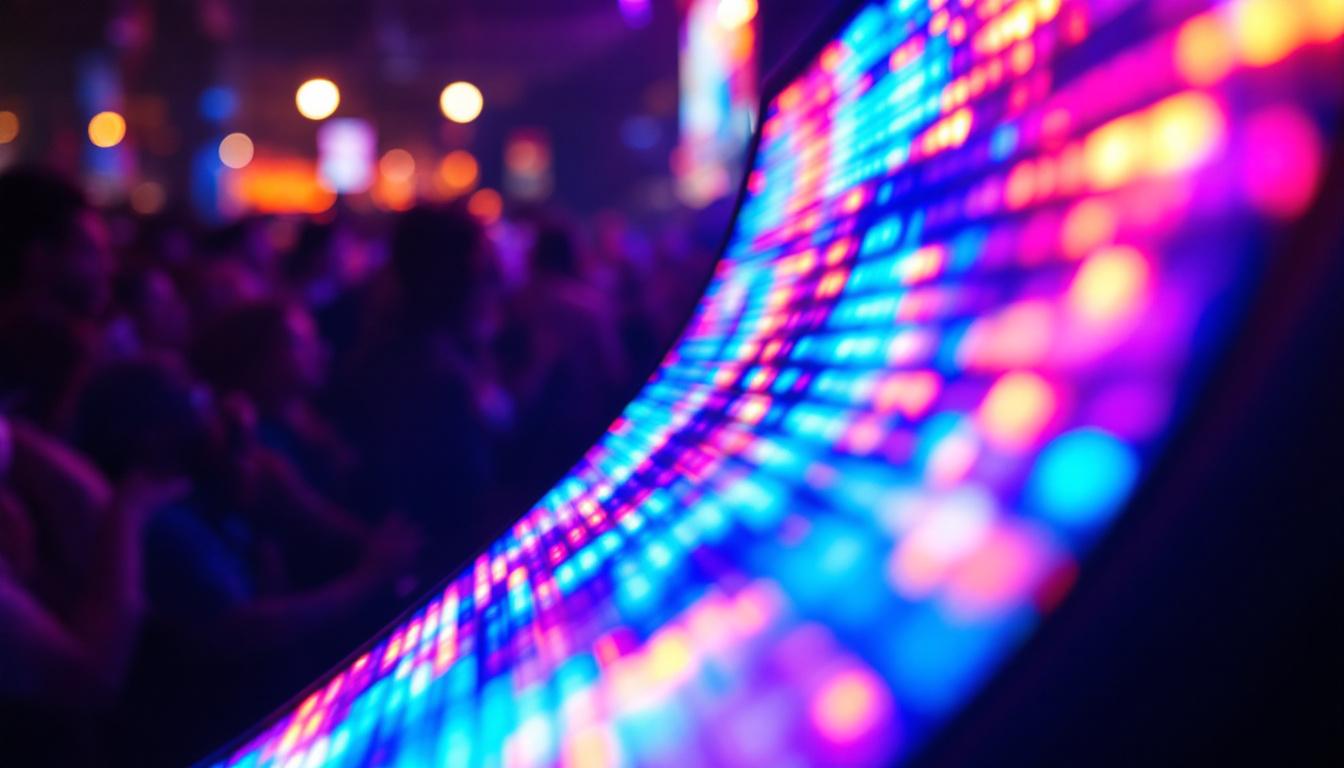
LED displays also offer superior contrast ratios and color accuracy, leading to sharper and more lifelike images. Their slim design and modular construction allow for flexible installation options, including curved or irregularly shaped screens. Additionally, LED displays require less maintenance, as they do not rely on bulbs that need frequent replacement like projectors.
Moreover, LED technology is energy-efficient, consuming less power than traditional projection systems. This not only translates to lower electricity bills but also contributes to a reduced carbon footprint, making LED displays a more environmentally friendly choice. Furthermore, advancements in LED technology have led to the development of features such as high dynamic range (HDR) and enhanced refresh rates, which further elevate the viewing experience by providing deeper blacks and smoother motion.
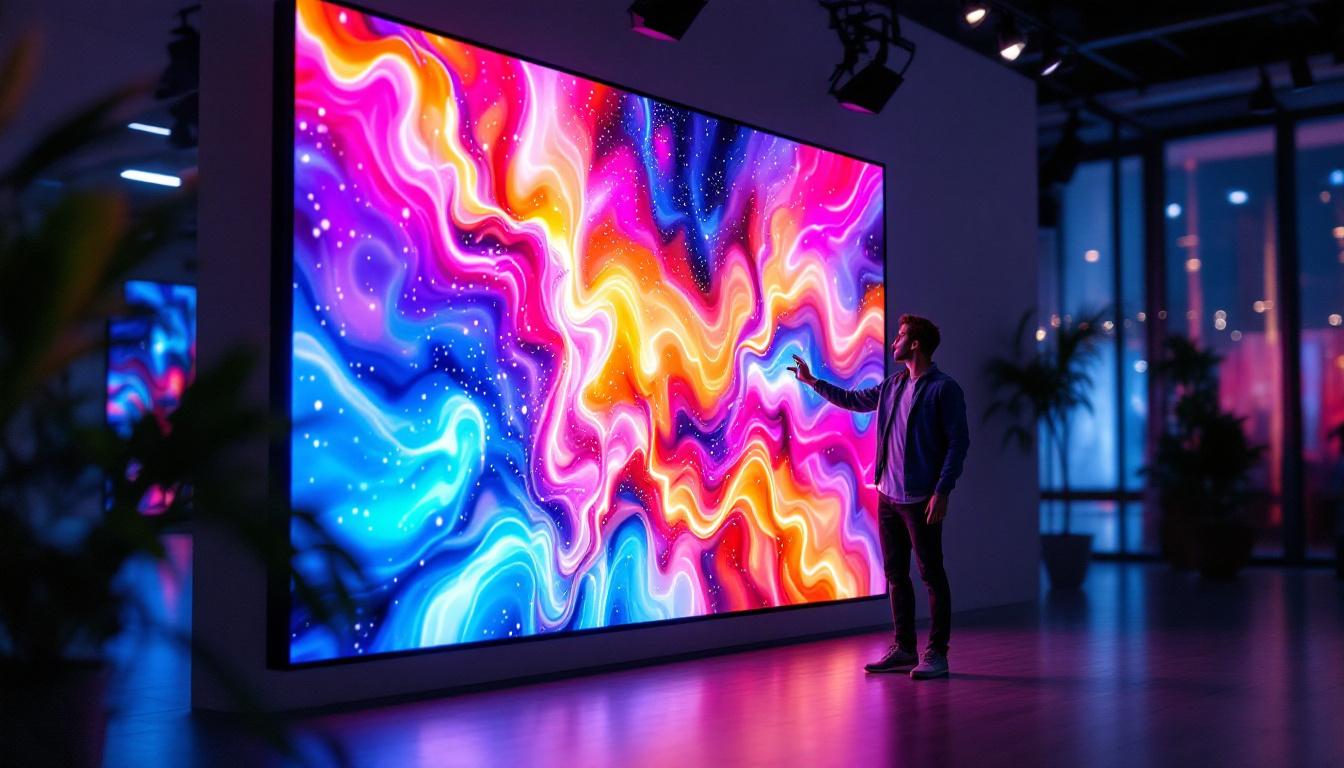
In addition to their technical advantages, LED displays are increasingly being integrated into interactive applications. Touch-enabled LED screens are becoming popular in educational settings, retail environments, and corporate presentations, allowing users to engage directly with the content. This interactivity not only enhances user experience but also fosters a more engaging and dynamic way to convey information, making LED displays a versatile solution for various communication needs.
Comparing Projection Screens and LED Displays: Which Is Right for You?
When searching for “projection screens near me,” it’s essential to weigh the pros and cons of projection systems versus LED displays based on your specific needs and environment.
Image Quality and Viewing Experience
Projection screens paired with high-quality projectors can deliver excellent image quality, especially in controlled lighting conditions. However, LED displays generally outperform projection systems in brightness and contrast, providing clearer images in well-lit or outdoor settings.
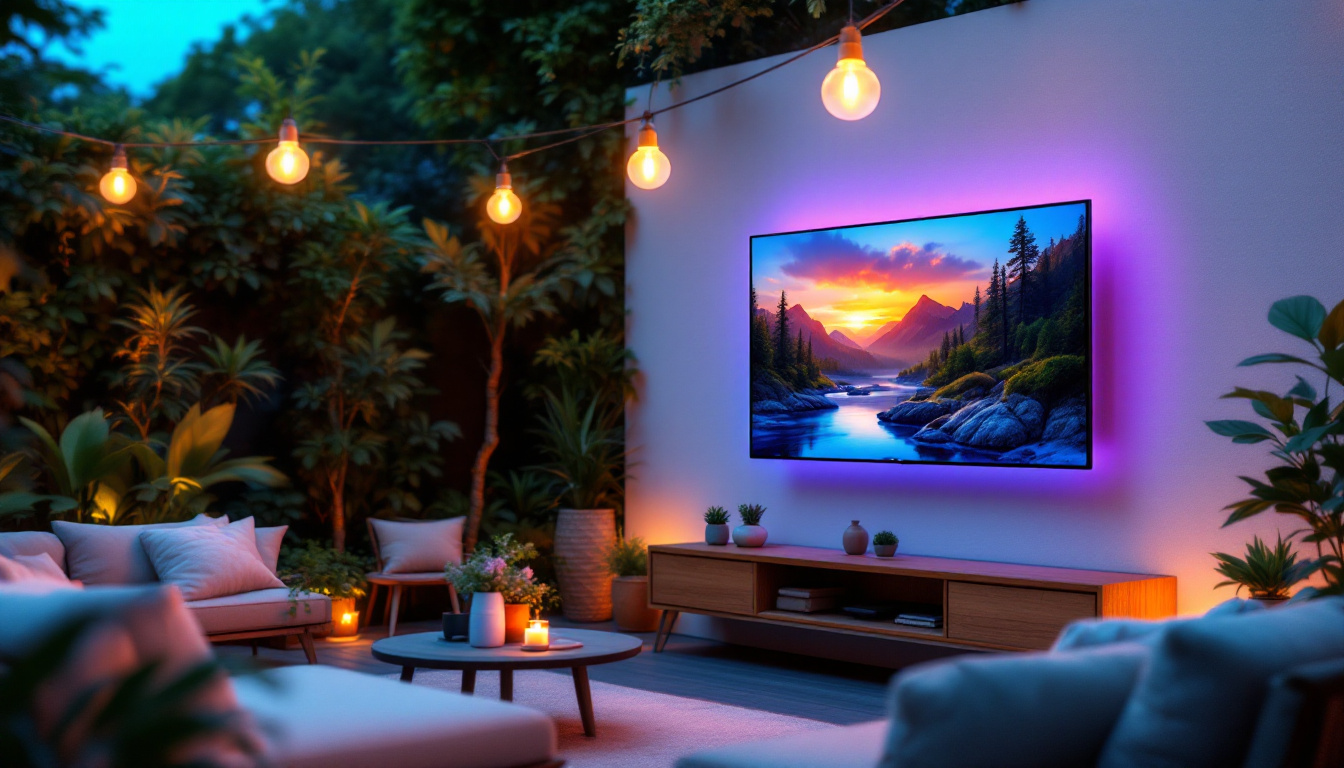
For home theaters or darkened rooms, projection screens remain a cost-effective choice offering large, immersive visuals. Conversely, for commercial applications where ambient light is a challenge, LED displays are often the preferred solution.
Installation and Space Considerations
Projection systems require space for the projector itself, typically mounted on the ceiling or placed on a table, and a clear line of sight to the screen. This setup can be limiting in smaller rooms or spaces with architectural constraints.
LED displays, being self-illuminated panels, can be mounted directly on walls or integrated into custom installations, saving space and reducing clutter. Their modular nature allows for seamless scaling to fit various dimensions.
Cost and Maintenance
Initial costs for projection screens and projectors are generally lower than LED displays, making them attractive for budget-conscious buyers. However, projectors require periodic bulb replacements and calibration, which add to ongoing expenses.
LED displays have a higher upfront cost but benefit from longer lifespans and lower maintenance requirements. For businesses seeking a long-term investment with minimal downtime, LED displays can offer better value over time.
Where to Find Projection Screens and LED Displays Near You
Finding the right supplier or retailer for projection screens or LED displays is crucial for ensuring quality and support. Many specialized AV (audio-visual) stores and electronics retailers offer a range of options tailored to different applications.
Local AV Specialists and Electronics Retailers
Visiting local AV specialists can provide personalized advice and hands-on demonstrations. These experts can help assess your space, recommend appropriate screen types or LED display models, and assist with installation services.
Large electronics retailers often stock popular projector and screen models, as well as LED TVs and video walls. Checking their inventory online or in-store can give you an idea of available products and pricing.
Online Marketplaces and Custom Solutions
Online platforms offer extensive selections of projection screens and LED displays, often with customer reviews and detailed specifications. This can be a convenient way to compare products and find competitive pricing.
For unique or large-scale projects, custom AV integrators can design and install tailored solutions combining projection screens or LED displays with complementary audio and control systems.
Future Trends in Projection and LED Display Technology
The visual display industry is evolving rapidly, driven by technological advancements and changing user demands. Understanding emerging trends can help you future-proof your investment.
Laser Projectors and Enhanced Screen Materials
Laser projectors are becoming more prevalent, offering higher brightness, longer lifespans, and improved color accuracy compared to traditional lamp-based projectors. When paired with advanced screen materials like ALR fabrics, they significantly enhance projection image quality.
MicroLED and MiniLED Innovations
MicroLED and MiniLED technologies represent the next generation of LED displays, providing even greater brightness, energy efficiency, and pixel density. These displays promise stunning visuals for both consumer and commercial applications.
Integration with Smart Technologies
Both projection systems and LED displays are increasingly integrated with smart control platforms, enabling seamless operation via mobile devices, voice commands, or automated scheduling. This integration enhances user convenience and system flexibility.
Conclusion: Making an Informed Choice
Choosing between projection screens and LED displays depends largely on your specific use case, environment, and budget. Projection screens remain a versatile and cost-effective solution for large, immersive images in controlled lighting. Meanwhile, LED displays excel in brightness, durability, and installation flexibility, making them ideal for bright or dynamic spaces.
By understanding the strengths and limitations of each technology, you can confidently navigate the market when searching for “projection screens near me” or exploring LED display options. Consulting with AV professionals and considering future trends will ensure your visual display investment delivers exceptional performance for years to come.
Discover LumenMatrix LED Display Solutions
Ready to elevate your visual experience with the latest in LED technology? LumenMatrix is at the forefront of innovation, offering a diverse range of LED display solutions tailored to your unique needs. From stunning Indoor and Outdoor LED Wall Displays to dynamic Vehicle and Sports LED Displays, our products are designed to captivate and engage your audience. Whether you’re looking to create immersive environments with Floor LED Displays or seeking the versatility of All-in-One LED Displays, LumenMatrix has the cutting-edge technology to transform your space. Experience the difference with our Custom LED Displays and Transparent LED options that redefine visual communication. Check out LumenMatrix LED Display Solutions today and step into a world where your message shines with unparalleled clarity and impact.