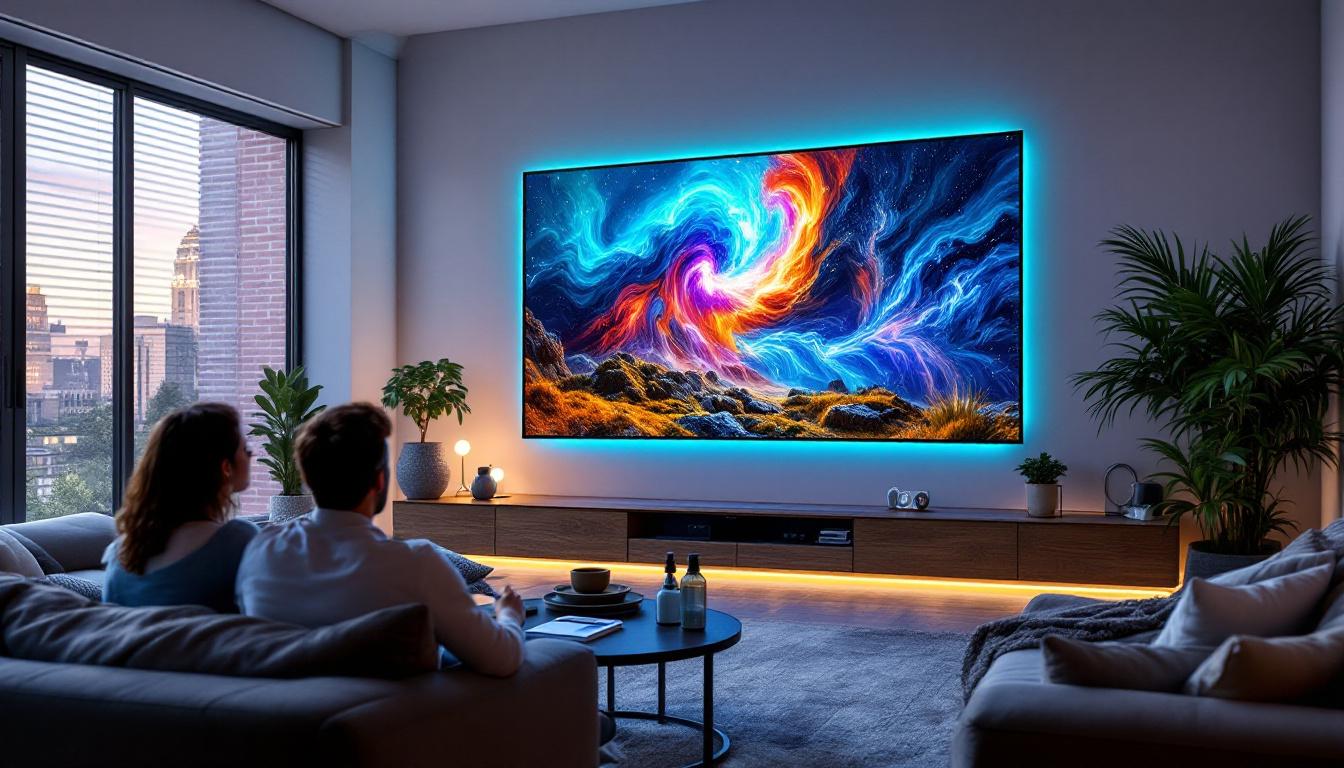
In the realm of indoor visual displays, the choice between traditional projector screens and modern LED displays is a pivotal decision for businesses, educators, event organizers, and home entertainment enthusiasts. As technology rapidly evolves, LED displays have emerged as a compelling alternative to conventional projector setups, offering distinct advantages in brightness, clarity, and versatility. This comprehensive article delves into the intricacies of indoor projector screens and LED displays, providing a clear understanding of how LED technology works, its benefits, and practical considerations for indoor use.
Understanding Traditional Indoor Projector Screens
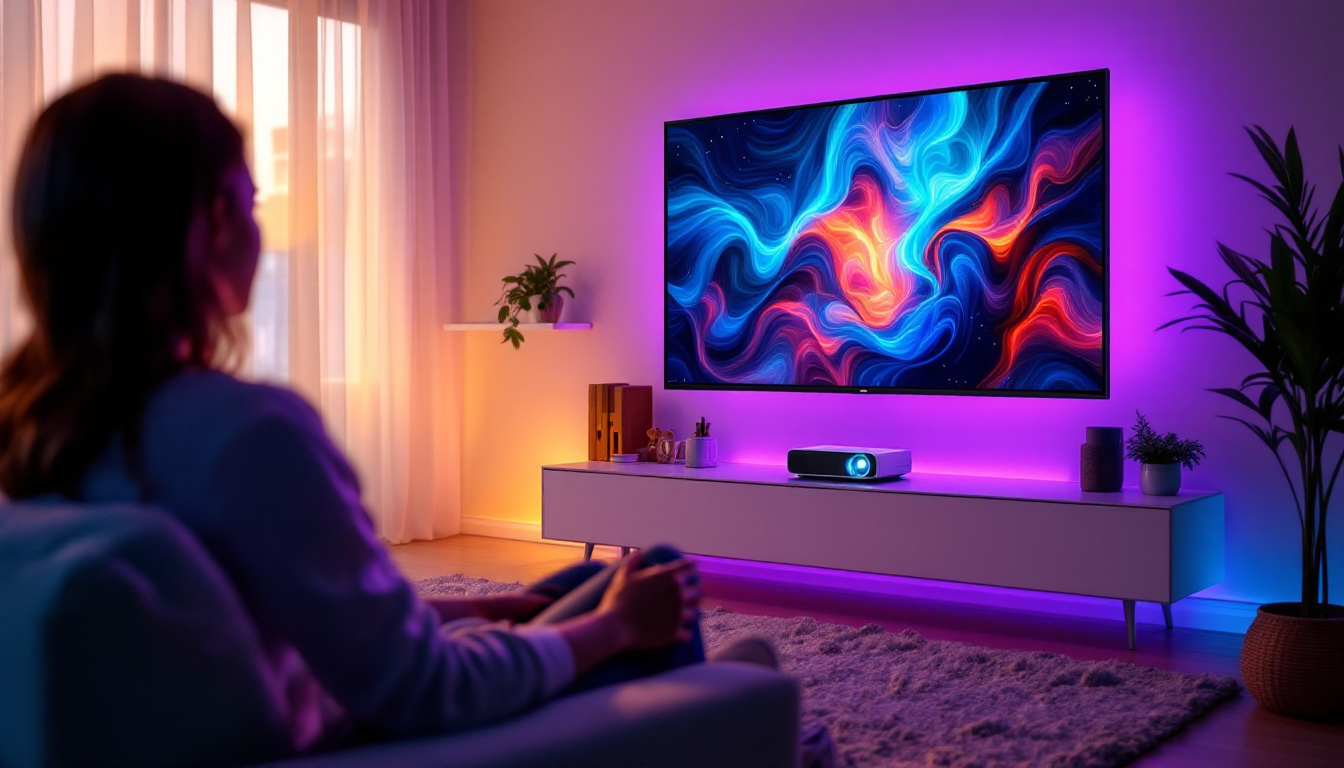
Before exploring LED displays, it is essential to grasp the fundamentals of traditional projector screens used indoors. These screens serve as the surface onto which images from a projector are cast, creating a large, visible display for audiences. Typically, projector screens are made from specialized materials designed to reflect light efficiently and maintain image quality. The choice of material can significantly influence the viewing experience, with options ranging from matte white to high-gain surfaces, each tailored to specific lighting conditions and projector types.
Indoor projector screens come in various types, including fixed-frame, pull-down, motorized, and portable screens. Each type caters to different installation environments and usage scenarios, from conference rooms and classrooms to home theaters. The screen’s gain, which measures its reflectivity, plays a crucial role in image brightness and contrast, especially in rooms with ambient light. For instance, a high-gain screen can enhance brightness in well-lit environments, making it a popular choice for business presentations, while a matte finish may be preferred for home theaters to provide a more cinematic experience without glare.
Despite their widespread use, traditional projector systems have inherent limitations. They rely heavily on the projector’s brightness, measured in lumens, to overcome ambient light interference. Additionally, projector lamps have a finite lifespan, often requiring replacement after 2,000 to 4,000 hours of use, which can add to maintenance costs. Moreover, image quality can degrade over time due to dust accumulation or lamp aging. This degradation can lead to a noticeable decline in color accuracy and sharpness, prompting users to consider regular maintenance and cleaning routines to prolong the life of both the projector and the screen.
Furthermore, the installation process of traditional projector screens can be quite involved, often requiring precise measurements and mounting techniques to ensure optimal viewing angles. Fixed-frame screens, for example, need to be securely mounted to a wall, while pull-down and motorized screens may require additional hardware for ceiling installation. The complexity of these setups can deter some users, especially those looking for a quick and easy solution. In contrast, portable screens offer a more flexible option, allowing users to set up and dismantle their display quickly, making them ideal for traveling presenters or those with limited space. As technology advances, many users are now weighing the benefits of traditional projector screens against newer alternatives like LED displays, which promise greater convenience and improved image quality without some of the drawbacks associated with projectors.
What is an LED Display?
Basics of LED Technology
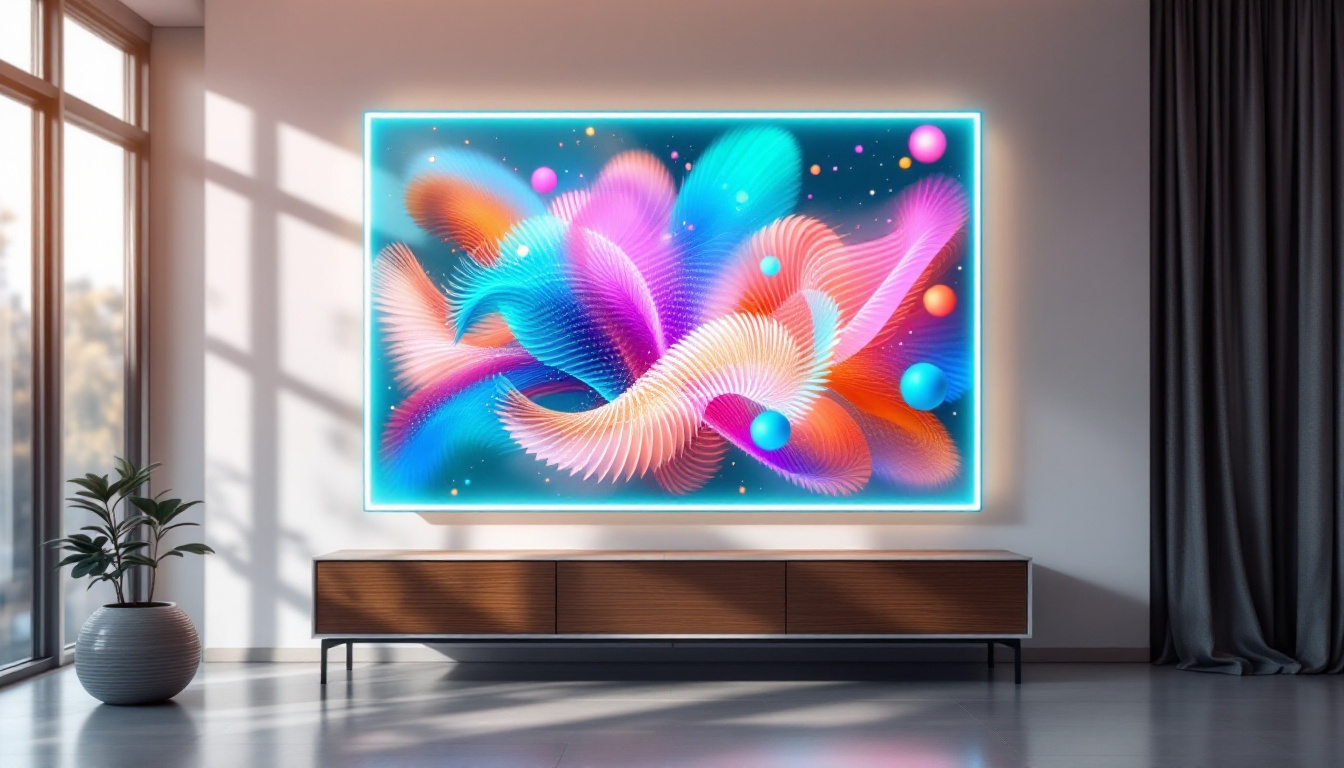
LED, or Light Emitting Diode, displays consist of an array of tiny LEDs that emit light directly to form images. Unlike projector screens that depend on an external light source, LED displays are self-illuminating, producing their own light. This fundamental difference results in several performance advantages, especially for indoor applications.
Each LED can be controlled individually to display specific colors and brightness levels, enabling LED displays to produce vibrant, high-contrast images with exceptional clarity. Modern indoor LED displays use surface-mount device (SMD) technology, where red, green, and blue LEDs are combined into a single package, allowing for seamless color blending and wide viewing angles.
Types of Indoor LED Displays
Indoor LED displays come in various configurations, primarily differentiated by pixel pitch — the distance between individual LED clusters. Smaller pixel pitches, such as 1.2mm to 2.5mm, offer higher resolution and are ideal for close viewing distances, making them suitable for conference rooms, retail spaces, and control rooms. Larger pixel pitches are generally used for bigger venues where viewers are farther away.
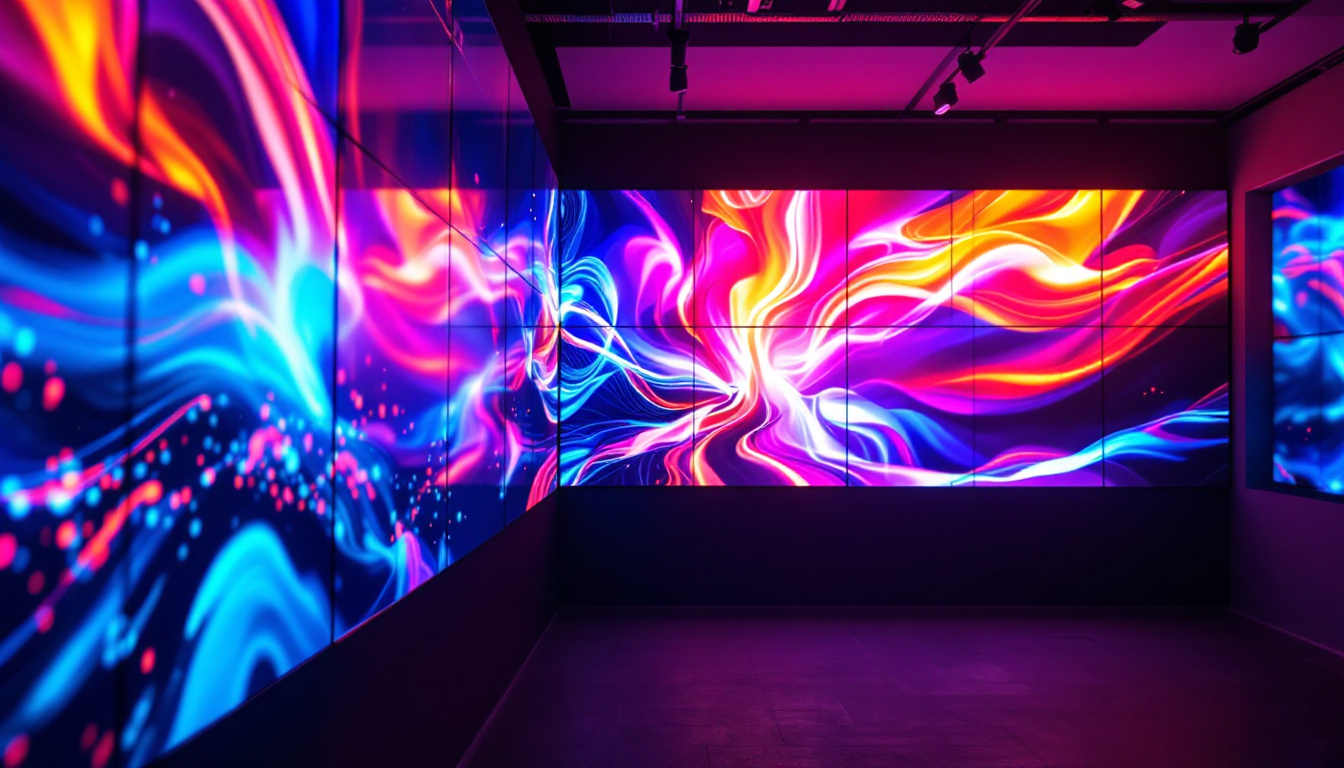
LED displays can be either modular panels or flexible screens. Modular panels allow for scalable screen sizes and shapes, while flexible LED displays can be curved or wrapped around surfaces, adding creative possibilities for interior design and branding.
Advantages of LED Displays Over Traditional Projector Screens
Superior Brightness and Visibility
One of the most significant advantages of LED displays is their brightness. Indoor LED screens typically offer brightness levels ranging from 800 to 1,500 nits, far surpassing the brightness of most projectors. This high brightness ensures clear visibility even in well-lit rooms, eliminating the need to dim lights during presentations or events.
In contrast, projectors often struggle with ambient light, requiring controlled lighting environments to maintain image quality. LED displays maintain consistent brightness and color vibrancy regardless of room lighting conditions, enhancing audience engagement and reducing eye strain.
Enhanced Image Quality and Color Accuracy
LED displays provide superior color accuracy and contrast ratios compared to projector screens. Because LEDs emit light directly, they can achieve true blacks and a wider color gamut, resulting in more lifelike images. This capability is particularly important for applications such as digital signage, video conferencing, and high-definition content playback.
Furthermore, LED technology supports higher refresh rates and faster response times, which are beneficial for dynamic content such as live video feeds, gaming, and interactive presentations.
Durability and Low Maintenance
LED displays are known for their durability and long operational life, often exceeding 100,000 hours. Unlike projector lamps, LEDs do not require frequent replacement, reducing long-term maintenance costs and downtime. Additionally, LED panels are less susceptible to dust and temperature fluctuations, making them reliable for continuous indoor use.
LED displays also do not require calibration as frequently as projectors, ensuring consistent image quality over time. This reliability is a crucial factor for businesses and institutions that depend on uninterrupted visual communication.
Practical Considerations for Indoor LED Display Installation
Space and Viewing Distance
When selecting an indoor LED display, understanding the viewing distance is critical to choosing the appropriate pixel pitch. For close-up viewing, such as in meeting rooms or retail counters, a fine pixel pitch (1.2mm to 1.9mm) ensures sharp images without visible pixelation. For larger rooms or auditoriums, a pixel pitch of 2.5mm or higher may be sufficient.
Additionally, LED displays require a stable mounting structure and adequate ventilation to prevent overheating. Unlike projector screens, which are lightweight and easy to install, LED panels are heavier and may need professional installation to ensure safety and optimal performance.
Cost Implications
While LED displays have become more affordable over the years, the initial investment is generally higher than traditional projector setups. The cost depends on screen size, resolution, and pixel pitch. However, when factoring in maintenance, lamp replacements, and ambient light control equipment for projectors, LED displays often prove more cost-effective in the long run.
Businesses should also consider the total cost of ownership, including energy consumption. LED displays are energy-efficient compared to projectors, which can consume more power due to their lamps and cooling systems.
Content Compatibility and Control Systems
Modern LED displays support a wide range of input sources, including HDMI, DisplayPort, and wireless streaming, making them compatible with various devices such as computers, media players, and video conferencing systems. Advanced control systems allow for remote management, content scheduling, and real-time adjustments, enhancing operational flexibility.
Integration with existing AV infrastructure is generally straightforward, but it is advisable to consult with AV professionals to ensure seamless connectivity and optimal content delivery.
Use Cases and Applications of Indoor LED Displays
Corporate and Educational Environments
In corporate settings, LED displays serve as dynamic tools for presentations, video conferencing, and digital signage. Their high brightness and clarity improve communication effectiveness, particularly in large meeting rooms and auditoriums. Educational institutions benefit from LED displays by providing engaging visual aids that enhance learning experiences.
Retail and Hospitality
Retailers use indoor LED displays to attract customers with vibrant promotions and interactive content. The flexibility of LED panels allows for creative installations that complement store aesthetics. In hospitality, LED displays enhance guest experiences through digital concierge services, event information, and entertainment.
Entertainment and Events
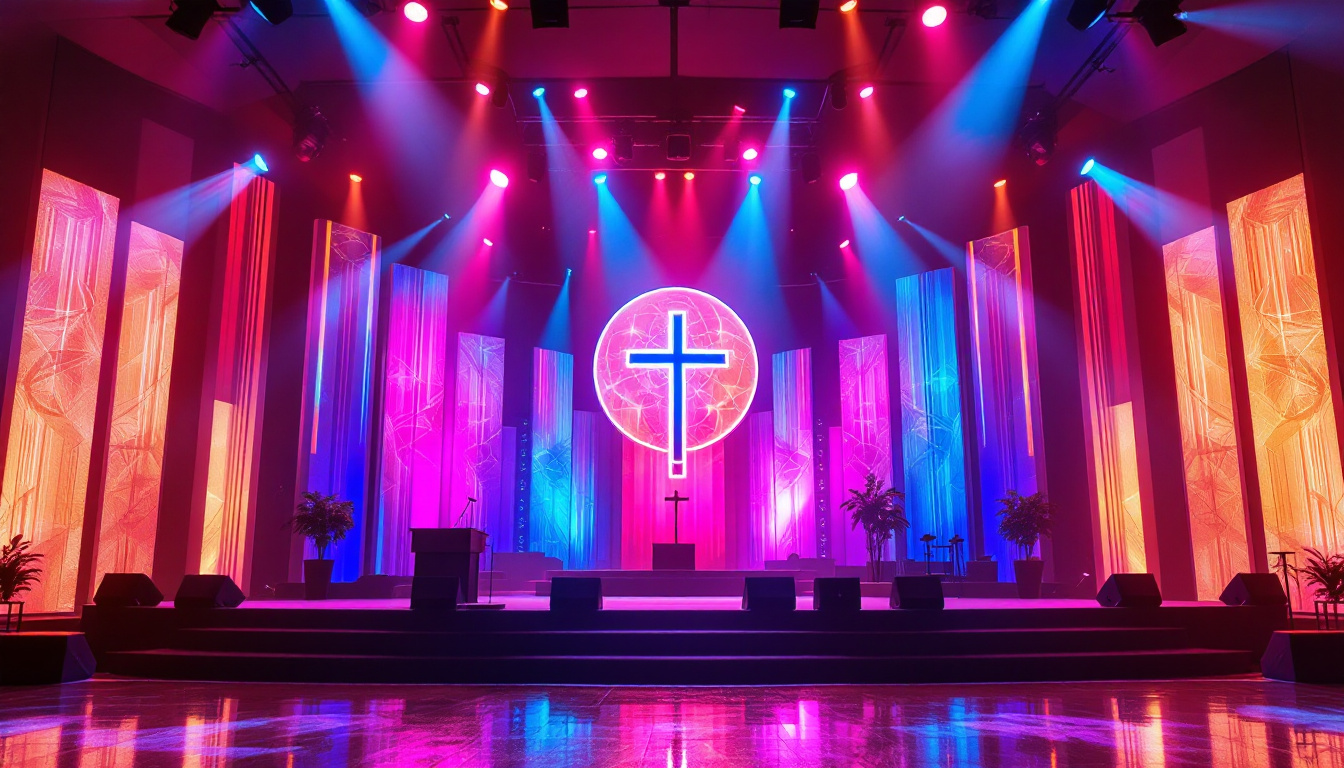
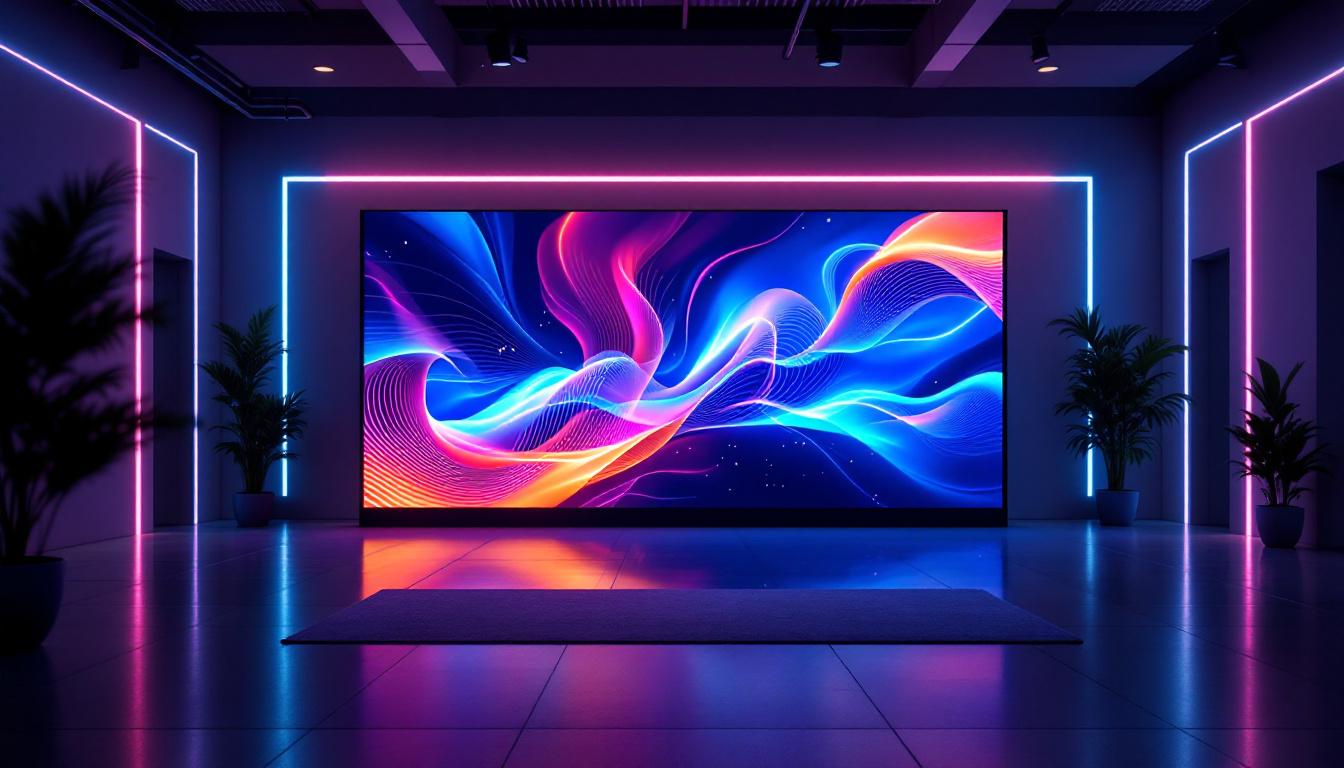
Indoor LED displays are increasingly popular in theaters, concert halls, and event venues due to their ability to deliver stunning visuals that captivate audiences. Their scalability and modularity allow for customized screen sizes that fit diverse event requirements.
Future Trends in Indoor LED Display Technology
The LED display market continues to evolve with innovations such as microLED technology, which promises even higher resolution and energy efficiency. Transparent and flexible LED displays are gaining traction, enabling new design possibilities for indoor environments.
Artificial intelligence integration is also emerging, allowing LED displays to adapt content dynamically based on audience engagement and environmental factors. These advancements will further solidify LED displays as the preferred choice for indoor visual communication.
Conclusion
Indoor LED displays represent a significant advancement over traditional projector screens, offering superior brightness, image quality, durability, and versatility. While the initial investment may be higher, the long-term benefits and reduced maintenance make LED technology an attractive option for a wide range of indoor applications.
Understanding the technical aspects, installation requirements, and use cases of LED displays empowers decision-makers to select the best visual solution tailored to their specific needs. As LED technology continues to advance, its role in indoor visual communication is set to expand, delivering immersive and impactful experiences across industries.
Discover LumenMatrix’s Innovative LED Display Solutions
Ready to elevate your indoor visual experience with cutting-edge LED technology? LumenMatrix offers a comprehensive range of LED display modules designed to transform your space and captivate your audience. From immersive Indoor LED Wall Displays to versatile All-in-One LED Displays and beyond, our solutions are crafted to meet the diverse needs of any application. Embrace the future of visual communication with LumenMatrix and create unforgettable visual experiences that resonate with your audience. Check out LumenMatrix LED Display Solutions today and see the difference innovation can make.