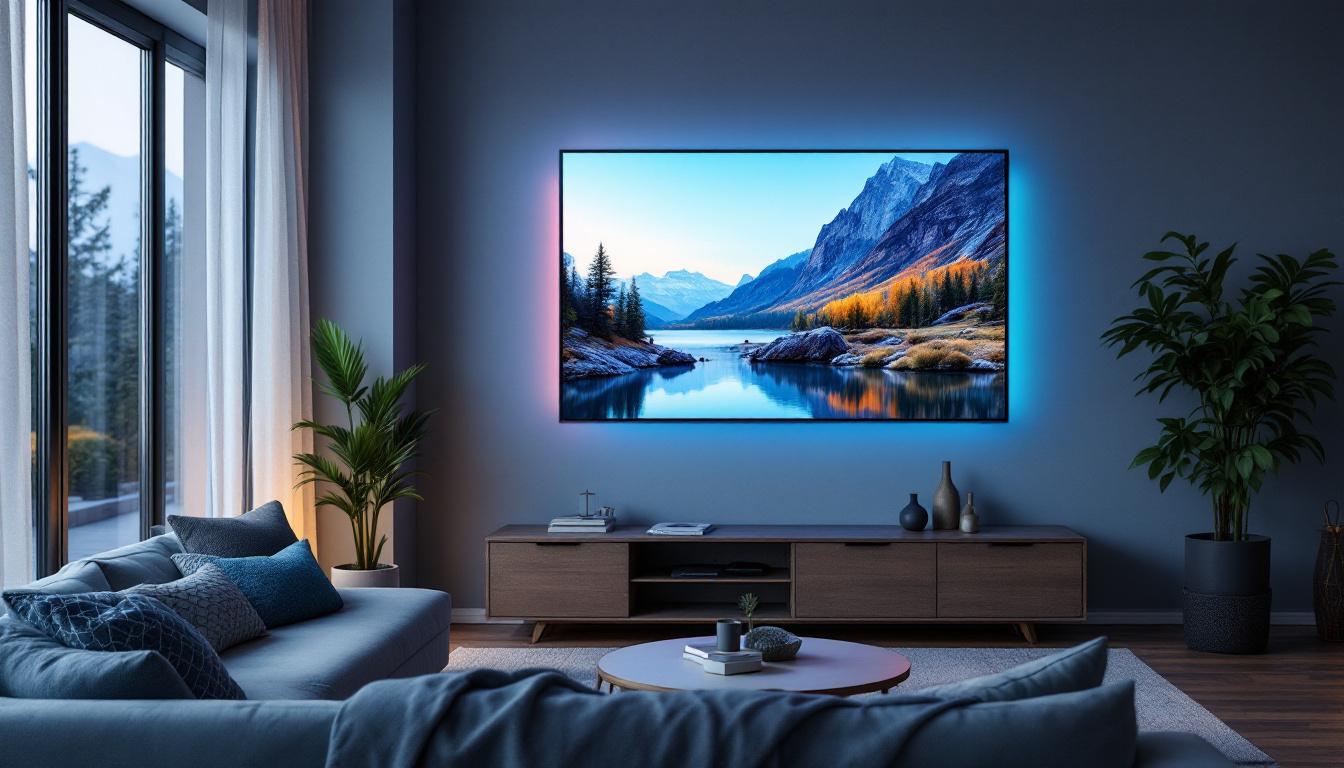
In recent years, the way we experience visual displays indoors has evolved dramatically. Traditional projector screens, once the staple of home theaters and conference rooms, are increasingly being complemented or replaced by cutting-edge LED display walls. This shift is driven by advances in LED technology, offering brighter, more vibrant, and flexible solutions for indoor environments. Understanding the differences, benefits, and applications of projector screens versus LED display walls is essential for businesses, educators, and homeowners looking to invest in high-quality indoor visual solutions.
Understanding Projector Screens and Indoor LED Displays
What Is a Projector Screen Indoor Wall?
A projector screen indoor wall is a surface designed specifically to display images projected from a video projector. These screens come in various sizes and materials, optimized to reflect light in a way that enhances image clarity and color accuracy. Typically, projector screens are made from matte white or gray fabric, tensioned to create a flat, uniform surface. They can be fixed, retractable, or portable, catering to different indoor setups such as home theaters, classrooms, and conference rooms.
Projector screens rely on an external light source—the projector—to cast images onto the screen. The quality of the image depends heavily on the projector’s brightness (measured in lumens), the ambient lighting conditions, and the screen’s gain (reflectivity). While projectors have improved significantly, challenges such as shadows, limited brightness in well-lit rooms, and the need for precise alignment remain. Additionally, the choice of screen material can greatly influence the viewing experience; for instance, some screens are designed to enhance contrast in dark environments, while others may be better suited for daylight viewing. This versatility makes projector screens a popular choice for various applications, from home cinema enthusiasts to professional presentations.
What Is an Indoor LED Display Wall?
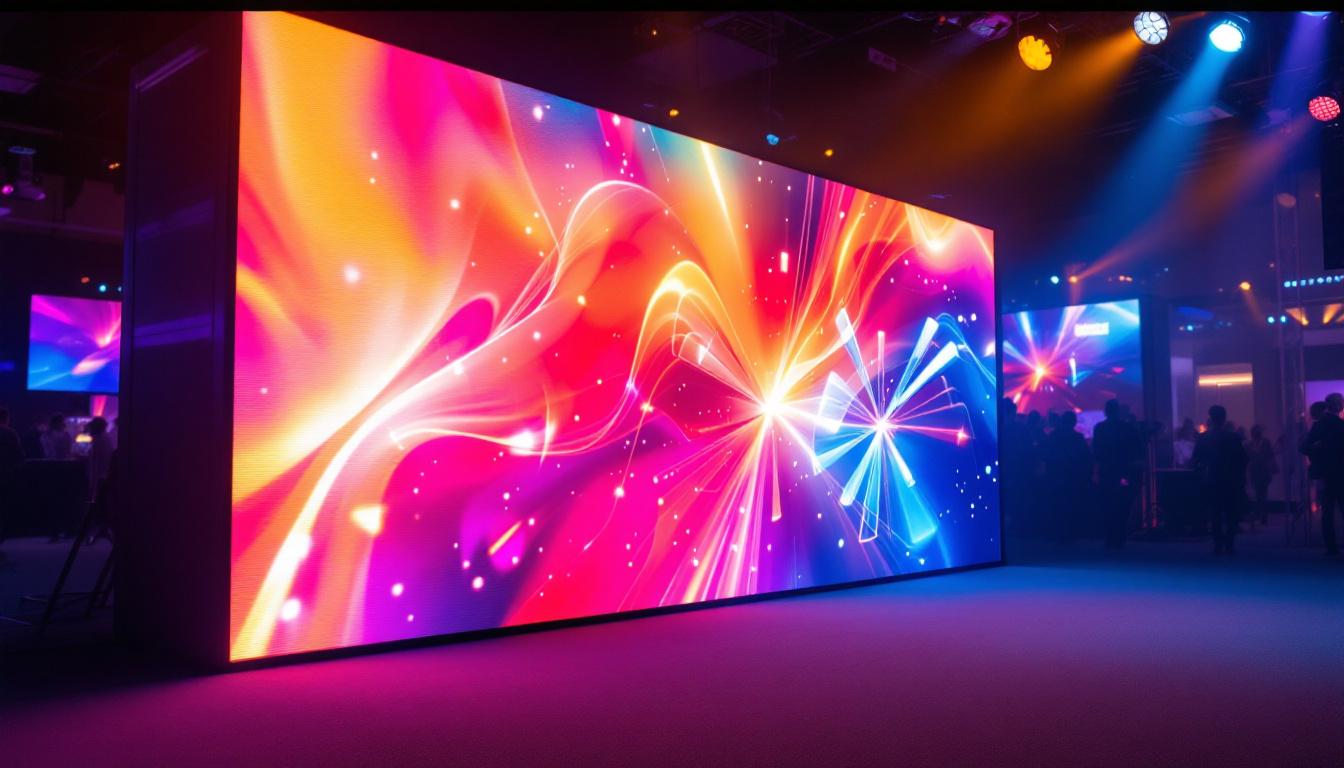
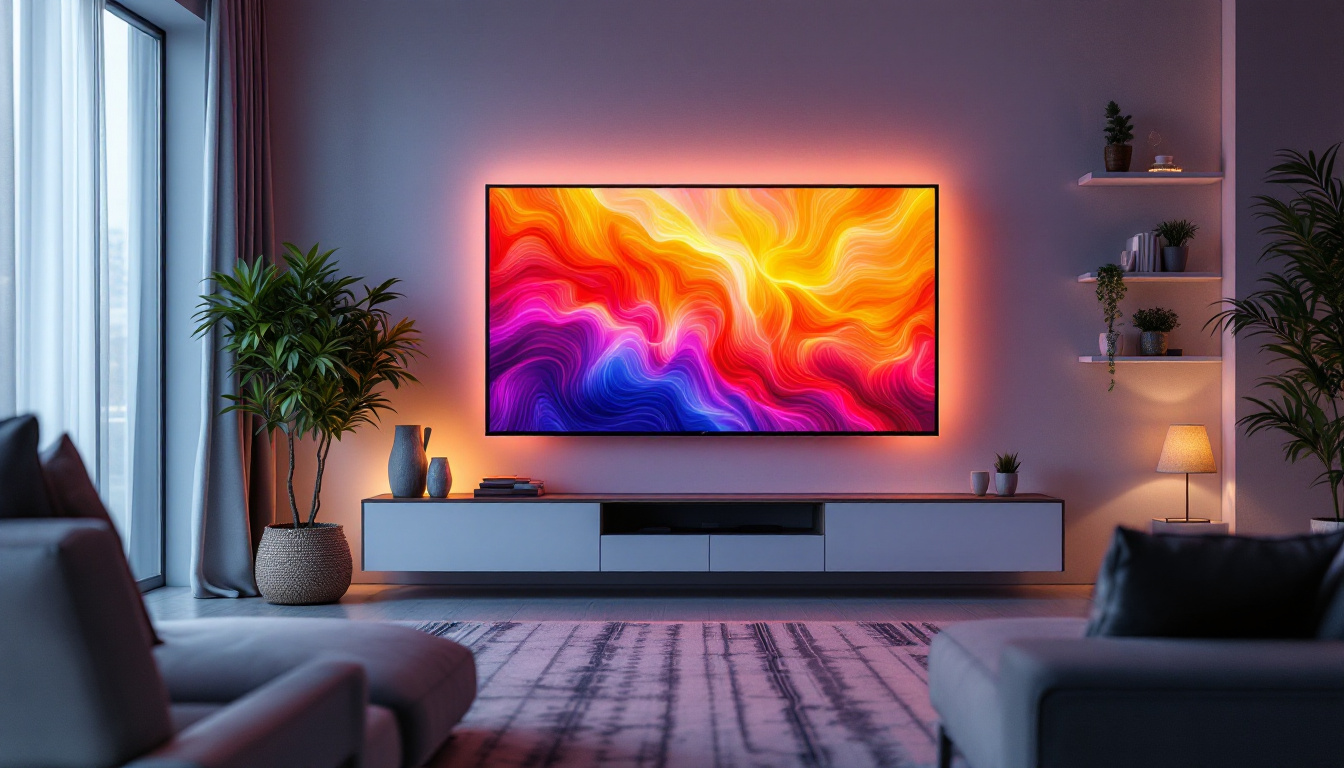
Indoor LED display walls consist of an array of light-emitting diodes (LEDs) arranged in panels that collectively form a large, seamless screen. Unlike projector screens, LED walls are self-illuminating, meaning each pixel emits its own light. This results in superior brightness, contrast, and color saturation, even in brightly lit environments.
LED display walls are highly modular, allowing for custom sizes and aspect ratios. They are commonly used in corporate lobbies, retail spaces, control rooms, and entertainment venues. Indoor LED walls have pixel pitches ranging from less than 1 millimeter for ultra-high resolution to several millimeters for larger, less detailed displays. This flexibility enables them to deliver crisp images and video content at close viewing distances. Furthermore, the technology behind LED displays allows for dynamic content updates, making them ideal for advertising and event displays where real-time information is crucial. The durability and energy efficiency of LED technology also contribute to lower long-term operational costs, making them an attractive option for businesses looking to invest in high-quality visual solutions.
Key Advantages of LED Display Walls Over Projector Screens
Brightness and Visibility
One of the most significant advantages of LED display walls is their exceptional brightness. Indoor LED walls can reach brightness levels of 1,000 to 3,000 nits or more, making them visible even in rooms with strong ambient light. In contrast, projector screens depend on the projector’s lumens output, which often ranges between 2,000 and 5,000 lumens for indoor projectors. This makes LED walls ideal for environments where controlling light is difficult, such as shopping malls or conference halls.
Image Quality and Color Accuracy
LED displays provide superior color accuracy and contrast ratios compared to projector screens. Because each LED pixel emits its own light, LED walls can achieve true blacks and vibrant colors without the light bleed or washed-out effect sometimes seen with projectors. This results in a more immersive and visually striking experience, whether displaying detailed graphics, videos, or text.
Durability and Maintenance
Projectors require periodic lamp replacements, filter cleaning, and alignment adjustments. In contrast, LED walls have longer lifespans—often exceeding 100,000 hours—and require minimal maintenance. They are also less prone to damage from dust and mechanical wear. This makes LED walls a cost-effective solution over time, despite the higher initial investment.
Installation Flexibility and Customization
LED display walls offer unparalleled flexibility in installation. Panels can be configured to fit walls of almost any size or shape, including curved or irregular surfaces. This customization is difficult with projector screens, which are limited by projector throw distances and screen aspect ratios. Additionally, LED walls can be integrated with touch capabilities, interactive features, and dynamic content management systems.
When to Choose a Projector Screen Indoor Wall
Cost Considerations
For many users, budget remains a primary factor. Projector screen setups generally have a lower upfront cost compared to LED walls. A quality projector and screen can be purchased for a few hundred to a few thousand dollars, depending on specifications. This makes projectors a viable option for home theaters, classrooms, or small meeting rooms where budget constraints exist.
Space and Viewing Distance
Projectors work well in rooms with controlled lighting and sufficient space for optimal throw distance. For example, a 120-inch diagonal screen might require 10 to 15 feet of distance between the projector and screen. In smaller rooms or spaces where mounting a projector is challenging, LED walls may be more practical despite the higher cost.
Portability and Temporary Use
Portable projector screens and compact projectors are ideal for temporary setups such as trade shows, presentations, or events. LED walls, being modular and heavier, are less suited for frequent relocation. For users needing mobility and quick assembly, projectors remain the preferred choice.
Applications of Indoor LED Display Walls
Corporate and Commercial Spaces
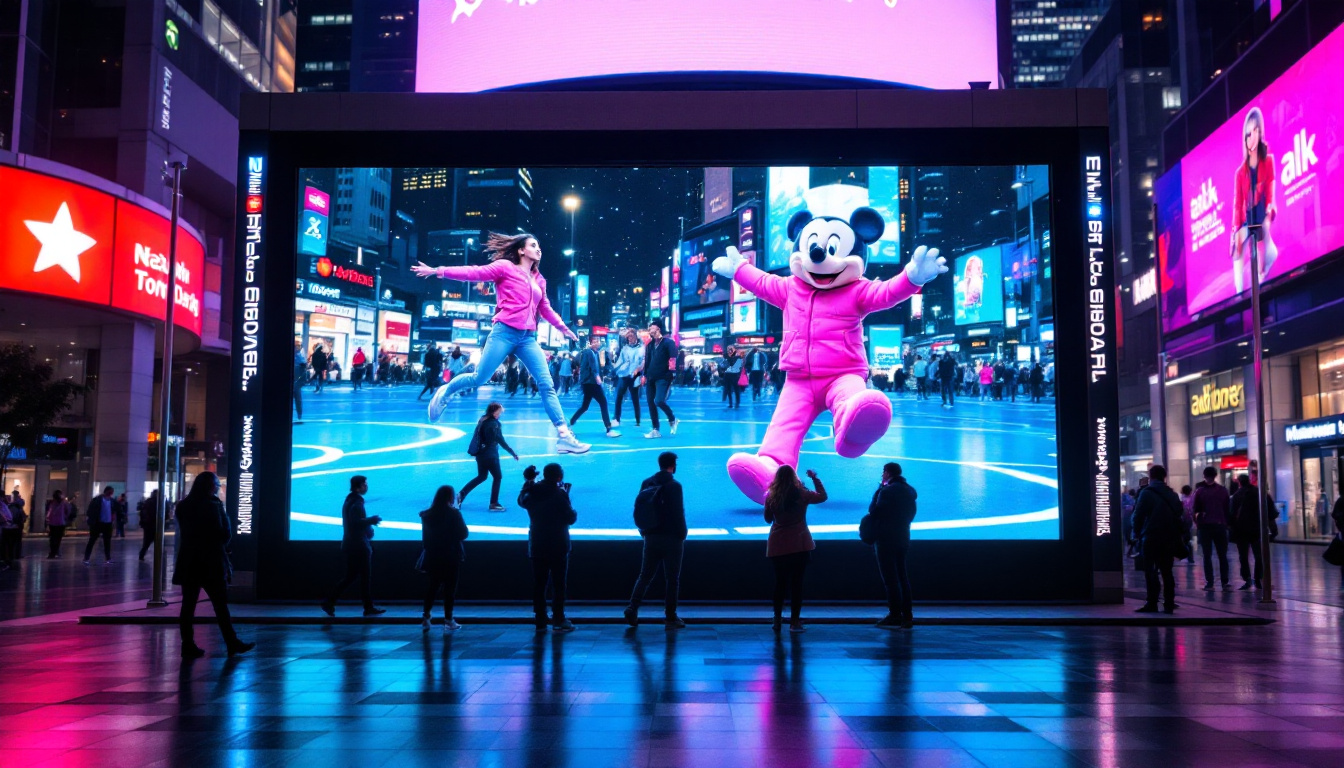
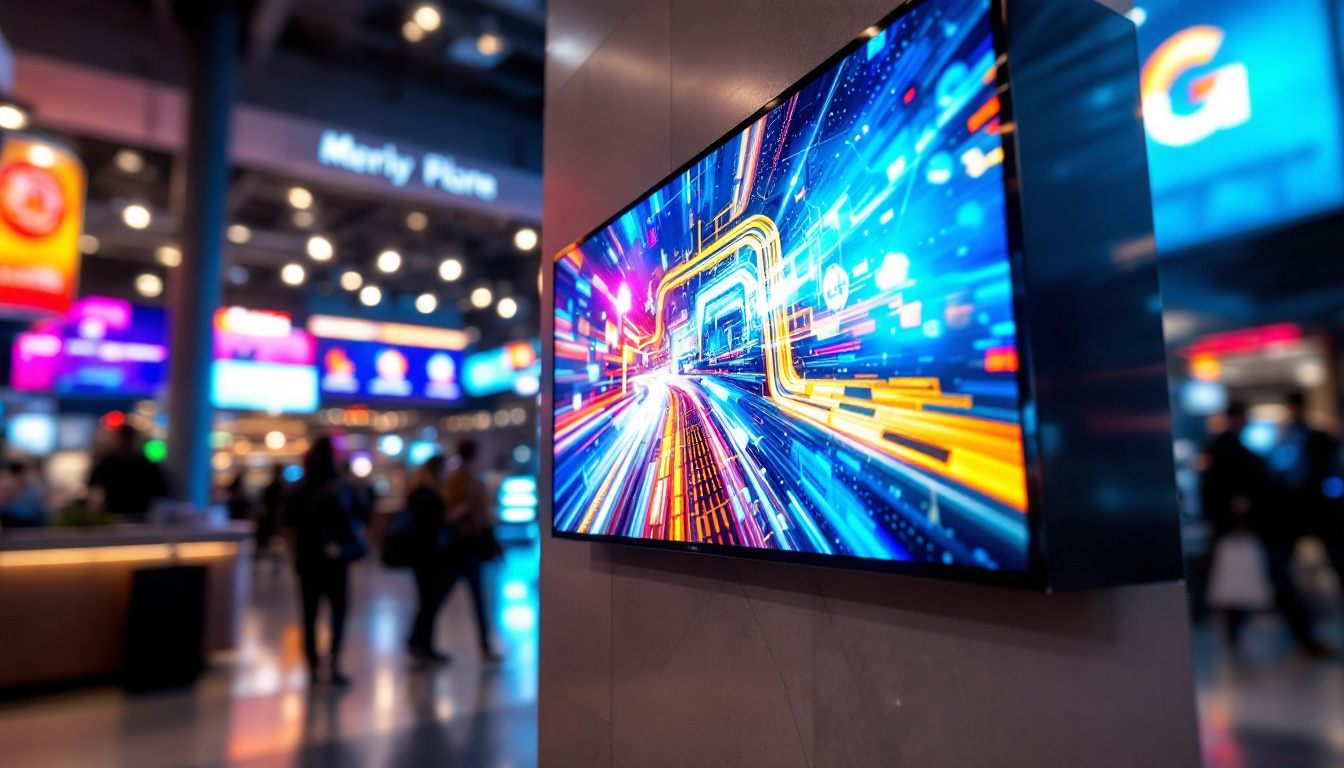
LED walls have become a staple in corporate environments for digital signage, video conferencing, and branding. Their high brightness and resolution allow companies to display dynamic content that engages visitors and employees alike. For example, large LED walls in lobbies can showcase company achievements, promotional videos, or live data feeds.
Education and Training Facilities
Educational institutions are increasingly adopting LED walls for lecture halls and auditoriums. The clarity and brightness of LED displays enhance the learning experience by making content easily visible to large audiences. Interactive LED walls also enable collaborative learning through touch and gesture controls.
Entertainment and Event Venues
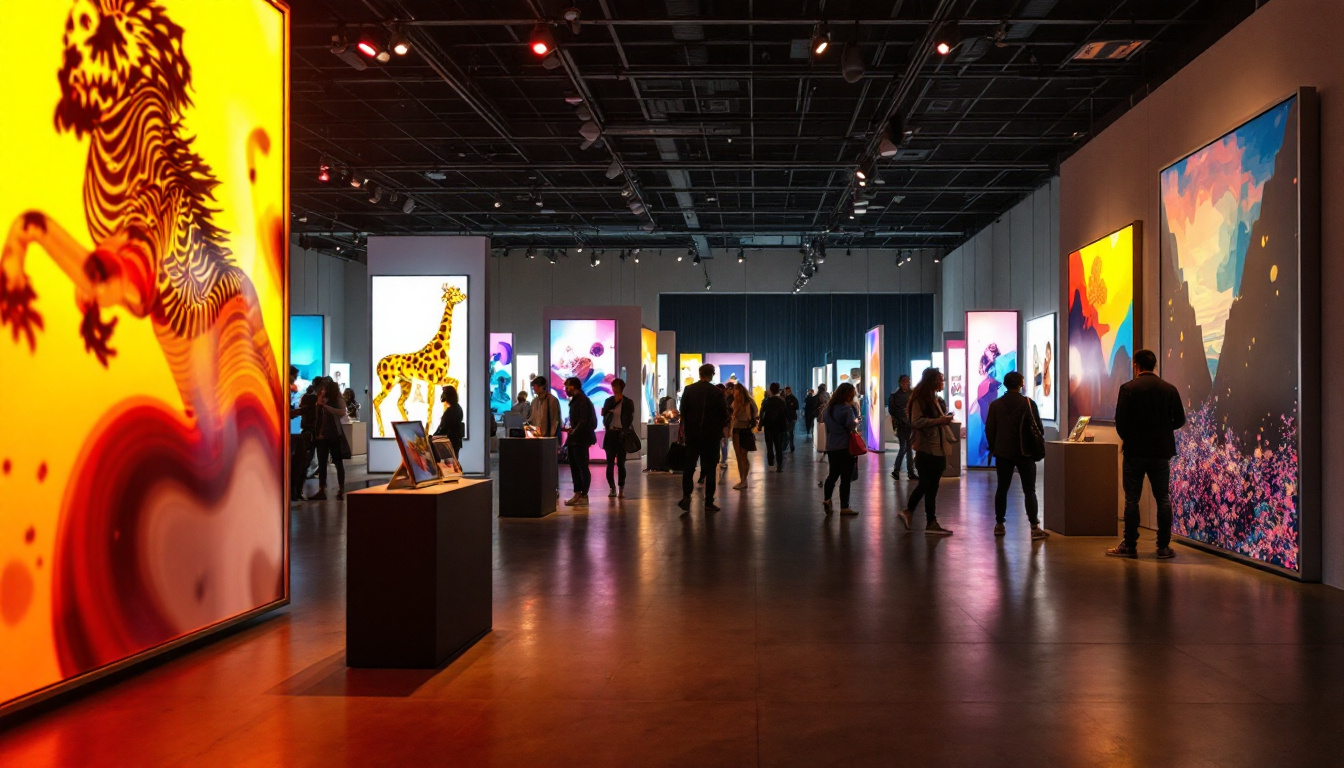
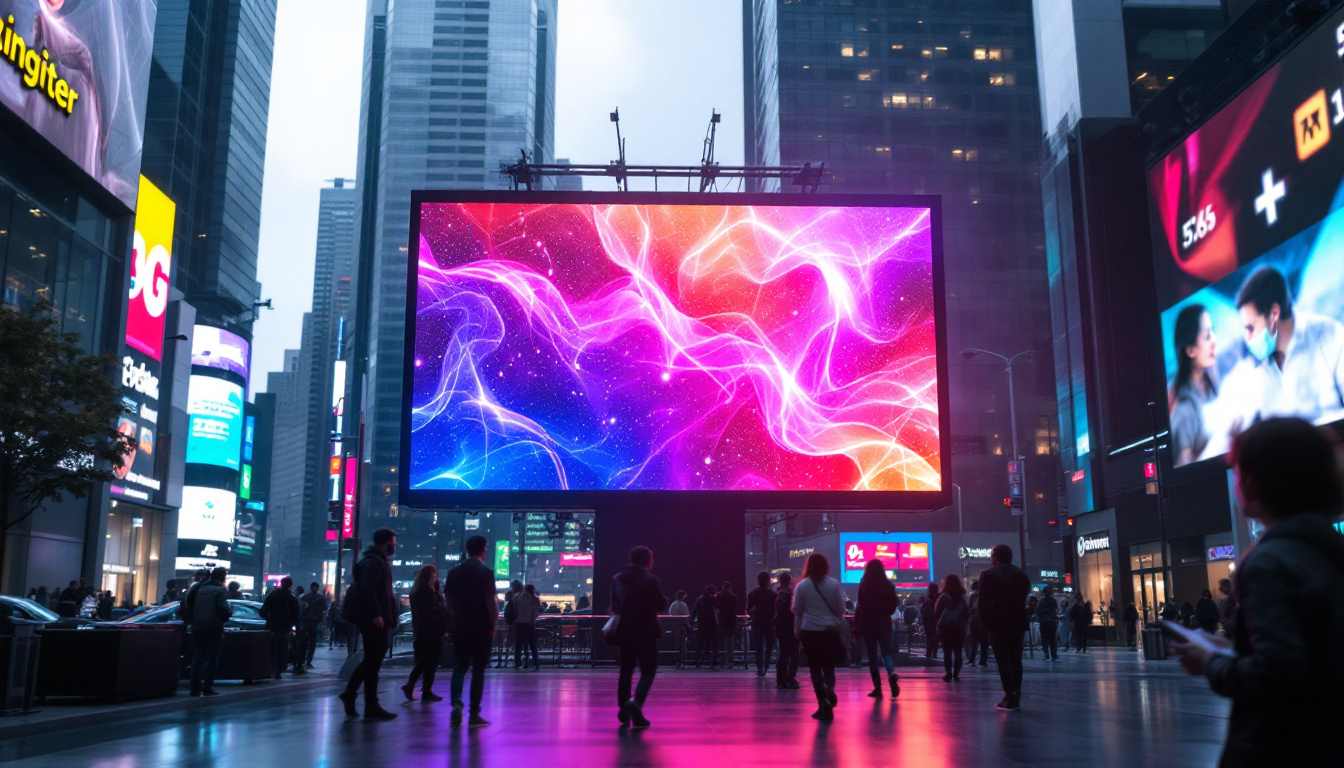
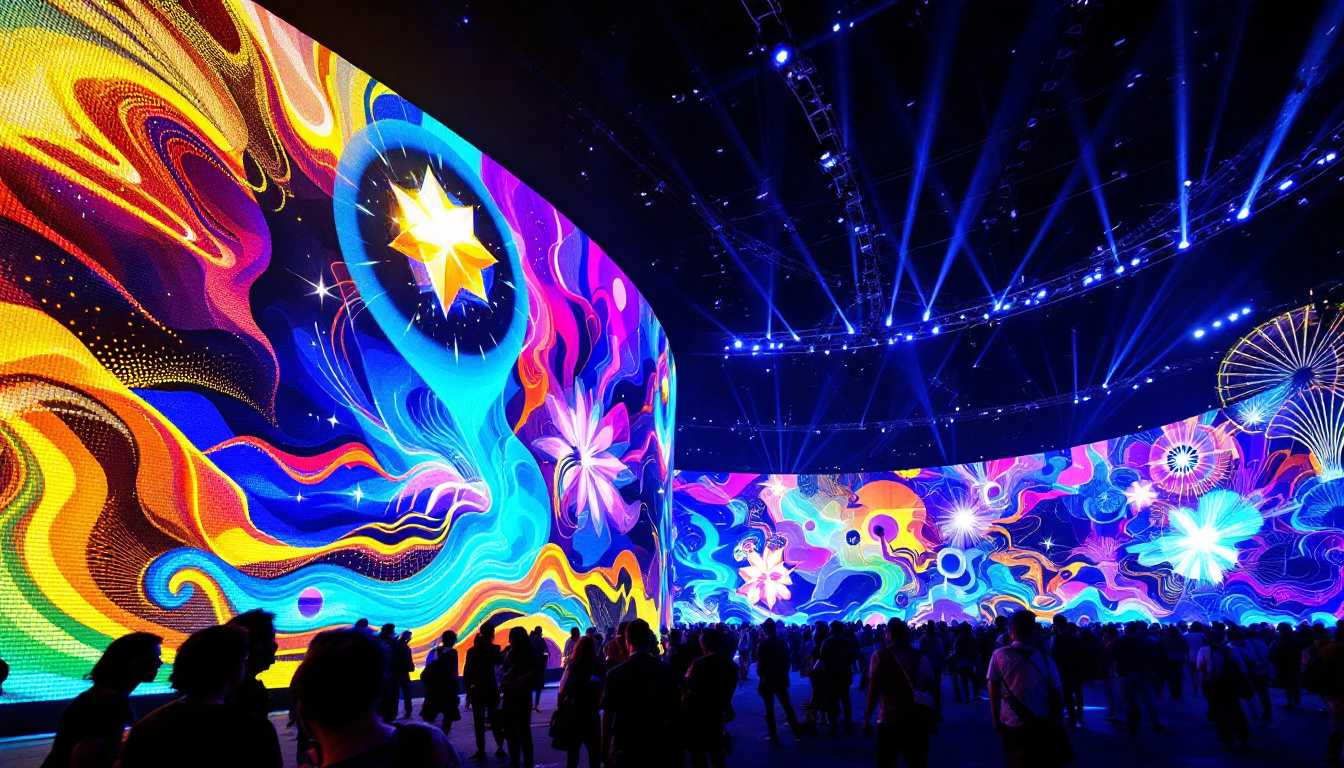
Indoor LED walls are widely used in theaters, concert halls, and event spaces to create immersive visual effects. Their ability to display high-definition video content and adapt to various stage designs makes them invaluable for live performances and broadcasts. For instance, LED walls can serve as dynamic backdrops that change in real-time during shows.
Retail and Hospitality
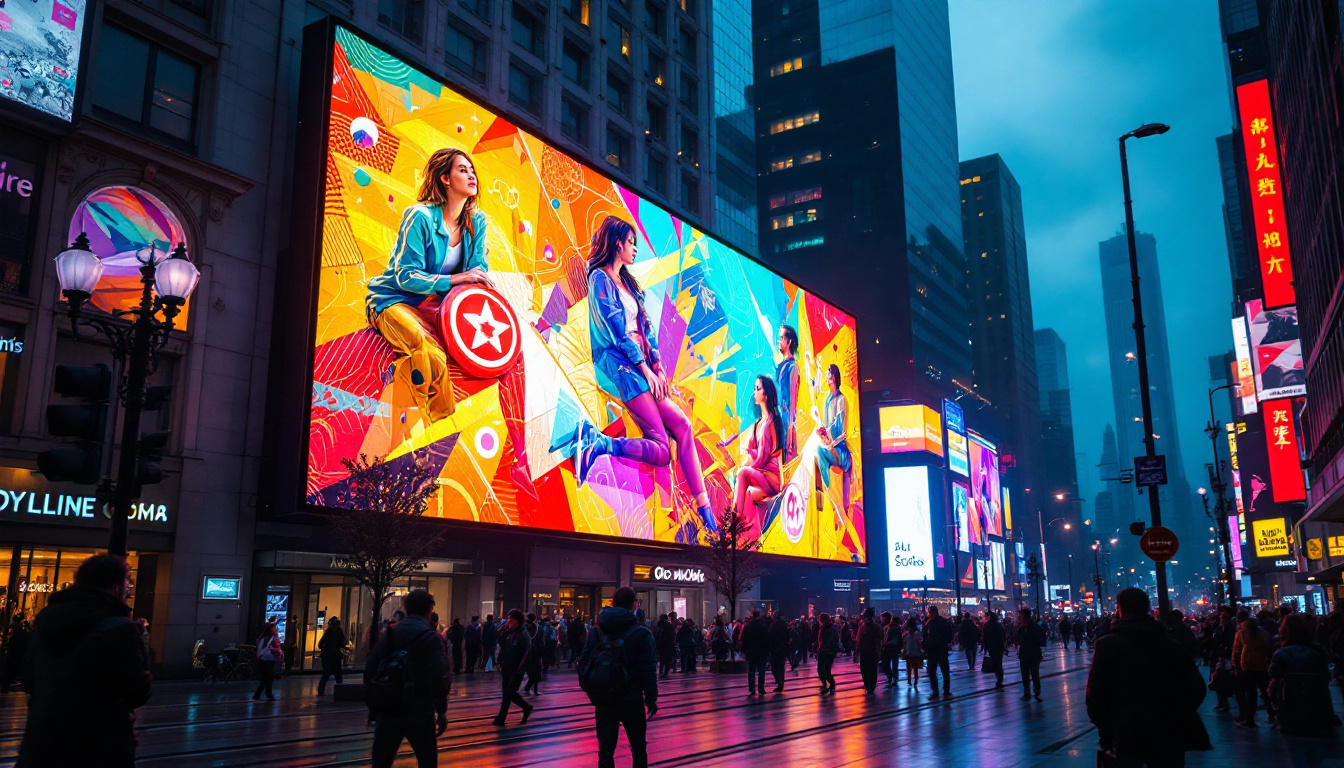
Retail stores and hotels leverage LED walls for advertising, wayfinding, and creating ambiance. Bright, eye-catching visuals attract customers and enhance brand presence. In hospitality, LED walls can be used in lobbies, bars, and conference centers to deliver tailored content and interactive experiences.
Technical Considerations When Choosing an Indoor LED Display Wall
Pixel Pitch and Resolution
Pixel pitch—the distance between the centers of adjacent LEDs—directly affects image resolution and viewing distance. Smaller pixel pitches (e.g., 0.9mm to 1.5mm) produce sharper images suitable for close viewing, such as in control rooms or retail environments. Larger pixel pitches (e.g., 3mm to 5mm) are acceptable for larger rooms where viewers are farther away. Selecting the right pixel pitch ensures optimal image quality without unnecessary cost.
Brightness and Contrast Ratios
Indoor LED walls typically offer brightness levels between 800 and 3,000 nits. Higher brightness improves visibility in well-lit rooms but may increase power consumption. Contrast ratio—the difference between the brightest and darkest parts of the image—is also critical for image depth. High contrast ratios enhance the viewing experience, especially for video content.
Refresh Rate and Color Depth
Refresh rate, measured in hertz (Hz), indicates how often the display updates per second. Higher refresh rates (above 120Hz) reduce flicker and improve motion clarity, which is important for video playback and live broadcasts. Color depth defines how many colors the display can reproduce, with 10-bit or higher color depth preferred for smooth gradients and accurate color representation.
Installation and Structural Requirements
LED walls require sturdy mounting structures and precise alignment of panels. Weight considerations and access for maintenance must be factored into the installation plan. Additionally, proper ventilation and power supply arrangements are essential to ensure reliable operation.
Future Trends in Indoor Visual Display Technology
MicroLED and MiniLED Innovations
Emerging technologies like MicroLED and MiniLED promise even better performance for indoor displays. MicroLEDs offer ultra-high brightness, exceptional color accuracy, and energy efficiency at smaller pixel pitches, making them ideal for premium indoor LED walls. MiniLED backlighting enhances LCD displays with improved contrast and brightness, providing a middle ground between traditional LCD and LED wall technologies.
Integration with Smart Systems
Indoor LED walls are increasingly integrated with smart building systems, enabling automated brightness adjustment based on ambient light and content scheduling. Advanced content management platforms allow real-time updates and remote control, making LED walls more versatile and user-friendly.
Interactive and Immersive Experiences
Touch-enabled LED walls and augmented reality (AR) integration are expanding the possibilities for indoor displays. These technologies enable interactive presentations, immersive training environments, and engaging retail experiences that captivate audiences and enhance communication.
Conclusion
Choosing between a projector screen indoor wall and an LED display wall depends on several factors, including budget, room conditions, viewing distance, and intended use. While projector screens remain a cost-effective and flexible option for many indoor settings, LED display walls offer unmatched brightness, image quality, and customization for modern environments demanding high-impact visuals.
As LED technology continues to advance and prices become more accessible, indoor LED display walls are poised to become the standard for corporate, educational, entertainment, and retail spaces. Understanding the technical aspects and application scenarios will help decision-makers select the best visual display solution to meet their needs today and into the future.
Discover LumenMatrix’s Advanced LED Display Solutions
Ready to elevate your visual display capabilities? LumenMatrix is at the forefront of LED display technology, offering a comprehensive range of solutions tailored to your unique needs. From stunning Indoor LED Wall Displays to versatile Outdoor LED Wall Displays and beyond, our products are designed to captivate and engage your audience. Experience the future of visual communication with our innovative LED Sports Displays, immersive Floor LED Displays, and sleek All-in-One LED Display options. Embrace the clarity and impact that LumenMatrix LED displays bring to your space. Check out LumenMatrix LED Display Solutions today and transform your visual storytelling.