In the rapidly evolving world of visual display technology, LED displays have emerged as a dominant force, revolutionizing how images and videos are presented in various environments. Whether for corporate presentations, home theaters, or large-scale events, understanding LED display technology is crucial for selecting the right projector or display solution. This article delves into the fundamentals of LED displays, their advantages, and how they compare to traditional projector technologies, providing a comprehensive guide for anyone looking to make an informed choice.
Understanding LED Display Technology
What is an LED Display?
LED stands for Light Emitting Diode, a semiconductor device that emits light when an electric current passes through it. An LED display is composed of numerous tiny LEDs arranged in a grid to form pixels. Each LED can emit red, green, or blue light, and by combining these colors at varying intensities, the display produces a full spectrum of colors. This technology is used in everything from small digital watches to massive outdoor billboards.
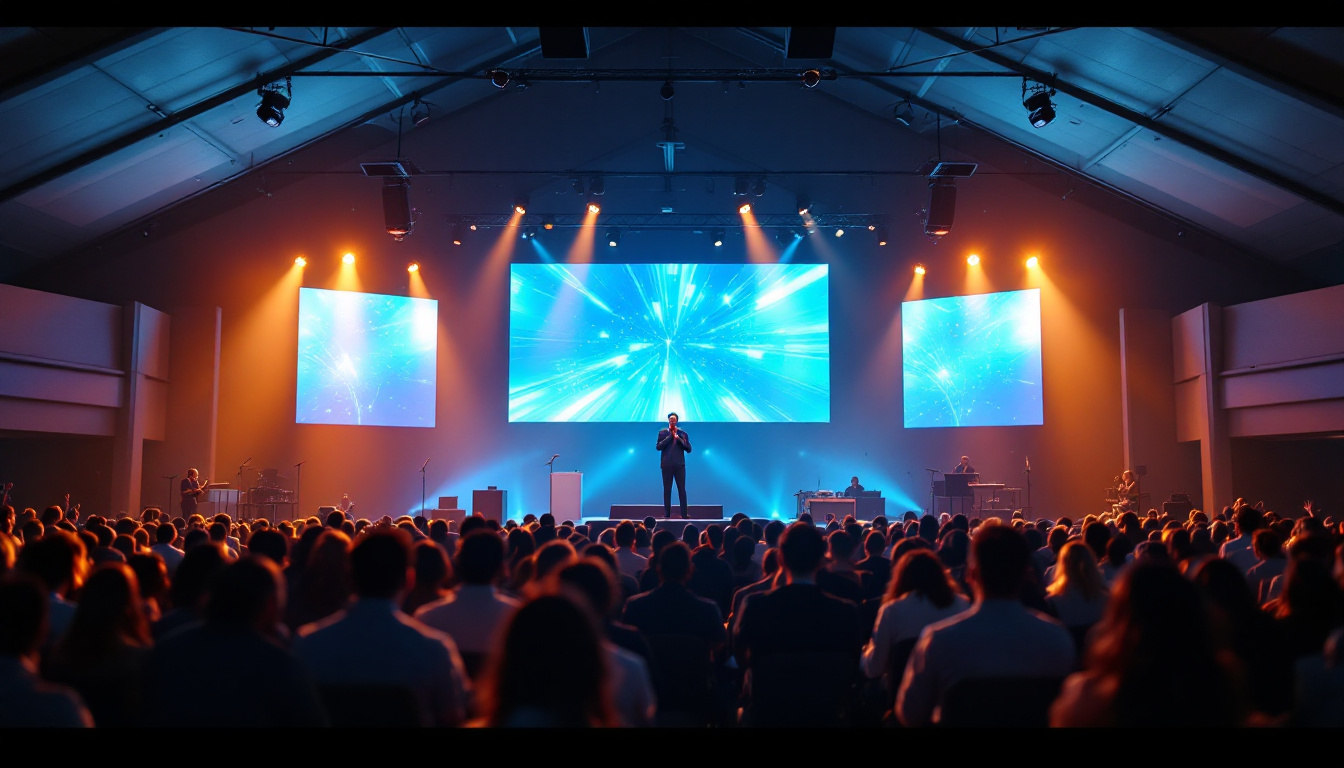
Unlike traditional projectors that rely on lamps and lenses to project images onto a screen, LED displays are self-illuminating. This means each pixel generates its own light, eliminating the need for an external light source. This fundamental difference impacts image quality, brightness, contrast, and energy consumption. The self-emissive nature of LED displays allows for deeper blacks and more vibrant colors, making them particularly popular in environments where visual impact is crucial, such as concerts, sports events, and advertising. Additionally, LED displays can achieve higher refresh rates, which is beneficial for displaying fast-moving content without blurring.
Types of LED Displays
LED displays come in various forms, primarily categorized by pixel pitch and configuration:
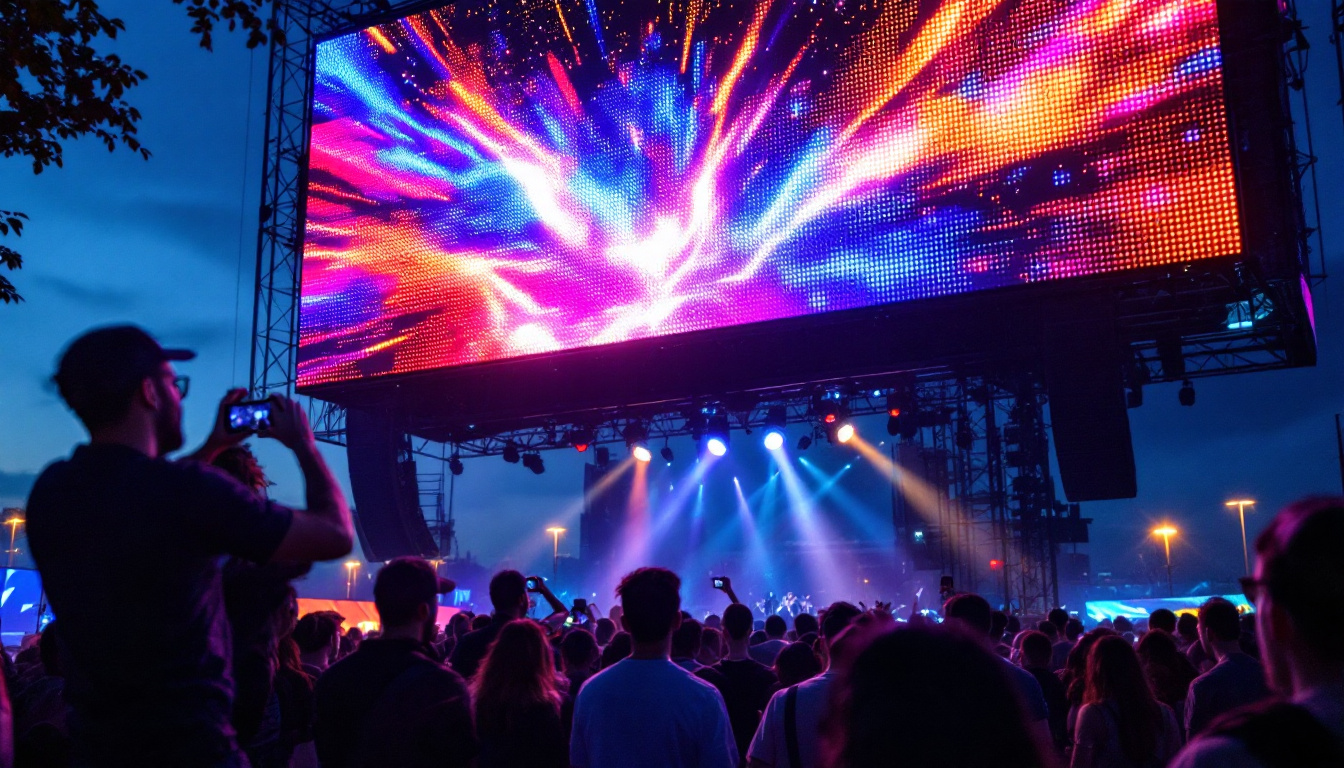
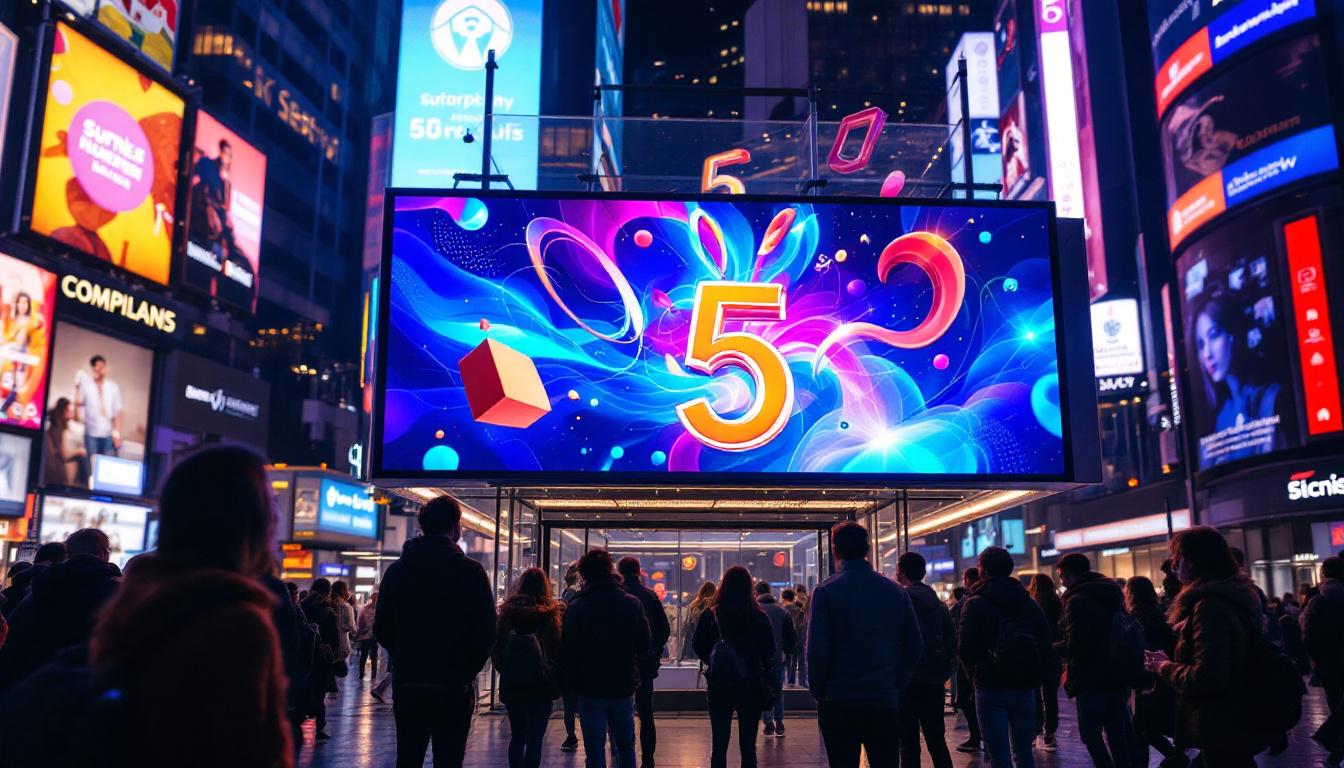
- Direct View LED (DVLED): This type involves LEDs arranged directly on a display panel, commonly used for large video walls and outdoor screens. The pixel pitch—the distance between individual LEDs—determines the resolution and viewing distance. DVLED displays are particularly advantageous for large venues due to their high brightness levels, which can combat ambient light conditions effectively.
- MicroLED: An emerging technology that uses microscopic LEDs to create displays with exceptional brightness and color accuracy, often seen as a competitor to OLED. MicroLED technology promises to deliver superior performance in terms of energy efficiency and longevity, as well as the ability to create flexible and modular displays that can be tailored to various applications.
- LED-Backlit LCD: While not a true LED display, many modern LCD projectors use LED backlighting to enhance brightness and color, combining the benefits of LED light sources with LCD technology. This hybrid approach allows for thinner designs and improved color reproduction, making it a popular choice for consumer electronics like televisions and computer monitors.
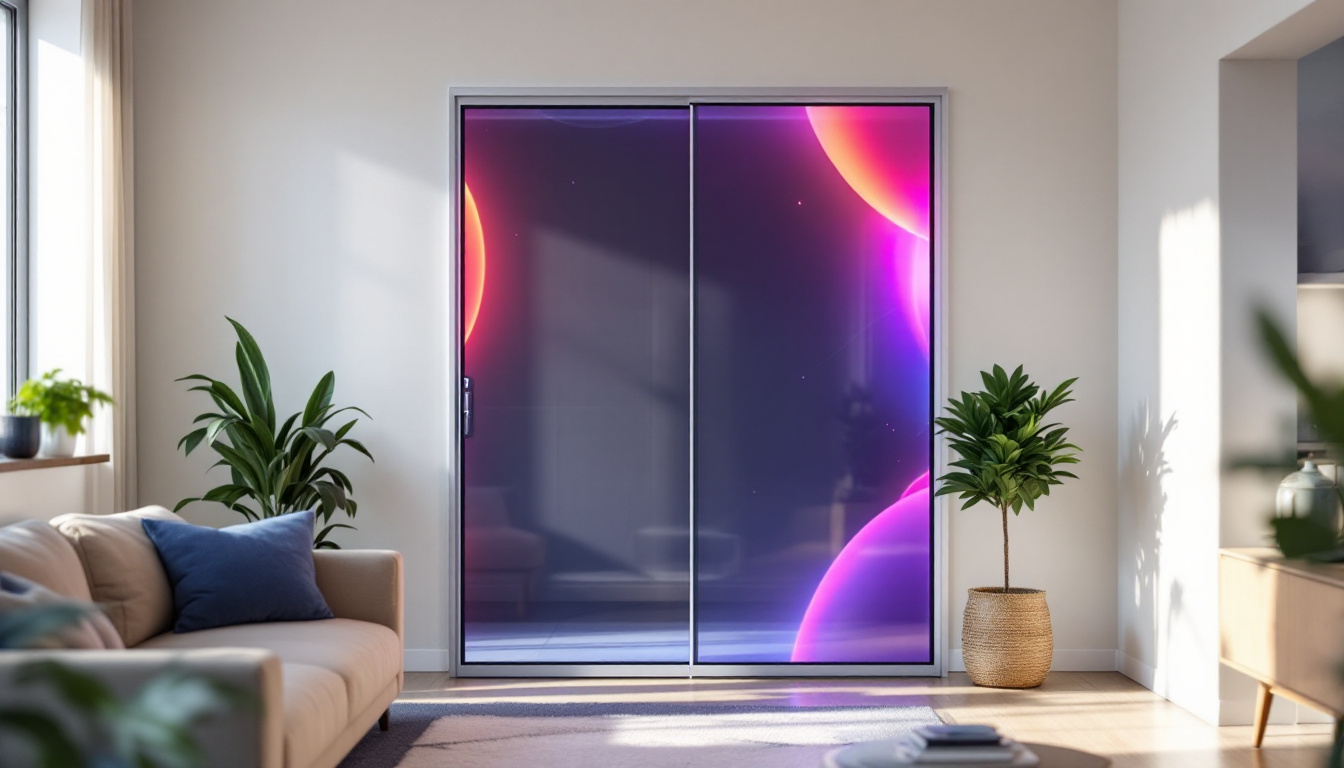
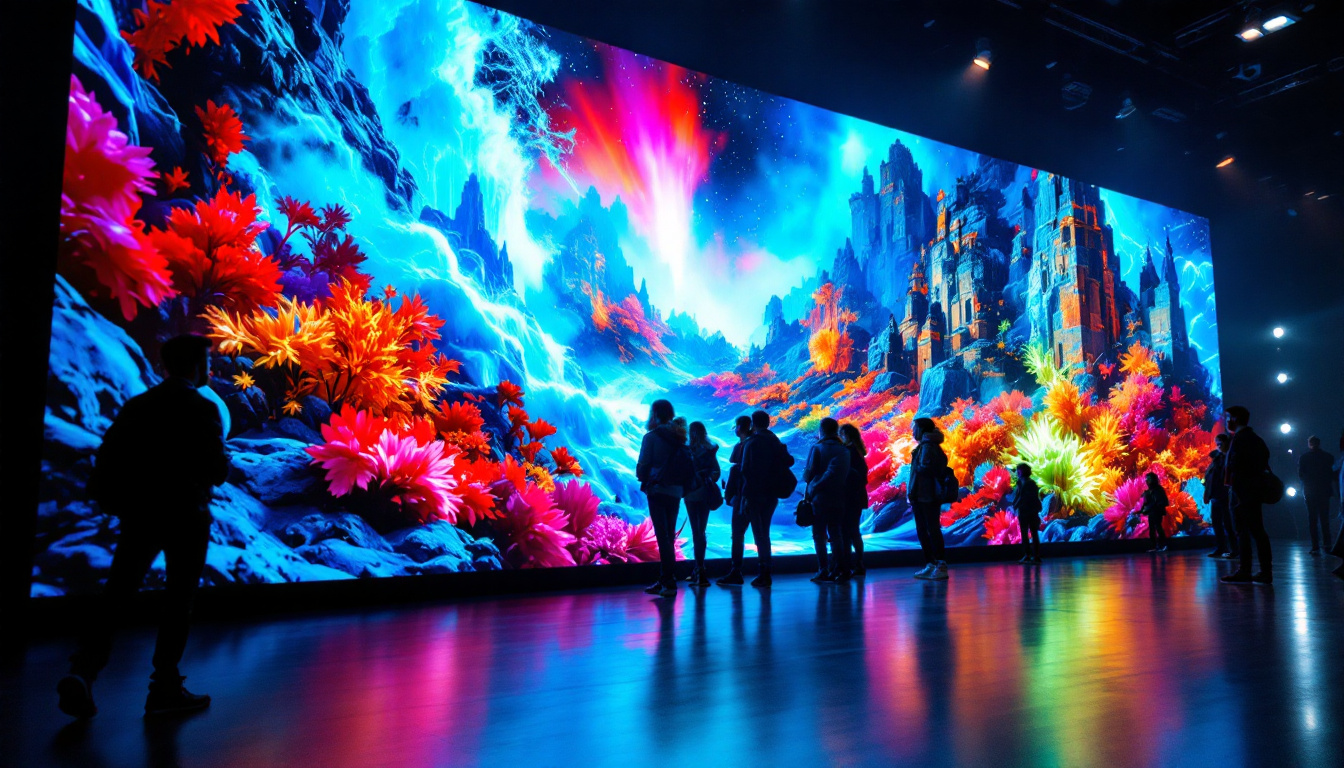
In addition to these types, LED displays can also be classified based on their application, such as indoor versus outdoor displays. Indoor LED displays typically have a smaller pixel pitch for higher resolution and closer viewing distances, making them ideal for environments like shopping malls, conference rooms, and theaters. Outdoor displays, on the other hand, are built to withstand the elements, featuring robust enclosures and higher brightness levels to ensure visibility even in direct sunlight. Furthermore, advancements in technology have led to the development of transparent LED displays, which can blend seamlessly into architectural designs, allowing for innovative advertising solutions without obstructing views.
Advantages of LED Displays Over Traditional Projectors
Brightness and Visibility
One of the most significant benefits of LED displays is their superior brightness. Traditional lamp-based projectors typically offer brightness levels measured in lumens, often ranging from 2,000 to 5,000 lumens for commercial models. However, their image quality can degrade in well-lit environments.
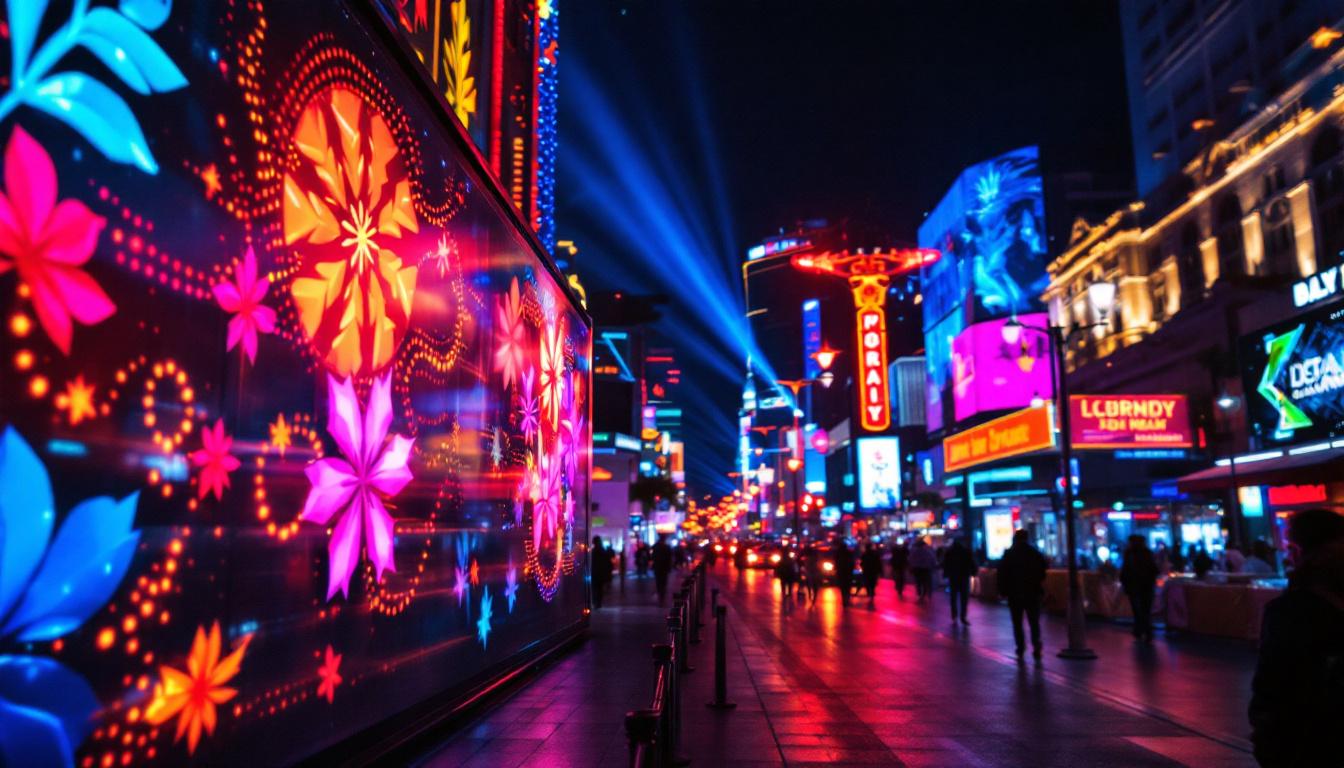
LED displays, on the other hand, can achieve much higher brightness levels, often exceeding 1,000 nits (a unit measuring luminance), making them easily visible even in direct sunlight or brightly lit rooms. This makes LED displays ideal for outdoor events, retail signage, and conference rooms with ambient light challenges. Furthermore, the ability to maintain clarity and vibrancy in various lighting conditions means that businesses can utilize LED displays for a wider range of applications, from dynamic advertisements in bustling urban centers to high-impact presentations in corporate settings.
Color Accuracy and Contrast
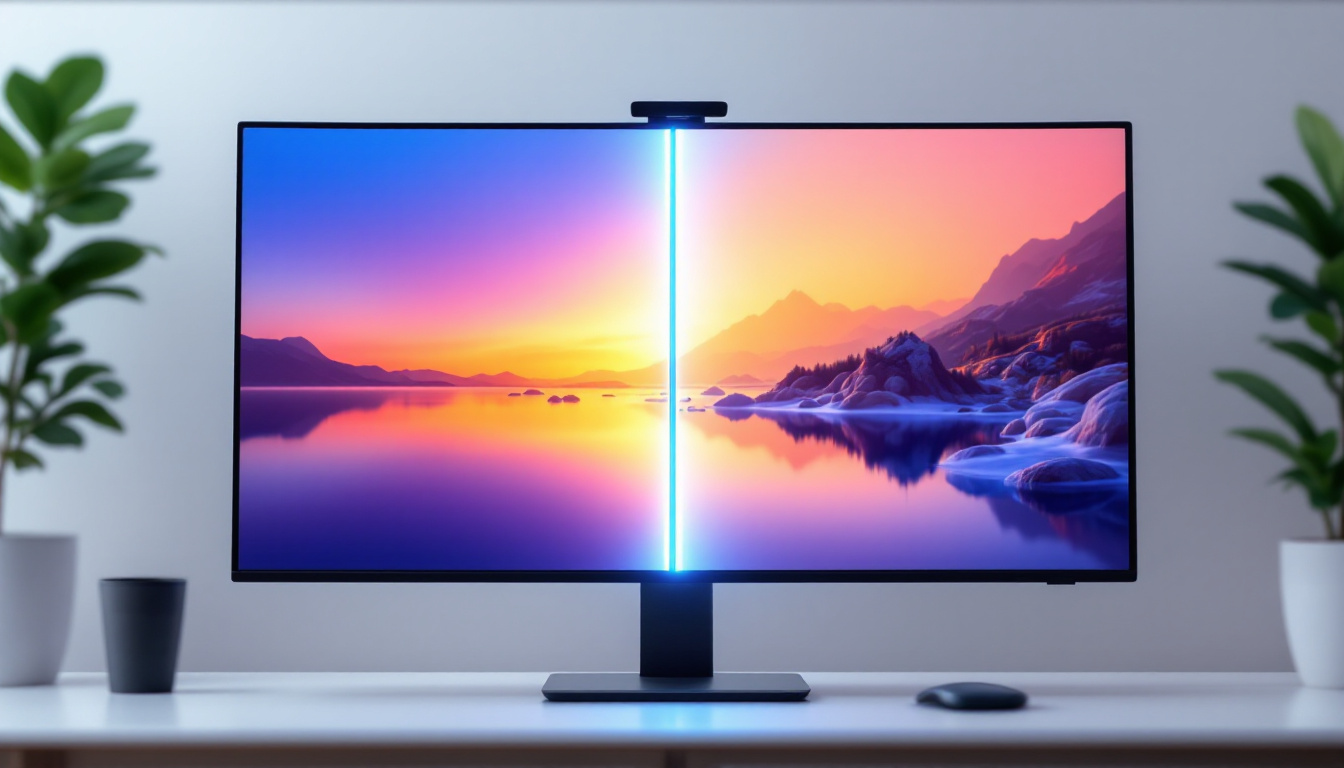
Because each LED emits light independently, LED displays offer exceptional color accuracy and contrast ratios. True blacks are achievable since LEDs can be turned off individually, unlike projectors that rely on reflected light, which can reduce contrast.
This capability results in vibrant, lifelike images with deep blacks and bright highlights, enhancing the viewing experience for movies, presentations, and detailed graphics. For industries where color fidelity is critical—such as design, medical imaging, and broadcasting—LED displays provide a distinct advantage. Additionally, the wide color gamut offered by LED technology allows for more nuanced shades and tones, which is particularly beneficial for artists and content creators who require precision in color representation. This enhanced color performance not only captivates audiences but also ensures that the content is displayed as intended, preserving the integrity of the original work.
Longevity and Maintenance
Traditional projectors often require lamp replacements every 2,000 to 5,000 hours, which can be costly and inconvenient. In contrast, LED displays boast significantly longer lifespans, often exceeding 50,000 hours of operation without significant degradation in brightness or color quality.
Moreover, LED displays have fewer moving parts and do not rely on fragile lamps, reducing maintenance needs and downtime. This reliability is particularly valuable in commercial settings where continuous operation is essential. The reduced frequency of replacements not only translates to lower operational costs but also minimizes the environmental impact associated with disposing of used lamps. As businesses increasingly prioritize sustainability, the longevity of LED displays positions them as a more eco-friendly option. Furthermore, many LED displays come equipped with smart technology that allows for remote monitoring and diagnostics, enabling proactive maintenance and ensuring optimal performance without the need for constant manual checks.
Choosing the Right LED Display for Your Needs
Consider the Viewing Environment
When selecting an LED display or projector, understanding the environment where it will be used is paramount. For brightly lit rooms or outdoor settings, LED displays with high brightness and anti-glare properties are preferable. Conversely, darker environments may allow for traditional projectors or LED-backlit LCDs to perform adequately.
Viewing distance also plays a crucial role. Displays with smaller pixel pitches (less distance between LEDs) provide higher resolution and are better suited for close viewing, such as in conference rooms or home theaters. Larger pixel pitches are often sufficient for outdoor billboards or large venues where viewers are farther away.
Resolution and Image Quality
Resolution determines the clarity and detail of the image. LED displays offer a wide range of resolutions, from standard HD (1920×1080) to 4K and beyond. Higher resolution displays are essential for applications requiring fine detail, such as medical imaging or graphic design.
It is important to balance resolution with screen size and viewing distance to avoid unnecessary expense. For example, a 4K display may be overkill for a small meeting room but essential for a large auditorium.
Connectivity and Integration
Modern LED displays often come equipped with multiple input options, including HDMI, DisplayPort, and wireless connectivity, allowing seamless integration with laptops, media players, and control systems. Some models support advanced features like video wall configurations, touch interactivity, and remote management.
When selecting a display, consider the compatibility with existing equipment and the potential for future upgrades. This ensures a smooth user experience and maximizes the investment’s longevity.
Comparing LED Displays to Other Projection Technologies
LED vs. LCD Projectors
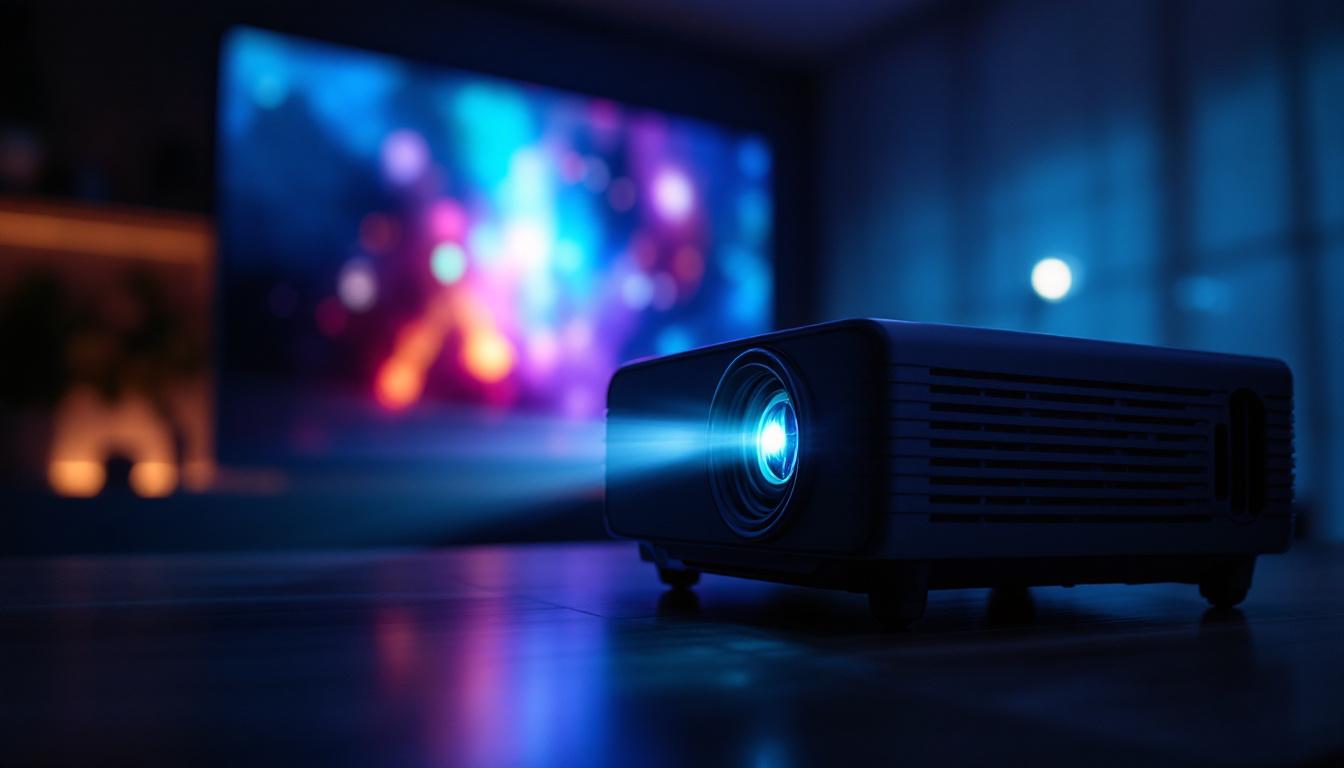
LCD projectors use liquid crystal panels to modulate light from a lamp source. They typically offer good color reproduction and sharp images but can suffer from lower contrast ratios and lamp life limitations.
LED projectors, which use LEDs as the light source, provide longer lamp life and better energy efficiency but may have lower brightness compared to high-end lamp-based projectors. However, true LED displays eliminate the need for projection altogether by directly emitting light from each pixel.
LED vs. DLP Projectors
DLP (Digital Light Processing) projectors use a chip with thousands of tiny mirrors to reflect light and create images. They are known for sharp images and high contrast but can suffer from the “rainbow effect,” where some viewers perceive flashes of color.
LED displays avoid this issue entirely due to their direct emission technology. Additionally, LED displays generally offer better durability and lower maintenance compared to DLP projectors.
Cost Considerations
While LED displays often have a higher upfront cost compared to traditional projectors, their longer lifespan, lower maintenance, and superior image quality can result in lower total cost of ownership over time. For large venues or commercial applications, the investment in LED technology often pays off through reduced downtime and enhanced audience engagement.
Future Trends in LED Display Technology
Advancements in MicroLED and MiniLED
MicroLED and MiniLED technologies are pushing the boundaries of LED display performance. MicroLED offers unparalleled brightness, contrast, and energy efficiency by using microscopic LEDs, making it ideal for next-generation displays in consumer electronics and professional environments.
MiniLED, which uses smaller LEDs for backlighting, enhances LCD displays by improving contrast and brightness, bridging the gap between traditional LCD and full LED displays.
Integration with Smart Technologies
LED displays are increasingly integrated with smart systems, enabling features like automated brightness adjustment, content scheduling, and remote diagnostics. These capabilities enhance usability and efficiency, particularly in digital signage and corporate environments.
Sustainability and Energy Efficiency
As environmental concerns grow, LED technology continues to improve in energy efficiency and recyclability. Many manufacturers are focusing on reducing the carbon footprint of their displays, making LED solutions not only visually superior but also environmentally responsible.
Conclusion: Making an Informed Choice
Choosing the right projection or display solution requires a clear understanding of LED display technology and its advantages. LED displays offer superior brightness, color accuracy, longevity, and flexibility compared to traditional projectors, making them an excellent choice for a wide range of applications.
By considering factors such as environment, resolution, connectivity, and budget, users can select an LED display that meets their specific needs and delivers outstanding visual performance. As technology advances, LED displays will continue to redefine the standards of image quality and user experience in both professional and personal settings.
Discover LumenMatrix’s Innovative LED Solutions
Ready to elevate your visual experience with the latest in LED technology? LumenMatrix offers a diverse range of LED display modules tailored to your unique needs. From vibrant Indoor LED Wall Displays to dynamic Outdoor LED Wall Displays, and from mobile Vehicle LED Displays to sleek LED Poster Displays, our solutions are designed to captivate and engage. Whether you’re looking to enhance a sports event with an LED Sports Display, add movement with a Floor LED Display, or require a Custom LED Display solution, LumenMatrix is here to transform your visual communication. Experience the future of digital signage with our All-in-One LED Displays and LED Transparent Displays. Check out LumenMatrix LED Display Solutions today and share your message with the world like never before.