In the rapidly evolving world of digital displays, understanding the technical jargon is essential for making informed decisions, whether you’re a business owner, event organizer, or technology enthusiast. One term that frequently arises in discussions about LED displays is “pixel size” or “pxl size.” This article delves into what pixel size means in the context of LED displays, why it matters, and how it impacts the overall viewing experience. By the end, you’ll have a clear understanding of how pixel size shapes the quality, cost, and suitability of LED screens for various applications.
What Is Pixel Size in LED Displays?
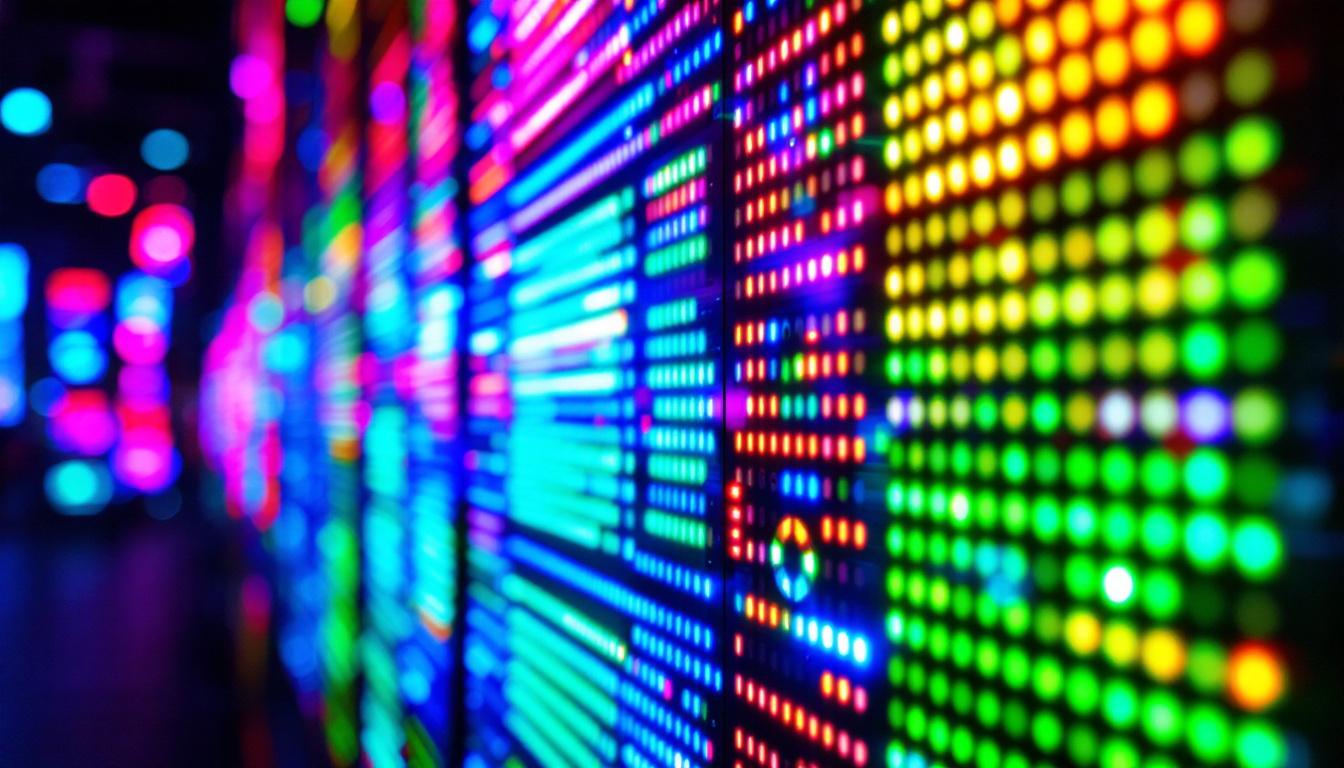
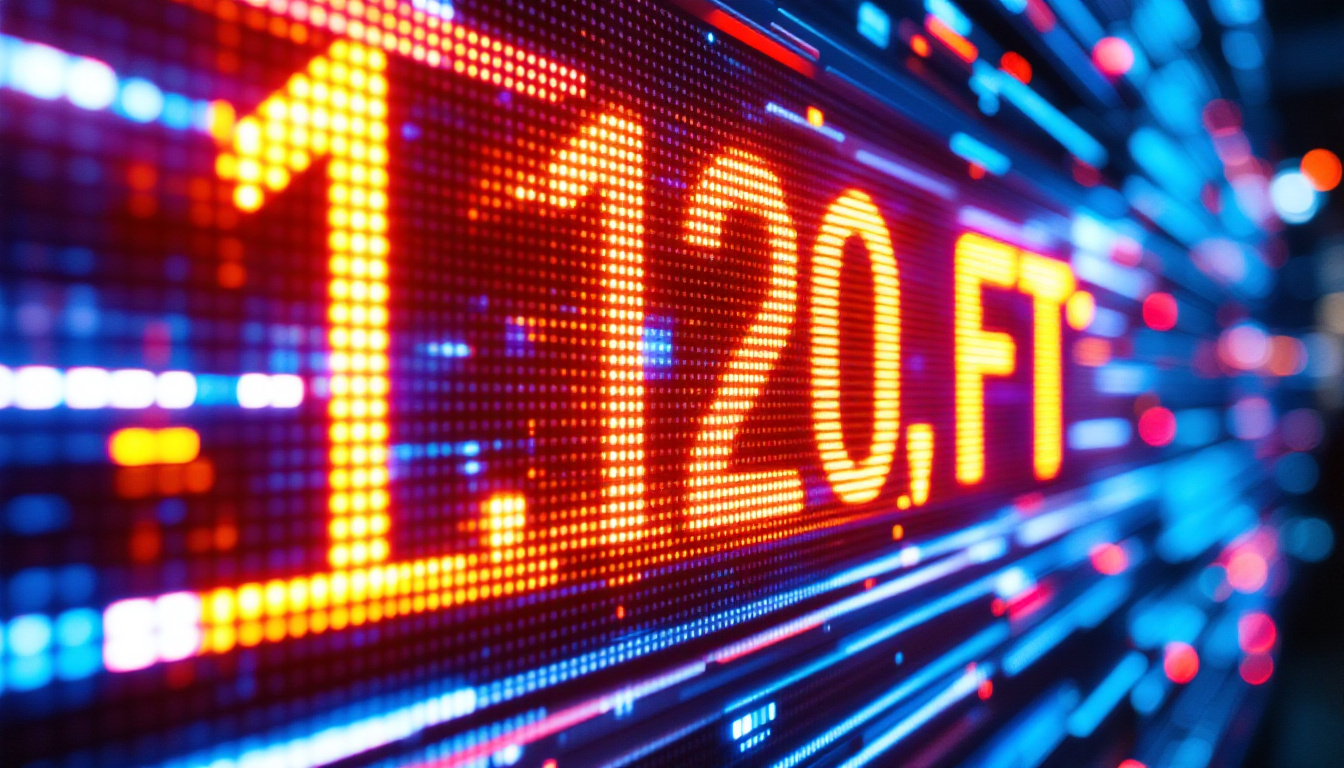
Pixel size, often referred to as pixel pitch, is the distance from the center of one LED cluster (or pixel) to the center of the adjacent one. It is typically measured in millimeters (mm). In simpler terms, it defines how close or far apart the individual light-emitting diodes are on the display panel.
For example, a pixel pitch of 2.5mm means that the centers of two adjacent pixels are 2.5 millimeters apart. Smaller pixel pitch values indicate that pixels are packed more densely, resulting in higher resolution and finer image detail.
Understanding pixel size is crucial because it directly influences the display’s clarity, viewing distance, and overall image quality. It is one of the primary factors that determine how sharp and vibrant an LED screen will appear. The choice of pixel size is particularly important for various applications, such as advertising, broadcasting, and live events, where visual impact is paramount.
Moreover, the pixel size also plays a significant role in determining the ideal viewing distance. A display with a smaller pixel pitch allows viewers to be closer without noticing the individual pixels, creating an immersive experience. Conversely, larger pixel pitches are better suited for viewing from a distance, making them a popular choice for outdoor billboards and large venue displays where viewers are typically farther away.
How Pixel Size Affects Resolution
Resolution is the total number of pixels displayed on the screen, often expressed as width × height (e.g., 1920×1080 pixels). Pixel size affects resolution by dictating how many pixels can fit in a given physical space. Smaller pixel sizes allow more pixels to be packed into the same area, increasing the resolution and producing sharper images.
For instance, a 10-foot-wide LED display with a 2.5mm pixel pitch will have a much higher resolution than one with a 10mm pixel pitch. This means the 2.5mm display can show more detailed graphics and text, making it ideal for close-up viewing. Additionally, the enhanced resolution provided by smaller pixel pitches is particularly beneficial for applications that require intricate details, such as digital signage in retail environments or high-definition video displays in concert venues.
Furthermore, as technology advances, manufacturers are continually pushing the boundaries of pixel size, leading to innovations like microLED and miniLED displays. These technologies promise even smaller pixel pitches, resulting in unprecedented levels of detail and color accuracy. This evolution not only enhances the visual experience but also opens new avenues for creative applications, allowing designers and advertisers to captivate audiences in ways previously thought impossible.
Why Pixel Size Matters: Viewing Distance and Image Quality
One of the most important considerations when selecting an LED display is the intended viewing distance. Pixel size plays a pivotal role in determining the optimal distance from which the display should be viewed.
Optimal Viewing Distance
Displays with smaller pixel pitches are designed for close-range viewing because the pixels are packed tightly, creating a smooth, continuous image. Conversely, displays with larger pixel pitches are better suited for long-distance viewing, where individual pixels are less discernible.
A general rule of thumb is that the optimal viewing distance (in meters) is approximately 1.5 to 2 times the pixel pitch (in millimeters). For example, a 5mm pixel pitch display is best viewed from about 7.5 to 10 meters away. This guideline helps avoid seeing the “screen door effect,” where individual pixels become visible, detracting from the viewing experience.
Impact on Image Quality
Pixel size influences not only resolution but also brightness uniformity and color accuracy. Smaller pixels can produce finer details and smoother gradients, which is especially important for applications such as indoor advertising, control rooms, or broadcast studios where image quality is paramount.
On the other hand, larger pixel pitches allow for higher brightness levels, making them suitable for outdoor environments where sunlight can wash out the image. Outdoor LED billboards often have pixel pitches ranging from 6mm to 20mm or more, balancing visibility and cost-effectiveness.
Applications of Different Pixel Sizes in LED Displays
Choosing the right pixel size depends heavily on the intended use case. Various industries and scenarios require different pixel pitches to optimize performance and cost.
Indoor LED Displays
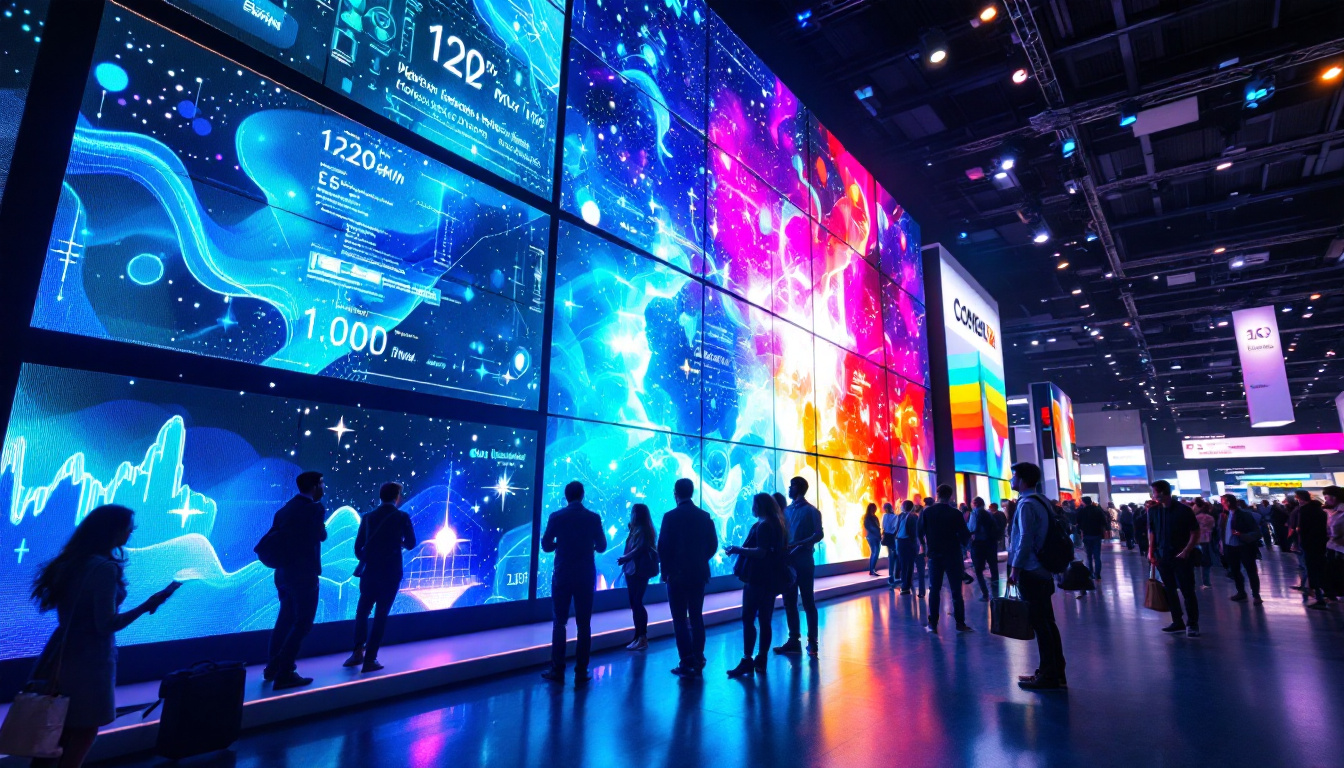
Indoor environments, such as retail stores, conference rooms, and museums, demand high-resolution displays due to close viewing distances. Pixel pitches for indoor LED screens typically range from 1.2mm to 4mm. For example, a 1.5mm pixel pitch LED wall in a corporate lobby can display crisp videos and detailed graphics that captivate visitors up close.
Smaller pixel sizes in indoor displays also allow for seamless video playback and clear text rendering, which is essential for presentations and interactive digital signage.
Outdoor LED Displays
Outdoor LED displays, including billboards, sports stadium screens, and transportation signage, require higher brightness and durability to withstand weather conditions. Pixel pitches for outdoor screens generally range from 6mm to 20mm.
For example, a 10mm pixel pitch LED billboard on a highway is designed to be viewed from tens of meters away, where the larger pixels ensure visibility even in bright daylight. These displays prioritize visibility and robustness over ultra-high resolution.
Specialized Applications
Some LED displays serve niche purposes, such as control rooms, broadcast studios, or art installations, where pixel pitch selection is critical for specific needs. Control rooms often use ultra-fine pixel pitches (below 1.5mm) to display detailed data and multiple video feeds simultaneously.
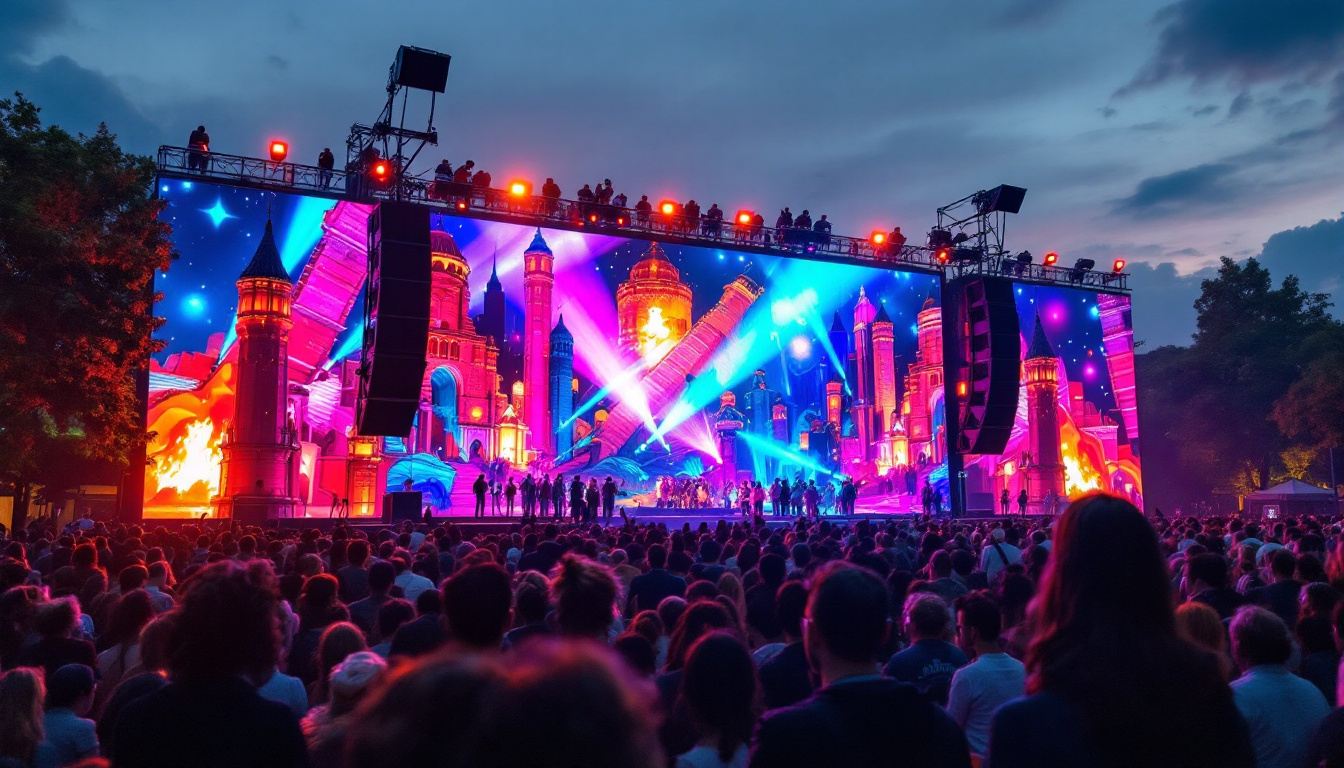
Meanwhile, large-scale outdoor events may use modular LED screens with varying pixel pitches to balance cost and image quality depending on audience proximity.
How Pixel Size Influences Cost and Installation
Pixel size is not just a technical specification; it also has significant implications for the cost and complexity of LED display projects.
Cost Considerations
Smaller pixel pitches require more LEDs per square meter, which increases manufacturing complexity and cost. For example, an indoor LED display with a 1.2mm pixel pitch can cost two to three times more per square meter than a 10mm outdoor LED screen.
This price difference is due to the higher density of LEDs, more sophisticated electronics, and tighter quality control needed for fine-pitch displays. Therefore, budget constraints often influence the choice of pixel size, especially for large installations.
Installation and Maintenance
Fine-pitch LED displays require precise installation and calibration to ensure uniform brightness and color accuracy. They may also need climate-controlled environments to maintain optimal performance. In contrast, larger pixel pitch outdoor displays are generally more rugged and easier to maintain but may require specialized mounting structures due to their size.
Understanding these factors helps organizations plan for the total cost of ownership, including installation, operation, and maintenance.
Emerging Trends and Innovations in Pixel Size Technology
The LED display industry is continuously innovating to push the boundaries of pixel size, resolution, and energy efficiency.
MicroLED and MiniLED Technologies
MicroLED and MiniLED technologies represent the next generation of LED displays, featuring even smaller pixel sizes and improved performance. MicroLED displays boast pixel pitches below 1mm, offering near-OLED quality with higher brightness and longer lifespan.
These advancements are particularly promising for applications like augmented reality (AR), virtual reality (VR), and high-end commercial displays where ultra-high resolution and color accuracy are critical.
Flexible and Transparent LED Displays
Innovations in pixel size and LED packaging have enabled flexible and transparent LED screens, expanding the possibilities for creative installations and architectural integration. These displays often use fine pixel pitches to maintain image quality while conforming to unconventional shapes and surfaces.
Energy Efficiency Improvements
Smaller pixel pitches typically require more power, but advances in LED efficiency and driving electronics are helping reduce energy consumption. This is crucial for sustainability, especially for large-scale outdoor installations that operate continuously.
Choosing the Right Pixel Size: Key Takeaways
Selecting the appropriate pixel size for an LED display involves balancing resolution, viewing distance, brightness, cost, and application requirements.
- Consider Viewing Distance: Match pixel pitch to the typical distance viewers will be from the screen to avoid pixelation or wasted resolution.
- Assess Environment: Indoor displays benefit from smaller pixel pitches for detailed images, while outdoor displays need larger pitches for visibility and durability.
- Budget Wisely: Smaller pixel pitches come with higher costs; ensure the investment aligns with your display’s purpose and expected return.
- Plan for Maintenance: Fine-pitch displays may require more precise installation and upkeep.
By understanding these factors, businesses and individuals can make smarter choices that maximize the impact and longevity of their LED display investments.
Conclusion
Pixel size is a fundamental concept in the world of LED displays that directly influences image quality, viewing experience, and overall cost. Whether deploying a massive outdoor billboard or a sleek indoor video wall, knowing how pixel pitch affects resolution and viewing distance is essential for selecting the right display technology.
As LED technology continues to advance, the trend toward smaller pixel sizes and higher resolutions will open new possibilities across industries. Staying informed about pixel size and its implications ensures that users can harness the full potential of LED displays to communicate effectively and captivate audiences.
Discover Cutting-Edge LED Display Solutions with LumenMatrix
Ready to elevate your visual communication with the latest in LED display technology? Look no further than LumenMatrix, a pioneer in crafting immersive and dynamic visual experiences. From vibrant Indoor and Outdoor LED Wall Displays to innovative solutions like Vehicle LED Displays, LED Posters, and Transparent LED Displays, LumenMatrix offers a diverse range of products designed to captivate and engage your audience. Embrace the future of digital signage with our Custom, All-in-One, and Floor LED Displays, each tailored to deliver your message with unparalleled clarity and impact. Don’t miss out on the opportunity to transform your space—check out LumenMatrix LED Display Solutions today and see the difference for yourself.