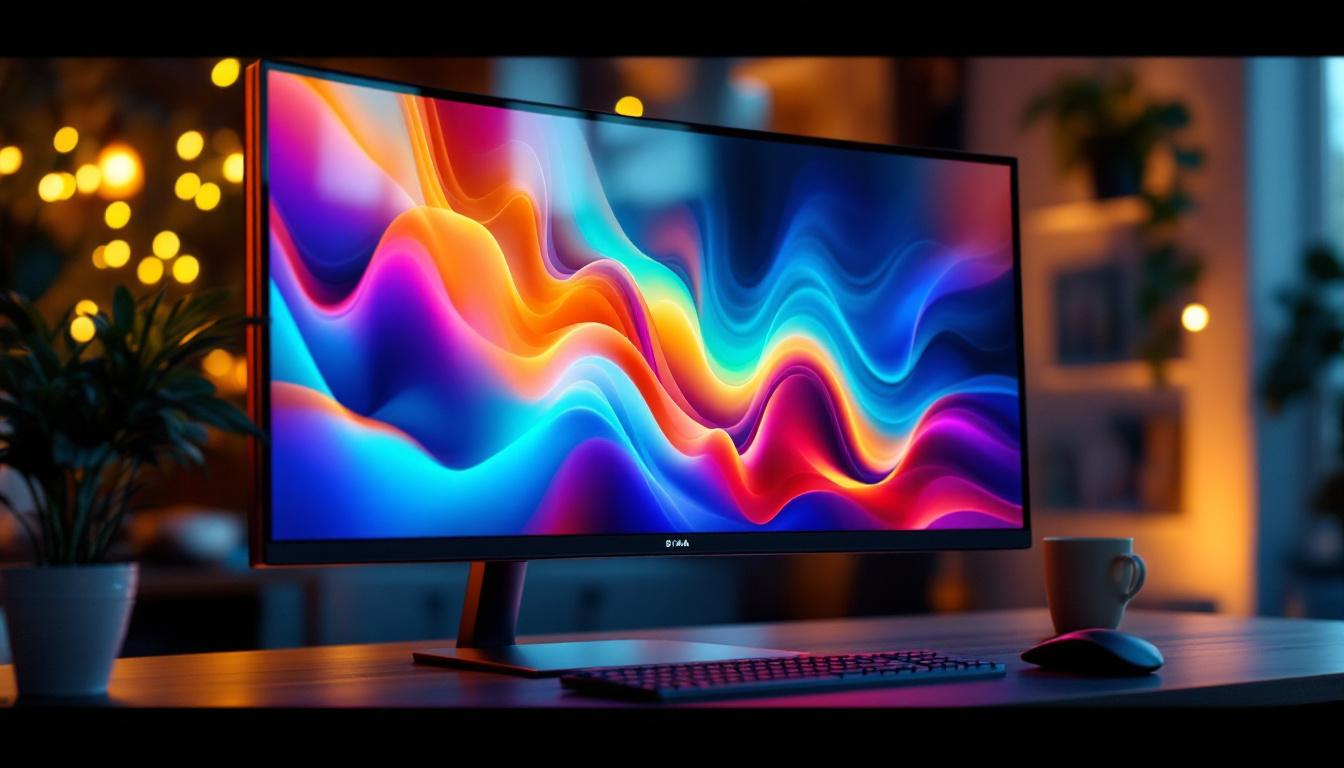
In the rapidly evolving world of display technology, LED monitors have become a cornerstone for everything from casual computing to professional-grade visual work. Understanding what LED displays are, how they function, and why they are preferred over other technologies can empower consumers and professionals alike to make informed decisions. This article delves deep into the fundamentals of LED displays, their advantages, types, and the future trends shaping this essential technology.
What is an LED Display?
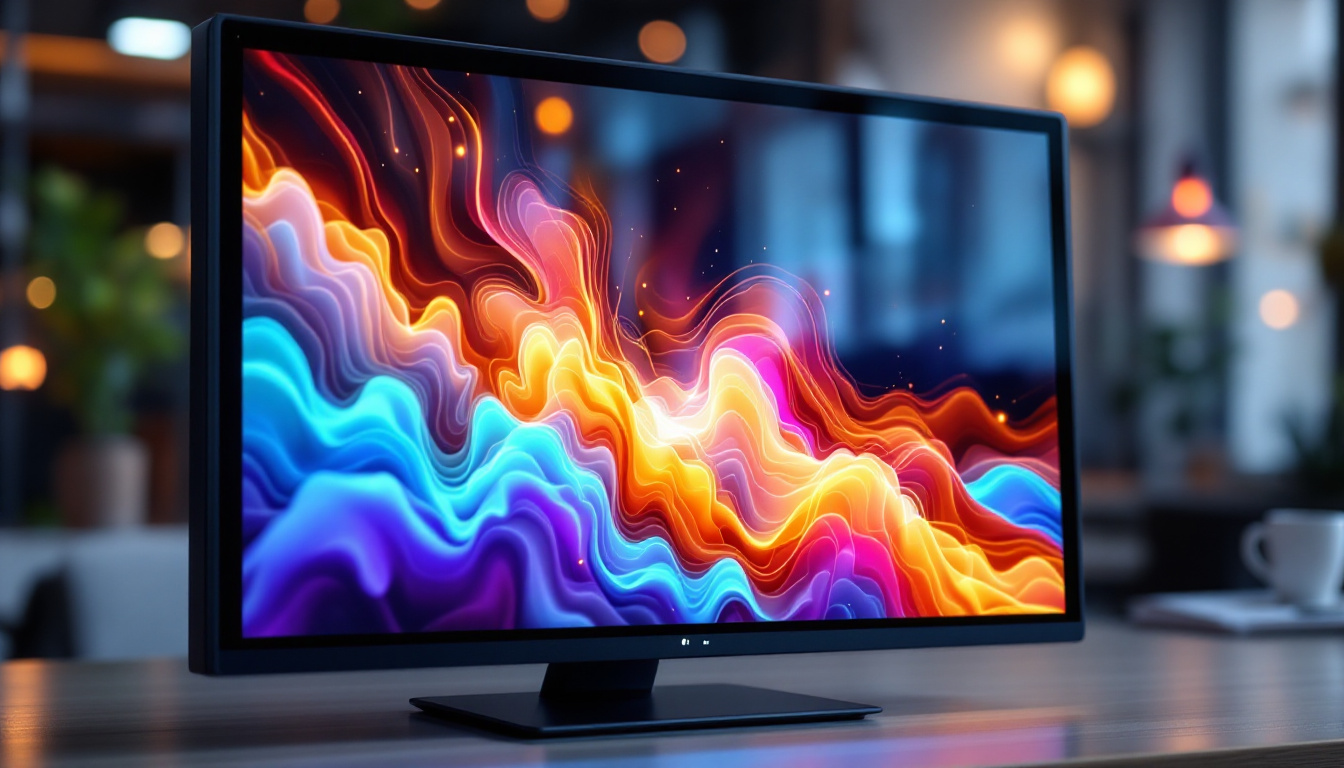
LED stands for Light Emitting Diode, a semiconductor device that emits light when an electric current passes through it. In the context of monitors and screens, an LED display refers to a type of flat-panel display that uses LEDs as its light source. However, it’s important to clarify that most “LED monitors” on the market today are actually LCD panels that use LED backlighting rather than traditional cold cathode fluorescent lamps (CCFLs).
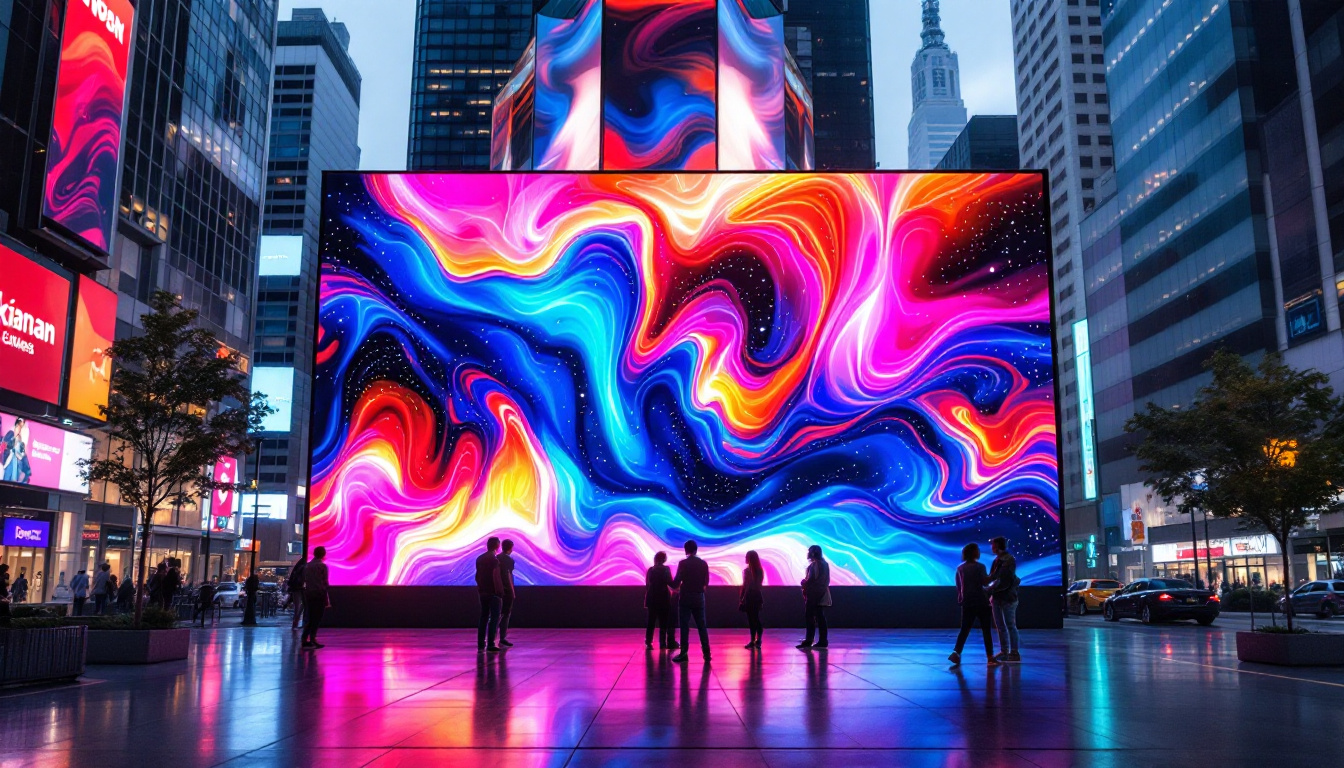
Unlike older LCD monitors that relied on fluorescent backlights, LED-backlit LCDs use arrays of tiny LEDs to illuminate the screen. This change has led to significant improvements in brightness, contrast, energy efficiency, and color accuracy. True LED displays, such as those used in large outdoor screens or advanced microLED technology, use LEDs directly as pixels, but these are less common in consumer monitors. The evolution of LED technology has not only enhanced the visual experience but also contributed to the overall reduction in energy consumption, making them a more environmentally friendly option compared to their predecessors.
How LED Backlighting Works
In an LED-backlit LCD monitor, the image is formed by liquid crystals that control the passage of light. The LEDs provide the illumination from behind or the edges of the screen. When the liquid crystals align to block or allow light through, the screen forms the desired image. The quality and arrangement of these LEDs greatly influence the display’s overall performance. Additionally, advancements in LED technology have led to the development of features such as high dynamic range (HDR), which allows for a broader range of colors and brightness levels, creating a more immersive viewing experience.
There are two primary types of LED backlighting used in monitors:
- Edge-lit LED: LEDs are positioned along the edges of the screen, and light is spread across the display using light guides. This design allows for thinner monitors but can sometimes result in uneven brightness.
- Full-array LED: LEDs are placed directly behind the entire screen area, allowing for more precise local dimming and better contrast ratios.
Furthermore, the choice between edge-lit and full-array LED backlighting can significantly impact the viewing experience depending on the intended use of the monitor. For instance, gamers and graphic designers may prefer full-array displays for their superior contrast and color fidelity, while casual users might find edge-lit models sufficient for everyday tasks. As technology continues to advance, we can expect to see even more innovative backlighting techniques, such as mini-LED and quantum dot technology, which promise to push the boundaries of display quality even further.
Advantages of LED Monitors
LED monitors have largely replaced older display technologies due to their numerous benefits. These advantages are not only technical but also impact user experience and environmental considerations.
Improved Energy Efficiency
One of the most significant benefits of LED backlighting is its energy efficiency. LEDs consume less power compared to CCFL backlights, which translates to lower electricity bills and a smaller carbon footprint. Studies show that LED-backlit monitors can use up to 40% less energy than their CCFL counterparts, making them a greener choice for both home and office environments.
Enhanced Image Quality
LED monitors generally offer superior brightness and contrast. Full-array LED backlighting with local dimming can achieve deeper blacks and more vibrant colors, which is crucial for photographers, video editors, and gamers who demand high visual fidelity. Additionally, LEDs can support wider color gamuts, including standards like Adobe RGB and DCI-P3, enhancing color accuracy and richness.
Thinner and Lighter Designs
Because LEDs are smaller and more compact than fluorescent tubes, manufacturers can produce thinner and lighter monitors. This not only improves portability but also allows for sleeker designs that fit better in modern workspaces and home setups.
Longer Lifespan and Durability
LEDs have a longer operational lifespan compared to CCFLs, often lasting upwards of 50,000 hours before significant degradation. They are also more durable and less prone to breakage, which reduces maintenance costs and downtime.
Types of LED Displays in Monitors
While LED-backlit LCDs dominate the consumer market, there are several variations and emerging technologies worth understanding.
Standard LED-Backlit LCDs
These are the most common monitors found in homes and offices. They use an LCD panel with LED backlighting, either edge-lit or full-array. They offer a good balance of cost, performance, and energy efficiency, suitable for everyday computing, office work, and casual media consumption.
OLED Displays
Organic Light Emitting Diode (OLED) displays differ fundamentally from LED-backlit LCDs. Each pixel in an OLED display emits its own light, eliminating the need for a backlight. This results in perfect blacks, extremely high contrast ratios, and vibrant colors. However, OLED monitors are typically more expensive and can suffer from burn-in issues, making them less common for general-purpose monitors but highly valued in professional creative industries.
MicroLED Displays
MicroLED technology is an emerging display type that uses microscopic LEDs as individual pixels. It combines the best features of OLED (self-emissive pixels, high contrast) with the durability and brightness of traditional LEDs. Although still in early stages and costly, MicroLED displays promise exceptional image quality and longevity, potentially revolutionizing the monitor market in the coming years.
Key Specifications to Consider in LED Monitors
Choosing the right LED monitor depends on understanding several critical specifications that affect performance and suitability for different tasks.
Resolution and Screen Size
Resolution determines the clarity and detail of the image. Common resolutions include Full HD (1920×1080), Quad HD (2560×1440), and 4K Ultra HD (3840×2160). Larger screen sizes paired with higher resolutions provide more screen real estate and sharper images, which is beneficial for multitasking, gaming, and professional work.
Refresh Rate and Response Time
For gamers and video editors, refresh rate (measured in Hz) and response time (measured in milliseconds) are crucial. Higher refresh rates (120Hz, 144Hz, or even 240Hz) result in smoother motion, while lower response times reduce motion blur. LED monitors often excel in these areas compared to older technologies.
Color Accuracy and Gamut
Professional users need monitors that can reproduce colors accurately. Look for monitors that support wide color gamuts like Adobe RGB or DCI-P3 and offer factory calibration. Features like 10-bit color depth and HDR support further enhance color fidelity.
Brightness and Contrast Ratio
Brightness is measured in nits and affects how well a monitor performs in bright environments. Contrast ratio determines the difference between the darkest and brightest parts of an image. LED monitors with full-array backlighting and local dimming typically provide superior contrast, enhancing the viewing experience.
Common Applications of LED Monitors
LED monitors serve a wide range of applications, each with specific requirements and preferences.
Office and Productivity
For everyday office tasks, LED monitors provide crisp text and comfortable viewing with low power consumption. Features like flicker-free backlighting and blue light filters help reduce eye strain during long working hours.
Gaming
Gamers benefit from LED monitors with high refresh rates, low response times, and adaptive sync technologies like G-Sync or FreeSync. The improved contrast and color accuracy also enhance immersion and visual clarity in fast-paced games.
Creative and Professional Work
Photographers, video editors, and graphic designers require monitors with precise color reproduction, wide color gamuts, and high resolutions. LED monitors with full-array local dimming and HDR support are preferred for critical color grading and content creation.
Home Entertainment
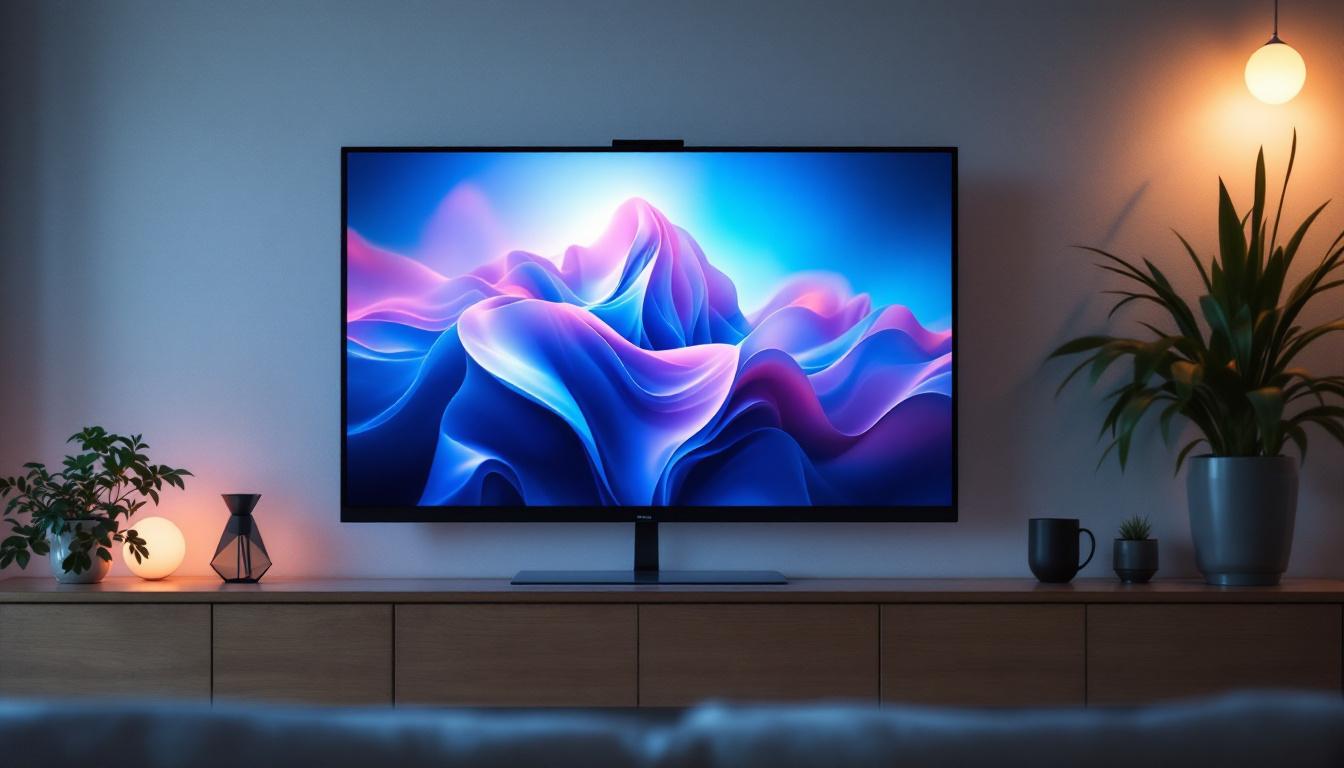
LED monitors are increasingly used as secondary screens for streaming movies, browsing, and casual gaming. Their slim profiles and vibrant displays make them ideal for modern living spaces.
Future Trends in LED Display Technology
The LED display market continues to innovate, driven by consumer demand for better image quality, energy efficiency, and form factors.
Advancements in Backlighting Techniques
Manufacturers are developing more sophisticated local dimming zones and mini-LED backlighting, which uses thousands of tiny LEDs to achieve near-OLED levels of contrast and brightness. This technology is becoming more accessible, offering a compelling middle ground between traditional LED LCDs and OLEDs.
Integration of AI and Smart Features
Future LED monitors are expected to incorporate AI-driven features such as automatic calibration, ambient light adjustment, and eye care optimizations. These enhancements aim to personalize the viewing experience and improve comfort.
Expansion of MicroLED and OLED Markets
As production costs decrease, MicroLED and OLED monitors will become more widespread, offering consumers choices that combine the best aspects of LED technology with superior image quality and durability.
Conclusion
LED displays have transformed the monitor landscape by offering energy-efficient, high-quality visual experiences suitable for a diverse range of applications. Understanding the nuances of LED technology—from backlighting methods to emerging innovations—enables users to select monitors that best meet their needs. Whether for gaming, professional work, or everyday use, LED monitors continue to set the standard for display performance and reliability.
As the technology advances, keeping abreast of new developments such as mini-LED and MicroLED will be essential for anyone invested in achieving the best possible visual experience. The future of LED displays promises even greater clarity, color accuracy, and efficiency, making it an exciting time for consumers and professionals alike.
Explore Cutting-Edge LED Displays with LumenMatrix
Ready to elevate your visual experience with the latest in LED display technology? LumenMatrix is at the forefront of innovation, offering a wide array of LED display solutions tailored to your needs. From captivating Indoor LED Wall Displays to dynamic Outdoor LED Wall Displays, and from versatile Vehicle LED Displays to sleek LED Poster Displays, our products are designed to revolutionize visual communication. Discover how our LED Sports Displays, Floor LED Displays, Custom LED Displays, All-in-One LED Displays, and LED Transparent Displays can enhance engagement and bring your brand’s message to life with unparalleled clarity and impact. Check out LumenMatrix LED Display Solutions today and be part of the future of digital signage.