In today’s digital age, LED displays have become an integral part of various industries, from retail and entertainment to corporate communications. For employees at Rei, understanding the fundamentals of LED displays is essential not only for troubleshooting but also for maximizing the potential of these versatile tools in daily operations. This comprehensive guide breaks down the technology behind LED displays, their applications, maintenance tips, and common issues, empowering Rei employees to provide effective support and enhance user experience.
Understanding LED Display Technology
What is an LED Display?
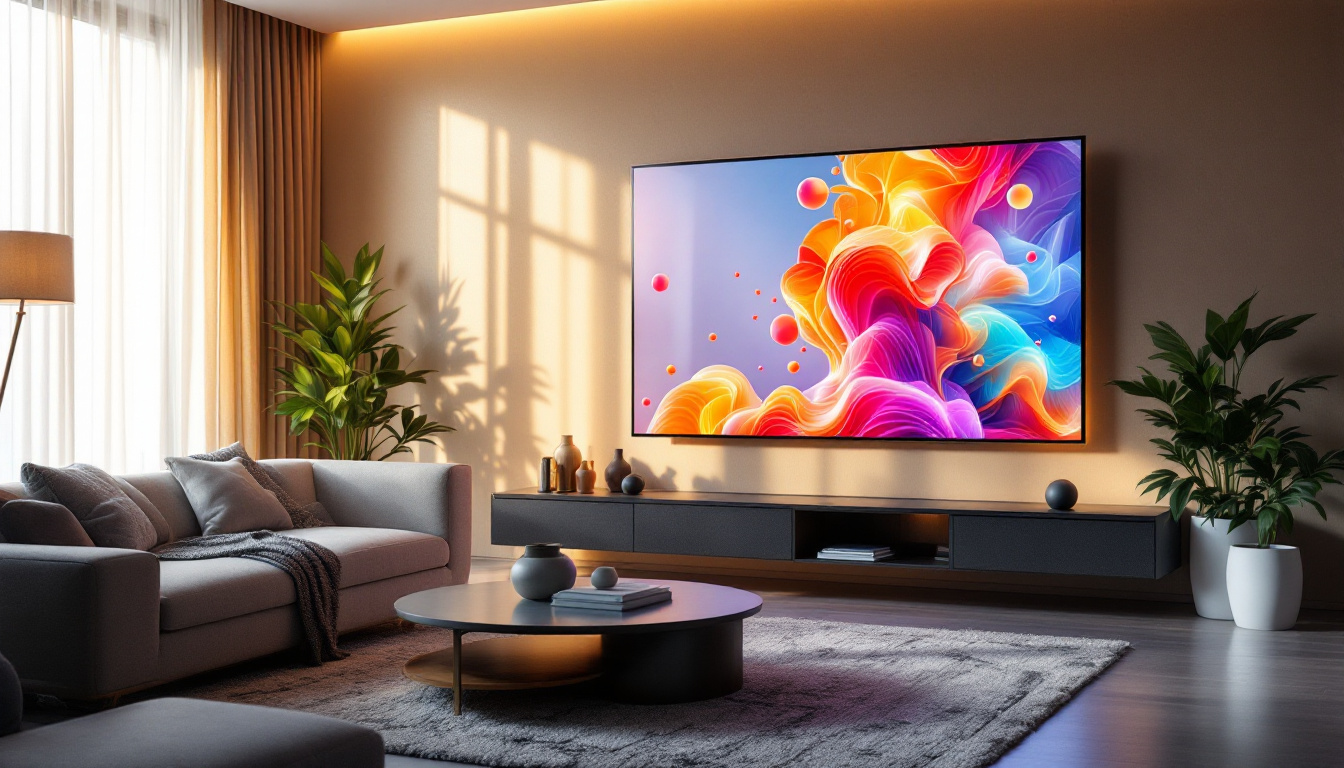
LED stands for Light Emitting Diode, a semiconductor device that emits light when an electric current passes through it. LED displays use thousands to millions of these tiny diodes arranged in a matrix to create images, videos, and text. Unlike traditional LCD or plasma screens, LED displays offer superior brightness, contrast, and energy efficiency, making them ideal for both indoor and outdoor use.
The core advantage of LED technology lies in its ability to produce vivid colors and sharp images even under direct sunlight, which is why many retail stores, stadiums, and transportation hubs rely on LED screens for dynamic messaging and advertising. Additionally, LED displays have a longer lifespan compared to their counterparts, often lasting up to 100,000 hours, which significantly reduces maintenance costs and the frequency of replacements. This longevity is particularly beneficial for businesses that require constant visibility and engagement with their audience.
Types of LED Displays
Understanding the different types of LED displays helps employees identify the right solutions for specific needs. The main categories include:
- Indoor LED Displays: Designed for controlled lighting environments, these displays have a higher pixel density for sharper images at close viewing distances.
- Outdoor LED Displays: Built to withstand weather conditions, these feature higher brightness levels and protective coatings to ensure durability.
- Flexible LED Displays: These innovative panels can bend and curve, allowing for creative installations in retail spaces or exhibitions.
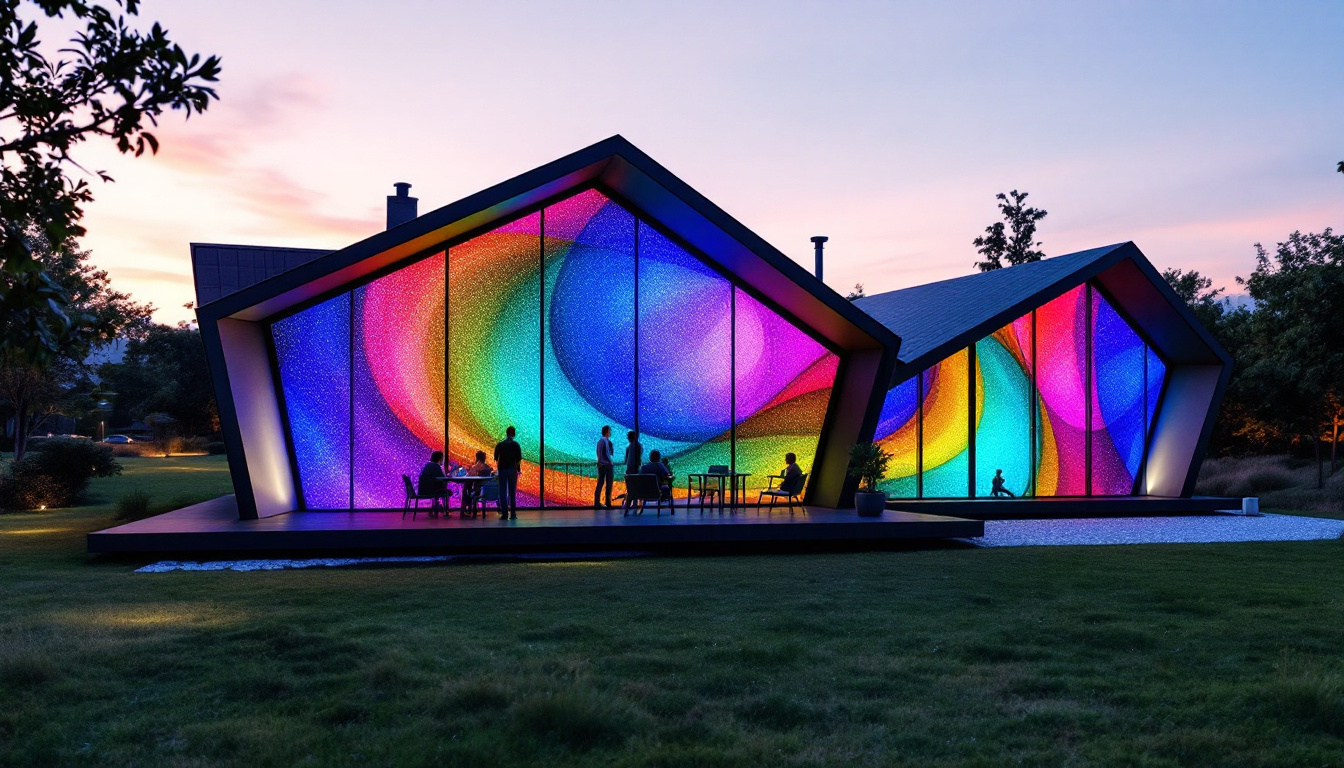
- Transparent LED Displays: Used primarily in storefront windows, these displays allow visibility from both sides while delivering digital content.
Each type serves unique purposes, and recognizing these distinctions is crucial for troubleshooting and recommending appropriate solutions. For instance, indoor displays are often utilized in conference rooms and shopping malls where close-up viewing is common, while outdoor displays are essential for billboards and sports arenas where visibility from a distance is paramount. Furthermore, flexible LED displays are revolutionizing the way brands can present their products, enabling them to create immersive experiences that capture the attention of passersby. Transparent LED displays, on the other hand, are pushing the boundaries of traditional advertising by seamlessly integrating digital content into physical environments, enhancing the aesthetic appeal of storefronts while providing valuable information to potential customers.
Applications of LED Displays at Rei
Enhancing Customer Engagement
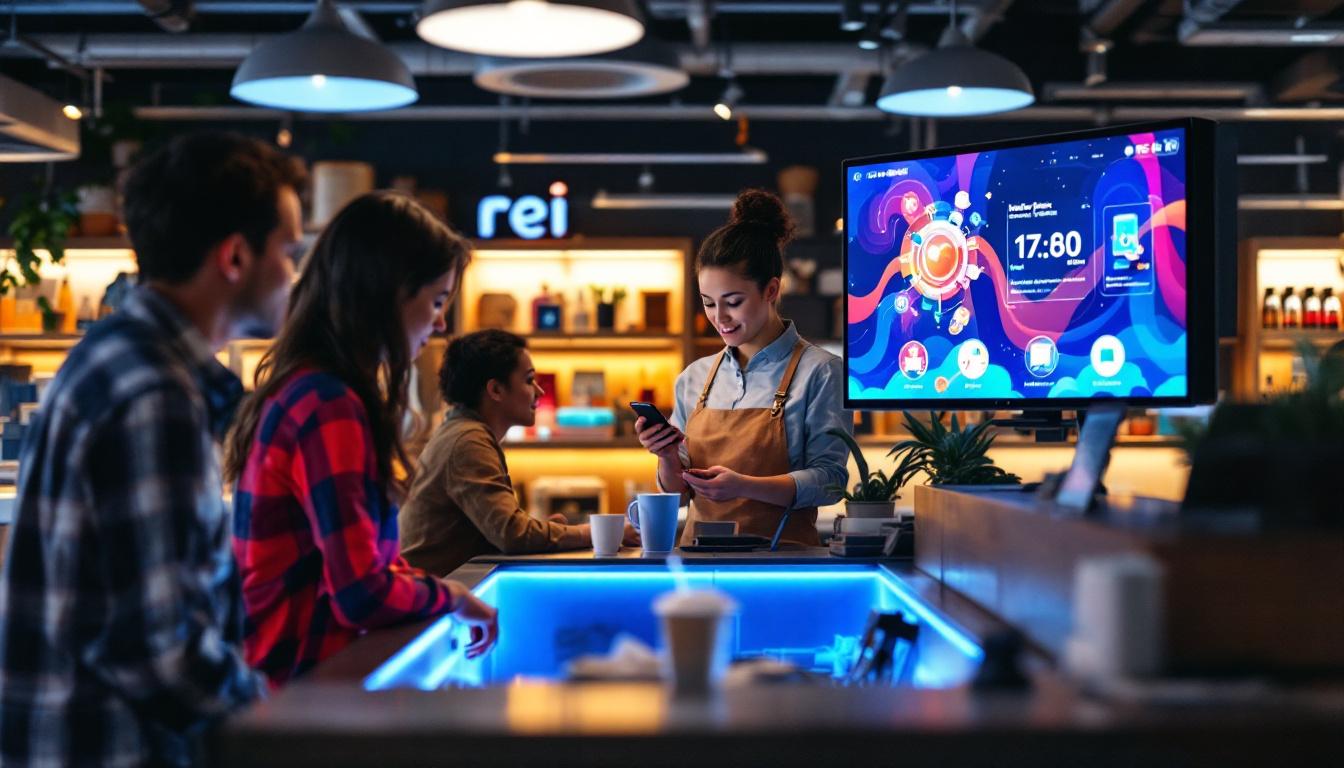
In retail environments, LED displays play a pivotal role in attracting and engaging customers. Bright, dynamic visuals can highlight promotions, new products, or brand messages effectively. Rei employees supporting store operations should be familiar with how these displays integrate with point-of-sale systems and digital content management platforms to ensure seamless updates and consistent messaging.
For example, during seasonal sales or product launches, LED displays can be programmed to showcase targeted advertisements that increase foot traffic and boost sales. Understanding how to manage content scheduling and troubleshoot display issues helps maintain a polished customer experience. Additionally, the use of interactive LED displays can further enhance engagement by allowing customers to browse product information or participate in promotional games, creating a more immersive shopping experience.
Moreover, the strategic placement of these displays within the store can guide customers through different sections, showcasing featured items and encouraging impulse buys. By analyzing customer behavior and foot traffic patterns, Rei can optimize the content displayed, ensuring that it resonates with the target audience and maximizes the impact of visual merchandising.
Internal Communications and Training
Beyond customer-facing uses, LED displays are valuable tools for internal communications within Rei. They can be installed in employee lounges, meeting rooms, or training centers to broadcast important announcements, safety protocols, or training videos. This real-time communication method enhances information dissemination and keeps staff informed and engaged.
Employees tasked with managing these displays should be adept at handling content updates, scheduling, and ensuring the hardware functions reliably to avoid disruptions during critical communications. Furthermore, incorporating feedback mechanisms through these displays can foster a culture of open communication; employees can submit questions or suggestions that are then addressed in real-time, promoting a sense of community and collaboration.
In addition, LED displays can be utilized for recognition programs, showcasing employee achievements or milestones, which can boost morale and motivate staff. By creating a visually appealing and informative environment, Rei not only enhances the training experience but also reinforces a positive workplace culture that values its employees’ contributions.
Maintenance and Troubleshooting
Routine Maintenance Practices
Proper maintenance is key to prolonging the lifespan of LED displays and ensuring optimal performance. Rei employees responsible for these devices should adhere to the following practices:
- Regular Cleaning: Dust and dirt can accumulate on LED panels, reducing brightness and image clarity. Use soft, lint-free cloths and appropriate cleaning solutions to gently wipe the surface.
- Environmental Monitoring: Ensure displays are operating within recommended temperature and humidity ranges to prevent damage.
- Firmware Updates: Keep the display’s software up to date to benefit from the latest features and security patches.
- Connection Checks: Periodically inspect cables and connectors for wear or damage to avoid signal loss or flickering.
Implementing these maintenance steps can significantly reduce downtime and maintenance costs. Additionally, it is advisable to maintain a log of all maintenance activities, including dates and specific tasks performed. This log can help identify patterns in issues that arise and assist in planning future maintenance schedules. Furthermore, training sessions for employees on the importance of these practices can foster a culture of care and responsibility towards the equipment, ensuring everyone is aware of their role in maintaining display integrity.
Common Issues and Solutions
Despite their robustness, LED displays can encounter technical problems. Familiarity with common issues enables Rei employees to provide quick and effective support. Some frequent problems include:
- Dead Pixels: Individual LEDs may fail, causing black spots on the screen. While minor dead pixel issues might be tolerable, widespread failures require module replacement.
- Flickering or Dim Display: Often caused by loose connections, power supply problems, or incorrect settings. Checking cables and power sources is a good first step.
- Color Inconsistencies: Calibration errors or aging LEDs can cause uneven colors. Recalibrating the display or replacing aging modules can resolve this.
- Software Glitches: Content management software may occasionally freeze or fail to update. Restarting the software or the display controller often remedies the issue.
When problems persist, escalating the issue to specialized technical support or the manufacturer’s service team ensures timely resolution. Additionally, it can be beneficial to maintain a repository of troubleshooting guides and FAQs that employees can reference. This resource can empower staff to resolve minor issues independently, reducing the need for external support and enhancing overall efficiency. Regularly reviewing and updating this repository based on the latest trends in common issues can further streamline the troubleshooting process, ensuring that all employees are equipped with the most current information and strategies for maintaining the displays.
Best Practices for Effective LED Display Management
Content Strategy and Scheduling
Maximizing the impact of LED displays goes beyond hardware knowledge. A well-planned content strategy tailored to the audience and context is essential. For Rei employees, this means coordinating with marketing and communications teams to deliver relevant, timely, and visually appealing content.
Utilizing scheduling tools allows for automated content changes aligned with business hours, special events, or promotions, reducing manual intervention and minimizing errors.
Training and Continuous Learning
Given the rapid evolution of LED technology and software, ongoing training is vital. Rei employees should take advantage of manufacturer webinars, online courses, and internal training sessions to stay current with best practices and new features.
Encouraging a culture of continuous learning ensures the team remains capable of handling emerging challenges and leveraging new capabilities to enhance operational efficiency.
Future Trends in LED Display Technology
Advancements Driving Innovation
The LED display industry is continuously evolving, with several trends shaping its future. MicroLED technology, for instance, promises even higher resolution and energy efficiency, potentially revolutionizing display quality. Additionally, integration with Internet of Things (IoT) devices enables smarter, more interactive displays that respond to environmental cues or user inputs.
For Rei, staying informed about these advancements can open opportunities to adopt cutting-edge solutions that improve customer engagement and operational workflows.
Sustainability Considerations
As environmental responsibility becomes increasingly important, LED displays are also evolving to meet sustainability goals. Energy-efficient designs, recyclable materials, and longer lifespans contribute to reducing the ecological footprint of digital signage solutions.
Rei’s commitment to sustainability can be supported by selecting LED display products that align with these principles, demonstrating corporate responsibility while benefiting from cost savings on energy consumption.
Conclusion
LED displays are powerful tools that enhance communication, marketing, and operational efficiency across Rei’s business environment. By understanding the technology, applications, maintenance, and emerging trends, employees are better equipped to support these systems effectively. This knowledge not only ensures smooth daily operations but also positions Rei to leverage LED display innovations for future growth and customer engagement.
Empowered with this comprehensive understanding, Rei employees can confidently troubleshoot issues, collaborate on content strategies, and contribute to the company’s success in an increasingly digital marketplace.
Discover LumenMatrix’s Advanced LED Solutions
Ready to elevate your visual communication strategy with the latest in LED technology? Explore LumenMatrix’s comprehensive range of LED display modules, from vibrant Indoor and Outdoor LED Wall Displays to innovative solutions like Vehicle LED Displays and Transparent LED Displays. Embrace the future of digital signage with LumenMatrix and create unforgettable visual experiences that captivate your audience. Check out LumenMatrix LED Display Solutions today and see how we can help your business shine.