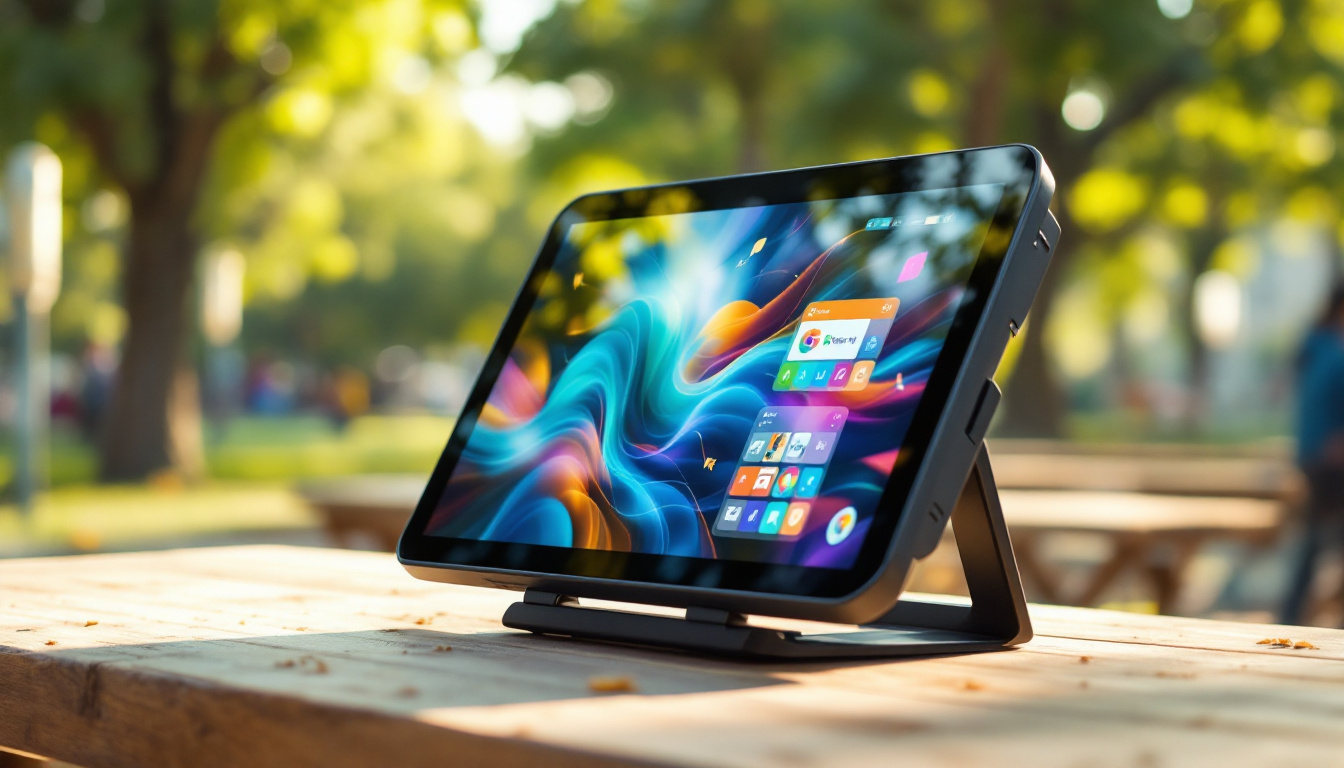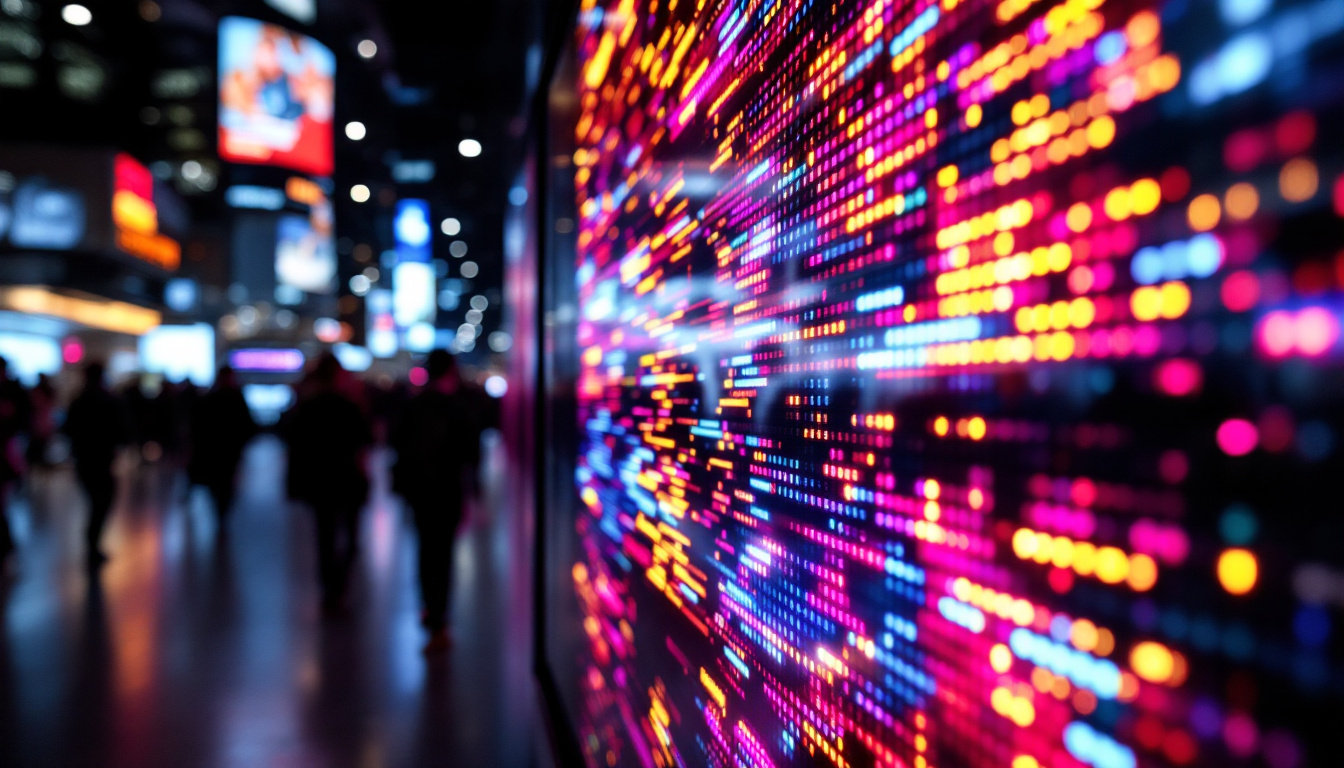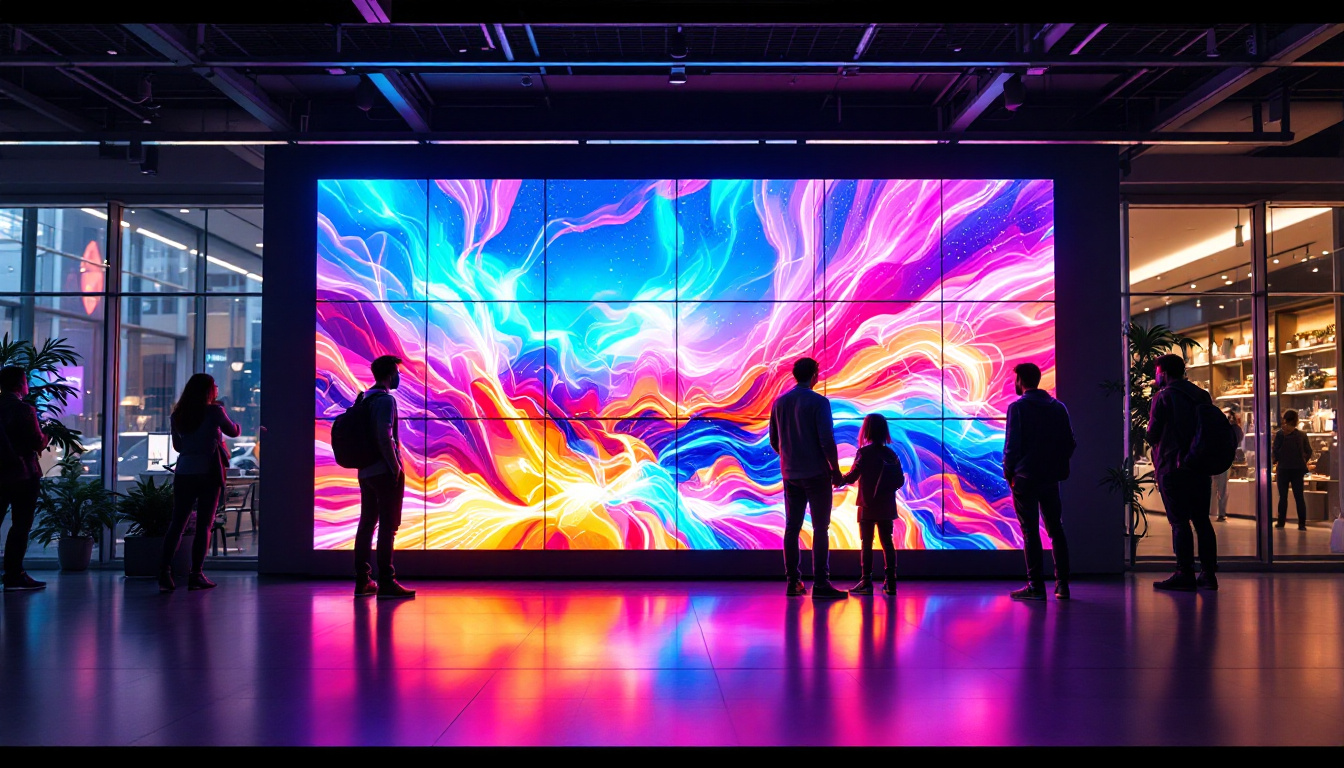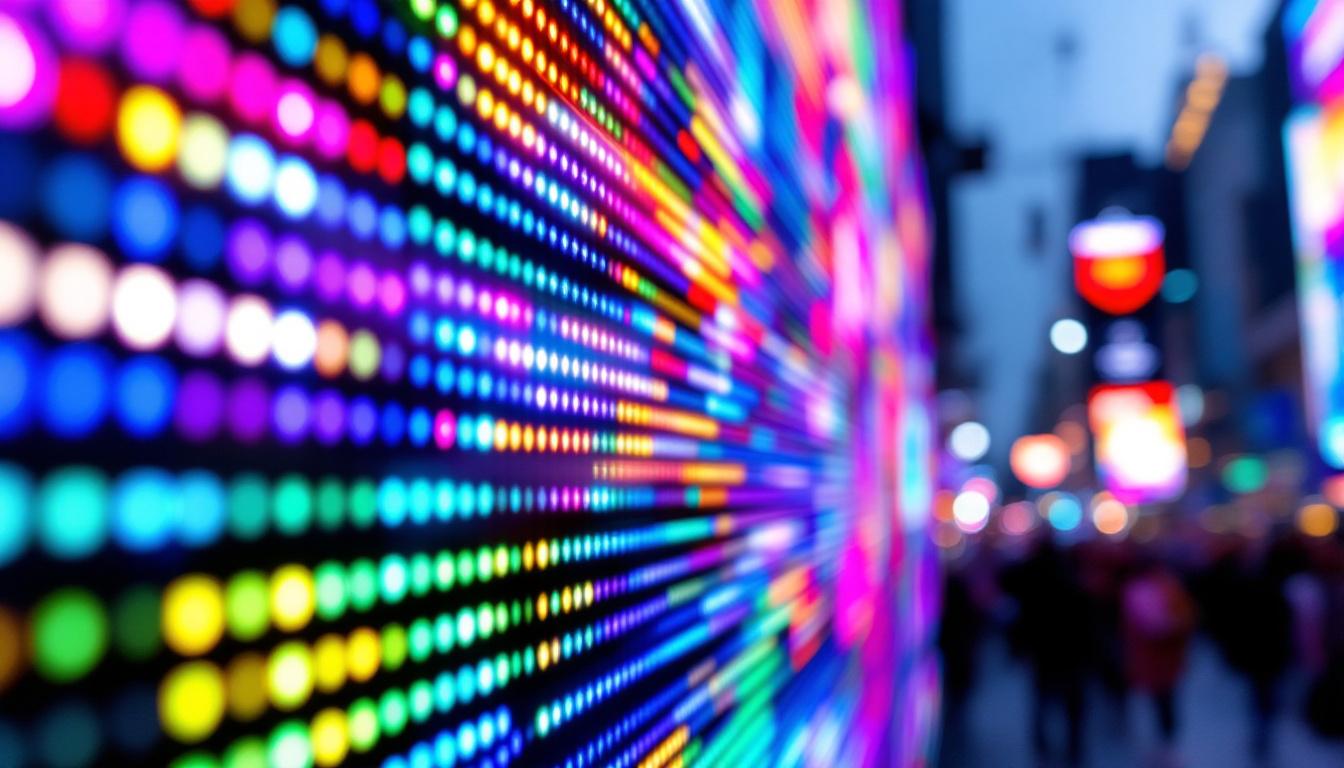
In today’s digital age, LED displays have become an integral part of how businesses, advertisers, and event organizers communicate visually. From vibrant billboards in bustling city centers to dynamic screens at sports arenas and retail stores, LED technology offers unparalleled brightness, flexibility, and energy efficiency. Rei, a leading innovator in LED display solutions, provides a comprehensive range of products designed to meet diverse needs. This article explores the fundamentals of LED displays, their advantages, applications, and why Rei’s offerings stand out in this competitive market.
Understanding LED Display Technology
What is an LED Display?
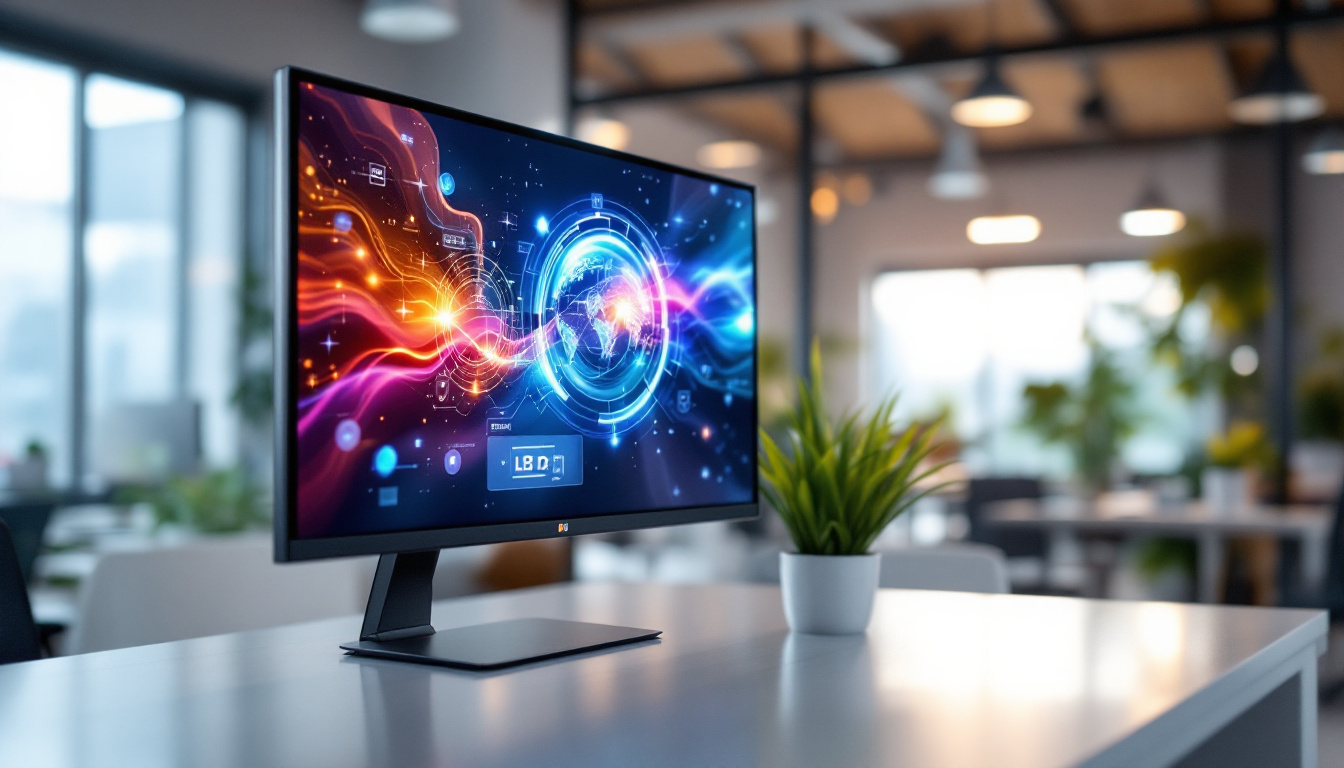
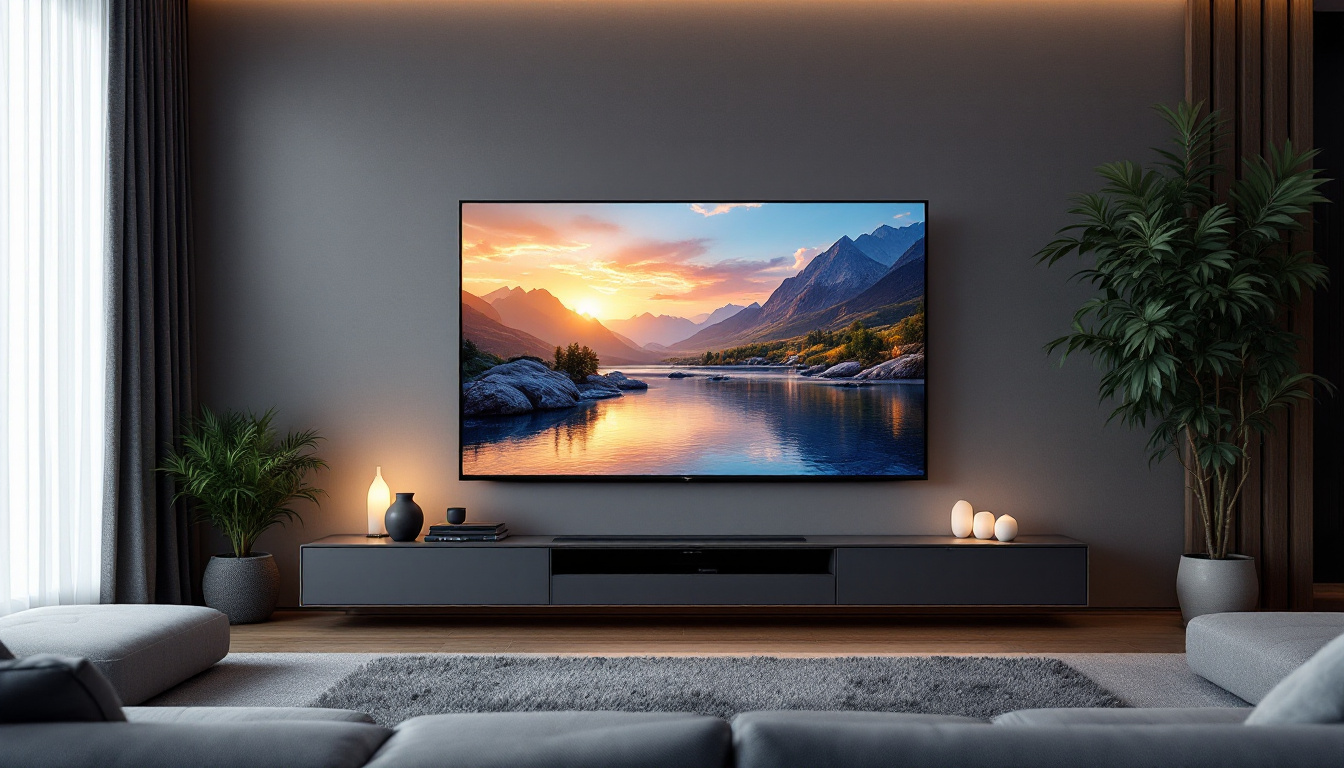
LED stands for Light Emitting Diode, a semiconductor device that emits light when an electric current passes through it. An LED display is a flat panel that uses an array of these diodes as pixels to produce images, videos, and text. Unlike traditional LCD or plasma screens, LED displays are self-illuminating, meaning each diode emits its own light, which results in brighter and more vibrant visuals.
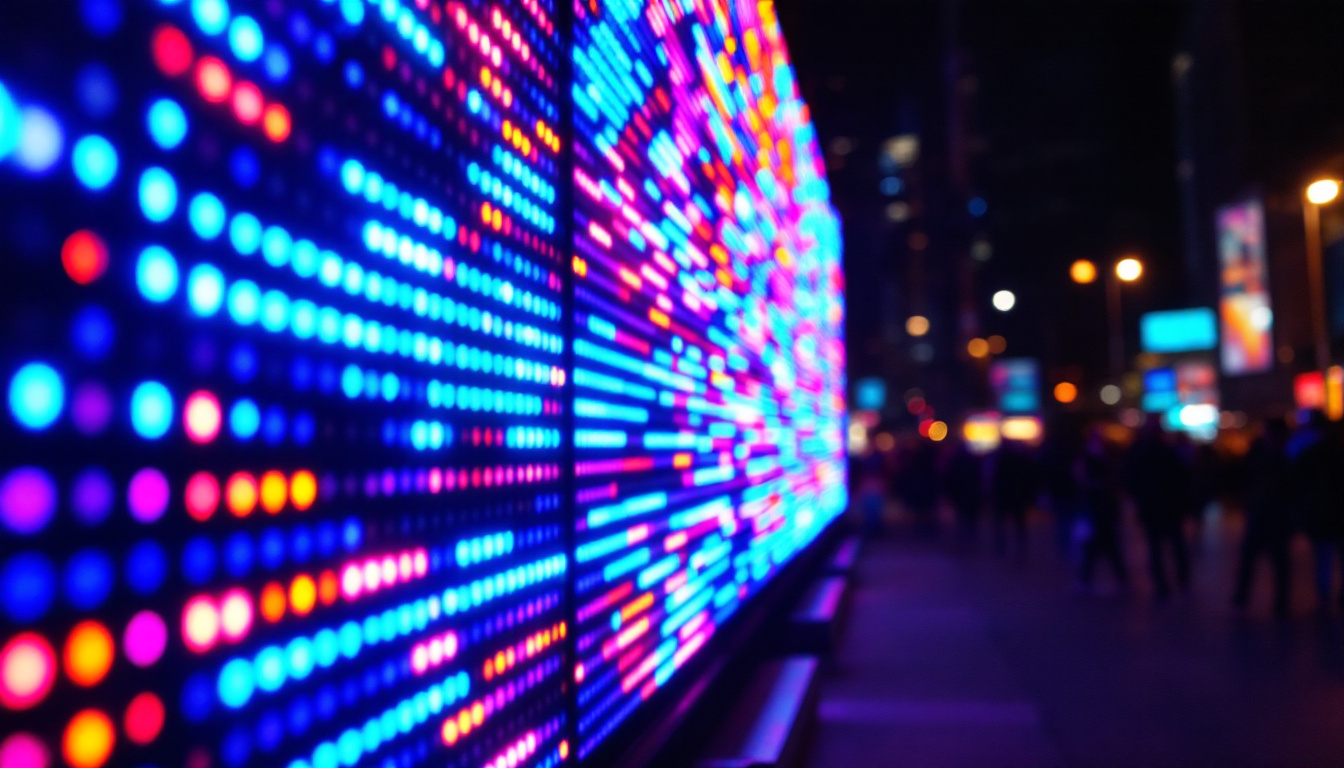
These displays are composed of thousands to millions of tiny LEDs arranged in a grid. By controlling the intensity and color of each diode, the display can render detailed, full-color images. The technology behind LED displays has evolved significantly over the past decade, enabling higher resolutions, improved color accuracy, and greater durability. This advancement has made LED displays increasingly popular in various sectors, including entertainment, advertising, and information dissemination, where visual impact is crucial.
Types of LED Displays
LED displays come in various forms, each suited to specific environments and purposes. The two primary categories are:
- Indoor LED Displays: Designed for controlled lighting environments such as conference rooms, retail spaces, and indoor arenas. These displays have higher pixel density to deliver crisp images at close viewing distances.
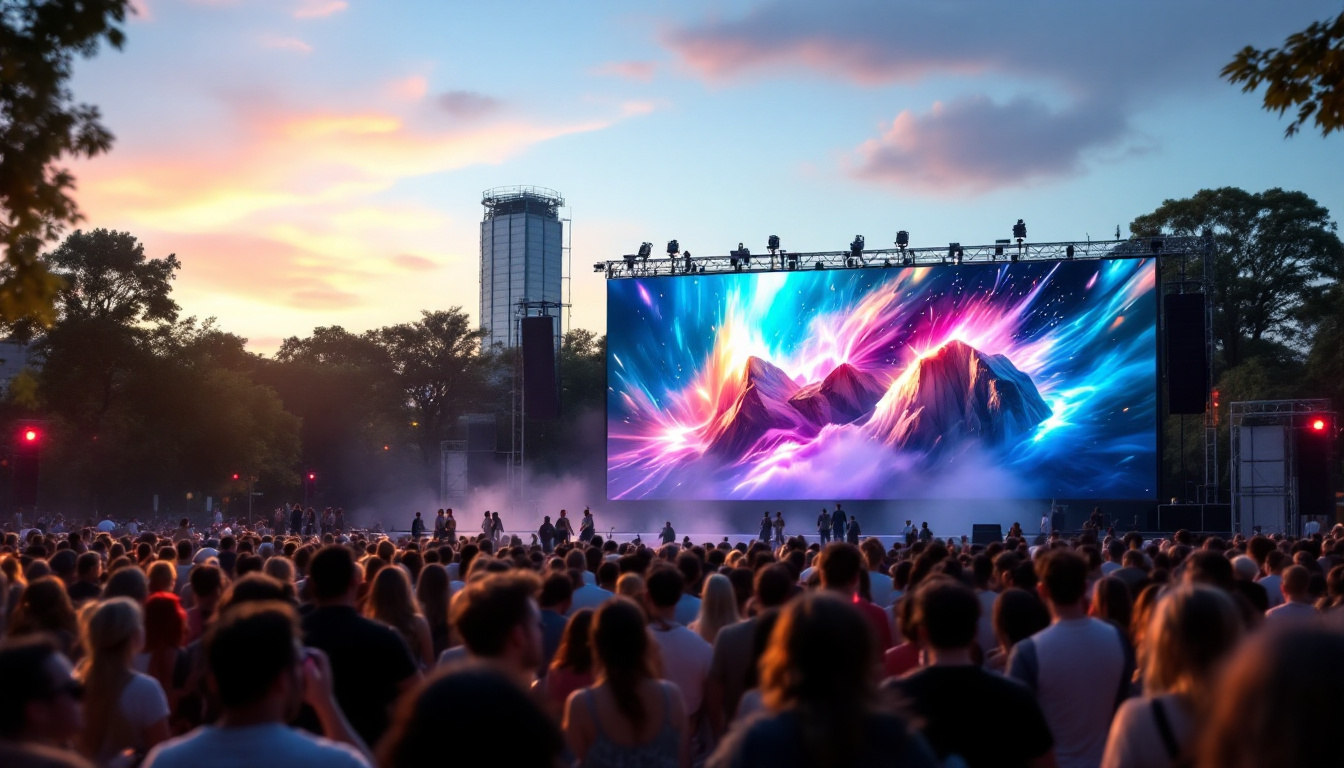
- Outdoor LED Displays: Built to withstand harsh weather conditions and direct sunlight, outdoor LEDs feature higher brightness levels—often exceeding 5,000 nits—to ensure visibility even in broad daylight.
Additionally, LED displays can be fixed installations or modular, allowing for flexible configurations such as curved or irregular shapes. This versatility enables creative applications in architecture and advertising. For instance, modular LED displays can be used to create stunning video walls that wrap around corners or even hang from ceilings, transforming ordinary spaces into immersive environments. Furthermore, advancements in LED technology have led to the development of transparent and flexible LED screens, opening up new possibilities for innovative designs in retail storefronts and art installations.
Another exciting aspect of LED display technology is the integration of smart features. Many modern LED displays come equipped with sensors and connectivity options, allowing them to interact with their surroundings. For example, some displays can adjust their brightness based on ambient light conditions or even change content dynamically in response to viewer engagement. This capability not only enhances user experience but also allows for more effective communication in advertising and public information systems, where timely and relevant content is key to capturing audience attention.
Key Advantages of LED Displays
Brightness and Visibility
One of the most significant benefits of LED displays is their exceptional brightness. While traditional screens struggle with glare under direct sunlight, LED displays maintain clear visibility. This makes them ideal for outdoor advertising, stadiums, and transportation hubs where ambient light levels can be unpredictable.
For example, modern outdoor LED billboards can achieve brightness levels up to 8,000 nits, ensuring messages are readable from great distances and in various lighting conditions. This capability directly translates into higher engagement and better return on investment for advertisers. Furthermore, the ability to adjust brightness levels automatically based on surrounding light conditions enhances their functionality, allowing for optimal visibility without wasting energy during low-light periods.
Energy Efficiency and Longevity
LED technology is renowned for its energy efficiency compared to older display technologies like incandescent or fluorescent lighting. LEDs consume less power while delivering brighter output, which reduces operational costs significantly. This is particularly important for large-scale installations that run continuously, such as digital signage in urban centers.
Moreover, LED displays boast a long lifespan, often exceeding 100,000 hours of use. This durability minimizes maintenance requirements and replacement costs, making LEDs a cost-effective solution over the long term. In addition, the reduced heat output of LED technology means less strain on cooling systems, further enhancing energy savings and contributing to a more sustainable operational model.
Color Accuracy and Image Quality
With advances in LED manufacturing, modern displays offer rich, vibrant colors and high contrast ratios. The ability to control individual diodes allows for precise color calibration, resulting in lifelike images and videos. This is crucial for brands that rely on consistent color representation to maintain their identity and appeal.
High refresh rates and wide viewing angles further enhance the viewing experience, ensuring content looks sharp and clear from various perspectives. Additionally, the integration of technologies such as HDR (High Dynamic Range) allows for an even broader spectrum of colors and deeper blacks, making the visuals more immersive. This level of detail is particularly beneficial in applications such as art galleries and museums, where the accurate portrayal of colors is essential for the viewer’s experience.
Applications of LED Displays
Advertising and Digital Signage
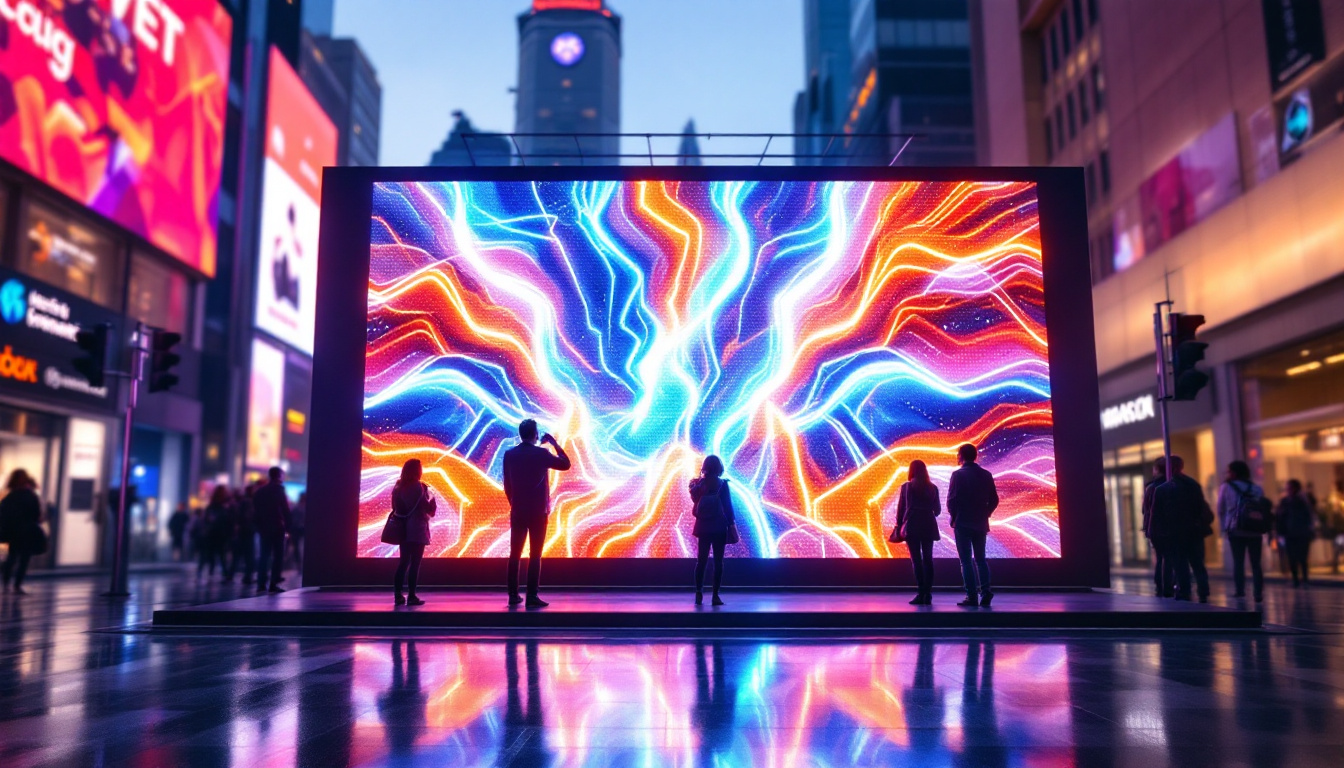
LED displays have revolutionized outdoor and indoor advertising. Their dynamic nature allows advertisers to update content in real-time, tailor messages to different audiences, and create eye-catching visuals that static billboards cannot match. According to recent market research, the global digital signage market is expected to grow at a compound annual growth rate (CAGR) of over 7% through 2027, driven largely by the adoption of LED technology.
Retailers use LED displays to promote products, announce sales, and enhance the in-store experience. Meanwhile, transportation centers utilize them for schedules and alerts, improving passenger communication.
Events and Entertainment
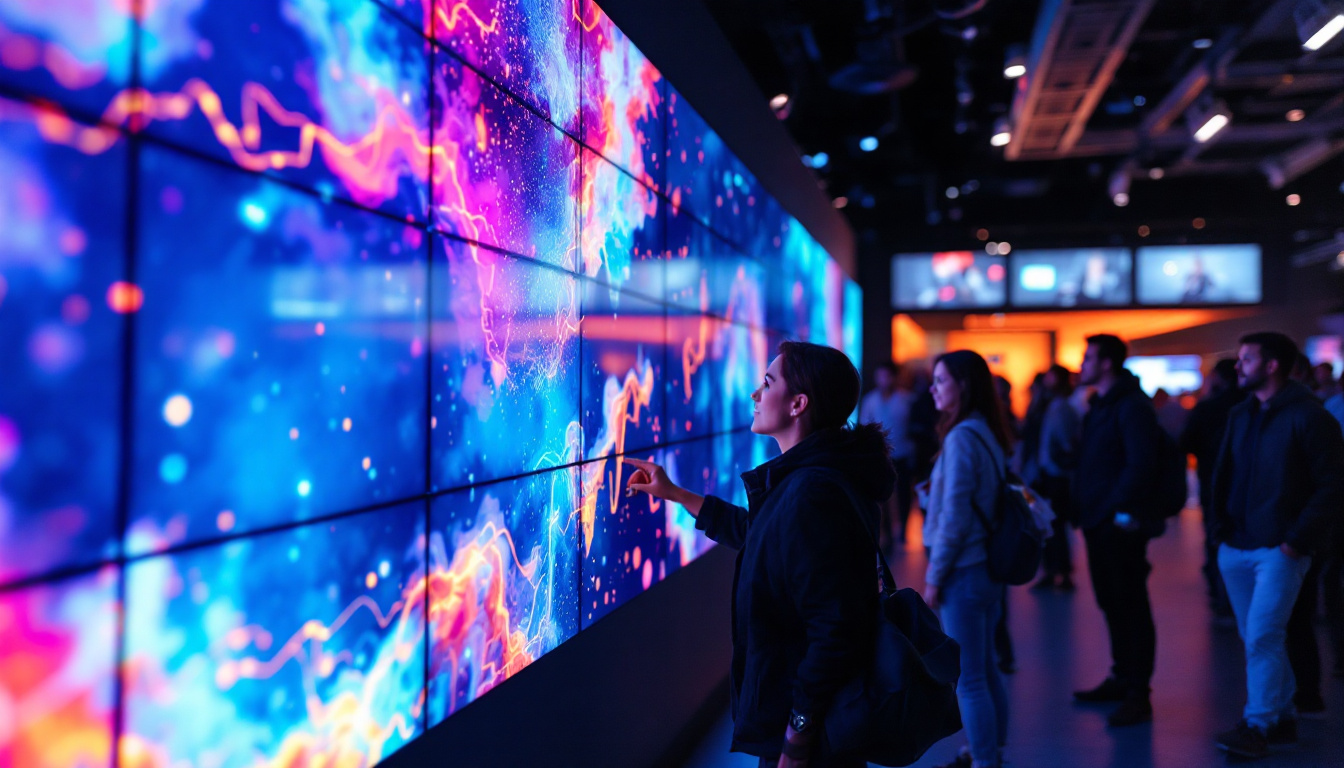
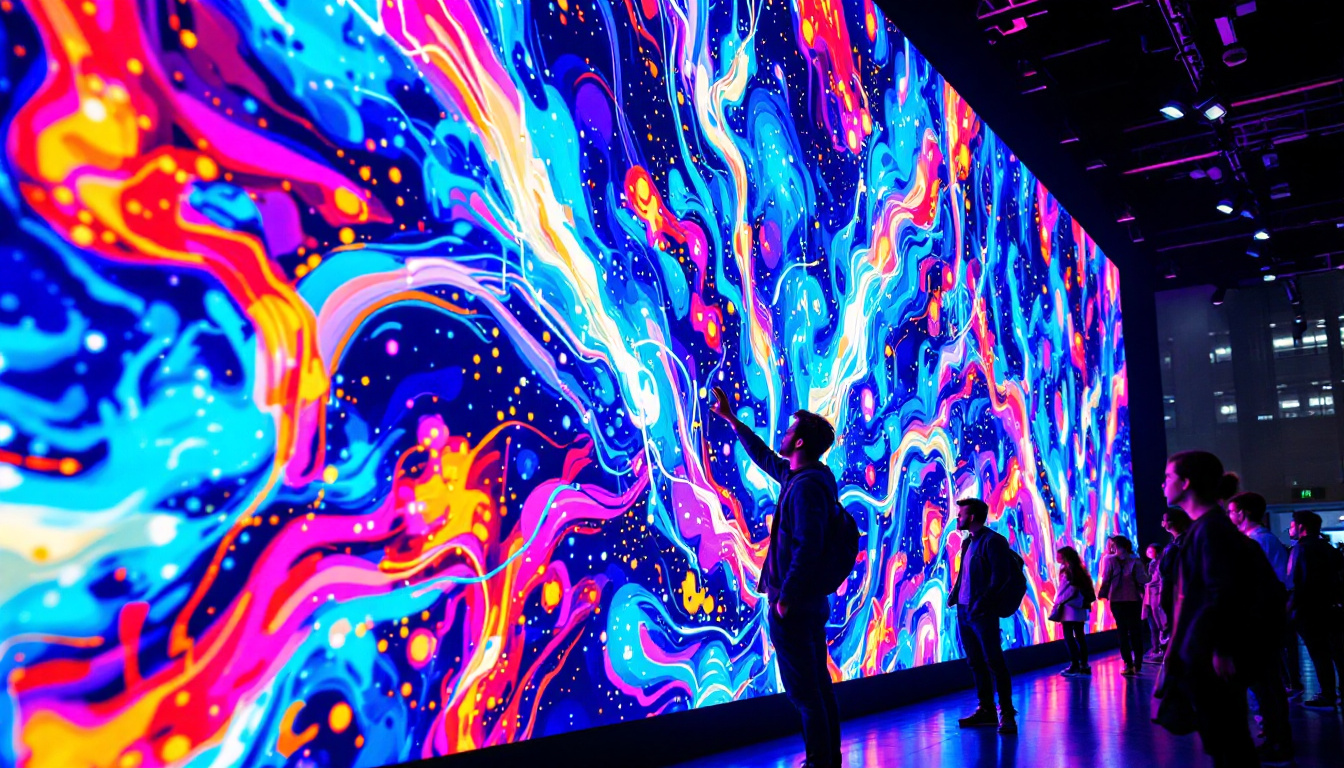
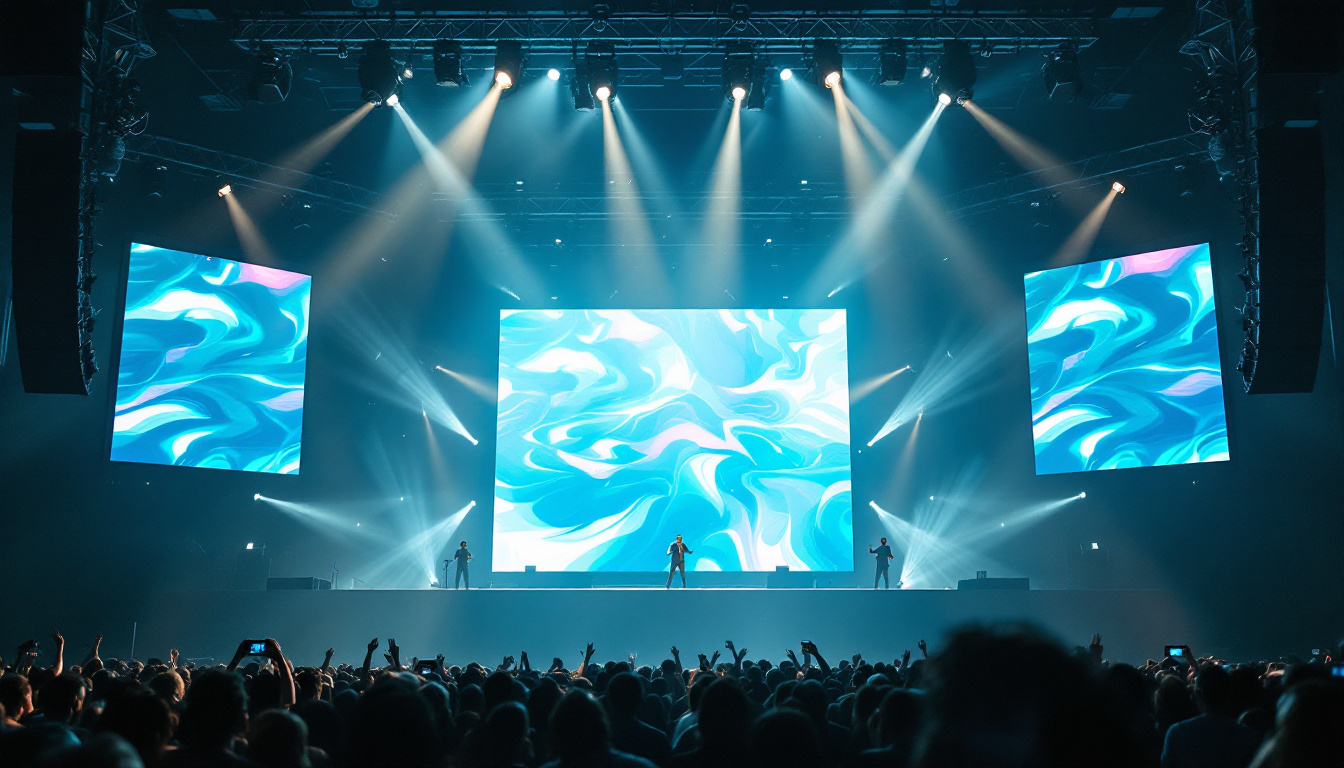
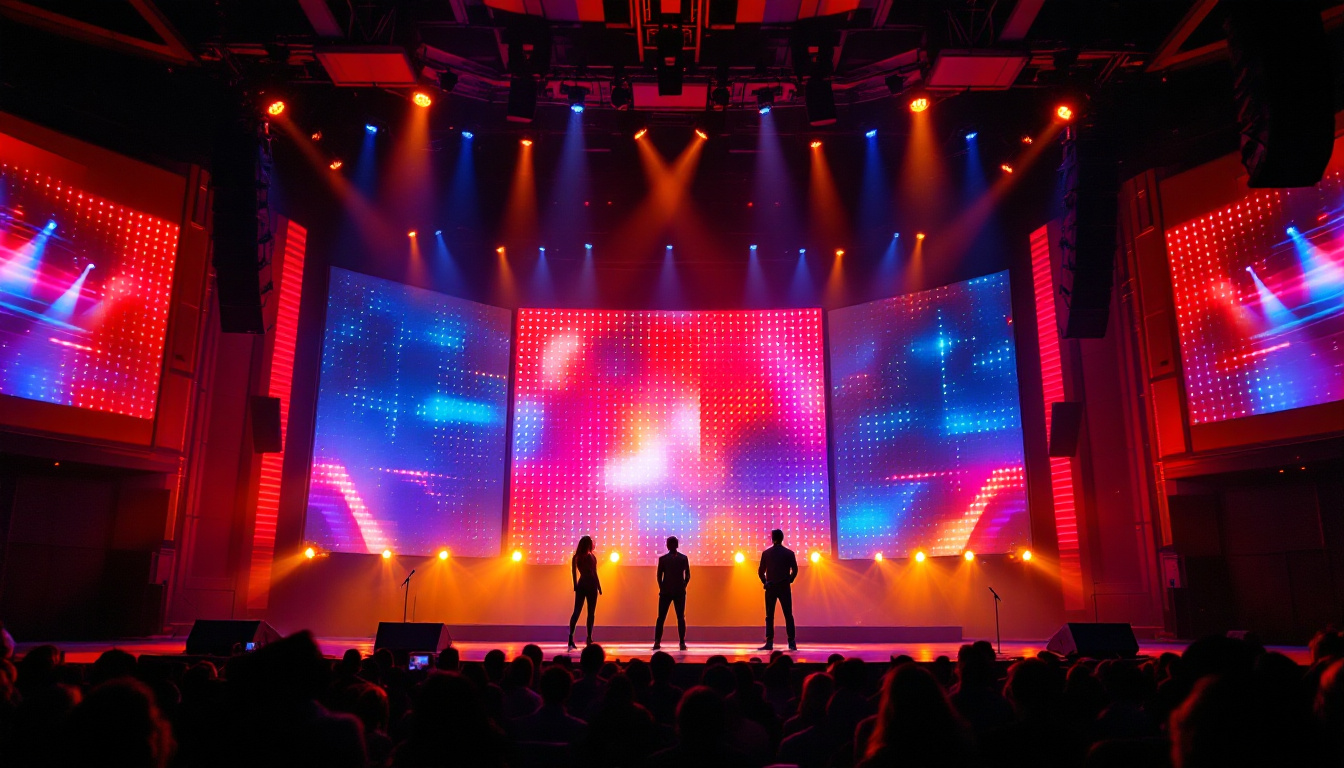
From concerts to sports events, LED displays play a critical role in enhancing audience engagement. Large-scale LED video walls provide immersive experiences, displaying live feeds, replays, and interactive content. Their modular design allows event organizers to customize screen sizes and shapes to fit venues perfectly.
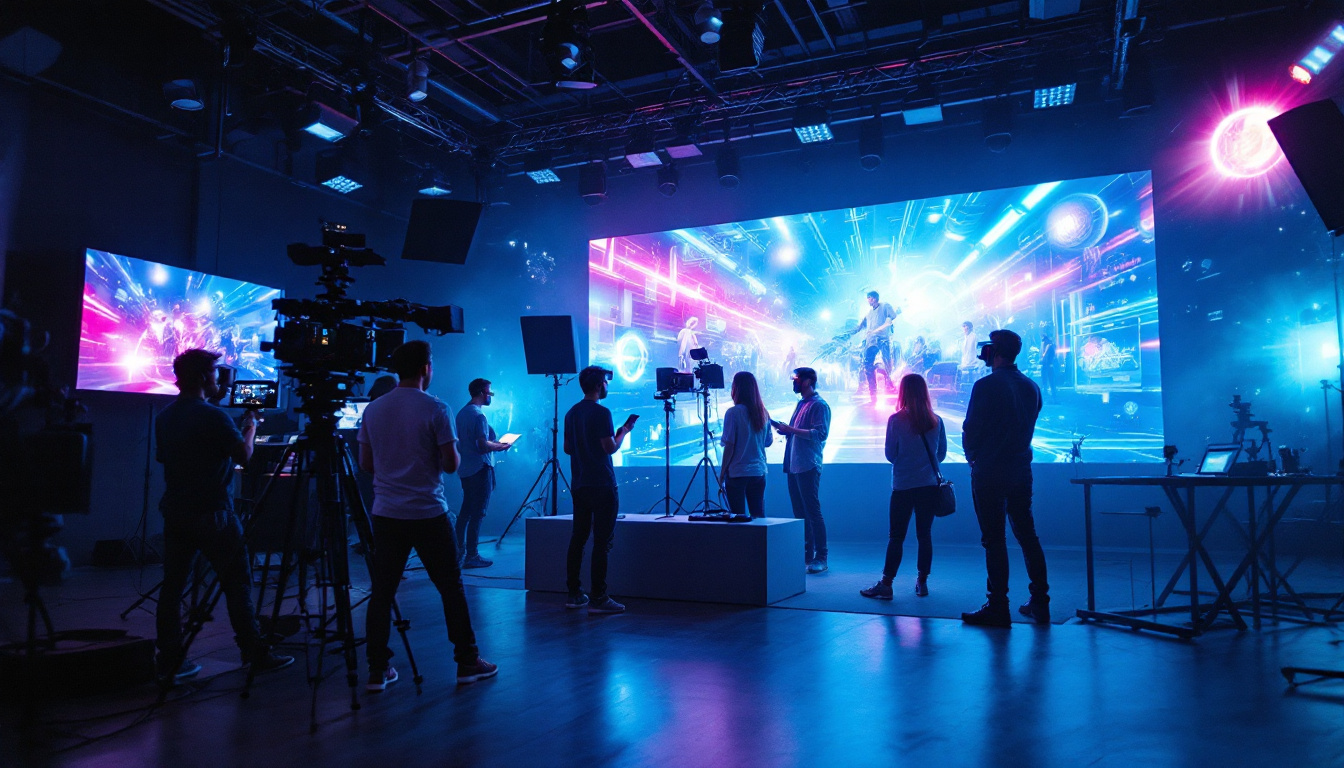
In theaters and studios, LED walls have also begun replacing traditional green screens, offering real-time backgrounds and lighting effects that improve production quality and reduce post-production time.
Corporate and Educational Use
In corporate settings, LED displays facilitate presentations, video conferencing, and digital dashboards. Their clarity and brightness ensure that information is conveyed effectively during meetings and training sessions. Educational institutions leverage LED technology for interactive learning environments and digital notice boards, enhancing student engagement.
Why Choose Rei for LED Display Solutions?
Innovative Product Range
Rei offers a comprehensive portfolio of LED display products tailored to various industries and applications. Their indoor and outdoor models feature cutting-edge components that deliver superior brightness, color accuracy, and energy efficiency. Rei’s modular designs allow for custom configurations, enabling clients to create unique visual experiences that align with their brand identity.
Additionally, Rei invests heavily in research and development to incorporate the latest advancements such as mini-LED and micro-LED technologies, which promise even higher resolution and better performance in the near future.
Quality and Reliability
Rei’s LED displays undergo rigorous quality control processes to ensure durability and consistent performance. Their products are engineered to operate reliably in diverse environmental conditions, from extreme heat to heavy rain. This reliability is backed by comprehensive warranties and responsive customer support, giving clients peace of mind.
Furthermore, Rei utilizes high-grade materials and advanced manufacturing techniques to minimize pixel failure and color degradation over time, ensuring displays maintain their visual impact throughout their lifespan.
Customized Solutions and Support
Understanding that each client’s needs are unique, Rei provides tailored solutions that address specific requirements. Their expert team collaborates closely with customers from initial consultation through installation and maintenance, ensuring seamless integration and optimal performance.
Rei also offers software platforms for content management, enabling users to schedule, update, and monitor display content remotely. This flexibility is essential for businesses that require dynamic and timely messaging.
Future Trends in LED Display Technology
Mini-LED and Micro-LED Innovations
Emerging technologies like mini-LED and micro-LED promise to redefine the capabilities of LED displays. Mini-LEDs use smaller diodes to increase pixel density, resulting in higher resolution and improved contrast. Micro-LEDs take this further by enabling individual microscopic LEDs to act as pixels, offering unparalleled brightness, color accuracy, and energy efficiency.
These advances will expand the use cases for LED displays, including ultra-high-definition televisions, wearable devices, and augmented reality applications. Rei is actively exploring these technologies to maintain its leadership in the market.
Integration with Smart Technologies
The integration of LED displays with Internet of Things (IoT) and artificial intelligence (AI) is another exciting trend. Smart LED displays can adapt content based on real-time data such as weather, audience demographics, or traffic conditions, maximizing relevance and engagement.
Rei’s commitment to innovation includes developing intelligent display systems that leverage data analytics and automation, helping clients optimize their communication strategies efficiently.
Conclusion
LED displays have transformed the way visual content is delivered across industries, offering unmatched brightness, versatility, and energy efficiency. Rei’s advanced LED solutions combine cutting-edge technology with reliable performance and customized service, making them a preferred choice for businesses seeking impactful digital displays.
As LED technology continues to evolve with innovations like mini-LED, micro-LED, and smart integration, Rei is well-positioned to help clients harness these advancements for enhanced communication and engagement. Whether for advertising, events, corporate use, or education, understanding the capabilities and benefits of LED displays is essential for making informed decisions in today’s competitive landscape.
Discover LumenMatrix’s Innovative LED Displays
Ready to elevate your visual communication with the latest in LED technology? Explore LumenMatrix’s diverse range of LED display solutions, from vibrant Indoor and Outdoor LED Wall Displays to dynamic Vehicle and Sports LED Displays, and beyond. Our mission is to empower your brand with displays that captivate and engage, ensuring your message resonates with clarity and impact. Check out LumenMatrix LED Display Solutions today and transform your space into an unforgettable visual experience.