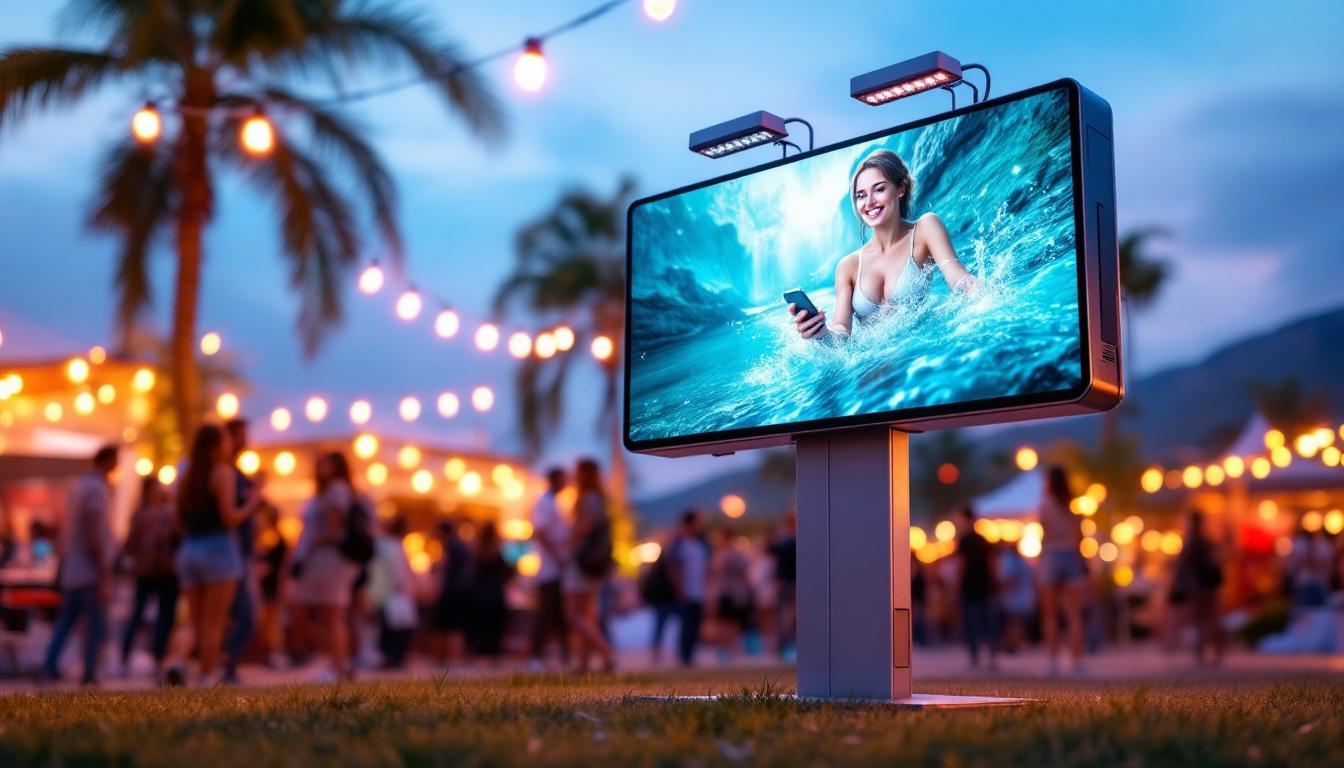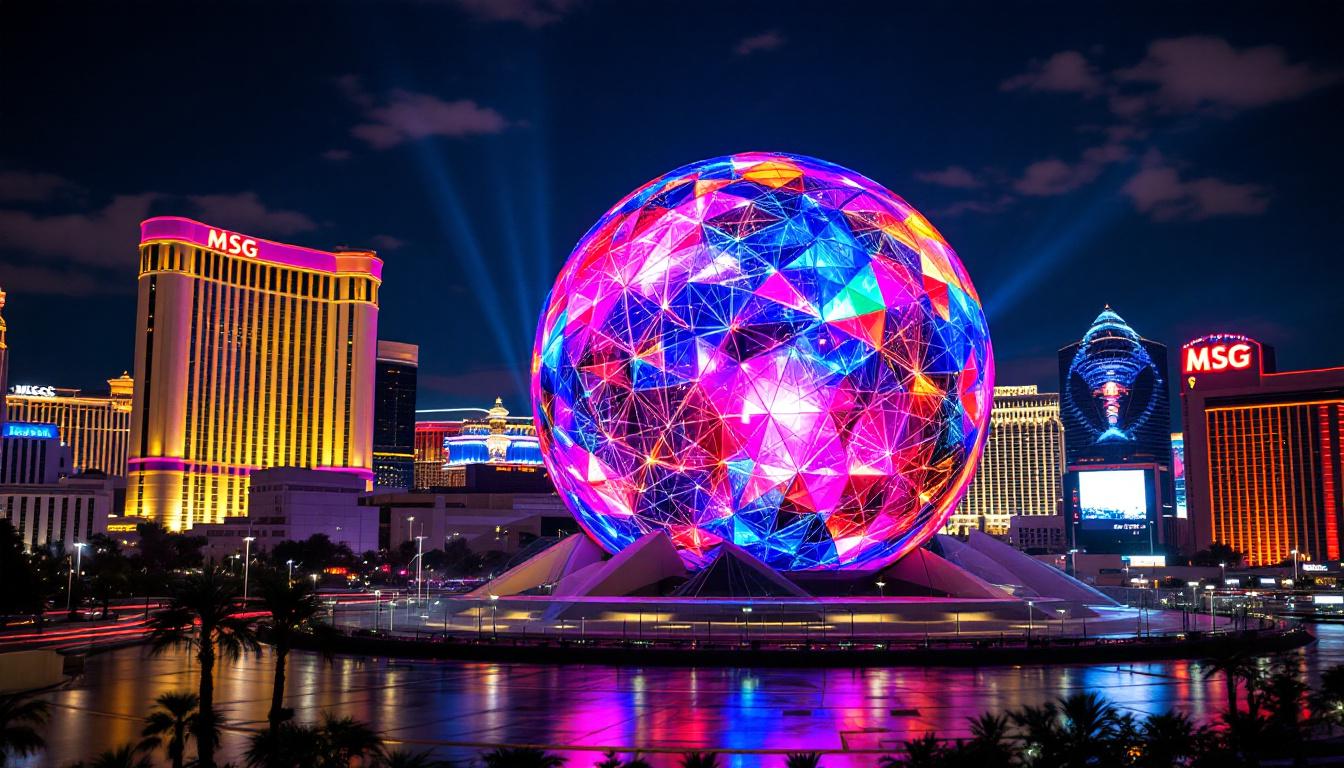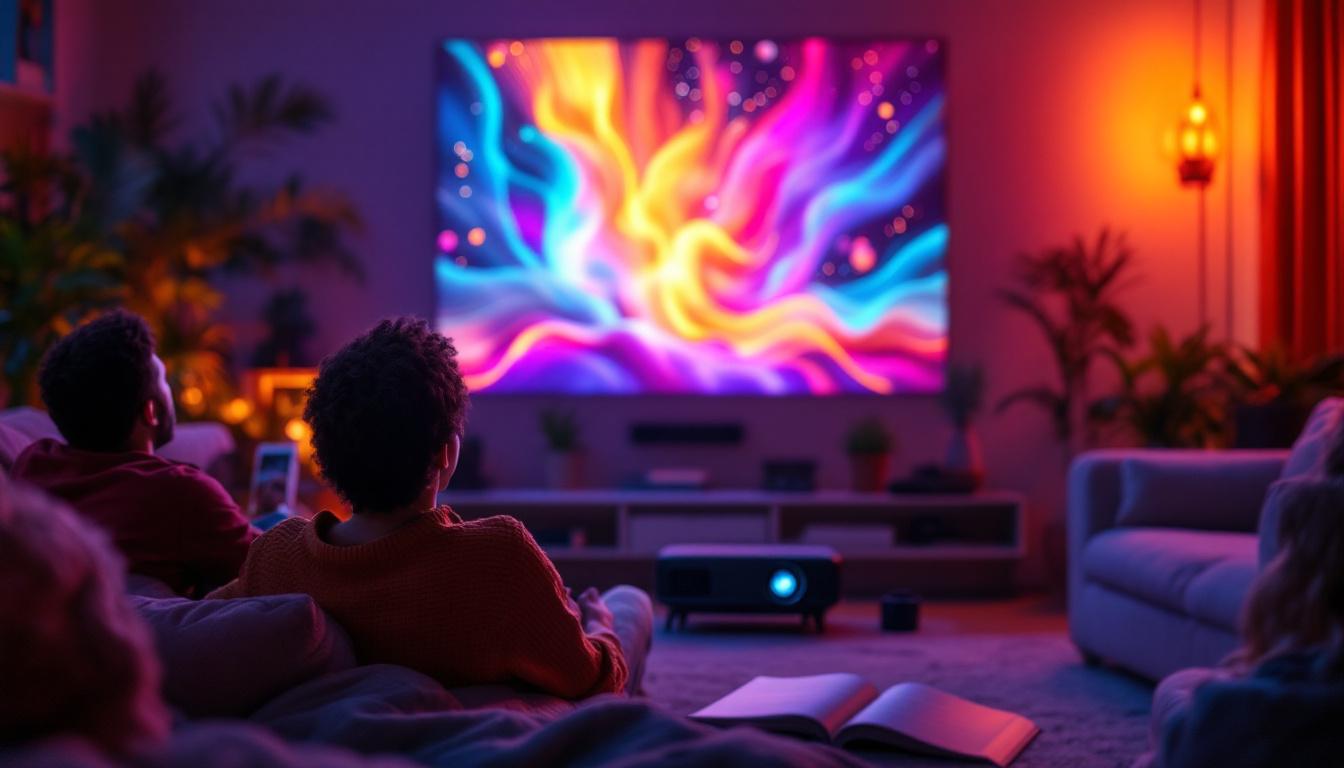
In today’s world of dynamic presentations, events, and entertainment, visual display technology plays a crucial role in captivating audiences. Whether you’re organizing a corporate seminar, a wedding reception, or a large-scale concert, choosing the right display solution can make or break the experience. Renting projectors and screens has long been a popular option, but LED displays are rapidly gaining traction as a superior alternative. This article explores the nuances of renting projector and screen setups versus LED displays, helping event planners, marketers, and business owners make informed decisions.
Understanding the Basics: Projector and Screen Rentals
What Does Renting a Projector and Screen Entail?
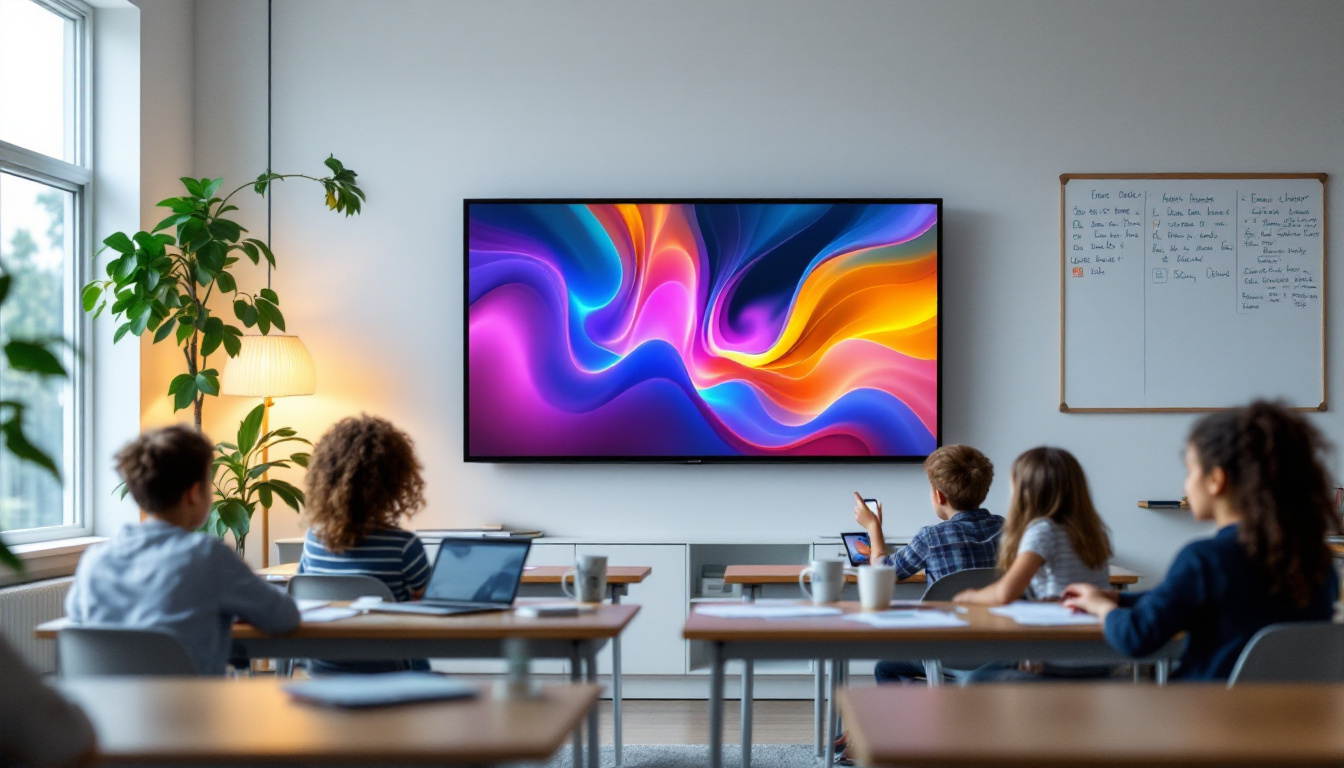
Renting a projector and screen involves leasing the equipment for a specific period, typically for events or short-term use. The rental package usually includes a projector, a projection screen, necessary cables, and sometimes a stand or mounting hardware. This setup projects images or videos onto the screen, creating a large, visible display for audiences.
Projector and screen rentals are favored for their affordability and versatility. They can accommodate various event sizes, from small meetings to large conferences, by adjusting the projector’s brightness and screen size. Additionally, many rental services offer technical support, ensuring smooth setup and operation during the event. This support can be invaluable, especially for those who may not be familiar with the technology, as it provides peace of mind that any technical issues can be swiftly addressed.
Common Use Cases and Benefits
Projector and screen setups are widely used in corporate environments for presentations, training sessions, and product launches. Educational institutions also rely on them for lectures and seminars. The portability and relatively low cost make them an attractive choice for temporary installations. Furthermore, they are often used in social settings, such as weddings or parties, where photo slideshows or video montages can enhance the atmosphere and engage guests.
One of the key benefits is the ability to project onto various surfaces, including portable screens, walls, or even ceilings. This flexibility allows event organizers to adapt to different venues without extensive modifications. Moreover, many modern projectors come equipped with advanced features such as wireless connectivity, allowing presenters to share content directly from their laptops or mobile devices without the hassle of cables. This not only streamlines the setup process but also encourages a more dynamic and interactive presentation style, as speakers can move freely around the room while engaging with their audience.
The Rise of LED Displays in Event Technology
What Are LED Displays?
LED (Light Emitting Diode) displays consist of an array of tiny light sources that emit bright, vibrant colors. Unlike projectors, LED screens produce their own light, which results in clearer images even in well-lit environments. LED technology has evolved significantly, enabling the creation of large, seamless video walls with high resolution and impressive brightness levels.
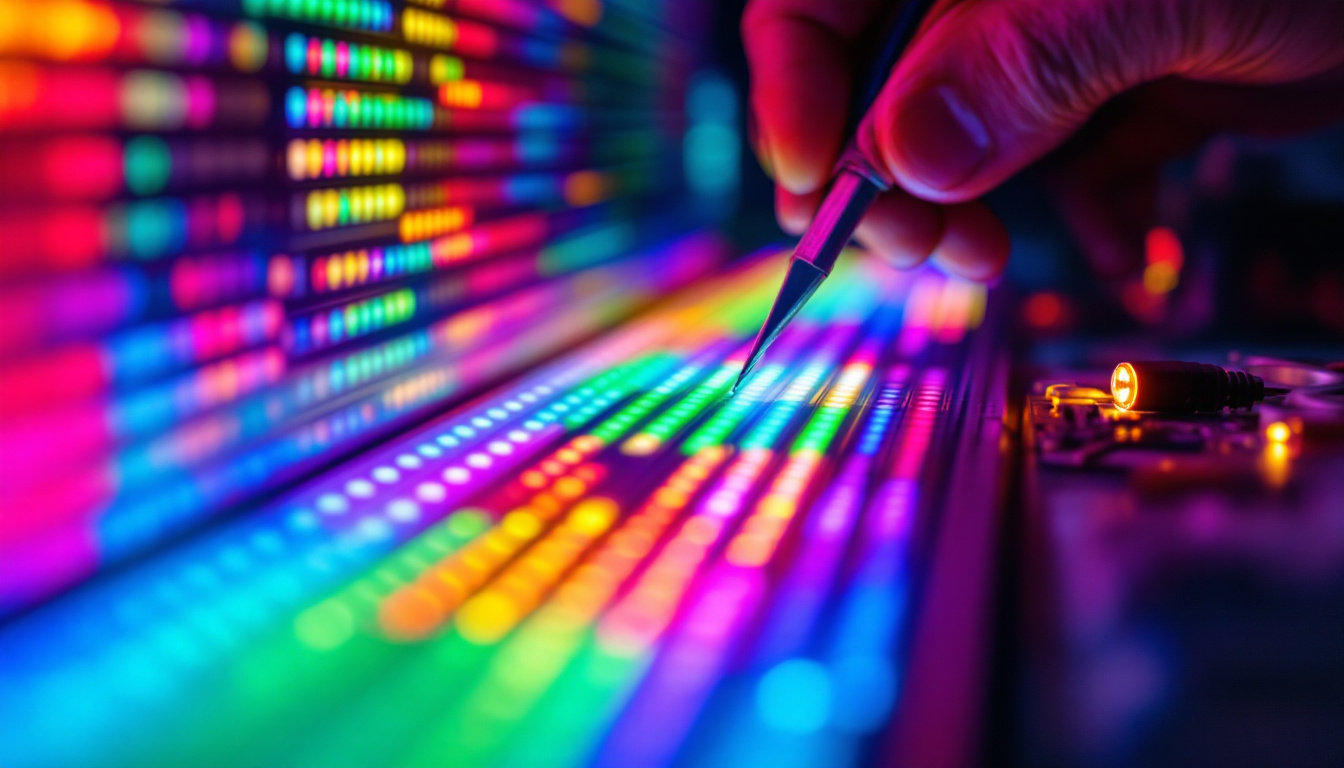
Modern LED displays come in various pixel pitches, which determine the distance between individual LEDs. Smaller pixel pitches mean higher resolution and sharper images, making them suitable for close viewing distances. This adaptability has made LED displays a popular choice for indoor and outdoor events alike.
Advantages Over Traditional Projector Setups
One of the most significant advantages of LED displays is their superior brightness. Projectors often struggle in brightly lit environments, requiring dimmed lighting to maintain image clarity. LED screens, on the other hand, remain vibrant and visible regardless of ambient light conditions.
Additionally, LED displays offer better color accuracy and contrast ratios, enhancing the overall visual experience. They are also more durable and less susceptible to damage from dust or physical impact compared to projector bulbs and lenses.
From a logistical perspective, LED screens can be assembled in modular panels, allowing customization of size and shape to fit unique event spaces. This modularity also simplifies transportation and installation, especially for large-scale productions.
Comparing Costs: Renting Projector and Screen vs. LED Display
Initial and Rental Costs
Projector and screen rentals are generally more affordable upfront. For small to medium-sized events, rental prices can range from $100 to $500 per day, depending on the projector’s brightness and screen size. This cost-effectiveness makes projectors a go-to option for budget-conscious organizers.
Conversely, renting LED displays tends to be more expensive, with prices typically starting around $1,000 per day for smaller setups and scaling up significantly for larger, high-resolution walls. The higher cost reflects the advanced technology, brightness, and durability of LED panels.
Long-Term Value and ROI
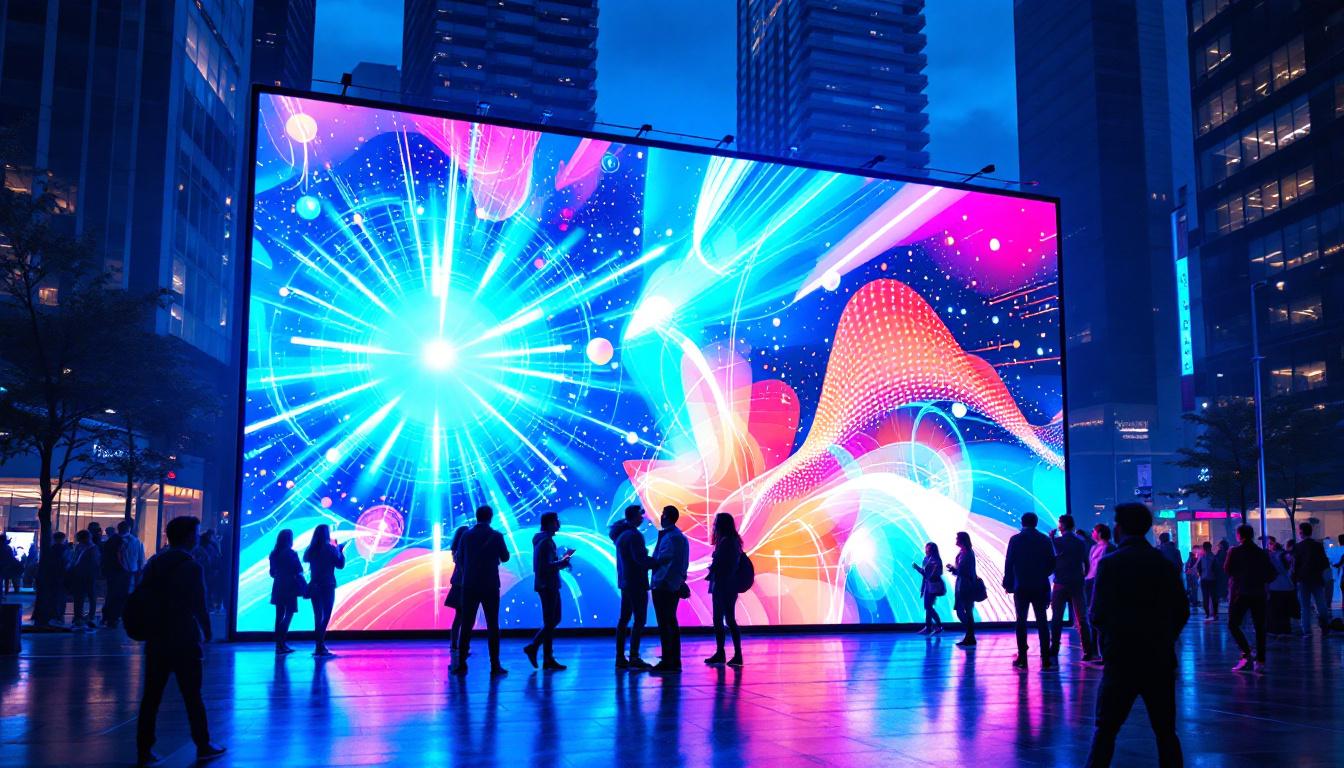
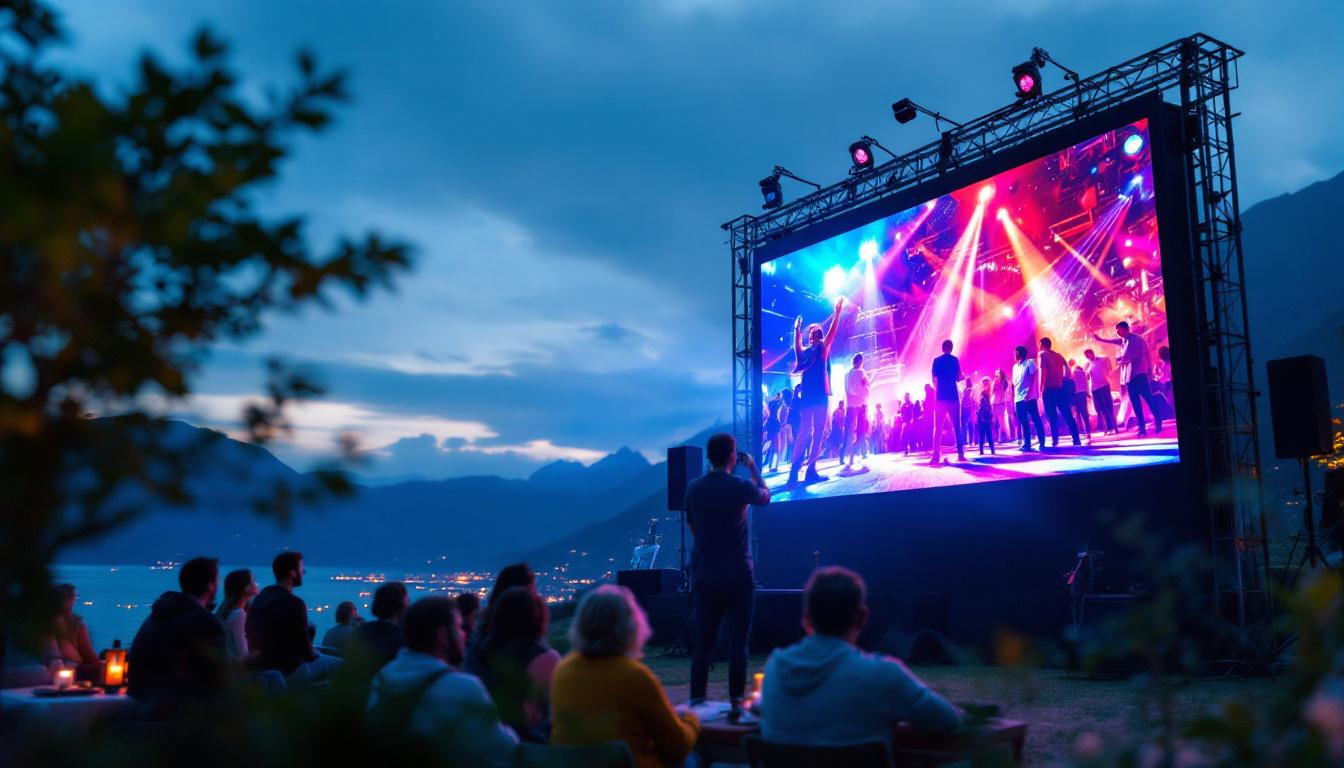
While LED displays have higher rental costs, they can offer better value for certain applications. For example, events requiring high-impact visuals, such as concerts, trade shows, or outdoor festivals, benefit from the superior image quality and reliability of LED screens. This can translate into increased audience engagement and brand impact.
Furthermore, LED displays reduce the risk of technical issues like projector bulb failures or image distortion, which can save money on troubleshooting and downtime. For recurring events or multi-day conferences, investing in LED display rentals may yield a higher return on investment.
Technical Considerations When Renting
Brightness and Ambient Lighting
Brightness is measured in lumens for projectors and nits for LED displays. Projectors typically range from 2,000 to 6,000 lumens, which is sufficient for dimly lit rooms but less effective in bright environments. LED displays can reach brightness levels of 1,000 to 5,000 nits or more, making them visible even in direct sunlight.
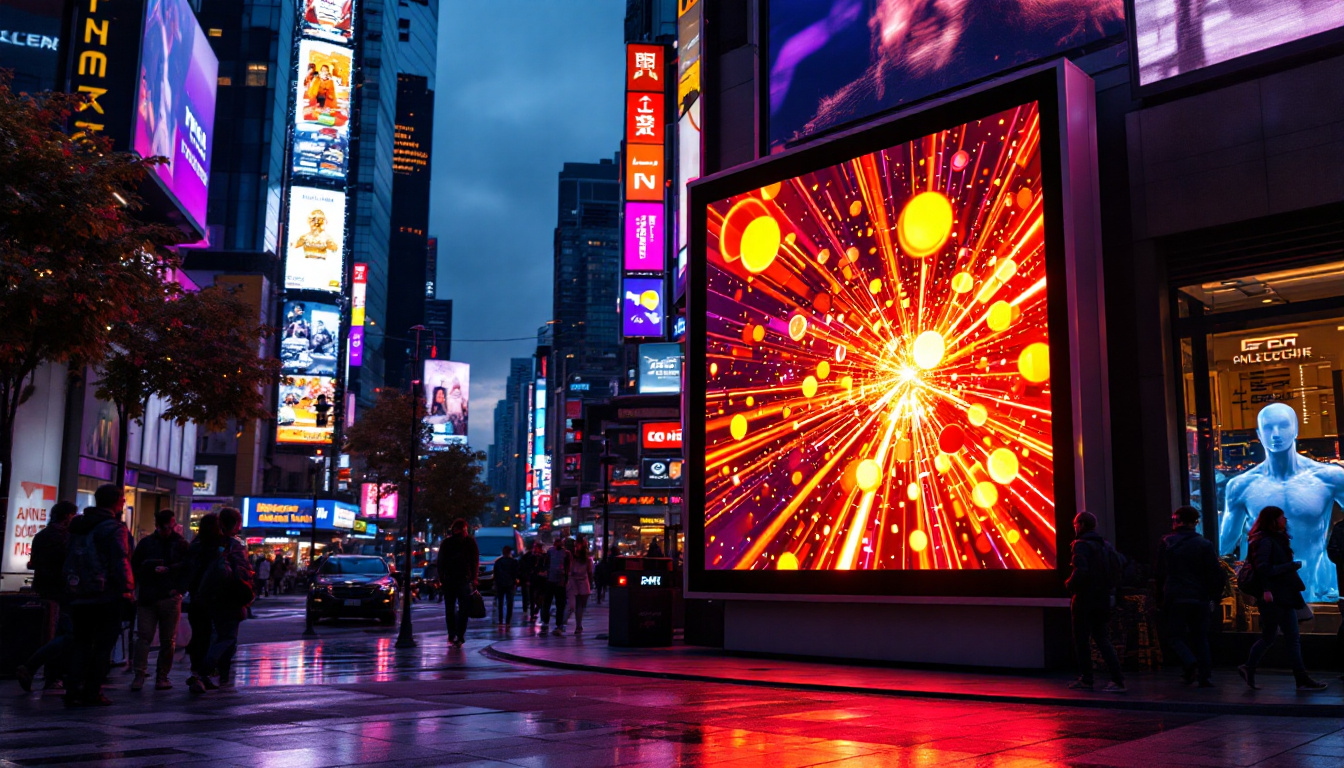
Understanding the venue’s lighting conditions is crucial when choosing between these options. For outdoor events or venues with large windows and natural light, LED displays are often the better choice.
Resolution and Viewing Distance
Resolution affects image clarity and detail. Projectors rely on the source content’s resolution and the projector’s native resolution, which can vary widely. LED displays offer consistent resolution based on their pixel pitch, ensuring sharp images at various viewing distances.
For close-up viewing, such as trade show booths or indoor presentations, a fine-pitch LED display provides crisp visuals without pixelation. For larger audiences seated farther away, both projectors and LED screens can be effective, but LED displays maintain better image quality overall.
Setup and Logistics
Projector setups require careful alignment, focusing, and sometimes additional equipment like screens and mounts. They also need a stable power source and may require darkening the room for optimal visibility.
LED displays, while modular and flexible, require skilled technicians for assembly and calibration. The panels must be connected seamlessly to avoid visible gaps or misalignment. However, once installed, LED screens are easier to maintain during the event, with fewer adjustments needed.
Environmental and Practical Factors
Portability and Space Requirements
Projectors and screens are generally lightweight and easy to transport. Portable screens can be folded or rolled, and projectors fit into compact cases. This portability suits smaller venues or events requiring quick setup and teardown.
LED displays, especially larger configurations, require more space for storage and transport. However, advances in lightweight panel design have improved their mobility. For events where visual impact is paramount, the extra effort in logistics is often justified.
Energy Consumption and Sustainability
Projectors consume varying amounts of power depending on brightness and model, typically ranging from 150 to 400 watts. LED displays, while bright, are energy-efficient compared to older display technologies. However, large LED walls can consume significant power, especially outdoors.
Many rental companies now offer energy-efficient LED panels and promote sustainable event practices. When planning an event, considering the environmental impact of display technology can align with corporate social responsibility goals.
Making the Right Choice for Your Event
Assessing Your Event Needs
The decision to rent a projector and screen or an LED display depends on several factors:
- Venue Size and Lighting: Bright, large venues favor LED displays.
- Audience Size and Viewing Distance: Larger audiences may benefit from LED’s superior visibility.
- Budget Constraints: Projectors offer cost savings for smaller, budget-sensitive events.
- Content Type: High-definition video and dynamic visuals perform better on LED screens.
- Setup Time and Technical Support: Consider the availability of skilled technicians for LED installation.
Consulting with Rental Providers
Professional rental companies can provide valuable insights tailored to your event’s unique requirements. They can recommend equipment based on venue characteristics, expected audience size, and content type. Many providers offer package deals that include setup, operation, and teardown services, reducing the logistical burden on organizers.
Additionally, requesting a demonstration or viewing previous installations can help visualize how each option performs in real-world scenarios.
Future Trends in Display Technology Rentals
Advancements in LED Technology
LED displays continue to evolve with innovations like microLED and transparent LED panels. These technologies promise even higher resolution, thinner profiles, and creative display possibilities, such as integrating screens into glass walls or curved surfaces.
As prices decrease and technology becomes more accessible, LED rentals are expected to become the standard for many event types, offering unparalleled visual experiences.
Integration with Interactive and Immersive Experiences
Rental displays are increasingly integrated with interactive technologies like touchscreens, augmented reality (AR), and virtual reality (VR). These enhancements create immersive environments that engage audiences beyond traditional viewing.
Projectors and LED displays alike are adapting to support these trends, but LED’s brightness and modularity make it particularly suited for interactive applications.
Conclusion
Choosing between renting a projector and screen or an LED display depends on the specific needs of your event, budget, and desired audience impact. Projector and screen rentals remain a practical and cost-effective solution for many scenarios, especially smaller or indoor events with controlled lighting.
However, LED displays offer superior brightness, image quality, and flexibility, making them ideal for high-profile events, outdoor venues, and situations demanding visual excellence. Understanding the technical, logistical, and financial aspects of each option ensures that event organizers can deliver memorable experiences with the right display technology.
As display technology continues to advance, staying informed about the latest rental options and innovations will empower planners to create engaging, visually stunning events that resonate with their audiences.
Discover LumenMatrix’s Advanced LED Display Solutions
Ready to elevate your event’s visual experience with cutting-edge technology? LumenMatrix offers an extensive range of LED display solutions tailored to meet the demands of any event, large or small. From vibrant Indoor and Outdoor LED Wall Displays to innovative options like Vehicle LED Displays, LED Posters, and even Custom LED solutions, LumenMatrix is at the forefront of enhancing brand visibility and audience engagement. Experience the future of visual communication with our All-in-One and Transparent LED Displays, designed to captivate and resonate with your audience. Don’t just take our word for it; check out LumenMatrix LED Display Solutions today and see the difference for yourself.