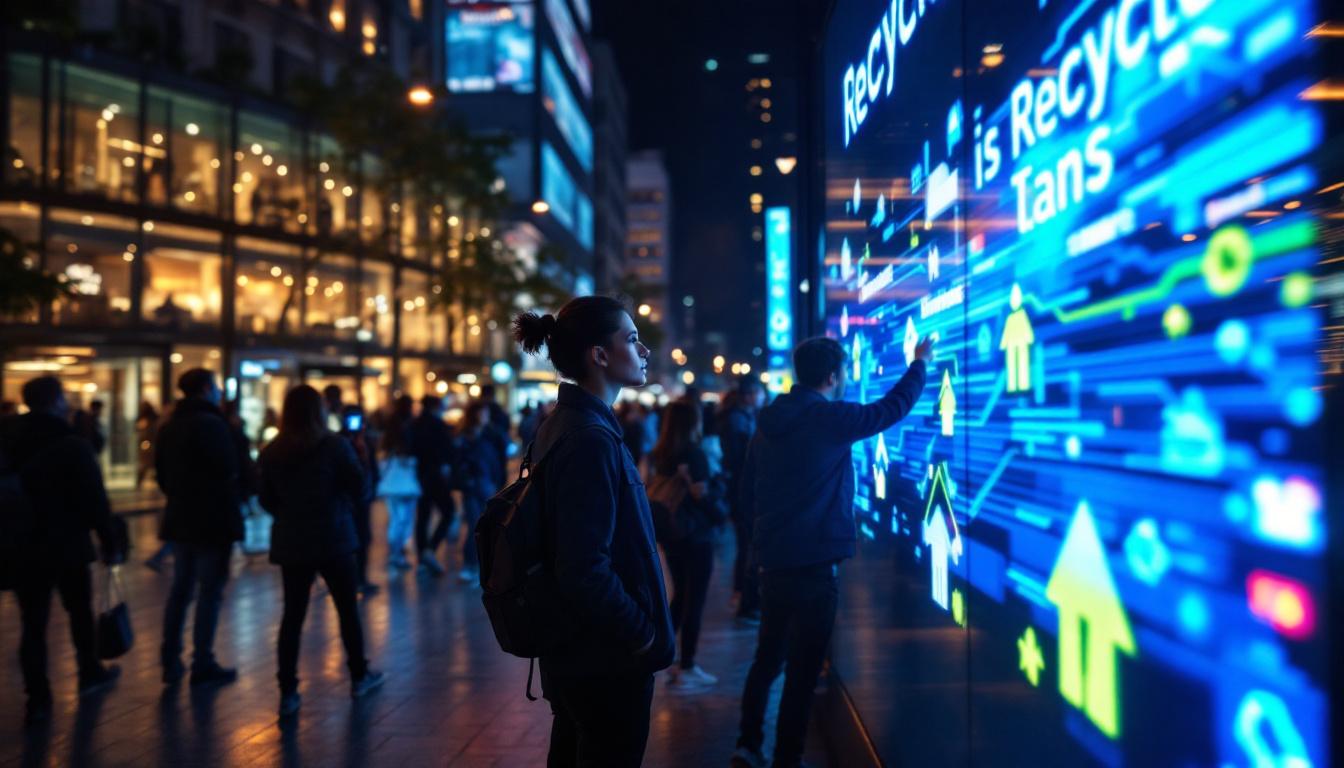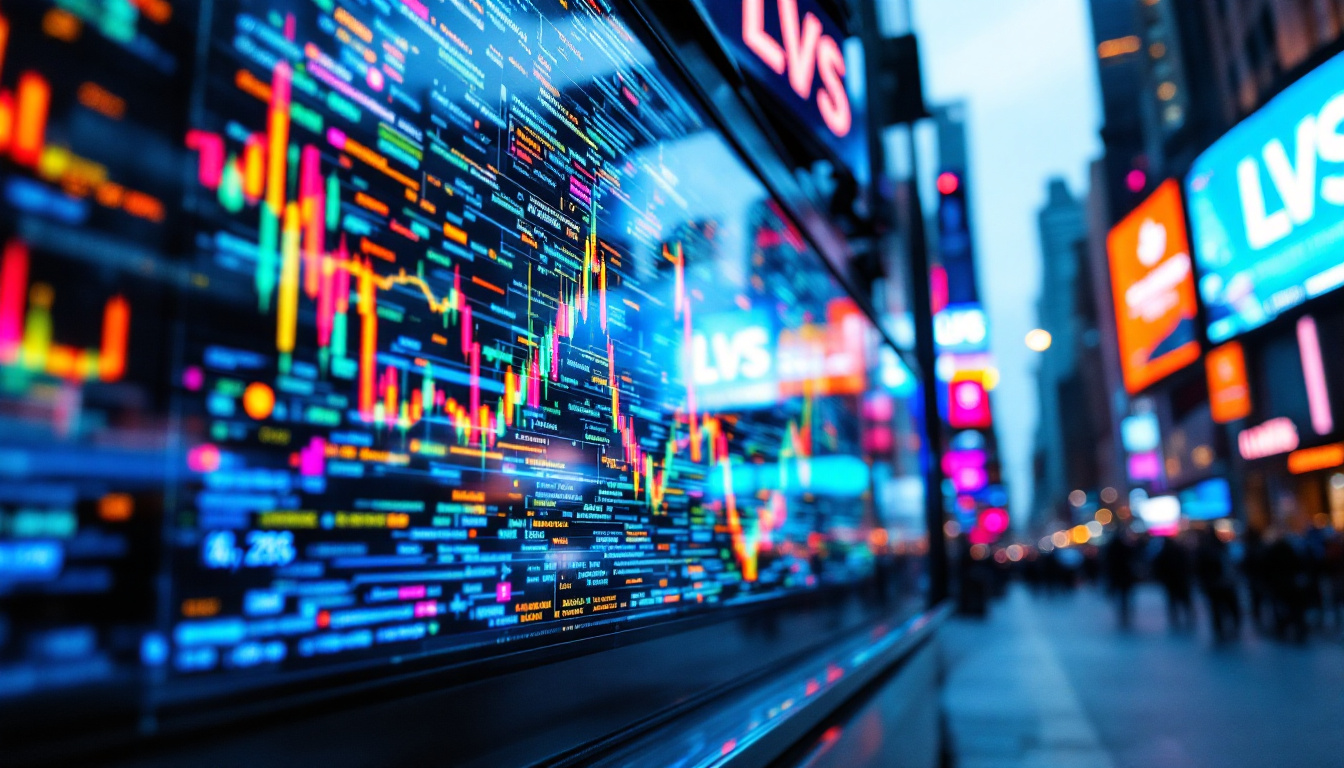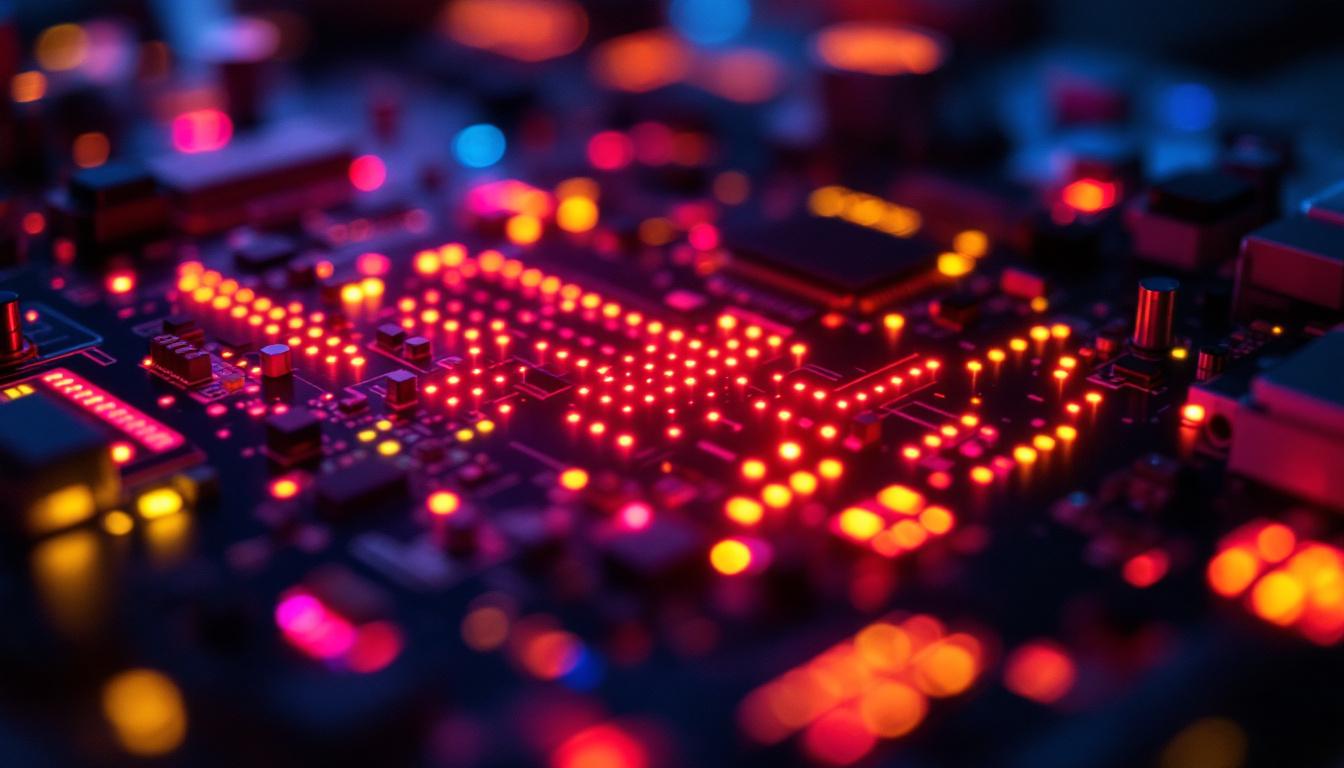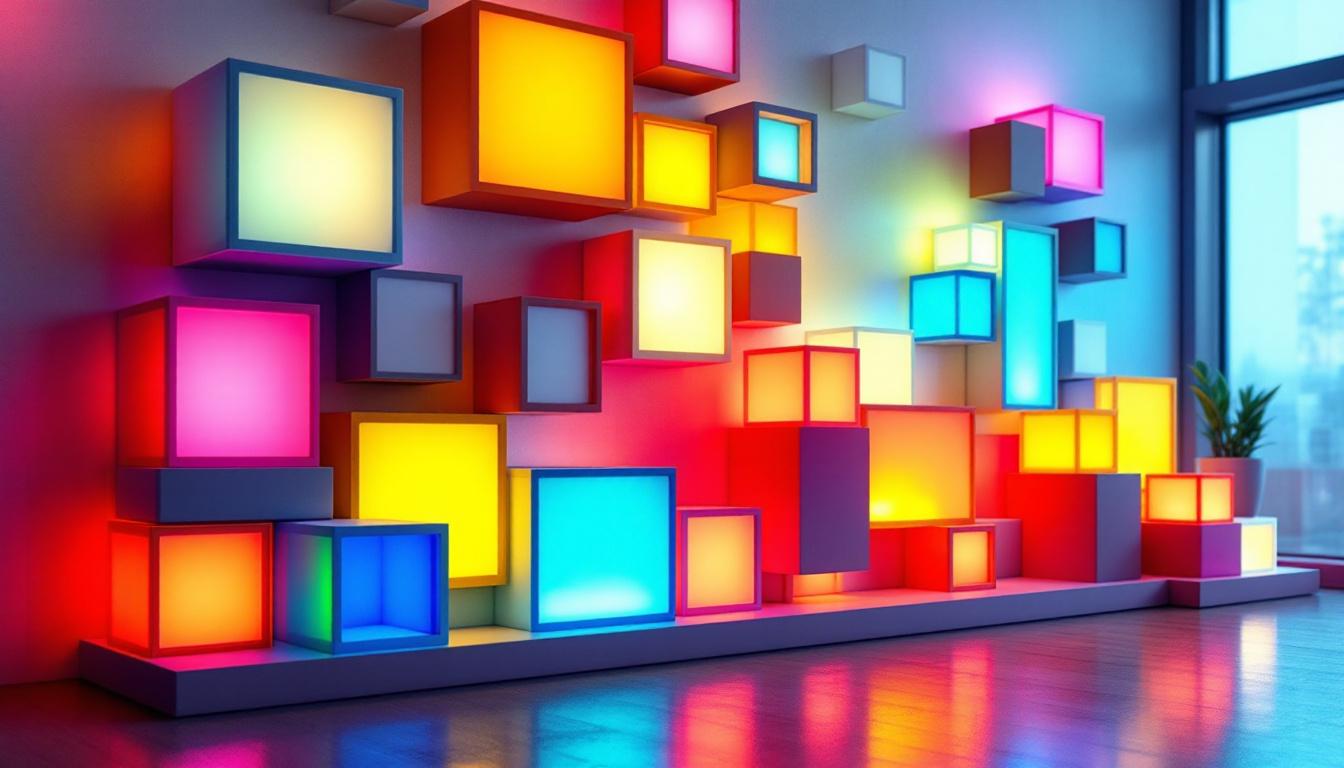
In the rapidly evolving world of digital communication, LED digital signage has emerged as a powerful tool for businesses, advertisers, and public spaces. From vibrant storefront displays to massive stadium screens, LED technology transforms how messages are delivered and perceived. This article delves into the intricacies of LED digital signage, exploring its technology, benefits, applications, and future trends to provide a comprehensive understanding of this dynamic medium.
Understanding LED Digital Signage Technology
LED digital signage refers to the use of light-emitting diode (LED) technology to display digital content such as images, videos, and text. Unlike traditional signage that relies on static print or incandescent bulbs, LED displays offer dynamic, bright, and energy-efficient visuals that can be updated remotely and in real-time.
What is an LED Display?
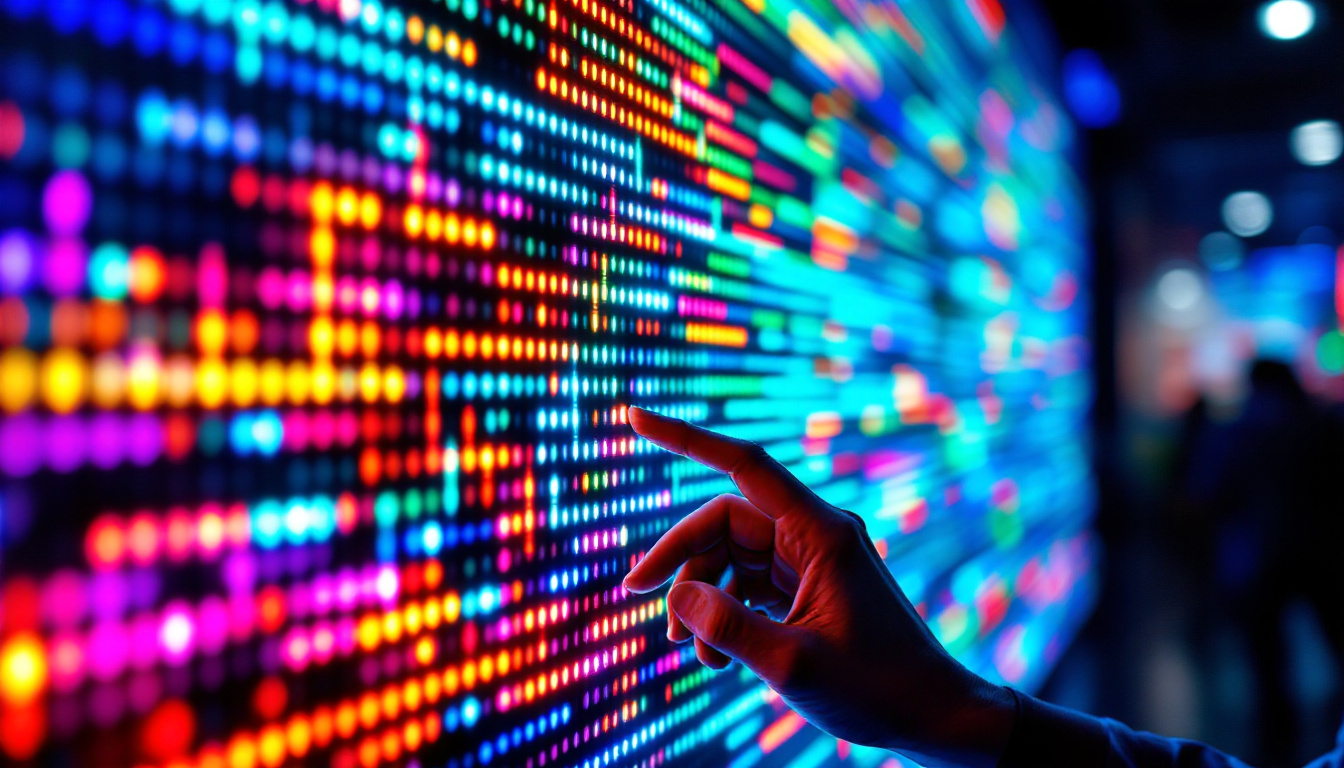
At its core, an LED display is composed of thousands of tiny LEDs arranged in a matrix to form pixels. Each pixel consists of red, green, and blue LEDs that combine to produce a full spectrum of colors through varying intensities. By controlling these pixels, the display can render high-resolution images and videos with remarkable clarity and brightness.
LED displays can be categorized primarily into two types: surface-mounted device (SMD) LEDs and through-hole LEDs. SMD LEDs are smaller and allow for higher pixel density, making them ideal for indoor displays where viewers are closer. Through-hole LEDs, being larger, are typically used in outdoor signage where greater visibility from a distance is required.
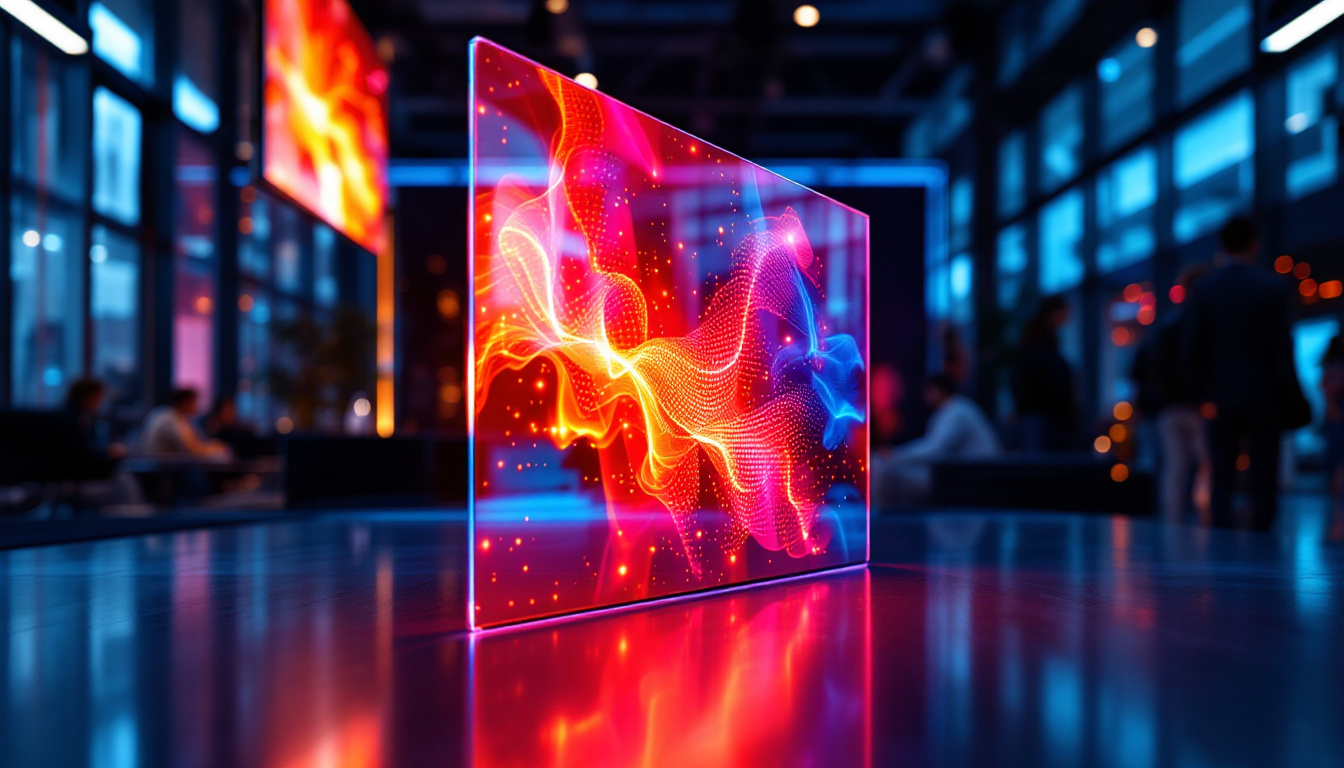
In addition to these types, there are also specialized LED displays designed for unique applications. For instance, transparent LED displays are gaining popularity in retail environments, allowing for eye-catching visuals while maintaining visibility through the glass. Similarly, flexible LED screens are emerging, enabling creative shapes and installations that can wrap around structures or fit into unconventional spaces, further enhancing the versatility of digital signage.
How LED Signage Differs from Other Display Technologies
Compared to LCD (liquid crystal display) and OLED (organic LED) screens, LED signage offers several distinct advantages. LED displays are generally brighter, making them suitable for outdoor environments even in direct sunlight. They also have longer lifespans and better energy efficiency, which translates to lower operating costs over time.
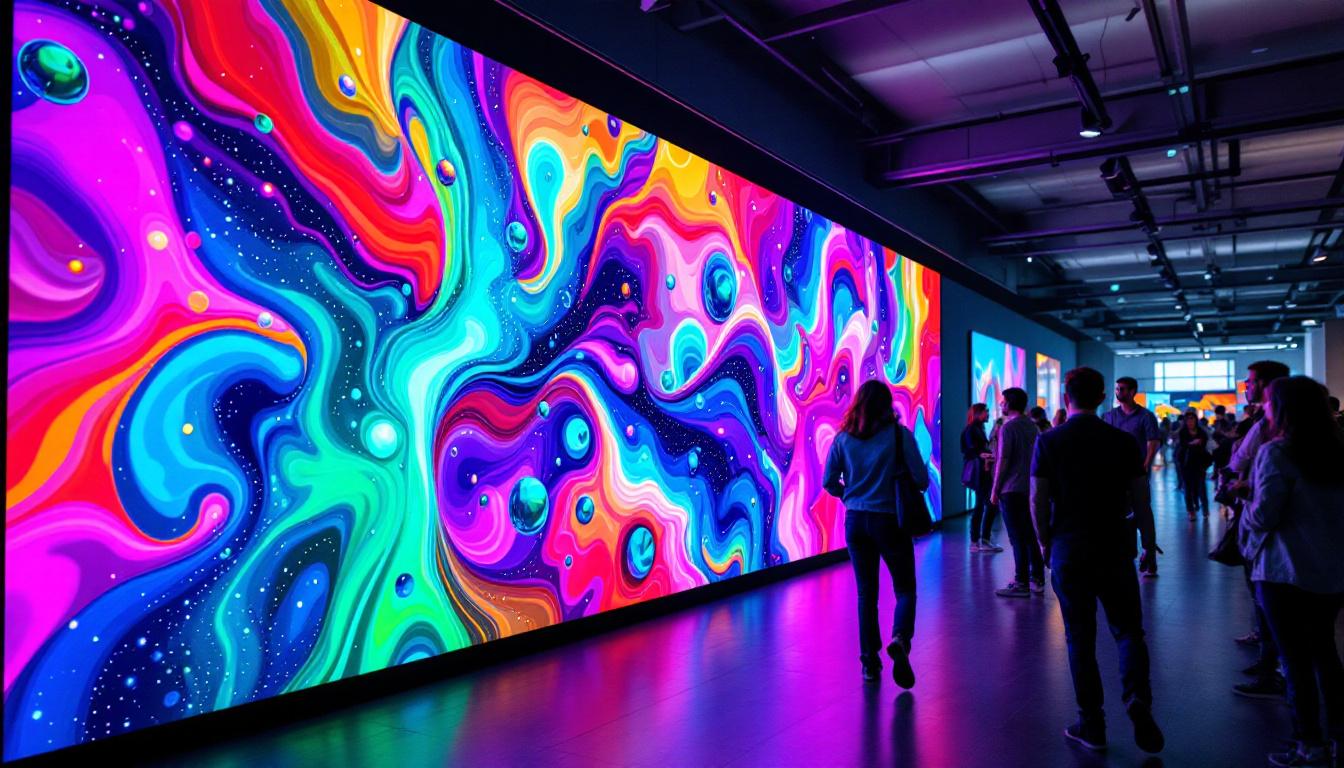
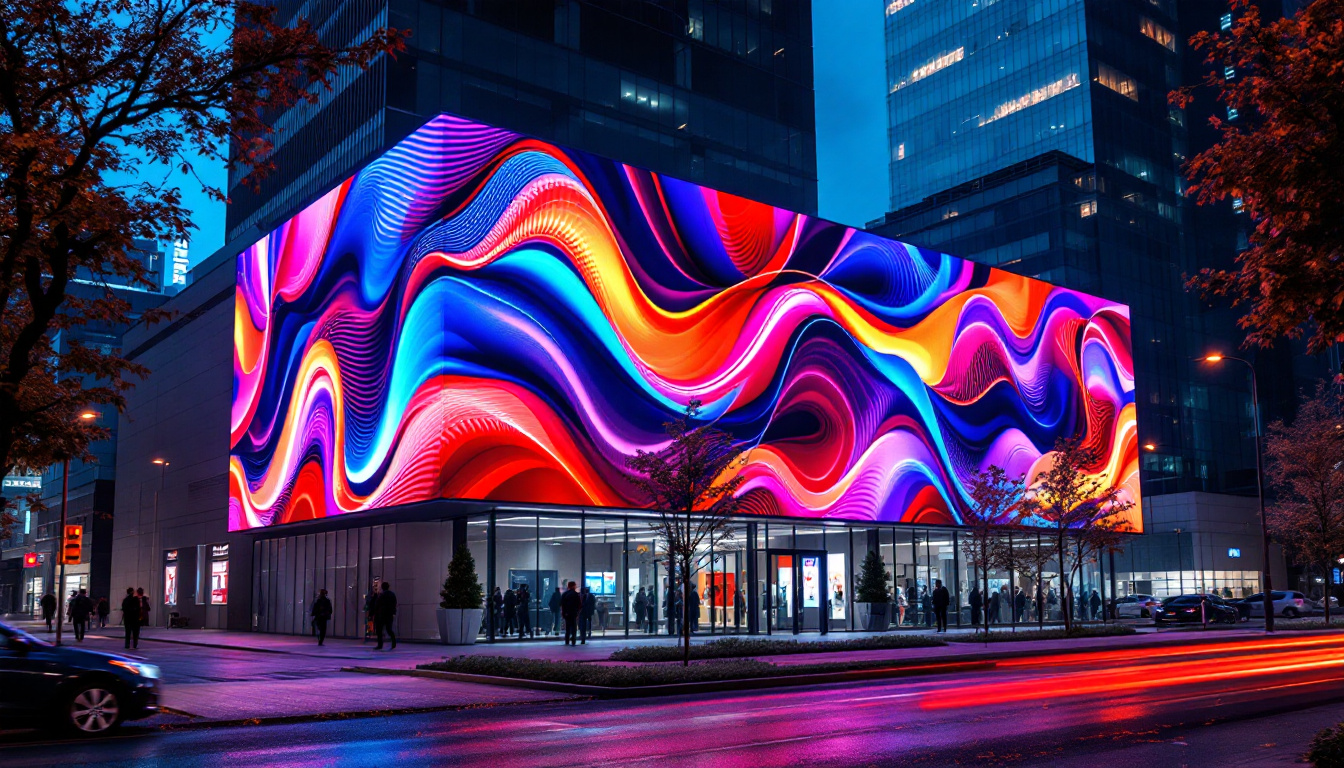
Furthermore, LED signage can be manufactured in virtually any size and shape, from small menu boards to massive billboards spanning thousands of square feet. This flexibility allows for creative installations that capture attention and enhance brand presence. The ability to create custom shapes and sizes opens up a realm of possibilities for advertisers and businesses, enabling them to create immersive experiences that resonate with their target audience. For example, sports arenas often utilize large-scale LED displays to engage fans with live game footage, instant replays, and interactive content, turning a simple viewing into an unforgettable experience.
Moreover, the integration of advanced technologies such as artificial intelligence and data analytics into LED signage systems is revolutionizing the way businesses communicate with consumers. These smart displays can analyze viewer demographics and engagement patterns, allowing for tailored content that maximizes impact. As a result, businesses can not only enhance their marketing strategies but also foster deeper connections with their audience, making LED digital signage a powerful tool in today’s competitive landscape.
Key Benefits of LED Digital Signage
Businesses and organizations are increasingly adopting LED digital signage because of its multifaceted benefits that extend beyond mere aesthetics.
Enhanced Visibility and Engagement
One of the most significant advantages of LED signage is its exceptional brightness and contrast. LEDs can emit light at levels exceeding 5,000 nits, which ensures visibility even under direct sunlight. This high visibility is crucial for outdoor advertising, transportation hubs, and retail environments where capturing attention quickly is vital.
Dynamic content displayed on LED screens is proven to increase customer engagement. According to a study by the Digital Signage Federation, digital signage can boost sales by up to 30% by influencing purchasing decisions through timely and relevant messaging.
Energy Efficiency and Longevity
LED technology is renowned for its energy efficiency. LEDs consume up to 80% less power compared to traditional incandescent bulbs and significantly less than many other display technologies. This efficiency not only reduces electricity costs but also contributes to sustainability goals, an increasingly important consideration for modern businesses.
In terms of durability, LEDs have an average lifespan of 50,000 to 100,000 hours, which translates to several years of continuous operation without significant degradation. This longevity minimizes maintenance and replacement expenses, making LED signage a cost-effective investment.
Flexibility and Real-Time Content Management
Modern LED digital signage systems are integrated with software platforms that allow users to update content remotely and instantly. This capability is invaluable for businesses needing to display time-sensitive information such as promotions, news, or emergency alerts.
Moreover, LED displays can be configured in various shapes and sizes, including curved, transparent, or flexible screens. This adaptability enables creative marketing strategies and enhances the aesthetic appeal of the signage, helping brands stand out in competitive markets.
Applications of LED Digital Signage Across Industries
LED digital signage is versatile and finds applications in numerous sectors, each leveraging the technology to meet specific communication needs.
Retail and Advertising
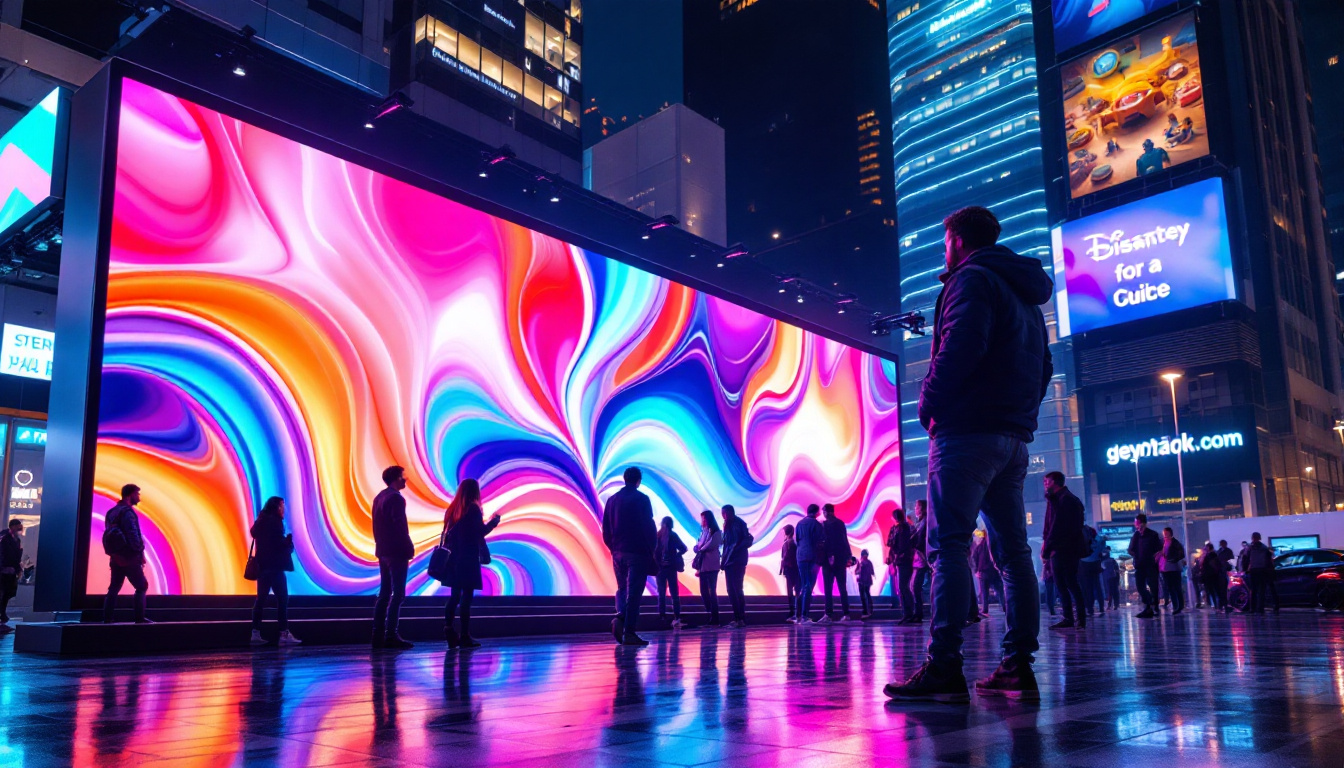
Retailers use LED signage to attract foot traffic, promote products, and enhance the shopping experience. Digital window displays featuring vibrant, animated content can increase customer dwell time and encourage impulse purchases. According to research by Nielsen, digital signage captures 400% more views than static displays, underscoring its effectiveness in advertising.
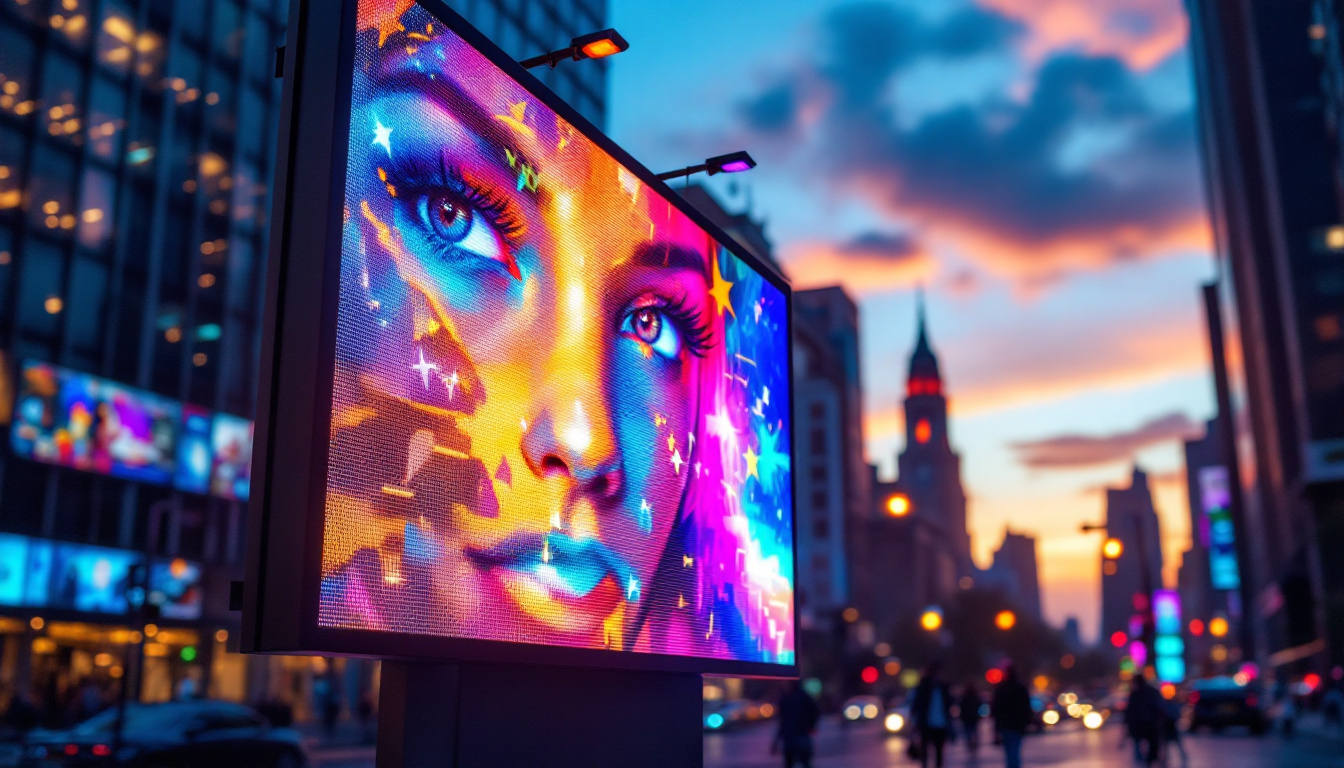
Outdoor LED billboards enable advertisers to deliver high-impact campaigns with the flexibility to rotate ads throughout the day, targeting different demographics and maximizing reach.
Transportation and Public Spaces
Airports, train stations, and bus terminals rely on LED signage for real-time information dissemination, including arrivals, departures, and safety announcements. The clarity and brightness of LED displays ensure that travelers receive critical information promptly, enhancing overall operational efficiency.
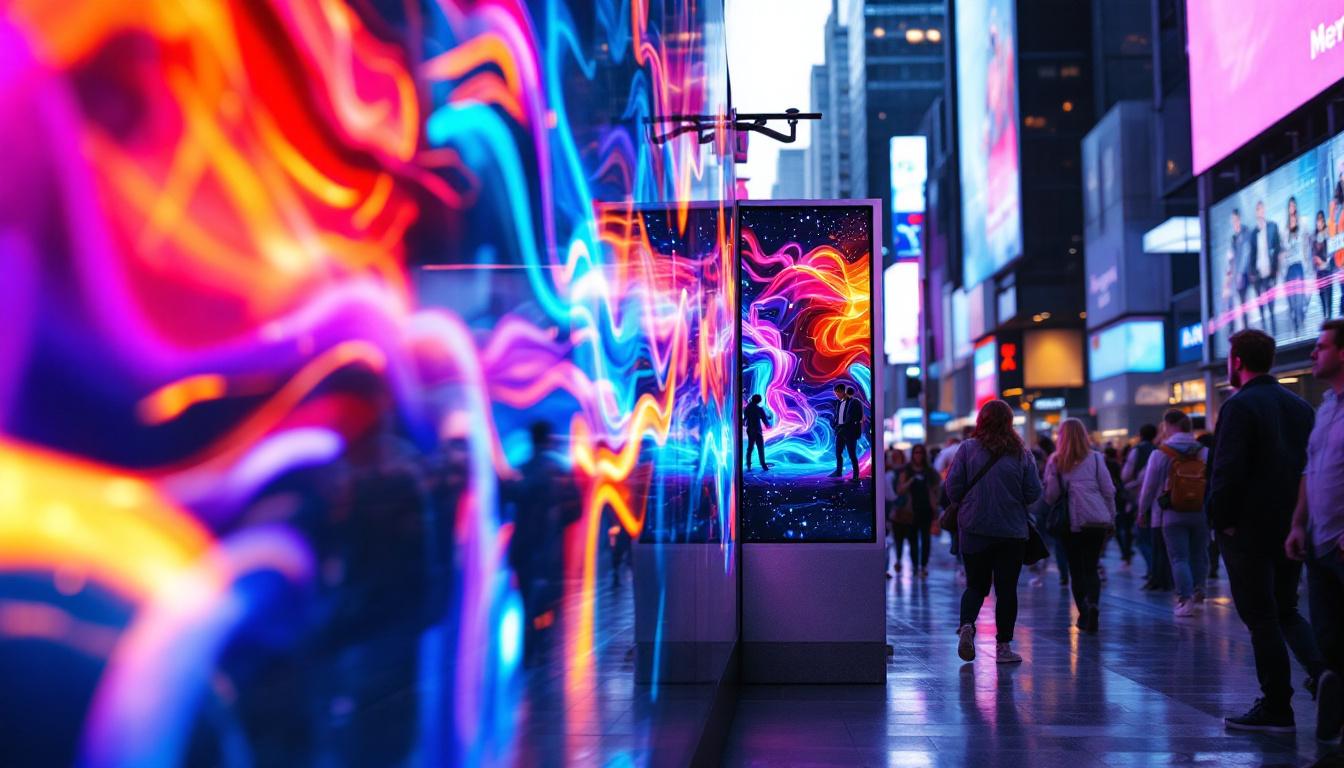
In urban environments, LED signage contributes to wayfinding, event promotion, and public safety messaging, playing a vital role in smart city initiatives.
Entertainment and Sports Venues
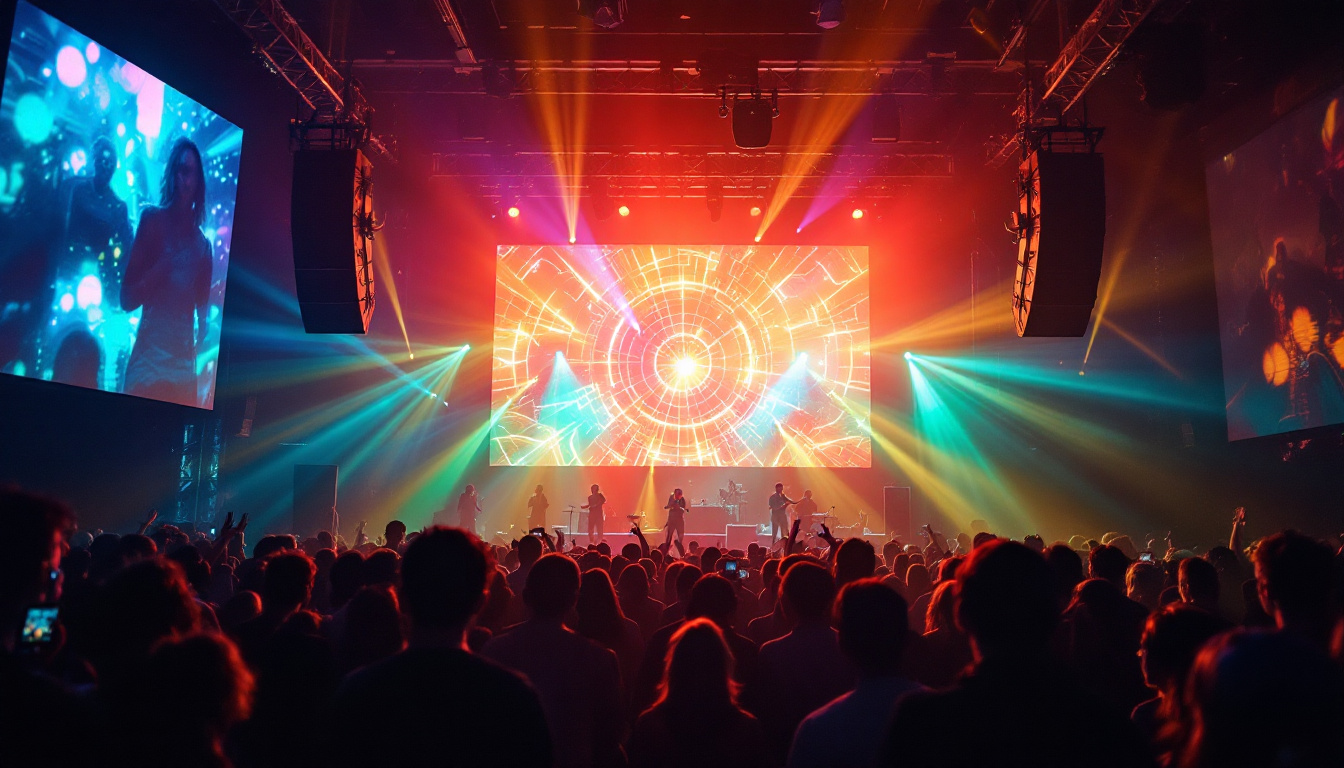
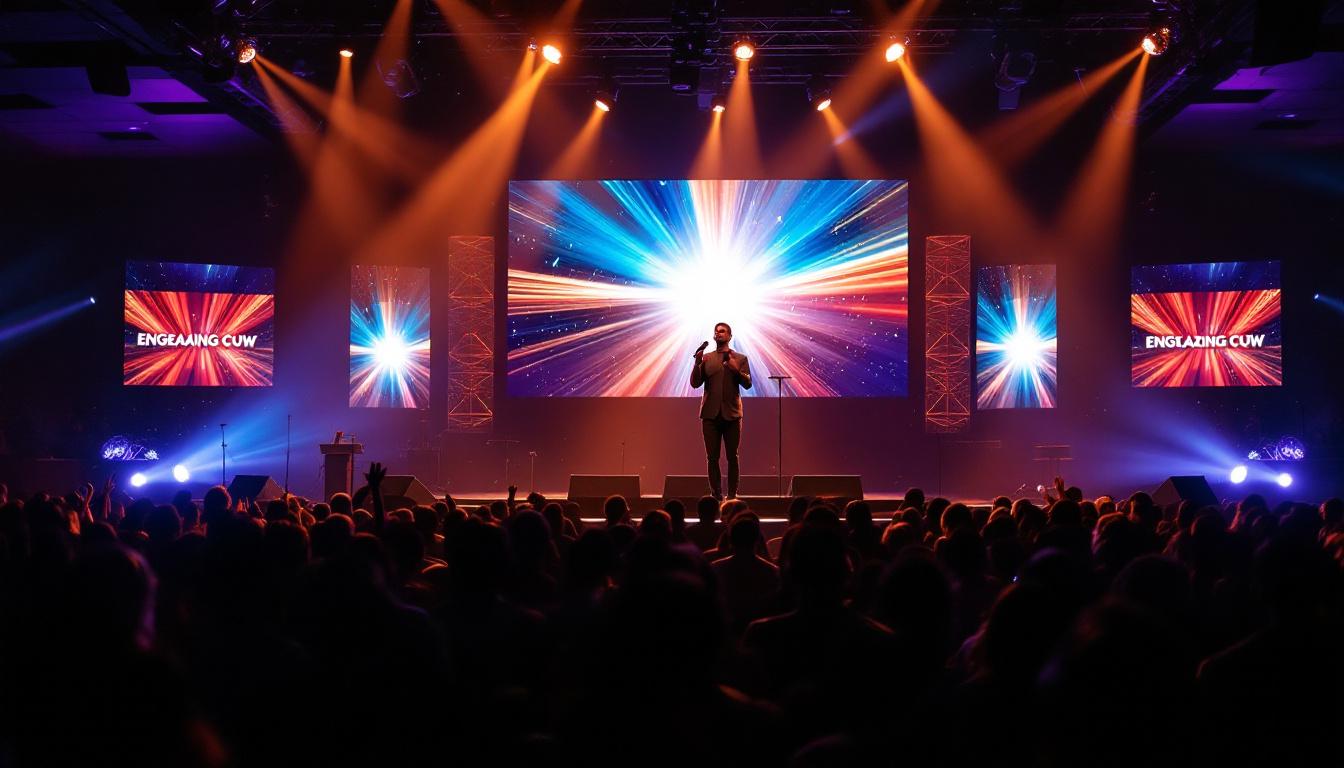
Stadiums and concert arenas use large-scale LED screens to deliver immersive experiences to audiences. From live video feeds to interactive content and advertisements, LED displays enhance event engagement and generate additional revenue streams through sponsorships.
The ability to customize content in real-time allows venue operators to tailor messaging for different events and audiences, maximizing impact.
Corporate and Educational Settings
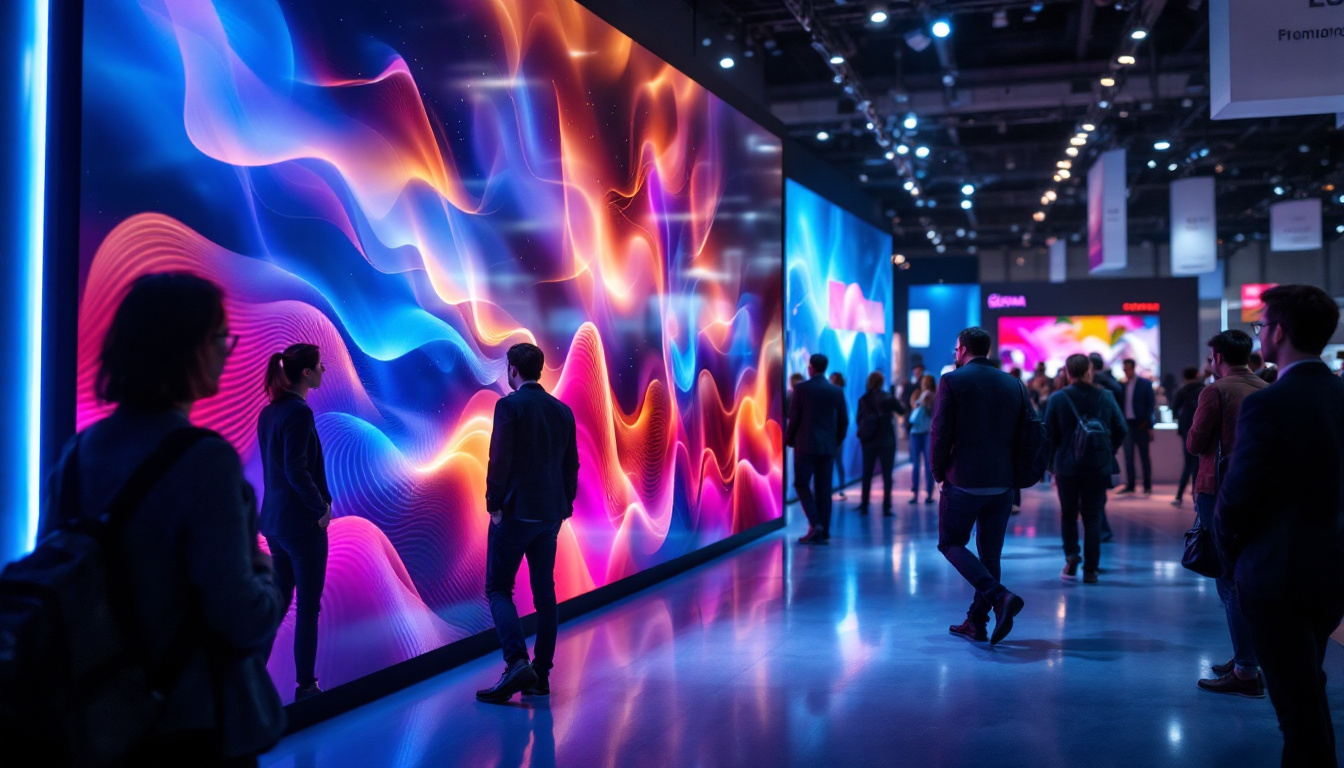
In corporate environments, LED signage is used for internal communications, branding, and digital wayfinding. Dynamic displays in lobbies and meeting rooms help convey company values and keep employees informed.
Educational institutions utilize LED signage to broadcast announcements, event schedules, and emergency alerts, fostering a connected and informed campus community.
Considerations When Choosing LED Digital Signage
Selecting the right LED signage solution requires careful evaluation of several factors to ensure optimal performance and return on investment.
Pixel Pitch and Resolution
Pixel pitch—the distance between the centers of adjacent pixels—determines the display’s resolution and viewing distance. Smaller pixel pitches (e.g., 1.5mm to 4mm) are suitable for indoor displays viewed up close, delivering sharp images and fine detail. Larger pixel pitches (e.g., 10mm and above) are designed for outdoor use where viewers are farther away.
Understanding the intended viewing environment is crucial to selecting a pixel pitch that balances image quality and cost.
Brightness and Weather Resistance
Outdoor LED displays must offer high brightness levels, typically above 5,000 nits, to remain visible under direct sunlight. Additionally, they require robust weatherproofing to withstand rain, dust, and temperature extremes. Look for displays with IP65 or higher ratings to ensure durability in harsh environments.
Content Management Systems (CMS)
A user-friendly CMS is essential for managing and scheduling content efficiently. Advanced CMS platforms support features such as remote updates, multi-user access, analytics, and integration with external data sources like social media or weather feeds. Choosing a CMS that aligns with operational needs can significantly enhance the effectiveness of LED signage.
Installation and Maintenance
Proper installation is critical for safety and performance. Consider factors such as mounting structures, electrical requirements, and accessibility for maintenance. Partnering with experienced installers and service providers can mitigate risks and ensure long-term reliability.
The Future of LED Digital Signage
As technology advances, LED digital signage continues to evolve, integrating new features and capabilities that expand its potential.
Integration with Artificial Intelligence and IoT
Artificial intelligence (AI) and the Internet of Things (IoT) are transforming LED signage into interactive and adaptive platforms. AI-powered analytics can tailor content based on audience demographics, behavior, and environmental conditions, enhancing personalization and engagement.
IoT connectivity enables signage to communicate with other devices, such as sensors and mobile apps, creating seamless and context-aware experiences. For example, a retail display might adjust promotions based on real-time inventory or customer foot traffic patterns.
Advancements in Display Technology
Emerging technologies like microLED and transparent LED displays promise even greater brightness, energy efficiency, and design flexibility. MicroLEDs offer superior color accuracy and contrast without the burn-in issues associated with OLEDs, making them ideal for high-end applications.
Transparent LED screens enable innovative architectural integrations, allowing digital content to be displayed on glass surfaces without obstructing views, which is gaining popularity in retail and corporate environments.
Sustainability and Environmental Impact
With growing emphasis on sustainability, manufacturers are developing eco-friendly LED signage solutions that use recyclable materials and reduce energy consumption further. Additionally, smart power management systems can dim or turn off displays when not needed, minimizing environmental footprint.
Conclusion
LED digital signage represents a versatile and impactful medium that continues to redefine visual communication across industries. Its combination of brightness, durability, energy efficiency, and flexibility makes it an indispensable tool for businesses seeking to engage audiences effectively.
By understanding the technology, benefits, and applications of LED displays, organizations can make informed decisions that maximize their investment and harness the full potential of digital signage. As innovations continue to emerge, LED signage is poised to become even more integral to the future of advertising, information dissemination, and interactive experiences.
Discover LumenMatrix’s Innovative LED Display Solutions
Ready to elevate your visual communication strategy with the latest in LED display technology? LumenMatrix offers a comprehensive range of LED display modules designed to captivate your audience and amplify your brand’s presence. From Indoor and Outdoor LED Walls to specialized solutions like Vehicle Displays, LED Posters, and Transparent Displays, our products are crafted to deliver unparalleled visual experiences. Embrace the future of digital signage with LumenMatrix and transform your space into a dynamic canvas. Check out LumenMatrix LED Display Solutions today and see how our commitment to innovation can illuminate your message with clarity and impact.