In the ever-evolving world of digital displays, LED technology stands out as a dominant force, revolutionizing how information and visuals are presented across various industries. Among the many facets of LED displays, the concept of “Scan Led” plays a crucial role in determining display quality, efficiency, and application suitability. This comprehensive article delves into the fundamentals of Scan Led technology, exploring its mechanisms, types, advantages, and practical applications to provide a clear understanding for professionals, enthusiasts, and decision-makers alike.
Understanding LED Displays: The Basics
LED, or Light Emitting Diode, displays have become ubiquitous in modern digital signage, television screens, and large-scale video walls. Unlike traditional LCD or plasma screens, LED displays use tiny diodes that emit light when an electric current passes through them, offering superior brightness, contrast, and energy efficiency.
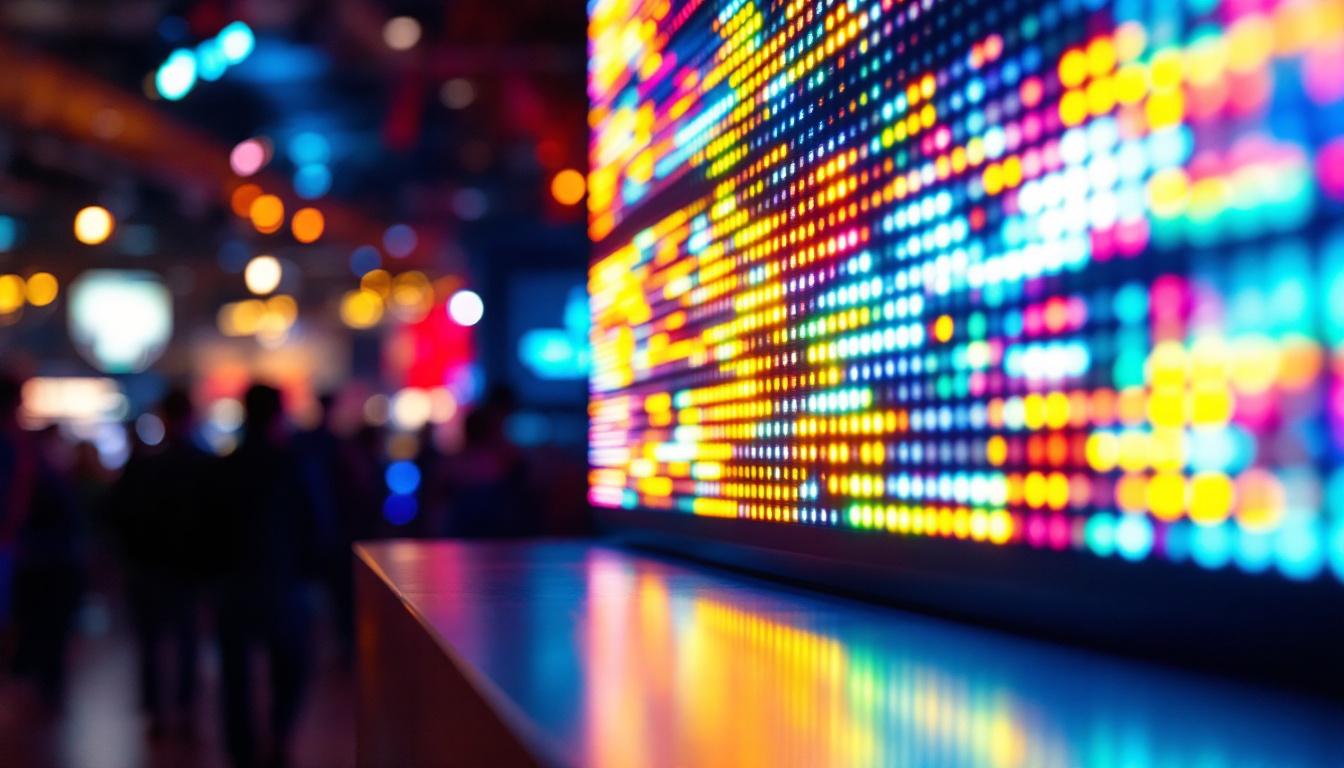
At the core of an LED display is an array of pixels, each composed of red, green, and blue LEDs. By varying the intensity of these LEDs, the display can produce millions of colors, rendering vivid and dynamic images. The way these pixels are controlled and refreshed is where Scan Led technology comes into play.
One of the most significant advantages of LED displays is their ability to maintain high visibility even in bright outdoor environments. This capability is largely due to their high luminance and contrast ratios, which allow them to stand out against sunlight and other ambient light conditions. As a result, LED displays are often used for billboards, sports arenas, and public transportation systems, where clear visibility is crucial for effective communication. Additionally, advancements in weatherproofing technologies have made it possible to deploy LED displays in a variety of outdoor settings without compromising their performance or longevity.
Moreover, LED displays are not just limited to static images or videos; they can also be integrated with interactive technologies. This opens up a realm of possibilities for user engagement, allowing viewers to interact with the content displayed. For example, touch-sensitive LED screens can be used in retail environments to provide customers with information about products or promotions, enhancing the shopping experience. Furthermore, the integration of sensors and software can enable dynamic content that changes based on audience behavior or environmental factors, making LED displays a versatile tool for marketers and communicators alike.
What is Scan Led Technology?
Scan Led refers to the method by which the LED display’s pixels are driven or refreshed. Unlike direct drive systems where each pixel is individually controlled, Scan Led systems use multiplexing techniques to manage groups of LEDs, scanning through them sequentially to create the full image.
This scanning process is essential for reducing the number of control circuits needed, lowering production costs, and enabling larger displays without compromising performance. However, the scanning approach also influences display brightness, refresh rates, and potential visual artifacts, making it a critical consideration in LED display design.
How Scan Led Works
In a Scan Led setup, the display is divided into sections or rows. Instead of powering all LEDs simultaneously, the controller activates one row (or group of rows) at a time in rapid succession. This rapid scanning happens so quickly that the human eye perceives a stable, continuous image due to persistence of vision.
The number of rows scanned at once is referred to as the “scan ratio.” For example, a 1/4 scan means that the display is divided into four groups, and one group is lit at a time. The higher the scan ratio denominator, the fewer LEDs are lit simultaneously, which affects brightness and power consumption.
Moreover, the choice of scan ratio has implications for the overall performance of the display. A lower scan ratio, such as 1/8 or 1/16, allows for more rows to be lit at once, which can enhance brightness and improve the overall image quality, especially in environments with high ambient light. However, this comes at the cost of increased power consumption and potential overheating issues, which manufacturers must carefully manage to ensure longevity and reliability of the display.
Additionally, advancements in Scan Led technology have led to innovations such as dynamic scanning and adaptive brightness control. These features allow displays to adjust their scanning patterns and brightness levels based on the content being displayed or the surrounding light conditions. This not only enhances the viewing experience by providing clearer images but also contributes to energy savings, making Scan Led technology increasingly popular in both commercial and residential applications.
Types of Scan Led Systems
Scan Led technology can be categorized based on the scan ratio and the driving method used. Understanding these types helps in selecting the right display for specific applications.
1/1 Scan (Direct Drive)
Also known as static drive, the 1/1 scan means all LEDs are driven simultaneously. This method provides the highest brightness and best image quality since every pixel is constantly lit. However, it requires more complex circuitry and higher power consumption, making it more expensive and suitable for smaller displays or high-end applications.
1/2, 1/4, 1/8, and Higher Scan Ratios
These represent multiplexed scanning methods where only a fraction of the rows are lit at any given time. For example, a 1/8 scan lights one out of eight rows sequentially. These systems are more cost-effective and consume less power but may sacrifice brightness and image uniformity.
Higher scan ratios are commonly used in large outdoor displays, billboards, and event screens where size and budget constraints are significant factors.
Advantages and Trade-offs
Choosing between different Scan Led types involves balancing brightness, cost, power efficiency, and image quality. While direct drive offers superior performance, multiplexed scanning enables scalability and affordability, making LED displays accessible for a broader range of uses.
Key Performance Factors Influenced by Scan Led
The scanning method impacts several critical aspects of LED display performance, which are essential for users to consider when specifying or purchasing a display.
Brightness and Power Consumption
Since multiplexed Scan Led systems light fewer LEDs simultaneously, the overall brightness is lower compared to direct drive displays. However, this also means reduced power consumption, which is advantageous for energy efficiency and operational costs, especially in large installations.
Refresh Rate and Flicker
The speed at which the display scans through rows affects the refresh rate. A higher scan ratio can lead to lower refresh rates, potentially causing flicker that is noticeable in video recordings or to sensitive viewers. Modern LED controllers often incorporate advanced driving circuits to mitigate flicker, ensuring smooth and stable images.
Color Uniformity and Image Quality
Multiplexing can introduce slight variations in brightness and color across the display due to the sequential lighting of rows. High-quality Scan Led systems employ calibration and compensation techniques to maintain consistent color uniformity and sharpness.
Applications of Scan Led Displays
The versatility of Scan Led technology has led to its adoption in various sectors, each with unique requirements influencing the choice of scan type and display specifications.
Outdoor Advertising and Billboards
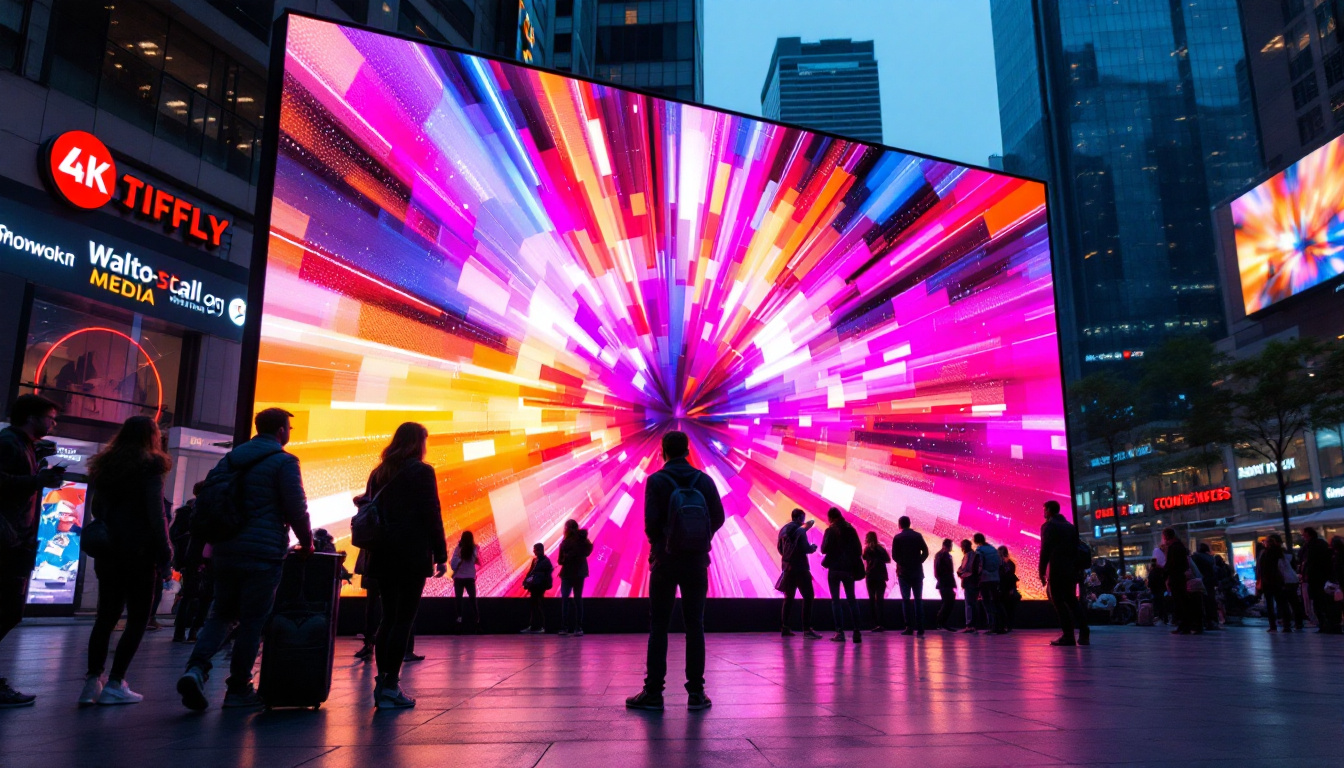
Large-format LED billboards benefit from multiplexed Scan Led systems due to their cost-effectiveness and scalability. These displays prioritize brightness and visibility in daylight, with scan ratios optimized to balance power consumption and image quality.
Event and Stage Displays
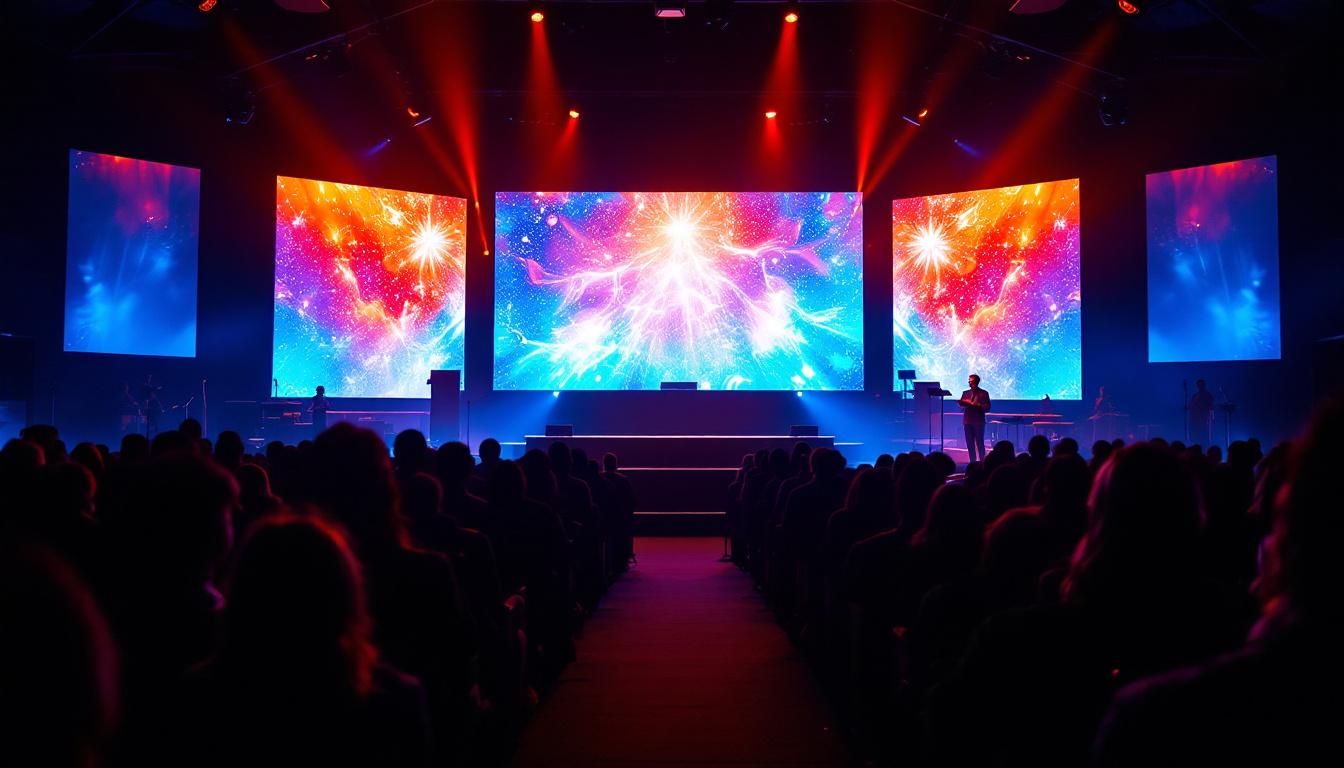
Concerts, sports arenas, and live events utilize LED video walls that often employ Scan Led technology. The ability to create massive, seamless screens with vibrant visuals is crucial, and direct drive or low scan ratio systems are preferred to ensure high brightness and minimal flicker.
Retail and Indoor Signage
Indoor LED displays, such as digital menu boards and informational kiosks, typically use Scan Led systems with moderate scan ratios. These displays focus on sharp image quality and color accuracy in controlled lighting environments.
Transportation and Public Information
LED displays in airports, train stations, and highways rely on Scan Led technology for clear, readable information. Durability, energy efficiency, and visibility under varying light conditions are key considerations.
Recent Innovations and Trends in Scan Led Technology
Advancements in LED materials, driving electronics, and software algorithms continue to enhance Scan Led displays, pushing the boundaries of performance and application.
Mini-LED and Micro-LED Integration
Emerging technologies like Mini-LED and Micro-LED offer higher pixel densities and improved brightness control. These innovations complement Scan Led driving methods by enabling finer scanning granularity and better image fidelity, especially in compact and high-resolution displays.
Improved Driving Circuits and Algorithms
Modern Scan Led controllers incorporate sophisticated algorithms to optimize refresh rates, reduce flicker, and enhance color calibration. These improvements allow multiplexed displays to approach the image quality of direct drive systems while maintaining cost and power advantages.
Smart and Adaptive Displays
Integration with IoT and AI technologies enables Scan Led displays to adapt brightness and content dynamically based on ambient conditions and viewer engagement, improving user experience and energy efficiency.
Choosing the Right Scan Led Display: Practical Considerations
Selecting an appropriate Scan Led display involves evaluating several factors aligned with the intended use case, budget, and environmental conditions.
Assessing Brightness Requirements
Outdoor applications demand high brightness levels, often exceeding 5,000 nits, which may necessitate lower scan ratios or direct drive systems. Indoor environments can suffice with lower brightness, allowing for higher scan ratios and energy savings.
Evaluating Resolution and Pixel Pitch
Pixel pitch—the distance between LED pixels—affects image sharpness. Smaller pixel pitches require more precise driving and scanning methods to maintain image quality, influencing the choice of Scan Led technology.
Considering Power and Maintenance
Energy consumption impacts operational costs, especially for large installations. Multiplexed Scan Led displays generally offer better power efficiency. Additionally, modular designs facilitate easier maintenance and scalability.
Budget and Longevity
While direct drive displays come with higher upfront costs, their superior performance may justify the investment in critical applications. Multiplexed Scan Led displays provide a cost-effective alternative for less demanding environments.
Conclusion
Scan Led technology is a foundational element in the design and operation of LED displays, influencing everything from image quality to cost and energy efficiency. By understanding the principles behind Scan Led driving methods, their types, and performance implications, stakeholders can make informed decisions tailored to their specific needs.
As LED technology continues to advance, the integration of innovative materials and intelligent control systems promises even greater capabilities for Scan Led displays, ensuring their relevance and dominance in the digital display landscape for years to come.
Explore Cutting-Edge LED Displays with LumenMatrix
Ready to elevate your visual experience with the latest in LED display technology? LumenMatrix is at the forefront of innovation, offering a diverse range of LED display solutions tailored to meet your specific needs. From captivating Indoor and Outdoor LED Wall Displays to dynamic Vehicle and Sports LED Displays, our products are designed to make your brand shine. Discover the transformative power of LED displays and how LumenMatrix can help you communicate with impact. Check out LumenMatrix LED Display Solutions today and step into the future of digital signage.