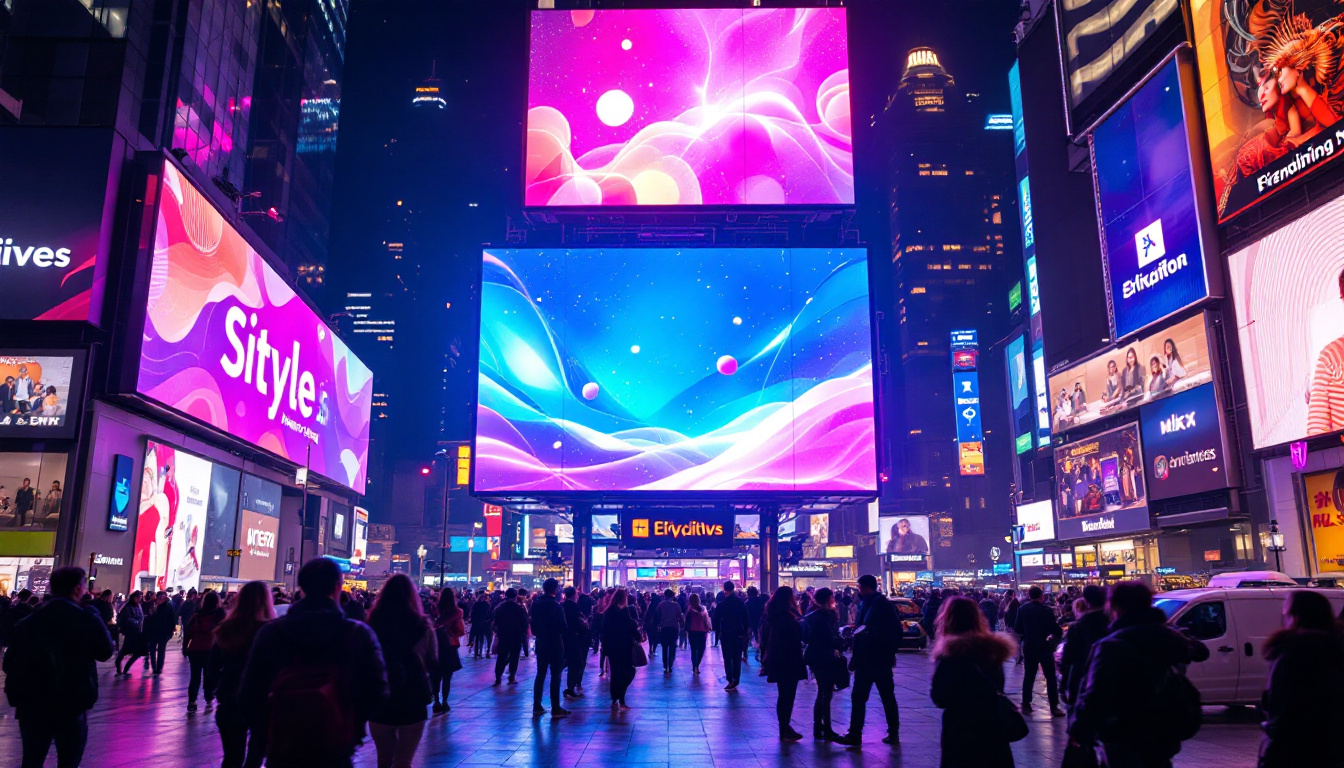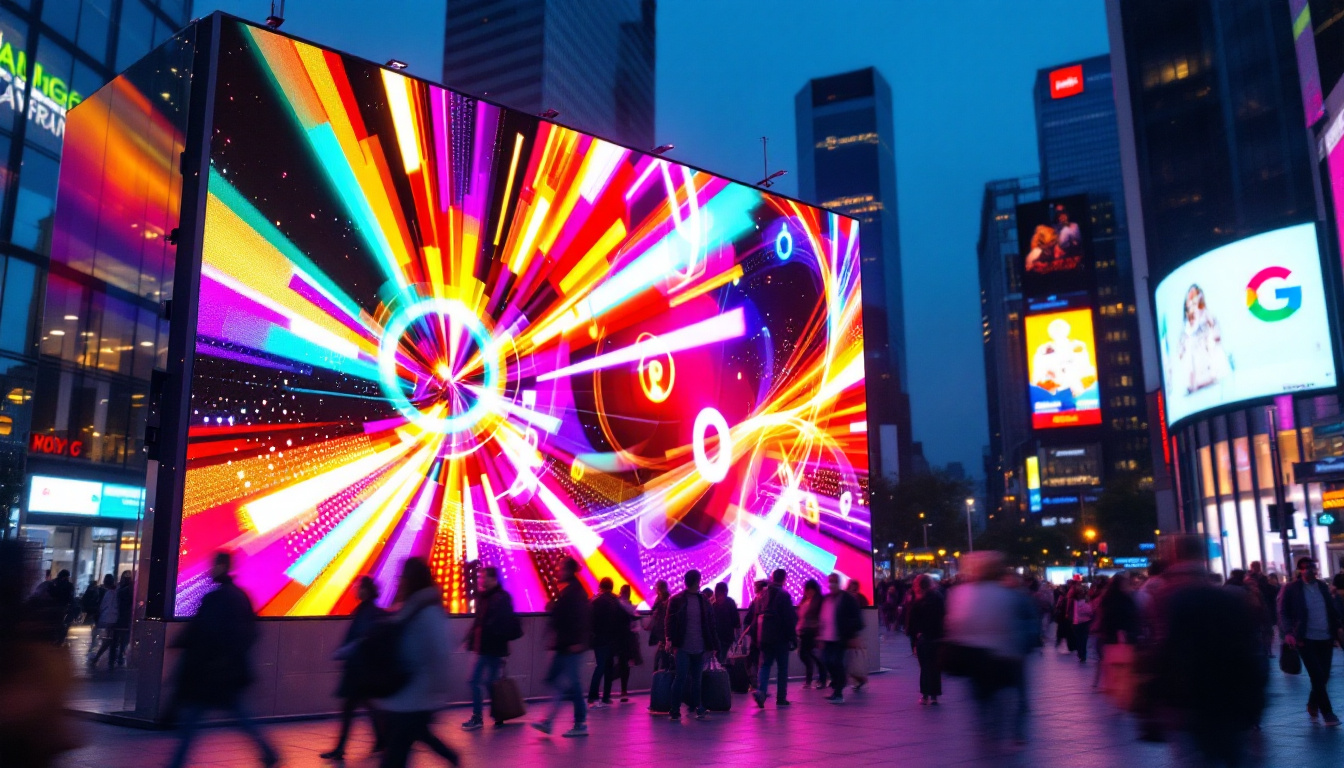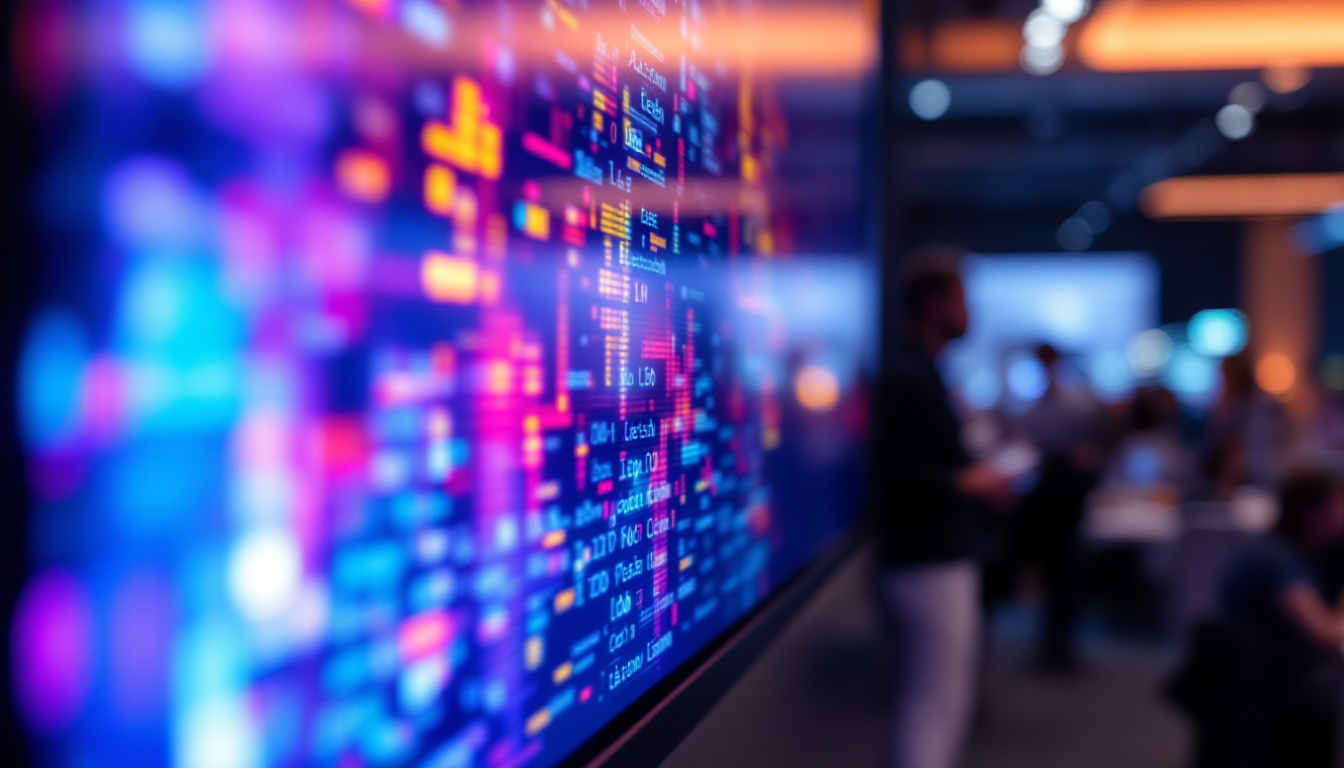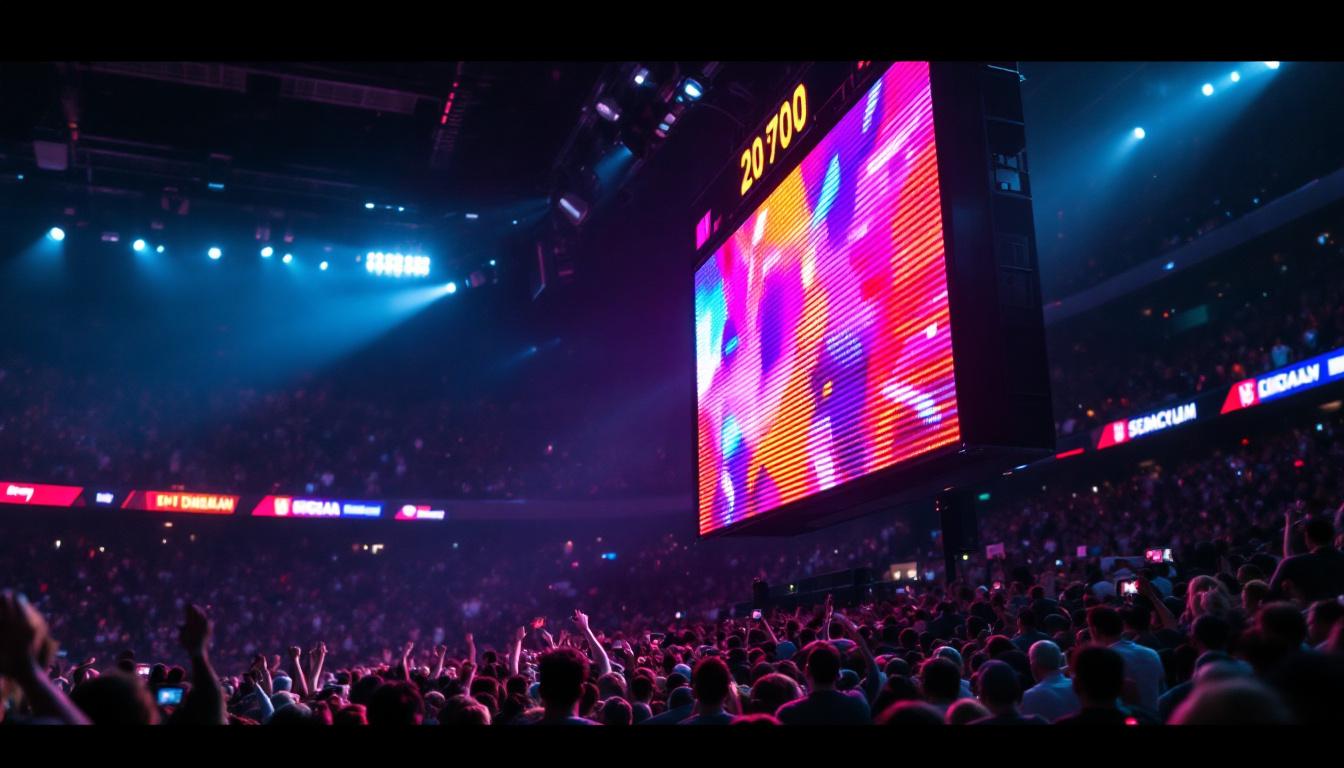
In the world of sports and event management, the scoreboard is more than just a tool for displaying scores—it is a central piece of technology that enhances the spectator experience, provides real-time information, and adds a dynamic visual element to any venue. Over recent years, LED display technology has revolutionized the design and functionality of scoreboard systems, making them more versatile, vibrant, and reliable than ever before. This article delves into the intricacies of LED scoreboard systems, exploring how they work, their benefits, and why they have become the standard choice for modern sports arenas and event spaces.
Understanding LED Display Technology in Scoreboards
What is an LED Display?
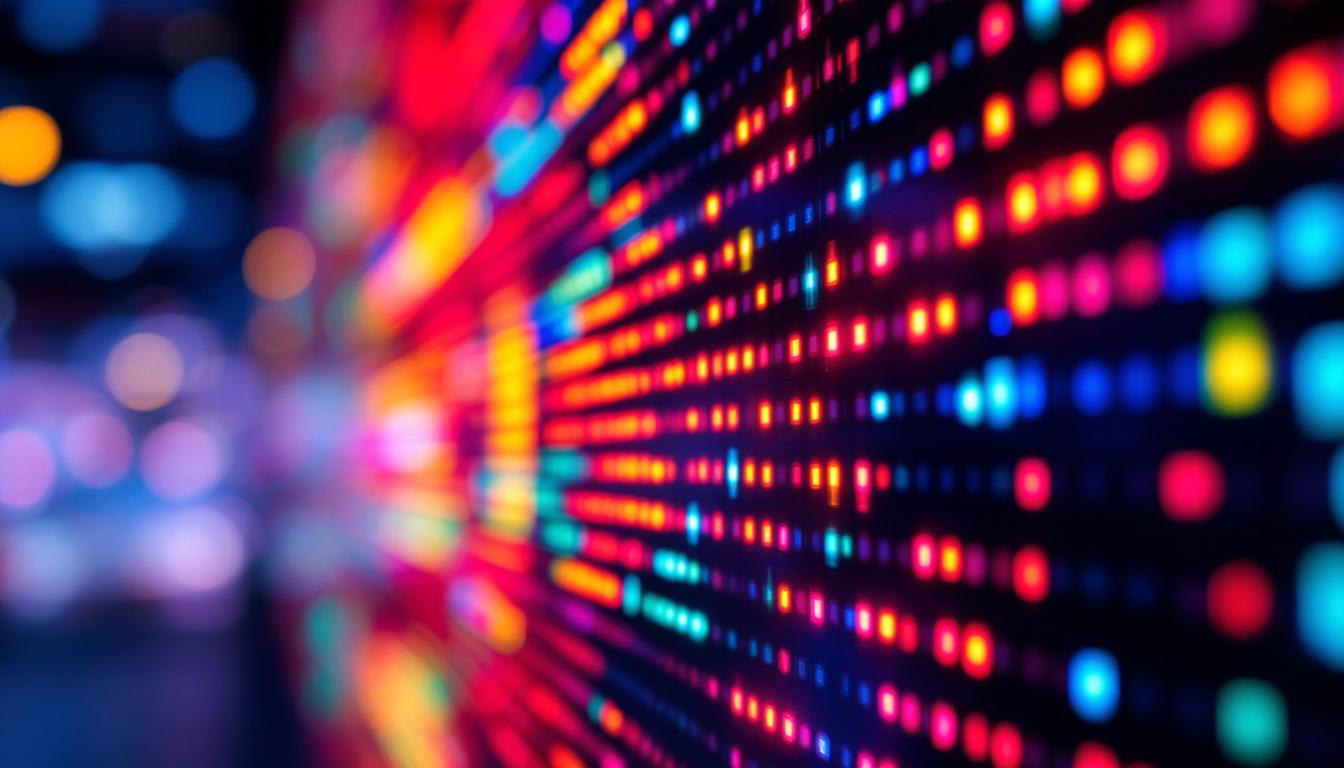
LED, or Light Emitting Diode, displays consist of numerous tiny diodes that emit light when an electric current passes through them. Unlike traditional scoreboard technologies such as incandescent bulbs or LCD screens, LEDs offer superior brightness, energy efficiency, and longevity. This makes them ideal for environments where visibility and durability are critical, such as outdoor sports venues exposed to varying weather conditions.
LED displays can be configured in various pixel densities and sizes, allowing for high-resolution images and text to be shown clearly from long distances. This flexibility is crucial for scoreboards, which must communicate scores, player stats, game clocks, and sometimes advertisements or animations in a visually appealing and easily readable format. Additionally, the rapid response time of LEDs enables dynamic content updates, making it possible to display real-time statistics and highlights during fast-paced games, enhancing the overall spectator experience.
Types of LED Scoreboards
LED scoreboards come in several configurations, tailored to different sports and venue requirements. The most common types include:
- Fixed LED Scoreboards: These are permanently installed in stadiums or gymnasiums and are designed to withstand long-term exposure to the elements.
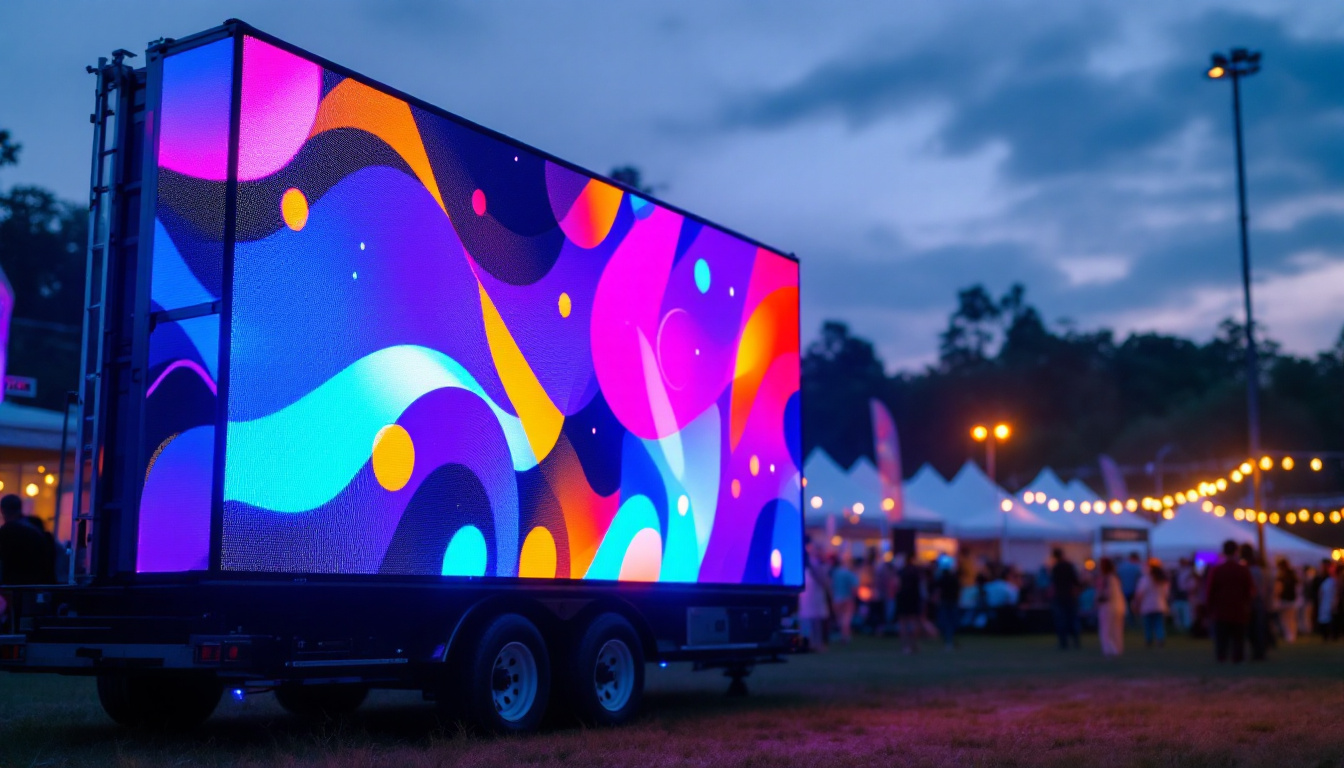
- Portable LED Scoreboards: Used for temporary events or smaller venues, these units are mobile and can be set up or dismantled quickly.
- Indoor LED Scoreboards: Optimized for indoor lighting conditions, these displays focus on color accuracy and brightness levels suitable for enclosed spaces.
- Outdoor LED Scoreboards: Built with weatherproof materials and higher brightness levels to combat sunlight glare and harsh weather.
Each type is engineered to meet specific performance criteria, ensuring optimal visibility and reliability regardless of the environment. Furthermore, advanced features such as wireless connectivity and integration with digital content management systems allow operators to update scores and graphics remotely, streamlining the process and reducing the need for manual intervention. This capability is particularly beneficial during high-stakes events where timely updates are essential for maintaining audience engagement.
Moreover, the evolution of LED technology has led to the introduction of customizable scoreboards that can be tailored to the unique branding and aesthetic needs of different teams or venues. These scoreboards often incorporate vibrant colors and animations that not only display scores but also enhance the overall atmosphere of the event. As a result, they serve not just as functional tools but also as integral components of the entertainment experience, captivating fans and creating a more immersive environment.
Key Components of an LED Scoreboard System
LED Modules and Panels
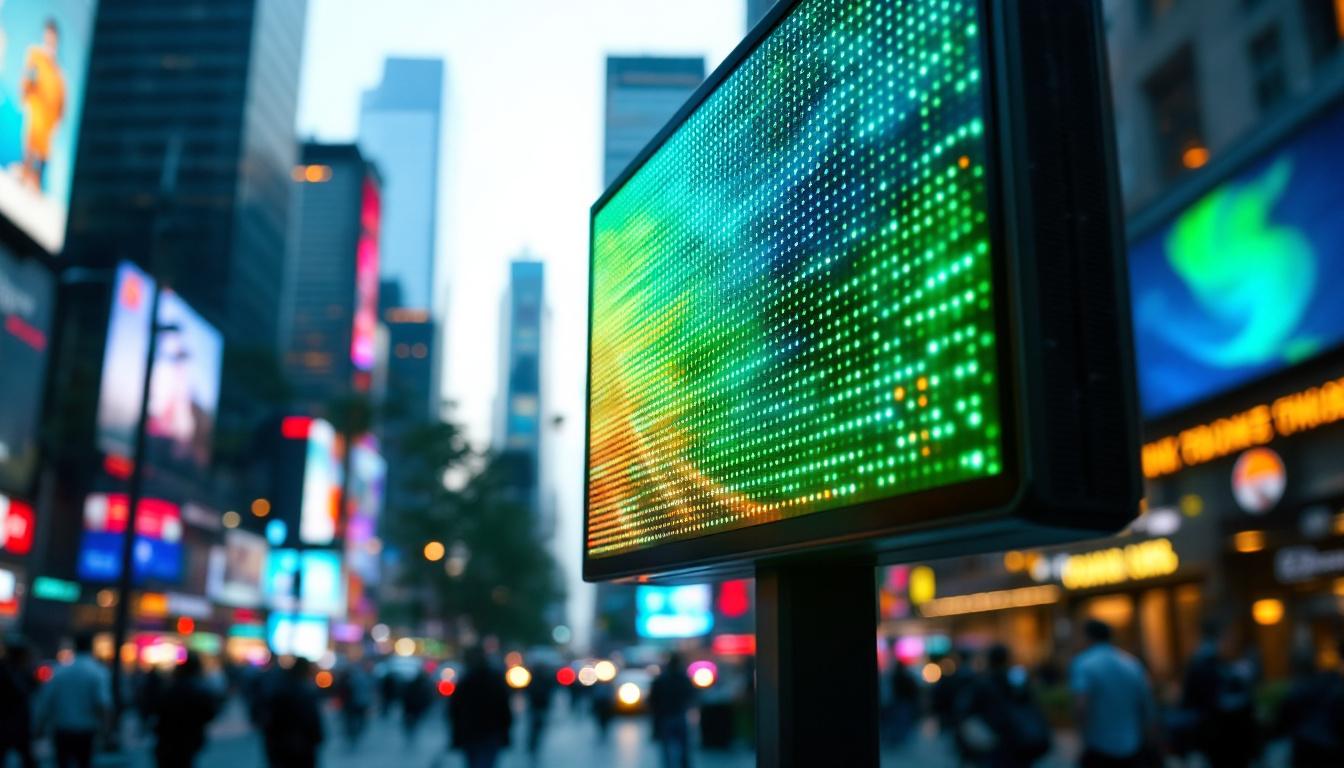
The core of any LED scoreboard is its modules—small panels that contain arrays of LEDs arranged in a grid. These modules are combined to create the full display surface. The resolution of the scoreboard depends on the pixel pitch, which is the distance between the centers of two adjacent LEDs. A smaller pixel pitch means higher resolution and sharper images, which is particularly important for displaying detailed graphics or video content.
Modern scoreboards often use SMD (Surface-Mounted Device) LEDs, which allow for a compact design and excellent color uniformity. This technology supports vibrant colors and smooth transitions, enhancing the visual appeal of the scoreboard.
Control System and Software
Behind the scenes, a sophisticated control system manages the content displayed on the scoreboard. This includes hardware such as controllers and processors, as well as specialized software that allows operators to input scores, update game clocks, and display additional information like player statistics or advertisements.
Many LED scoreboard systems now feature user-friendly interfaces accessible via computers, tablets, or even smartphones. This flexibility enables quick updates and remote control, which is invaluable during fast-paced games or events where information changes rapidly.
Power Supply and Cooling
LED scoreboards require a reliable power supply to maintain consistent brightness and performance. Efficient power management systems ensure that the display operates smoothly without flickering or dimming. Additionally, LED modules generate heat during operation, so effective cooling mechanisms—such as built-in fans or heat sinks—are essential to prevent overheating and prolong the lifespan of the components.
Advantages of LED Scoreboard Systems
Superior Visibility and Brightness
One of the most significant benefits of LED scoreboards is their exceptional brightness. LEDs can produce light levels far exceeding those of traditional bulbs, making the display clearly visible even in direct sunlight. This is particularly important for outdoor stadiums where ambient lighting conditions can vary dramatically throughout the day.
The high contrast ratio of LED displays also enhances readability, ensuring that scores and information stand out sharply against the background. This clarity improves the spectator experience by making it easy to follow the game from any seat in the venue.
Energy Efficiency and Longevity
LED technology is renowned for its energy efficiency. Compared to incandescent or fluorescent lighting, LEDs consume significantly less power, which translates into lower operating costs for venues. This efficiency is not only environmentally friendly but also economically advantageous, especially for large scoreboards that operate for extended periods.
Moreover, LEDs have a long operational life, often exceeding 100,000 hours. This durability reduces maintenance requirements and replacement costs, making LED scoreboards a smart investment for sports facilities aiming for long-term reliability.
Customization and Versatility
Modern LED scoreboard systems offer extensive customization options. Beyond displaying scores and timers, they can showcase animations, video replays, sponsor advertisements, and interactive content. This versatility allows venues to engage audiences more effectively and generate additional revenue streams through advertising.
Furthermore, LED scoreboards can be integrated with other technologies such as sound systems, lighting controls, and broadcast equipment, creating a cohesive and immersive event environment.
Applications of LED Scoreboard Systems
Sports Venues
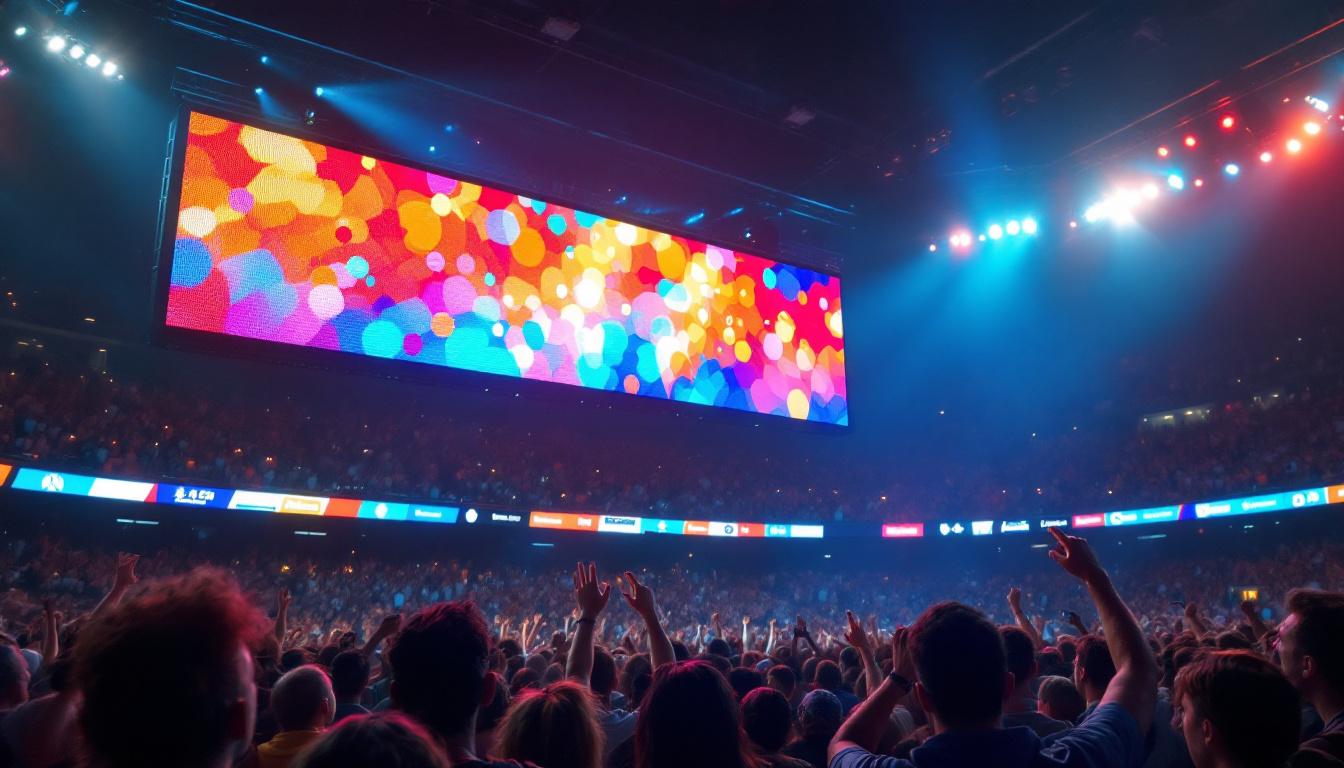
The primary application of LED scoreboards is in sports arenas and stadiums. From professional football and basketball leagues to local community sports, LED scoreboards provide essential real-time information that keeps fans informed and engaged. High-profile events like the FIFA World Cup and the NBA Finals utilize cutting-edge LED scoreboards to enhance the viewing experience both in the stadium and for broadcast audiences worldwide.
In addition to scores and game clocks, these systems often display player statistics, instant replays, and promotional content, making them a central feature of modern sports entertainment.
Event and Concert Venues
Beyond sports, LED scoreboards are increasingly used in concerts, festivals, and other live events. They serve as dynamic information hubs, displaying schedules, artist information, and interactive content to engage attendees. Their ability to produce vivid visuals and adapt quickly to changing event needs makes them invaluable in these settings.
Educational Institutions and Recreational Facilities
Schools, colleges, and recreational centers also benefit from LED scoreboard systems. These displays support athletic programs by providing clear and professional-grade scorekeeping, while also enhancing the overall atmosphere during games and tournaments. The affordability and scalability of LED technology have made it accessible to a wide range of institutions.
Installation and Maintenance Considerations
Site Assessment and Custom Design
Installing an LED scoreboard requires careful planning and site assessment. Factors such as viewing distance, ambient lighting, mounting options, and power availability influence the design and placement of the display. Custom solutions are often necessary to ensure optimal performance and integration with existing infrastructure.
Professional installation teams work closely with venue operators to tailor the scoreboard system to specific needs, balancing size, resolution, and functionality.
Routine Maintenance and Troubleshooting
While LED scoreboards are generally low-maintenance, regular inspections and cleaning are essential to preserve image quality and prevent technical issues. Maintenance routines typically include checking electrical connections, cleaning LED surfaces to remove dust and debris, and verifying cooling systems are functioning correctly.
Advanced LED systems often come with diagnostic tools that alert operators to potential faults, enabling proactive troubleshooting and minimizing downtime during events.
The Future of LED Scoreboard Systems
Integration with Smart Technologies
The future of LED scoreboards is closely tied to advancements in smart technology and connectivity. Integration with IoT (Internet of Things) devices allows for real-time data feeds, automated updates, and enhanced interactivity. For example, scoreboards can automatically update based on live game data or synchronize with mobile apps to provide personalized content to fans.
Enhanced Visual Capabilities
Emerging LED technologies promise even higher resolutions, improved color accuracy, and flexible form factors. Transparent and curved LED displays are already being explored, offering new possibilities for immersive and innovative scoreboard designs. These advancements will further elevate the spectator experience and expand the creative potential of event presentations.
Sustainability and Energy Innovations
As environmental concerns grow, manufacturers are focusing on making LED scoreboard systems even more energy-efficient and sustainable. Innovations in power management, recyclable materials, and solar-powered solutions are on the horizon, aligning with global efforts to reduce the carbon footprint of large-scale venues.
Conclusion
LED scoreboard systems have transformed the way scores and information are displayed in sports and event venues. Their superior brightness, energy efficiency, and versatility make them an indispensable component of modern stadiums, arenas, and event spaces. By understanding the technology behind LED displays, their applications, and maintenance needs, venue operators can make informed decisions that enhance the fan experience and ensure long-term operational success.
As LED technology continues to evolve, the future promises even more dynamic, interactive, and sustainable scoreboard solutions that will redefine the spectator experience for years to come.
Discover the Future of LED Scoreboards with LumenMatrix
Ready to elevate your venue’s spectator experience with the latest in LED display technology? LumenMatrix is at the forefront of innovation, offering a comprehensive range of LED display solutions tailored to your unique needs. From vibrant Indoor and Outdoor LED Wall Displays to engaging LED Sports Displays and beyond, our products are designed to captivate your audience and amplify your message. Experience the difference that cutting-edge technology can make. Check out LumenMatrix LED Display Solutions today and join the revolution in visual communication.