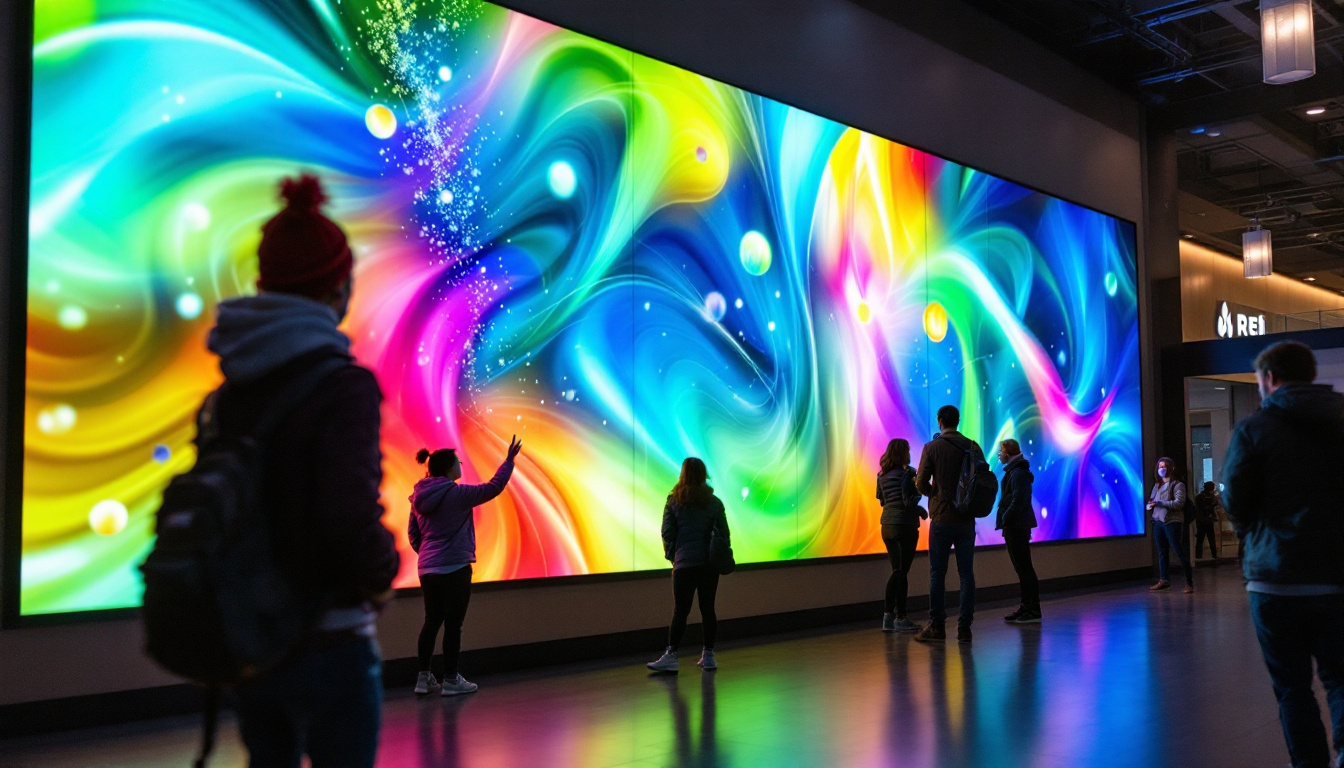
In today’s fast-paced digital world, display technology plays a crucial role in how information is presented and consumed. One of the most significant advancements in this domain is the development of LED displays with “always on” screen capabilities. These screens have transformed industries ranging from advertising and retail to transportation and public safety by offering continuous, vibrant, and reliable visual communication. This article delves into the technology behind always-on LED displays, their applications, benefits, and considerations for users and businesses alike.
Understanding LED Display Technology
LED, or Light Emitting Diode, technology has revolutionized the way screens function. Unlike traditional LCD or plasma displays, LED screens use an array of tiny diodes that emit light when an electrical current passes through them. This fundamental difference results in several advantages, including higher brightness, better energy efficiency, and longer lifespan. The advancements in LED technology have not only improved the quality of visual displays but have also paved the way for innovative applications across various industries, from advertising to medical imaging.
What Makes an LED Display “Always On”?
The term “always on” refers to screens designed to operate continuously without shutting off, dimming, or entering sleep mode. This capability is especially important in environments where constant visibility is critical, such as digital billboards, control rooms, and public information displays. Achieving this requires robust hardware capable of managing heat dissipation and power consumption effectively. The design of these displays often includes redundant systems to ensure that even in the event of a component failure, the display remains operational, thereby enhancing reliability.
Advanced LED displays incorporate specialized components like high-grade diodes, efficient cooling systems, and intelligent power management circuits. These features ensure the display maintains optimal performance and longevity even under 24/7 operation. Manufacturers often rate these screens with mean time between failures (MTBF) metrics to guarantee reliability for continuous use. Additionally, many “always on” displays are equipped with sensors that can adjust brightness based on ambient light conditions, further optimizing energy usage while ensuring visibility at all times.
Types of LED Displays
LED displays come in several forms, each suited to different applications:
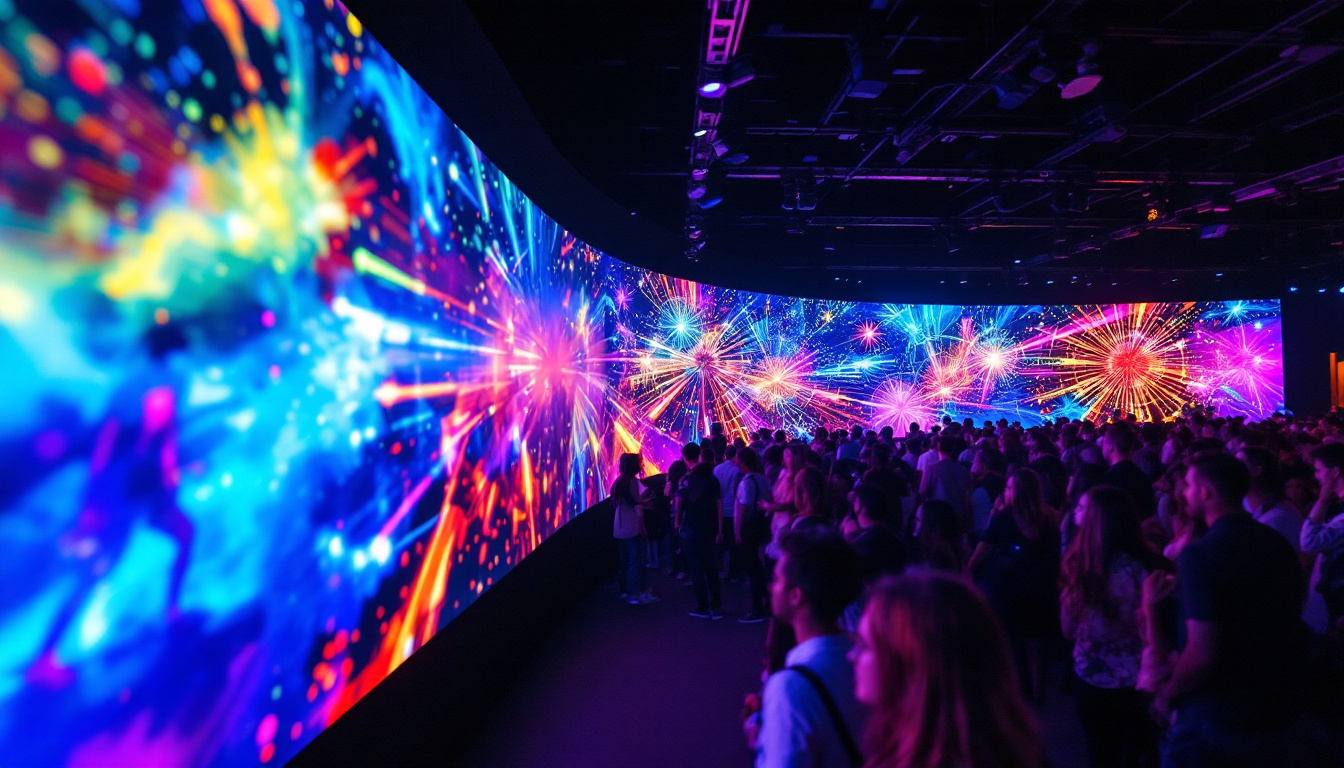
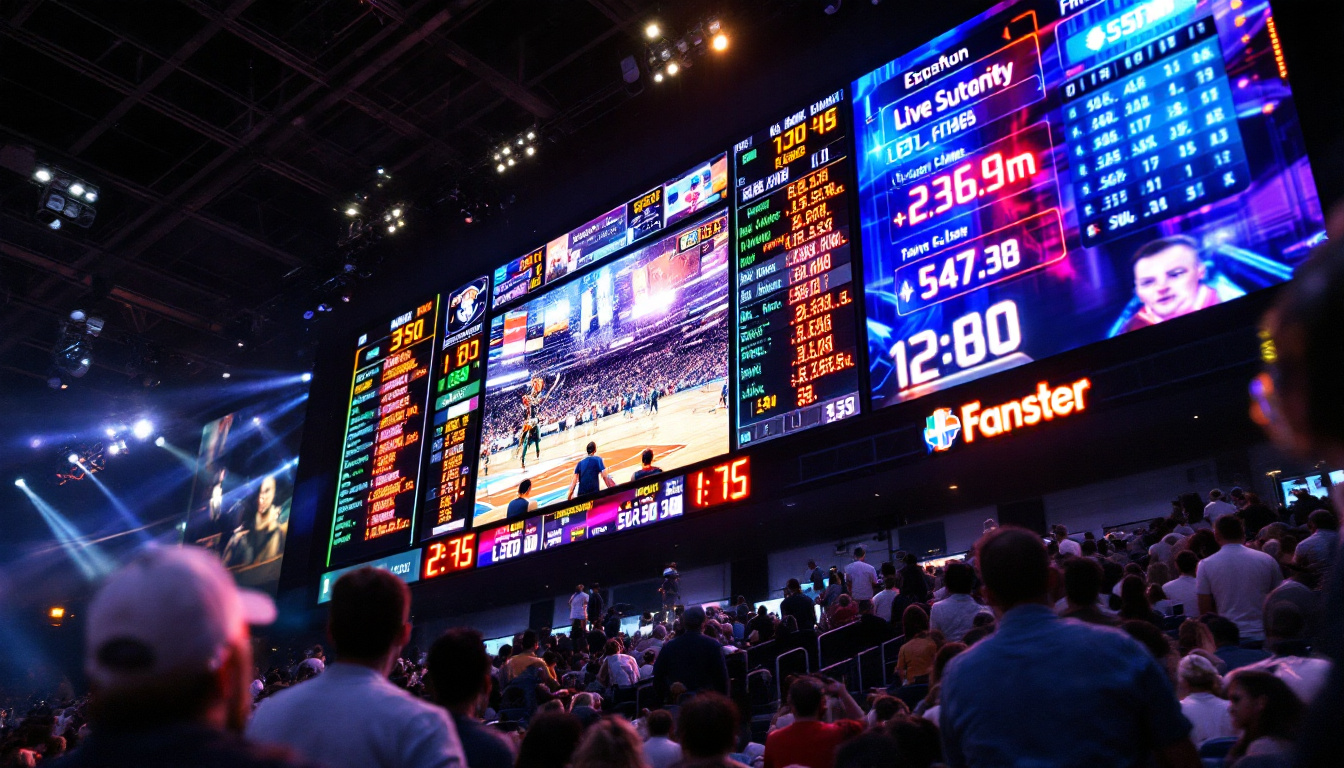
- Direct View LED (DVLED): These displays consist of individual LEDs forming pixels, offering exceptional brightness and contrast. They are ideal for large-scale outdoor and indoor screens, such as stadium displays and concert backdrops, where vivid colors and high visibility are paramount.
- Mini-LED and Micro-LED: Smaller LED variants that enable higher pixel density, resulting in sharper images. Micro-LED technology is emerging as a potential successor to OLED in premium displays, providing advantages such as faster response times and greater energy efficiency, making them suitable for everything from high-end televisions to immersive virtual reality environments.
- LED-backlit LCD: Traditional LCD panels illuminated by LED backlights, common in consumer electronics but not typically “always on” due to limitations in heat management. These displays are widely used in laptops and televisions, offering a balance between performance and cost, though they may not achieve the same level of brightness or color accuracy as pure LED displays.
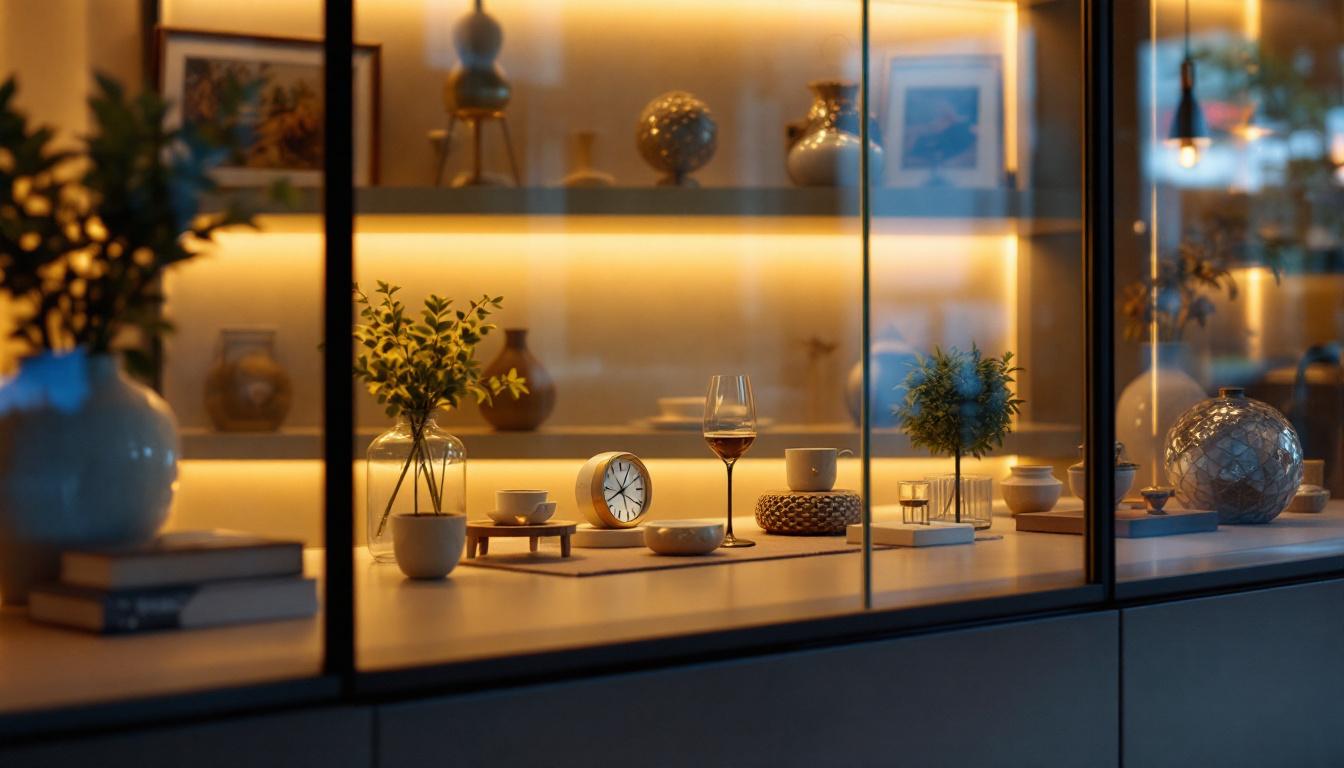
Another interesting category is the transparent LED display, which allows for the integration of digital content into glass surfaces. This innovation is particularly useful in retail environments, where businesses can showcase advertisements while still allowing visibility through the glass. As technology continues to evolve, we can expect even more creative applications of LED displays, enhancing both functionality and aesthetic appeal in various settings.
Applications of Always-On LED Displays
The ability to maintain screen visibility around the clock has opened up numerous practical uses across various sectors. The following are some of the most prominent applications where always-on LED displays make a significant impact.
Outdoor Advertising and Digital Billboards
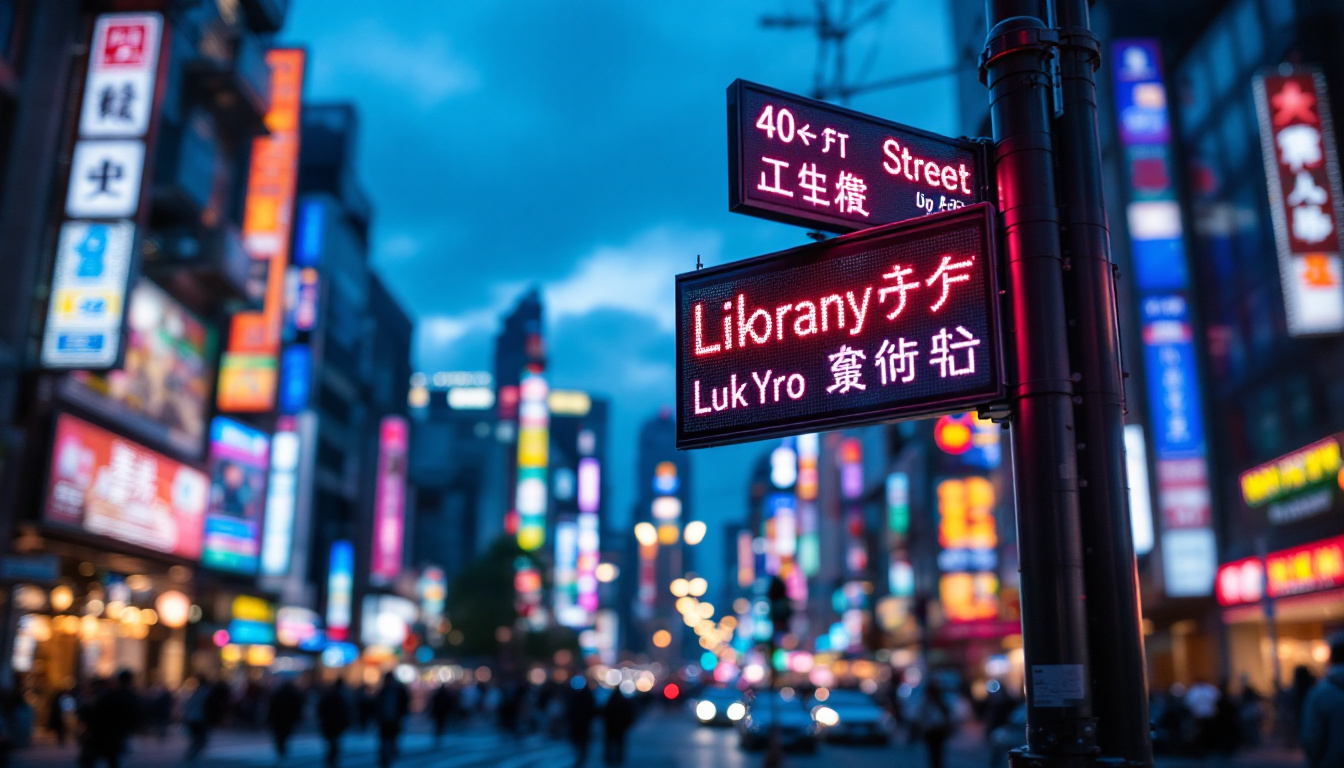
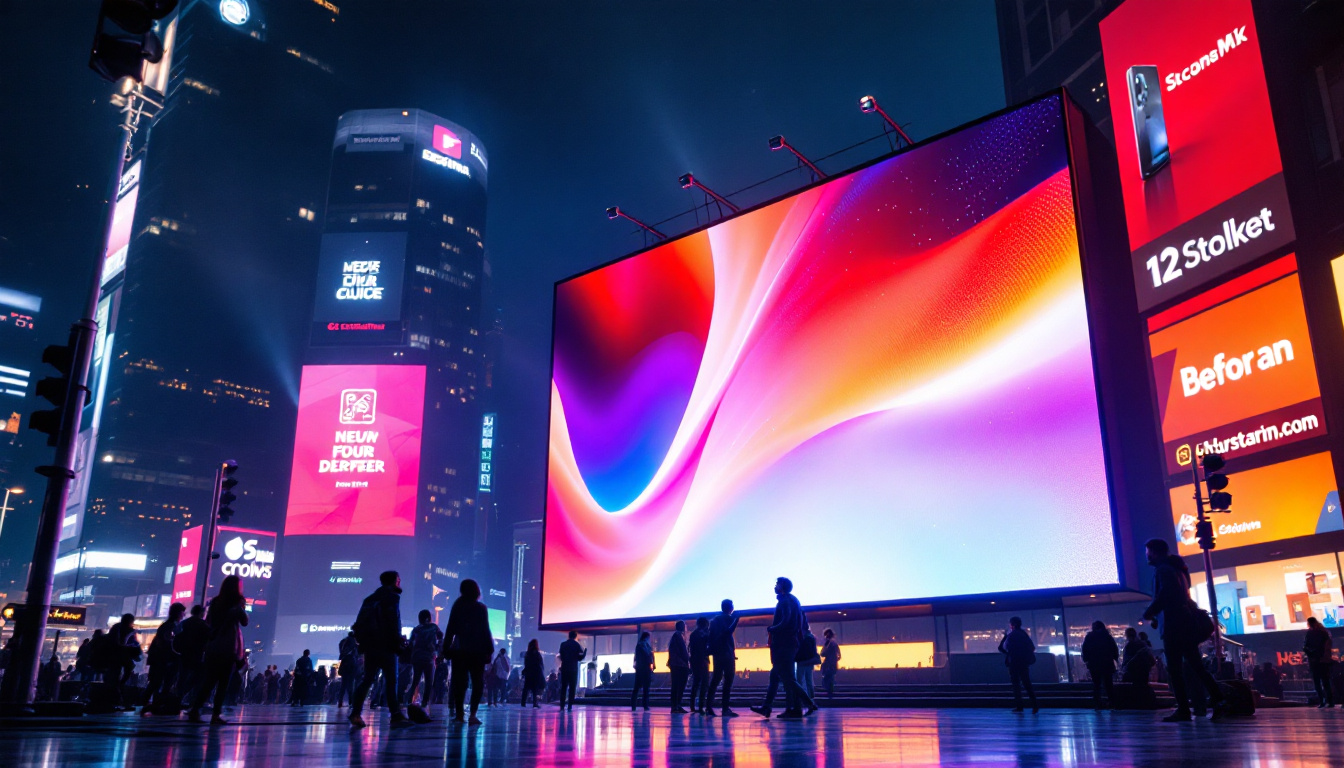
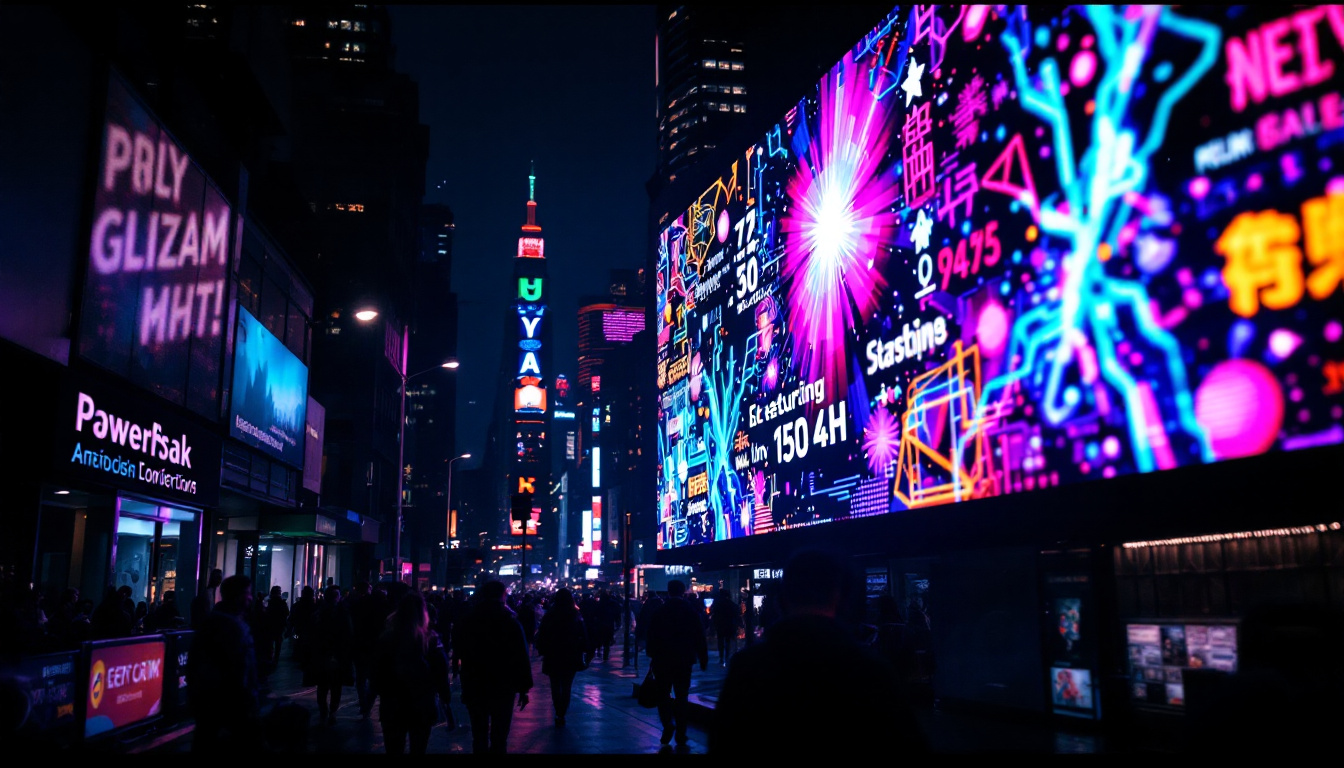
Outdoor advertising has evolved dramatically with the advent of LED technology. Digital billboards equipped with always-on LED screens provide advertisers with dynamic content capabilities, enabling real-time updates and interactive campaigns. According to a 2023 report by the Digital Signage Federation, digital billboards have increased engagement rates by over 30% compared to static signs.
These displays must endure harsh environmental conditions, including extreme temperatures, moisture, and direct sunlight. High-brightness LEDs ensure content remains visible even in broad daylight, while durable enclosures protect the electronics. Continuous operation is essential to maximize advertising reach and revenue, making always-on LED displays indispensable in this field.
Transportation Hubs and Public Information Systems
Airports, train stations, and bus terminals rely heavily on always-on LED displays to provide travelers with up-to-the-minute information. Flight departures, arrival times, gate changes, and emergency alerts are displayed on large LED screens that must remain operational 24/7.
The reliability of these screens is paramount; any downtime can lead to confusion and operational disruptions. Many transportation authorities invest in LED displays with redundant power supplies and remote monitoring systems to ensure uninterrupted service.
Retail and Hospitality Environments
Retailers and hospitality businesses use always-on LED displays to enhance customer experience and drive sales. From digital menu boards in fast-food chains to promotional screens in shopping malls, continuous operation allows for consistent messaging and brand presence.
Moreover, real-time content updates enable businesses to tailor promotions based on time of day, inventory levels, or special events. The flexibility and durability of LED displays make them a preferred choice over traditional print signage.
Control Rooms and Industrial Monitoring
In sectors such as manufacturing, utilities, and emergency services, control rooms depend on always-on LED video walls to monitor operations and respond swiftly to incidents. These displays provide high-resolution visuals of complex data streams, surveillance feeds, and system statuses.
The continuous operation of these screens ensures that critical information is always accessible to decision-makers. High reliability and minimal maintenance requirements are essential features for LED displays in these environments.
Benefits of Always-On LED Displays
Choosing an always-on LED display offers several advantages that can justify the investment for businesses and organizations.
Enhanced Visibility and Brightness
LED displays deliver superior brightness levels compared to other technologies, often reaching 1,000 nits or more. This makes them highly visible under various lighting conditions, including direct sunlight. The ability to remain on continuously ensures that messages are consistently communicated without interruption.
Energy Efficiency and Longevity
Modern LED technology is energy efficient, consuming less power than traditional lighting and display methods. Advances in diode materials and power management have further reduced energy consumption, which is critical for always-on applications to keep operational costs manageable.
Additionally, LEDs have a long operational lifespan, often exceeding 50,000 hours. This durability minimizes maintenance and replacement costs, making always-on LED displays a cost-effective solution over time.
Flexibility and Customization
LED displays can be manufactured in various sizes and shapes, from small indoor panels to massive outdoor video walls. Their modular design allows for easy scaling and customization to fit specific needs. Content can be updated remotely and instantly, enabling dynamic and targeted messaging.
Improved Safety and Reliability
Always-on LED displays contribute to safety in public spaces by providing real-time alerts and information. Their reliability is enhanced by features like redundant power supplies, automatic brightness adjustment, and remote diagnostics, reducing the risk of unexpected failures.
Considerations When Choosing Always-On LED Displays
While the benefits are substantial, selecting the right always-on LED display requires careful consideration of several factors to ensure optimal performance and return on investment.
Brightness and Viewing Distance
Determining the appropriate brightness level and pixel pitch depends on the intended viewing distance and environment. For outdoor use, higher brightness (above 5,000 nits) may be necessary, whereas indoor displays typically require lower brightness to avoid eye strain.
Pixel pitch—the distance between individual LEDs—affects image sharpness. Smaller pixel pitches provide higher resolution, suitable for close viewing, but come at a higher cost.
Durability and Environmental Protection
For outdoor installations, LED displays must be weatherproof, dustproof, and resistant to vandalism. Look for screens with IP65 or higher ratings to ensure protection against water and dust ingress.
Additionally, robust construction materials and secure mounting systems help maintain structural integrity over time.
Power Consumption and Heat Management
Continuous operation demands efficient power usage and effective heat dissipation. Displays with built-in cooling systems, such as fans or heat sinks, prevent overheating that can degrade performance and reduce lifespan.
Maintenance and Support
Consider the availability of technical support, warranty terms, and ease of maintenance. Modular designs that allow quick replacement of faulty components can minimize downtime and service costs.
The Future of Always-On LED Displays
LED display technology continues to evolve rapidly, promising even greater capabilities for always-on applications. Emerging innovations include micro-LEDs with ultra-high resolution, flexible and transparent LED panels, and integration with AI-driven content management systems.
As energy efficiency improves and manufacturing costs decrease, always-on LED displays are expected to become more accessible across a wider range of industries and use cases. The convergence of LED technology with IoT and smart city initiatives will further enhance the role of these displays in delivering timely, context-aware information to the public.
Integration with Smart Technologies
Future always-on LED displays will increasingly incorporate sensors and connectivity features to adapt content based on environmental conditions, audience demographics, and real-time data inputs. This will enable more personalized and interactive experiences.
Sustainability Considerations
With growing emphasis on sustainability, manufacturers are focusing on eco-friendly materials and recycling programs for LED components. Energy-saving modes and solar-powered displays are also gaining traction to reduce environmental impact.
Conclusion
Always-on LED displays represent a cornerstone of modern visual communication, offering unmatched brightness, durability, and flexibility for continuous operation. Their applications span diverse sectors, enhancing advertising effectiveness, public safety, operational monitoring, and customer engagement.
Understanding the technology, benefits, and key considerations can help businesses and organizations make informed decisions when investing in always-on LED display solutions. As the technology advances, these displays will play an even more integral role in shaping how information is shared in a connected, digital world.
Discover the Future of Visual Communication with LumenMatrix
As you consider the transformative impact of always-on LED displays, LumenMatrix stands at the forefront of this technology, ready to elevate your visual messaging to new heights. Our extensive range of innovative LED display solutions, from Indoor and Outdoor LED Wall Displays to specialized options like Vehicle LED Displays and Transparent LED Displays, is designed to captivate and engage your audience. Embrace the future of digital signage with LumenMatrix and experience the power of advanced LED technology. Check out LumenMatrix LED Display Solutions today and see how we can help you share your message with brilliance and precision.