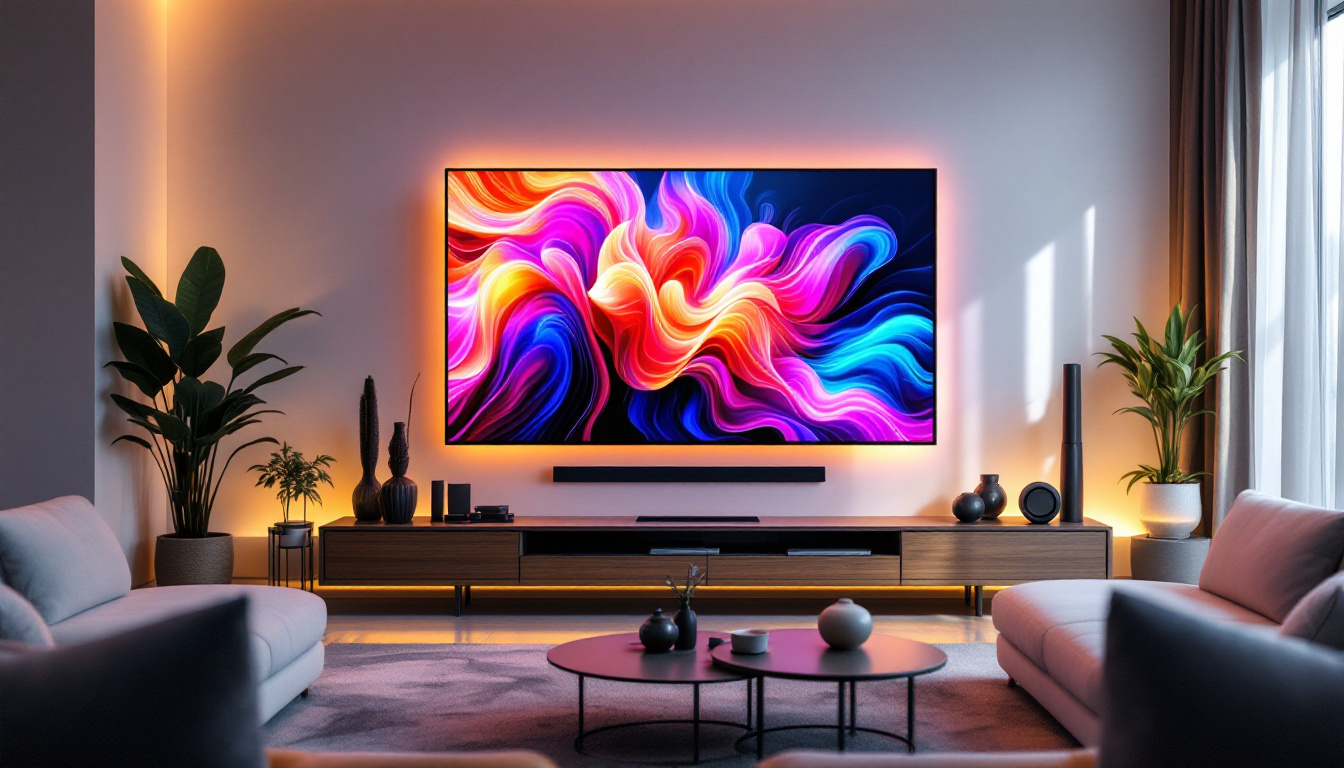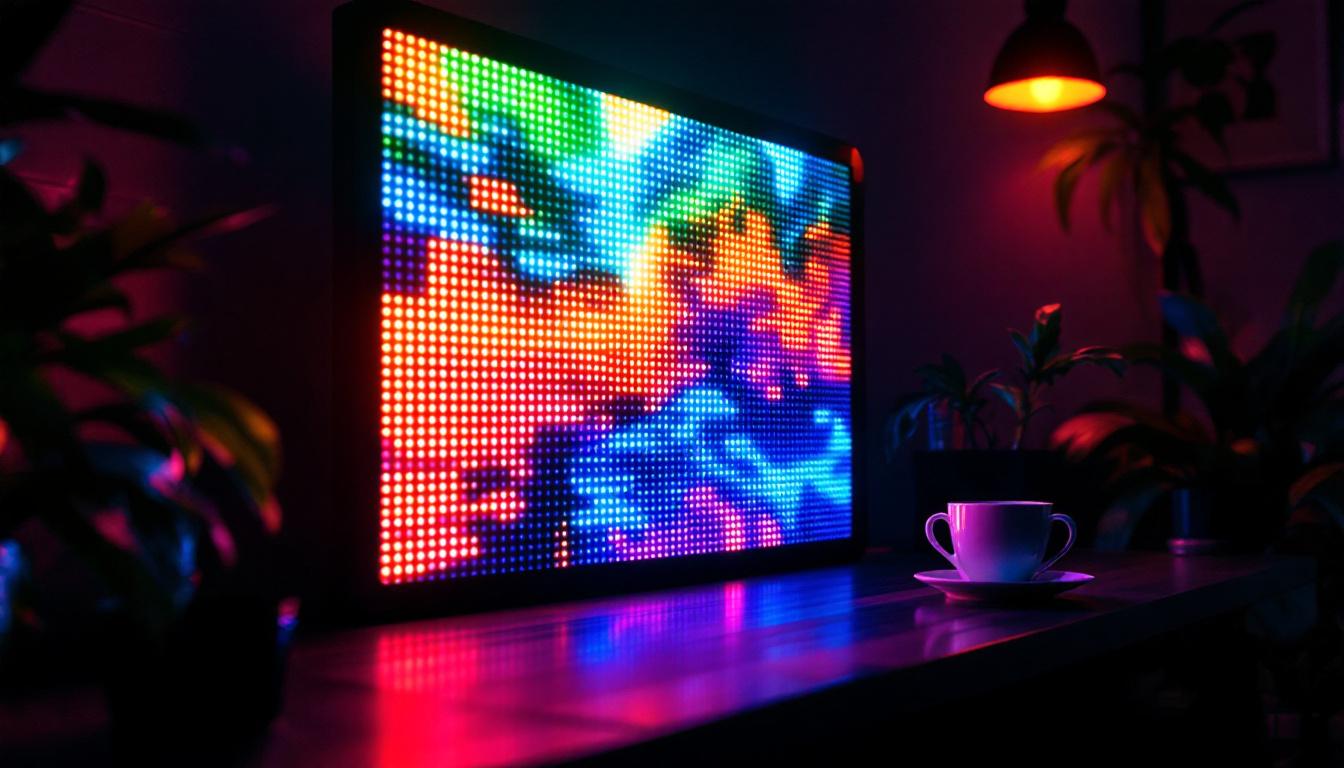
In the rapidly evolving world of display technology, LED screens have become a cornerstone for everything from smartphones and televisions to large-scale advertising billboards and stadium displays. Understanding how LED displays work, their advantages, and their various applications can provide valuable insight into why this technology dominates the market and continues to evolve. This article delves into the fundamentals of LED screen lighting, exploring the technology behind it, its benefits, and the future trends shaping this dynamic industry.
What Is an LED Display?
LED stands for Light Emitting Diode, a semiconductor device that emits light when an electric current passes through it. An LED display is a flat panel display that uses an array of these tiny LEDs as pixels to produce images, videos, and text. Unlike traditional LCD displays that rely on backlighting, LED screens generate their own light, making them self-illuminating.
LED displays come in various forms, including direct-view LED panels and LED-backlit LCDs. The former uses individual LEDs as pixels, while the latter uses LEDs as a backlight source behind an LCD panel. This distinction is crucial because direct-view LED displays offer superior brightness and contrast, making them ideal for outdoor and large-format applications. Additionally, the self-illuminating nature of LED technology allows for thinner and lighter display designs, which is a significant advantage in modern electronics where portability and aesthetics are key considerations.
Moreover, LED displays are not only energy-efficient but also have a longer lifespan compared to traditional display technologies. This longevity is particularly beneficial in applications where displays are used continuously, such as in digital signage or public transport information systems. The ability to withstand harsh environmental conditions further enhances their appeal for outdoor use, where they can maintain visibility even in direct sunlight or inclement weather.
Types of LED Displays
There are primarily three types of LED displays:
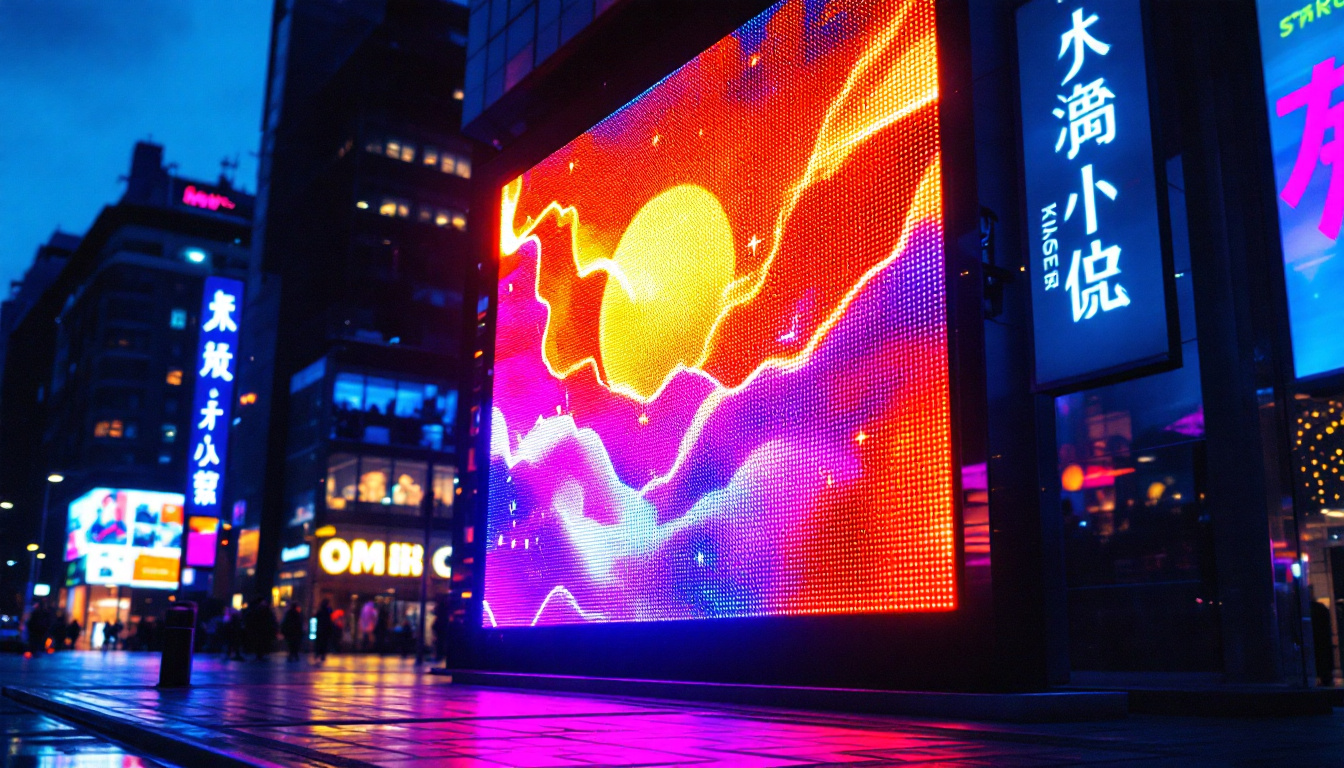
- Direct-View LED Displays: These consist of thousands of tiny LEDs arranged in a grid. Each LED acts as a pixel, capable of producing red, green, and blue light to form full-color images. These displays are known for their high brightness and are commonly used in outdoor advertising, sports arenas, and public information boards. The flexibility in size and shape also allows for creative installations, such as curved or irregularly shaped screens that can enhance visual impact.
- LED-Backlit LCD Displays: These use LEDs as a backlight behind a liquid crystal display. This technology is prevalent in consumer electronics like TVs, computer monitors, and smartphones. It offers improved brightness and energy efficiency compared to older CCFL-backlit LCDs. Furthermore, advancements in local dimming technology allow for better contrast ratios, enabling deeper blacks and more vibrant colors, which significantly enhance the viewing experience for movies and gaming.
- MicroLED Displays: An emerging technology, MicroLED uses microscopic LEDs to create displays with even higher brightness, contrast, and energy efficiency. Though still in development for mass-market use, MicroLED promises to revolutionize display technology in the near future. Its modular nature allows for seamless scaling, meaning that screens can be built to any size without losing image quality, making it a game-changer for both commercial and residential applications.
How LED Displays Work
The core principle behind LED displays is the emission of light through diodes. When an electric current passes through the semiconductor material inside the LED, electrons recombine with electron holes, releasing energy in the form of photons. This process, known as electroluminescence, produces light. The efficiency of this process is one reason why LED technology has become so popular; it consumes significantly less power compared to traditional lighting methods, making it both an environmentally friendly and cost-effective choice for display technology.
In a direct-view LED display, each pixel consists of three sub-pixels: red, green, and blue LEDs. By varying the intensity of each sub-pixel, the display can produce a wide spectrum of colors. The combination of these millions of pixels creates the images and videos seen on the screen. This color mixing capability is not only vital for producing vibrant images but also allows for the display of high dynamic range (HDR) content, which enhances the contrast and color accuracy, providing viewers with a more immersive experience.
Pixel Pitch and Resolution
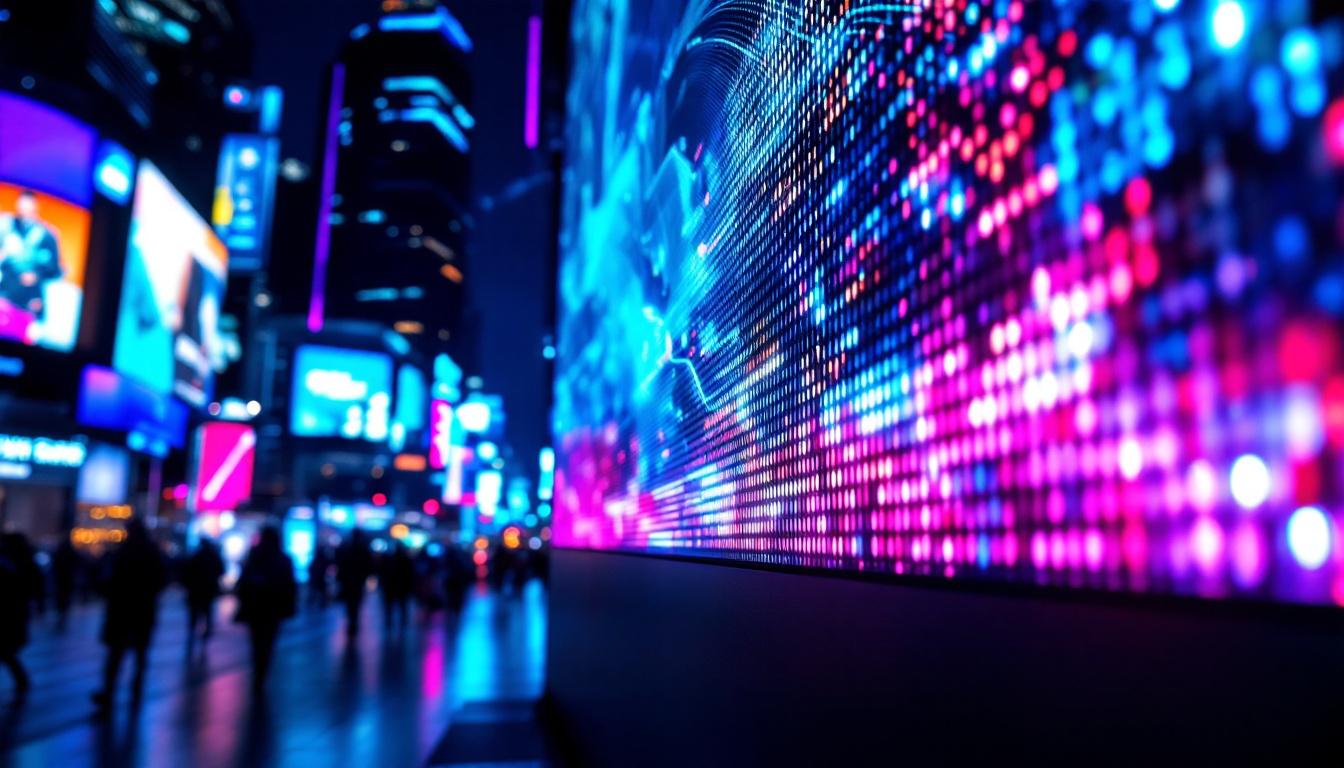
Pixel pitch is a critical factor in LED displays, referring to the distance between the centers of two adjacent pixels. It is typically measured in millimeters. A smaller pixel pitch means the pixels are closer together, resulting in higher resolution and sharper images. For example, a pixel pitch of 1.2 mm is common in indoor LED displays, offering excellent clarity for close viewing distances. This is particularly beneficial in environments such as control rooms or broadcast studios, where detail is paramount and viewers are positioned close to the screen.
Conversely, outdoor LED displays often have larger pixel pitches, such as 10 mm or more, because they are viewed from greater distances where ultra-high resolution is less critical. Choosing the right pixel pitch depends on the application and viewing distance, balancing cost and image quality. Additionally, outdoor displays must also contend with environmental factors such as sunlight and weather conditions, which necessitate the use of more robust materials and protective coatings to ensure longevity and visibility. Innovations in LED technology continue to improve outdoor displays, enhancing brightness and color fidelity even in direct sunlight, making them ideal for advertising and public information displays in bustling urban environments.
Advantages of LED Displays
LED displays offer numerous advantages that have contributed to their widespread adoption across various industries. These benefits range from superior image quality to energy efficiency and durability.
Brightness and Visibility
One of the standout features of LED displays is their exceptional brightness. Direct-view LED screens can achieve brightness levels exceeding 5,000 nits, making them clearly visible even in direct sunlight. This high brightness is essential for outdoor advertising, sports venues, and transportation hubs where ambient light conditions can be challenging.
Energy Efficiency
Compared to older display technologies, LEDs consume significantly less power. For instance, LED-backlit LCD TVs use up to 30% less energy than their CCFL-backlit predecessors. This efficiency translates into lower operating costs and a reduced environmental footprint, which is increasingly important for businesses and consumers alike.
Durability and Longevity
LEDs are solid-state devices, meaning they have no fragile filaments or glass components, making them highly resistant to shock and vibration. This robustness is particularly valuable for outdoor displays exposed to harsh weather conditions. Additionally, LED displays typically have lifespans of 50,000 to 100,000 hours, far exceeding many other lighting and display technologies.
Color Accuracy and Contrast
LED displays provide excellent color reproduction and contrast ratios. Because each pixel emits its own light, blacks appear truly black rather than grayish, as seen in some LCDs with backlighting. This capability enhances image depth and realism, improving viewer experience in applications ranging from home entertainment to digital signage.
Applications of LED Displays
LED technology has transformed how information and entertainment are delivered across multiple sectors. Its versatility allows for a broad range of applications, from small handheld devices to massive outdoor screens.
Consumer Electronics
In the consumer market, LED-backlit LCDs dominate televisions, computer monitors, laptops, and smartphones. The technology enables thinner, lighter, and more energy-efficient devices with vibrant displays. OLED technology, a competitor to LED, offers some advantages in contrast and flexibility, but LED remains the most widely used due to cost-effectiveness and manufacturing maturity.
Outdoor Advertising and Digital Signage
Billboards and digital signage have been revolutionized by direct-view LED displays. Their brightness and durability allow for eye-catching advertisements that can be updated in real-time. According to recent industry reports, the global digital signage market is expected to grow at a compound annual growth rate (CAGR) of over 8% between 2023 and 2028, driven largely by LED technology advancements.
Sports and Entertainment Venues
Stadiums and arenas utilize large LED screens to display live action, replays, and advertisements. These displays enhance the spectator experience by providing clear visuals regardless of seating location or lighting conditions. The ability to customize content dynamically also opens new revenue streams for venue operators.
Transportation and Public Information
LED displays are widely used in airports, train stations, and bus terminals to provide real-time information. Their high visibility and reliability ensure passengers receive timely updates, improving overall transit efficiency and safety.
Future Trends in LED Display Technology
The LED display industry continues to innovate, pushing the boundaries of what these screens can achieve. Several emerging trends are poised to shape the future landscape of screen lighting.
MicroLED and MiniLED
MicroLED technology, which uses microscopic LEDs, promises even higher brightness, better color accuracy, and longer lifespans than current LED displays. MiniLED, a more immediate advancement, involves using smaller LEDs for backlighting LCDs, resulting in improved contrast and local dimming capabilities. These technologies are gradually entering the market, with premium TVs and monitors adopting them.
Flexible and Transparent Displays
Advances in LED manufacturing have enabled the creation of flexible and transparent LED displays. These innovations open up new possibilities for design, such as curved screens, wearable devices, and see-through advertising panels integrated into windows or glass walls.
Energy Harvesting and Sustainability
As sustainability becomes a priority, researchers are exploring ways to make LED displays more energy-efficient and environmentally friendly. Innovations include integrating solar cells with LED screens for self-powered displays and developing recyclable materials for manufacturing.
Conclusion
LED display technology has fundamentally transformed the way visual content is created and consumed across countless applications. Its combination of brightness, energy efficiency, durability, and color performance makes it the preferred choice for everything from personal devices to massive outdoor billboards. With ongoing advancements like MicroLED and flexible displays on the horizon, the future of LED screen lighting looks brighter than ever.
For businesses and consumers alike, understanding the capabilities and benefits of LED displays is essential in making informed decisions about technology investments. Whether enhancing a home entertainment system or creating a captivating advertising campaign, LED technology offers unparalleled opportunities to engage audiences with vivid, dynamic visuals.
Discover LumenMatrix’s Innovative LED Solutions
Ready to elevate your visual experience with the latest in LED technology? Look no further than LumenMatrix, a pioneer in crafting cutting-edge LED displays that bring your content to life. From vibrant Indoor and Outdoor LED Wall Displays to dynamic Vehicle and Sports LED Displays, our extensive range of solutions is designed to meet your unique needs. Experience the future of visual communication with our All-in-One LED Displays, LED Transparent Displays, and more. Check out LumenMatrix LED Display Solutions today and transform the way you engage with your audience.