In today’s fast-paced, visually-driven world, outdoor digital displays have become an indispensable tool for businesses, municipalities, and event organizers alike. Among the various technologies available, LED displays stand out for their brightness, durability, and versatility. This article delves into the intricacies of outdoor LED displays, explaining how they work, their benefits, applications, and considerations for choosing the right solution.
Understanding Outdoor LED Displays
What Is an LED Display?
LED stands for Light Emitting Diode, a semiconductor device that emits light when an electric current passes through it. An LED display is essentially a large screen composed of thousands, sometimes millions, of these tiny LEDs arranged in a grid. Each LED acts as a pixel, capable of producing vibrant colors and high brightness levels.
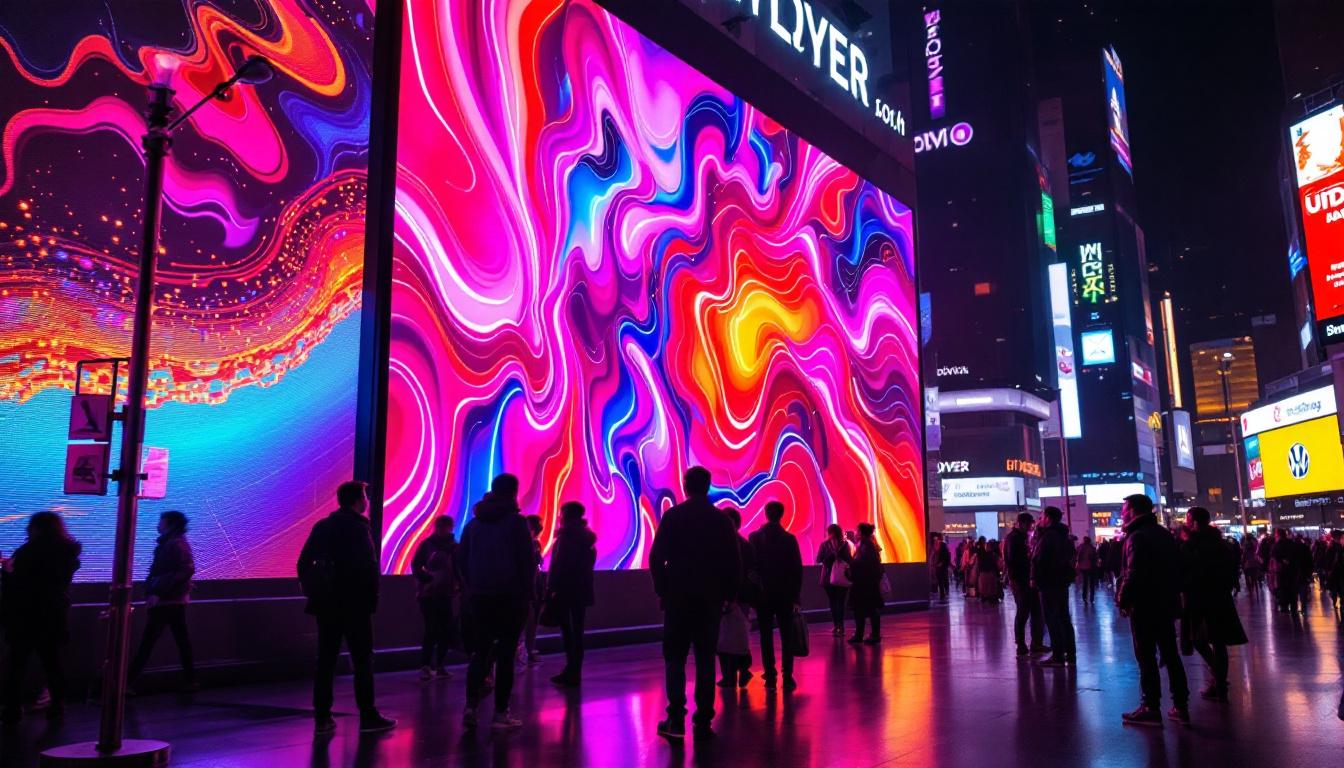
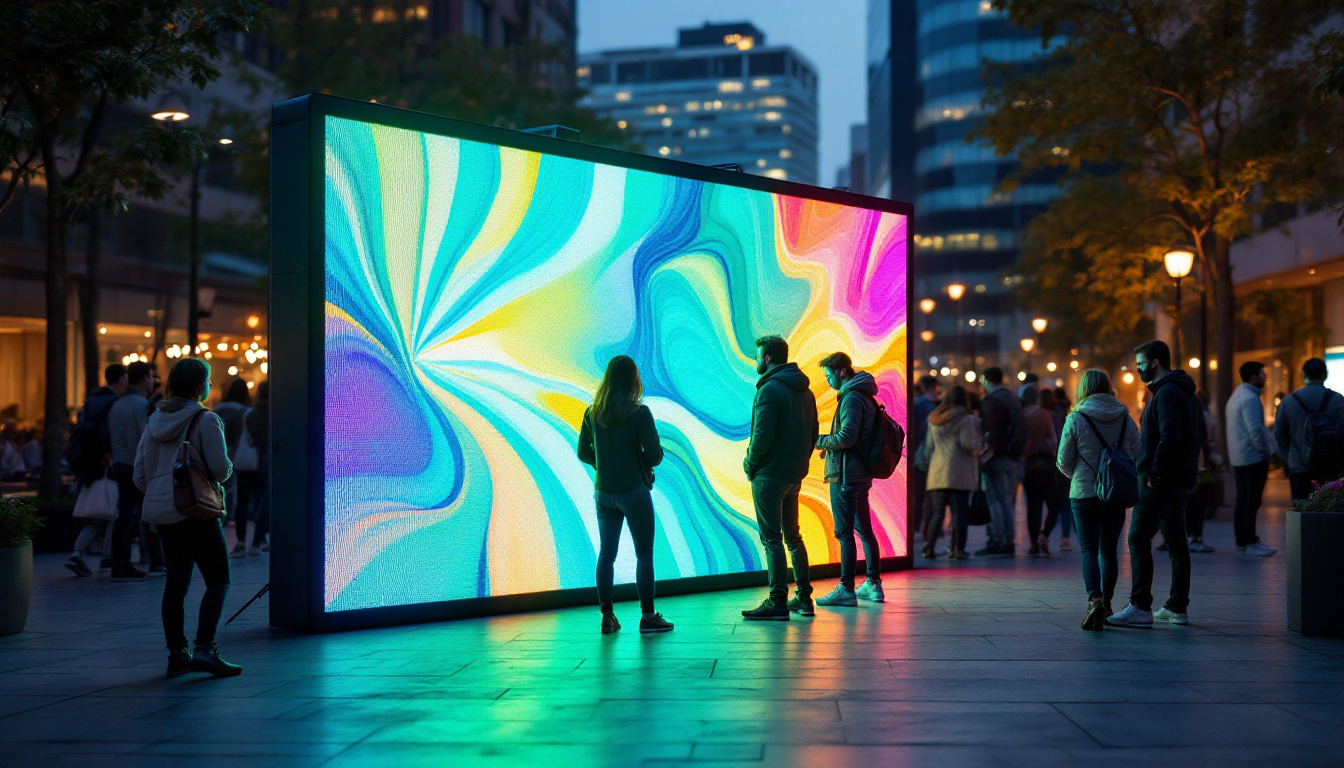
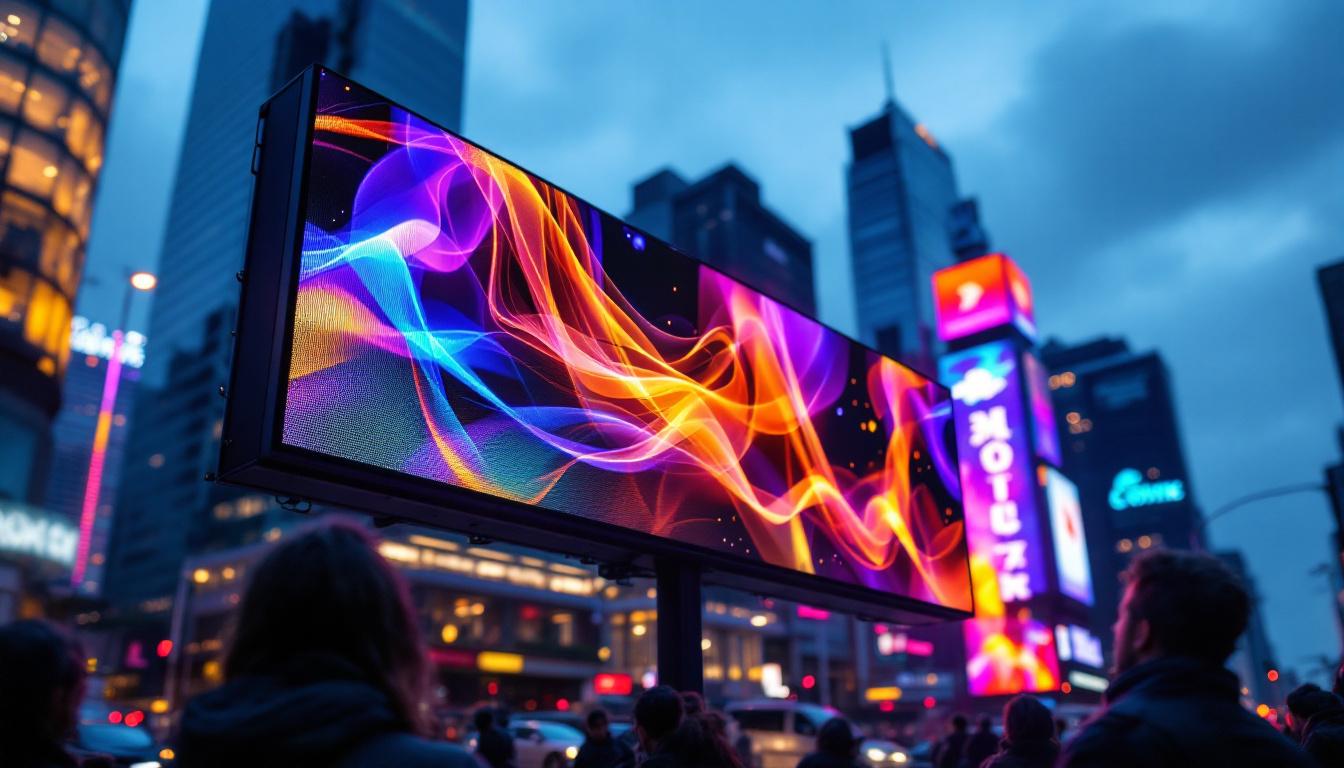
Outdoor LED displays leverage this technology to create dynamic, eye-catching visuals that can be seen clearly even in direct sunlight. Unlike traditional billboard printing or LCD screens, LEDs offer superior visibility, energy efficiency, and longevity, making them ideal for outdoor environments. The ability to display high-definition content in real-time allows businesses to engage with their audience in a more interactive manner, making these displays a popular choice for advertising, public announcements, and event promotions.
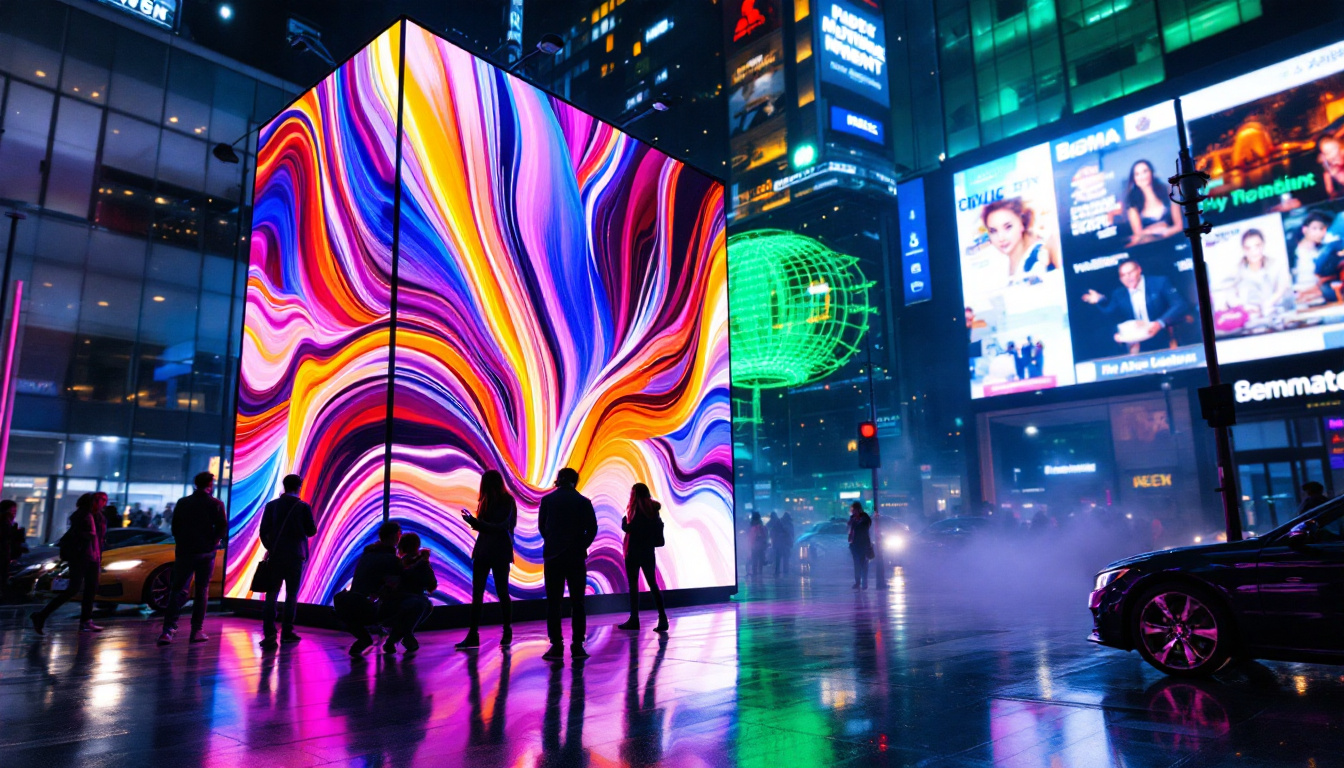
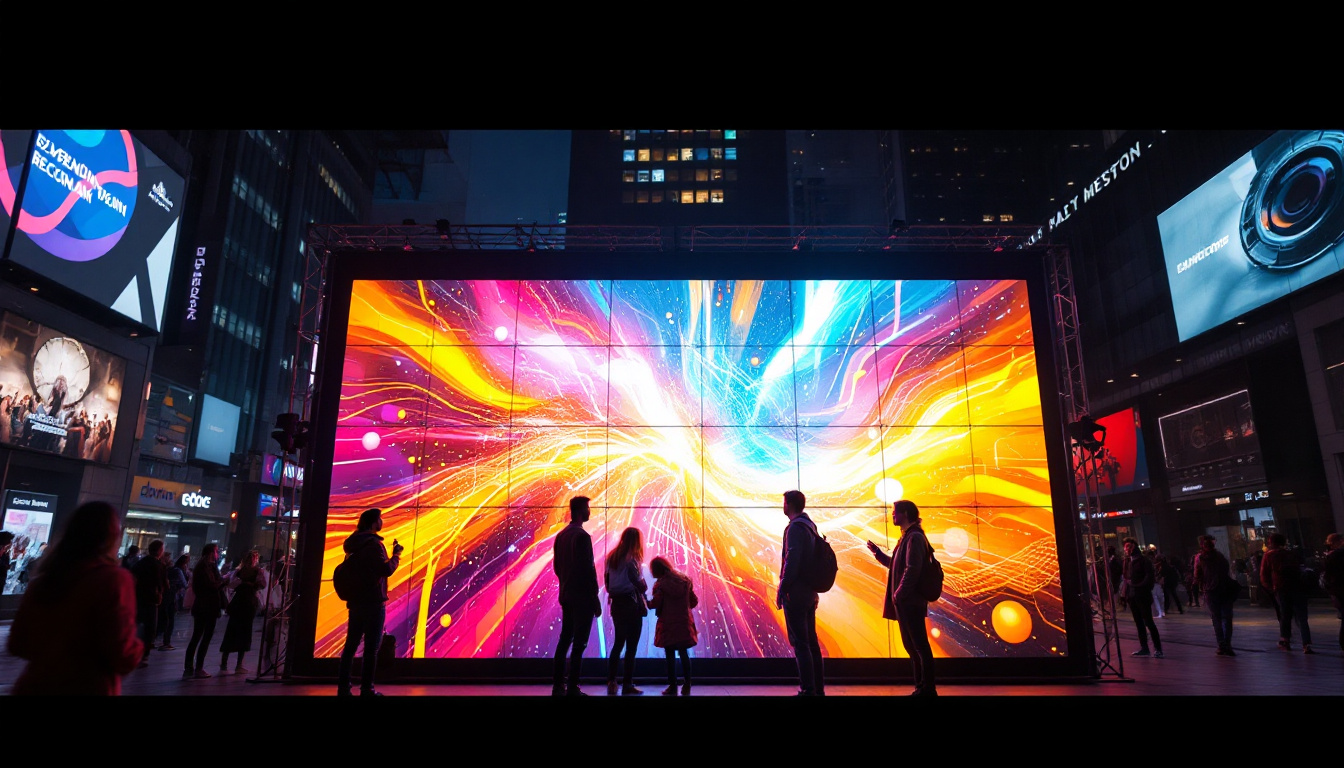
Moreover, the versatility of outdoor LED displays extends beyond mere advertising; they can also be used for artistic installations, sports events, and live broadcasts, transforming public spaces into vibrant hubs of information and entertainment. As technology advances, the integration of smart features, such as remote monitoring and content management systems, further enhances their functionality, allowing for seamless updates and customization.
How Outdoor LED Displays Work
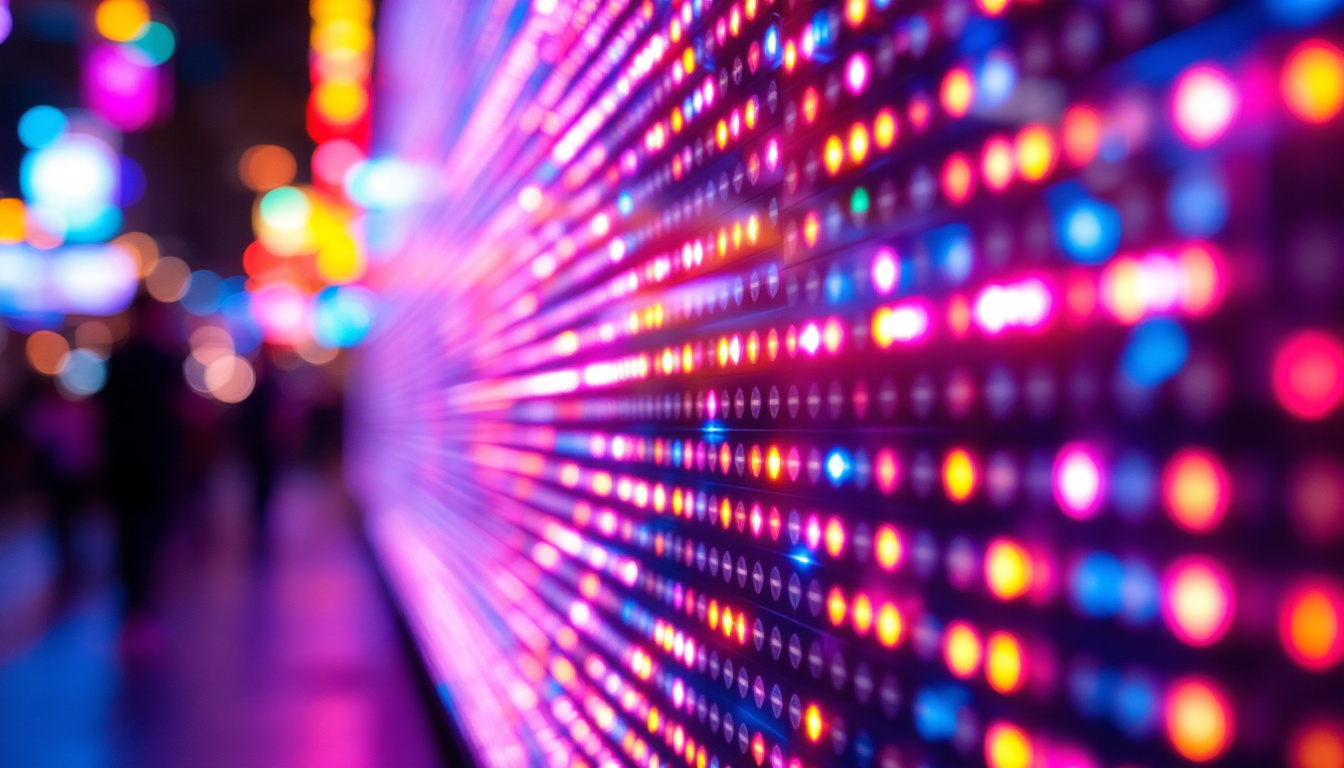
At the core of an outdoor LED display is a modular panel system. Each panel contains clusters of red, green, and blue LEDs that combine to produce a full-color image. The display controller sends signals to these panels, instructing them which LEDs to light up and at what intensity, thereby forming images, videos, or text.
The brightness of outdoor LED displays can reach up to 8,000 nits or more, ensuring readability even in bright daylight. Additionally, these displays are designed with weather-resistant materials and cooling systems to withstand harsh outdoor conditions such as rain, wind, and temperature fluctuations. This durability is crucial for maintaining performance over time, as outdoor environments can be unpredictable and challenging for electronic devices.
Furthermore, many outdoor LED displays come equipped with advanced features such as automatic brightness adjustment, which optimizes visibility based on ambient light conditions. This technology not only enhances the viewing experience but also contributes to energy savings, as the display can reduce its brightness during nighttime or in shaded areas. The combination of robust construction, intelligent technology, and high-quality visuals makes outdoor LED displays a powerful tool for communication and advertising in today’s fast-paced world.
Key Benefits of Outdoor LED Displays
Exceptional Visibility and Brightness
One of the primary advantages of LED displays is their exceptional brightness. With luminance levels far exceeding those of LCD or projection-based systems, LED displays remain visible in direct sunlight, making them perfect for outdoor advertising, traffic signage, and public information systems.
Moreover, the high refresh rates of LED screens prevent flickering, which enhances the viewing experience and reduces eye strain. This is particularly important for digital billboards and sports arenas where clear, smooth visuals are essential. In addition to their brightness, LED displays can also produce a wide color gamut, allowing for vibrant and eye-catching visuals that can attract attention from a distance. This capability not only enhances the aesthetic appeal but also improves message retention, making them an effective tool for marketers and advertisers.
Energy Efficiency and Longevity
LED technology is inherently energy-efficient compared to other lighting and display technologies. Outdoor LED displays consume less power while delivering brighter images, which translates to lower operating costs over time. Many modern LED displays incorporate advanced power management systems that further optimize energy use.
In terms of durability, LEDs have an average lifespan of 50,000 to 100,000 hours. This longevity means fewer replacements and maintenance interventions, making LED displays a cost-effective investment for long-term outdoor use. Furthermore, many LED displays are designed to withstand harsh weather conditions, including rain, snow, and extreme temperatures, ensuring that they remain functional and visually appealing regardless of the environment. This resilience not only extends their operational life but also enhances their reliability as a communication tool in various settings.
Flexibility and Customization
Outdoor LED displays come in various sizes, shapes, and resolutions, allowing for extensive customization. Whether it’s a massive roadside billboard, a curved screen wrapping around a building corner, or a smaller digital menu board, LED technology can accommodate diverse design requirements.
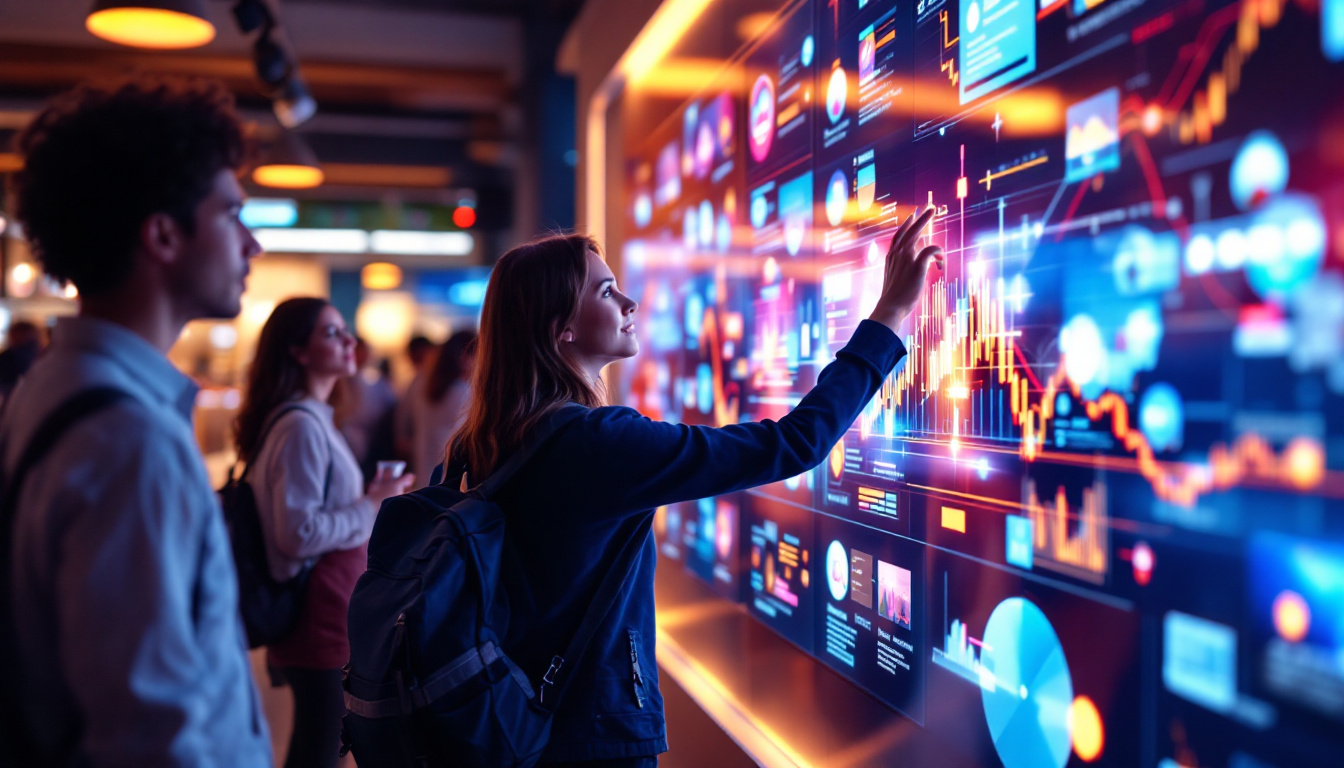
Additionally, content on LED displays can be updated remotely and instantly, enabling real-time communication. This makes them highly versatile for advertising campaigns, emergency alerts, event promotions, and more. The ability to schedule content changes also allows businesses to tailor their messaging according to time-sensitive promotions or seasonal events, maximizing engagement with their target audience. Moreover, the integration of interactive features, such as touch screens or QR code scanning, can further enhance user interaction, making outdoor LED displays not just a medium for information but an engaging platform for customer interaction and feedback.
Applications of Outdoor LED Displays
Advertising and Marketing
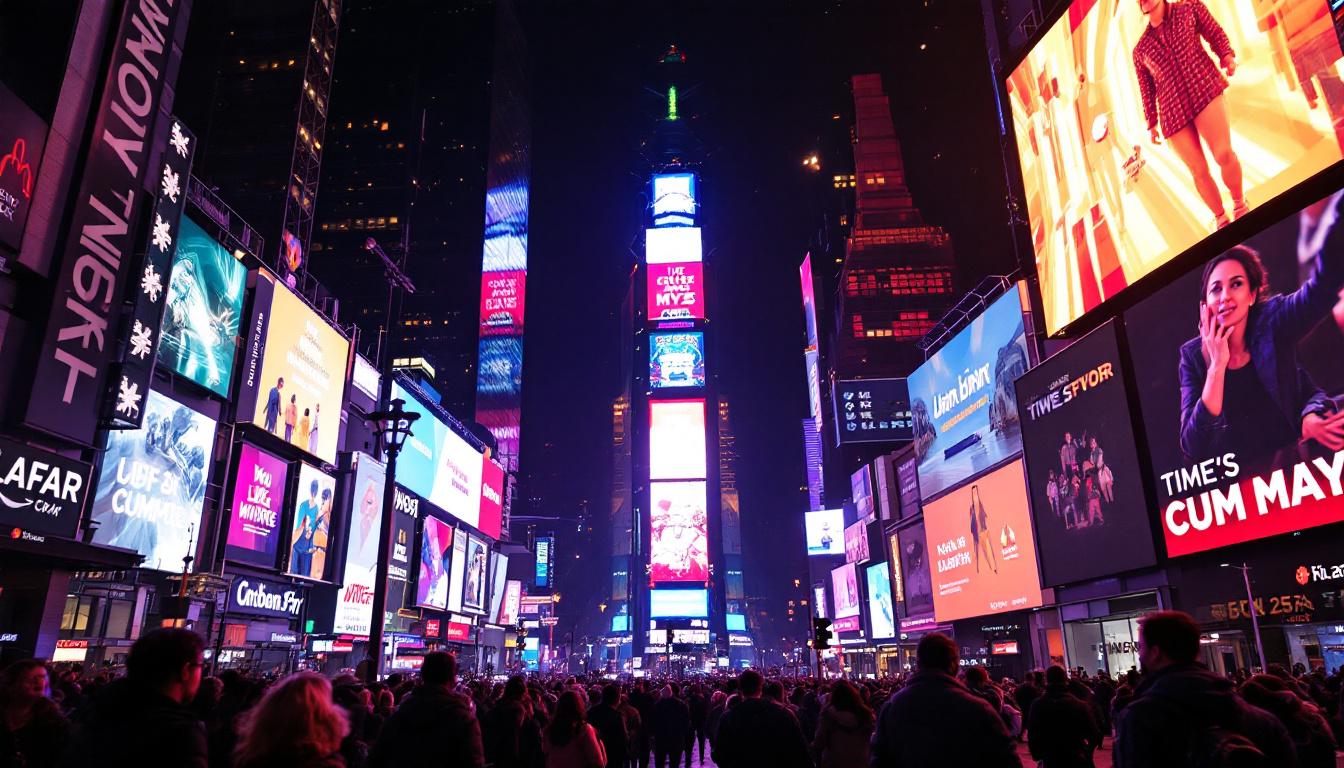
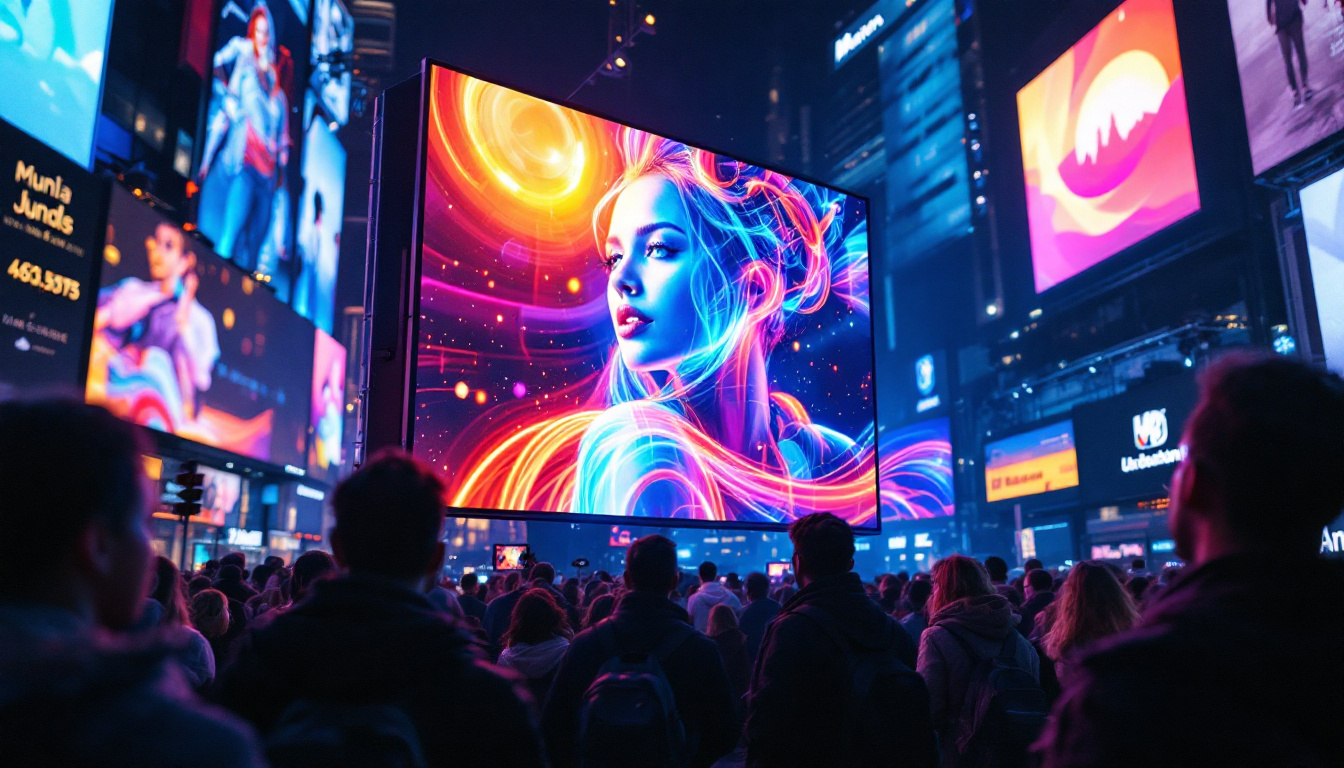
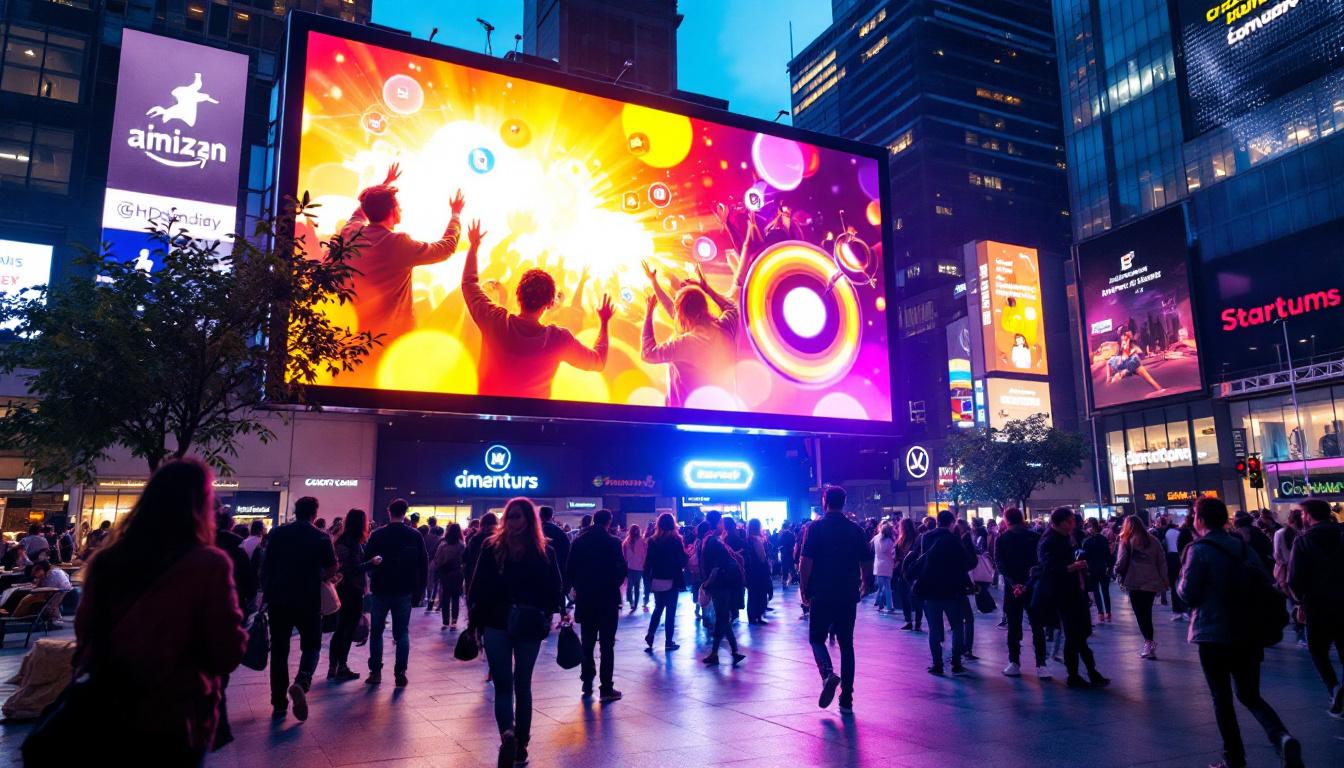
Outdoor LED displays have revolutionized advertising by providing dynamic, engaging content that can capture the attention of passersby more effectively than static billboards. According to recent market research, the global digital signage market is expected to grow at a CAGR of over 7% through 2027, driven largely by demand for LED-based outdoor advertising solutions.
Brands use LED billboards to showcase vibrant product visuals, promotional offers, and interactive campaigns. The ability to schedule content based on time of day or audience demographics further enhances marketing effectiveness.
Public Information and Safety
Municipalities and transportation authorities utilize outdoor LED displays for public information dissemination. From traffic updates and weather alerts to emergency notifications, LED displays provide timely and clear communication to the public.
For example, highway variable message signs (VMS) use LED technology to warn drivers about road conditions, accidents, or detours. The high visibility and reliability of these displays are critical for public safety.
Sports and Entertainment Venues
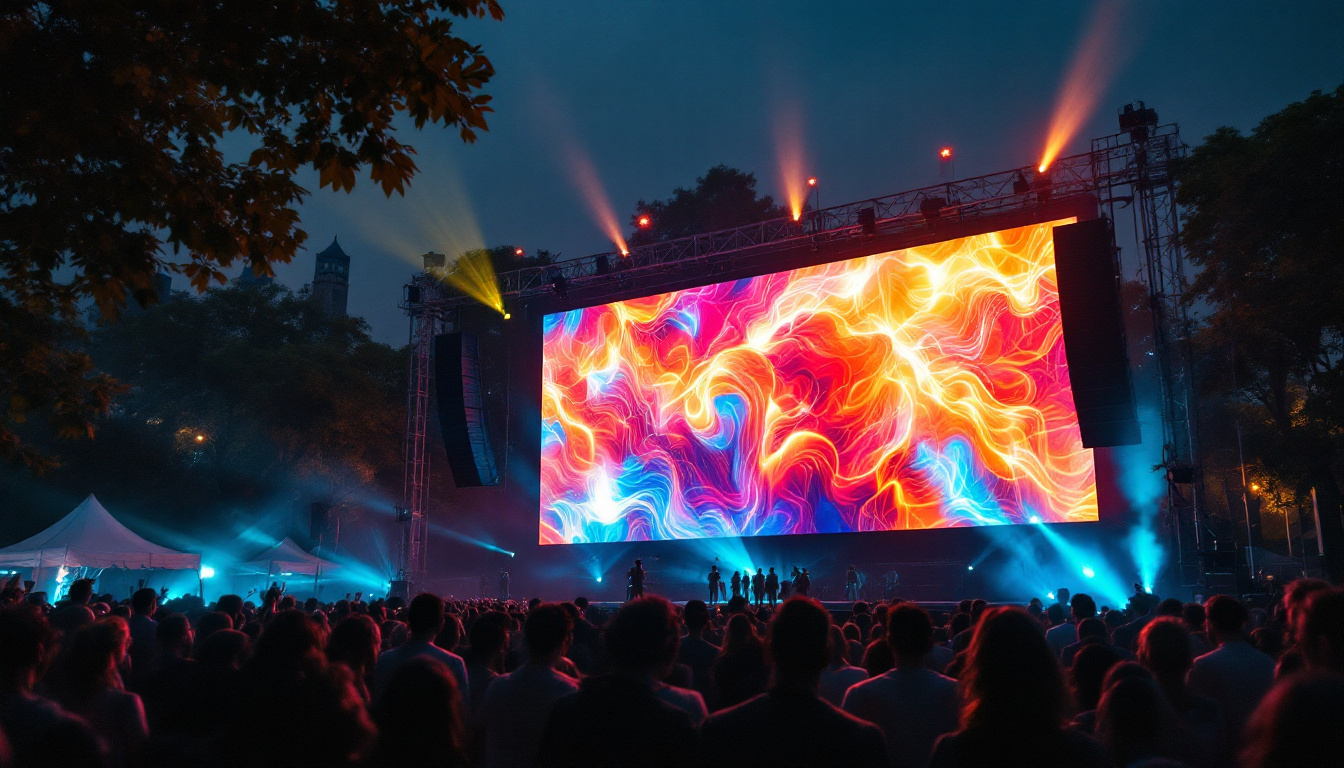
Sports arenas, concert venues, and festivals increasingly rely on outdoor LED displays to enhance the spectator experience. Giant LED screens display live action, replays, scores, and advertisements, ensuring that every attendee has a clear view regardless of their seat location.
These displays also provide opportunities for sponsorship and interactive fan engagement, making them valuable assets for venue operators and event organizers.
Technical Considerations When Choosing an Outdoor LED Display
Pixel Pitch and Resolution
Pixel pitch refers to the distance between the centers of two adjacent LEDs and is a critical factor in determining image clarity. Smaller pixel pitches mean higher resolution and sharper images but come at a higher cost.
For outdoor displays viewed from a distance, a pixel pitch between 10mm and 20mm is common. However, for closer viewing environments such as stadiums or retail storefronts, pitches as small as 4mm may be necessary to ensure image crispness.
Brightness and Contrast Ratio
Brightness is measured in nits, and outdoor LED displays typically require at least 5,000 nits to remain visible in direct sunlight. Higher brightness levels improve visibility but also increase power consumption, so it’s important to balance these factors based on location and use case.
Contrast ratio, the difference between the darkest and brightest parts of the image, affects image quality. High contrast ratios enhance color depth and readability, especially for text and fine details.
Durability and Weather Resistance
Outdoor LED displays must withstand environmental challenges such as rain, dust, extreme temperatures, and UV exposure. Look for displays with an IP65 or higher rating, indicating protection against dust ingress and water jets.
Additionally, robust housing materials and built-in cooling systems help maintain performance and extend the lifespan of the display in harsh conditions.
Installation and Maintenance
The physical installation of an outdoor LED display requires careful planning regarding mounting structures, power supply, and data connectivity. Modular designs facilitate easier installation and future upgrades.
Maintenance considerations include ease of access for repairs, availability of replacement modules, and software support for remote diagnostics. Choosing a reputable manufacturer with strong technical support is essential for minimizing downtime.
Future Trends in Outdoor LED Displays
Advancements in Mini-LED and Micro-LED Technologies
Emerging technologies like Mini-LED and Micro-LED promise even higher resolution, better color accuracy, and improved energy efficiency. These innovations could soon enable outdoor displays with unprecedented image quality and thinner form factors.
Integration with IoT and Smart City Infrastructure
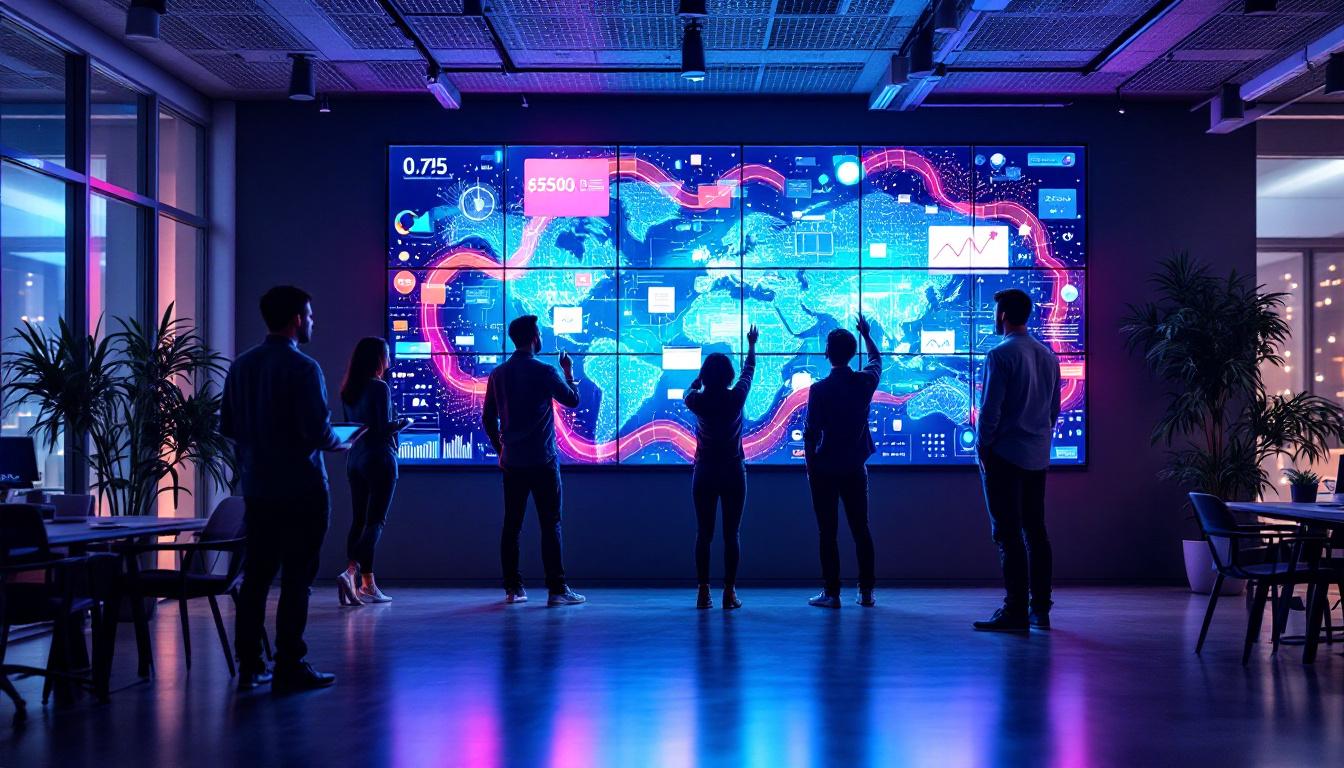
Outdoor LED displays are increasingly being integrated into smart city ecosystems. Connected displays can interact with sensors, cameras, and data platforms to provide context-aware content, such as real-time transit updates or environmental alerts.
This connectivity also enables more efficient energy management and predictive maintenance, reducing operational costs and enhancing reliability.
Interactive and Augmented Reality Features
Future outdoor LED displays may incorporate interactive elements such as touch sensitivity or gesture recognition, allowing passersby to engage directly with content. Augmented reality overlays could further enrich the viewer experience by blending digital information with the physical environment.
Conclusion
Outdoor LED displays represent a powerful medium for communication, combining high visibility, durability, and flexibility. Their ability to deliver vibrant, dynamic content in any weather condition makes them invaluable for advertising, public safety, entertainment, and more.
Understanding the technical aspects such as pixel pitch, brightness, and weather resistance is crucial when selecting the right LED display for a specific application. As technology continues to evolve, outdoor LED displays will become even more sophisticated, interactive, and integrated into the fabric of urban life.
For businesses and organizations looking to make a lasting impression outdoors, investing in LED display technology offers a compelling blend of impact, efficiency, and future-proofing.
Illuminate Your Message with LumenMatrix
Ready to elevate your outdoor communication strategy with unparalleled brightness, durability, and flexibility? LumenMatrix is at the forefront of LED display innovation, offering a diverse range of solutions tailored to bring your brand to life. From eye-catching Outdoor LED Wall Displays to interactive Floor LED Displays, our technology is designed to captivate and engage your audience in any environment. Discover how LumenMatrix can transform your visual messaging and create unforgettable experiences. Check out LumenMatrix LED Display Solutions today and step into the future of digital signage.