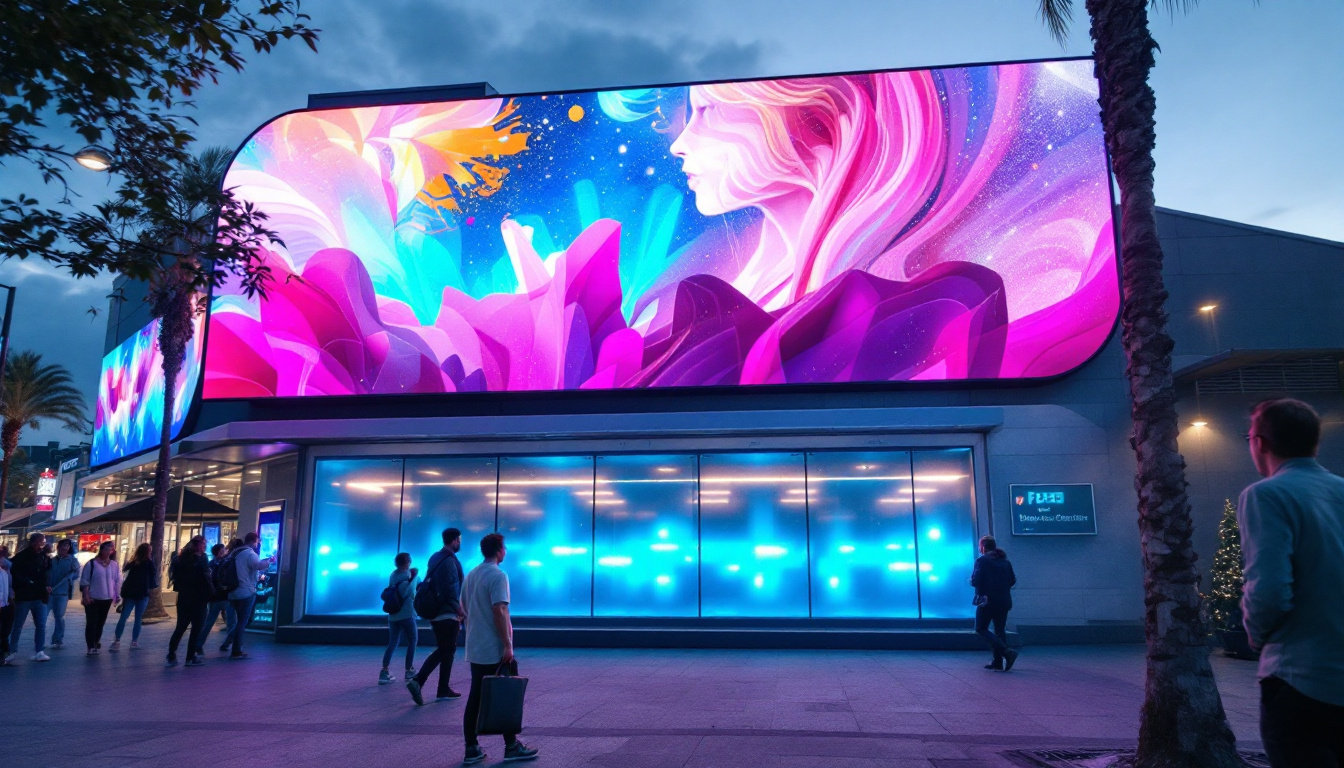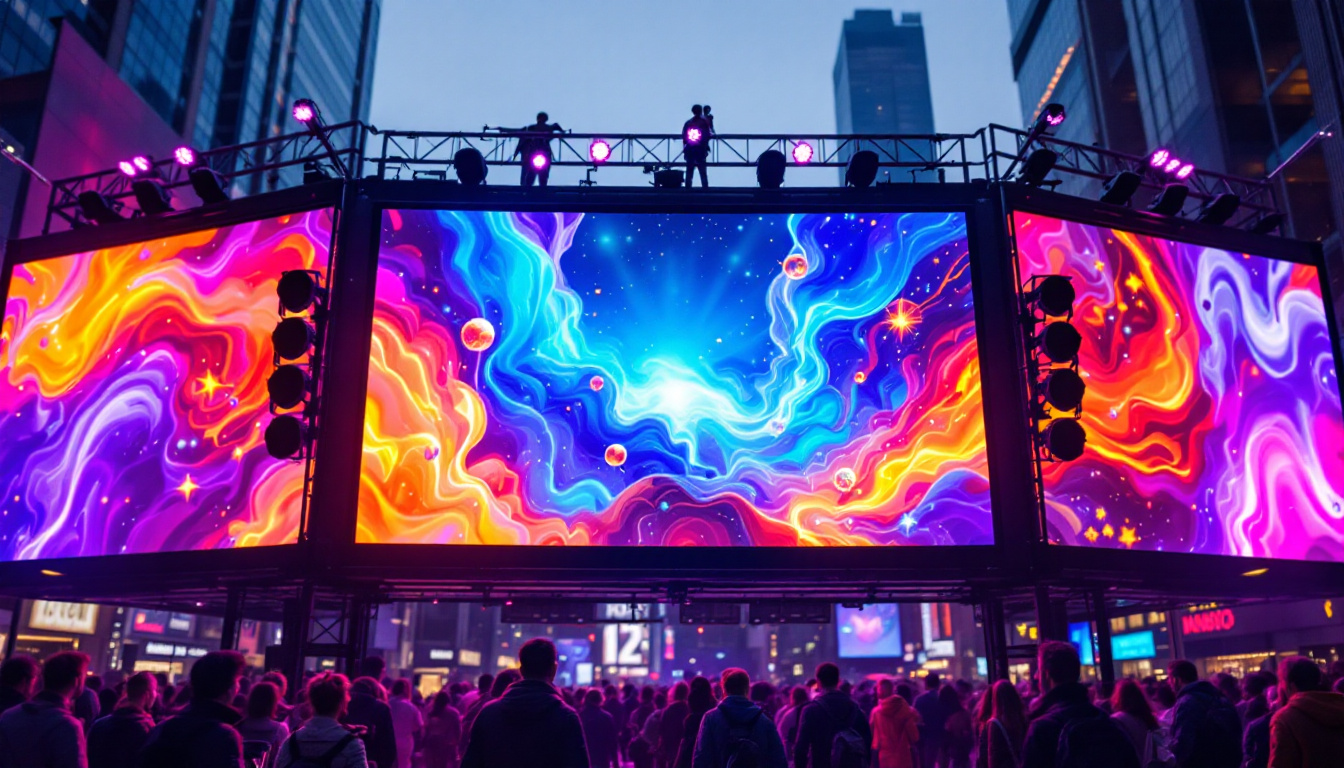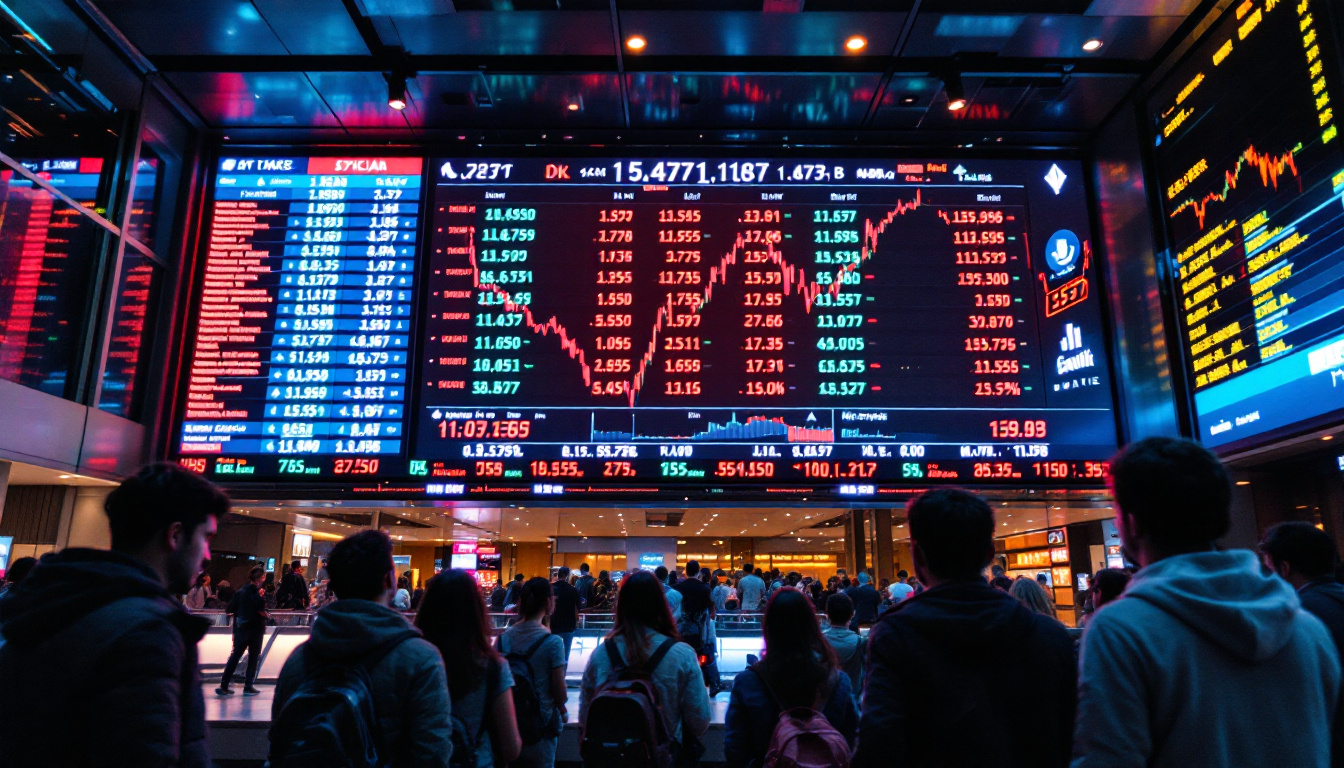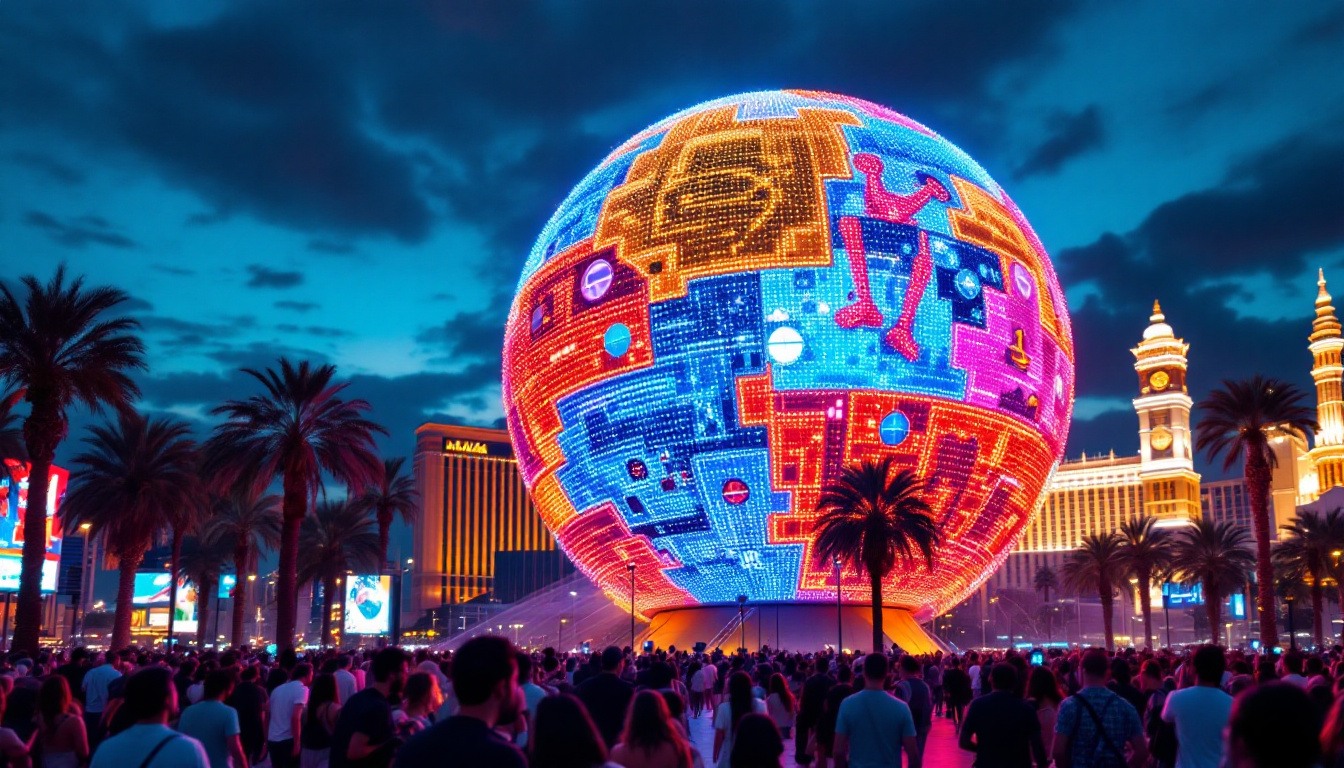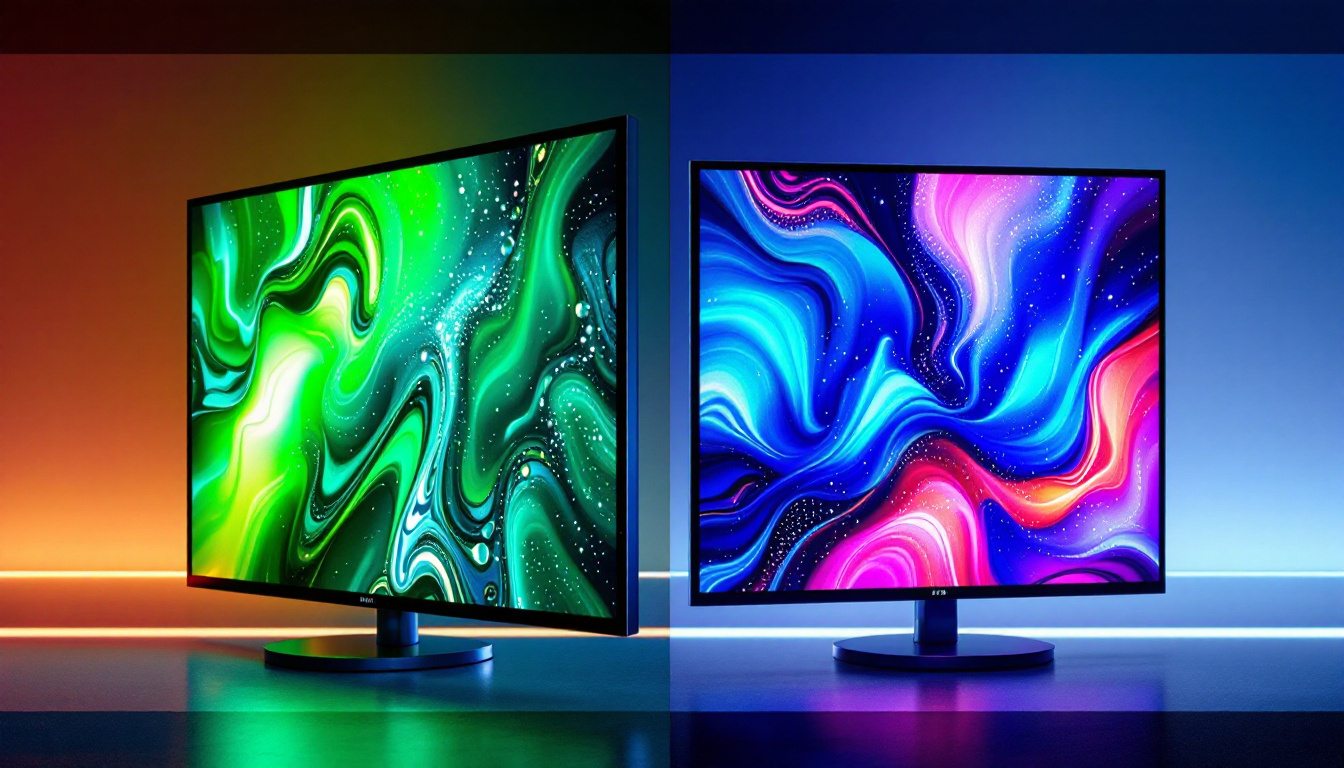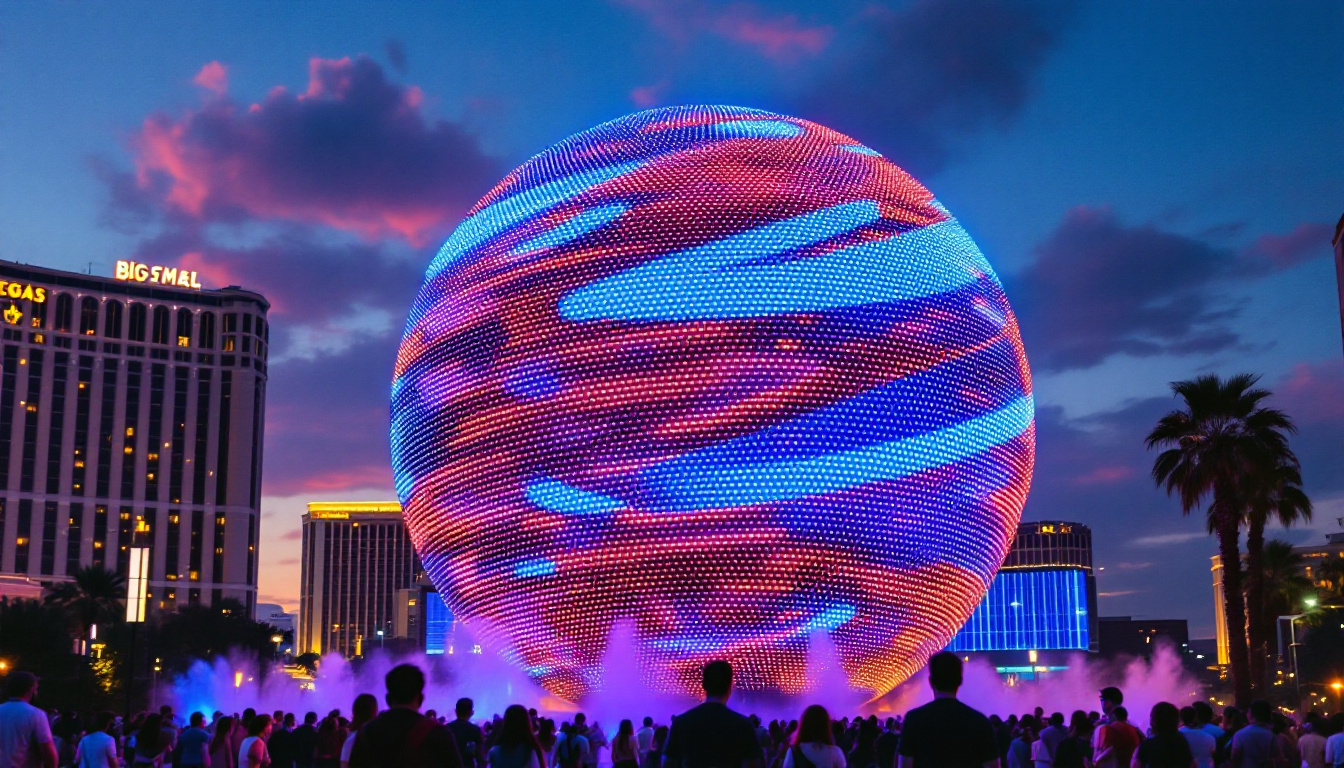
In the evolving landscape of event technology, LED displays have become a game-changer for screen projector rentals. Whether for corporate events, concerts, trade shows, or outdoor festivals, LED screens offer unparalleled brightness, clarity, and versatility compared to traditional projection methods. This article explores the fundamentals of LED displays, their advantages, rental considerations, and how they compare to conventional projectors, providing a comprehensive guide for event planners and audiovisual professionals.
Understanding LED Displays: What Sets Them Apart
LED, or Light Emitting Diode, displays are composed of thousands of tiny diodes that emit light when an electric current passes through them. Unlike traditional projectors that rely on projecting an image onto a surface, LED displays are self-illuminating, which means each pixel generates its own light. This core difference accounts for many of the advantages LED screens offer in rental applications. The result is not only a brighter image but also a more reliable performance, as LED displays are less susceptible to ambient light interference compared to their projector counterparts.
How LED Displays Work
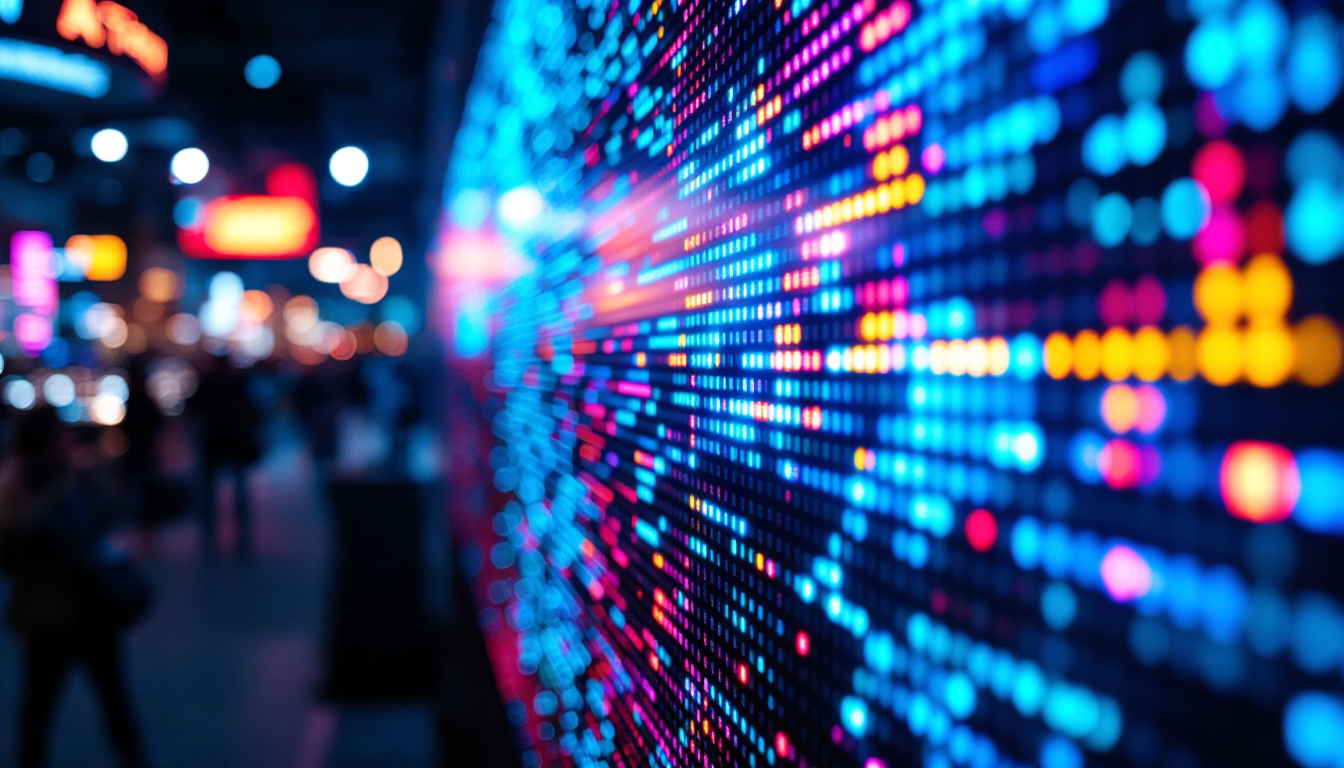
Each LED pixel is made up of red, green, and blue diodes, which combine to produce a full spectrum of colors. The brightness and color intensity of each pixel can be individually controlled, enabling high-resolution images with vibrant colors and deep contrast. LED panels are modular, allowing rental companies to assemble screens of virtually any size and shape, from small indoor setups to massive outdoor video walls. This modularity also means that if a panel fails, it can be easily replaced without needing to take down the entire display, ensuring minimal downtime during events.
Types of LED Displays
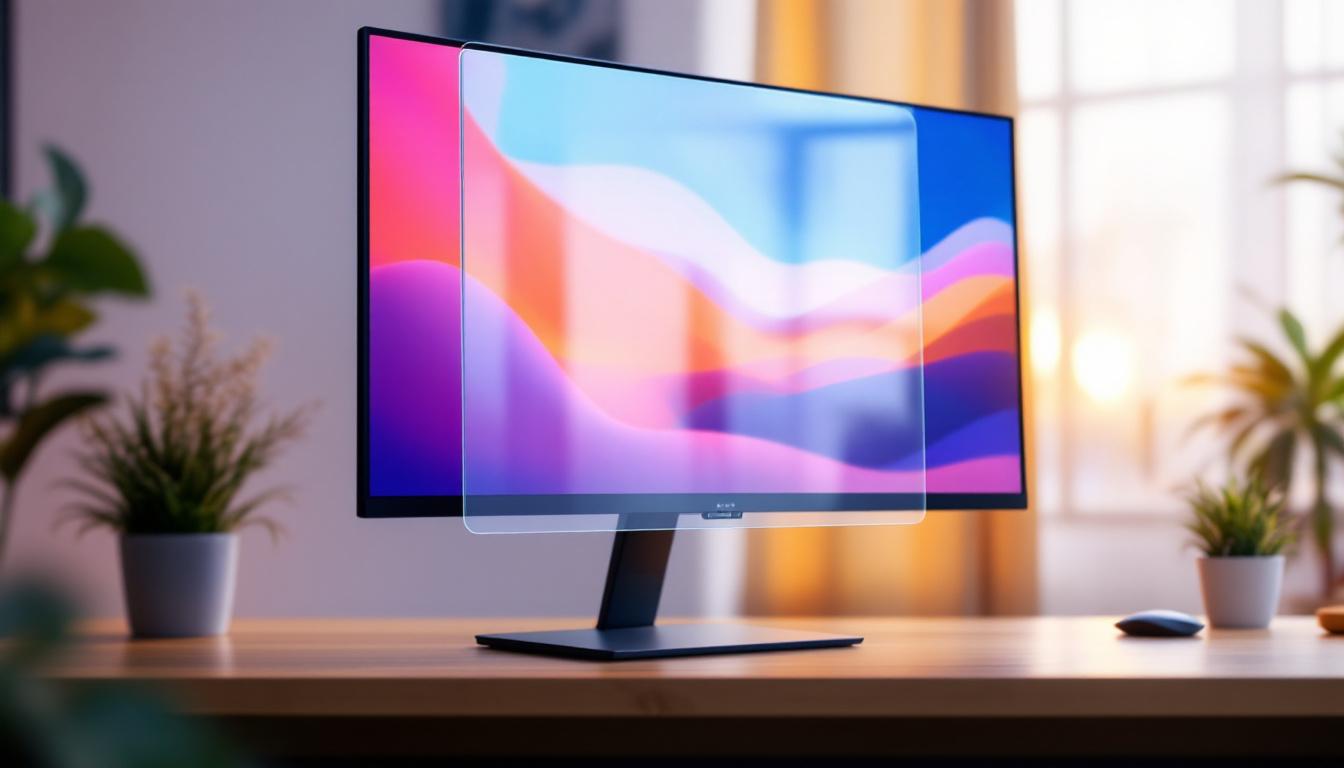
LED displays come in various forms, primarily categorized by pixel pitch — the distance between individual LEDs. Smaller pixel pitches (e.g., 1.2mm to 2.5mm) are ideal for close viewing distances such as indoor conferences, while larger pitches (4mm and above) suit outdoor events where viewers are farther away. Rental providers often stock a range of options to meet diverse event requirements. Additionally, there are specialized LED displays designed for specific applications, such as transparent LED screens for retail environments that allow for visibility behind the display or curved LED panels that can create immersive experiences at concerts and exhibitions.
Moreover, the versatility of LED technology extends beyond just visual display. Many modern LED screens are equipped with advanced features such as touch interactivity, allowing users to engage with the content directly. This capability is particularly beneficial in trade shows and interactive installations, where audience participation can enhance the overall experience. Furthermore, with the integration of smart technology, LED displays can now be connected to the internet, enabling real-time content updates and remote management, which is invaluable for dynamic advertising and live event broadcasting.
Advantages of LED Displays Over Traditional Projectors
When deciding between renting an LED display or a traditional projector screen, understanding the benefits of LED technology is crucial. Here are some of the most significant advantages that have contributed to the rise of LED displays in event production.
Brightness and Visibility
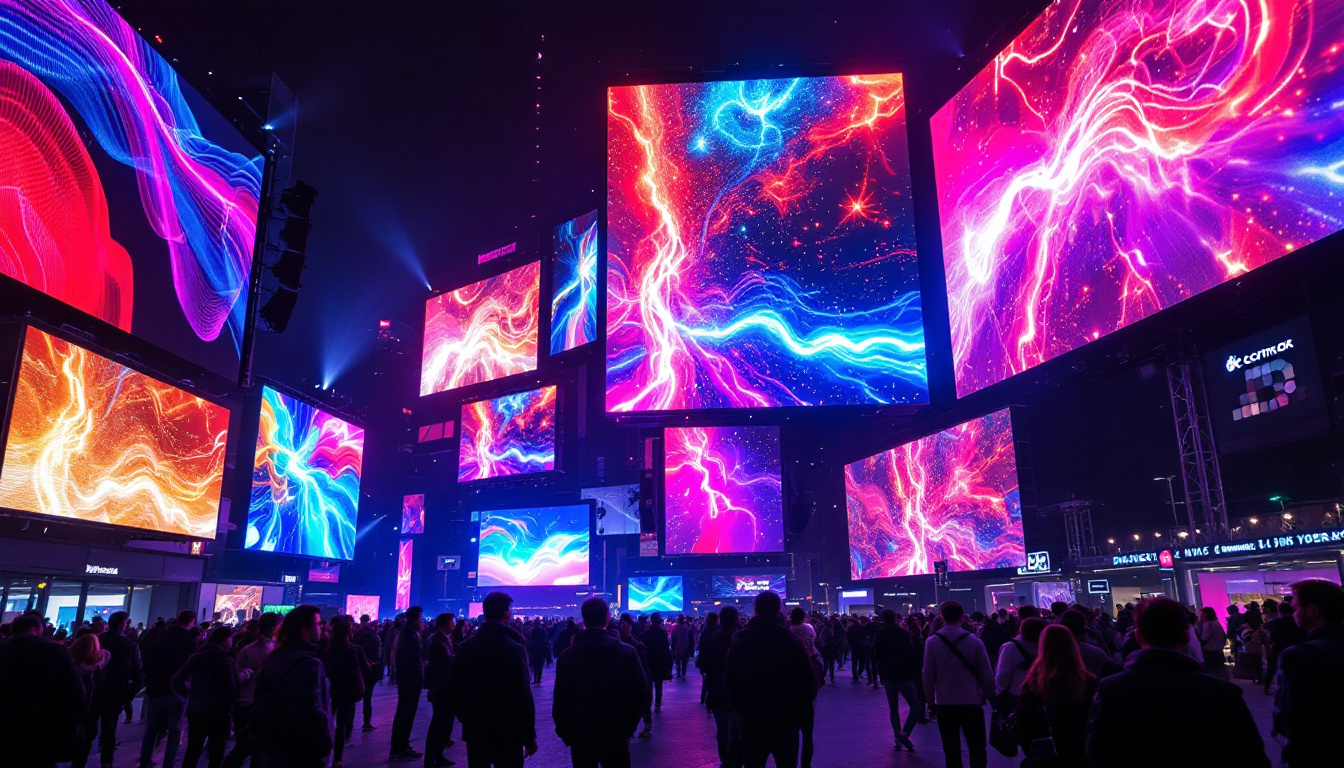
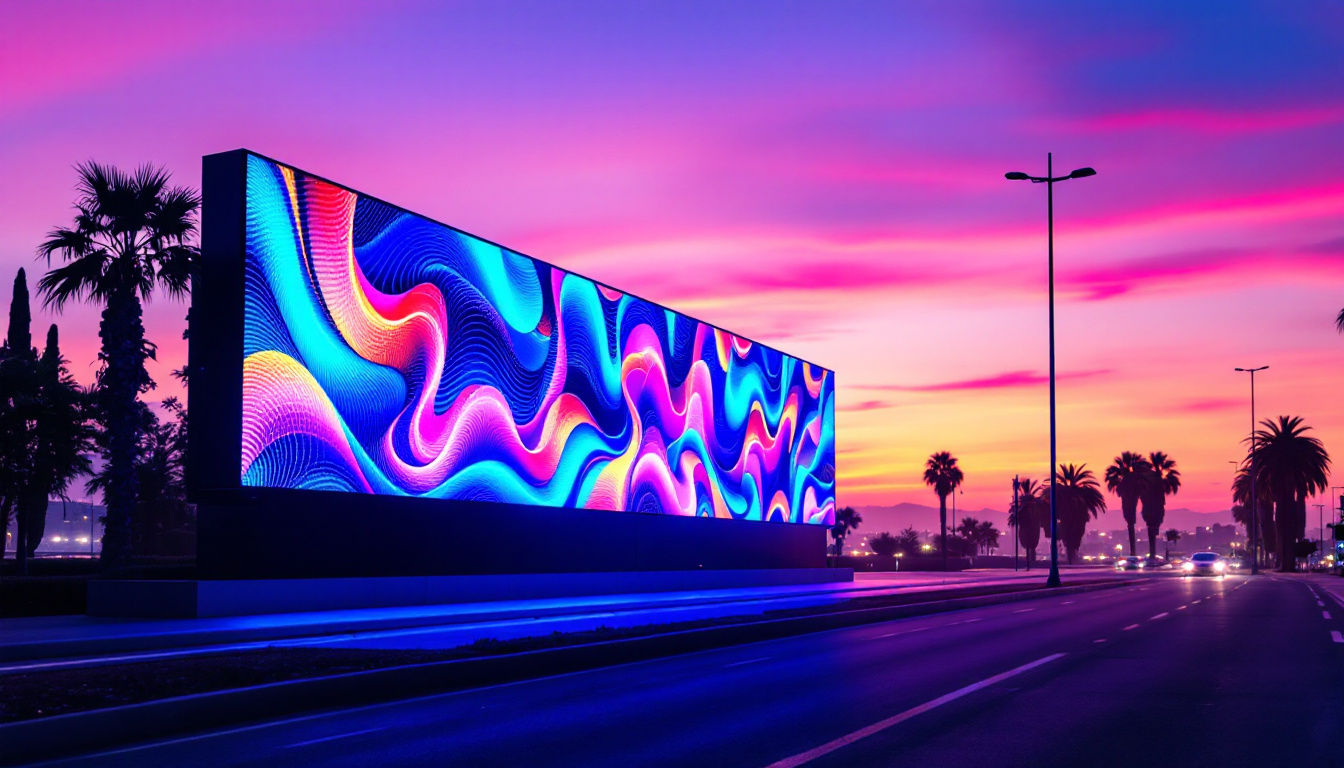
One of the most notable benefits of LED displays is their superior brightness. LED screens can achieve brightness levels exceeding 5,000 nits, making them clearly visible even in direct sunlight. Traditional projectors, on the other hand, typically produce between 2,000 and 5,000 lumens, which often proves insufficient for outdoor or well-lit environments. This makes LED displays the preferred choice for outdoor festivals, sports events, and daytime conferences.
Image Quality and Color Accuracy
LED displays provide exceptional color accuracy and contrast ratios. Because each pixel emits its own light, blacks appear truly black rather than washed out, enhancing image depth and realism. This is especially important for high-profile events where visual impact is critical, such as product launches or live broadcasts.
Durability and Flexibility
LED panels are designed to be robust and weather-resistant, making them suitable for both indoor and outdoor use. Their modular nature allows rental companies to customize screen sizes and shapes, including curved or angled configurations, which traditional projectors cannot easily achieve. Additionally, LED displays do not require a flat projection surface, removing constraints on venue selection.
Reduced Setup Time and Maintenance
Unlike projectors that require precise alignment, calibration, and sometimes complex screen setups, LED displays can be quickly assembled and connected. This efficiency reduces labor costs and setup time, a significant advantage for events with tight schedules. Furthermore, LED technology generally requires less maintenance, as there are no bulbs to replace and fewer mechanical parts prone to failure.
Considerations When Renting LED Displays
While LED displays offer many advantages, there are important factors to consider when choosing a rental provider or deciding on the right screen for your event.
Cost Implications
LED display rentals tend to be more expensive than traditional projector setups, reflecting the advanced technology and higher quality. However, the increased upfront cost can be offset by the benefits of enhanced visibility, reduced setup time, and greater audience engagement. It is essential to balance budget constraints with event goals to determine the best solution.
Screen Size and Viewing Distance
Selecting the appropriate screen size and pixel pitch is critical for ensuring optimal viewing experiences. Rental companies often provide consultation services to help match LED display specifications with venue dimensions and audience size. For example, a large outdoor concert may require a screen exceeding 20 feet in width with a pixel pitch of 6mm or more, while an indoor seminar might benefit from a smaller 10-foot screen with a 2mm pitch for close-range clarity.
Power and Connectivity Requirements
LED displays require stable power sources and often multiple data connections to operate seamlessly. Rental providers typically manage these technical aspects, but event organizers should confirm venue capabilities and any additional infrastructure needs. For outdoor events, weatherproof power solutions and backup systems are also important considerations.
Content Compatibility and Control
Modern LED displays support a wide range of input formats, including HDMI, DisplayPort, and wireless streaming. Rental companies usually supply control systems that allow real-time content management, enabling dynamic presentations, live video feeds, and interactive elements. Ensuring compatibility with your content sources and software is essential for a smooth event experience.
Comparing LED Displays and Traditional Projectors: Use Cases and Recommendations
Understanding when to choose LED displays over traditional projectors depends on several factors including venue, audience size, lighting conditions, and budget.
Ideal Scenarios for LED Display Rentals
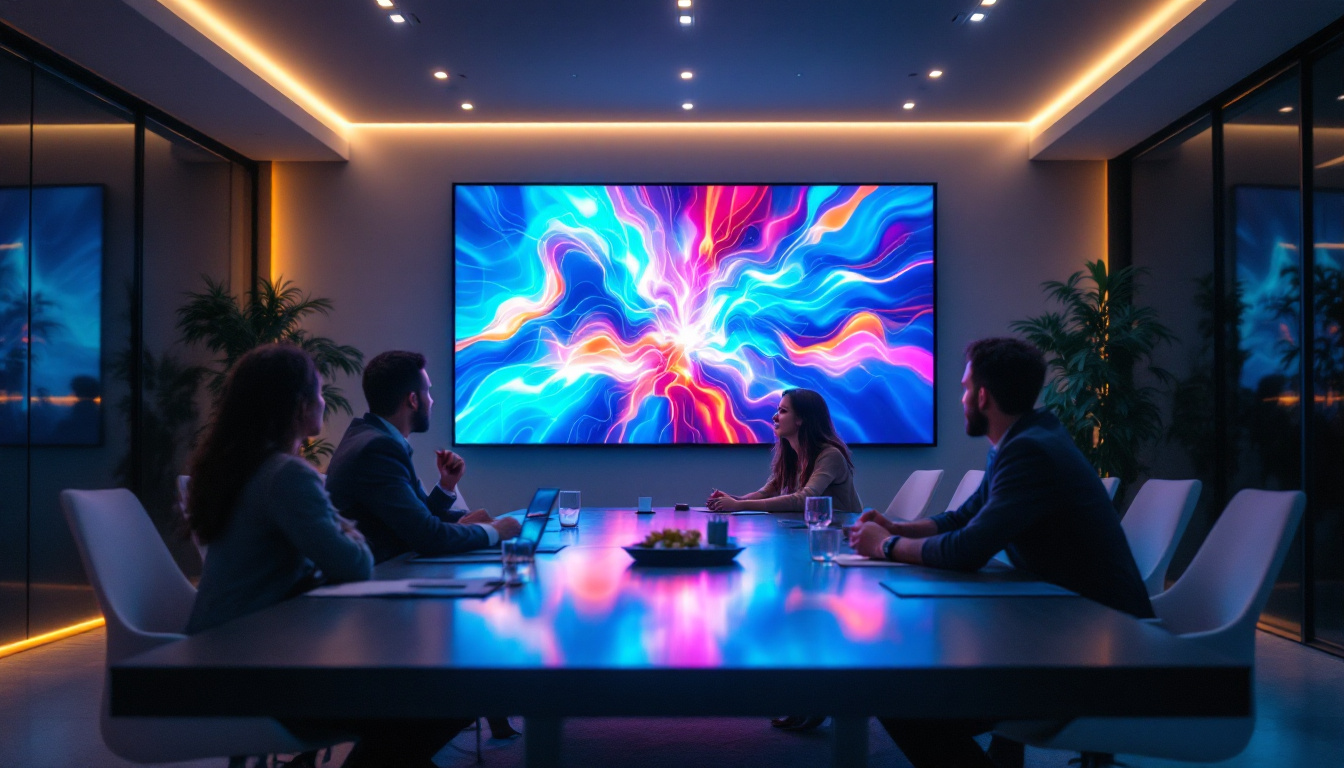
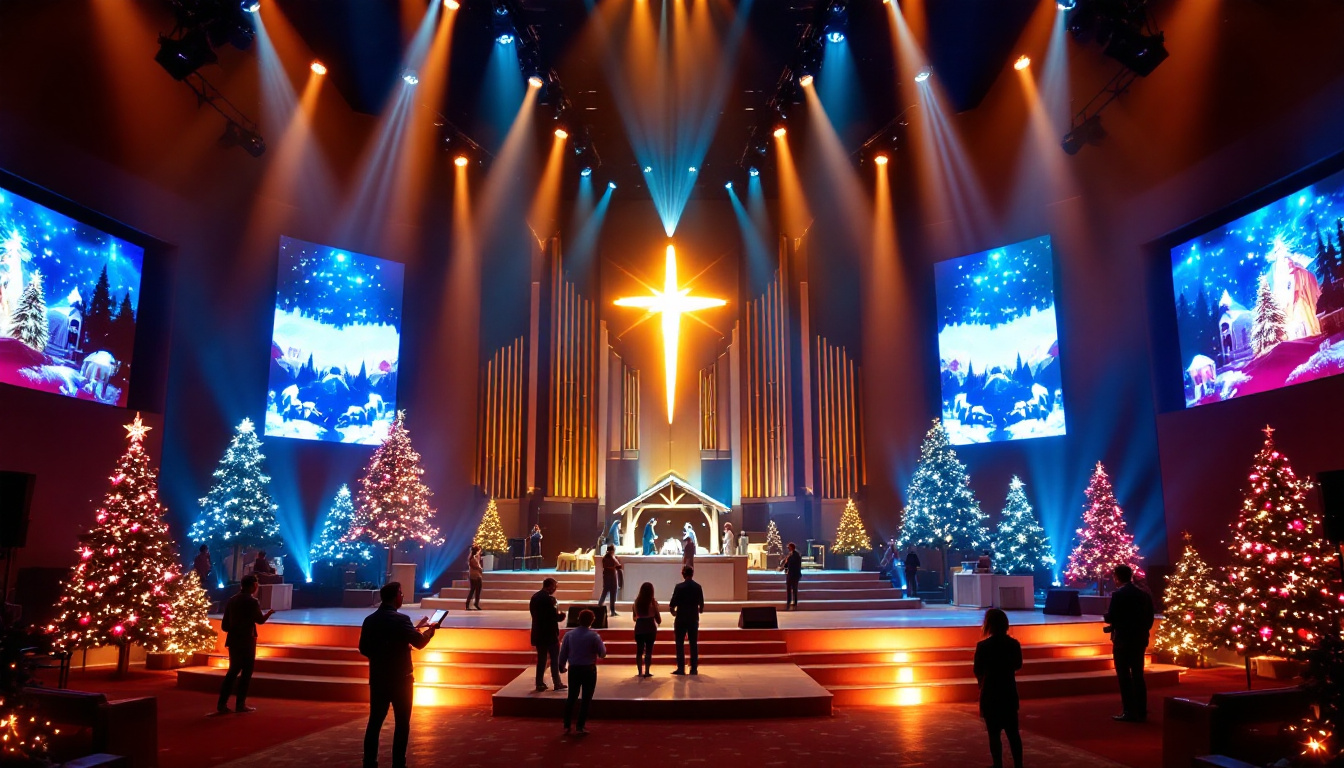
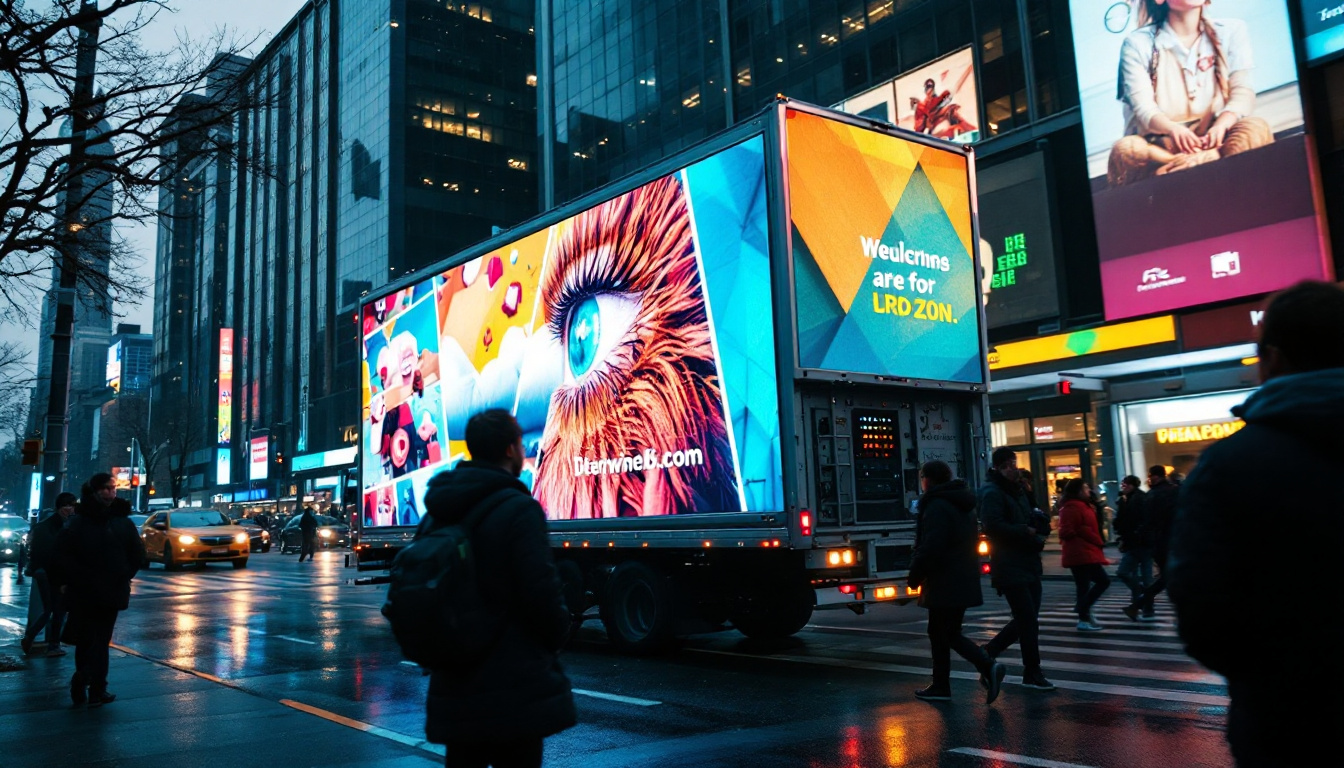
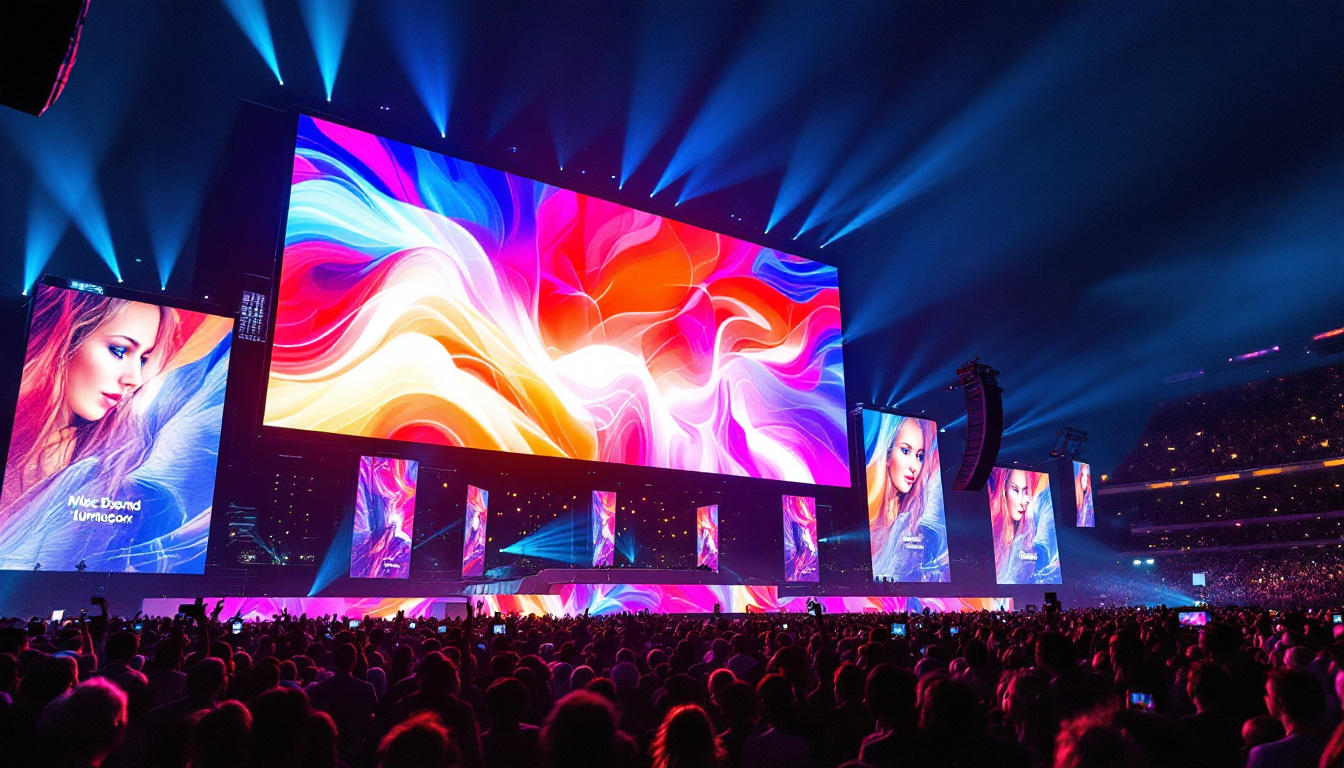
LED displays excel in environments where high brightness and durability are necessary. Outdoor events like music festivals, sporting events, and public gatherings benefit from their visibility in daylight and resistance to weather. Corporate events with large audiences or those requiring high-impact visuals also favor LED screens for their superior image quality and flexibility in configuration.
When Traditional Projectors Might Suffice
For smaller indoor events with controlled lighting, such as board meetings, training sessions, or intimate presentations, traditional projectors remain a cost-effective choice. They are typically easier to transport and set up in venues with limited space. However, event planners should be mindful of ambient light levels, as projectors perform best in dim environments.
Hybrid Approaches
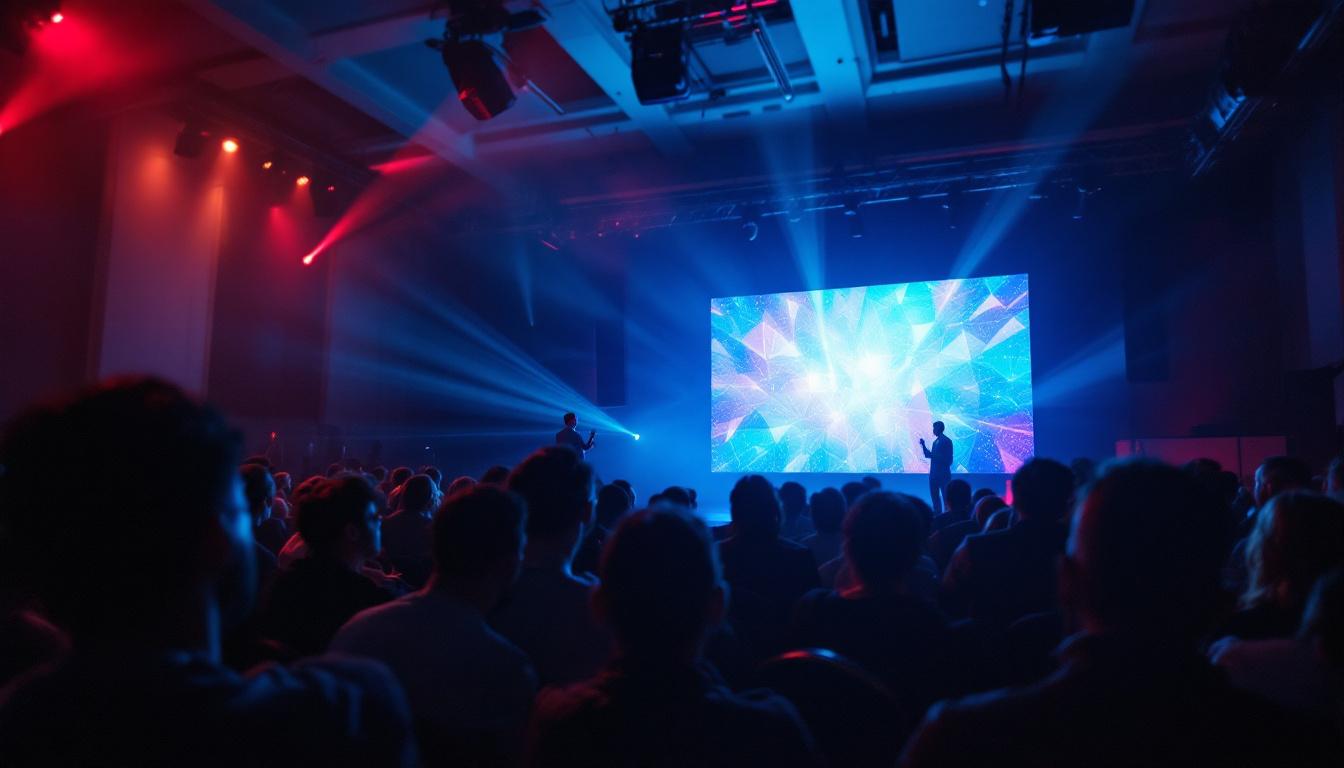
Some events combine both technologies to maximize impact. For example, a conference might use LED displays for the main stage backdrop while employing projectors for breakout rooms or supplementary presentations. This approach allows organizers to balance cost and performance across different event areas.
Trends and Innovations in LED Display Technology
The LED display industry continues to evolve rapidly, driven by advances in materials, manufacturing, and software integration.
MicroLED and MiniLED Technologies
Emerging technologies like MicroLED and MiniLED offer even higher resolutions and improved energy efficiency. These displays feature smaller diodes and tighter pixel pitches, enabling ultra-fine image detail suitable for close viewing distances. As these technologies become more affordable, they are expected to become standard in rental inventories.
Flexible and Transparent LED Screens
Innovations in flexible LED panels allow for curved, cylindrical, or irregularly shaped displays, expanding creative possibilities for event design. Transparent LED screens, which can be installed on glass surfaces, enable unique visual effects without obstructing views, ideal for retail environments and experiential marketing.
Integration with Augmented Reality and Interactive Technologies
LED displays are increasingly integrated with interactive technologies such as touch sensors, motion tracking, and augmented reality (AR). These features enhance audience engagement by enabling immersive experiences, live interaction, and personalized content delivery.
Choosing the Right Rental Partner for LED Displays
Partnering with a knowledgeable and reliable rental provider is essential to maximize the benefits of LED display technology.
Experience and Technical Expertise
Look for rental companies with extensive experience in LED display installations across diverse event types. Their technical expertise ensures proper setup, calibration, and troubleshooting, minimizing the risk of technical issues during the event.
Comprehensive Service Offerings
Top rental providers offer end-to-end services including consultation, delivery, installation, on-site support, and content management assistance. These services streamline event production and allow organizers to focus on other critical aspects.
Equipment Quality and Maintenance
High-quality, well-maintained LED panels contribute to superior image performance and reliability. Rental companies that regularly update their inventory and perform rigorous maintenance checks provide greater assurance of flawless operation.
Customization and Flexibility
Every event has unique requirements. A rental partner willing to customize screen sizes, configurations, and content solutions can deliver a tailored experience that aligns perfectly with event objectives.
Conclusion
LED displays have revolutionized the screen projector rental market by offering unmatched brightness, image quality, and versatility. While they come at a higher rental cost than traditional projectors, their benefits often justify the investment, especially for large-scale or outdoor events. Understanding the technical aspects, rental considerations, and emerging trends can help event planners make informed decisions that elevate the audience experience. Partnering with an experienced rental provider ensures seamless integration and optimal performance, making LED displays a powerful tool in modern event production.
Discover LumenMatrix’s Innovative LED Solutions
Ready to elevate your event with the unparalleled brightness, image quality, and versatility of LED displays? LumenMatrix, a leader in LED display technology, offers a comprehensive range of solutions tailored to your needs. From Indoor and Outdoor LED Wall Displays to specialized options like Vehicle, Sports, and Floor LED Displays, LumenMatrix is committed to transforming your visual communication. Experience the future of digital signage with our Custom, All-in-One, and Transparent LED Displays. Check out LumenMatrix LED Display Solutions today and make a lasting impression at your next event.